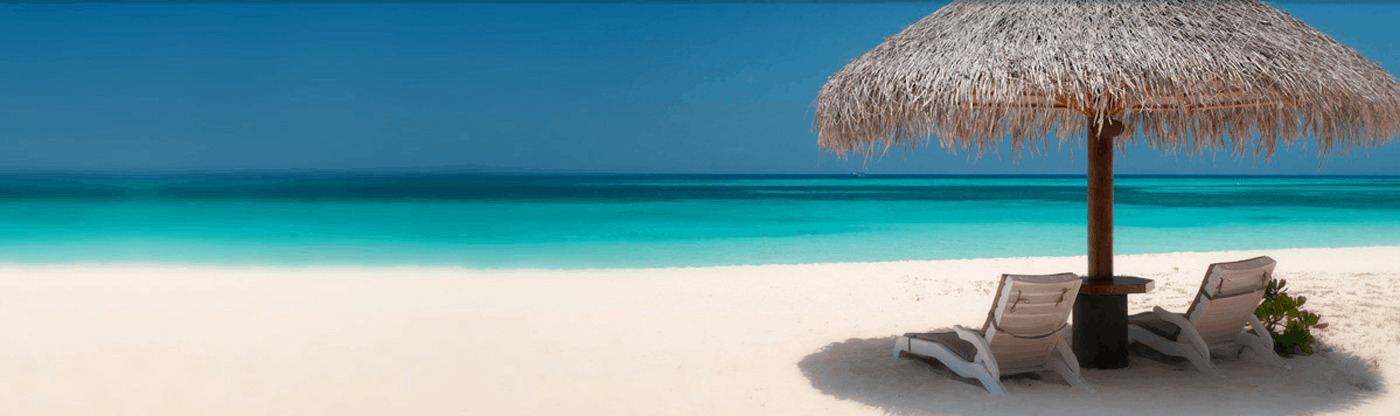
Beaches in Greece are world-famous for their beauty. Soft sand, turquoise water, and dramatic cliffs make them unforgettable. In fact, Greece has beaches for every traveler. Some are quiet coves, while others are lively with music and watersports.
For example, couples can enjoy peaceful hideaways. Families, meanwhile, find safe shores with calm, shallow water. Adventure seekers love the surf and parties of Mykonos. On the other hand, those who want relaxation head to Crete’s Elafonissi Beach with pink sand and clear seas.
Overall, beaches in Greece offer endless variety. Whether you want fun, romance, or pure tranquility, you’ll find the perfect spot here.
Greece is one of the top 10 Countries in the world with the most beautiful beaches, and you can visit them all on PInterest.
Why Visit the Beaches in Greece
Beaches in Greece are more than scenery—they’re an experience. First, the variety is unmatched. You’ll find soft sandy shores, hidden coves, and towering cliffs. Next, history adds depth. Many beaches sit near ancient ruins or charming villages, blending culture with coastline. Finally, the atmosphere is unforgettable. Lively Mykonos, romantic Santorini, and quiet Crete each have their own unique vibe. Relaxation, adventure, and beauty come together on every Greek shore.
Travel Tip: Pack water shoes. Some of Greece’s most stunning beaches sparkle with pebbles instead of sand.
Best Time to Visit the Beaches in Greece
Beaches in Greece are beautiful year-round, but timing makes a big difference. Summer, from June to August, is hot and lively—perfect for parties, swimming, and water sports. Autumn, September to October, offers warm seas, thinner crowds, and golden sunsets. Winter, November to March, is cooler and quiet, great for peaceful walks and exploring coastal villages. Spring, April to May, is fresh and colorful, with wildflowers and calm beach days.
Overall, late spring and early autumn are the best times to visit. You’ll enjoy sunny skies, warm seas, and far fewer tourists.
Travel Tip: Plan around Greek holidays—beaches get extra busy during local festivals and summer breaks.
The Amazing Beaches in Greece
Beaches in Greece are as iconic as the whitewashed villages and ancient ruins. First, there are the lively hotspots, buzzing with energy and beach culture. Next, you’ll find quiet coves, perfect for travelers seeking peace and untouched beauty. Some beaches are world-famous for their scenery and vibrant atmosphere. Others remain hidden treasures, waiting to be discovered by those who wander off the beaten path.
Below, you’ll find Greece’s most popular beaches, followed by hidden gems that deserve a spot on your list.
Most Popular Beaches in Greece
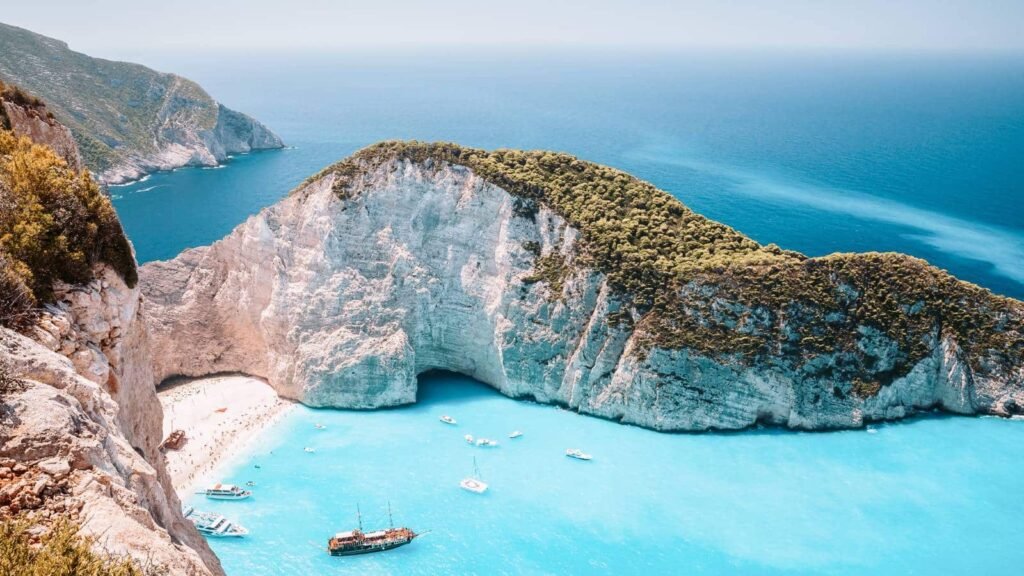
- Navagio Beach, Zakynthos – Known as Shipwreck Beach, with turquoise water and dramatic limestone cliffs.
- Elafonissi Beach, Crete – Famous for its pink sand, shallow waters, and dreamy scenery.
- Myrtos Beach, Kefalonia – A breathtaking mix of white pebbles and glowing blue sea.
- Super Paradise Beach, Mykonos – A lively spot with music, beach clubs, and nonstop energy.
- Red Beach, Santorini – Unique volcanic red cliffs rising above sparkling water.
Travel Tip: Arrive early at famous beaches—parking and prime spots fill fast in summer.
Hidden Gem Beaches in Greece
- Voidokilia Beach, Peloponnese – A perfect horseshoe bay with golden sand and calm waters.
- Seitan Limania, Crete – A narrow cove framed by cliffs, with striking turquoise waves.
- Kleftiko, Milos – Accessible only by boat, with sea caves and crystal lagoons.
- Alypa Beach, Mani Peninsula – A quiet, stone-pebble bay surrounded by rustic stone houses.
- Agiofarago Beach, Crete – At the end of a scenic gorge, wild and peaceful.
Travel Tip: Many hidden gems are remote—pack water, snacks, and good shoes for the journey.
No matter your style—romantic hideaways, family fun, water sports, or pure scenic wonder—these beaches in Greece showcase the very best of the coast and promise experiences you’ll never forget.
Amazing Luxury & Budget Beachfront Resorts in Greece
Greece’s beaches feel even more magical when you stay right on the sand. Whether you’re craving over-the-top luxury or a cozy budget escape, these beachfront resorts deliver unforgettable views and easy access to the sea.
Luxury Resorts in Greece
- Phāea Blue, Elounda – Eco-chic beachfront escape with serene vibes, farm-to-table dining, and views of Mirabello Bay.
- Cavo Tagoo, Mykonos – Famous for cave-style pools, stylish suites, and chic Aegean vibes.
- Canaves Oia Suites, Santorini – Cliffside luxury with private plunge pools overlooking the caldera.
- W Costa Navarino, Pylos – Trendy beachfront resort blending modern design, wellness, and Messinian coastline views.
- Domes Miramare, Corfu – Adults-only elegance with sleek design and a private seafront.
Budget Beachfront Resorts in Greece
- Avra Beach, Crete – Charming seaside hotel with warm hospitality, steps from golden sand and tavernas.
- Aelo Mykonos Hotel, Mykonos – Boutique escape with Cycladic design, sea views, and relaxing poolside vibes.
- Studios Naxos, Naxos – Cozy, family-run stay close to golden sand and clear water.
- Nissia Beach Apartments & Suites, Santorini – Beachfront suites with private terraces, traditional charm, and direct sea access.
- Katerina Mare, Paros – Friendly guesthouse with sunset balconies and a short stroll to lively Naousa.
Travel Tips for Booking Resorts in Greece
- Confirm transfers in advance – Many Greek resorts offer shuttle service from airports or ports. Book early to avoid delays.
- Ask for a sea view upgrade – Even budget resorts may offer affordable room upgrades with incredible views.
- Book activities through the resort – From boat trips to cooking classes, resorts often partner with trusted local guides.
- Mind resort dining times – In Greece, meals can run later than you’re used to. Dinner often starts after 8 p.m.
- Check for beach access – Some “beachfront” resorts are a short walk away. Look at maps and reviews before booking.
- Enjoy local flavors onsite – Many resorts feature tavernas with authentic Greek cuisine — don’t miss out by only ordering international dishes.
- Pack light layers – Evenings by the coast can be breezy, so bring a light sweater.
Local Food & Drinks By the Beach
Beaches in Greece aren’t just about sun and sea — they’re about flavor too. Coastal tavernas serve dishes that capture the essence of island life. Fresh seafood is a must: grilled octopus, sardines, or the catch of the day paired with lemon and olive oil.
For something hearty, try souvlaki or moussaka after a long swim. Meze plates — with tzatziki, dolmades, and feta cheese — are perfect for sharing by the shore. Don’t miss sweet treats like baklava or loukoumades for dessert.
To sip, order a glass of ouzo, chilled white wine, or a local beer while watching the sunset. Dining beachside in Greece blends food, views, and atmosphere into one unforgettable experience.
Travel Tip: For the best experience, eat like a local — long, leisurely meals at beachside tavernas where fresh catch and homemade flavors meet the sea breeze.
Travel Tips for Beach Holidays in Greece
First, pack smart. Greece’s sun is strong, so bring reef-safe sunscreen, sunglasses, and a wide-brim hat. A light cover-up helps for long days by the sea.
Next, plan for transport. Many beaches in Greece are best reached by rental car, scooter, or local ferry. Public buses connect popular spots, but hidden gems often need your own wheels.
Always carry cash. Beach bars, tavernas, and umbrella rentals may not accept cards, especially on smaller islands.
Arrive early. Popular beaches like Navagio or Myrtos get crowded fast. Early mornings give you calm water, open loungers, and fewer tourists.
Stay hydrated. Greek summers are hot, and walking across sandy stretches adds up. Bring a refillable bottle and plenty of water.
Finally, respect local rules. Some beaches are organized with loungers and music. Others are natural, quiet, and even nudist-friendly. Follow posted signs and enjoy Greece’s beach culture the way locals do.
Interesting Facts About Beaches in Greece
Greece has over 6,000 islands, yet only about 227 are inhabited. Many of the best beaches are hidden on smaller ones.
Navagio Beach in Zakynthos is one of the most photographed beaches in the world, thanks to its turquoise water and iconic shipwreck.
Crete’s Elafonissi Beach is famous for pink sand, created by crushed seashells and coral.
The island of Milos has more than 70 beaches, each with unique colors, from white cliffs to volcanic black sand.
Greece is also where modern beach tourism began. Santorini’s dramatic Red Beach and Mykonos’ party beaches helped put the country on the global travel map.
FAQs About Beaches in Greece
Are beaches in Greece free to access?
Yes, almost all beaches are free and open to the public. Some resorts may charge for sunbeds or umbrellas, but entry is rarely restricted.
When is the best time to visit the beaches in Greece?
The best months are May to October. June and September balance warm weather with fewer crowds. July and August are busiest but also the most vibrant.
Are Greek beaches safe for swimming?
Yes, the waters are generally safe and clear. Look out for local flags that mark conditions, and always follow lifeguard advice.
Can you surf in Greece?
Yes, but not everywhere. The island of Naxos, Tinos, and some Crete beaches offer good waves. Most beaches are calm and better for swimming, snorkeling, and paddleboarding.
What makes beaches in Greece unique?
The variety. From pink sand and volcanic shores to lively party beaches and quiet coves, no two Greek beaches feel the same.
The Last Word on Beaches in Greece
Beaches in Greece are as magical as its myths. From pink sands in Crete to lively shores in Mykonos, every coastline has its own charm. Some beaches dazzle with turquoise water and dramatic cliffs. Others win you over with calm coves, family-friendly waves, and cozy tavernas by the sea.
Whether you want romance, relaxation, or adventure, Greece delivers it all. Each visit feels unforgettable, and every stretch of sand tells its own story. Pack your swimsuit and let the beauty of Greece’s beaches take your breath away.
Related Posts
 Visit Beautiful Lohme in the Jasmund Region on Rügen Island
 Visit Beautiful Lauterbach on The Island of Rügen
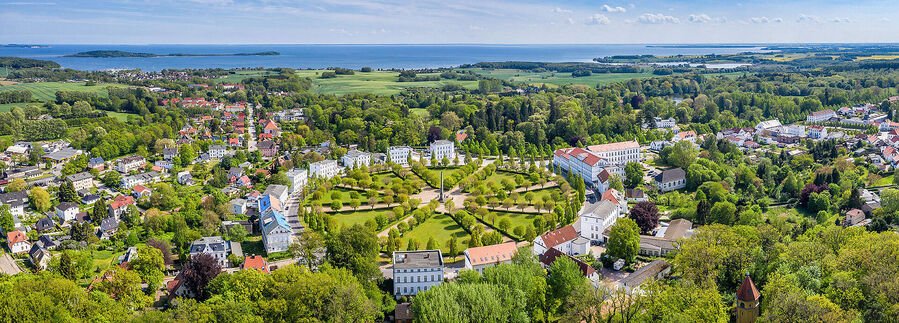 Visit Beautiful Putbus on The Island of Rügen
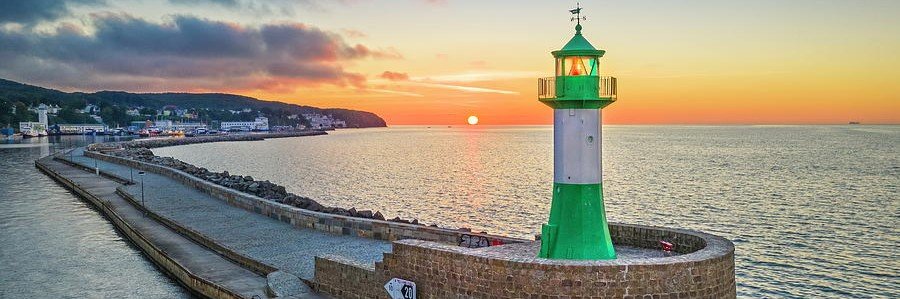 Discover the Most Beautiful Coastal Landscapes of Sassnitz Germany
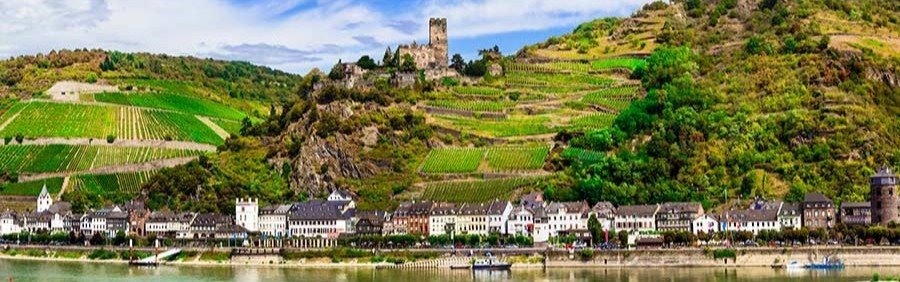 Rhine Gorge: The Most Stunning Hidden Castles You’ll Love
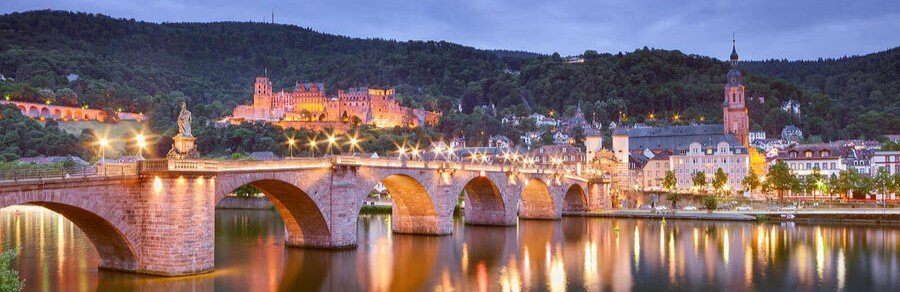 The Most Beautiful Heidelberg Old Town and Stunning Castle Views You’ll Love
Pingback: Deb Carpenter
You will not get bored in Crete—if anything, 10 days will fly by faster than you expect. It’s one of the largest and most diverse islands in Greece, so it offers way more than just beaches.
While the beaches are incredible (and definitely worth a few days), you also have so many other experiences to mix in. You can explore historic sites like ancient ruins, wander through charming old towns, hike through gorges, or even do things like food tours and local wine tastings.
For someone who doesn’t want to sit on the beach all day, Crete is actually a perfect fit. You can easily alternate between relaxing beach days and more active or cultural experiences, so it never feels repetitive.
A lot of couples end up loving that balance—slow mornings by the sea, then heading out in the afternoon to explore something new. It keeps the whole trip feeling fresh and really memorable.
Pingback: Charlene Sullivan
This is such a beautifully put together guide to Greece’s beaches. I love how you covered everything from famous spots to hidden gems, because it really shows how much variety there is. The mix of travel tips, resort options, and food suggestions makes it feel complete and easy to plan from. Elafonissi and Navagio both sound incredible, but the quieter beaches really caught my attention too. For a first-time visit, which island would you recommend starting with? And are the hidden beaches easy to reach without renting a car?
Pingback: Gretch
Thanks so much! For first-timers, I usually recommend Elafonissi Beach in Crete — the pink sand, shallow turquoise water, and peaceful vibe make it feel like stepping into a dream. It’s iconic without being overwhelming. If someone wants something a little more dramatic, Myrtos Beach in Kefalonia delivers that jaw-dropping cliff-and-sea contrast you never forget.