
Escape to dazzling shores made for unforgettable adventures.
The most beautiful beaches around the world offer far more than soft sand and clear water. Some are framed by limestone cliffs, while others feature swaying palms, coral reefs, volcanic shorelines, or secluded coves. From the turquoise lagoons of the South Pacific to the dramatic coastlines of Europe and the Caribbean, each beach has its own landscape and vibe.
This guide explores breathtaking shores known for their scenery, swimming, snorkeling, wildlife, and amazing sunsets. You’ll discover remote islands, famous resort gems, and peaceful stretches of coast that still feel untouched. Whether you dream of relaxing beneath a palm tree, exploring underwater reefs, or walking along a windswept shoreline, these beaches deserve a place on your travel wish list.
For even more and ideas, explore us on Pinterest.
🗺️ Map • Why These Beaches Stand Out • Elafonissi Beach • Banana Beach • Eagle Beach • Siesta Beach • Praia da Falésia • Anse Source d’Argent • Bávaro Beach • Playa de Muro • Grace Bay Beach • Whitehaven Beach • Which Beach Is Best • Essential Tips • FAQs
Why These Beaches Stand Out
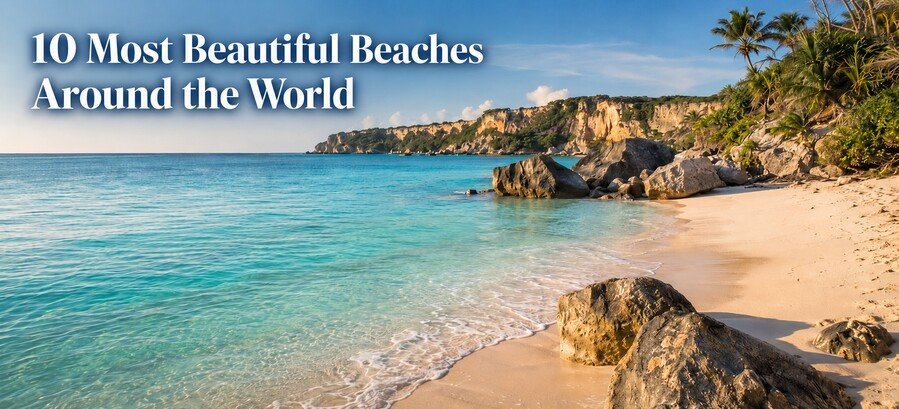
The world’s most beautiful beaches are not limited to one type of landscape. Some have powdery white sand and calm lagoons, while others are surrounded by cliffs, volcanic rock, or dense tropical forests. Clear water, unusual scenery, healthy marine life, and a peaceful setting often separate a wonderful beach from an ordinary stretch of coastline.
Bora Bora is known for its bright turquoise lagoon and mountain backdrop. In contrast, Navagio Beach is enclosed by towering limestone cliffs and reached from the sea. Other spots stand out for coral reefs, wildlife, pink sand, or striking rock formations. Weather and seasonal crowds can change the experience, so choosing the right month allows you to enjoy clearer water, comfortable temperatures, and a quieter shoreline.
Elafonissi Beach, Crete – Greece’s Pink Sand Paradise
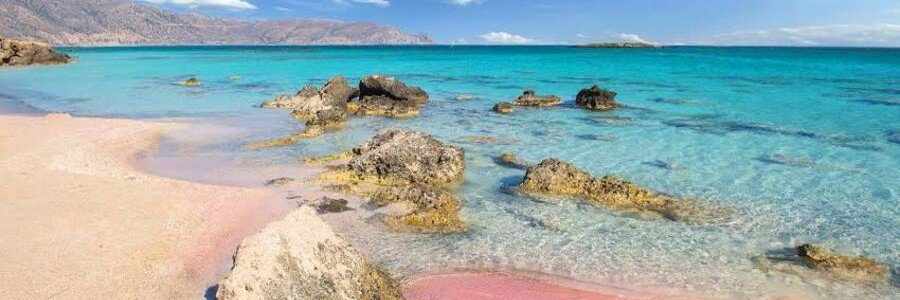
It’s known for its pale sand which develops a delicate pink tint where crushed shells collect along the shoreline. Shallow turquoise water separates the main beach from a small island, creating a warm lagoon where families can swim and wade. The amount of visible pink sand varies with the tide, weather, and location, so it may not appear as bright as heavily edited photographs suggest.
Beyond the lagoon, protected dunes and native plants give the area a more natural appearance than a typical resort beach. You can walk across the shallow water, explore the island, or find quieter sections away from the main sunbed area. July and August become super crowded, making an early arrival especially important.
When to Visit: May through October provides the warmest swimming weather. Choose May, June, September, or early October for pleasant temperatures and fewer crowds.
Banana Beach, Phuket – Thailand’s Island Escape
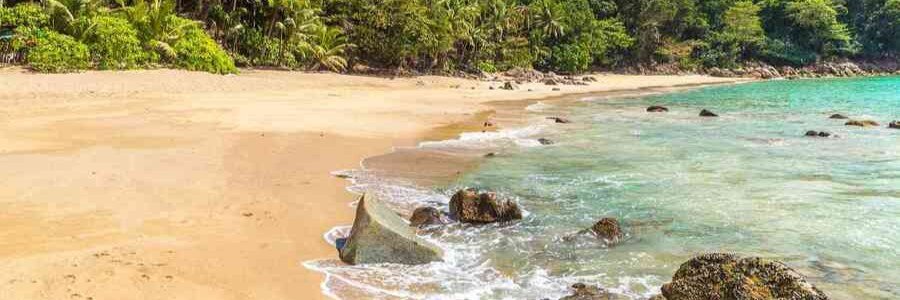
Sitting on Koh Hey, commonly called Coral Island, it’s only short speedboat ride from Phuket. Its curved shoreline is backed by tropical greenery, while clear water and nearby reefs make it popular for snorkeling. Kayaking, parasailing, and other marine activities are also available through local tour operators.
Although it feels removed from Phuket’s busier resort areas, Banana Beach is no longer completely hidden. Day tours often arrive around midday, bringing more activity to the sand and water. Arriving early gives you a better chance to swim, snorkel, or photograph the beach before the largest groups appear.
When to Visit: November through April usually brings drier weather and calmer seas. January through March offers some of the most dependable conditions for boat travel, although it is also the busiest period.
Eagle Beach, Oranjestad – Aruba’s Wide Sandy Escape
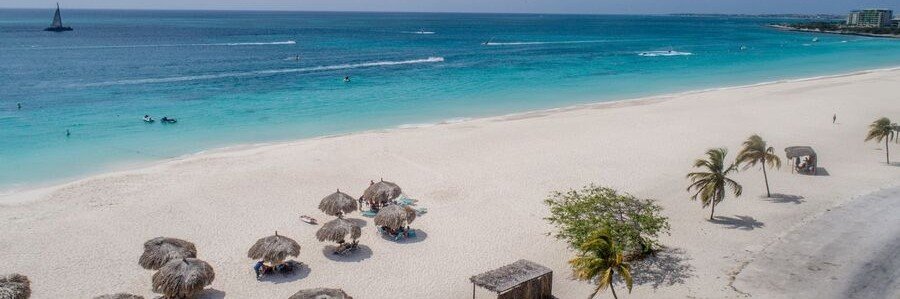
This beach stands out for its unusually wide stretch of soft white sand and open Caribbean views. Unlike the busier high-rise hotel district, this part of Aruba has fewer buildings directly along the shore. You’ll have room to walk, sunbathe, swim, or watch the sunset without feeling crowded into a narrow strip of sand.
Two wind shaped fofoti trees have become recognizable symbols of the beach and popular places for photographs. Eagle Beach is also an important nesting area for sea turtles, and marked nests may appear during nesting season. Swimming conditions are often inviting, but waves and currents can change, so pay attention to local warnings.
When to Visit: Aruba is warm throughout the year. April through August offers steady trade winds and fewer people than the winter high season, while January through March provides drier conditions at higher prices.
Siesta Beach, Siesta Key – Florida’s White Quartz Gem
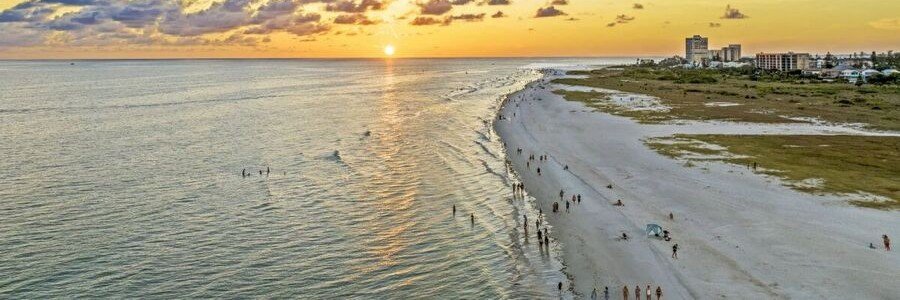
It’s famous for sand made almost entirely from quartz crystal. And the powdery texture feels soft underfoot which remains cooler than many darker types of beach sand. The broad shoreline provides plenty of room for swimming, sunbathing, volleyball, and long walks beside the Gulf of Mexico.
This is also one of the most convenient beaches on the list for families. The park includes lifeguards, concessions, restrooms, showers, shaded shelters, a playground, and a large public parking area. A free trolley connects the beach with Siesta Key Village, where you can find restaurants, shops, and evening entertainment.
When to Visit: March through May offers warm temperatures before the hottest and rainiest part of summer. Visit on a weekday or arrive early because parking can fill quickly during spring break and holiday weekends.
Praia da Falésia, Algarve – Portugal’s Cliffside Beauty
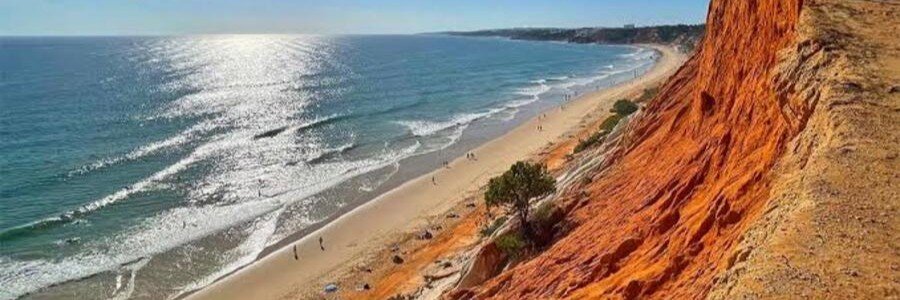
The beach stretches for almost six km. between the Albufeira area and Vilamoura. Tall cliffs rise behind the western section of the beach, displaying bands of red, copper, orange, and cream colored rock. Their warm tones create a dramatic contrast with the blue Atlantic and golden sand.
Several stairways and access points lead down from the clifftop, while the eastern end becomes flatter near Vilamoura. The long shoreline makes this an excellent beach for walking, especially during the quieter morning and evening hours. Stay away from the base of unstable cliffs and follow posted safety signs when choosing a place to sit.
When to Visit: May through September provides the warmest and sunniest beach weather. June and September are particularly appealing because temperatures remain comfortable and crowds are lighter than in July and August.
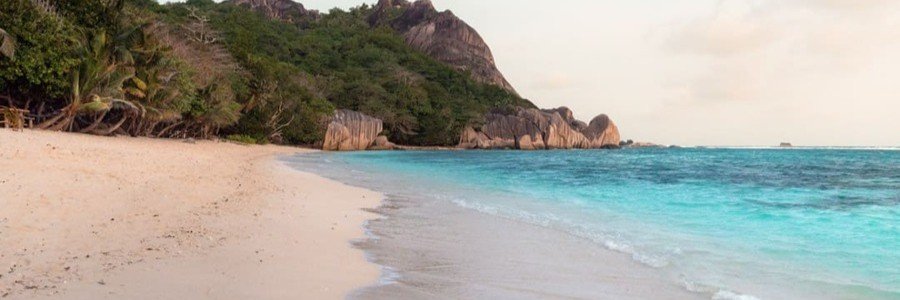
Anse Source d’Argent, Seychelles – A True Island Icon
This beach is instantly recognizable for its enormous granite boulders, pale sand, and shallow turquoise lagoon. The rocks divide the shoreline into a series of small coves, creating secluded places to swim, relax, and take photographs. Palm trees and dense tropical plants complete the striking scenery.
The beach is located on La Digue and is commonly reached through L’Union Estate, where an entrance fee applies. Shallow water and an offshore reef create calm conditions, although low tide can make swimming difficult in some areas. Mid to high tide is usually better for swimming, while early morning and late afternoon provide softer light and is less busy.
When to Visit: April through May and October through November often bring calm seas and excellent underwater visibility. The Seychelles remains warm throughout the year, but brief tropical showers can occur in any season.
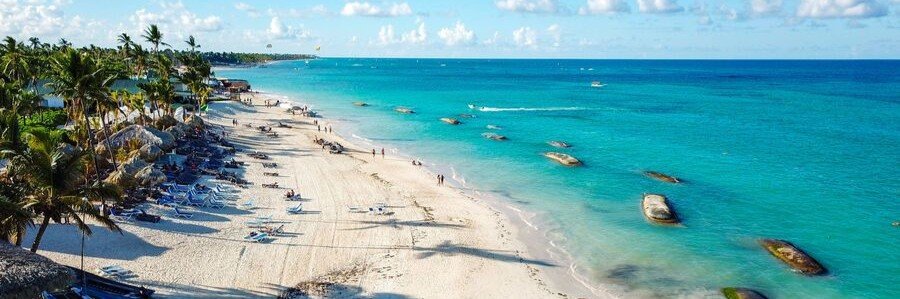
Bávaro Beach, Punta Cana – Dominican Republic’s Tropical Escape
It features a long shoreline of pale sand, coconut palms, and warm turquoise water. Resorts occupy much of the coast, but public access points and local beach areas allow you to experience it without staying at an all-inclusive property. The vibe changes along the shore, ranging from quiet resort sections to lively areas filled with music and activity.
Sailing trips, snorkeling excursions, parasailing, kayaking, and catamaran cruises are widely available. Beach bars and restaurants also make it easy to spend an entire day beside the water. Seaweed levels and ocean conditions vary by season, so check recent beach reports if clear water is a priority.
When to Visit: December through April is the driest and most comfortable period, with warm days and lower rainfall. It is also peak season, so reserve flights and hotels early.
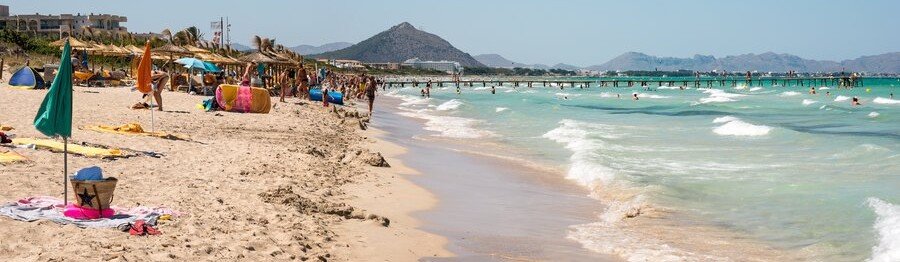
Playa de Muro, Mallorca – Spain’s Family Friendly Gem
This beach stretches for nearly six km. along Mallorca’s northeastern coast. Its clear water remains shallow for a considerable distance from shore, allowing younger children and less confident swimmers to enter gradually. Fine sand and generally gentle conditions have made it one of the island’s most popular family beaches.
The shoreline is divided into several sections. Resort areas offer restaurants, sunbeds, water sports, and other conveniences, while the Es Comú section has dunes and a more natural setting near S’Albufera Natural Park. This variety allows you to choose between a fully serviced beach day and a quieter walk beside protected coastal scenery.
When to Visit: May through September offers warm water and long hours of sunshine. June and September provide excellent swimming weather with fewer crowds than the busiest weeks of July and August.
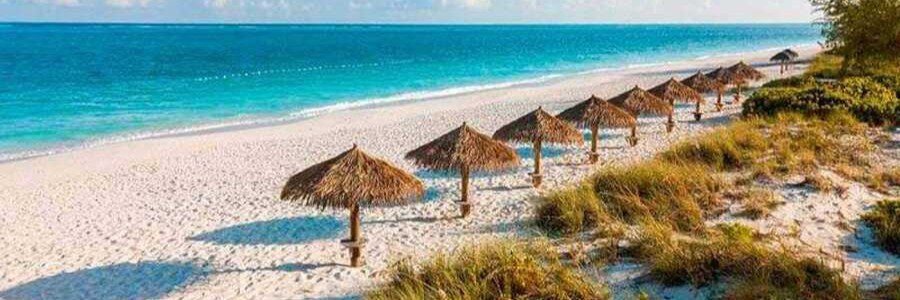
Grace Bay Beach, Turks and Caicos – A Caribbean Crown Jewel
Curving along the northern shore of Providenciales, this beach offers powder soft sand and clear turquoise water. An offshore barrier reef helps reduce large ocean swells, creating inviting conditions for swimming and paddleboarding on many days. The lack of rocks and seaweed along much of the central shoreline adds to its polished feel.
Luxury resorts, restaurants, and water sports operators line parts of the beach, yet public access points make it possible to visit without staying directly on the sand. For better snorkeling, head toward nearby Smith’s Reef or Bight Reef, where coral and tropical fish are easier to find. Conditions still vary, so follow local guidance before entering the water.
When to Visit: December through April provides the driest weather but also brings the highest prices. April and May offer a good balance of warm water, fewer crowds, and lower hotel rates before the wetter tropical storm season.
Whitehaven Beach, Queensland – Australia’s Pristine Icon
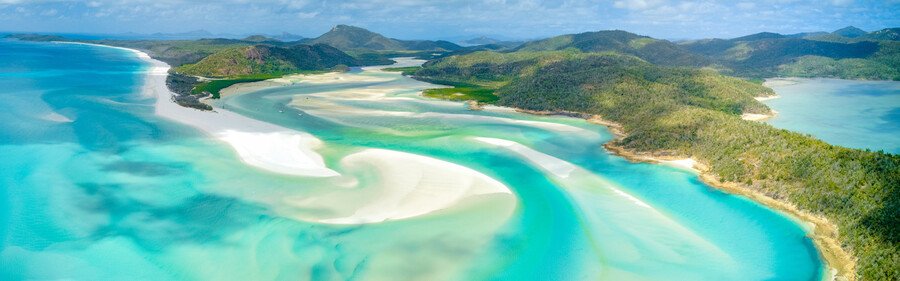
Stretching for approximately seven km. along Whitsunday Island, with brilliant silica sand. It feels especially fine and creates a striking contrast with the surrounding turquoise water. Because there are no large resorts on the beach, most arrive by boat, seaplane, or helicopter from Airlie Beach or nearby islands.
At the northern end, Hill Inlet creates swirling patterns as tides move sand and water through the channel. Walking to the Hill Inlet lookout provides the classic wide view seen in photographs, while the southern end has trails and designated camping areas. You should protect the fragile environment by taking all trash with you and follow national park rules.
When to Visit: June through October generally provides lower humidity, clearer skies, and comfortable sailing conditions. September and October are especially popular, but marine stingers become more common from October through May, when protective suits are recommended for swimming.
Map of the World’s Most Beautiful Beaches
Use this interactive map to find each beach featured in this guide. Select a marker to view its location and start planning your journey to some of the world’s most amazing coastlines.
Best Beach for Every Type of Traveler
Each beach offers a different experience. Some are ideal for families and easy swimming, while others stand out for snorkeling, photography, luxury resorts, or untouched scenery. Use this quick guide to find the right beach for your travel style.
Best for Families: Playa de Muro
Shallow water, soft sand, and family friendly services make Playa de Muro an easy choice for travelers with children. Its long shoreline also provides both lively resort areas and quieter natural sections.
Best for Powder Soft Sand: Siesta Beach
Siesta Beach is known for its fine quartz sand, which stays cooler than many other types of beach sand. Lifeguards, concessions, restrooms, and a nearby village make it convenient for a full beach day.
Best for Dramatic Cliffs: Praia da Falésia
Bands of red, orange, and golden rock rise above the long shoreline at Praia da Falésia. The beach is especially striking near sunset, when the cliffs take on deeper colors.
Best for Photography: Anse Source d’Argent
Giant granite boulders, shallow turquoise water, and tropical greenery create an extraordinary setting. Visit early or late in the day for softer light and fewer people in your photographs.
Best for Island Activities: Banana Beach
Banana Beach combines snorkeling, kayaking, swimming, and boat trips in one easy island excursion. It is a good choice for travelers who want more activity than a simple day on the sand.
Best for Luxury: Grace Bay Beach
Grace Bay pairs clear Caribbean water with upscale resorts, beachfront restaurants, spas, and private excursions. It works especially well for honeymoons, anniversaries, and relaxing resort vacations.
Best for Space to Relax: Eagle Beach
Eagle Beach has a broad shoreline with plenty of room for walking and sunbathing. Its open setting feels less crowded than Aruba’s busier high rise hotel area.
Best for an All Inclusive Vacation: Bávaro Beach
Bávaro Beach is lined with resorts offering restaurants, pools, entertainment, and water activities. It is a convenient choice for travelers who want most parts of their vacation arranged in one place.
Best for Unique Sand: Elafonissi Beach
Elafonissi stands out for its pink tinted sand and shallow turquoise lagoon. The color varies naturally, but the combination of pale sand, clear water, and protected dunes remains memorable.
Best for Untouched Scenery: Whitehaven Beach
Whitehaven Beach offers brilliant silica sand without large resorts or a developed town beside it. Arriving by boat or air adds to the sense of visiting a remote natural landmark.
Essential Beach Vacation Tips
A beautiful shoreline does not always guarantee easy swimming or simple access. Weather, tides, transportation, and local regulations can change the experience, so check the details before leaving your hotel.
Check Tides and Water Conditions
Tides can change the appearance and accessibility of a beach. Low tide may expose reefs and create long walks to deeper water, while high tide can cover sand or make narrow coves difficult to access.
Check the local tide chart and surf report before visiting. This is especially important at Anse Source d’Argent, Whitehaven Beach, and beaches beneath cliffs or reached through tidal areas.
Follow Beach Flags and Lifeguard Advice
Clear water can still hide rip currents, sudden drop offs, rocks, or marine life. Swim near a lifeguard whenever possible and stay out of the water when red or black warning flags are displayed.
Never swim alone or mix alcohol with swimming. If caught in a rip current, remain calm and swim parallel to the shoreline until you escape the current.
Protect Yourself From the Sun
Sun exposure can be intense near the equator and on bright white beaches. Wear a wide-brimmed hat, sunglasses, and lightweight clothing that covers your shoulders when you are not swimming.
Apply broad spectrum sunscreen before going outside and reapply it according to the product directions. Drink water regularly, even if the breeze keeps you from feeling overheated.
Pack for the Beach Conditions
Bring a reusable water bottle, quick drying towel, dry bag, and waterproof phone case. Water shoes are useful on rocky shores, coral beaches, and areas with sea urchins or sharp shells.
Some places require additional protection. For example, a stinger suit is recommended in the Whitsundays during marine-stinger season. A light jacket can also be helpful for windy boat trips and cooler evenings.
Arrange Transportation in Advance
Not every beach can be reached by car. Whitehaven Beach and Banana Beach require boat or air transportation, while Anse Source d’Argent is located on La Digue and commonly reached by bicycle after arriving on the island.
Reserve popular boat tours and transfers before your trip, especially during peak season. Confirm what the price includes, such as snorkeling equipment, food, towels, park fees, or hotel pickup.
Keep Valuables Secure
Avoid leaving phones, passports, wallets, or cameras unattended while swimming. Use a hotel safe when possible and carry only the money and identification you need for the day.
A waterproof pouch allows you to keep small valuables with you in the water. For boat trips, place electronics inside a sealed dry bag before boarding.
Check Entrance Fees and Local Rules
Some beaches charge admission or require passage through private land, parks, or protected reserves. Others restrict alcohol, drones, fires, pets, or the removal of shells and sand.
Review the rules before arriving and carry a small amount of local currency when traveling to remote areas. Following posted signs also protects dunes, nesting turtles, reefs, and other sensitive habitats.
Respect Coral Reefs and Wildlife
Never stand on coral, chase marine animals, or collect shells from protected areas. Keep a safe distance from turtles, rays, seabirds, and other wildlife, even when they appear comfortable around people.
Pack out everything you bring and avoid single use plastics when possible. If local sunscreen restrictions apply, follow them and rely on rash guards, hats, and shade for additional protection.
Consider Travel Insurance
Weather can delay flights, cancel boat tours, or interrupt island transportation. Travel insurance may help with cancellations, medical care, delayed luggage, or emergency evacuation.
Read the policy carefully because snorkeling, diving, jet skiing, and other activities may require additional coverage. Confirm that your chosen activities and destination are included before purchasing a plan.
Final Thoughts: Discover the World’s Most Beautiful Beaches
The world’s most beautiful beaches offer much more than white sand and clear water. Each destination has something distinctive, from Elafonissi’s pink tinted shoreline and Praia da Falésia’s colorful cliffs to the granite boulders of Anse Source d’Argent.
Choose a beach that matches your travel style, whether you want family friendly swimming, snorkeling, luxury resorts, or remote natural scenery. Consider the season, transportation, tides, and local conditions before booking.
Whichever beach you choose, take time to enjoy the landscape and respect the environment around you. Protecting these shorelines will help preserve their beauty for future guests.
Beautiful Beaches FAQs
What is considered the most beautiful beach in the world?
There is no single answer because beauty depends on personal preference. Grace Bay, Whitehaven Beach, Anse Source d’Argent, and Praia da Falésia frequently receive attention for their clear water and distinctive scenery.
Which beach has pink sand?
Elafonissi Beach in Crete is known for its pink tinted shoreline. The color comes from tiny shell fragments that collect along the water’s edge, although its intensity changes with the tide and location.
Which beach is best for families?
Playa de Muro and Siesta Beach are excellent family choices. Both offer shallow water, soft sand, lifeguards, restrooms, and convenient services near the shoreline.
Which beach is best for snorkeling?
Banana Beach offers easy access to snorkeling during island tours from Phuket. Grace Bay, Anse Source d’Argent, and Bávaro Beach also have nearby reefs, although conditions and visibility vary by season.
What is the best time to visit these beaches?
The best month depends on the region. Mediterranean beaches are warmest from May through September, while many Caribbean spots have their driest weather from December through April.
Which beach is best for a luxury vacation?
Grace Bay Beach is one of the best choices for luxury resorts, fine dining, spas, and private excursions. Bávaro Beach also has a large selection of all inclusive beachfront resorts.
Do I need to reserve beach tours in advance?
Reserve boat trips, island transfers, and popular water activities before traveling during peak season. Whitehaven Beach and Banana Beach require boat or air transportation, so availability may be limited.
Are all these beaches free to visit?
No. Many public beaches have free access, but transportation, parking, park admission, or estate fees may apply. Anse Source d’Argent is generally reached through L’Union Estate, which charges an entrance fee.
Are these beaches safe for swimming?
Many have calm swimming areas, but ocean conditions can change without warning. Check local flags, swim near a lifeguard, and avoid entering the water during strong currents, high surf, or marine
life warnings.
How can visitors help protect these beaches?
Avoid touching coral, disturbing wildlife, walking across dunes, or removing shells and sand. Pack out your rubbish, follow local rules, and use reusable items whenever possible.