
Paradise is calling… discover what makes this island magical!
Welcome to Aruba, where powder-soft white sand, turquoise Caribbean waters, and endless sunshine create an unforgettable island escape. Known as “One Happy Island,” this Dutch Caribbean paradise offers more than beautiful beaches. Colorful seaside towns, rugged desert landscapes, and warm island hospitality make Aruba a destination worth exploring.
Located south of the main Atlantic hurricane belt, Aruba enjoys warm temperatures and refreshing trade winds throughout the year. Spend your mornings relaxing on beautiful Eagle Beach or swimming in the calm waters of Palm Beach. Then, trade your beach chair for an off-road adventure through the cactus-covered hills of Arikok National Park.
Beyond the shoreline, you’ll discover another side of Aruba. Wander through the colorful Dutch Caribbean architecture of Oranjestad, sample delicious local cuisine, or explore hidden coves along the island’s rugged coastline. Whether you’re planning a romantic getaway, family vacation, or adventure-filled escape, Aruba offers something for every traveler.
In this ultimate Aruba travel guide, you’ll discover the best beaches, places to stay, exciting activities, hidden gems, and unforgettable day trips. We’ll also cover the best time to visit, transportation, dining, and essential travel tips. Everything you need to plan your perfect Aruba vacation is right here!
In this guide | When To Visit | Why Visit | Key Activities | Oranjestad | Palm Beach | Eagle Beach | San Nicolas | Arikok National Park | Noord & Malmok | Savaneta | Mangel Halto & Pos Chiquito | Aruba at a Glance | Savor the Flavors | Bucket List Aruba | Interactive Map | Getting Around | Tips | FAQs | Lesser Antilles | Visit Us on Pinterest

Aruba | Weather & Best Time to Visit
Aruba | Overall Best Time
April to August. Aruba enjoys warm tropical temperatures, refreshing trade winds, and abundant sunshine throughout the year. However, these months offer an especially appealing combination of beautiful beach weather, manageable crowds, and potential resort savings. April and May are particularly attractive for travelers seeking sunshine without the peak winter-season prices. Meanwhile, June through August brings warmer conditions and generally breezy afternoons, making beach relaxation especially enjoyable. Aruba lies south of the main Atlantic hurricane belt, reducing its exposure to direct hurricane impacts. Nevertheless, tropical weather systems can occasionally affect the island. December through March remains popular with travelers escaping colder climates. Therefore, booking accommodations early is recommended during winter holidays and other busy travel periods.
Peak Season | Sunshine & Cooler Breezes
December to March. Aruba’s peak travel season brings warm sunshine, relatively comfortable humidity, and refreshing northeast trade winds. Daytime temperatures generally reach the mid-80s°F (around 29°C), creating excellent conditions for exploring Eagle Beach, Palm Beach, and Baby Beach. In addition, the relatively dry weather makes this an appealing time for sightseeing in Oranjestad and hiking through Arikok National Park. However, winter also attracts the largest numbers of visitors, particularly around Christmas, New Year’s, and spring break. As a result, beachfront resorts, popular restaurants, and excursions may require advance reservations. Although accommodation rates are often higher, the consistently pleasant conditions make winter an excellent choice for a Caribbean escape.
Shoulder Season | Best Value & Beach Weather
April to August. Following the busy winter months, Aruba generally experiences fewer visitors and more opportunities for accommodation savings. April and May are especially appealing because rainfall remains relatively low, while warm Caribbean waters invite swimming, snorkeling, and sailing. Meanwhile, June through August typically brings stronger trade winds, making the island popular for windsurfing and kitesurfing. Beaches along Aruba’s sheltered western and southern shores often provide comfortable swimming conditions. However, exposed coastal areas can experience stronger winds and rougher surf. Temperatures also become slightly warmer as summer progresses. Therefore, plan outdoor adventures for the morning and reserve afternoons for beach relaxation, refreshing swims, or shaded seaside dining.
Rainier Season | Warm Weather & Fewer Crowds
September to December. Aruba’s relatively wetter period typically develops during autumn, with October through December often receiving the most rainfall. However, showers are frequently brief, and sunshine can return quickly. September and October also tend to experience lighter trade winds, making the heat and humidity more noticeable. Meanwhile, November and December bring a greater chance of tropical showers, occasionally accompanied by thunderstorms. Despite the increased rainfall, Aruba generally remains much drier than many other Caribbean destinations. In addition, September through November can offer attractive accommodation rates and quieter beaches. However, travelers should monitor forecasts and remain flexible when scheduling boat excursions, snorkeling trips, and other weather-dependent activities.
Windy Season | Windsurfing & Kitesurfing
January to August, especially May to August. Aruba’s steady northeast trade winds create excellent conditions for windsurfing, kitesurfing, and other wind-powered adventures. Hadicurari Beach, also known as Fisherman’s Huts, is particularly popular with windsurfers, while Boca Grandi attracts experienced kitesurfers. In addition, the constant breeze helps moderate the island’s tropical heat, making sunny afternoons feel more comfortable. However, wind conditions vary by location, and exposed beaches can experience choppy water. Travelers seeking calm swimming and snorkeling conditions should favor sheltered beaches and check daily marine forecasts. Although the trade winds generally weaken during autumn, breezy weather can occur throughout the year.
Aruba | Weather & Seasons Overview
| Season | Typical Months | Weather Characteristics | Travel Considerations |
|---|---|---|---|
| Peak Travel Season | December–March | Warm sunshine, refreshing trade winds, and relatively low rainfall | Excellent beach weather; higher resort prices and larger crowds |
| Best Overall Value | April–August | Mostly sunny conditions, warm temperatures, and steady breezes | Appealing balance of beach weather, availability, and potential savings |
| Driest Period | February–May | Abundant sunshine, limited rainfall, and generally dry landscapes | Excellent for beaches, sightseeing, and outdoor adventures |
| Windiest Period | May–August | Stronger northeast trade winds and warm tropical temperatures | Popular for windsurfing and kitesurfing; exposed waters may be choppy |
| Warmest & Less Windy | September–October | Hotter-feeling conditions, lighter breezes, and increasing humidity | Quieter beaches and potential resort savings; plan around midday heat |
| Rainier Period | October–December | Greater chance of showers, occasional thunderstorms, and variable sunshine | Flexible outdoor plans recommended; rainfall often occurs in passing showers |
Aruba enjoys a warm, semi-arid tropical climate, with daytime temperatures generally ranging from approximately 85°F to 91°F (29°C to 33°C) throughout the year. Unlike many Caribbean islands, Aruba receives relatively little annual rainfall. As a result, its landscape features cactus-covered hills, rocky coastlines, and distinctive desert vegetation. Meanwhile, steady trade winds provide welcome relief from the tropical heat, particularly during the drier months. The island’s western and southern beaches generally offer calmer waters than its rugged northern and eastern shores. Although Aruba sits outside the main Atlantic hurricane belt, it is not completely immune to tropical storms or unusual weather conditions. Always check local forecasts, marine conditions, and official weather advisories before planning outdoor excursions.

Aruba | Why Visit
Aruba offers an irresistible combination of beautiful beaches, year-round sunshine, and unforgettable Caribbean adventures. Known as “One Happy Island,” this Dutch Caribbean destination blends tropical relaxation with colorful culture and rugged natural beauty. Unlike many Caribbean islands, Aruba features cactus-covered hills, dramatic rocky coastlines, and a warm, semi-arid climate. Whether you’re dreaming of a luxury beachfront resort or an adventurous island escape, Aruba offers something special for every traveler.
Year-Round Sunshine & Refreshing Trade Winds
Aruba’s warm temperatures and relatively dry climate make it an appealing Caribbean destination throughout the year. Located south of the main Atlantic hurricane belt, the island experiences fewer direct hurricane impacts than many northern Caribbean destinations. However, tropical storms and occasional heavy rainfall remain possible. Meanwhile, refreshing northeast trade winds help moderate the tropical heat, particularly during the drier months. With abundant sunshine and generally warm weather, Aruba is ideal for beach vacations, outdoor dining, and coastal sightseeing. Even during the rainier autumn months, travelers can enjoy beautiful sunny periods between passing showers.
Spectacular Beaches & Crystal-Clear Waters
Aruba is famous for its powder-soft white sand beaches and brilliant turquoise Caribbean waters. Eagle Beach offers a wide, beautiful shoreline, iconic fofoti trees, and plenty of space to relax. Meanwhile, Palm Beach combines calm swimming areas with luxury resorts, lively beachfront restaurants, and exciting water sports. For a quieter experience, Baby Beach features a sheltered, shallow lagoon that’s especially popular with families. Additionally, Arashi Beach and Boca Catalina attract visitors seeking snorkeling opportunities and beautiful coastal scenery.
Another advantage is accessibility. Aruba’s beaches are public, although resort facilities and certain amenities may require payment. Visitors can easily explore several beautiful stretches of coastline during a single vacation.
Two Coastlines | Relaxation Meets Adventure
One of Aruba’s most remarkable features is the contrast between its peaceful western beaches and rugged northeastern coastline. Along the western shore, calm turquoise waters create inviting conditions for swimming, snorkeling, and sunset sailing. At Tres Trapi, rocky steps lead into clear water where snorkelers may encounter colorful fish and occasionally sea turtles. In contrast, Aruba’s northern and eastern landscapes reveal a wilder side of the island. Arikok National Park protects desert scenery, rocky hills, caves, and dramatic coastal viewpoints.
Adventurous travelers can explore designated rugged routes and visit Conchi Natural Pool, a natural rock formation sheltered from the surrounding ocean waves. However, reaching some remote attractions requires a suitable vehicle or guided excursion. Swimming at natural pools also depends on wave conditions and local safety guidance.
Colorful Culture & Easy Island Exploration
Beyond its beaches, Aruba offers a fascinating blend of Dutch Caribbean heritage, local traditions, and welcoming island hospitality. In Oranjestad, colorful colonial-inspired buildings, waterfront shops, and lively restaurants create an inviting atmosphere. Meanwhile, San Nicolas showcases Aruba’s artistic personality through vibrant street murals and local cultural attractions. Visitors can also sample traditional dishes such as keshi yena, fresh seafood, and pastechi while exploring the island’s diverse culinary scene.
Aruba’s compact size makes sightseeing relatively convenient, especially with a rental car. In addition, the island’s desalinated tap water is generally safe to drink, making everyday travel easier. Whether you’re relaxing beneath a beachfront palapa, discovering colorful neighborhoods, or exploring the island’s desert wilderness, Aruba delivers an unforgettable combination of Caribbean beauty, culture, and adventure.

Aruba | Key Activities
Aruba offers far more than beautiful beaches and luxury resorts. Its crystal-clear Caribbean waters, steady trade winds, and rugged desert landscapes create exciting opportunities for outdoor adventures. Whether you’re exploring colorful marine life, discovering historic shipwrecks, or venturing along rocky coastal trails, there’s something for every interest. From thrilling water sports to peaceful kayaking excursions, these unforgettable Aruba activities showcase the island’s remarkable natural diversity.
Windsurfing & Kitesurfing at Fisherman’s Huts
Aruba’s steady trade winds and warm Caribbean waters make it a popular destination for windsurfing and kitesurfing. Hadicurari Beach, commonly called Fisherman’s Huts, sits just north of Palm Beach and offers shallow water with generally favorable conditions for learning windsurfing. Several local schools provide lessons, equipment rentals, and instruction for different experience levels. Meanwhile, experienced riders can enjoy Aruba’s reliable breezes and beautiful coastal scenery. However, offshore winds require proper supervision, particularly for beginners. Kitesurfing instruction and riding locations also vary according to conditions and local regulations.
Snorkeling the Antilla Shipwreck
The Antilla shipwreck is one of Aruba’s most fascinating underwater attractions. This approximately 400-foot German merchant vessel was deliberately sunk in 1940 during World War II. Today, its remains rest in relatively shallow Caribbean waters near Malmok, attracting colorful tropical fish and other marine life. Snorkeling excursions allow visitors to view sections of the enormous wreck from above, while certified divers can explore deeper areas. In addition, many catamaran tours combine the Antilla with nearby snorkeling locations and scenic coastal cruising. However, currents, waves, and visibility can vary, so guided excursions are recommended.
UTV & ATV Desert Adventures
Discover Aruba’s wild side on an exciting guided UTV or ATV adventure through its rugged desert landscapes. Popular excursions explore designated off-road routes featuring cactus-covered hills, rocky terrain, and spectacular coastal viewpoints. Along the way, many tours visit attractions such as Alto Vista Chapel, the Bushiribana Gold Mill Ruins, and the remains of Aruba’s famous Natural Bridge. Meanwhile, knowledgeable guides share stories about the island’s history, geology, and distinctive natural environment. However, motorized recreational vehicles are prohibited inside Arikok National Park, and permitted routes vary. Choose a responsible operator that follows local regulations and protects sensitive landscapes.
Flamingo Beach at Renaissance Island
For a memorable tropical experience, visit Flamingo Beach on Renaissance Island, a private island accessible by boat from Oranjestad. This picturesque setting is famous for its resident flamingos, which wander along the white sand beside brilliant turquoise waters. Visitors can relax beneath shaded palapas, enjoy beachfront refreshments, and photograph the beautiful surroundings. Flamingo Beach is primarily reserved for adults, although designated family visiting hours may be available. Access is included for eligible Renaissance Wind Creek Aruba Resort guests, while limited day passes may be offered to other visitors. However, availability, prices, and access policies can change. Always confirm current arrangements before planning your visit, and follow the resort’s wildlife interaction guidelines.
Kayaking & Snorkeling at Spanish Lagoon
Explore Aruba’s quieter natural beauty on a guided kayaking adventure through Spanish Lagoon and the surrounding coastal waters. Located along the island’s southern shore, this protected lagoon features mangrove vegetation, peaceful waterways, and important habitats for coastal birds and marine life. Guided excursions offer opportunities to observe the ecosystem while learning about Aruba’s environmental conservation efforts. In addition, some tours combine kayaking with snorkeling near Mangel Halto, where clear waters reveal tropical fish and coral formations. Although conditions are often sheltered, tides, wind, and water access can affect excursions. Choose an experienced guide and avoid disturbing sensitive mangrove habitats.
Aruba | Explore The Best Destinations
Aruba may be a small Caribbean island, but its destinations offer an impressive variety of experiences. From colorful historic streets and lively beachfront resorts to quiet fishing villages and rugged desert landscapes, every corner reveals something different. Whether you’re searching for romantic sunsets, family-friendly beaches, local culture, or outdoor adventures, these eight Aruba destinations deserve a place on your itinerary.

Oranjestad | The Colorful Historic Capital
Aruba’s vibrant capital combines Dutch Caribbean architecture, waterfront shopping, and fascinating island history. Stroll through downtown Oranjestad to admire pastel-colored buildings, decorative facades, and lively shopping streets. Meanwhile, Fort Zoutman and the surrounding historic district offer a glimpse into the island’s colonial past. Visitors can also explore the waterfront, enjoy local restaurants, and discover cultural attractions. With its colorful streets and convenient location, Oranjestad is an excellent destination for sightseeing, shopping, and experiencing Aruba beyond the beaches.
Three Unforgettable Highlights
- Fort Zoutman & Willem III Tower: Discover Aruba’s colonial history at one of the island’s oldest surviving landmarks, located in the heart of downtown Oranjestad.
- Royal Plaza & Downtown Shopping: Admire colorful Dutch Caribbean architecture while exploring boutiques, souvenir shops, restaurants, and lively shopping streets.
- Aruba Streetcar: Enjoy a charming ride through downtown Oranjestad aboard the free tram connecting the cruise terminal area with popular shopping and sightseeing stops.
Nearby Communities to Explore: Downtown Oranjestad, Paardenbaai, Bushiri, and the Surfside Beach area.

Palm Beach | Luxury Resorts & Entertainment
Palm Beach is Aruba’s lively resort destination, famous for its beautiful shoreline, upscale hotels, and exciting nightlife. Along this popular stretch of the northwest coast, luxury resorts overlook calm turquoise waters and soft white sand. Meanwhile, beachfront restaurants, lively bars, and water sports operators offer entertainment throughout the day. Shopping destinations such as Paseo Herencia and Palm Beach Plaza provide additional dining and entertainment options. Whether you’re planning a romantic resort vacation or an activity-filled getaway, Palm Beach offers convenience, beautiful scenery, and plenty to enjoy.
Three Unforgettable Highlights
- Palm Beach: Relax along a beautiful stretch of white sand, where calm turquoise waters, beachfront resorts, and exciting water sports create a lively tropical atmosphere.
- Paseo Herencia: Explore an open-air shopping and entertainment complex featuring restaurants, boutiques, evening activities, and a festive resort atmosphere.
- Sunset Sailing Cruises: Experience Aruba’s spectacular Caribbean sunsets aboard a catamaran or sailing excursion departing from the Palm Beach area.
Nearby Communities to Explore: Noord, Hadicurari, Bakval, Malmok, and the Palm Beach High-Rise Hotel District.

Eagle Beach | Peaceful Shores & Sunset Beauty
Located just south of Palm Beach, Eagle Beach offers a more relaxed atmosphere with wide stretches of powder-soft white sand. This beautiful coastline is famous for its distinctive fofoti trees, turquoise waters, and spectacular Caribbean sunsets. Unlike the busier high-rise resort district, the surrounding low-rise hotel area features smaller resorts and a quieter beachfront setting. In addition, portions of Eagle Beach serve as important nesting habitat for sea turtles. Whether you’re enjoying a peaceful morning walk or watching the sun disappear over the water, Eagle Beach captures Aruba’s laid-back tropical charm.
Three Unforgettable Highlights
- Eagle Beach: Enjoy one of Aruba’s most celebrated beaches, featuring powder-soft white sand, beautiful turquoise waters, and a relaxed atmosphere.
- Iconic Fofoti Trees: Photograph Aruba’s famous wind-shaped trees overlooking the Caribbean Sea, especially beautiful during golden-hour sunsets.
- Manchebo Beach: Discover a quieter stretch of coastline known for its wide sandy shoreline, peaceful surroundings, and beautiful sunset views.
Nearby Communities to Explore: Low-Rise Hotel District, Manchebo, Bubali, Bushiri, and Oranjestad.
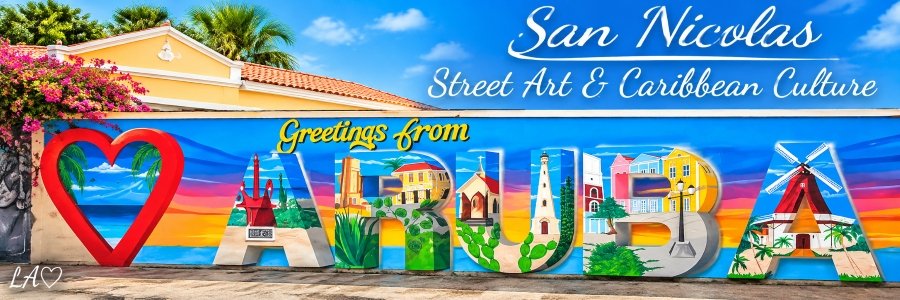
San Nicolas | Street Art & Caribbean Culture
Known as Aruba’s Sunrise City, San Nicolas offers colorful street art, fascinating cultural traditions, and a distinctly local atmosphere. Its downtown streets feature vibrant murals created by Aruban and international artists, transforming ordinary buildings into an outdoor art gallery. Meanwhile, the city’s history reflects influences from the Caribbean communities connected to Aruba’s former oil industry. Visitors can explore local shops, discover traditional flavors, and experience the area’s artistic personality. Nearby Baby Beach and Rodgers Beach provide additional opportunities for coastal relaxation, making San Nicolas an appealing destination for culture and beach lovers alike.
Three Unforgettable Highlights
- San Nicolas Street Art: Wander through colorful downtown streets decorated with impressive murals created by local and international artists.
- Baby Beach: Swim in a beautiful sheltered lagoon known for its shallow turquoise waters, soft sand, and family-friendly atmosphere.
- Museum of Industry: Explore Aruba’s industrial heritage and discover how gold mining, aloe production, and oil refining influenced the island’s development.
Nearby Communities to Explore: Downtown San Nicolas, Seroe Colorado, Brazil, Savaneta, and the Baby Beach area.

Arikok National Park | Desert Wilderness & Natural Wonders
Covering nearly 20% of Aruba, Arikok National Park protects a remarkable landscape of cactus-covered hills, rocky coastline, caves, and desert vegetation. Visitors can explore designated hiking trails, admire dramatic coastal scenery, and discover fascinating geological formations. Among the park’s highlights are Fontein Cave, known for its Indigenous rock drawings, and Guadirikiri Cave, famous for its naturally illuminated chambers. Adventurous travelers can also visit Conchi Natural Pool when conditions permit. However, some attractions require rugged access routes, and swimming may be unsafe during heavy surf. Guided excursions offer a convenient way to explore this extraordinary natural environment.
Three Unforgettable Highlights
- Conchi Natural Pool: Discover a remarkable rock-enclosed coastal pool surrounded by rugged scenery and crashing ocean waves. Swimming depends on conditions and park guidance.
- Fontein & Guadirikiri Caves: Explore fascinating limestone caves featuring Indigenous rock drawings, dramatic chambers, and natural sunlight filtering through openings.
- Arikok Hiking Trails: Experience Aruba’s desert wilderness along designated trails featuring cactus-covered hills, native wildlife, and spectacular coastal viewpoints.
Nearby Communities to Explore: Santa Cruz, Paradera, Macuarima, and the southeastern coastal areas near San Nicolas.

Noord & Malmok | Snorkeling & Coastal Landmarks
The northern district of Noord offers beautiful snorkeling locations, scenic coastal drives, and several of Aruba’s most recognizable landmarks. Along the Malmok coastline, clear Caribbean waters attract snorkelers hoping to encounter tropical fish and occasional sea turtles. Nearby Boca Catalina and Arashi Beach provide additional opportunities for swimming and snorkeling. Meanwhile, California Lighthouse offers sweeping views of the island’s northern coastline, while historic Alto Vista Chapel provides a peaceful stop overlooking the surrounding landscape. With its combination of coastal beauty and cultural attractions, Noord is ideal for travelers who enjoy exploring beyond their resort.
Three Unforgettable Highlights
- California Lighthouse: Visit Aruba’s iconic northern lighthouse and enjoy sweeping views of the coastline and surrounding desert landscapes.
- Boca Catalina: Snorkel in clear Caribbean waters where colorful tropical fish and occasional sea turtles can be spotted near the rocky shoreline.
- Alto Vista Chapel: Discover a peaceful historic chapel surrounded by Aruba’s distinctive cactus-covered countryside and beautiful coastal scenery.
Nearby Communities to Explore: Noord, Malmok, Arashi, Bakval, Hadicurari, and Tierra del Sol.
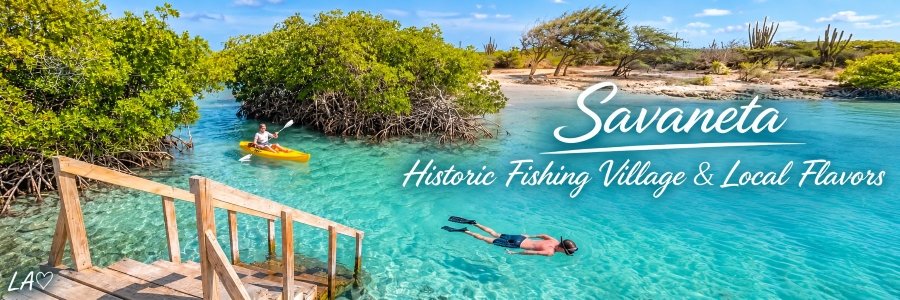
Savaneta | Historic Fishing Village & Local Flavors
Savaneta offers a quieter glimpse into traditional Aruban life along the island’s southwestern coast. Once Aruba’s capital, this historic fishing community retains a relaxed atmosphere far removed from the busy resort districts. Visitors can enjoy waterfront scenery, discover local history, and sample freshly caught seafood at casual seaside restaurants. Meanwhile, nearby coastal areas provide opportunities for swimming, kayaking, and snorkeling. Savaneta is particularly appealing for travelers seeking authentic island flavors, peaceful surroundings, and a slower pace. Its welcoming character makes it a worthwhile stop while exploring southern Aruba.
Three Unforgettable Highlights
- Zeerover: Experience one of Aruba’s best-known casual waterfront seafood restaurants, famous for freshly prepared fish, shrimp, and relaxed seaside dining.
- Savaneta Coastal Views: Discover peaceful waterfront scenery, traditional fishing boats, and a quieter atmosphere away from the busy resort districts.
- Santo Largo Beach: Visit a small, secluded stretch of coastline known for its shallow waters, peaceful surroundings, and local island character.
Nearby Communities to Explore: Pos Chiquito, Mangel Halto, Santo Largo, Cura Cabai, and San Nicolas.
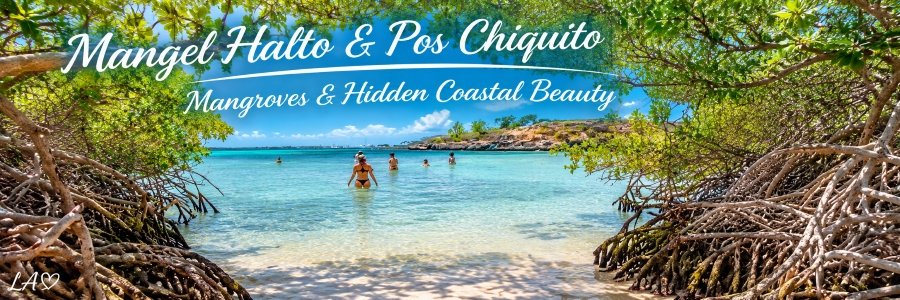
Mangel Halto & Pos Chiquito | Mangroves & Hidden Coastal Beauty
Located along Aruba’s southeastern shoreline, Mangel Halto and nearby Pos Chiquito offer beautiful coastal scenery and a peaceful alternative to the island’s busiest beaches. Mangel Halto is especially known for its mangrove-lined shoreline, shallow turquoise waters, and offshore reef habitats. Visitors can relax along the sheltered coast, photograph the unusual landscape, or join guided kayaking and snorkeling excursions. Meanwhile, the surrounding residential communities provide a glimpse into everyday island life. Although some snorkeling areas have currents and deeper water, guided experiences allow visitors to explore the marine environment more safely. This scenic coastal area is particularly appealing to nature lovers and adventurous travelers.
Three Unforgettable Highlights
- Mangel Halto Beach: Discover a beautiful mangrove-lined shoreline with turquoise waters, shaded coastal areas, and opportunities for swimming and snorkeling.
- Spanish Lagoon: Explore an important coastal ecosystem featuring mangrove vegetation, birdlife, and peaceful guided kayaking excursions.
- Pos Chiquito Coastal Scenery: Experience a quieter side of Aruba through local neighborhoods, scenic waterfront areas, and access to beautiful southern coastal landscapes.
Nearby Communities to Explore: Pos Chiquito, Mangel Halto, Savaneta, Balashi, and the Spanish Lagoon area.
Aruba | Best Destinations Quick Comparison
| Destination | Best For | Top Highlights | Atmosphere |
|---|---|---|---|
| Oranjestad | History, culture & shopping | Fort Zoutman, colorful architecture, downtown streetcar | Colorful, lively & historic |
| Palm Beach | Luxury resorts, nightlife & water sports | Palm Beach, Paseo Herencia, sunset cruises | Energetic, upscale & entertaining |
| Eagle Beach | Relaxation, couples & sunsets | Eagle Beach, fofoti trees, Manchebo Beach | Peaceful, romantic & scenic |
| San Nicolas | Street art, local culture & beaches | Downtown murals, Baby Beach, Museum of Industry | Artistic, authentic & colorful |
| Arikok National Park | Hiking, nature & adventure | Conchi Natural Pool, limestone caves, desert trails | Rugged, wild & adventurous |
| Noord & Malmok | Snorkeling, sightseeing & coastal drives | California Lighthouse, Boca Catalina, Alto Vista Chapel | Scenic, relaxed & coastal |
| Savaneta | Local dining, history & quiet escapes | Zeerover, fishing village, Santo Largo Beach | Traditional, laid-back & charming |
| Mangel Halto & Pos Chiquito | Snorkeling, kayaking & nature | Mangel Halto Beach, Spanish Lagoon, mangrove habitats | Secluded, natural & tranquil |
Aruba’s destinations offer something for every travel style. Palm Beach is ideal for luxury resorts and lively entertainment, while Eagle Beach provides a quieter setting for relaxation and romantic sunsets. Meanwhile, Oranjestad and San Nicolas showcase the island’s colorful history and culture. Adventure seekers will love Arikok National Park, whereas Noord and Malmok offer excellent snorkeling and coastal sightseeing. For a more peaceful experience, explore Savaneta or the mangrove-lined shores of Mangel Halto.
Aruba | Savor the Flavors
Aruba’s cuisine reflects a delicious blend of Dutch, Caribbean, Latin American, and Indigenous influences. From savory cheese-filled dishes to freshly caught seafood, the island offers distinctive flavors worth discovering. Whether you’re dining at a waterfront restaurant, exploring local food trucks, or enjoying a traditional family recipe, these Aruban specialties deserve a place on your culinary adventure.
Aruba | Best Local Foods to Try
Keshi Yena (Traditional Cheese-Stuffed Dish): A rich Aruban specialty featuring melted Gouda or Edam cheese filled with seasoned chicken or beef, olives, raisins, capers, and aromatic spices. Traditionally baked until golden, this savory dish beautifully combines sweet, salty, and creamy flavors.
Pastechi (Traditional Fried Pastry): A golden, crescent-shaped pastry filled with Gouda cheese, seasoned beef, chicken, tuna, or saltfish. Crispy outside and soft inside, pastechi is a popular Aruban breakfast snack and an irresistible treat from local bakeries.
Cabrito Stoba (Traditional Goat Stew): Tender goat meat slowly simmered with tomatoes, onions, garlic, peppers, and Caribbean spices. Some traditional recipes include green papaya to help tenderize the meat. This hearty stew is often served with rice, funchi, or pan bati.
Pan Bati (Traditional Griddle Bread): A soft, slightly sweet Aruban flatbread made with flour, cornmeal, and milk. Cooked on a hot griddle, its tender, spongy texture makes it perfect for soaking up savory stews, Creole sauces, and other local favorites.
Pisca Hasa cu Salsa Crioyo (Fried Fish with Creole Sauce): Fresh local fish, often snapper or another available catch, seasoned and pan-fried until golden. Served with a flavorful Creole sauce made from tomatoes, onions, bell peppers, garlic, and spices.

Aruba | Signature Drinks to Try
Aruba Ariba (Signature Tropical Cocktail): A fruity Caribbean cocktail traditionally made with vodka, rum, banana liqueur, orange juice, pineapple juice, grenadine, and Aruba’s distinctive coecoei liqueur. Sweet, tropical, and colorful, it’s one of the island’s best-known drinks.
Slippery Monkey (Tropical Cocktail): Recipes vary by bar, but versions commonly combine rum or vodka with tropical fruit flavors and colorful liqueurs. Some are bright blue and citrusy, while others are creamy banana-based cocktails. Ask your bartender about the house recipe.
Pelican Punch (Caribbean Rum Punch): A refreshing tropical cocktail typically featuring rum, pineapple or orange juice, and grenadine. Recipes vary between beachfront bars, creating a fruity, slightly sweet drink that’s perfect for enjoying the Caribbean scenery.
Balashi Chill Shandy (Refreshing Beer Cocktail): A light, refreshing combination of Aruba’s Balashi Chill beer and ginger ale or sparkling lemonade. This simple beer-based drink offers a crisp, mildly sweet alternative to stronger tropical cocktails.
Blue Shark (Blue Tropical Cocktail): A vibrant, citrusy cocktail made with vodka, tequila, Blue Curaçao, and a splash of lime juice or lemon-lime soda. Its brilliant ocean-blue color and refreshing, slightly tart flavor make it a fun choice for a sunny beach afternoon.
Aruba | Bucket List Activities
Beyond its beautiful beaches and turquoise waters, Aruba offers unforgettable experiences for couples, families, and curious travelers. From romantic sunset cruises and waterfront dining to historic landmarks and fascinating wildlife encounters, the island has something for every vacation style. Whether you’re celebrating a special occasion or discovering Aruba’s cultural heritage, these bucket list activities add something memorable to your Caribbean getaway.
Aruba After Dark | Romantic Experiences
Aruba’s spectacular sunsets and beautiful waterfront settings create the perfect atmosphere for romantic evenings. Whether you’re enjoying an elegant sailing excursion or dining beside the Caribbean Sea, these experiences are especially appealing for couples and honeymooners.
- Monforte Luxury Cruise: Sail aboard an elegant wooden schooner while enjoying beautiful Caribbean scenery, attentive service, and a romantic atmosphere. Select excursions feature gourmet dining, drinks, and sunset views.
- Sunset Dinner on the Sand: Enjoy a romantic beachfront dinner at restaurants such as Passions on the Beach or Flying Fishbone. Candlelit tables, fresh seafood, and spectacular ocean views create an unforgettable evening. At Flying Fishbone, select tables are positioned in the shallow water.
- Oranjestad Cocktail Lounges: Discover stylish cocktail bars and intimate lounges serving creative tropical drinks, premium spirits, and Caribbean-inspired cocktails. Some venues feature historic surroundings, live music, or relaxed outdoor seating.
Aruba’s Heritage | History & Hidden Treasures
Aruba’s fascinating history extends far beyond its colorful resort districts. Ancient rock drawings, historic gold mining sites, and peaceful chapels reveal the island’s Indigenous heritage and colonial past. These attractions are especially rewarding for travelers who enjoy cultural exploration.
- Bushiribana Gold Mill Ruins: Explore the dramatic stone remains of a 19th-century gold-processing facility overlooking Aruba’s rugged northern coastline. The ruins offer fascinating history and excellent photography opportunities.
- Ancient Cave Drawings: Visit Fontein Cave in Arikok National Park to see Indigenous rock drawings associated with Aruba’s early inhabitants. Nearby Guadirikiri Cave features impressive limestone chambers illuminated by natural sunlight.
- Alto Vista Chapel: Discover a peaceful yellow chapel overlooking Aruba’s cactus-covered countryside. The present chapel dates to 1952, although the site’s Catholic religious history reaches back to 1750.
Family-Friendly Wildlife & Gentle Adventures
Aruba also offers wonderful experiences for families who want a break from the beach. Animal sanctuaries, tropical gardens, and educational attractions provide opportunities to learn about wildlife while enjoying memorable encounters. These activities are especially appealing for children and nature lovers.
- Aruba Donkey Sanctuary: Visit a rescue sanctuary near Bringamosa, where families can observe rescued donkeys and learn about their importance in Aruba’s history. Supervised feeding opportunities may be available under staff guidance.
- The Butterfly Farm: Step into a lush tropical enclosure near Palm Beach and discover beautiful butterflies from around the world. Guided presentations explain their fascinating life cycles and delicate habitats.
- Philip’s Animal Garden: Explore an animal rescue and rehabilitation attraction featuring a variety of rescued exotic animals. Educational visits introduce families to the animals and their care, with supervised interactions available where permitted.
Aruba | Bucket List Activities Quick Comparison
| Travel Style | Best Experiences | Standout Highlight | Atmosphere |
|---|---|---|---|
| Couples & Honeymooners | Sunset cruises, beachfront dining, cocktail lounges | Romantic dinner beside the Caribbean Sea | Elegant, intimate & relaxing |
| History & Culture Lovers | Bushiribana ruins, Fontein Cave, Alto Vista Chapel | Indigenous rock drawings and historic landmarks | Cultural, scenic & fascinating |
| Families & Animal Lovers | Donkey Sanctuary, Butterfly Farm, Philip’s Animal Garden | Educational wildlife encounters | Interactive, memorable & family-friendly |
Whether you’re planning a romantic evening, exploring Aruba’s history, or introducing your children to fascinating wildlife, these experiences offer a wonderful change of pace from the beach. For the best experience, confirm tour schedules, admission requirements, and reservation availability before visiting.

Aruba | Getting Around
Aruba is a relatively small island, making it easy to explore beautiful beaches, colorful towns, and popular attractions. Well-maintained main roads connect the resort districts with Oranjestad and other communities. Meanwhile, rental cars, taxis, public buses, and guided tours offer convenient transportation options. Although many beachfront areas are walkable, having a vehicle provides greater flexibility for exploring Aruba’s quieter coastlines and hidden attractions.
Rental Cars
Renting a car is one of the best ways to explore Aruba independently. A standard vehicle works well for most beaches, towns, and paved attractions. However, remote desert routes may require a suitable four-wheel-drive vehicle or guided excursion. Parking is available at many beaches and resorts, although downtown Oranjestad has designated paid parking areas.
Taxis
Licensed taxis provide convenient transportation between Queen Beatrix International Airport, hotels, restaurants, and popular attractions. Fares generally follow government-regulated rates rather than meters. However, additional charges may apply during certain hours or for extra services. Confirm the fare with your driver before departing.
Public Buses
Aruba’s Arubus network offers affordable transportation along major routes, including connections between Oranjestad and the popular Palm Beach and Eagle Beach resort areas. Buses are a practical option for travelers staying near established routes. However, service is more limited in remote areas, making a rental car or organized tour preferable for certain attractions.
Tours & Hotel Shuttles
Guided excursions provide a convenient alternative to driving, particularly for desert adventures, snorkeling trips, and visits to remote natural attractions. Many tour operators offer hotel pickup and return transportation. Meanwhile, some resorts provide complimentary or paid shuttle services to selected destinations. Always confirm transportation arrangements when booking.
Walking & Biking
Palm Beach is especially convenient for walking between resorts, restaurants, shopping centers, and beachfront attractions. Parts of Eagle Beach and Oranjestad are also pedestrian-friendly. In addition, bicycle rentals offer a fun way to explore selected coastal areas. However, Aruba’s tropical heat, strong trade winds, and limited cycling infrastructure on some roads make early mornings and designated paths preferable.
Aruba | Essential Travel Tips
A little local knowledge can make your Aruba vacation even more enjoyable. From understanding the island’s currency to navigating supermarkets and gas stations, these practical tips help you travel with confidence. Whether you’re staying at a beachfront resort or exploring independently, knowing what to expect can save time, money, and unnecessary surprises.
Currency, Payments & Tipping
Aruba’s official currency is the Aruban florin (AWG), although U.S. dollars are widely accepted at hotels, restaurants, shops, and tourist attractions. The florin is pegged to the U.S. dollar at approximately 1.79 AWG per USD, but businesses commonly use a retail exchange rate around 1.75. As a result, exchange rates may vary slightly depending on where you shop. If you pay with U.S. dollars, you may receive change in florins. Major credit cards are widely accepted, although smaller businesses and food vendors may prefer cash or impose minimum purchase requirements.
Travel Tip: Carry small U.S. dollar bills for snacks, local vendors, parking, and gratuities. Restaurant bills may already include a service charge, so check before adding an additional tip.
Grocery Shopping & Reusable Bags
Aruba has several well-stocked supermarkets, making it easy to purchase groceries, snacks, beverages, and vacation essentials. Popular options include Super Food Plaza near Eagle Beach and Ling & Sons Food Market in Oranjestad. Both offer a variety of international products, including Dutch and Caribbean specialties. However, imported groceries can be expensive, so comparing prices may help travelers staying in vacation rentals.
Travel Tip: Bring reusable shopping bags because Aruba restricts single-use plastic shopping bags. Some supermarkets also use coin-operated shopping carts, so keeping a small coin handy can be useful. If an employee assists with bagging or carrying groceries, a small tip is appreciated.
Gas Stations & Rental Car Refueling
Gas stations are conveniently located throughout Aruba, particularly around Oranjestad and the main residential districts. However, payment procedures may differ from those in the United States. Some stations require payment before fueling, while others provide attendant-assisted service. Fuel prices are generally displayed in Aruban florins per liter rather than U.S. dollars per gallon.
Travel Tip: Ask the attendant about payment procedures before fueling and allow extra time to refill your rental car before returning it. Gas stations near Queen Beatrix International Airport are convenient, but check their current operating hours before departure.
Healthcare, Pharmacies & Travel Insurance
Aruba offers established medical services, including Dr. Horacio E. Oduber Hospital in Oranjestad and several private clinics. Local pharmacies, known as boticas, provide prescription medications and common healthcare products. However, operating hours vary, and some medications available without a prescription in other countries may require one in Aruba.
Travel Tip: Bring essential medications in their original packaging, along with copies of prescriptions. Comprehensive travel insurance with medical coverage is also recommended, since overseas healthcare expenses may not be covered by your regular insurance. For emergencies, Aruba’s general emergency number is 911.
Drinking Water & Sun Protection
Aruba’s tap water is generally safe to drink and is produced through an established desalination system. Consequently, most visitors can refill reusable water bottles instead of purchasing bottled water throughout their vacation. However, the island’s intense tropical sunshine and cooling trade winds can make dehydration and sunburn easy to underestimate.
Travel Tip: Drink water regularly, use broad-spectrum sunscreen, and seek shade during the hottest afternoon hours. For snorkeling and swimming, choose appropriate sun protection and avoid touching coral or disturbing marine life.
Entry Requirements & Airport Departures
Visitors should check passport requirements, permitted lengths of stay, and any applicable visa rules before traveling. Most arriving tourists must also complete Aruba’s online Embarkation/Disembarkation (ED) Card and satisfy any applicable visitor-fee requirements. Meanwhile, Queen Beatrix International Airport provides U.S. Customs and Border Protection preclearance for eligible U.S.-bound flights, allowing travelers to complete immigration and customs procedures before departing Aruba.
Travel Tip: Complete the ED Card through Aruba’s official website and follow your airline’s recommended airport arrival time. U.S.-bound departures may require additional processing time, particularly during busy travel periods.

Aruba | Your Perfect Caribbean Escape Awaits
From powder-soft white sand beaches to rugged desert landscapes, Aruba offers an unforgettable blend of relaxation, adventure, and Caribbean charm. Whether you’re watching the sunset over Eagle Beach, exploring the colorful streets of Oranjestad, or discovering hidden natural wonders in Arikok National Park, every experience reveals another reason to fall in love with One Happy Island.
Beyond its breathtaking scenery, Aruba welcomes visitors with warm hospitality, delicious local cuisine, and exciting activities for every travel style. Couples can enjoy romantic beachfront dinners, families can explore beautiful sheltered beaches, and adventure seekers can discover the island’s wild coastline. Meanwhile, year-round sunshine and refreshing trade winds make planning a tropical getaway wonderfully convenient.
Whether you’re visiting for the first time or returning to discover something new, Aruba invites you to slow down, explore beyond the resorts, and create lasting memories. So pack your swimsuit, embrace the island spirit, and start planning your perfect Caribbean escape. One Happy Island is waiting for you!
Aruba | Frequently Asked Questions
What is the best month to visit Aruba?
April and May are among the best months to visit Aruba, offering abundant sunshine, warm Caribbean waters, and fewer crowds than the peak winter season. December through March is also excellent for beach vacations, although resort prices are generally higher. Travelers seeking better accommodation deals may prefer late spring or summer.
Is Aruba safe for tourists?
Aruba is generally considered a safe Caribbean destination for tourists, particularly around established resort areas and popular attractions. However, visitors should still take normal precautions, secure valuables, and avoid isolated areas after dark. When exploring remote beaches or rugged coastal landscapes, pay attention to local safety warnings and ocean conditions.
Do you need a passport to visit Aruba?
Yes, U.S. citizens traveling to Aruba generally need a valid passport for international air travel. Visitors must also meet applicable entry requirements and complete Aruba’s online Embarkation/Disembarkation (ED) Card. Check current passport validity rules and entry requirements before departure.
Is Aruba expensive to visit?
Aruba can be relatively expensive, particularly when staying at luxury beachfront resorts or visiting during the busy winter season. However, travelers can reduce costs by choosing vacation rentals, visiting during quieter months, dining at local restaurants, and exploring public beaches. Many of the island’s most beautiful coastal attractions are free to enjoy.
How many days do you need in Aruba?
Five to seven days is ideal for experiencing Aruba’s beautiful beaches, colorful towns, and popular attractions. A week allows enough time to relax at Eagle Beach or Palm Beach, explore Arikok National Park, enjoy snorkeling excursions, and discover local restaurants. Travelers planning several outdoor adventures may prefer eight to ten days.
Can you drink the tap water in Aruba?
Yes, Aruba’s tap water is generally safe to drink. The island produces high-quality drinking water through an established desalination system. Visitors can refill reusable water bottles at most accommodations, helping reduce the need for bottled water while exploring the island.
Do you need to rent a car in Aruba?
A rental car isn’t essential if you’re staying near Palm Beach or Eagle Beach and primarily visiting nearby restaurants and attractions. Public buses, taxis, and organized tours provide convenient alternatives. However, renting a car offers greater flexibility for exploring quieter beaches, local communities, and attractions beyond the main resort districts.
Is Aruba affected by hurricanes?
Aruba lies south of the main Atlantic hurricane belt, making direct hurricane impacts less common than on many northern Caribbean islands. However, the island is not completely immune to tropical storms, heavy rainfall, or unusual weather conditions. Travelers visiting during the Atlantic hurricane season should monitor forecasts and consider travel insurance.
Which beach is better, Eagle Beach or Palm Beach?
Eagle Beach is generally better for travelers seeking peaceful surroundings, wide stretches of white sand, and beautiful sunsets. Meanwhile, Palm Beach is ideal for visitors who prefer luxury resorts, beachfront restaurants, water sports, and lively entertainment. Both offer beautiful Caribbean scenery, but their atmospheres are noticeably different.
What is Aruba most famous for?
Aruba is famous for its powder-soft white sand beaches, turquoise Caribbean waters, refreshing trade winds, and sunny climate. Popular attractions include Eagle Beach, Palm Beach, California Lighthouse, and Arikok National Park. The island is also known for its colorful Dutch Caribbean architecture, distinctive desert landscapes, and welcoming “One Happy Island” atmosphere.
Can you use U.S. dollars in Aruba?
Yes, U.S. dollars are widely accepted throughout Aruba, including at hotels, restaurants, shops, and many tourist attractions. The official currency is the Aruban florin, and visitors may receive change in florins when paying with U.S. cash. Credit cards are also commonly accepted, although carrying small bills is useful for local vendors.
Is Aruba good for families?
Absolutely! Aruba offers beautiful family-friendly beaches, comfortable resorts, and activities suitable for different ages. Baby Beach is particularly popular for its sheltered, shallow lagoon, while Palm Beach provides convenient access to restaurants and water sports. Families can also visit the Butterfly Farm, Aruba Donkey Sanctuary, and other educational attractions.
Aruba | Explore the Island’s Best Destinations on the Map
Ready to discover everything One Happy Island has to offer? Use our interactive Aruba map to explore beautiful beaches, colorful coastal communities, historic landmarks, and unforgettable natural attractions. From the lively resorts of Palm Beach to the peaceful shores of Eagle Beach and the rugged wilderness of Arikok National Park, you’ll find plenty of inspiration for your Caribbean adventure.
Whether you’re planning a scenic island drive, searching for hidden coastal gems, or deciding where to stay, this map makes exploring Aruba easier. Discover your favorite destinations, plan your sightseeing stops, and start creating an unforgettable island itinerary!



Aruba honestly sounds like one of the easiest Caribbean islands to enjoy because it has such a good balance of beautiful beaches, outdoor activities, and practical convenience. I liked that the guide covered both the calm resort beaches and the more rugged natural areas because most people probably only picture Palm Beach resorts when they think of Aruba. Baby Beach and Tres Trapi sounded especially beautiful for snorkeling, and the sea turtle sightings would be incredible to experience. The fact that Aruba stays outside the main hurricane zone also makes it feel less stressful for planning a trip. Do you think Aruba is better for relaxing beach vacations, or is there enough adventure and exploring to keep active travelers busy too?
Aruba actually does a really good job balancing both styles of travel. A lot of visitors spend part of their trip relaxing on beaches like Eagle Beach or Palm Beach, then mix in snorkeling, catamaran tours, off-road adventures, or hiking in Arikok National Park. The island may look small, but there’s a surprising amount to explore once you leave the main resort areas. That combination of calm beaches, reliable weather, and outdoor activities is part of what makes Aruba appealing to such a wide range of travelers.
Aruba really does sound like the kind of place where vacation mode switches on instantly. I love how you highlighted the steady trade winds, because that little detail makes the island feel even more inviting, especially for long beach days. The mix of iconic spots like Eagle Beach and Palm Beach with adventure in Arikok National Park gives the trip a great balance. Flamingo Beach is such a fun, unique touch too, and it’s easy to see why people put it on their must-do list. If you had to pick just one “perfect Aruba day,” would you build it around a calm beach like Baby Beach or a more active plan with snorkeling and a national park stop?
Aruba is at its best when you blend a little calm with a little exploring. Starting with an easy, peaceful morning at a beach like Baby Beach keeps the day relaxed and gives you that clear-water, no-rush island feel. Later, adding a snorkeling stop or a scenic drive through Arikok brings in the rugged side of Aruba that surprises a lot of travelers in the best way. That combination creates a day that feels full without ever feeling hectic. It’s a great way to experience why Aruba stands out from so many other Caribbean islands.
Aruba really does sound like the “easy yes” of the Caribbean. I love how you highlighted the trade winds, because that breeze can turn a hot beach day into something perfectly comfortable. Eagle Beach, Palm Beach, and Baby Beach all feel like totally different moods, and I like that you included both the classic favorites and the quieter hidden gems. The mix of calm lagoons, snorkel spots, and the wilder east coast makes the island feel more varied than most people expect. If someone only had 4–5 days, which would you prioritize: more beach hopping, or carving out time for Arikok National Park and the Natural Pool?
For a 4–5 day trip, I’d prioritize a balanced mix, because Aruba’s magic really comes from experiencing both its beaches and its rugged interior. You can dedicate two days to the top beaches, such as Eagle Beach for relaxing and Baby Beach or Tres Trapi for snorkeling. Then, set aside at least one full day for Arikok National Park and the Natural Pool, since that adventure shows Aruba’s desert landscape, caves, and dramatic coastline. Finally, keep one flexible day for a catamaran cruise or a return visit to your favorite beach. This approach gives you the full Aruba experience without feeling rushed.
This guide makes Aruba feel both dreamy and practical, which is such a nice combo for planning. I appreciate the details about Aruba being outside the main hurricane belt and how quick showers usually pass fast, because that makes trip timing feel a lot less stressful. The beach lineup is also spot-on, especially Tres Trapi for turtles and Mangel Halto for mangrove-protected snorkeling. It sounds like the kind of place where you can be as lazy or as adventurous as you want. When it comes to snorkeling, do you think Aruba is better for beginners sticking close to shore, or is it worth booking a boat trip to places like the Antilla wreck?
Aruba is excellent for beginners, because several of its best snorkeling spots are easy and close to shore. Tres Trapi and Boca Catalina are perfect for first-timers, since the water is usually calm, visibility is good, and marine life appears close to entry points. That said, booking a boat trip to the Antilla wreck is absolutely worth it if you want a bigger “wow” factor and a more memorable day on the water. Many tours include gear, guidance, and multiple stops, which makes the experience feel smooth and beginner-friendly. A great plan is to start with a calm shore snorkel first, then add a boat trip once you feel comfortable.
Aruba’s vibe comes through so clearly here, bright beaches, friendly energy, and that mix of calm water with just enough adventure. I also like that you mentioned safety and convenience, since things like clean tap water and easy transportation can make a trip feel effortless. The hidden gems section caught my eye, especially Rodgers Beach and Blackstone Beach for those dramatic landscapes. It feels like Aruba has “postcard beaches” and “wild coastline” all in one place. For couples planning a romantic trip, would you steer them toward Eagle Beach for the quieter feel, or Palm Beach for the livelier atmosphere and dining options?
For couples, it depends on the kind of romance they want, because Eagle Beach and Palm Beach offer two very different styles. Eagle Beach is the better pick for a quieter, more intimate vibe, with wide open sand, softer crowds, and those iconic fofoti trees that make sunset walks feel extra special. Palm Beach, on the other hand, is ideal for couples who want a lively atmosphere, easy nightlife, and lots of dining within walking distance. Many couples actually love splitting the difference, staying near Eagle Beach for peace and relaxation, then spending evenings on Palm Beach for drinks and energy. That way, you get both the calm and the sparkle in one trip.
This really captures why Aruba keeps popping up on so many beach travel lists. The mix of calm water, reliable sunshine, and those steady trade winds makes it sound like one of the easiest Caribbean trips to plan. I especially liked the balance between relaxation and adventure because Baby Beach snorkeling and Arikok National Park together create a nice contrast. The practical details about weather and getting around also help paint a realistic picture, not just the postcard version. If someone only had a few days there, which beach or experience would you say absolutely shouldn’t be skipped?
Thanks so much, I’m glad the guide helped highlight Aruba’s variety. It really is one of those places where you can slow down or stay active depending on your mood. Eagle Beach is usually my top recommendation for first-time visitors because the sand and water are consistently beautiful. But pairing that with a quick trip into Arikok National Park adds a whole different perspective on the island. That mix tends to give travelers the best overall feel for Aruba in a short visit.
Aruba being outside the main hurricane belt is a big deal for me. I’ve had a Caribbean trip get rained out before, and it wasn’t fun. The trade winds sound like they keep the heat from feeling heavy. I like the idea of dependable beach weather without having to stress about the forecast all day.
That’s one of Aruba’s best advantages. Aruba sits outside the primary hurricane zone, so the weather stays more stable than many Caribbean islands. The steady trade winds also make the days feel comfortable even when temperatures are warm. It’s a great choice for travelers who want reliable sunshine, calm water, and an easy beach vacation any time of year.
Baby Beach looks perfect for a low-key swim day. I’m not a strong swimmer, so calm water matters more to me than dramatic waves. I also like that you mentioned snorkeling near the lagoon opening since I’d love to see fish without going too far out.
Baby Beach is ideal for calm, clear water and a relaxed swim. The shallow lagoon makes it family friendly and beginner friendly, and the snorkeling near the opening often brings colorful marine life close to shore. For a gentle Aruba beach day, this spot checks all the boxes while still feeling scenic and memorable.
I appreciate that you included some beaches that aren’t the “usual” ones. Everyone talks about Palm Beach, but places like Mangel Halto and Boca Catalina sound more like my style. I’d rather have a quieter cove than a busy resort strip.
Aruba has plenty of calm, low-crowd beaches once you move beyond the high-rise area. Mangel Halto is a favorite for sheltered snorkeling near mangroves, and Boca Catalina is a small, peaceful cove with clear turquoise water. These hidden gem beaches are great for travelers who want a quieter Aruba experience while still enjoying excellent swimming and reef views.
The Arikok National Park section is exactly what I needed. I didn’t realize Aruba had desert scenery and caves like that. It’s nice to see an island guide that includes more than just beach lounging.
Arikok National Park shows a completely different side of Aruba. The landscape blends desert trails, rugged coastline, caves, and dramatic viewpoints, which adds real variety to an Aruba itinerary. Visiting the Natural Pool area and exploring the park’s caves makes the trip feel more adventurous while still keeping the classic beach vibe.
I love the idea of Aruba being easy to get around. Some islands feel stressful without a car, but your transportation section made it sound straightforward. The bus system between Palm Beach and downtown sounds especially convenient.
Getting around Aruba is refreshingly simple. The island is compact, roads are easy to navigate, and taxis and public buses make it convenient even without a rental car. The main hotel zone around Palm Beach connects well to Oranjestad, so travelers can explore beaches, restaurants, and shopping without complicated planning.
Tres Trapi sounds really cool even though it’s not a typical beach. Snorkeling with turtles is high on my list, but I usually assume you need a boat tour for that. The “steps into the water” part makes it sound accessible.
Tres Trapi is one of Aruba’s most unique snorkeling spots because it’s quick and easy to access. The carved steps lead straight into clear water, and sea turtles are often seen close to shore. It’s a great option for travelers who want an unforgettable snorkeling experience without committing to a full-day tour.
Your restaurant list made me hungry. Zeerover and Flying Fishbone are the two I keep seeing recommended, so it helps to see them explained in context. I also like that you mentioned local dishes like keshi yena and pastechi instead of only listing tourist-friendly foods.
Aruba’s food scene is one of the best parts of visiting the island. Spots like Zeerover are popular for fresh seafood in a casual setting, while Flying Fishbone is known for beachfront dining and sunset views. Local favorites like keshi yena and pastechi add a true taste of Aruba, and they’re worth trying even if you only have a few days on the island.
The beach rules section is helpful, especially the sea turtle note. I’ve been to places where people ignore nesting areas, and it’s frustrating. I didn’t know Aruba has rules about clearing beach items after sunset.
Aruba does a great job protecting its beaches and wildlife, especially nesting sea turtles. Following local guidelines, staying away from marked nests, and keeping beaches clean helps preserve the coastline for future visitors. Small habits like respecting protected areas and using reef-safe sunscreen make a big difference for Aruba’s natural environment.
I like that you pointed out the east coast beaches can be rougher. A lot of guides skip that, and people assume every beach is a calm swim spot. Grapefield and Blackstone sound more like scenic photo stops than places to swim, which is useful to know.
That distinction matters in Aruba. The west and southwest coasts, including Eagle Beach and Palm Beach, are known for calm water and easy swimming. The east coast is more rugged with stronger wind and currents, so beaches like Grapefield and Blackstone are better for scenery, photography, and coastal views rather than long swim sessions.
Aruba sounds like the kind of place where you can actually relax without stressing about the weather. I love that it’s outside the hurricane belt and still has warm water year-round. Eagle Beach and those fofoti trees are on my must-see list now. If you had to pick just one area to stay for a first-time trip, would you choose Palm Beach or Eagle Beach? And is Aruba better for couples or does it work well for families too?
Thank you so much, and yes, Aruba is one of the best Caribbean islands for reliable sunshine and calm water. For a first visit, Palm Beach is great if you want resorts, restaurants, and easy access to activities, while Eagle Beach is perfect if you want a quieter, more relaxing Aruba beach vacation with wide sand and iconic views. Aruba works beautifully for both couples and families, especially because the island is safe, easy to navigate, and packed with calm beaches like Baby Beach and Arashi Beach. If you tell me your travel style, I can help narrow it down. Are you picturing more laid-back beach days or a mix of snorkeling, food, and exploring?
This guide is super helpful, especially the part about hidden gem beaches. I’ve been to busy islands before and I always end up wishing I found the quieter spots sooner. Mangel Halto and Boca Catalina sound right up my alley since I love snorkeling. Do you think a rental car is necessary to explore Aruba properly? And are the snorkeling spots beginner-friendly?
I’m so glad it helped, and you picked two excellent spots. Mangel Halto and Boca Catalina are some of the best snorkeling beaches in Aruba, and they’re especially popular because the water is clear and usually calm. Many visitors do rent a car in Aruba since it’s small and easy to drive, and it makes exploring beaches like Arashi Beach, Baby Beach, and the California Lighthouse much simpler. That said, you can still get around with taxis and buses if you prefer not to drive. Most snorkeling areas on the west and south coasts are beginner-friendly, especially when you stay close to shore. Do you like easy shore snorkeling, or are you interested in doing a boat trip to spots like the Antilla Wreck?
I didn’t realize Aruba had so much beyond the beach. The national park sounds amazing, especially the caves and the Natural Pool. I’m usually a “beach in the morning, adventure in the afternoon” traveler, so this feels like my kind of place. Are Arikok tours worth it, or can you explore on your own? Also, how many days would you recommend to really experience Aruba without rushing?
That’s exactly what makes Aruba special, it’s not just beautiful beaches, it’s also an adventure island. Arikok National Park is absolutely worth it for the Natural Pool, caves, desert scenery, and rugged coastline, and many travelers prefer guided tours because the off-road routes can be rough and confusing without experience. If you want a smoother plan, doing a half-day guided Arikok tour and keeping the rest of your trip for beaches like Eagle Beach, Palm Beach, and Baby Beach is a great balance. To experience Aruba without rushing, I usually recommend 5–7 days so you can enjoy snorkeling, beach time, a sunset or catamaran cruise, and at least one full day of exploration.
This post really shows that Aruba is more than just pretty water. The sections on Arikok National Park, off-road tours, and the California Lighthouse make the island sound so much more interesting than a typical beach destination. I’d love to split my time between relaxing on the sand and doing some exploring. If I only plan one “adventure day,” would you pick an off-road tour to the Natural Pool or a day focused on hiking and viewpoints in the park? And is Arikok manageable for someone who isn’t a hardcore hiker?
If you only have one adventure day in Aruba, an off-road tour that includes the Natural Pool (Conchi) is a great choice because it combines rugged scenery, coastal viewpoints, and a unique swimming spot in one outing. You’ll see a very different side of Aruba than the resort beaches, and most tours also include quick stops at caves, rocky coves, or historic sites. Arikok National Park is absolutely manageable for non–hardcore hikers as long as you choose marked, shorter trails and bring water, sun protection, and good shoes. Many visitors pair a guided off-road tour with light walking inside the park, which gives you adventure without making the day too intense.
I really appreciate how you explained the weather and the fact that Aruba sits outside the main hurricane belt. That makes planning so much less stressful! I’m thinking about going in late summer or early fall to avoid the winter crowds and high prices. Do the beaches and water still feel just as nice that time of year, or is there a big difference compared to December–April? And for a first-time visitor, would you recommend staying on Eagle Beach or Palm Beach?
Late summer and early fall are excellent times to visit Aruba if you want warm water, sunny days, and fewer crowds. The sea stays calm and inviting, and the sand and shoreline feel just as beautiful as during the December–April peak season. The main difference is a slightly higher chance of brief showers, but they usually pass quickly and don’t affect beach time much. For a first-time visitor, Palm Beach is ideal if you want lively surroundings, restaurants, shops, and nightlife right outside your hotel. Eagle Beach is better if you prefer a wider, quieter stretch of sand with a more relaxed, low-rise resort feel while still being close to everything.
This Aruba guide makes me want to book a ticket right now! I love that you highlighted both the classic spots like Eagle Beach and Palm Beach and the quieter areas like Mangel Halto and Boca Catalina. I’m especially interested in snorkeling at Tres Trapi and Baby Beach because the water looks so calm and clear. For someone who wants to focus on swimming and snorkeling, which beaches would you prioritize in a short 4–5 day trip? And is it easy to get around to all of these beaches without renting a car?
For a 4–5 day Aruba trip focused on swimming and snorkeling, I would prioritize Baby Beach, Tres Trapi Steps, Boca Catalina, and Arashi Beach. Baby Beach gives you a shallow, protected lagoon that’s ideal for relaxed swimming and beginner snorkelers. Tres Trapi and Boca Catalina are both great for spotting turtles and colorful fish in clear water, while Arashi offers a nice mix of easy swimming and reef areas close to shore. You can use taxis and some tours to reach these beaches, but renting a car for a couple of days makes it much easier to move between spots on your own schedule and enjoy sunrise or sunset swims.
The variety of beaches in Aruba surprised me, especially the ones that seem popular with locals rather than tourists. I like the idea of seeing fishing boats, quiet bays, and more authentic areas instead of the big resort zones. We’re traveling as a couple and prefer places where we can relax during the day but still find somewhere casual to eat in the evening. Would Eagle Beach or Rodgers Beach be a better fit for that kind of trip?
Both beaches have their perks, but Eagle Beach is the better fit if you want a balance of relaxation and nearby dining. It has soft white sand, calm water, and easy access to restaurants without the crowds and nightlife you’ll find at Palm Beach. Rodgers Beach is more peaceful and has that authentic local feel, especially with the fishing boats in the bay, but dining options are farther away and evenings tend to be very quiet. Many couples choose Eagle Beach because it offers quieter surroundings while still being close to Oranjestad, sunset spots, and casual beachfront places to eat. If you share whether you want snorkeling, long walks, nightlife, or privacy, I can narrow it down even more.
I keep hearing people say Aruba is a great winter escape, but I didn’t realize how dry the climate is compared to other Caribbean islands. The idea of steady sunshine and very little rain definitely appeals to me. I’m more of a snorkeling-and-exploring type than a casino or resort person though. Which area of Aruba would be better for someone who wants easy beach access but doesn’t want to stay right in the middle of the busy Palm Beach scene?
That’s a great question, and you’re right—Aruba’s dry climate and trade winds make it one of the best winter getaway options in the Caribbean. If you prefer snorkeling, calm water, and a quieter atmosphere, Baby Beach, Mangel Halto, and Arashi Beach are fantastic choices, and the areas around them tend to feel more relaxed than Palm Beach. The south and northwest coasts offer great reef access, clear water, and a more local vibe while still being close enough to restaurants and small cafés. Palm Beach is ideal for nightlife and resorts, but exploring beyond that area gives you a completely different experience. If you tell me what time of year you’re thinking of visiting, I can suggest the best beaches and neighborhoods for your style of trip.
I’ve always heard Aruba has some of the best beaches in the Caribbean, but I didn’t realize it was actually outside the hurricane belt — that’s a huge plus! The constant sunshine sounds amazing, especially for anyone trying to escape cold winters. Have you had a chance to explore those rugged, less touristy parts of the island? I’d love to know if they’re easy to get to without a tour.
Yes, that’s one of the things that makes Aruba such a great year-round destination — it’s sunny almost every day! The quieter, more rugged areas like the north shore and Arikok National Park are definitely worth exploring. You can rent a Jeep if you want to go on your own, but a guided tour can be fun too since you’ll learn a lot about the island’s history and wildlife.
I’ve always wanted to visit Aruba! It sounds like the perfect island for both relaxation and fun. Baby Beach and Palm Beach look incredible, and I love that the weather is sunny year-round. Do you think Aruba is best for couples, or would it also be a good destination for solo travelers?
That’s such a great question! Aruba is honestly amazing for any type of traveler — couples, families, or solo adventurers. Its consistent sunshine, friendly atmosphere, and safe environment make it easy to explore at your own pace. Palm Beach is perfect if you love activity and nightlife, while Baby Beach offers calm, shallow waters ideal for relaxing swims. For solo travelers, Aruba’s compact size, reliable public transport, and abundance of tours make getting around stress-free. Whether you’re diving shipwrecks, enjoying cocktails at Moomba Beach, or dining seaside at Passions on the Beach, Aruba really is one of the best Caribbean islands for sun, sea, and freedom all year long.
This Aruba guide is super helpful — thanks for putting all this together! I’m curious, what are your top 2 “must-do” experiences in Aruba that are less touristy? I want to get off the beaten path if possible.
Thank you — I love that you’re looking for the hidden gems! 😊
Here are two lesser-known Aruba experiences I highly recommend:
Natural Pool (Conchi) in Arikok National Park — It takes a little effort to get there (by hiking or 4WD), but the reward is huge: a gorgeous tide pool surrounded by volcanic rock formations, where the water is calm and crystal-clear. It’s perfect for snorkeling or just soaking in a peaceful natural setting.
Arashi Beach + California Lighthouse area — This part of the island gives you that serene beach vibe without the crowds. Arashi Beach has wonderful snorkeling, lovely sunset views, and making a stop at the California Lighthouse gives you panoramic views over the coastline.
If you want, I can map out a 3- or 4-day itinerary full of these off-the-beaten-path spots and local food so you don’t miss anything special. Do you prefer relaxing or activity-filled travel?
Wow, I didn’t realize Aruba had so much variety — from calm family beaches like Baby Beach to lively spots like Palm Beach. Do you think it’s better to stay at one of the big all-inclusive resorts on Palm Beach, or are the smaller, quieter spots more worthwhile?
Great question! Palm Beach is definitely convenient if you want everything at your doorstep — food, nightlife, and endless activity. But for many travelers, the smaller, quieter places give a more authentic feel. You’ll still be close to the beaches, but you get a bit more peace and a chance to enjoy Aruba at a slower pace. Honestly, it depends on your style — do you prefer lots of energy and things to do, or a calmer, retreat-like vibe?
This is such a helpful guide! I’m especially interested in the snorkeling you mentioned at Arashi Beach and Mangel Halto. Do you think those are beginner-friendly spots, or are they better for more experienced snorkelers?
Thank you! Both beaches are great choices. Mangel Halto has shallow waters and calm conditions, so it’s wonderful for beginners who want to see sea life without going too far. Arashi is a little deeper with more coral and marine variety, which makes it extra fun if you’re comfortable in the water. I’d say if you’re new, start at Mangel Halto, then try Arashi once you’re ready for a bit more adventure. Have you snorkeled before, or would this be your first time?
Wow, this Aruba guide is exactly what I needed to see today! I love the idea of warm, sunny weather all year-round with fewer rainy days — that’s such a rare find in the Caribbean. Baby Beach and Eagle Beach look absolutely gorgeous, and the snorkeling at Arashi Beach sounds like it could be amazing. If you were planning a trip for, say, 5 days in Aruba, what would your ideal itinerary be? Which beaches/resorts/restaurants would you make sure not to miss, and where might you stay to get a mix of relaxing and exploring?
Thanks so much — I’m glad the guide inspired you! For a 5-day trip, here’s how I’d plan it to hit the best of everything:
Days 1-2: Settle in near Eagle Beach or Palm Beach. You’ll get that luxurious beach time, great restaurants, easy access to water-sports, and beautiful sunsets.
Day 3: Head to Arashi Beach in the morning for snorkeling, then explore the California Lighthouse area nearby. In the evening, try a local restaurant in Oranjestad for fresh seafood or Caribbean fusion.
Day 4: Visit Baby Beach for a more laid-back vibe and shallow waters. Maybe squeeze in some kayaking or checking out rugged coastal views away from the resorts.
Day 5: Use this last day for whatever you loved most — maybe revisit your favorite beach, take a sunset sail, enjoy a spa morning, or just relax with minimal planning.
For staying, I’d go with a resort close to Palm Beach for comfort + amenities, but I’d pick a smaller boutique place for a night or two to get that local charm. And for restaurants, I wouldn’t skip Passions on the Beach for ambience + ocean views, or 2 Fools & A Bull for something unique.
Wonderful write-up. This is very insightful. Keep up the good work
Glad you enjoyed Susanne!
Greetings from Florida! I stumbled upon your website on my iphone
during lunch break. I enjoy the info you provide here and can’t wait to
take a look when I get home. I’m surprised at how fast your blog loaded on my cell phone ..
I’m not even using WIFI, just 3G .. Anyways, very good
site!
Thank you Beverly and I am glad you enjoyed!
This guide makes me want to book a flight to Aruba right now! I had no idea the island had so many different types of beaches, from calm spots like Baby Beach to those rugged areas on the east coast. The tips on getting around and the restaurant suggestions were super helpful too. Have you found that certain beaches are better earlier or later in the day? And which spot would you say has the clearest water for snorkeling?
I’m so glad you found the guide helpful! Aruba really does have something for every kind of beach lover, which is part of what makes it such an easy island to fall in love with. For timing, Eagle Beach and Palm Beach are beautiful any time of day, but mornings are best if you want calmer crowds and softer light for photos. Baby Beach is great throughout the day, though it gets the clearest water in the late morning when the sun is brightest. For snorkeling, Tres Trapi Steps is usually the top spot—it’s where you’re most likely to see turtles in shallow, calm water. Boca Catalina is another excellent choice if you prefer a more relaxed atmosphere. Let me know if you’re planning a trip—I’m happy to help you pick the best area to stay!
Very good blog! I am enjoying reading all of your recommendations!
Many thanks!
Glad you are enjoying Lynna!