Italy beaches offer a wide range of coastal scenery, from colorful harbor towns to quiet stretches of sand. This guide highlights some of the most beautiful beaches in Italy, known for clear water, dramatic views, and relaxed seaside charm. It’s a helpful starting point for planning a coastal trip across Italy.
The most beautiful Italy beaches stretch along a coast shaped by golden sand, rugged cliffs, and clear blue water. From the famous bays of the Amalfi Coast to the quiet coves of Sardinia, each beach feels inviting in its own way. Along the shore, travelers swim in calm seas, explore seaside towns, and enjoy fresh seafood with open views. At the same time, hidden bays and lively coastal towns offer new ways to enjoy the coast. From Sicily’s bold shores to Puglia’s quieter beaches, every stop adds something different. Together, history, scenery, and coastal charm create beach moments that last long after the trip ends.
Visit all of Italy’s best beaches here, or visit us on Pinterest.
Weather and Best Time to Visit Italy
Italy’s weather varies by region, though coastal areas follow a familiar Mediterranean pattern. Summers feel warm and dry, while winters stay mild near the sea. Because of this, beach conditions remain good for much of the year, especially in the south and on the islands.
Spring (April to June)
Spring brings mild weather, fresh landscapes, and fewer crowds. Sea temperatures slowly rise, which makes swimming possible by late spring. At the same time, many popular beaches stay calm before peak season begins.
Summer (July and August)
Summer marks the busiest time along Italy’s coast. Beaches feel lively, and warm water suits long swim days. Still, heat and crowds increase, especially in popular areas like the Amalfi Coast and Cinque Terre.
Fall (September to October)
Early fall offers warm seas and softer coastal light. Crowds thin out, yet beach conditions remain strong. For this reason, many travelers view fall as one of the best times to visit Italy’s beaches.
Winter (November to March)
Winter is quieter in coastal towns, with cooler temperatures and fewer services. Swimming is limited, yet beaches still offer scenic walks and peaceful views. For travelers who enjoy calm settings, this season provides a different way to experience the coast.
Why Visit Italy’s Beaches
Italy’s beaches offer more than scenic coastal views. In many places, clear water meets historic towns, which creates beach days that feel both easy and rewarding. Along the shore, travelers enjoy fresh seafood, coastal walks, and towns shaped by long history. At the same time, cliffs and open bays add variety to the coast. Whether travelers want a slow beach escape, a romantic trip, or time spent exploring seaside towns, Italy’s beaches deliver a mix of beauty, culture, and simple pleasures.
The Best Beaches of Italy
Italy’s coastline features beaches that feel wildly different from one another. Some beaches sit beneath rugged cliffs with wild landscapes. Yet others offer calm water and soft sand. Together, these beaches highlight the range of coastal beauty found across the country.
Cala Goloritzè (Sardinia)
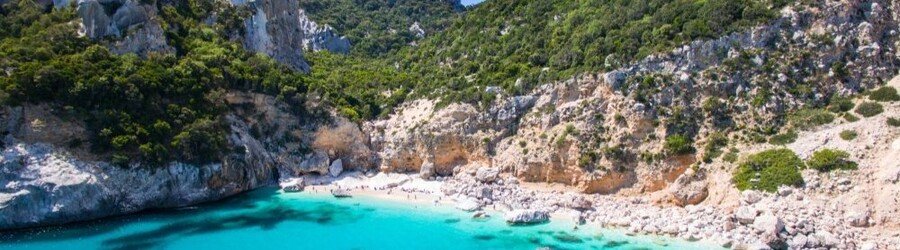
Cala Goloritzè is a striking cove framed by tall limestone cliffs and bright turquoise water. The beach feels remote, thanks to its limited access by boat or hiking trail. Because of this, it remains one of the most unspoiled spots in Sardinia. It’s especially rewarding for travelers who enjoy scenic hikes and quiet surroundings.
Spiaggia dei Conigli (Rabbit Beach) (Lampedusa, Sicily)
Spiaggia dei Conigli, also known as Rabbit Beach, is famous for its soft white sand and clear blue sea. As a protected nature area, it serves as a nesting site for loggerhead turtles. The calm setting and open views make it one of Sicily’s most peaceful beaches. Preservation efforts help keep the area natural and untouched.
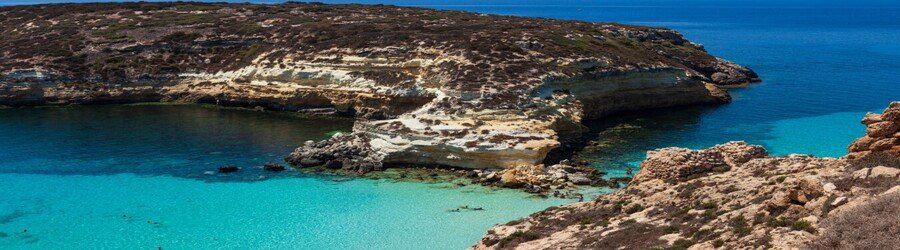
La Pelosa Beach (Stintino, Sardinia)
La Pelosa is known for its shallow water and pale sand that stretches into gentle, clear seas. Because conditions stay calm, it works well for families and relaxed swimming. At the same time, nearby facilities add comfort without taking away from the view. The colors alone make it one of Sardinia’s most photographed beaches.
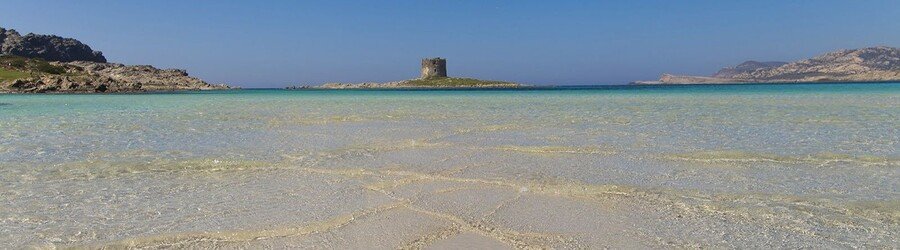
Cala Mariolu (Sardinia)
Cala Mariolu features smooth pebbles, clear water, and strong shades of blue. Snorkeling is popular here, since marine life is easy to spot near shore. While quieter than nearby beaches, the setting still feels dramatic. Cliffs rising above the cove complete the scene.
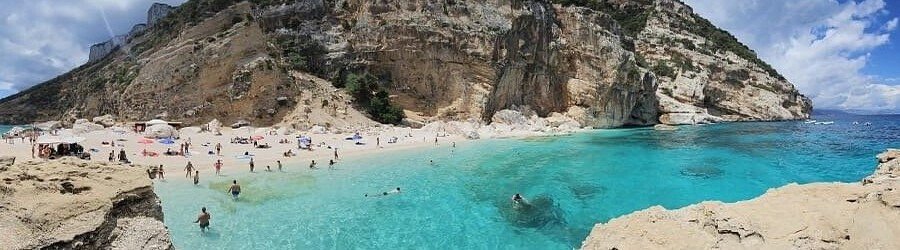
Baia dei Turchi (Otranto, Puglia)
Baia dei Turchi combines soft sand with shallow, clear water along Puglia’s coast. A pine forest lines the beach, offering shade and a natural backdrop. The area has historic ties, yet the beach itself feels calm and open. It’s a good option for travelers seeking both scenery and space.
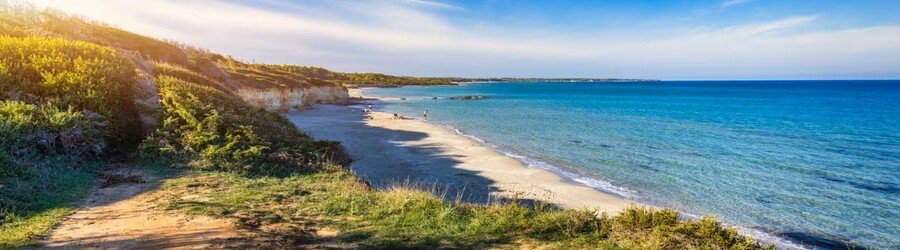
Marina di Pescoluse (Puglia)
Often called the “Maldives of Italy,” Marina di Pescoluse stands out for its light sand and wide shoreline. The water stays shallow for long stretches, making swimming easy. Cafés and beach clubs nearby add convenience. As a result, the area feels lively without being overwhelming.
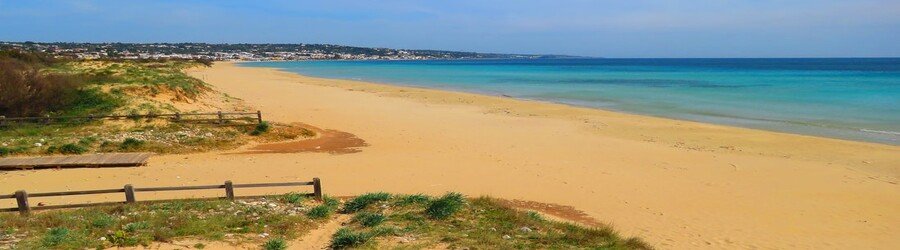
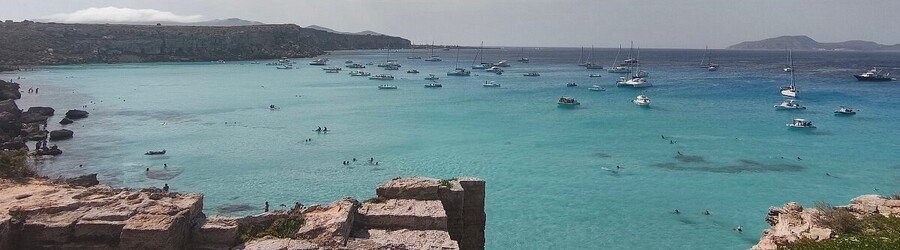
Cala Rossa (Favignana, Egadi Islands)
Cala Rossa is known for its bold contrast of red rock cliffs and bright blue water. The rugged setting attracts swimmers, snorkelers, and photographers alike. While less sandy than other beaches, the scenery feels dramatic and raw. It’s a strong choice for travelers who enjoy natural landscapes.
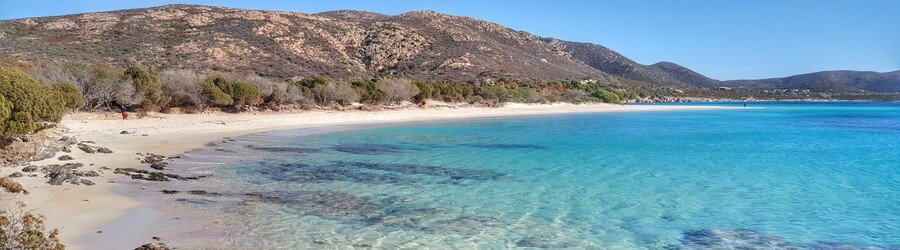
Spiaggia di Tuerredda (Sardinia)
Spiaggia di Tuerredda sits in a sheltered bay with calm, clear water and soft sand. Low hills surround the beach, creating a quiet and scenic setting. Popular with locals, it balances natural beauty with easy access. Swimming conditions are often ideal throughout the season.
Planning a Beach Trip to Italy
Planning a beach trip to Italy begins with choosing the right coastal region. Each area has its own feel, ranging from lively resort towns to quiet stretches of sand. Since distances are manageable, many travelers pair beach time with visits to nearby villages or cities.
Timing also shapes the experience. Visiting outside peak summer reduces crowds while still offering warm water and long beach days. At the same time, access varies by location, with travelers reaching some beaches by boat, scenic walking paths, or short drives.
Once the beach style and region are chosen, planning the rest of the trip becomes simpler. Transportation, dining, and nearby activities influence how relaxed or active the stay feels. With a bit of planning, Italy’s beaches suit both slow escapes and more adventurous travel styles.
Understanding Beach Types in Italy
Italy has two main types of beaches:
Lido / Bagno (Beach Club): These private sections offer a more comfortable experience. Amenities such as sunbed, umbrella rentals, changing rooms, and nearby bars or restaurants are available. A daily fee (typically €11-€40) provides a dedicated spot and service. This is often worth the cost for a full day of relaxation.
Spiaggia Libera (Public Beach): These are free to use, but often lack amenities like restrooms, showers, and lifeguards. They can become very crowded, so arrive early to secure a good spot. You’ll need to bring all your own gear such as towels, umbrellas, as well as snacks.
Essential Etiquette and Dress Code
Food and Drink: While many Italians bring their own snacks, most beach clubs prefer guests to purchase food and drinks on site. Check the specific club’s rules beforehand.
Cover Up: It is essential to wear a cover-up (dress, shorts, and t-shirt/linen shirt) and shoes (sandals, not just flip flops) when walking to or from the beach. Also good for going to a beach bar, restaurant, or entering a nearby town. Simply wrapping a beach towel around yourself is not sufficient. Some towns have strict dress codes with potential fines for walking around in swimwear.
Quiet and Respectful: Italian beaches are generally relaxed during the day. Avoid loud music, boisterous games, or shouting. Plus, be mindful of personal space.
No Littering: Dispose of all trash properly or take it with you. Fines for littering or taking sand or seashells can be steep.
Topless Sunbathing: Topless sunbathing is legal and fairly common. But, nudity is only permitted on designated beaches.
What to Pack
- Sun Protection: The Mediterranean sun is intense, so a high SPF sunscreen, a wide brimmed hat, and quality sunglasses are essential.
- Footwear: Bring flip flops or water shoes for hot sand or pebbly/rocky beaches (common in areas like the Amalfi Coast), but also pack a pair of stylish, comfortable sandals or walking shoes for dining out or exploring towns.
- Towel: A quick-dry microfiber beach towel is a great idea, as beach clubs do not always provide them.
- Essentials: Don’t forget a reusable water bottle to stay hydrated, a portable charger, and a secure beach bag to keep your belongings safe.
Surprising Italy Beach Travel Facts
Italy has more than 4,900 miles of coastline, which creates a wide mix of beach settings. Some areas attract celebrities, while others remain local and low-key. In fact, over 400 beaches across the country hold the Blue Flag award for clean water and strong environmental standards.
In Sardinia, certain beaches protect their sand by law, and removing it can lead to heavy fines. Spiaggia Rosa is closed to visitors to preserve its rare pink sand. Meanwhile, Monterosso al Mare limits access during busy periods with a small entry fee to manage crowds.
Along the coast, Italy’s beach culture blends paid beach clubs with free public areas. Lidos offer umbrellas, loungers, and café service, while spiagge libere provide open access to the sea at no cost. Together, these options give travelers flexible ways to enjoy Italy’s beaches.
Final Thoughts on Italy’s Beaches
Italy’s beaches bring together clear water, varied landscapes, and a strong sense of place. From quiet coves to lively coastal towns, each stretch of coast offers something different. With thoughtful timing and a sense of how each region feels, travelers can shape beach days that match their pace. Whether the goal is relaxation, exploration, or a mix of both, Italy’s beaches continue to stand out as some of the most memorable in Europe.
Frequently Asked Questions About Italy’s Beaches
Are Italy’s beaches free?
Yes. Italy has many free public beaches, known as spiagge libere. These beaches do not charge an entry fee. Most visitors bring their own towels and umbrellas.
What is the best time to visit Italy’s beaches?
Late spring and early fall work best for beach trips. During these months, the weather stays warm and crowds remain lighter. Sea temperatures also feel comfortable.
Are Italy’s beaches sandy or rocky?
Italy offers both sandy and rocky beaches. Some regions feature soft sand and shallow water, while others have pebbles or small coves. Checking the beach type helps with planning.
Can you swim at Italy’s beaches?
Yes. Swimming is common at many beaches, especially in summer. Water clarity stays high in most regions. In cooler months, fewer people swim, but beaches remain scenic.
Do Italian beach clubs require reservations?
Some beach clubs accept walk-ins. During busy months, reservations help secure a sunbed and umbrella. Booking ahead works best in popular areas.
Related Posts
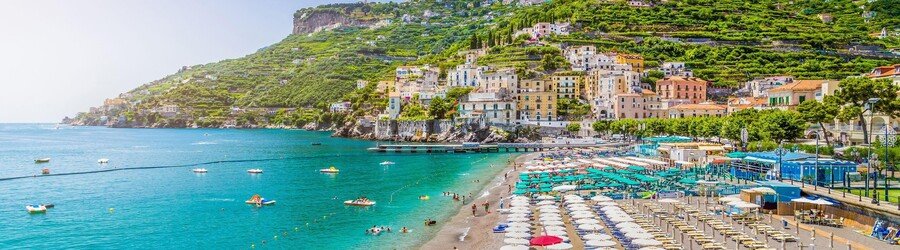 Cruise Advice For The Best Salerno Port Experience
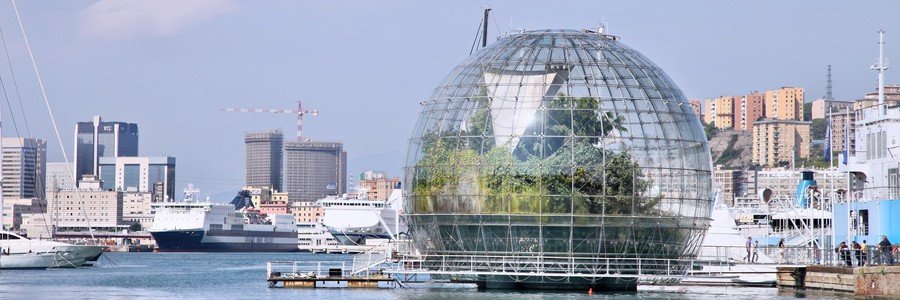 Genoa Port: The Most Beautiful Mediterranean Escape
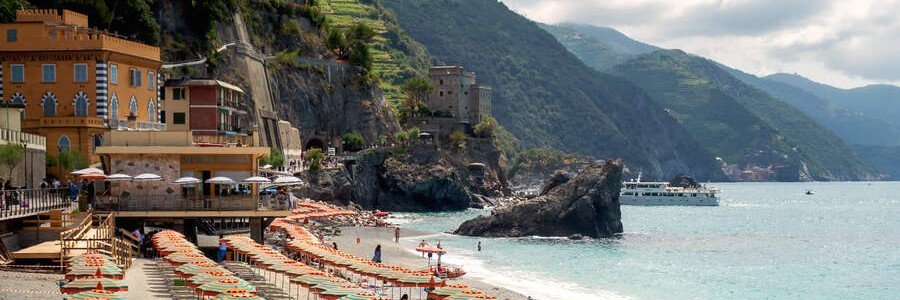 La Spezia Port • The Most Beautiful Cinque Terre Escape
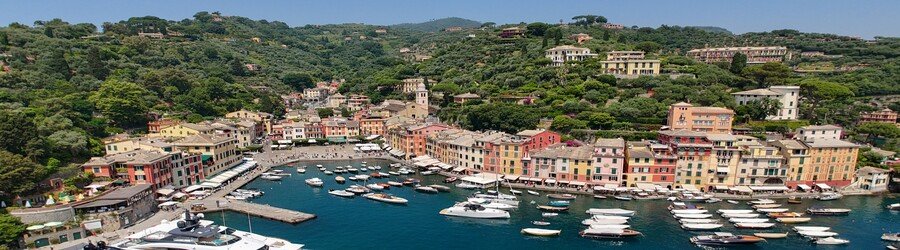 Portofino Port • The Most Beautiful Italian Riviera Escape
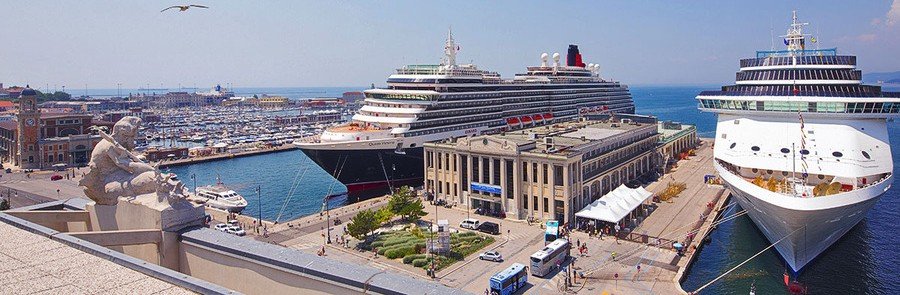 Trieste Port Guide: For The Most Beautiful Escape
 Cruise Advice For the Best Ravenna Port Experience
Pingback: Janice
Early fall tends to win for many travelers because the sea is still warm from summer, crowds ease up, and the light along the coast feels softer and calmer. Spring is lovely too, especially for sightseeing and coastal walks, but the water can still feel a bit brisk depending on the region. If beach time is the priority, September usually hits that perfect balance of comfort, atmosphere, and fewer peak-season crowds.
Pingback: Desi
That’s exactly the magic of Italy’s coast. It isn’t just about the beach itself, it’s the setting, the food, the towns, and the pace that all come together. Once you settle into that rhythm, even the simplest beach day starts to feel special and memorable.
Pingback: Mike
Italy’s coastline offers incredible variety, which is what makes it so special. Mixing well-known beaches with lesser-known gems helps travelers see how many different experiences are possible in one country. I’m glad the balance came through clearly.
Pingback: Sierra
Italy’s beaches work so well because they combine natural beauty with culture and local life. You can enjoy the sea while still being close to historic towns and great food. That mix is what makes coastal travel in Italy so memorable.
Pingback: Gabe Hearth
That’s such a great question — and you’re right, some of Italy’s famous spots like Capri or Positano can be quite pricey, especially in summer. But there are plenty of budget-friendly gems too! Puglia, Calabria, and parts of Sicily offer gorgeous beaches, delicious food, and a warm local vibe at a fraction of the cost. Even Sardinia has smaller coastal villages like Orosei or Santa Lucia that are more affordable yet every bit as beautiful. With a little planning, you can absolutely enjoy Italy’s coast without splurging on luxury resorts.
Pingback: Anthony D
That’s such a great question! For a first-time beach trip, I’d suggest Sardinia. It really captures everything that makes Italy’s coastline so special—crystal-clear waters, dramatic cliffs, hidden coves, and even luxury resorts if you want a touch of glamour. Plus, the island feels a little more relaxed and authentic than the busier mainland spots. Once you’ve fallen in love with Sardinia, you can explore Puglia or the Amalfi Coast for a completely different vibe on your next visit!