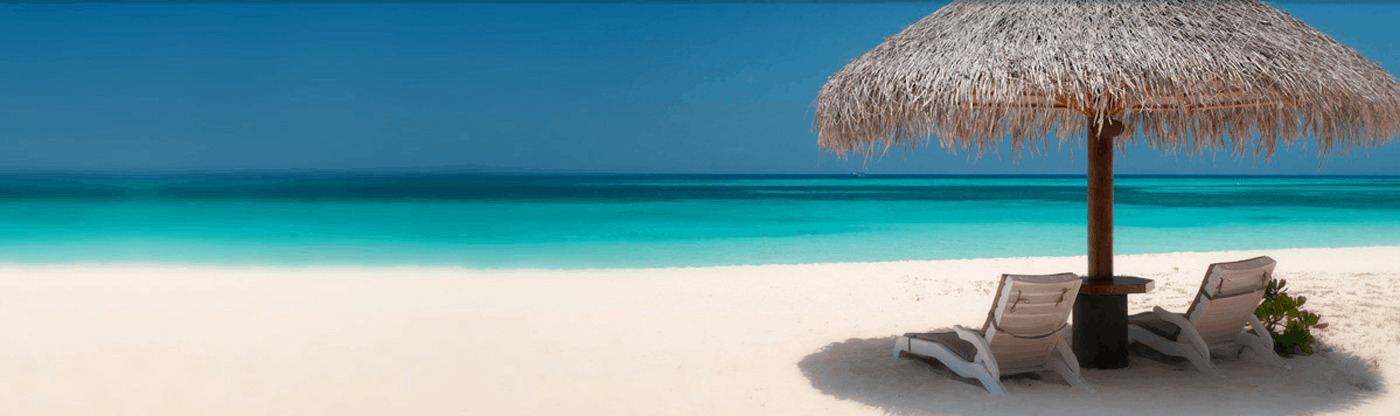
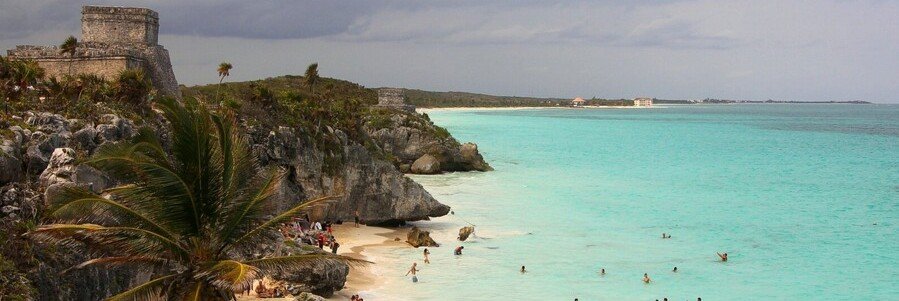
Where turquoise waters meet ancient wonders and hidden adventures.
The Yucatán Peninsula is one of Mexico’s most fascinating places to visit. It sits between the Gulf of Mexico and the Caribbean Sea in the country’s southeast. Here, you’ll find white sand beaches, turquoise water, lush jungle, as well as thousands of crystal clear cenotes. These natural sinkholes are perfect for swimming, snorkeling, and also diving. At the same time, the peninsula is also home to some of the world’s most famous Mayan ruins, including Chichén Itzá, Tulum, and Coba.
Even better, the Yucatán Peninsula offers far more than beaches. The region includes the states of Yucatán, Quintana Roo, and Campeche. Each has its own towns, food, and traditions. You can stroll through colorful streets in Mérida, cool off in a hidden cenote, or explore centuries old ruins surrounded by jungle. Afterwards, relax on a quiet beach or enjoy fresh local seafood by the sea. Whether you love history, nature, or adventure, this region has something for everyone.
Want to see more of the coast? Explore our Mexico Beaches guide for even more beach destinations. Love the beach? Also follow us on Pinterest for more beach ideas.
In this guide:
Best Time to Visit • Why Visit • Top Destinations • Best Beaches • Best Cenotes • Ancient Mayan Ruins • Local Flavors • Getting Around • Essential Tips • FAQs
Yucatán Peninsula Weather & Best Time to Visit
The region enjoys a warm tropical climate all year, making it great for every season. Plus, temperatures stay warm throughout the year. The Caribbean Sea remains inviting for swimming, snorkeling, and also diving. Even so, the weather changes enough between seasons that choosing the right time can make a big difference depending on your plans.
Choosing the Best Time to Visit
December to April (Best Overall)
This is the most popular time to visit. Days are warm and sunny, with average temperatures between 78°F and 86°F. Humidity is lower, rainfall is limited, and the weather is ideal for exploring Mayan ruins, swimming in cenotes, and relaxing on the beach. So, it’s the best season for sightseeing and outdoor adventures.
May to June (Warm & Less Crowded)
Late spring brings hotter days, with temperatures often reaching 88°F to 95°F. While humidity begins to rise, you’ll usually find fewer crowds than during winter. It’s still a great time for beach days, snorkeling, and visiting cenotes, where the cool water offers a welcome escape from the heat.
July to October (Summer & Hurricane Season)
Summer is hot, humid, and brings the highest chance of afternoon showers. Temperatures often climb above 90°F, although rain usually passes quickly before the sunshine returns. This is also hurricane season in the Caribbean, so it’s worth checking the forecast before your trip. Even so, lower hotel rates and fewer visitors can make this an appealing time to visit.
November (A Great Shoulder Season)
November marks the return of drier weather while temperatures remain pleasantly warm, usually between 80°F and 86°F. Beaches become quieter, the jungle is lush after the rainy season, and conditions are excellent for exploring both the coast and inland attractions. So, if you want warm weather without peak season crowds, this is one of the best months to visit.
Water Temperatures
The Caribbean Sea stays warm throughout the year, with water temperatures ranging from about 79°F in winter to 84°F in late summer. Whether you’re swimming, snorkeling, scuba diving, or exploring a cenote, you’ll rarely need more than a swimsuit.
Why Visit the Yucatán Peninsula
The region is one of Mexico’s most exciting places to visit. You’ll find white sand beaches, ancient Mayan cities, crystal clear cenotes, and colorful towns all in one trip. Whether you want to relax by the sea or head into the jungle, there’s something here for everyone.
Natural Wonders
Beautiful Caribbean Beaches
The peninsula is home to some of Mexico’s best beaches. Relax on the white sands of Tulum, Playa del Carmen, Holbox, or Isla Mujeres. Clear turquoise water makes every beach perfect for swimming, snorkeling, as well as soaking up the sun.
Crystal Clear Cenotes
Thousands of cenotes lie beneath the jungle. Some are open to the sky, while others are hidden inside limestone caves. Either way, they’re perfect for swimming, snorkeling, or cooling off on a warm day.
Amazing Wildlife
Nature is never far away. Swim with sea turtles in Akumal, spot flamingos at Río Lagartos, or snorkel along the world’s second-largest coral reef. If you visit during summer, you may even have the chance to swim with whale sharks.
History & Culture
Ancient Mayan Ruins
Explore famous sites like Chichén Itzá, Tulum, Coba, and Uxmal. Huge pyramids, ancient temples, and stone carvings tell the story of the Maya and their remarkable civilization.
Colorful Towns & Cities
Beyond the beaches, you’ll find places like Mérida and Valladolid. Walk colorful streets, browse local markets, and enjoy fresh food in lively town squares. So, it’s a great way to experience the region’s rich culture.
Outdoor Adventures
Adventure is around every corner. Hike through the jungle, paddle through mangroves, zip line above the trees, or snorkel in hidden caves. Afterwards, cool off with a swim in a beautiful cenote.
Local Food You’ll Love
The local food is just as memorable as the scenery. Try cochinita pibil, sopa de lima, panuchos, fresh seafood, and handmade tortillas for an authentic taste of the region.
Top Destinations in the Yucatán Peninsula
From lively beach towns to ancient Mayan cities and colorful colonial streets, the Yucatán Peninsula offers something for every traveler. Whether you’re dreaming of relaxing by the Caribbean Sea, swimming in hidden cenotes, or exploring centuries of history, these are some of the region’s most unforgettable places to visit.
Tulum
White sand beaches, turquoise Caribbean water, and ancient Mayan ruins create one of Mexico’s most unforgettable destinations. The famous cliffside ruins are only the beginning. Hidden cenotes, lush jungle trails, and the protected Sian Ka’an Biosphere Reserve are all within easy reach. After a day of adventure, relax at a beachfront café, browse local boutiques, or enjoy the town’s laid back vibe. Whether you’re looking for history, nature, or a relaxing beach escape, there’s something here for every traveler.
Playa del Carmen
Beautiful beaches, lively shopping, and a fun vibe make this one of the Riviera Maya’s most popular destinations. Spend your day swimming in the warm Caribbean Sea, then wander the pedestrian streets lined with restaurants, cafés, boutiques, and local markets. Thanks to its central location, it’s also one of the best places to stay if you want to explore nearby cenotes, eco parks, islands, and ancient Mayan sites. Whether you’re traveling as a couple, with friends, or as a family, it’s an excellent base for exploring the peninsula.
Isla Mujeres
Just a short ferry ride from Cancún, this peaceful island feels a world away from the busy mainland. Calm turquoise water, soft white sand, and colorful coral reefs make it a favorite for swimming, snorkeling, diving, and paddleboarding. During the summer months, you can even swim alongside gentle whale sharks, while quieter days are perfect for relaxing by the sea or exploring the island’s charming streets, waterfront cafés, and local shops.
Isla Holbox
Life moves at a slower pace here, where golf carts and bicycles replace cars and long stretches of sand invite you to slow down and relax. Shallow turquoise water, colorful street art, and spectacular sunsets create a peaceful island escape unlike anywhere else in Mexico. Nature lovers will also enjoy birdwatching, kayaking through mangroves, and, during the summer season, unforgettable whale shark encounters just offshore.
Akumal
Clear, calm water and thriving coral reefs have made this one of the best places in Mexico to swim with wild sea turtles. Snorkeling is the main attraction, but that’s only the beginning. Nearby cenotes, quiet bays, and nature reserves offer even more opportunities to explore, while the relaxed beach town scene makes it easy to spend a few days slowing down and enjoying the Caribbean coast.
Cozumel
Crystal clear water and vibrant coral reefs attract divers and snorkelers from around the world. The island forms part of the Mesoamerican Barrier Reef, where colorful marine life, dramatic coral walls, and excellent visibility create unforgettable underwater adventures. Above the surface, you’ll also find beautiful beaches, scenic coastal drives, waterfront restaurants, and a relaxed island setting that lingers long after the cruise ships have departed.
Mérida
Colorful colonial streets, grand plazas, and a thriving food scene make this one of the peninsula’s cultural highlights. Spend your days exploring museums, historic buildings, lively markets, and beautiful parks before settling into a local restaurant for traditional Yucatecan cuisine. It’s also an excellent base for discovering nearby cenotes, Mayan ruins, historic haciendas, and quiet Gulf Coast beaches, making it easy to combine culture with adventure.
Valladolid
Rich history and small town charm make this one of the peninsula’s most rewarding places to explore. Colorful streets, beautiful churches, and welcoming plazas invite you to slow down and enjoy local life, while nearby cenotes offer some of the region’s best swimming spots. Its central location also makes it an excellent base for visiting ancient Mayan cities, which makes it easy to combine history, nature, and authentic local culture in one trip.
Chichén Itzá
One of the New Seven Wonders of the World, this remarkable archaeological site offers an unforgettable journey into the ancient Maya civilization. Towering pyramids, impressive temples, ceremonial plazas, and the famous Great Ball Court reveal the remarkable engineering and culture of one of history’s greatest civilizations. Arriving early allows you to explore before the crowds and heat build. Then enjoy the nearby cenotes which provide the perfect place to cool off afterwards.
Bacalar
Known for its breathtaking Lagoon of Seven Colors, this peaceful destination is famous for brilliant shades of blue that seem to change throughout the day. Calm freshwater makes it perfect for kayaking, paddleboarding, sailing, and swimming, while the relaxed setting offers a welcome break from the busier Caribbean resorts. Spend your evenings watching amazing sunsets over the lagoon before enjoying fresh local food in one of the waterfront restaurants.
The Ten Most Beautiful Beaches in the Yucatán Peninsula
The Yucatán Peninsula is home to some of the most beautiful beaches in Mexico, where soft white sand meets warm turquoise water. Whether you’re looking for lively beach clubs, quiet island escapes, or hidden stretches of coastline surrounded by nature, you’ll find a beach to match your style. These are ten of the peninsula’s most spectacular places to relax, swim, snorkel, and soak up the Caribbean sunshine.
Playa Norte (Isla Mujeres)
Consistently ranked among the world’s best beaches, Playa Norte is famous for its powder-soft white sand and calm, crystal-clear water. The shallow shoreline stretches far into the sea, making it ideal for swimming, paddleboarding, and families with young children. Beach clubs, restaurants, and spectacular sunsets only add to its appeal.
Playa Paraíso (Tulum)
Playa Paraíso lives up to its name with dazzling white sand, swaying palm trees, and brilliant turquoise water. Located just south of the famous Mayan ruins, it’s the perfect place to relax after exploring the ancient site. Calm mornings also make it popular for swimming and paddleboarding.
Akumal Beach
Best known for its resident sea turtles, Akumal Beach offers one of the peninsula’s most unforgettable snorkeling experiences. Crystal-clear water and healthy seagrass beds attract turtles throughout the year, while the protected bay provides calm conditions for swimmers and beginner snorkelers.
Playa Palancar (Cozumel)
This beautiful Caribbean beach combines soft sand with some of the island’s clearest water. Offshore coral reefs provide outstanding snorkeling and diving, while the calm shoreline is perfect for swimming or simply relaxing beneath a palm tree with an ocean view.
Punta Mosquito (Isla Holbox)
For a quieter escape, Punta Mosquito offers endless white sand, shallow turquoise water, and almost untouched natural beauty. During low tide, you can walk far into the sea while surrounded by breathtaking views. Flamingos are also commonly spotted nearby during parts of the year.
Playacar Beach (Playa del Carmen)
Located just south of downtown, Playacar offers a quieter alternative to the busier beaches nearby. Wide stretches of soft sand, clear Caribbean water, and gentle waves make it ideal for long walks, swimming, and relaxing away from the crowds.
Xpu-Há Beach
Often considered one of the Riviera Maya’s hidden gems, Xpu-Há offers soft white sand, calm water, and a more peaceful atmosphere than many nearby beaches. Snorkeling, kayaking, and paddleboarding are all popular thanks to the protected bay and excellent visibility.
El Cielo (Cozumel)
Although only accessible by boat, El Cielo is one of the peninsula’s most breathtaking beach experiences. Shallow crystal-clear water, soft white sandbars, and countless starfish create a setting that feels almost unreal. It’s also one of the best snorkeling spots in the Caribbean.
Playa Pescadores (Tulum)
Located beside the famous ruins, Playa Pescadores offers a lively atmosphere with colorful fishing boats, soft sand, and beautiful Caribbean views. It’s also the departure point for snorkeling trips to the nearby coral reef and offers excellent opportunities to spot sea turtles.
Punta Cocos (Isla Holbox)
Known for its peaceful setting and spectacular sunsets, Punta Cocos is the perfect place to unwind. Shallow water stretches far from shore, creating warm swimming conditions throughout the day. If you visit during the warmer months, this area is also one of the best places to witness the magical glow of bioluminescence after dark.
The Ten Best Cenotes in the Yucatán Peninsula
The Yucatán Peninsula is home to more than 6,000 cenotes, each offering a unique experience. Some are open pools surrounded by jungle, while others lie deep inside caves filled with dramatic rock formations. Whether you want to swim, snorkel, dive, or simply admire their natural beauty, these are some of the peninsula’s most unforgettable cenotes.
Cenote Ik Kil
One of the most famous cenotes in Mexico, Ik Kil is surrounded by towering limestone walls covered in hanging vines. Crystal-clear water more than 130 feet below the rim creates an unforgettable place to swim after visiting nearby Chichén Itzá. Its dramatic setting makes it one of the most photographed cenotes on the peninsula.
Dos Ojos Cenote
Dos Ojos is one of the world’s best-known cave diving sites. Even if you don’t dive, the crystal-clear water makes snorkeling through its flooded caverns an incredible experience. Sunlight filters into the caves, lighting up impressive stalactites and underwater passages that seem to stretch forever.
Gran Cenote
Located just outside Tulum, Gran Cenote is one of the peninsula’s most popular swimming and snorkeling spots. Wooden walkways connect several sections of the cenote, while turtles, small fish, and crystal-clear water make it a favorite for families and first-time visitors.
Cenote Suytun
Known for its famous circular stone platform, this breathtaking cenote has become one of Mexico’s most photographed natural attractions. Sunlight shining through the small opening above creates an almost magical beam of light inside the cave, making it especially popular with photographers.
Cenote Azul
Perfect for families, Cenote Azul offers shallow swimming areas alongside deeper sections for confident swimmers. The open-air setting, bright blue water, and plenty of space make it one of the best cenotes for spending a relaxing afternoon.
Cenote Sac Actun
Part of one of the world’s longest underwater cave systems, Sac Actun offers an unforgettable adventure beneath the jungle. Guided tours take visitors through flooded caves filled with ancient rock formations, crystal-clear water, and fascinating geological history.
Cenote Choo-Ha
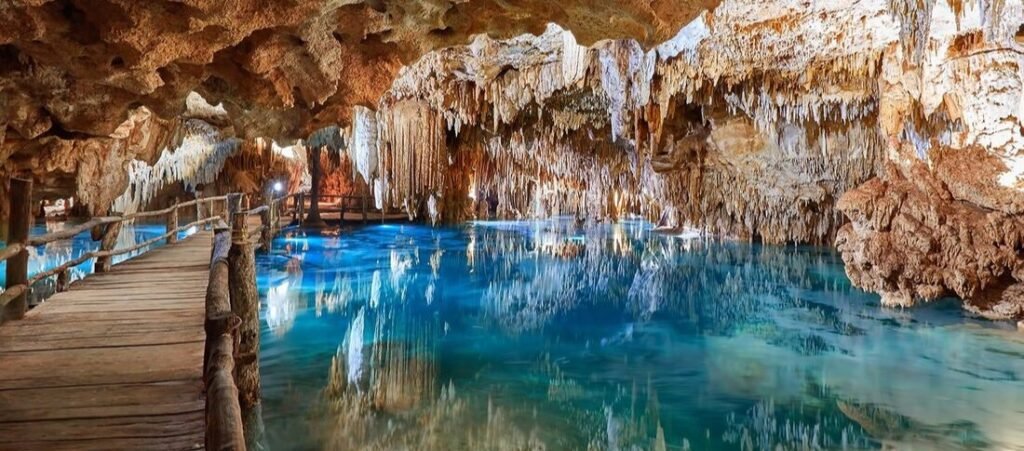
Hidden beneath the jungle near Coba, Choo-Ha is famous for its calm blue water and spectacular limestone formations. Wooden steps lead into the cave, where impressive stalactites hang from the ceiling above the peaceful swimming area.
Cenote Oxmán
Set beside a restored hacienda, Oxmán combines natural beauty with a touch of adventure. A long rope swing lets visitors splash into the cool water below, while the towering cavern walls create one of the peninsula’s most dramatic swimming spots.
Casa Cenote
Unlike many inland cenotes, Casa Cenote connects to the sea through a winding mangrove channel. Calm water makes it ideal for snorkeling and paddleboarding, while tropical fish, turtles, and even the occasional gentle crocodile can often be spotted nearby.
Cenote Calavera
Often called the “Temple of Doom,” this unique cenote is famous for the three openings in its rocky ceiling. Brave visitors can climb down ladders or jump into the refreshing water below, making it one of the peninsula’s most exciting cenote experiences.
The Most Incredible Ancient Mayan Ruins
The Yucatán Peninsula was once the heart of the ancient Maya civilization, and today it’s home to some of the world’s most remarkable archaeological sites. Towering pyramids, ancient temples, ceremonial plazas, and impressive stone carvings offer a fascinating look into a culture that flourished for thousands of years. Whether you’re visiting your first ruin or your tenth, these are the sites you won’t want to miss.
Chichén Itzá
One of the New Seven Wonders of the World, Chichén Itzá is the peninsula’s most famous archaeological site. The towering pyramid of El Castillo dominates the ancient city, while temples, the Great Ball Court, and the Sacred Cenote reveal the remarkable engineering and beliefs of the Maya. Arrive early to enjoy cooler temperatures and smaller crowds.
Tulum
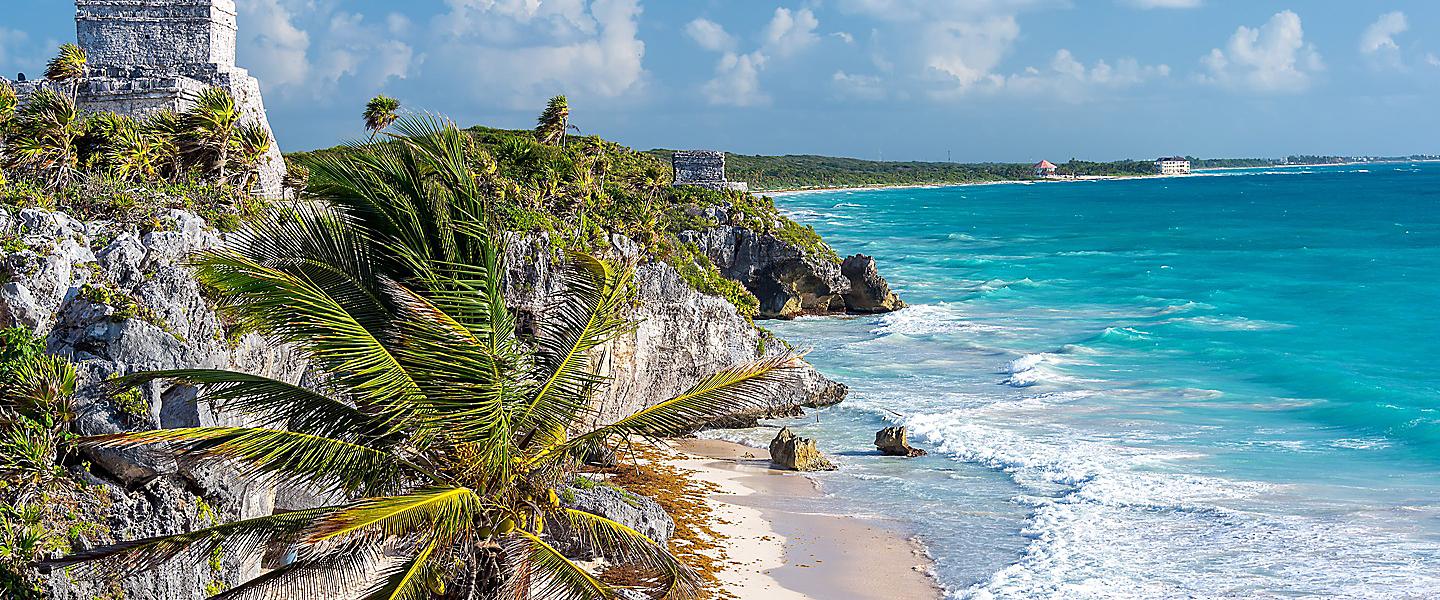
Perched on limestone cliffs above the Caribbean Sea, Tulum is one of the most scenic Mayan sites in Mexico. Ancient stone walls overlook turquoise water, creating one of the country’s most photographed views. Smaller than Chichén Itzá, it’s easy to explore in a few hours before spending the rest of the day at the beach or a nearby cenote.
Cobá
Unlike many other archaeological sites, Cobá lies deep within the jungle. Ancient stone roads connect temples, plazas, and pyramids hidden among towering trees. Renting a bicycle or taking a cycle taxi is one of the best ways to explore this sprawling city, which once rivaled Chichén Itzá in size and importance.
Uxmal
Known for its beautifully preserved architecture, Uxmal showcases the elegant Puuc style of Mayan construction. Intricate stone carvings, grand courtyards, and the impressive Pyramid of the Magician make it one of the peninsula’s most rewarding historical sites. Because it receives fewer visitors than Chichén Itzá, it often feels quieter and more relaxed.
Ek Balam
Ek Balam remains one of the peninsula’s hidden treasures. Surrounded by jungle, the site features impressive temples, defensive walls, and detailed stone carvings. Its peaceful setting makes it a wonderful choice for travelers looking to experience ancient history without the larger crowds.
Calakmul
Hidden deep within a protected biosphere reserve, Calakmul was once one of the Maya’s most powerful cities. Massive pyramids rise above the rainforest canopy, where monkeys, toucans, and other wildlife are often seen. The remote location makes visiting feel like a true expedition into the ancient world.
Edzná
Often overlooked, Edzná offers a quieter experience while still featuring impressive temples, plazas, and ceremonial buildings. The site’s unique hydraulic system helped support one of the region’s largest ancient communities, making it a fascinating stop for history lovers.
Local Flavors of the Yucatán Peninsula
The Yucatán Peninsula has one of Mexico’s most distinctive regional cuisines. Ancient Mayan traditions blend with Spanish, Caribbean, and Middle Eastern influences to create flavors you won’t find anywhere else in the country. Fresh seafood, citrus, herbs, and slow-cooked meats all play an important role, while local drinks provide the perfect way to cool off after a day of exploring.
Traditional Foods
Cochinita Pibil
One of the peninsula’s signature dishes, cochinita pibil features slow-roasted pork marinated in achiote paste and citrus before being wrapped in banana leaves. The meat becomes incredibly tender and is traditionally served with pickled red onions and warm tortillas.
Sopa de Lima
This light yet flavorful soup combines shredded chicken, tomatoes, spices, and crispy tortilla strips with the bright flavor of local Yucatán lime. It’s refreshing enough for warm days while still making a satisfying meal.
Panuchos
A local favorite, panuchos are fried tortillas stuffed with refried black beans before being topped with shredded turkey or chicken, lettuce, tomato, avocado, and pickled onions. They make a perfect lunch or afternoon snack.
Salbutes
Similar to panuchos but without the bean filling, salbutes feature soft fried tortillas piled high with seasoned meat, fresh vegetables, avocado, and crumbled cheese. They’re simple, fresh, and full of flavor.
Poc Chuc
This traditional grilled pork dish is marinated in sour orange juice before being cooked over an open flame. It’s usually served with rice, black beans, grilled onions, and fresh tortillas for a simple but delicious meal.
Local Drinks
Agua de Chaya
Made from the nutritious chaya leaf, this refreshing drink is blended with water, lime, and sometimes pineapple or orange juice. It’s one of the peninsula’s most traditional beverages and a great way to cool down.
Horchata
This creamy rice drink is flavored with cinnamon and vanilla before being served over ice. Sweet, refreshing, and widely available, it’s a favorite alongside many local meals.
Xtabentún
Produced only in the Yucatán, this traditional honey liqueur dates back to Mayan times. It’s made with local honey and anise, and also enjoyed after dinner or mixed into cocktails.
Fresh Coconut Water
Sold from roadside stands and beach vendors, fresh coconut water is one of the simplest ways to stay cool in the tropical heat. Many vendors will even slice open the coconut afterwards so you can enjoy the soft flesh inside.
Michelada
A cold Mexican beer mixed with lime juice, spices, and savory seasonings, the michelada is especially popular on hot afternoons by the beach. Every restaurant and beach bar has its own version, making it a fun drink to try throughout the peninsula.
Getting Around the Yucatán Peninsula
The Yucatán Peninsula is easy to explore, especially if you plan ahead. Major highways connect the region’s most popular destinations, while buses, ferries, and domestic flights make it simple to travel between beach towns, islands, and historic cities. The best way to get around depends on how much of the peninsula you want to see.
Transportation Options
Rental Car
Renting a car gives you the most freedom, especially if you plan to visit cenotes, Mayan ruins, and smaller towns. Roads are generally in excellent condition, and driving between major destinations is straightforward. Just watch for speed bumps, known locally as topes, which are common when entering towns and villages.
ADO Buses
ADO is Mexico’s largest long-distance bus company and one of the easiest ways to travel around the peninsula. Comfortable coaches connect destinations like Cancún, Tulum, Playa del Carmen, Mérida, Valladolid, Campeche, and Bacalar. Many buses offer air conditioning, reclining seats, Wi-Fi, and onboard restrooms.
Colectivos
These shared minibuses are a popular and inexpensive way to travel shorter distances. They regularly run between many towns along the Riviera Maya and are perfect for visiting nearby beaches, cenotes, and attractions without renting a car.
Ferries
Several islands are reached by ferry. Regular passenger services operate between Cancún and Isla Mujeres, while ferries from Playa del Carmen provide easy access to Cozumel. Crossing times are short, making both islands excellent day trips or overnight destinations.
Domestic Flights
If you’re planning to cover the entire peninsula, domestic flights can save time. Airports in Cancún, Mérida, Campeche, Cozumel, and Chetumal offer connections to other parts of Mexico, making it easy to combine several destinations during one trip.
Tours & Private Transfers
Guided tours and private transfers are widely available if you prefer not to drive. Many include transportation to popular attractions like Chichén Itzá, cenotes, nature reserves, and archaeological sites, making sightseeing simple and stress-free.
Essential Tips for Visiting the Yucatán Peninsula
The region is easy to explore, but a little planning will help you make the most of your trip. From the ancient ruins to swimming in cenotes or just relaxing on the beach, these tips will help you enjoy a safe and memorable vacation.
Planning Your Days
Arrive Early at Popular Attractions
Famous sites like Chichén Itzá, Tulum, and many of the popular cenotes become busy by late morning. Arriving early helps you avoid the largest crowds and the hottest part of the day.
Carry Cash
Although credit cards are widely accepted in cities and larger resorts, smaller towns, local markets, beach vendors, and some cenotes may only accept cash. Keeping a few pesos on hand is always a good idea.
Book Popular Tours Ahead
Whale shark tours, snorkeling trips, and visits to popular eco parks can fill up quickly, especially during the busy winter season. Booking ahead gives you the best choice of dates and times.
Beach & Cenote Tips
Pack Reef-Safe Sunscreen
Many cenotes, coral reefs, and protected marine parks only allow reef-safe sunscreen to help protect the fragile ecosystem. Better yet, apply sunscreen well before entering the water whenever possible.
Bring Water Shoes
Some cenotes have rocky steps, slippery limestone, or uneven entrances. A pair of lightweight water shoes makes exploring much easier and more comfortable.
Stay Hydrated
The tropical climate is warm throughout the year, and the combination of heat and humidity can catch visitors by surprise. Carry plenty of water, especially if you’re exploring ruins or hiking during the afternoon.
Local Travel Tips
Respect Archaeological Sites
Ancient Mayan ruins are protected national treasures. Stay on marked paths, avoid climbing restricted structures, and follow all posted signs to help preserve these remarkable sites.
Watch for Wildlife
Sea turtles, flamingos, tropical birds, monkeys, and even crocodiles live throughout the peninsula. Observe wildlife from a safe distance and never feed or disturb the animals.
Learn a Few Spanish Phrases
English is common in many tourist areas, but a few simple Spanish greetings and polite expressions are always appreciated. Even a friendly hola or gracias can make your interactions with local people even more enjoyable.
Why the Yucatán Peninsula Should Be on Your Travel List
The Yucatán Peninsula is one of those places that stays with you long after your trip ends. One day you can wander through ancient Mayan ruins, the next you can swim in a crystal clear cenote or also relax on a beautiful Caribbean beach. Along the way, you’ll discover colorful towns, amazing wildlife, as well as some of the best food in Mexico. So, no matter where you go, every stop offers something new to explore.
Even better, the peninsula has something for everyone. You can spend your days snorkeling along colorful reefs, exploring hidden caves, spotting sea turtles, or simply enjoying the warm sunshine with your toes in the sand. Whether you’re planning your first visit or returning for another adventure, this is a destination you’ll want to experience again and again.
Frequently Asked Questions
What is the Yucatán Peninsula best known for?
The region is famous for its crystal-clear cenotes, ancient Mayan ruins, beautiful Caribbean beaches, and colorful colonial cities. It’s also home to incredible wildlife, world-class snorkeling, and one of the world’s largest coral reef systems.
Which Mexican states make up the Yucatán Peninsula?
The peninsula is made up of Yucatán, Quintana Roo, and Campeche. Each offers its own mix of beaches, historic sites, nature, and local culture.
When is the best time to visit?
December through April is generally the best time to visit, thanks to warm temperatures, lower humidity, and plenty of sunshine. However, late spring and fall can also be excellent if you prefer fewer crowds.
How many days do you need?
A week gives you enough time to explore several beaches, swim in a few cenotes, and visit some of the most famous Mayan ruins. If you want to experience multiple destinations at a slower pace, 10 to 14 days is ideal.
What are cenotes?
Cenotes are natural limestone sinkholes filled with fresh groundwater. Many are open to the sky, while others are hidden inside caves. They’re popular for swimming, snorkeling, scuba diving, and simply cooling off from the tropical heat.
Which Mayan ruins should you visit?
Some of the most popular sites include Chichén Itzá, Tulum, Coba, Uxmal, Ek Balam, Calakmul, and Edzná. Each offers a different look into the fascinating history of the ancient Maya.
Do you need a rental car?
Not necessarily. ADO buses, colectivos, ferries, and guided tours make it easy to reach many popular destinations. However, renting a car gives you the most freedom if you want to explore smaller towns, hidden cenotes, and more remote beaches.
Is it safe to visit?
Most of the region’s popular tourist destinations are considered safe for visitors who use normal travel precautions. Stay aware of your surroundings, keep valuables secure, and follow local advice, just as you would anywhere else.
Can you swim year-round?
Yes. Warm weather throughout the year keeps both the Caribbean Sea and many cenotes comfortable for swimming, snorkeling, paddleboarding, and scuba diving.
What local food should you try?
Don’t miss regional favorites like cochinita pibil, sopa de lima, panuchos, salbutes, and poc chuc. Pair your meal with a refreshing agua de chaya, horchata, or the traditional honey liqueur xtabentún.



I’ve been dreaming about visiting the Yucatán Peninsula, and your guide makes me want to book a flight immediately! My sister and I are planning a ten-day trip next February, and we’re especially excited about exploring Chichén Itzá, swimming in those gorgeous cenotes, and spending a few days on the Caribbean beaches. Cenote Suytun looks absolutely magical, and I’d love to see the sea turtles in Akumal. We also want to experience some authentic Mexican culture rather than spending the entire trip at a resort. Would you recommend splitting our stay between Valladolid and Playa del Carmen, or would Tulum be a better choice for our beach portion?
Hi Jeanette! Your trip sounds absolutely wonderful! 💕 February is an excellent time to explore the Yucatán Peninsula, with warm temperatures, lower humidity, and generally beautiful weather for sightseeing. For ten days, I would definitely recommend splitting your stay between Valladolid and the Caribbean coast. Valladolid is a charming base for visiting Chichén Itzá, Cenote Suytun, and other beautiful cenotes while enjoying local markets and traditional Yucatecan food. For your beach portion, I’d lean toward Playa del Carmen because its central location makes it convenient for visiting Akumal, Cozumel, and nearby beaches. Tulum is lovely too, especially if you prefer a more relaxed atmosphere and want to visit its spectacular cliffside ruins. I’d suggest four nights in Valladolid and six near the coast. And don’t leave without trying cochinita pibil and sopa de lima! Have an amazing adventure together! 🌊
The Yucatán Peninsula honestly seems like one of the most diverse travel regions in Mexico because it combines beaches, ancient ruins, cenotes, islands, and colonial cities all in one trip. I love that you can go from snorkeling in bright turquoise water to exploring Maya ruins or swimming in jungle cenotes within the same day. Places like Isla Holbox and Akumal especially sound incredible for a slower and more nature-focused experience. The mix of beach towns, local culture, and history would make it really hard to choose where to stay first. Did you end up preferring the more relaxed islands like Holbox and Isla Mujeres, or the livelier areas around Playa del Carmen and Cancún?
One of the best things about the Yucatán Peninsula was how different each destination felt even though they were all relatively close together. Places like Holbox and Isla Mujeres had a much quieter and more laid-back atmosphere, while Playa del Carmen and Cancún offered more nightlife, restaurants, and day trip options. I also loved how easy it was to combine beach days with cenotes, snorkeling, and historical sites like Tulum or Chichén Itzá. The whole region felt like a perfect mix of relaxation, adventure, culture, and natural beauty all in one trip.