

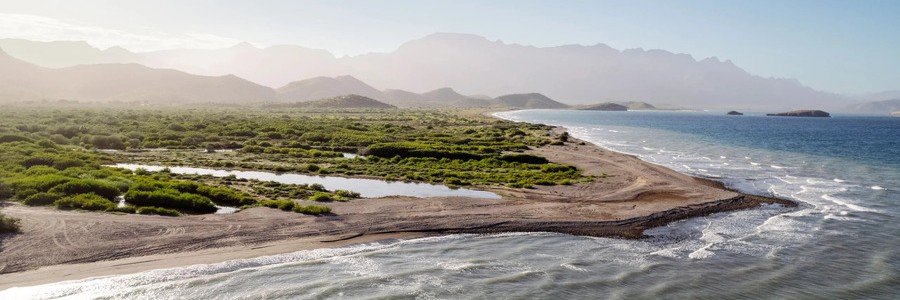
Where desert landscapes meet unforgettable ocean views.
Cabo Beaches rank among the most stunning in Mexico. Golden sands meet turquoise waters under endless Baja sunshine. The area is famous for the rugged cliffs that rise above the Sea of Cortez, creating a picture-perfect coastal scene. Plus, the warm air and soft waves invite you to relax and explore.
Whether you’re snorkeling with tropical fish or watching a golden sunset, Cabo San Lucas always feels unforgettable. In addition, every stretch of sand tells its own story. Some are calm and secluded, yet others are vibrant with beach clubs and also music. So Cabo Beaches capture the spirit of Baja California. They are warm, colorful, and full of life.
Jump to the Best of Cabo Beaches
Best Time to Visit • Weather Guide • Why Visit • Map of Cabo Beaches • Swimming Beaches • Beaches w/Views & Scenery • Adventure & Surf Beaches • Quiet & Scenic Beaches • Beaches At A Glance • Day Trips • Beach Safety • Tips • FAQs
For more information about Cabo San Lucas visit here; or you can also visit us on Pinterest here.

Cabo San Lucas Weather and Best Time to Visit
The area has a dry desert climate with warm days and little rain for much of the year. Average highs range from about 79°F in January to 91°F in August. Winter nights can drop into the low 60s, while late summer feels hot and humid. Most rain falls from August through October, with September as the wettest month.
Winter (December to February)
Dry days and highs in the upper 70s make winter a popular time to visit. Nights and early mornings can feel cool, so bring a light sweater for dinner or a sunset cruise. The sea is also cooler than it is in autumn, but many sheltered bays still work well for swimming and snorkeling.
Winter also brings the largest crowds and some of the highest hotel rates. Whale watching season begins in December, with January and February often bringing the most activity. So, book hotels, boat tours, and popular restaurants early.
Spring (March to May)
Warm days, low rain, and less humidity create good weather for beaches and outdoor tours. Highs rise from the low 80s in March to the upper 80s in May. Spring break brings lively crowds in March and early April. After that rush ends, beaches and resorts begin to feel quieter.
The Pacific can still feel cool during these months. Average sea temperatures sit near 72°F from February through May. Choose a sheltered swimming beach, such as Médano, Chileno Bay, or Santa Maria Bay, if time in the water matters to you.
Summer (June to August)
June starts hot and dry, with highs near 90°F. Humidity rises in July and August, and the ocean begins to warm. By August, sea temperatures reach about 84°F, which suits swimming, diving, and also snorkeling.
Hotel rates often drop as the heat builds. The Eastern Pacific hurricane season runs from May 15 through November 30, though the risk near Cabo rises later in summer. Buy travel insurance and watch weather reports if you visit during this period.
Autumn (September to November)
September brings the hottest water, highest humidity, and most rain. It also carries the greatest risk of a tropical storm affecting travel. Deep hotel discounts may look tempting, but flight delays, tour changes, and resort closures remain possible.
Conditions often improve through October. By November, dry weather returns, humidity falls, and the sea stays warm. This makes November one of the best months for swimming, snorkeling, and boat trips before winter prices reach their peak.
Best Time to Visit Cabo San Lucas
Best Overall: May, June, and November
May and early June bring dry weather and fewer crowds after the spring rush. November pairs warm ocean water with lower humidity and a smaller storm risk. These months offer a strong mix of beach weather, outdoor activities, and value.
Best for Whale Watching: December to April
Whales pass through the waters off Los Cabos from December through April. January and February often offer the most activity. Choose a permitted tour operator and book early during winter.
Best for Warm Water: August to October
Sea temperatures reach about 82°F to 84°F during late summer and early autumn. These months work well for diving and snorkeling when weather conditions remain safe. September carries the greatest storm risk, so October may offer a better balance.
Best for Lower Prices: May to June or Late October
These shoulder periods often cost less than winter but carry less weather risk than September. August and September may have the deepest discounts. Still, the heat, humidity, heavy rain, and storm risk make those savings a tradeoff.
Beach Safety Tip: Swim only at beaches marked as safe. Large waves and strong currents make many Cabo beaches unsafe for entering the water, even on sunny days. Check warning flags and ask local staff before swimming.
Cabo Seasonal Weather Guide
| Season | Months | Typical Weather | Best For |
|---|---|---|---|
| Winter | Dec–Feb | Highs near 77°F–80°F; lows near 60°F–63°F. Dry days, cool evenings, and cooler ocean water. | Whale watching, golf, hiking, and boat trips |
| Spring | Mar–May | Highs rise from about 81°F to 87°F. Days stay dry, while sea temperatures remain near 72°F. | Fishing, sightseeing, beach days, as well as lower late-spring crowds |
| Summer | Jun–Aug | Highs reach about 89°F–91°F. Heat and humidity rise, while the ocean warms to 79°F–84°F. | Swimming, diving, surfing, and resort stays |
| Autumn | Sep–Nov | September is hot, humid, and wet. By November, highs fall near 84°F and drier weather returns. | Warm-water activities, sportfishing, and late-autumn trips |
Why Visit Cabo Beaches?
The coast offers much more than a place to lie in the sun. Desert cliffs fall into blue water, rocky bays shelter tropical fish, and strong Pacific waves draw skilled surfers. You can spend one day at a lively beach club and the next inside a quiet cove. Each part of the coast feels different.
See Where the Desert Meets the Sea
Dry hills, cactus covered land, and golden rock surround much of the coast. At Land’s End, tall granite formations rise from the water near the tip of the Baja Peninsula. The Arch, also called El Arco, marks the area where the Sea of Cortez meets the Pacific Ocean.
Take a water taxi or glass-bottom boat from the marina for a closer look. Along the way, you may pass Pelican Rock, Neptune’s Finger, and a sea lion colony. The ride also reveals small caves and rock shapes that you cannot see from town.
Choose From Calm Bays and Wild Pacific Shores
Only part of the Los Cabos coast works well for swimming. Médano Beach offers one of the safest choices near downtown, with water sports, restaurants, and easy access. Farther along the Tourist Corridor, Chileno Bay and Santa Maria Bay have sheltered water and a quieter feel.
By contrast, many Pacific beaches have heavy shore breaks and strong currents. These stretches work better for walks, photos, and watching waves. Always check the beach flags before entering the sea. Green means conditions are safe, while red or black signals unsafe water.
Snorkel in Clear Rocky Bays
The Sea of Cortez is often called the “Aquarium of the World” because it holds a wide range of marine life. Chileno Bay has a long sandy shore with rocky areas where fish gather. Santa Maria Bay curves between two rocky points and protects a calm snorkeling area.
Enter near the rocks for the best chance of seeing schools of bright fish. You may also find rays, pufferfish, sea turtles, and other sea life. Morning trips often bring calmer water and better views below the surface. Still, never touch coral, feed fish, or stand on the rocks underwater.
Find Waves for Different Surf Levels
The coast between Cabo San Lucas and San José del Cabo has several well-known surf breaks. Old Man’s, also called Acapulquito, draws beginners and longboarders when conditions remain gentle. Nearby surf schools rent boards and offer lessons for first-time riders.
Zippers has a fast right-hand wave over a rocky bottom. It suits skilled surfers who can handle speed, crowds, and shallow reef. Monuments offers another powerful break closer to Cabo San Lucas. Summer south swells also bring the strongest surf to these areas.
Watch Whales From the Coast
Humpback and gray whales pass through the region from December through April. January through March often brings the most activity. You may spot a distant blow, tail, or breach from a resort balcony or high beach viewpoint.
For a closer look, join a permitted whale-watching tour from the marina. Guides know how to approach without chasing or blocking the animals. Morning water may feel calmer, while afternoon light works well for photos. Shore sightings are possible, but a boat trip offers a much better chance.
Enjoy a Lively Beach Scene
Médano Beach serves as the social center of the waterfront. Restaurants and beach clubs line the sand, while boats, kayaks, and paddleboards move across the bay. Some areas feel loud and active, with music, DJs, and water sports throughout the day.
Walk farther along the shore to find a calmer spot away from the busiest clubs. You can order lunch with your feet in the sand or stay for drinks at sunset. Vendors also sell tours, hats, jewelry, and other items. A polite “no, gracias” usually ends the offer if you are not interested.
Take a Boat to Lover’s Beach
A water taxi provides the easiest route to this small sandy strip near Land’s End. High cliffs rise behind the shore, while clear water on the Sea of Cortez side suits swimming when conditions are calm. Arrive early because the beach can grow busy once tour boats begin dropping off groups.
Arrange a pickup time with your boat captain before stepping ashore. The beach has no restaurants, restrooms, or permanent services. Bring water and wear shoes because the sand can become very hot. Walk across to Divorce Beach for Pacific views, but do not swim there due to the strong surf and currents.
Watch the Pacific Sunset
The western side of Land’s End faces some of the region’s best sunsets. As the sun drops, the cliffs and sand shift from gold to deep orange. Sunset cruises frame the Arch against the evening sky, while Pacific-facing resorts offer the same colors from shore.
For land-based views, try Sunset Monalisa, The Cape, or a high point along the Pacific coast. Arrive early if you want a table or clear photo spot. Winter sunsets occur earlier than many travelers expect, so check the local time before making dinner plans.
Map of the Best Cabo Beaches
Use the interactive map below to find the best beaches for swimming, snorkeling, surfing, and coastal views. Turn each layer on or off to explore beaches by type. The map also includes public access points, parking areas, water-taxi locations, and the top coastal day trips from Cabo.
Best Cabo Beaches for Swimming
Not every beach near Cabo allows safe swimming. Strong shore breaks and rip currents affect much of the Pacific side. The following bays offer some of the better swimming conditions, but you should always check the beach flags first. Green means the water is open, while red or black warns you to stay out. Official swimming guidance
Playa El Médano
A long strip of golden sand curves around the main bay near downtown and the marina. The protected location blocks much of the heavy Pacific surf. On calm days, the shallow entry works well for swimming, floating, and paddleboarding. Families also have room to play near the water without facing the large waves found on many other shores.
The section closest to the marina stays busy with water taxis, jet skis, parasail boats, and beach vendors. Restaurants and beach clubs serve ceviche, tacos, cold drinks, and full meals beside the sand. For a quieter setting, walk northeast away from the marina and busiest bars. You will still have bay views but hear less music and boat traffic.
Arrive early if you want calm water and an open stretch of sand. Boat activity often grows as the day moves on. Public access points sit between the resorts, though finding one can take a little effort. Keep watch for swimming zones marked away from motorized watercraft.

Chileno Beach
A broad strip of clean sand borders a sheltered bay along the Tourist Corridor. A paved walkway leads from the parking area to the shore, making access easier than at many rocky coves. Restrooms, showers, shaded palapas, and lifeguards add comfort for a longer visit. The beach has also earned Blue Flag status for meeting set standards for water quality, safety, and care.
Clear water and a gentle entry create good swimming conditions when the green flag flies. Rocky areas at both ends shelter small fish, which makes the bay popular for snorkeling. You may see angelfish, parrotfish, pufferfish, rays, or a sea turtle. Bring your own mask because rentals may not always be available.
Visit in the morning for clearer water and fewer tour boats. By midday, snorkeling cruises may anchor offshore and send groups into the bay. Weekends also draw local families, so weekday mornings feel calmer. Never stand on coral or chase marine life while snorkeling.
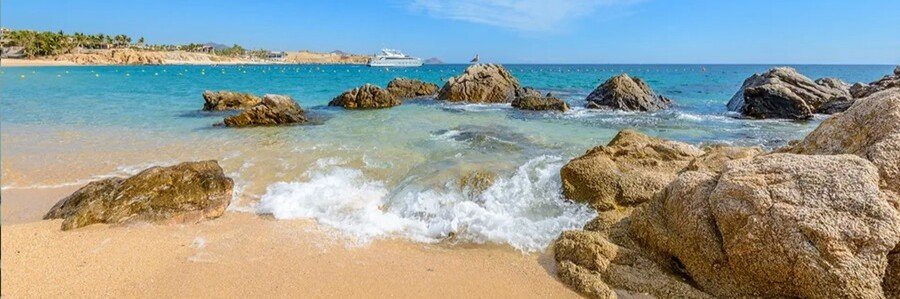
Santa Maria Beach
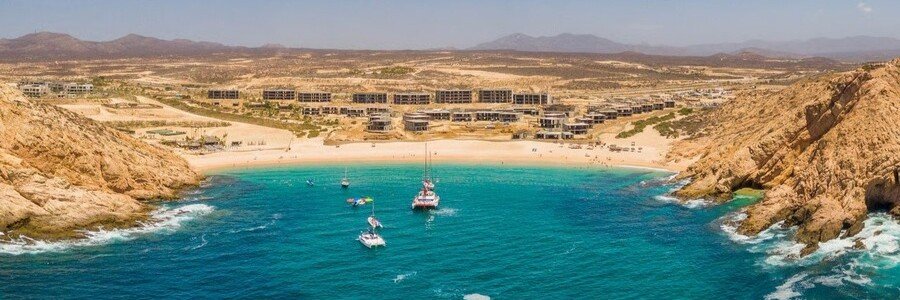
High rocky points surround this horseshoe-shaped cove along the Tourist Corridor. The cliffs block some wind and waves, which helps the center of the bay stay calm. Golden sand slopes toward clear blue water with a deeper entry than the main town beach. Strong swimmers often enjoy the center, while snorkelers explore closer to the rocky sides.
This protected marine area holds schools of tropical fish near the reef. Early morning often brings the best visibility before wind and boats stir the water. Catamarans and snorkeling tours arrive later in the day, so the quietest time comes soon after sunrise. Look toward the rocks for fish, but avoid swimming too close when waves rise.
A parking area, walkway, restrooms, and outdoor showers make the cove easy to visit. Services remain limited near the sand, so bring water and food. Shade can also fill quickly during busy hours. Check the flag before swimming because even a sheltered cove can develop rough conditions.
Best Cabo Beaches for Views and Scenery
Some of the most beautiful shores sit near Land’s End, where granite cliffs separate the Sea of Cortez from the Pacific Ocean. These beaches offer striking views but require more planning. Water taxis provide the main access, and there are no permanent services once you arrive.
Lover’s Beach (Playa del Amor)
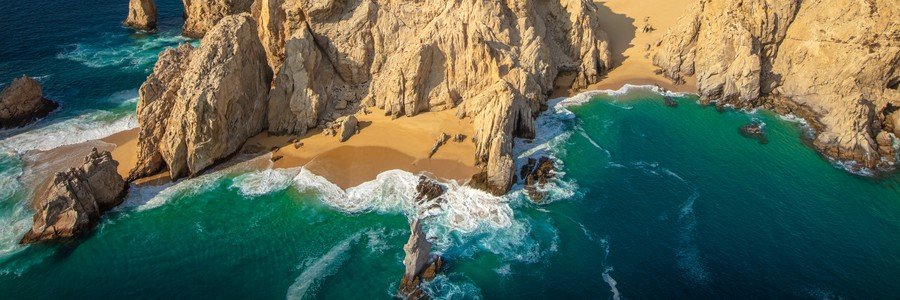
Tall granite cliffs frame a narrow strip of golden sand near Land’s End. On one side, the beach faces the calmer Sea of Cortez. A short walk across the sand leads toward the wild Pacific side. This rare setting lets you see two very different bodies of water within minutes.
Water taxis leave from the marina and main town beach. During the ride, you will pass the Arch, Pelican Rock, Neptune’s Finger, and a sea lion colony. Ask your captain to point out each landmark before dropping you near the shore. Then, agree on a clear pickup time because boats do not wait at the beach.
The Sea of Cortez side may suit swimming and snorkeling when the water stays calm. Still, check the conditions before entering. Bring water, snacks, shoes, and everything else you need because there are no restrooms, cafés, or rental stands. Arrive early since the small beach often becomes crowded by midday.
Divorce Beach
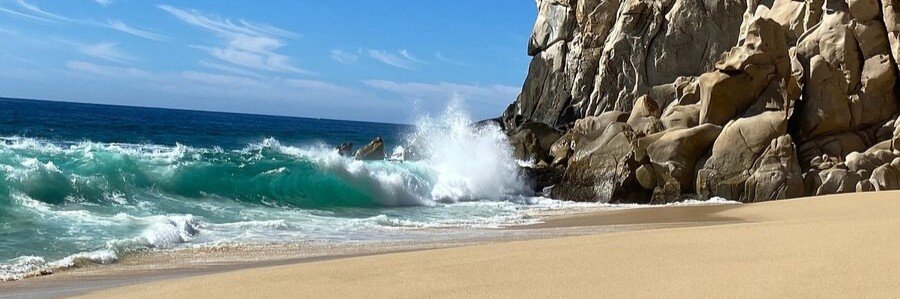
A short walk between the cliffs leads from the Sea of Cortez to a wide Pacific shore. Deep-blue water, rough waves, and tall rock walls create one of the most dramatic views at Land’s End. The beach feels wilder than its neighbor, with strong wind and the deep sound of waves hitting the sand.
Do not swim here. Heavy shore breaks, sudden drop-offs, and strong currents make the water unsafe. Stay well back from wet sand when large waves roll in. The same force that makes swimming dangerous also creates the beach’s raw beauty.
Morning light brings out the gold in the cliffs, while late-day sun adds warmer color. If you plan to stay later, arrange your return boat in advance. Water taxis may stop regular pickups before sunset. Carry out everything you bring because the beach has no trash service or other facilities. The official Land’s End guide also warns against swimming on the Pacific side.
Best Cabo Beaches for Adventure and Surf
The Tourist Corridor holds several reef and point breaks for different skill levels. Wave size changes with the season, wind, and direction of the swell. Beginners should book a lesson, while skilled surfers should study the rocky entry before paddling out.
Playa Acapulquito (Old Man’s Beach)
A right-hand reef break creates long rides when a south swell reaches the coast. On smaller days, the softer waves suit surf lessons and longboards. New surfers can practice with an instructor, while more skilled riders enjoy the longer lines farther from shore. Surf schools nearby rent boards and arrange private or group lessons.
The bottom includes reef and rock, so water shoes may help near the entry. Ask an instructor where to paddle out instead of walking straight across the reef. Conditions can change quickly once the swell grows. On larger days, beginners should watch from the sand.
The beach has a friendly surf feel, with riders gathering early before the wind rises. A small restaurant overlooks the waves and provides a place to eat after a session. Space on the sand and parking can feel limited, so arrive early. Even if you do not surf, you can watch longboarders glide across the break.

Zippers Beach
A fast right-hand wave breaks over a rocky reef near San José del Cabo. The wave can hold its shape for a long ride, but speed and shallow rock make it better for experienced surfers. Strong south swells bring the most action and may draw a crowded lineup. National and international surf events have also used this well-known break.
Study the entry before paddling out because rocks line parts of the shore. Local surfers know the break well, so follow surf rules and wait your turn. Beginners should take lessons at the softer break nearby instead. The official surf guide also recommends this wave for advanced riders.
From the shore, you can watch surfers race along the face of each wave. Nearby restaurants and simple beach bars offer cold drinks, tacos, and seafood. Event days bring more people and energy, while normal mornings feel more relaxed. Bring shoes because some parts of the shore contain rock and hot sand.
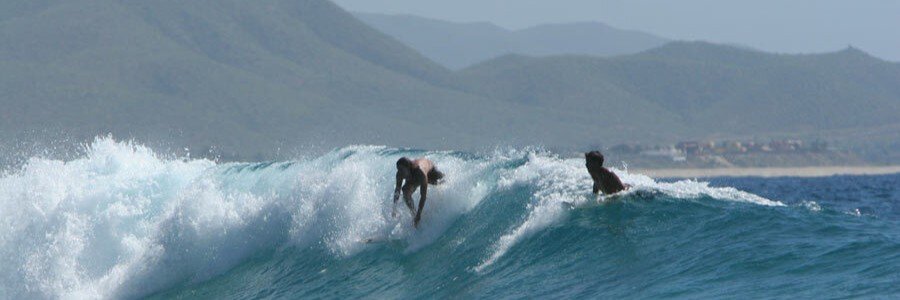
Monuments Beach
A powerful left-hand wave breaks near a rocky point closer to Cabo San Lucas. The reef, fast takeoff, and strong current suit skilled surfers rather than beginners. When the swell lines up, riders can follow the wave along the point while the Arch appears in the distance.
Access involves rock, and the water can feel rough even when the beach looks calm. Watch several waves before entering and ask local surfers about the safest route. This is not a good swimming beach. New surfers should choose a lesson at a gentler break instead.
The shore itself feels small and rugged, but its views make it worth a stop. You can photograph surfers with Land’s End in the background or watch waves strike the rocky coast. Arrive early because parking and viewing space remain limited. Stay clear of slippery rocks near the waterline.
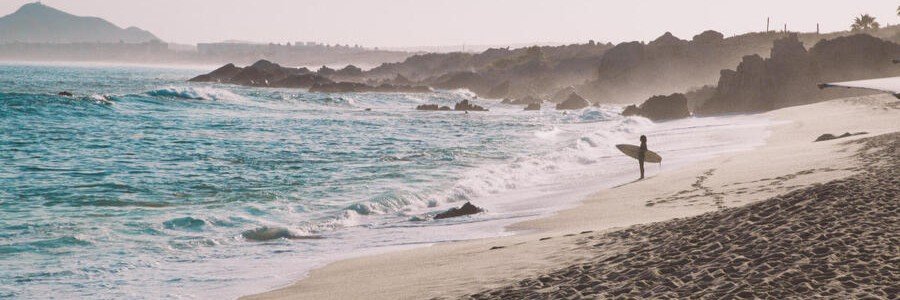
Quiet and Scenic Cabo Beaches
These shores feel calmer than the main town beach, but “quiet” depends on the day. Local families often visit on weekends, while weekday mornings bring more open sand. Both beaches also require you to watch the flags and ocean conditions.
Palmilla Beach
A curved sandy bay sits below the hills near San José del Cabo. A rocky point shields part of the shore from open water, which often creates gentler conditions near the center. The clean sand, clear water, and rows of fishing boats give the bay a polished yet local feel.
On calm days, you can swim, paddleboard, or float near the shore. Small fishing boats may launch from one section, so stay outside their path. The beach also has public parking and basic facilities. Arrive early because spaces fill on weekends and holidays.
Couples may prefer a weekday morning or late-afternoon walk when the shore feels quieter. Families often gather near the gentle part of the bay. Bring your own shade, water, and food if you plan to stay for several hours. Check the flag before swimming since wind and swell can still change the conditions.

Playa Las Viudas (Widow’s Beach)
Rocky points divide this shore into small sandy coves along the Tourist Corridor. Dark volcanic rock, golden sand, and blue water create strong color for photos. At lower tide, shallow pools may form between the rocks. These pools reveal small fish, shells, and other sea life.
Wear water shoes if you plan to explore near the rocks. Watch the tide closely because waves can refill the pools and cover escape routes. Never remove shells, animals, or coral from the water. Leave each pool as you found it.
The beach has fewer services and less shade than the larger swimming bays. Bring water and snacks, then carry out all trash. Waves and undertow may make swimming unsafe, so enter only when a green flag confirms good conditions. Even without swimming, the coves work well for quiet walks, tide-pool viewing, and coastal photos.
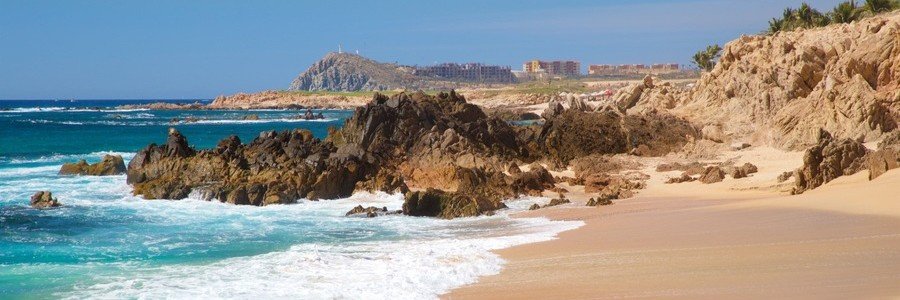
Cabo Beaches at a Glance
Use this quick guide to choose the right beach for swimming, snorkeling, surfing, or coastal views. Conditions can change each day, so always check the safety flags before entering the water.
| Beach | Best For | Swimming | Facilities | Access |
|---|---|---|---|---|
| Playa El Médano | Families, swimming, dining, and water sports | Often safe with a green flag | Restaurants, rentals, beach clubs, and restrooms | Walk, taxi, or local bus |
| Chileno Beach | Families and snorkeling | Often calm with a green flag | Parking, restrooms, showers, lifeguards, and shade | Car or taxi |
| Santa Maria Beach | Snorkeling and quiet mornings | Usually best near the center with a green flag | Parking, restrooms, and showers | Car or taxi |
| Lover’s Beach | Land’s End views and boat trips | Sea of Cortez side only when conditions allow | No permanent services | Water taxi or kayak |
| Divorce Beach | Cliffs, waves, and photography | Never recommended | No services | Water taxi, then walk |
| Playa Acapulquito | Surf lessons and longboarding | Not ideal for casual swimming | Surf schools, rentals, and nearby dining | Car or taxi |
| Zippers Beach | Advanced surfing and competitions | Not recommended for casual swimming | Nearby restaurants and surf services | Car or taxi |
| Monuments Beach | Advanced surfing and Arch views | Not recommended | Limited public facilities | Car or taxi |
| Palmilla Beach | Families, swimming, and paddleboarding | Often calm with a green flag | Parking and basic public facilities | Car or taxi |
| Playa Las Viudas | Tide pools, photos, and quiet walks | Only when flags and conditions allow | Limited services and little shade | Car or taxi |
Quick Picks
Family Favorites: Playa El Médano, Chileno Beach, and Palmilla Beach
Top Snorkeling Spots: Chileno Beach and Santa Maria Beach
Beginner Surf Choice: Playa Acapulquito
Advanced Surf Breaks: Zippers Beach and Monuments Beach
Most Scenic Shores: Lover’s Beach and Divorce Beach
Quietest Escape: Playa Las Viudas on a weekday morning
Best Day Trips From Cabo Beaches
A day trip lets you see more of Baja California Sur than the busy resort coast. You can snorkel in a protected marine park, surf near a small beach town, or wade through a shallow turquoise bay. Some trips require a rental car, while others work better with a guide.
Cabo Pulmo National Park
This protected marine park sits on the East Cape, about two to three hours from Cabo San Lucas. A living coral reef supports large schools of fish, rays, sea turtles, eels, and reef sharks. Clear water and rocky reefs make the area one of the region’s top choices for snorkeling and diving.
You must join an approved local boat operator to visit many reef sites. Guides choose each stop based on wind, waves, and park rules. Snorkeling tours suit confident swimmers, while certified divers can explore deeper areas. Marine conditions may cause guides to change or cancel a trip.
The final part of the drive may include rough or unpaved roads. Leave early and check the route before starting. Bring cash, water, and any medicine you may need because the small village has limited services. Never touch coral or chase marine animals during your tour.
Cerritos Beach and Todos Santos
A broad Pacific shore about an hour north offers a beach break and point break in one area. Surf schools rent boards and teach lessons close to the sand. Smaller waves may suit beginners, while larger swells attract more skilled riders. The open coast can also produce strong currents, so non-surfers should check conditions before swimming.
Restaurants and casual beach bars sit near the main access points. You can take a morning surf lesson, eat lunch by the water, and spend the afternoon watching the waves. The long beach also gives you room for a walk away from the busiest surf schools. The official Los Cabos surf guide recommends it as a day trip.
After the beach, drive to Todos Santos for galleries, old streets, and local shops. The town also has cafés and restaurants inside restored buildings. Leave time for the drive back before dark, mainly if you are not used to Mexican highways. Watch for changing speed limits as you pass through small towns.
Balandra Beach and La Paz
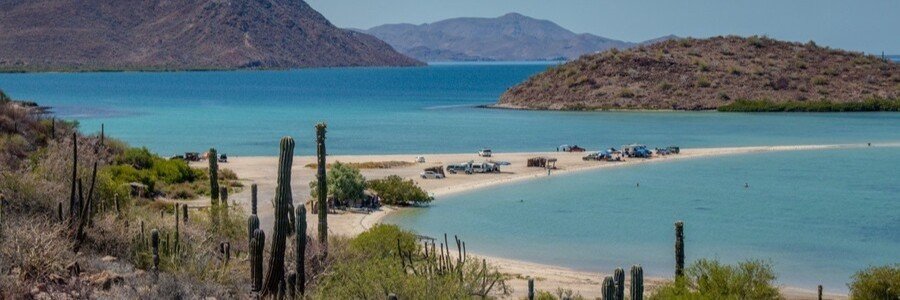
Pale sand, calm blue water, mangroves, and bare desert hills surround this protected bay near La Paz. The water remains shallow across a large part of the cove. In some areas, you can wade far from shore without the water rising above your waist. The mushroom-shaped rock called El Hongo stands near one end of the bay.
Access is controlled through two daily sessions. The current hours are 8:00 a.m. to noon and 1:00 p.m. to 5:00 p.m., with a limit of 450 people per session. A wristband is required, but having one may not guarantee entry once the session reaches capacity. Arrive early and check the current rules before driving from Cabo. CONANP manages the protected area.
The drive takes about two and a half hours each way, so this becomes a long day. Bring food, water, and shade because services near the sand remain limited. You can also stop in La Paz for lunch along the Malecón before returning south. A guided tour may feel easier than managing the drive and entry window yourself.
Los Barriles
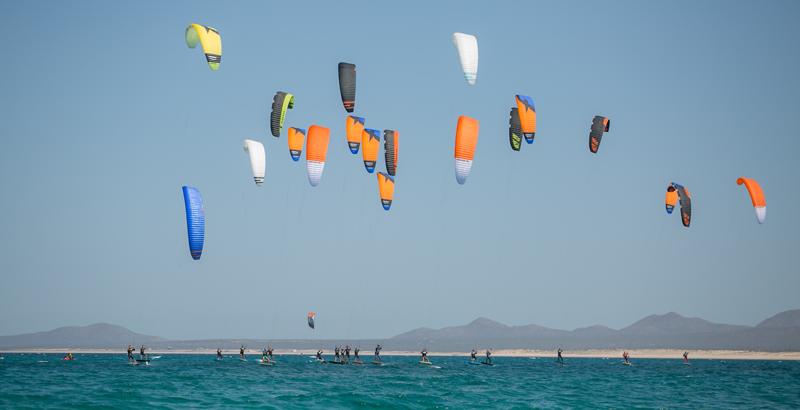
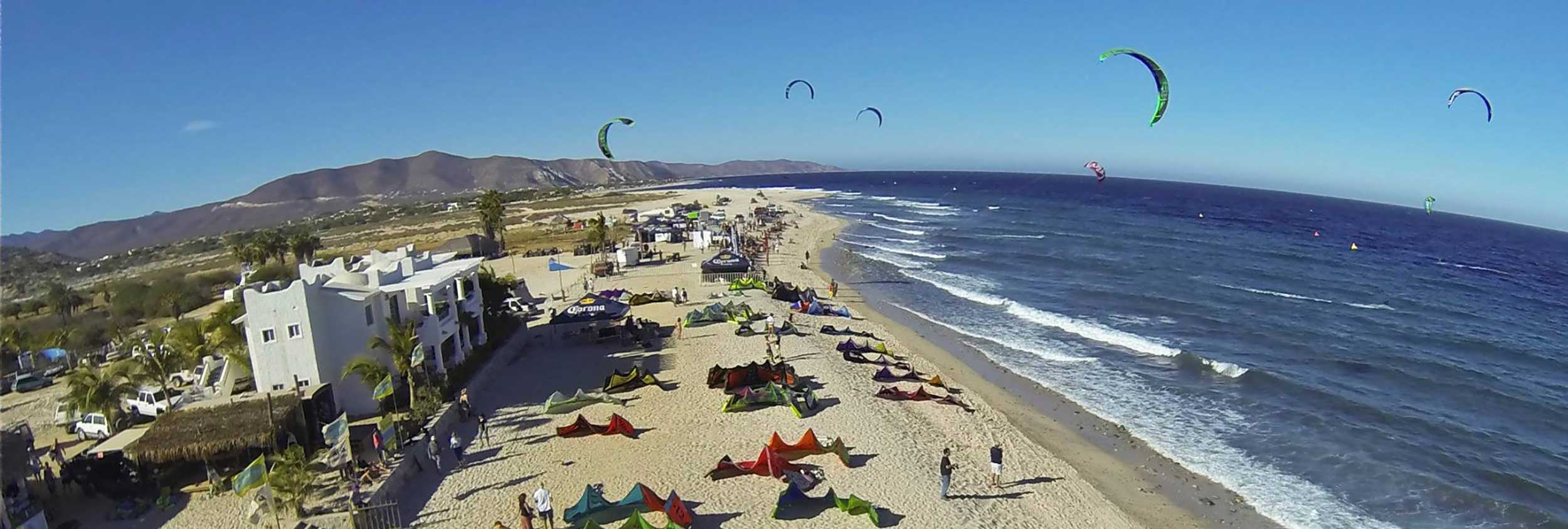
A long beach faces the Sea of Cortez near this relaxed East Cape town. From late autumn through spring, steady wind draws kiteboarders and windsurfers. Colorful kites fill the sky as riders cross the blue water below. Calmer summer days may work better for swimming, fishing, and paddleboarding.
Several schools offer lessons and equipment rentals for new riders. Beginners should book an instructor because wind direction and launch areas require care. If you prefer to stay on land, walk along the shore or watch the action from a beach restaurant. Sportfishing trips also leave from the area.
The drive from Cabo takes about two hours, based on traffic and your starting point. The paved route follows Highway 1 through dry hills and small towns. Fill the tank before leaving and carry water in the car. Check the wind forecast because it can change the entire feel of the day.
La Ventana
Strong seasonal wind and a wide bay make this small coastal community a major kiteboarding area. Riders launch from the beach and move across open water with Isla Cerralvo in the distance. The windiest period often runs from November through March. During calmer months, the bay suits kayaking, paddleboarding, and snorkeling.
Several schools offer beginner lessons with trained instructors and safety boats. A first lesson usually begins on land before you enter the water. More skilled riders can rent gear or join downwind trips. Non-riders can relax on the sand, eat at a local café, or watch the kites from shore.
This trip takes about two to two and a half hours by car. Roads near the village can feel dusty and rough away from the center. Bring cash because small businesses may not accept every card. If the wind matters to your plans, confirm conditions with a local school before making the drive.
Fox Canyon and Sol de Mayo Waterfall
A freshwater pool and waterfall hide inside a rocky canyon near the town of Santiago. A short trail passes desert plants, large boulders, and steep stone walls. At the end, water drops into a clear pool where swimming may be possible when conditions allow. The green setting feels very different from the dry coast.
Wear shoes with a firm grip because the trail includes uneven rock and steep sections. Water levels change by season, and wet stone can become slick. Check local conditions before visiting, mainly after heavy rain. Flash flooding can affect desert canyons even when the storm falls farther away.
A local ranch controls access and charges an entrance fee. Bring pesos, water, and food since services remain basic. You can visit with a guide or drive yourself if you feel comfortable on rural roads. Start early to avoid hiking during the hottest part of the day.
Cabo Beaches: Safety Tips You Need
Cabo’s desert coast meets two powerful bodies of water. A beach can look calm from shore while strong currents move below the surface. Check the posted flags each day and never judge conditions by yesterday’s visit.
Understand the Beach Flags
Flag colors may change during the day as wind, waves, and currents grow stronger.
- 🟢 Green: Conditions are open for swimming. Stay alert because green does not mean risk-free.
- 🟡 Yellow: Enter with care. Waves, currents, or marine life may create added risk.
- 🔴 Red: Dangerous water. Do not swim.
- ⚫ Black: The beach or water has closed due to severe conditions. Follow all instructions from lifeguards.
Some beaches may post a separate warning for jellyfish or other marine life. Read the sign beside the flag instead of relying only on its color.
Do Not Confuse a Blue Flag With a Swim Flag
A Blue Flag shows that a beach meets set standards for water quality, safety, access, and environmental care. It does not describe the ocean conditions that day. A Blue Flag beach may still raise a yellow, red, or black warning flag when the water turns rough.
Check both signs before swimming. The daily safety flag always matters more when deciding whether to enter the sea.
Swim Only Where Conditions Allow It
Médano, Chileno Bay, Santa Maria Bay, and Palmilla often offer some of the better swimming conditions. Even these beaches can close when waves, wind, or currents grow stronger. Enter only when the flag permits swimming.
Do not treat the Pacific side as a swimming area unless lifeguards mark a section as safe. Divorce Beach and Playa Solmar have strong shore breaks, steep drop-offs, and heavy currents. The safest choice is to enjoy those beaches from dry sand.
Stay Back From Steep Shore Breaks
At some beaches, waves rise and crash directly onto steep sand. The force can knock down an adult, cause a neck or back injury, or pull someone into deeper water. You do not need to be swimming for a shore break to reach you.
Keep children well away from the wet-sand line at Divorce Beach and Playa Solmar. Also avoid standing on rocks near Land’s End when waves are active. A larger wave can wash across a surface that looked dry moments earlier.
Arrange Your Water-Taxi Pickup Before Landing
Lover’s Beach has no dock, so passengers often step from a small boat into shallow water. Wear shoes that can get wet and keep both hands free while leaving the boat. Accept help from the crew, mainly when waves cause the boat to move.
Before the captain leaves, agree on the pickup time and exact location. Save the boat name or captain’s number on your phone. Confirm that life jackets are available, and never try to swim between the beach, marina, or Arch.
Do Not Assume Every Beach Has a Lifeguard
Popular swimming beaches may have lifeguards, but remote coves and surf spots may not. Cell service can also vary near cliffs and isolated stretches of coast. Save a map pin or note the beach name before leaving the road.
In Mexico, call 911 for a police, fire, rescue, or medical emergency. Give the beach name, nearest access point, and a visible landmark. Official Los Cabos emergency numbers
If Caught in a Current, Do Not Fight It
A strong current can carry you away from shore even when the surface looks smooth. Stay calm, float, and signal for help. Swim parallel to the shore until you move out of the current, then angle back toward land.
Do not try to rescue another swimmer without a float, board, or help from a lifeguard. Call 911 and throw something that floats if possible. One untrained rescue attempt can place two people in danger.
Essential Tips for Cabo Beaches
The beaches differ more than most travelers expect. Some have restaurants and showers, while others have no shade, restrooms, or reliable cell service. These tips will help you choose the right time, access point, and supplies for each beach.
Find the Public Access Points
All beaches in Mexico allow public access, even when resorts surround the shore. Still, hotel buildings and private roads can make the correct entrance hard to spot. Look for signs marked acceso público a la playa rather than walking through resort grounds.
Save the access point on your map before leaving Wi-Fi. Chileno, Santa Maria, Palmilla, and Las Viudas have marked entrances from the Tourist Corridor. Do not park beside a resort gate or on an unmarked dirt shoulder unless signs allow it.
Visit Snorkeling Beaches Early
Morning often brings calmer water and better views below the surface. Wind and boat traffic may stir sand through the water later in the day. Chileno and Santa Maria also become busier once snorkeling tours arrive.
Try to reach the sand between 8:00 and 9:00 a.m. Early arrival also gives you a better chance of finding parking and shade. Check the flag before entering because morning water is not always safe.
Bring Shade to Beaches With Few Services
Lover’s Beach, Divorce Beach, Las Viudas, and many remote coves have little or no natural shade. Rock walls may cast shadows for part of the day, but those areas change as the sun moves. Sand near the cliffs may also become unsafe during high tide or large waves.
Bring a small shade option only where beach rules permit it. At protected beaches, staff may limit large tents or equipment. A hat and light cover take less space on a water taxi and work when umbrellas are not allowed.
Match Your Supplies to the Beach
Médano has restaurants, vendors, rentals, and busy water sports. Chileno and Santa Maria have public facilities but fewer places to buy food. Lover’s Beach has no permanent restrooms, cafés, or shops.
Pack water and snacks before visiting a beach with limited services. Bring a small trash bag and carry everything out. Do not count on a vendor, rental stand, or restroom being open early in the morning.
Carry Pesos for Small Purchases
Many restaurants and tour companies accept cards, but small beach vendors and water-taxi captains may prefer cash. Paying in Mexican pesos can also prevent a poor exchange rate. Carry small bills so vendors do not need to find change.
Agree on water-taxi prices before boarding. Confirm whether the amount covers one way or a round trip. Also ask if marina fees, life jackets, and return pickup are part of the price.
Expect a Wet Water-Taxi Landing
Boats to Lover’s Beach usually stop in shallow water rather than at a dock. You may need to step over the side while waves move the boat. Long clothing, open bags, and shoes that cannot get wet make the landing harder.
Use a dry bag for phones, cameras, wallets, and towels. Wear secure water shoes instead of loose flip-flops. Keep both hands free and let the crew help you step onto the sand.
Plan Around Local Weekends and Holidays
Popular public beaches draw more local families on Saturdays and Sundays. Palmilla, Chileno, and Santa Maria can fill early during warm weekends. Semana Santa, Christmas, and New Year bring even larger crowds.
Visit on a weekday morning when possible. If you must go on a holiday, arrive early and expect limited parking. Avoid leaving bags or valuables visible inside your car.
Prepare for Cooler Water in Winter and Spring
Warm air does not always mean warm ocean water. Sea temperatures can sit near 72°F from winter through late spring. Some swimmers find this comfortable, while others feel cold after snorkeling for a long time.
Bring a rash guard or light wetsuit if you get cold easily. This matters most on morning snorkeling trips when the air and water feel cooler. The ocean becomes much warmer from late summer into autumn.
Visit Other Great Places in Baja California
If you’re exploring beyond the city, you’ll find a mix of vibrant coastal towns, quiet beach escapes, and scenic spots across Baja and the Sea of Cortez. Each offers its own laid-back vibe, beautiful views, and memorable experiences along the coast.
Cabo San Lucas – Cabo San Lucas Beaches – Ensenada – La Paz – Loreto – Mulege – Rosarito – San Felipe – San Jose Del Cabo – Todos Santos – Sea of Cortez Beaches
Final Thoughts on Cabo Beaches
Cabo Beaches bring together golden sand, desert cliffs, and two very different bodies of water. You can swim in the calm bay at Médano, snorkel with tropical fish at Chileno, or view the wild Pacific from Divorce Beach. Each stretch of coast offers a different reason to stop.
Spend the morning surfing at Acapulquito or exploring Land’s End by water taxi. Later, slow down beside Santa Maria Bay or watch the sun set beyond the Arch. No matter which shore you choose, check the flags, respect the sea, and leave time to enjoy the view.
Frequently Asked Questions About Cabo Beaches
Do You Have to Pay to Access the Beaches?
No. Beaches in Mexico are public, including the federal coastal zone along the shore. Resorts may control access through their private property, so look for a marked public entrance. Parking, rentals, beach clubs, and boat rides may still charge fees.
Can You Swim at Every Beach?
No. Many shores face strong Pacific waves, steep drop-offs, and dangerous currents. Swim only in marked areas and check the daily safety flag before entering. Never assume calm-looking water is safe.
Which Beach Is Best for Swimming?
Playa El Médano offers one of the easiest swimming options near downtown. Its sheltered bay often has calmer water, along with restaurants, rentals, and water sports. Chileno Beach and Palmilla Beach provide quieter choices when green flags are flying.
Which Beaches Are Best for Snorkeling?
Chileno Beach and Santa Maria Beach offer two of the best snorkeling areas. Rocky sections shelter tropical fish, rays, and other sea life. Visit early for calmer water, clearer views, and fewer tour boats.
How Do You Reach Lover’s Beach?
Take a water taxi from the marina or Playa El Médano. You can also join a kayak or glass-bottom boat tour. Agree on your return time before getting off the boat because the beach has no dock or permanent services.
Can You Swim at Divorce Beach?
No. The beach faces the open Pacific and has strong currents, large waves, and a steep shore break. Enjoy the views from dry sand and stay well back from the water. Swim on the Sea of Cortez side at Lover’s Beach only when conditions allow.
Which Beaches Have Public Facilities?
Chileno and Santa Maria have parking, restrooms, and outdoor showers. Médano offers nearby restaurants, rentals, and facilities through local businesses. Lover’s Beach, Divorce Beach, Monuments, and Las Viudas have few or no services.
Can You See Whales From the Shore?
Yes, you may spot a blow, tail, or breach from December through April. Clear coastal viewpoints and ocean-facing balconies can improve your chances. A permitted boat tour offers a much better view and a higher chance of seeing whales.
Which Beach Is Best for Families?
Chileno Beach works well for families because it has parking, restrooms, showers, shade, and lifeguards. Playa El Médano also has gentle water on many days and plenty of nearby food. Check for a green flag at either beach before children enter the sea.
When Is the Ocean Warmest?
The water feels warmest from August through October, often reaching about 82°F to 84°F. From winter through late spring, sea temperatures may stay near 72°F. Bring a rash guard or light wetsuit if you plan to snorkel during the cooler months.

My husband and I are taking our two children, ages 8 and 11, to Cabo next May, and your beach guide has been incredibly helpful! I had no idea that so many of Cabo’s beautiful beaches aren’t safe for swimming. We’re hoping to spend most of our time snorkeling, swimming, and enjoying the scenery rather than visiting busy beach clubs. Chileno Beach and Santa Maria Beach both sound perfect for our family. Would you recommend visiting both, or is one better for children who are still learning to snorkel?
Hi Isabella! May is a wonderful time for a family vacation in Cabo! 🌴 For children who are just learning to snorkel, I would start with Chileno Beach. It has a convenient paved walkway, restrooms, showers, shaded areas, and lifeguards, which makes spending the day with children much easier. The rocky areas near the ends of the beach are wonderful for spotting colorful fish when the water is calm. Santa Maria Beach is also beautiful, but the water gets deeper more quickly, so I’d save that for another morning if everyone feels comfortable. Try arriving around 8 or 9 a.m. for calmer conditions and fewer tour boats. Always check the swimming flags, and make sure the children have properly fitted flotation gear and close adult supervision. Have an amazing Cabo adventure! 🐠💕
We’ve been looking at Cabo for a winter getaway, and I didn’t realize some of the beaches aren’t safe for swimming. I usually just assume any beach is fine to get in, so that’s really good to know. If you were only spending a few days there, which swimmable beach would you make sure not to miss?
If I had to choose just one, I’d probably recommend Chileno Beach. The water is usually calm and clear, it’s great for snorkeling, and it has a much more relaxed feel than Medano Beach. If you’re looking for more restaurants and a livelier atmosphere afterward, Medano is another excellent choice and is perfect for spending an afternoon by the water.
Cabo honestly looks like one of those destinations that manages to feel adventurous, relaxing, and romantic all at once. The contrast between the desert cliffs and the bright turquoise water is absolutely stunning. I love that some beaches are lively and social while others feel hidden and peaceful, especially places like Lover’s Beach and Palmilla Beach. Whale watching right from the shoreline would be incredible too. Did you spend more time around the swimmable beaches like Médano and Chileno, or exploring the more scenic spots near Land’s End and the Arch?
One of the best things about Cabo was how different each beach area felt depending on what kind of atmosphere you wanted. Médano Beach was great for energy, restaurants, and easy swimming, while places like Lover’s Beach and Palmilla felt much more scenic and relaxing. I also loved exploring around Land’s End because the cliffs and rock formations made the coastline look so dramatic and unique. Cabo really had a nice balance between lively beach culture and quieter places where you could just enjoy the scenery and ocean views.