Mulegé blends desert landscapes with a green river oasis in Baja California Sur. The contrast feels striking, and it gives the town a calm, authentic charm. From hidden beaches to local culture, it’s a place that invites you to slow down.
Mulegé is a lush river oasis set against the dry landscape of Baja California Sur, and it feels like a world apart. Here, the freshwater Río Santa Rosalía creates a ribbon of green filled with palm groves and fruit trees. This also adds a rare burst of life against the surrounding desert. The town, officially known as “Heroica Mulegé,” earned its name after a brave defense during the Mexican-American War, so it carries a strong sense of history. But, today, it offers a peaceful gateway to the turquoise waters of Bahía Concepción.
As you explore, the contrast is hard to miss, and it becomes part of the experience. A historic Jesuit mission, built in 1705 from volcanic stone, sits above the town. Then, below, colorful streets add a relaxed, authentic charm. It feels far removed from the busy tourist hubs further south, so it’s an ideal place to slow down and take in the scenery.
Just beyond the town center, the region opens up to both natural beauty and ancient history, and each adds another layer to the experience. The Sierra de Guadalupe mountains nearby hold some of North America’s oldest cave paintings, with sites like San Borjita featuring rock art dating back over 7,500 years. This offers a glimpse into the lives of early indigenous groups, while still feeling remarkably preserved. At the same time, the area invites modern adventure, from kayaking through mangroves to diving in the Sea of Cortez, so there’s always something to explore. You can even visit the famous “prison without bars,” where inmates once worked freely in the community during the day and returned by sunset.
Jump to the Best of Mulegé
Best Beaches • Water Activities• Luxury & Romantic Stays • Where to Eat & Drink • Best Tours & Activities• Whale Watching • Travel Tips • FAQs
Visit the beaches of the Sea of Cortez here, or on our Pinterest site.
Mulegé: Weather & Best Time to Visit
The best time to visit is generally from November to May. When the weather is at its most comfortable for outdoor exploration. During this period, you can expect dry, clear skies and average daytime highs ranging from the low 70s to the low 80s (°F).
Seasonal Breakdown
Peak Season (December – April): This is the most popular time for travelers to visit. It offers mild, sunny weather and aligns with prime whale watching season, particularly for gray whales in nearby lagoons.
Shoulder Seasons (May – June & October – November): During these months, the locals consider them “warm and wonderful”, since they offer a good balance of pleasant temperatures and fewer crowds. May and June are particularly good for water activities, especially kayaking and diving as the water begins to warm up.
Off-Season (July – September): The area experiences intense heat and humidity during these months, with highs often exceeding 95°F. This is also the rainiest time of year, with September having the highest chance of tropical storms or hurricanes.
Weather Averages at a Glance
The chart below gives a quick look at average weather, so you can plan your visit.
| Month | Avg High | Avg Low | Conditions |
|---|---|---|---|
| Jan – Feb | 72°F – 74°F | 56°F – 57°F | Cool, clear, and very dry |
| Mar – Apr | 77°F – 82°F | 60°F – 65°F | Pleasantly warm; great for hiking |
| May – June | 87°F – 92°F | 70°F – 78°F | Hotter; peak “beach/pool” score begins |
| July – Sept | 93°F – 95°F | 80°F – 83°F | Very hot and muggy; occasional rain |
| Oct – Nov | 80°F – 88°F | 64°F – 72°F | Warm; water is still comfortable for swimming |
Why Visit Mulegé
You’ll find a unique, lush river oasis that feels worlds away from the typical desert landscape of Baja. Instead of dusty stretches and dry heat, you’ll find a place where life gathers around water and greenery. It’s the kind of destination where you can spend the morning exploring a 300-year-old mission, then ease into the afternoon lounging on some of the most stunning beaches in Mexico.
Here are the top reasons to put it on your itinerary:
Stunning Bahía Concepción
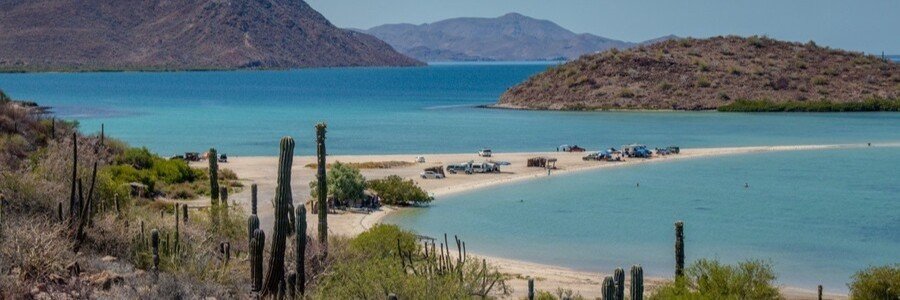
Just south of town, you’ll find a string of world-class beaches like Playa Santispac and El Burro, each one more inviting than the last. Along this stretch, the water stays incredibly calm, clear, and turquoise, which makes it perfect for kayaking, paddleboarding, or simply drifting without a plan.
A True Oasis Vibe
While much of Baja is known for its desert scenery, the area stands out with thousands of date palms and fruit trees fed by the Río Santa Rosalía. Because of this natural water source, the town feels cooler, greener, and almost tropical compared to the surrounding landscape.
Rich Jesuit History
Sitting on a hill above the river, the Misión Santa Rosalía de Mulegé dates back to 1705 and remains beautifully preserved today. From here, you not only step into the past, but you also get one of the best panoramic views in the area.
Ancient Rock Art
Beyond the town, the Sierra de Guadalupe mountains hide some of the region’s most fascinating treasures. In these remote canyons, massive cave paintings dating back over 7,000 years tell stories left behind by indigenous groups, and guided tours make it possible to experience them up close.
Authentic Charm
Unlike more developed destinations like Cabo or Loreto, the town has kept its laid-back, authentic feel. As you explore, you’ll notice friendly locals, the unique “prison without bars” history, and a slower pace that makes it easy to truly unwind.
Best Beaches of Mulegé
The best beaches are mostly located just south of town in the stunning Bahía Concepción, and this stretch is where you’ll find the area’s most iconic الساحline views. Because there are so many unique coves, it helps to break them down by their “vibe” and what they offer. So, you can quickly find the right fit for your trip.
The Popular Hubs (Easy Access)
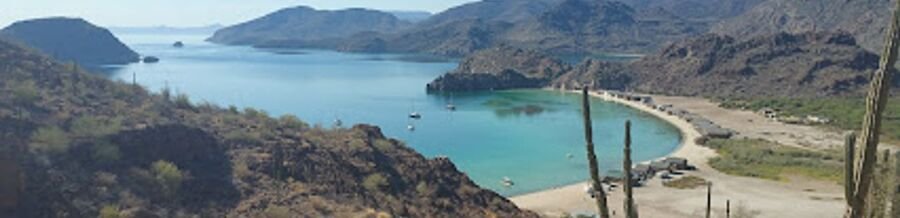
These are the first beaches you’ll reach when driving south, and they typically offer the most amenities, so they’re great if you want convenience without sacrificing scenery.
Playa el Coyote
Often the first stop for visitors, this is the largest and most popular beach, plus it’s also known for its striking turquoise water. It’s also a favorite for RV campers because of the easy to access right off the highway, so it tends to have a lively, welcoming feel, and while you’re here, you’ll find on-site restaurants, bars, and even hidden hot springs tucked into the nearby mangroves.
Playa Santispac
Known for its soft golden sand and picturesque rocky outcrops, this beach has a more social atmosphere, and travelers often gather here for evening bonfires. The water stays calm, so perfect for paddleboarding. Plus, local seafood vendors regularly pass through selling chocolate clams and fresh ceviche.
Active & Family-Friendly Coves
These spots are especially well-suited if you want to get out on the water or enjoy a slightly quieter day, so they’re a great middle ground between lively and laid-back.
Playa El Burro
This beach is a favorite for families because the waters are exceptionally calm, and the relaxed setting makes it easy to spend the whole day here. The beach is also home to Nomadico Roasters, so you can grab high-quality coffee right on the sand.
Playa Los Cocos
A bit quieter than Santispac, this beach is lined with palm trees that provide rare natural shade, and that alone makes a big difference on warmer days. This is ideal for a peaceful escape if you bring your own supplies, so planning ahead helps you make the most of it.
The “Hidden” & Scenic Gems
If you’re looking for a more secluded experience or unique scenery, head further south, where the beaches feel more untouched and less crowded.
Playa el Requeson
This beach is famous for its stunning sandbar, because it connects to a small island during low tide. So, you can actually walk across the water. The area stays shallow and incredibly picturesque, though it has fewer amenities than the northern beaches.
Playa La Escondida
As the name suggests, this one is hidden, plus getting there takes a bit more effort. The road can be rocky and difficult for larger vehicles, so fewer people make the trip, which often leaves the beach feeling completely private.
Playa Los Naranjos
Located north of town, this beach offers a quieter alternative to the main bay, and also a great option if you want to avoid the crowds. It is a simple, back-to-basics spot, so perfect for hiking, relaxing, and low-key camping.
Just Outside of Town
Faro De Mulegé
Located at the mouth of the river, this sheltered cove is ideal for beachcombing, and it also has a peaceful, local feel. This beach is also a beautiful place to unwind at sunset, while the moon rises over the peninsula.
Summary of Beach Amenities
| Beach | Restaurants | Restrooms | Best For |
|---|---|---|---|
| Santispac | Yes (Multiple) | Yes | Socializing, RVs, Hot Springs |
| El Coyote | Yes (2+ Bar) | Yes | Snorkeling, Sunsets, Seafood |
| El Burro | Nearby | Yes | Families, Coffee, Kayaking |
| Requesón | Vendors | Basic | Sandbar walks, Photography |
| Escondida | No | Limited | Seclusion, Off-roading |
Mulegé: Best Water Activities
The waters surrounding the town, particularly in Bahía Concepción, are world-class for low-impact adventure, and they offer something for every type of traveler. Because is a smaller town, many visitors also book professional tours out of nearby Loreto (about 1.5 hours south), so they can enjoy full-day expeditions with experienced guides.
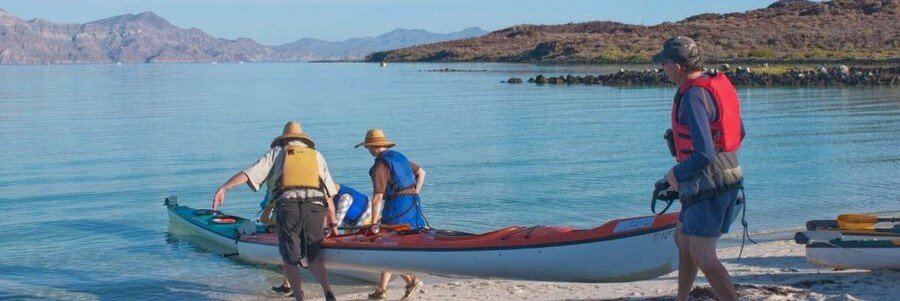
Kayaking & Paddleboarding
Arguably the best kayaking destination in Baja is here since the bays are so protected, and the calm water makes it easy for beginners to explore.
Self-Guided Bahía Concepción: You can rent equipment directly on the sand at Playa Santispac or Playa El Burro, so getting started is simple and convenient. Many visitors prefer to paddle out to the small islands just offshore, where they can find completely private snorkeling spots.
Guided Mangrove Tours: Local operators often lead tours through the Río Santa Rosalía, and these routes wind through lush palm groves. As you move along the river, you can spot unique bird species, while the scenery feels completely different from the open coastline.
Snorkeling & Boat Tours
The Sea of Cortez is often called the “Aquarium of the World,” and once you see the clarity of the water, it’s easy to understand why.
Isla Coronado (From Loreto)
This is one of the most highly rated tours in the region, and it’s a favorite for first-time visitors. You can also book the Loreto to Coronado for swimming, snorkeling and and observe its incredible marine biodiversity. In addition to seeing sea lions, dolphins, manta rays, sea turtles as well as colorful tropical fish, for a full day experience.
Transparent Boat Tours
If you prefer to stay dry, glass-bottom boat tours are a great alternative, since they let you see the reefs without getting in the water. options like Mexico Glass Bottom Boat Tours are popular in the Sea of Cortez, and they’re ideal for a more relaxed outing.
Seasonal Whale Watching (Jan – March)
While the whales aren’t in the bay itself, the area still makes a great base for day trips to the Pacific side, so you can experience some of the best encounters in Baja.
San Ignacio Lagoon
This is the world-famous spot for “friendly” gray whales, and it’s known for incredibly close interactions. Local groups like Kuyima Ecoturismo offer guided encounters, where whales often approach the boats and sometimes even allow gentle contact.
Loreto Blue Whale Tours
If you’re visiting in February, you can also head south to Loreto, where tours focus on blue whales. These massive animals are the largest on earth, so seeing one in person is unforgettable.
Sport Fishing
Fishing is a way of life, and it’s easy to get started even if you’re new. You can hire a “panga” (local skiff) and a captain right at the river mouth, so everything feels simple and local.
Target Species
Depending on the season, you can catch Dorado (Mahi-Mahi), Yellowtail, and Cabrilla, and each offers a different kind of challenge.
Local Experience
Most captains will take you out for a half-day, and many will recommend a nearby restaurant that will cook your catch that evening, so the experience carries right into dinner.
The “Friendly” Gray Whales in Mulegé
The area is an ideal base for day trips to the three major gray whale lagoons in Baja California Sur. These lagoons are unique because they are the only places on Earth where wild whales actively seek human contact. As a result, the experience feels both rare and unforgettable.
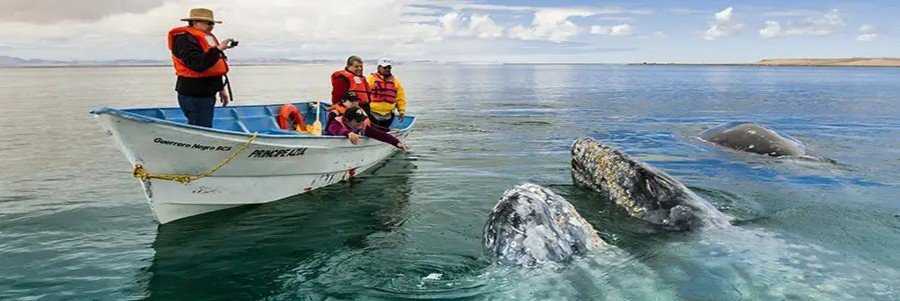
San Ignacio Lagoon
Located about 1.5 to 2 hours northwest, this is the most famous spot for “friendly” whales. It is also a UNESCO World Heritage site, so the area remains pristine and largely undeveloped.
The Experience: Mothers often guide their calves toward small boats (pangas). At the same time, curious whales approach closely, which allows travelers to pet or even kiss them.
Top Tour: Ecoturismo Kuyima is highly recommended. They operate directly from the nearby town of San Ignacio, which makes planning simple.
Ojo de Liebre Lagoon
Located about 2.5 to 3 hours north, this lagoon has the highest concentration of whales in the world. Because of its size, it offers a very different experience from San Ignacio.
The Experience: You’ll often see dozens, sometimes hundreds, of whales surfacing at once. This creates a dramatic and unforgettable scene across the water.
Top Tour: Mario’s Tours offers full-day trips that include a boxed lunch. They also provide helpful insights into whale migration.
Other Nearby Lagoons
Magdalena Bay
Located about 3.5 hours south, this is the most southern lagoon and is a popular choice for those also visiting Loreto or La Paz. Plus, it has more places to eat and shop.
Gulf of California
Just 1.5 hours south, you can find Blue Whales (the largest animals on earth) and Humpbacks during the winter months. Tours like those from Wild Loreto depart daily from the marina.
Plan Your Trip
Best Time: Mid-January through March is the peak window for gray whales. Plus, February is often considered the “sweet spot” for seeing the most calves.
What to Bring: Even if the day is warm, the wind on the lagoons can be very cold. So, you should bring a light jacket, sunscreen, and a waterproof bag for your camera.
| Location | Distance from Mulegé | Primary Whale Type | Key Feature |
|---|---|---|---|
| San Ignacio | ~1.5 – 2 Hours | Gray Whale | Most “friendly” interactive encounters |
| Guerrero Negro | ~2.5 – 3 Hours | Gray Whale | Massive numbers; near giant salt mines |
| Loreto | ~1.5 Hours | Blue & Humpback | Deep-water species; volcanic island views |
Highly Rated Hotel Options in Mulegé and Nearby Santa Rosalía
While the selection is more limited than in larger hubs, there are still several charming, highly rated options here and in Santa Rosalía that offer an authentic Baja experience.
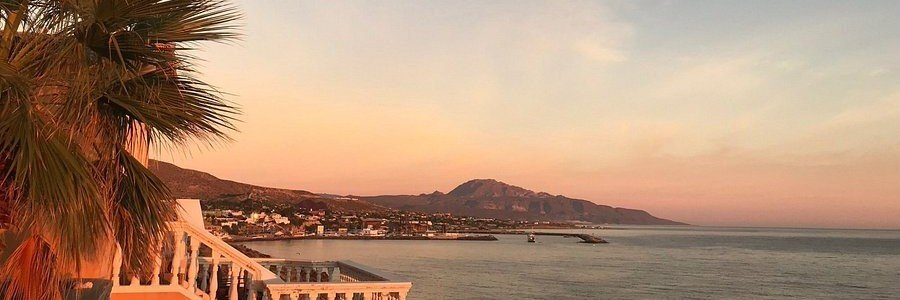
Top Rated Stays
For a higher-end stay, you may need to look just outside the main town areas or toward Bahía Concepción.
Baja Glamping 10.0 Guest Rating
Located right on the shores of Bahía Concepción, this is the most unique “luxury” stay in the area. It offers beautifully styled off-grid tents and casitas with high-end linens, private outdoor spaces, and free use of kayaks and paddleboards to explore the turquoise bay.
Hotel Los Casitas Santa Rosalía 10.0 Guest Rating
Perched on a bluff south of Santa Rosalía, this hotel is known for some of the best views in the area. Guests enjoy private balconies overlooking the Sea of Cortez and city lights at night. It also includes modern comforts like strong air conditioning.
Casa Concepción B&B 8.8 Guest Rating
This upscale bed and breakfast in the Posada Concepción area offers stunning views of the bay. It also features clean, comfortable rooms, a highly rated on-site bar, and access to a volcano-warmed hot spring right on the beach.
Top Rated Private Stays
These spots emphasize privacy, history, and a slower pace—perfect for couples.
Baja Pool Beach House, Punta Chivato 9.4 Guest Rating
Set along the quiet shores of Punta Chivato, this spacious beachfront retreat blends privacy with laid-back coastal luxury. The four-bedroom home opens directly to the Sea of Cortez, with two ocean-facing master suites, a pool and jacuzzi, and plenty of space to unwind or celebrate. Kayaks, wide-open skies, and glowing sunrises add to the experience.
Beachfront Villa in Famous Coyote Bay 9.0 Guest Rating
This relaxing beachfront villa has panoramic views of the spectacular Bay of Conception. Private and peaceful, the days go by at a lazy, relaxing pace. If your dream vacation means tranquility with islands and hidden beaches all to yourself, then you have found it. Come… relax and find paradise in Coyote Bay.
Casa de los Sueños, Bahía Concepción 9.8 Guest Rating
Tucked along the peaceful shores of Bahía Concepción, this secluded villa offers a private stretch of beach and a true escape from the crowds. Spacious and thoughtfully designed, it features multiple bedrooms plus a separate casita, making it ideal for families, groups, or a quiet couples’ retreat. Kayaks, paddleboards, snorkeling gear, and even a natural hot spring rock tub create a one-of-a-kind coastal experience, while the town is just 15 minutes away for dining and essentials.
4 Other Top Rated Choices
Casita Marlin 9.3 Guest Rating
This cozy one-bedroom casita offers a relaxed and comfortable stay right in Mulegé, perfect for couples or solo travelers. With a fully equipped kitchenette, private garden space, and pet-friendly perks, it’s an easy, stress-free base for exploring the area, with local shops, dining, and coastal adventures just minutes away.
Casas Rio 8.5 Guest Rating
Located in town, this laid-back stay offers comfortable accommodations with plenty of space to relax. With kitchen facilities, outdoor terraces, and pet-friendly perks, it’s a great choice for longer stays, just minutes from local shops, dining, and nearby hiking spots.
Playa Posada Eco Rooms 8.8 Guest Rating
Located in Punta Arena, this eco friendly stay offers rooms with solar power and satellite internet. Plus, guests rave about the amazing sunrises as well as being very close to quiet, pristine beaches.
Casa El Pescador 8.7 Guest Rating
This comfortable two-bedroom home offers a relaxed stay with sea views and a private patio perfect for unwinding. With a full kitchen, outdoor dining space, and a spacious garden, it’s a great option for families or couples looking to enjoy the area while staying close to local shops, dining, and coastal adventures.
Local Flavors of Mulegé
The area offers a unique mix of fresh Sea of Cortez seafood and the natural sweetness of dates from its many palm groves. The local flavors are rooted in Baja California Sur traditions, so the focus stays on simple, high-quality ingredients.
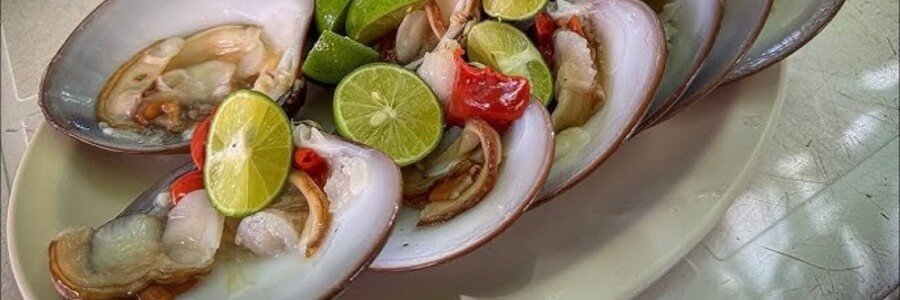
Food: Land and Sea Specialties
The local diet reflects both the oasis and the coast, and that mix shapes many of the region’s dishes. The town’s date palms produce fruit used in treats like date bread, while some recipes even use it in savory sauces for beef or shrimp.
Seafood Staples: You should try Chocolate Clams (Almejas Chocolatas), a regional favorite often served roasted or in ceviche. Fish tacos and Machaca de Pescado (shredded dried fish) are also common, so they’re easy to find around town.
Signature Dishes: Birria, a rich goat or beef stew, is a popular breakfast dish and is often served with fresh flour tortillas and spicy salsas. The garlic shrimp is another must-try, while traditional pig roasts, slow-cooked in palm-lined pits, are often saved for special events.
Drinks: From Margaritas to Craft Brews
Tequila and mezcal are easy to find, but the drink scene has its own highlights, too.
The Best Margaritas: The area known for strong, hand-shaken margaritas, and many visitors say they are among the best in Baja.
Craft Beer: The Mulegé Brewing Company has become a popular local spot, serving craft beers like Coconut Porter and a range of IPAs.
Refined Cocktails: For a beachside setting, the Hidden Bar at Playa Escondida is a great choice for Piña Coladas and Tequila Sunrises, especially at sunset.
Restaurants: Top Rated Local Eateries
Dining ranges from quiet courtyards to easy beachside spots, so you can match the place to your mood and your plans.
Restaurant Bar Los Equipales
A top spot for classic Mexican food, known for its warm setting with big portions. You can try the fish Veracruzano or arrachera, as both are local favorites. The service is friendly, so it’s a great place to relax over dinner.
Restaurant Bar El Candil
A casual favorite with strong margaritas. In addition, they have a great variety; with burgers, pizza, and fish tacos. So, it’s an easy choice after a day at the beach. Plus, the laid back feel makes it easy to stay a while.
Restaurant La Huerta
Known for one of the best river views in town, with a setting feels calm and open. It’s also a great breakfast spot, with items that are fresh and filling. But go early, so you can enjoy the view before it gets busy.
Birriería California
A go-to spot for birria chilaquiles and quesabirria tacos. Plus, it’s also perfect for a filling morning meal. The flavors are bold, with large portions. Since it’s popular with locals, it’s a good sign.
Best Mulegé Tours
You’ll find this to be a smaller, authentic town, so many of its most organized tours are run by local experts like Mulegé Tours (Salvador Castro) or guides from nearby Loreto.
Because the area is still a hidden gem, you won’t find hundreds of listings on major platforms. Instead, the top-rated tours focus on cave paintings and island trips, which are the region’s main highlights.
Ancient Cave Painting Tours
These are the highest-rated guided experiences in the area, and most require a 4WD vehicle along with an experienced guide to reach the remote sites in the Sierra de Guadalupe.
Canipole Cave Painting Guided Hike: This 3.5-hour guided hike takes you through rugged desert terrain to discover ancient cave paintings and petroglyphs, with stunning views over Loreto Bay National Marine Park and a local lunch included.
The Experience: You’ll see massive, 7,500-year-old murals with human figures (“monos”) and animals. This makes it one of the most memorable cultural sites in the region.
Top Guide: Hey Mulegé! Explore the area with an experienced guide. Tours are booked directly with the provider. A Variety of tours available from boat tours, to cave paintings, to Baja Tours.
La Trinidad Cave Paintings: A slightly shorter hike that still offers a rich look at Cochimí rock art. Salvadore Castro is the highly recommended tour guide.
Island & Sea of Cortez Excursions
Most island tours leave from Loreto, about 1.5 hours south. The drive takes time, but it’s worth it for a full-day trip on the Sea of Cortez.
Coronado Island Tour (Speedboat & Snorkel): A top-rated option where you can swim with sea lions, explore volcanic formations, and enjoy a beach picnic.
Danzante Island Snorkel Tour: A great choice for spotting marine life, which is why the Sea of Cortez is often called the “Aquarium of the World.”
Sunset Catamaran Cruises: A relaxed evening option with light bites and coastal views, so it’s perfect after a day of exploring.
Town & River Highlights
Mulegé Historical Walking Tour: Often arranged locally, this tour covers the 1705 mission and the famous “prison without bars.” It’s a simple way to understand the town’s history.
Río Santa Rosalía Trajinera: For about $15–$20 USD, you can take a guided one-hour river tour in a traditional boat. It moves slowly through palm groves, so you get a different view of the oasis.
Getting To Mulegé & Entry Requirements
Getting to the area requires some planning, as it is a remote oasis located along the rugged Transpeninsular Highway (Mexico Highway 1). Whether you fly, drive, or take the bus, having your paperwork in order is critical for a smooth journey.
Entry Requirements & Paperwork
To enter Mexico legally, you must possess a valid passport book or card. While the entire Baja Peninsula is considered a “Free Zone,” certain documents are still mandatory:
FMM Tourist Permit: All foreign travelers must obtain a Forma Migratoria Múltiple (FMM). You can apply for it online through the Instituto Nacional de Migración (INM) or get it at the border. Even if bought online, it must be stamped at an INM office upon entry to be valid. Starting in January 2026, the cost is approximately $54 USD ($983 MXN).
Mexican Auto Insurance: If you are driving, your U.S. or Canadian policy is not legally sufficient. You must purchase liability insurance from a provider licensed in Mexico, such as Baja Bound or MexPro.
Temporary Import Permit (TIP): A TIP is not required for vehicles staying within the Baja Peninsula, as it remains a dedicated free zone for foreign vehicles.
Vehicle Documents: Always carry your original vehicle registration and a valid driver’s license. If the vehicle is leased or financed, you may need a notarized letter of permission from the lender.
Getting There by Air
There is no commercial airport here. Most travelers use one of these two hubs:
Loreto International Airport
This airport is located about 2 hours south. It is the most convenient option, with direct flights from cities like Los Angeles and San Francisco. From the airport, you can rent a car or catch a bus north.
Tijuana International Airport
Travelers from the U.S. often use the Cross Border Xpress (CBX) bridge from San Diego to fly domestically within Mexico to Loreto or La Paz.
Driving & Bus Travel
Driving: From the U.S. border (San Diego), it is roughly a 12 to 15-hour drive. Many travelers prefer crossing at Mexicali to avoid heavy traffic in Ensenada. Note: Avoid driving Highway 1 at night due to narrow lanes, roaming livestock, and lack of lighting.
Bus: The Aguila bus line runs reliably throughout the peninsula. You can catch a bus from Tijuana, Ensenada, or Loreto that will drop you off right in the center of town.
Essential Driving Checklist
If you plan to drive your own car, ensure you have:
Mexico Auto Insurance: U.S. policies are not legally valid in Mexico; you must purchase a Mexican liability policy from a licensed provider like Baja Bound or MexPro.
Valid Driver’s License & Registration: Ensure your state-issued license and vehicle registration are current.
FMM Stamp: Even if not always checked at interior checkpoints, having a stamped FMM is the only way to be in the country legally. Note: You must stop at the border to get the physical stamp, even if you paid for the permit online.
Passport or Passport Card: Required for all travelers, including minors, to obtain an FMM and for legal entry.
Mulegé Etiquette
This is a traditional town where politeness and a relaxed pace of life are highly valued. Since it isn’t as “gringofied” as other Baja hubs, sticking to local social graces will enhance your rapport with residents.
Social Interactions & Greetings
In Mexico, acknowledging everyone—even strangers—is a standard sign of respect.
Acknowledge Everyone: When entering a shop, restaurant, or even passing someone on a sidewalk, it is customary to say “Buenos días” (Good morning) or “Buenas tardes” (Good afternoon). Ignoring those around you can be perceived as cold or rude.
Formal vs. Informal: Use “Usted” when speaking to elders or people you don’t know well. Plus, using titles like Señor or Señora shows an extra level of courtesy.
Avoid Rushing: Conversations often start with small talk about family or the weather. So, don’t appear impatient or try to get straight to business. This can make you seem impolite.
Dining & Tipping Etiquette
Dining is a social event meant to be savored, not rushed.
Requesting the Bill: Servers will generally not bring the check until you ask for it (“La cuenta, por favor”). They consider it rude to hurry guests out.
Common Courtesy: It is polite to wish other diners “Buen provecho” (Enjoy your meal) as you pass their table or when your own food arrives.
Tipping Norms: In local restaurants, a 10–15% tip is standard. For tour guides, especially after a long day at the lagoons or cave paintings, 10–20% of the tour price is appropriate. But, try to tip in pesos when possible, as small dollar bills are hard for locals to exchange
Respectful Behavior in Town
Dress Code: While casual beachwear is fine on the sand, it is respectful to dress more modestly (covering shoulders and knees) when walking through town or visiting the Misión Santa Rosalía.
Religious Spaces: If you enter a church during a service, stay at the back and avoid taking photos of people praying. In addition, never touch altars or religious displays.
Environmental Respect: The area is a delicate desert oasis. So, always pack out your trash, especially at the beaches in Bahía Concepción. Also avoid disturbing the local wildlife.
Safety Tips For the Area
The area is widely considered one of the safest and most tranquil towns in Baja California Sur. Because it is a small, tight-knit community where locals and “snowbird” expats look out for one another, violent crime is extremely rare. However, like any travel destination, safety usually comes down to preparation and awareness.
Mulegé Road Safety (The Most Important Factor)
The biggest safety risk here isn’t crime—it’s the Highway 1 drive.
Avoid Night Driving: This is the #1 rule in Baja. The highway is narrow, has no shoulders, and is frequented by “black cows” (livestock) that wander onto the road at night. Plus, large semi-trucks often take up more than their share of the lane on tight curves.
Fuel Management: There are long stretches of desert with no services. So, you should follow the “half-tank rule”: never let your gas gauge drop below half before topping off at the next available station.
Narrow Bridges: Many bridges in the area are only wide enough for one vehicle. So always watch for oncoming trucks that may flash their lights to signal they are claiming the right of way.
Mulegé Personal & Property Safety
While the town is peaceful, petty theft can occur if opportunities are presented.
Secure Your Gear: Do not leave expensive fishing gear, coolers, or electronics visible in your vehicle, especially at remote beach trailheads. If you are camping at Bahía Concepción, keep your valuables inside your tent or locked vehicle at night.
Water Safety: The water in the bay is very calm, but the sun is intense. So, dehydration and heatstroke are real risks. Always carry more water than you think you’ll need when hiking to cave paintings or kayaking.
Police & Military Checkpoints: You will likely encounter military checkpoints. These are standard and meant to deter smuggling. Remain calm, be polite, and have your passport and FMM ready. These soldiers are generally very helpful to tourists.
Mulegé Health & Environment
Drinking Water: While the oasis water is used for irrigation, it is best to stick to bottled or purified water (Agua Ciel or Bonafont) for drinking and brushing your teeth to avoid “Turista.”
Stingrays: If you are wading in the shallow waters of Bahía Concepción, practice the “Stingray Shuffle” by sliding your feet along the sand rather than lifting them. This warns the rays of your presence, so they can swim away.
Visit Other Great Places in Baja California
If you’re exploring beyond Mulegé, you’ll find a mix of vibrant coastal towns, quiet beach escapes, and scenic spots across Baja and the Sea of Cortez. Each offers its own laid back vibe, beautiful views, and memorable experiences along the coast.
Cabo San Lucas – Cabo San Lucas Beaches – Ensenada – La Paz – Loreto – Mulege – Rosarito – San Felipe – San Jose Del Cabo – Todos Santos – Sea of Cortez Beaches
Final Thoughts: Why Mulegé Belongs on Your Radar
Mulegé is more than just a quick stop on the long road; it is a green gem where the dry desert meets a cool river. Whether you are out on the calm waters of Bahía Concepción, looking at ancient rock art, or just sipping a cold drink under the palm trees, this town gives you a real taste of Baja. It stays quiet and peaceful because it has not been changed by big crowds of tourists.
In the end, the charm here comes from its slow life and the kind hearts of the local people. It is a spot that gives back to travelers with great views and quiet times. If you want a trip that mixes outdoor fun with old history, this should be the star of your next Mexican trek.
Mulegé FAQs
1. Where is Mulegé located?
Mulegé sits in Baja California Sur, along the Sea of Cortez. It lies between Loreto and Guerrero Negro, so it’s easy to reach by road.
2. What is Mulegé known for?
Mulegé is known for its green river oasis, calm beaches, and relaxed pace. It also stands out for its date palms and nearby cave paintings, which draw visitors from around the world.
3. When is the best time to visit Mulegé?
The best time to visit is from November to May, when the weather stays mild and dry. During these months, it’s easier to explore and enjoy outdoor activities.
4. Can you swim in Mulegé?
Yes, you can swim in many areas, especially in Bahía Concepción. The water is calm and clear, so it’s great for swimming, kayaking, and paddleboarding.
5. Are there tours available in Mulegé?
Yes, but options are limited compared to larger towns. Because of this, many travelers also book tours from nearby Loreto for island trips and snorkeling.
6. Is Mulegé safe for travelers?
Mulegé is considered a safe and quiet destination. It has a small-town feel, and most visitors find it welcoming and easy to explore.
7. What food should you try in Mulegé?
You should try local seafood like chocolate clams and fish tacos. The area is also known for birria and date-based treats, so there’s a nice mix of land and sea flavors.



Pingback: Tori Yates
Playa El Burro and Playa Santispac are usually great choices for quiet scenery and calm swimming because the water stays very gentle in many areas of Bahía Concepción. Playa El Requesón is also beautiful, especially during low tide when the sandbar appears, although it can get busier during peak travel months. A lot of the beaches there feel much more peaceful compared to larger resort towns farther south.
Pingback: Makenna Hubbard
Mulegé works really well for both styles of travel because the beaches are calm and relaxing while the surrounding area also offers plenty of outdoor activities. A lot of visitors spend part of the trip kayaking, snorkeling, whale watching, or exploring the cave painting sites, then slow things down with quiet beach days around Bahía Concepción. The smaller-town atmosphere also makes it feel much less rushed than some of the larger Baja destinations.
Pingback: Taylor Young
November through May is usually the best overall period because the weather stays much cooler and more comfortable for outdoor activities. May and early June are especially nice if you want warmer water and fewer crowds compared to the busiest winter months. February is also popular because of the gray whale season and the comfortable daytime temperatures around the beaches and bay.
Pingback: Nikki Hamm
A lot of visitors choose to stay closer to Bahía Concepción because the beaches and bay views are really the highlight of the area. Others stay in town so they can be near restaurants, shops, and the river oasis while still taking short drives to the beaches each day. The nice thing is that the distances are fairly small, so it is easy to enjoy both the town and the coastline during the same trip.
Pingback: Charlotte Fletcher
Playa Santispac and Playa El Requesón are both popular for snorkeling because the water is usually calm and clear around the rocky areas near the beaches. A lot of visitors also kayak out toward the small islands and coves nearby to find even clearer water and more marine life. The Sea of Cortez is known for colorful fish and calm conditions, which makes the area great for beginner snorkelers too.
Pingback: Evan Story
Mulegé works especially well as part of a Baja road trip because the scenery changes so much as you drive along the Sea of Cortez coastline. At the same time, many travelers also enjoy staying several days around Bahía Concepción since the beaches are so peaceful and spread out. It really depends on whether you enjoy moving between towns or slowing down and spending more time exploring one area in depth.
Pingback: Kinsley Downs
Playa El Coyote and Playa Santispac are both very popular for camping because they have calm water, beautiful bay views, and easy beach access. The area around Bahía Concepción is also known for clear night skies, so stargazing can be really impressive there. Playa Los Naranjos is another nice choice if you want a quieter and more back-to-nature camping atmosphere away from the more social beach areas.
Pingback: Audrey Gaines
For many first-time visitors, the biggest highlight is usually spending time around Bahía Concepción because the calm turquoise water and beaches are so scenic and relaxing. Kayaking between the small coves and islands is especially popular since the water is often very calm. During winter, whale watching trips are also a huge highlight because the gray whale encounters can feel really unforgettable.
Pingback: Sadie Bowman
Mulegé is definitely still more underrated compared to places like Cabo or even Loreto, which is part of what many travelers end up loving about it. The beaches around Bahía Concepción tend to feel quieter and less developed, while the town itself still keeps a slower local atmosphere. It is a great option for people wanting scenic beaches, outdoor activities, and a more peaceful Baja experience without large resort crowds.
This area looks really different from the typical beach spots I usually see, especially with those quieter coves and that stretch along Bahía Concepción. I like the idea of somewhere that feels a bit more laid-back and less crowded. Do you think this is a good place for someone who just wants to relax and beach hop, or is it better suited for people who want to be more active with things like kayaking and snorkeling? Also, how easy is it to get around to those different beaches, and would you recommend renting a car for that area?
That’s exactly what makes this area stand out, it has a much more relaxed, uncrowded feel compared to many of the bigger beach destinations. It works really well for both styles of travel. You can absolutely keep things slow with beach hopping and relaxing, but at the same time, the calm waters are perfect if you want to mix in kayaking, snorkeling, or even a little fishing.
Getting around is fairly easy since many of the best beaches sit along that scenic coastal highway. Renting a car is usually the best option because it gives you the freedom to stop at different coves and explore at your own pace. That flexibility is what really lets you experience the area fully, especially since some of the quieter beaches don’t have regular transport options.
Mulegé sounds like such a hidden treasure! I love that it still has that small-town Baja charm with so many beaches and outdoor activities close by. Those coves along Bahía Concepción look stunning in photos — which beach would you say is best for swimming or kayaking?
You’re absolutely right — Mulegé really is one of Baja’s best-kept secrets! If you’re planning to swim or kayak, Playa El Burro and Playa Santispac are perfect choices. Both have calm, shallow water and gorgeous scenery. Playa El Burro is great for families or a relaxing paddle, while Santispac offers more space, plus beachside spots for food and drinks. You’ll love exploring both — they capture the peaceful beauty that makes Mulegé so special!