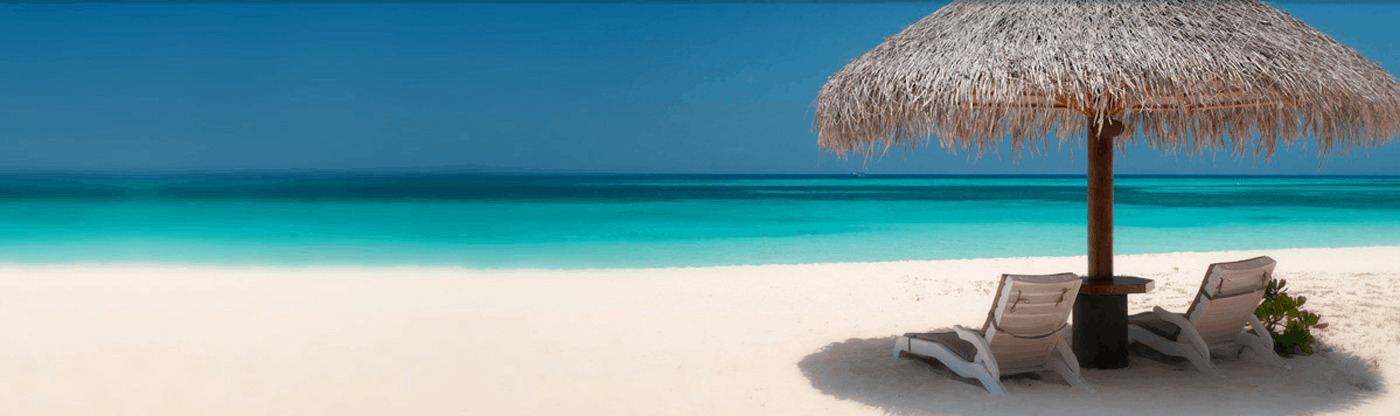

Embark on an unforgettable journey through the Eastern Mediterranean—where ancient wonders, sun-soaked beaches, and vibrant cultures meet.
An Eastern Mediterranean Cruise are the perfect way to combine; stunning coastlines, ancient history, and vibrant cultures. Picture waking up in Greece. Then explore ruins in Turkey. Later, enjoy Italian cuisine; all in the same trip. This region has both iconic ports and hidden gems. Each stop gives you a new perspective on Mediterranean life.
Whether you’re a first-time cruiser or a seasoned traveler; the Eastern Mediterranean delivers breathtaking views, incredible food, and endless adventure. You can relax on the beaches of Croatia. In addition, you can shop the colorful markets of Cyprus. So, every destination offers something unique.
For a complete look at planning, tips, and the newest cruise options, visit our Cruise Guide Page before you set sail. Also visit us on Pinterest.

Eastern Mediterranean Cruise Weather – Best Time to Visit
The Eastern Mediterranean has a classic Mediterranean climate. Summers are hot and dry, while winters are mild and wetter.
The best time to cruise is from May to October. During these months; you’ll find sunny skies, warm seas, and long days for sightseeing. In addition, late spring and early fall bring pleasant weather with fewer crowds.
July and August are peak season. Temperatures can climb into the 90s°F (30s°C); especially in Greece and Turkey. Also, ports are busier, and prices are higher. Still, the lively atmosphere appeals to many travelers.
If you prefer cooler days and smaller crowds, consider April, May, September, or October. These shoulder months are comfortable for walking tours; and exploring historic sites. Also, the sea remains warm enough for swimming; well into October.
Winter cruising is possible, especially from November to March. But; expect cooler weather, rain showers, and fewer itineraries available. On the plus side; you’ll enjoy lower prices and quieter ports.
Unlike the Caribbean, the Eastern Mediterranean is not affected by hurricanes. Rare tropical-like storms called ‘medicanes’ can form, but; they are uncommon, short-lived, and far weaker than hurricanes. Travelers can generally expect stable conditions with hot, dry summers and mild winters.”
Athens (Piraeus), Greece
Piraeus is the main cruise port for Athens and one of the busiest in Europe. From here, you can quickly reach the Acropolis, the Parthenon, and other iconic ruins. The port is also a hub for ferries to the Greek islands. Want a beach escape? Head to Glyfada or Vouliagmeni. Both are Blue Flag beaches and perfect for swimming and sunbathing. In fact, ruins and beaches sit side by side.

Santorini, Greece
Santorini is world-famous for its sunsets and dramatic caldera views. Whitewashed villages; like Oia and Fira; perch on cliffs overlooking the sea. The island also offers unique volcanic beaches. Red Beach and Perissa stand out; with their striking colors and calm waters. So, spend the day swimming, snorkeling, or relaxing by the shore. Above all, the sunsets feel magical.

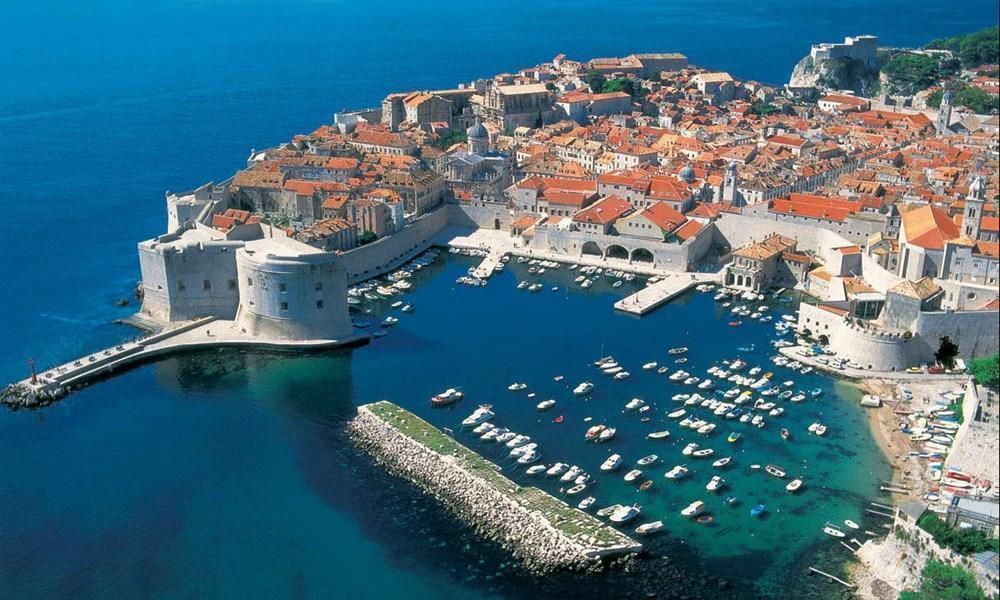
Dubrovnik, Croatia
Dubrovnik, the “Pearl of the Adriatic,” is a UNESCO World Heritage site. Visitors love walking the medieval city walls; and exploring its Old Town. Just outside the walls; you’ll find Banje Beach. It is a popular spot to swim; while enjoying views of the city’s fortress and harbor. As a result, history and sea meet in one view.
Venice, Italy
Venice is known for canals; gondolas, and also grand architecture. Piazza San Marco and the Rialto Bridge; are must-see landmarks. For a beach day; take a ferry to the Lido. This long stretch of sand; is a favorite summer escape for both locals and visitors. In short, culture and sea sit side by side.

Istanbul, Turkey
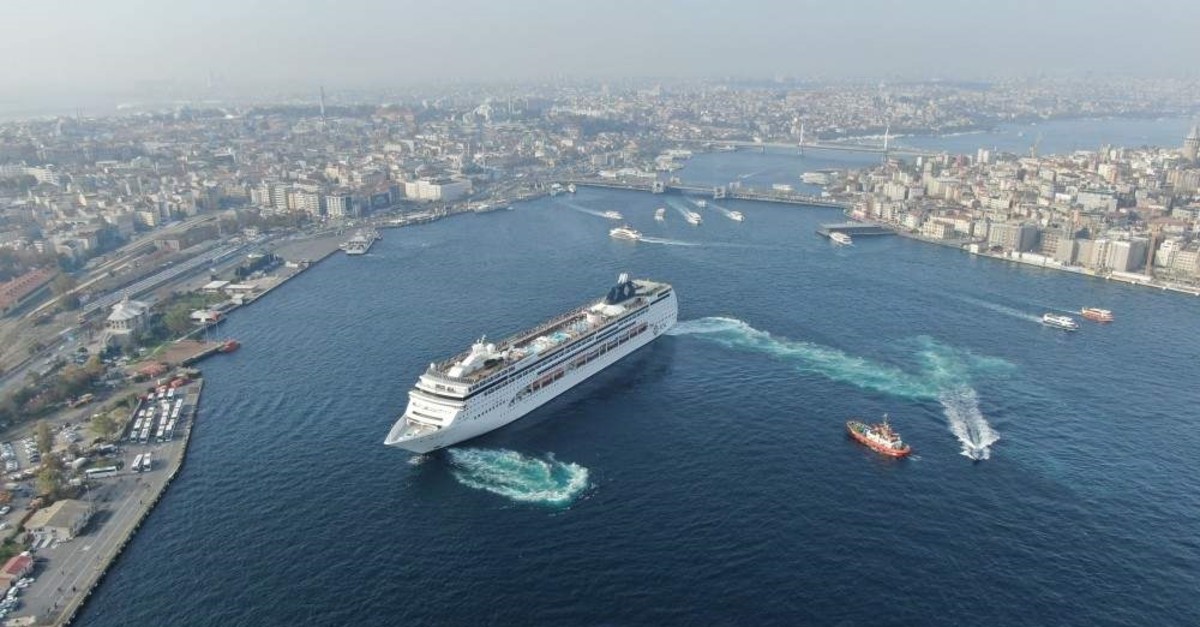
Istanbul is where Europe meets Asia. Here you’ll also find the Hagia Sophia; Blue Mosque; and the bustling Grand Bazaar. Looking for the coast? Visit Florya Beach or the Princes’ Islands for a break from the city. These spots offer sandy shores; as well as a quieter vibe. As a result, city sights meet quiet shores.
Mykonos, Greece
Mykonos is a lively island; known for its beaches, windmills, and nightlife. The Old Town charms with whitewashed lanes; and waterfront cafés. Paradise Beach; and Super Paradise Beach are famous worldwide. Both offer golden sand; clear waters, and a party atmosphere.

Corfu, Greece
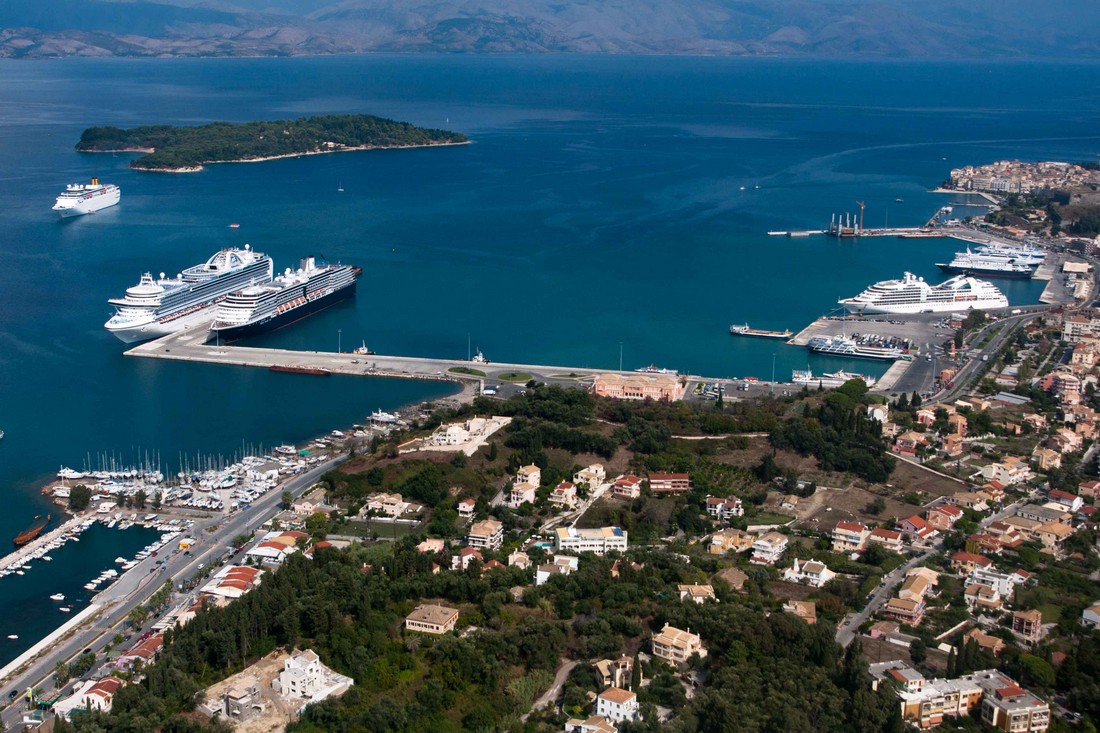
Corfu blends Venetian; French, as well as British history with natural beauty. Its Old Town is a UNESCO site filled with charm. Corfu is also home to some of Greece’s best beaches. Paleokastritsa features Blue Flag waters surrounded by cliffs. Glyfada Beach is wide, sandy, as well as perfect for a swim. In fact, history and nature meet on every shore.
Valletta, Malta
Valletta is Malta’s fortified capita;l with honey-colored limestone buildings, as well as stunning harbor views. The city is also rich in history and culture. Beyond the capital, you’ll find Malta’s famous beaches. Golden Bay and Mellieha Bay are Blue Flag favorites, ideal for a relaxing swim or a family beach day. And, harbor views and beach days pair perfectly.

Premium/Luxury
If you want a step up from mainstream cruise lines, the Eastern Mediterranean has several premium and luxury options to consider. These ships focus more on service, style, as well as destination depth. So the overall experience feels calmer and more refined. Also, they often include better dining, quieter spaces, and itineraries. As well as spend more time in each port. Below are some of the best premium and luxury cruise lines to look at for an Eastern Mediterranean itinerary.
- Celebrity Cruises:A step up from mainstream lines, with a focus on modern luxury, sophisticated dining, and a higher level of service. As a result, it suits style-focused travelers.
- Viking Ocean Cruises: Known for its Scandinavian-inspired, elegant ships; as well as destination-focused itineraries. It is generally an adult-only cruise line. Above all, culture and calm take center stage.
- Holland America Line: A good choice for classic, destination-focused cruising. It attracts a more mature demographic. As a result, days feel unhurried and classic.
- Azamara: Specializes in “country-intensive” voyages; They feature longer stays in ports and as well as overnight stops, allowing for a deeper exploration of a region. In fact, longer stays mean deeper discovery.
- Virgin Voyages: An adults-only, modern line known for its trendy design; unique entertainment, and flexible dining. In short, adults-only fun with a chic edge.
- Ponant: An expedition and small-ship operator that focuses on unique; and cultural enrichment experiences. Above all, small ships reach rare places.
Mainstream
These cruise lines are the most popular and budget-friendly. In addition, they feature larger ships, family-oriented activities, and a wide variety of dining and entertainment options. In short, expect big fun at a fair price.
Royal Caribbean International: Known for its mega-ships filled with activities like surf simulators; shows, and water slides. Also great for families and first-time cruisers. As a result, active travelers love these ships.
Norwegian Cruise Line (NCL): Offers “freestyle cruising” with no set dining times; in addition to plenty of casual restaurants. Itineraries combine lively nightlife, with visits to iconic ports. In fact, flexibility is the focus.
MSC Cruises: A Europe-based cruise line, with stylish ships and affordable pricing. It draws an international crowd, and often features both major cities and smaller ports. Above all, value meets European style.
Carnival Cruise Line: Best for casual, fun vacations. There are plenty of dining options, onboard entertainment, as well as nightlife. A favorite for families; and groups of friends. The vibe is casual and upbeat.
Mid-Range / Premium
These cruise lines provide a step up in comfort; dining, and service while still being accessible. So, they often focus on destination immersion; and offer more relaxed atmospheres than the mainstream lines. In short, comfort rises without the splurge.
Celebrity Cruises: Combines modern luxury with stylish design, as well as excellent dining. Known for polished service; and also itineraries that balance culture with relaxation. Above all, style and service shine.
Princess Cruises: Focused on classic cruising with enrichment programs, and lectures. Their itineraries give travelers more time in port; especially in historic destinations. As a result, time in port feels generous.
Holland America Line: Offers smaller ships and a quieter atmosphere. In addition, they emphasize food, service, and unique ports; along with iconic stops. In fact, the pace stays calm and classic.
Oceania Cruises: Known for its outstanding cuisine and longer itineraries. Mid-sized ships create an intimate feel; while visiting cultural and historic landmarks. Finally, cuisine and culture lead the trip.
What to Pack for Your Eastern Mediterranean Cruise
Packing smart makes your cruise smoother. Also, it helps you enjoy every stop without stress.
- Lightweight Clothing: The region is warm in summer. Therefore, bring cotton or linen clothes. Add a light jacket for cooler evenings.
- Comfortable Shoes: You will walk a lot. So, sturdy walking shoes are essential. Sandals work well for the ship.
- Swimwear: Pack at least two swimsuits. That way one can dry while you wear the other. Also, bring a cover-up for lounging.
- Sun Protection: The sun is strong. So, pack sunscreen, sunglasses, and a wide-brimmed hat.
- Evening Wear: Cruise lines may have dress codes. Some nights require smart casual at dinner. Bring one dressy outfit, just in case. Get your cruise dress here, and mens dress wear here.
- Day Bag: A small backpack or tote is useful. Thus, it keeps water, snacks, and a camera handy on excursions.
- Travel Essentials: Do not forget your passport, travel documents, and medication. Also, bring power adapters for European outlets.
- Extras: Consider a reusable water bottle. In addition, pack binoculars for scenic views, as well as a lightweight scarf for sun or modesty at religious sites.
Currency and Money Tips for Eastern Mediterranean Cruises
Onboard, most cruise lines use the US Dollar ($). MSC Cruises is an exception, often using the Euro (€) for Mediterranean sailings. Purchases are usually cashless. You’ll charge everything to your cruise card, linked to your credit card. Still, keep some cash handy for personal tips. Euros are usually preferred by crew since they can spend them in port.
When ashore, the Euro (€) is the official currency in Greece, Italy, and Malta. It is also widely accepted in many tourist areas outside the Eurozone; including Turkey. Carry coins and small bills for taxis, snacks, or public restrooms; which often require €1.00.
Visa and MasterCard are the most accepted credit cards. American Express and Discover are less reliable. Always pay in the local currency to avoid bad exchange rates from Dynamic Currency Conversion.
In Turkey, Euros work for many tourist purchases. However; some transactions, like museum entry or public transport, may require the Turkish Lira (₺). Having a small mix of both is useful.
The best way to get Euros is from a bank ATM in port. This usually offers the best rates and security. A credit card with no international fees will also save you money.
Eastern Mediterranean Cruise FAQs
Do I need a visa for my cruise?
It depends on your passport and the countries you visit. Most EU ports don’t require visas for U.S. travelers, but Turkey often does. Always check before sailing.
What should I pack?
Pack light, breathable clothing, swimwear, and comfortable walking shoes. Don’t forget sunscreen, a hat, and a light jacket for cooler evenings.
Is Wi-Fi available on board?
Yes, but it can be slow and expensive. Many travelers wait to connect in port cafés or buy local SIM cards.
Can I drink the water in port?
In most European ports, yes. However, in Turkey or less developed areas, bottled water is the safer choice.
Ready to Set Sail?
Eastern Mediterranean cruises combine; history, culture, and breathtaking coastlines. All in one unforgettable journey. Each port offers its own mix of iconic landmarks; hidden gems, and world-class beaches. Whether you’re wandering ancient ruins; diving into turquoise waters; or tasting local cuisine, every day brings something new.
With the right planning; from knowing the best time to go, what to pack, and even which currency to carry; you’ll be ready to enjoy your trip with ease. An Eastern Mediterranean cruise is more than a vacation; it’s an adventure. Across some of the world’s most enchanting destinations!
Find The Right Eastern Mediterranean Cruise For You


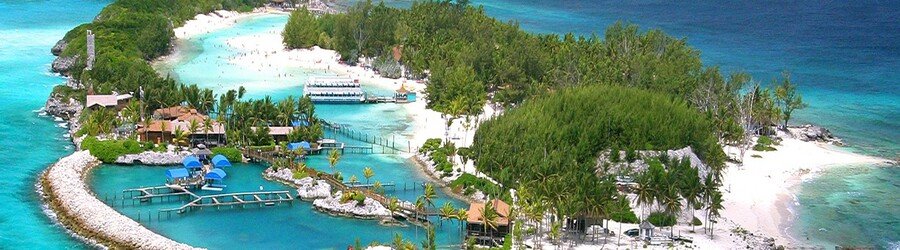
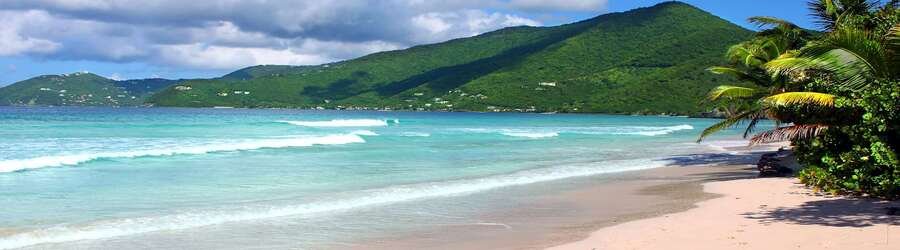
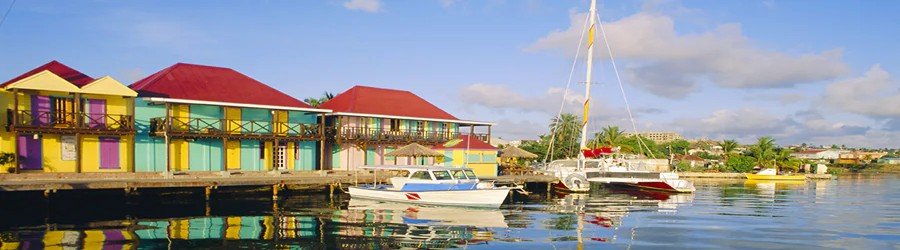


I’ve been thinking about booking a cruise, but I honestly can’t tell if a Mediterranean cruise costs more than going to the Caribbean. They both look amazing, but prices seem all over the place depending on the ship and time of year. Does the Mediterranean usually end up being more expensive because of flights and excursions, or is it closer in price than people think? I’m curious what you’ve found when comparing the two, especially for someone who likes beaches but also wants sightseeing. Any tips for choosing between them?
Great question, and it’s something a lot of travelers wonder about when comparing cruise destinations. In most cases, a Mediterranean cruise does cost more than a Caribbean sailing, mainly because of higher airfare, longer itineraries, and more excursion-focused ports. The Caribbean tends to offer shorter cruises, competitive pricing, and easier access from U.S. ports, which helps keep the total trip budget lower. However, shoulder-season Mediterranean cruises in May, September, and October can be surprisingly affordable, and the weather is still great for beaches and sightseeing. If you prefer culture, history, and scenic old towns, the Mediterranean is a wonderful choice. If warm water, palm-lined beaches, and relaxed sailing are your priority, the Caribbean delivers great value. Let me know what time of year you’re thinking about traveling, and I can help point you toward the best option for your budget and style.