Planning a Rhine River Cruise? Discover the best routes, top cruise lines, must-see stops, travel tips, and insider advice for an unforgettable river journey.
A Rhine River Cruise is one of the best ways to see Europe. The river flows from the Swiss Alps through France, Germany, and the Netherlands. Along the way, you’ll pass medieval castles, vineyard-covered hills, and postcard-perfect towns. Each stop reveals something new, from Gothic cathedrals to lively market squares and scenic wine villages.
Unlike large ocean cruises, river ships dock right in the heart of cities and historic towns. This makes exploring easy and relaxed. You can step off the ship and walk straight into local cafés, museums, and charming old streets. Many itineraries also include famous highlights like Cologne, Strasbourg, and the stunning Rhine Gorge.
Whether you’re planning your first river journey or comparing itineraries, this guide covers the best routes, must-see stops, and helpful travel tips. With the right plan, this European voyage can become one of your most memorable travel experiences.
Visit us on Pinterest. Also learn about the Rhine River Gorge: The Most Stunning Hidden Castles You’ll Love here.
What is a Rhine River Cruise?
A river cruise along this famous European waterway travels through Switzerland, France, Germany, and the Netherlands, connecting historic cities, castles, vineyards, and charming riverside towns. Most itineraries last about 7 to 8 days, allowing travelers to explore several destinations while enjoying the comfort of staying on one ship.
Rhine River Cruise Weather
Weather along this famous European waterway varies slightly by region, although it generally follows a mild Central European climate. Summers are warm, winters are cool, and spring and fall bring comfortable temperatures. Because most itineraries pass through Switzerland, France, Germany, and the Netherlands, conditions stay fairly consistent along the route.
Summer temperatures usually range from the mid-70s to low-80s °F, which is perfect for sightseeing and relaxing on deck. Occasionally, heat waves can push temperatures a bit higher. Spring and fall are cooler, typically between the mid-50s and upper-60s °F, and these seasons often bring fewer crowds along with beautiful scenery.
Winter is colder, especially from late November through February, when temperatures often range from the mid-30s to mid-40s °F. Even so, winter cruises remain popular thanks to the festive atmosphere of Christmas markets, seasonal decorations, and cozy towns along the route.
Best Time for a Rhine River Cruise
The best time for a Rhine River cruise depends on what you want most from your trip. Each season offers something different. Weather, crowds, and special events can shape your experience.
Spring (March to May)
Spring brings mild weather and blooming landscapes. Tulip season in the Netherlands is a major highlight. In addition, crowds are smaller than in summer. As a result, sightseeing feels easier and more relaxed.
Summer (June to August)
Summer is the busiest season. Days are long and temperatures are warm. Riverfront towns feel lively with outdoor cafés and festivals. Meanwhile, many Rhine in Flames fireworks events take place.
Fall (September to October)
Fall is a favorite season for many travelers. Vineyards turn golden and wine harvest festivals begin. The air feels crisp, yet temperatures stay comfortable. Because of this, the scenery becomes especially beautiful.
Winter (November to December)
Winter cruises focus on Christmas markets. Cities such as Strasbourg and Cologne glow with festive lights and decorations. Seasonal foods, music, and traditions add to the atmosphere. Even so, colder temperatures are common.
When Is the Best Time for a Rhine River Cruise?
For warm weather and long daylight hours, May through September is the most popular time. Spring offers flowers and fewer crowds. Meanwhile, fall brings wine festivals and colorful vineyards. Winter cruises, but, highlight Europe’s famous Christmas markets.
Key Reasons to Take a Rhine River Cruise
Fairytale Scenery
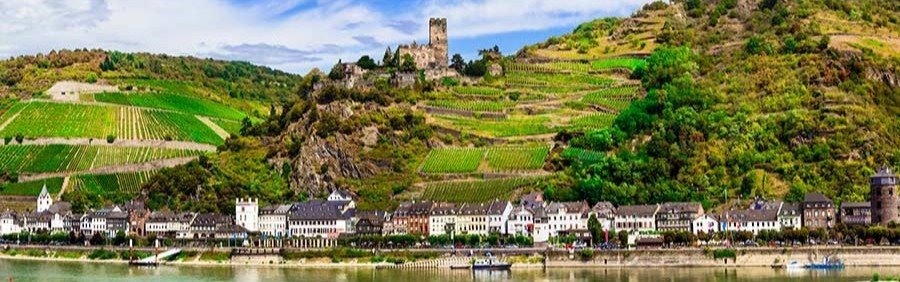
One of the biggest highlights is the UNESCO-listed Middle Rhine Valley, also called the Rhine Gorge. This 40-mile stretch has steep cliffs, vineyard-covered hills, and more than 40 medieval castles. It is widely known as one of Europe’s most scenic river landscapes.
Cultural Immersion
These cruises combine famous cities with charming small towns. You might visit Amsterdam, Cologne, and Strasbourg in one trip. Smaller towns like Rüdesheim and Breisach add local character. Ships dock close to city centers, so exploring on foot is simple.
Seamless Travel Experience
River cruising makes travel easy. Your hotel moves with you from place to place. Because of this, you do not need to pack and unpack at every stop. You also avoid trains, buses, and complicated travel plans.
Food and Wine Experiences
The region is famous for Riesling wine and traditional dishes. Many itineraries include tastings and vineyard visits. Local meals may feature German bratwurst, French tarte flambée, and Black Forest cake.
Rich History Along the River
This waterway has been an important trade route since Roman times. Travelers see ancient ruins, castle fortresses, and Gothic landmarks like Cologne Cathedral. These historic sites add meaning to the journey.
How Long Is a Typical Rhine River Cruise?
Most cruises last about 7 to 8 days and sail between Amsterdam and Basel. But, shorter trips may run 3 to 5 days. Some longer itineraries can last two weeks or more.
Essential Packing List for a Rhine River Cruise
Cabin storage on river ships can be limited. In addition, European weather can change quickly. Because of this, it’s best to pack versatile items that layer easily.
The 3-3-3 Packing Method
Pack three tops, three bottoms, as well as three pairs of shoes. Choose items that mix and match easily. This keeps luggage light while still giving you several outfit options.
Layering Essentials
Layers help you stay comfortable in changing weather. Bring lightweight thermals, short- and long-sleeve shirts, and a warm fleece. A compressible puffer jacket works well for cool mornings and breezy time on deck.
Comfortable Footwear
Good walking shoes are very important. Many towns along the route have cobblestone streets and uneven paths. Also pack one smart-casual pair for dinners or evenings onboard.
Weather Protection
Rain can happen in any season. A hooded waterproof jacket or a compact umbrella is a smart addition, even in summer.
Electronics and Power
Most countries along the Rhine use Type C or F outlets. A European adapter is essential. A portable power bank also helps during long sightseeing days.
Basic Health Items
Bring a small kit of everyday medications. Include pain relievers, allergy tablets, and stomach remedies. River ships often do not have a doctor onboard, so basic supplies can be helpful.
What Are the Main Stops on a Rhine River Cruise?
Common stops include Amsterdam, Cologne, Rüdesheim, Strasbourg, Heidelberg, Koblenz, and Basel. Many itineraries also sail through the scenic Rhine Gorge, known for its castles, vineyards, and historic villages.
Key Ports and Must-See Attractions on a Rhine River Cruise
Most 8-day itineraries travel between Amsterdam and Basel. Along the way, travelers see major cities, historic towns, and some of Europe’s most scenic river landscapes. Each stop offers something different, so the journey never feels repetitive.
Amsterdam, Netherlands
Many journeys begin or end in Amsterdam. A canal tour is one of the best ways to see the city’s historic houses and bridges. Art lovers often visit the Rijksmuseum or the Van Gogh Museum. You can also explore the Anne Frank House or wander through the Jordaan district for cafés and boutiques.
Cologne, Germany
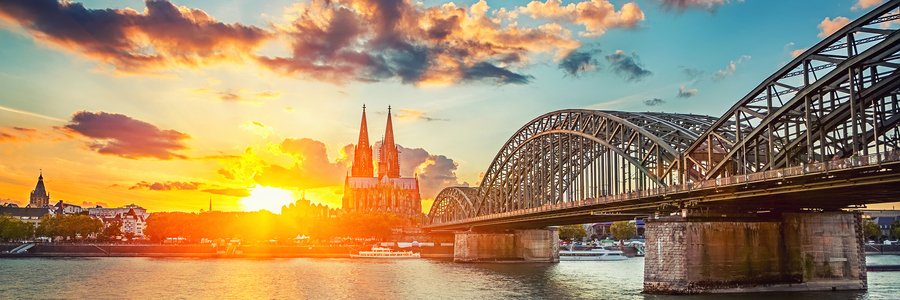
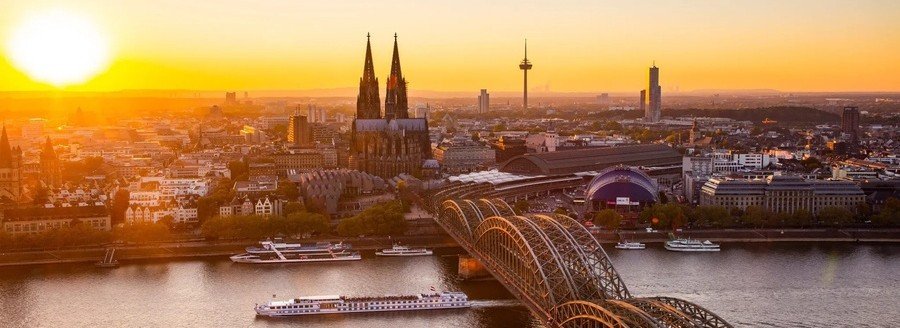
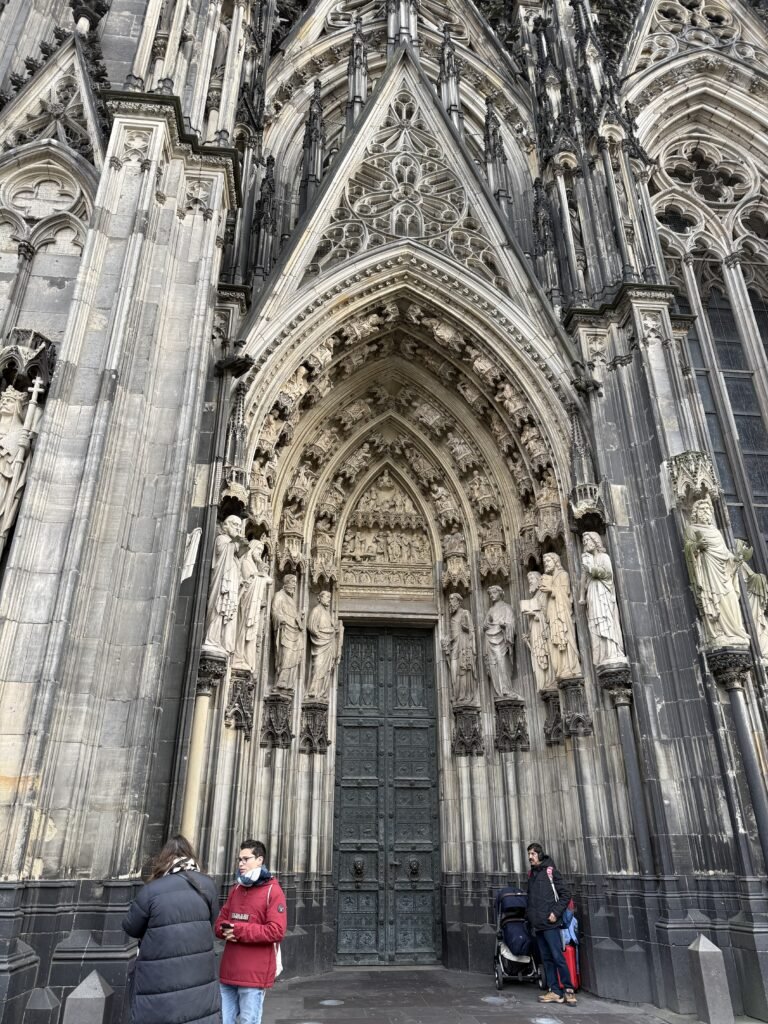
Cologne is famous for its twin-spired Gothic cathedral, a UNESCO World Heritage Site that dominates the skyline. Climb the tower for sweeping city views. Afterward, stroll through the Old Town and stop at a traditional brauhaus for a glass of Kölsch beer. The riverside promenade is lively and easy to explore on foot.
Rhine Gorge (Middle Rhine Valley)
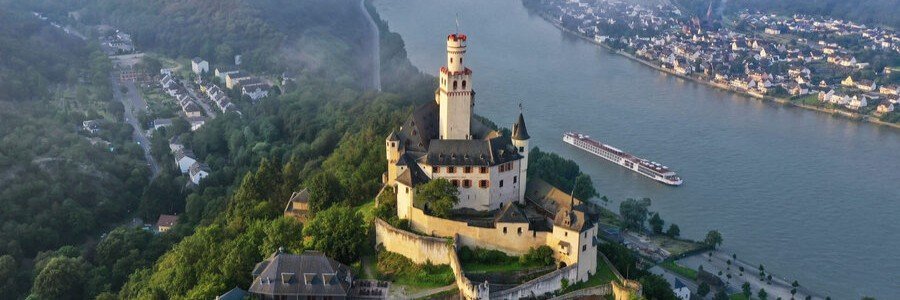
This scenic stretch lies between Rüdesheim and Koblenz. It covers about 40 miles and is often the highlight of the journey. Steep vineyards, dramatic cliffs, and more than 40 castles line the riverbanks. Marksburg Castle is one of the best preserved. Because of the views, many travelers spend this time on deck.
Rüdesheim, Germany
Rüdesheim is known for Riesling wine and half-timbered buildings. The Drosselgasse is a lively lane filled with taverns and music. You can also visit Siegfried’s Mechanical Music Museum. For a different view, take the cable car above the vineyards.
Koblenz, Germany
Koblenz sits where the Rhine and Moselle rivers meet. The Deutsches Eck monument marks this point. For wider views, take the cable car to Ehrenbreitstein Fortress. From there, you can see both rivers and the surrounding hills.
Heidelberg (via Mannheim), Germany
Ships often dock in Mannheim for trips to Heidelberg. The Old Town has red-roofed buildings and cobbled streets. Heidelberg Castle overlooks the river and the town below. In addition, the university dates back to 1386, adding historic depth.
Strasbourg, France
Strasbourg blends French and German culture. The La Petite France district features canals, timber houses, and flower-lined bridges. The cathedral is another highlight, known for its detailed façade. Local bakeries and Alsatian restaurants add even more appeal.
Breisach, Germany (Gateway to the Black Forest)
Breisach often serves as the gateway to the Black Forest. Many visitors take excursions for hiking, scenic drives, or cuckoo-clock demonstrations. Wine tastings in nearby Alsace are also popular.
Basel, Switzerland
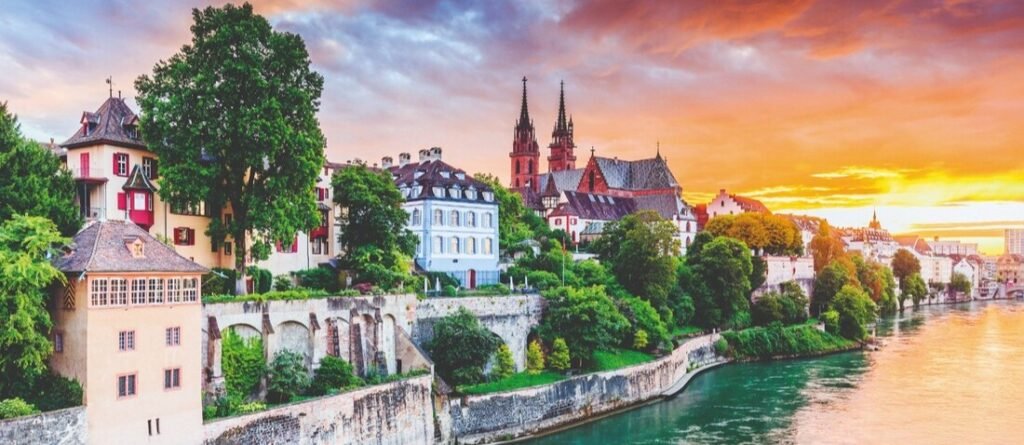
Basel is often the starting or ending point for these journeys. The Old Town features medieval streets and historic buildings. At the same time, modern art and architecture give the city a fresh feel. It also serves as a gateway to the Swiss Alps.
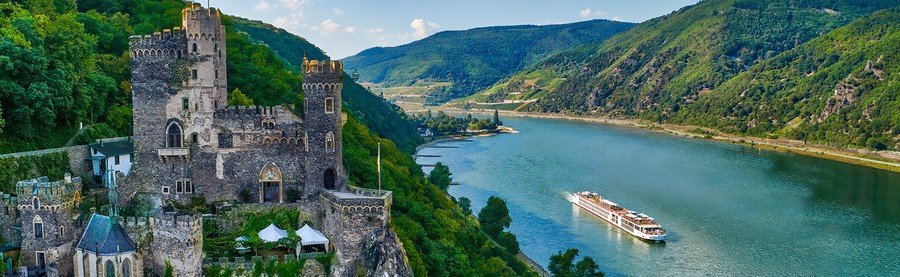
Best Rhine River Cruises to Consider
If you’re ready to book a Rhine River cruise, you have many good choices. Some trips focus on comfort and fine dining. Others focus on local food, culture, and scenic towns. The best choice depends on your budget, travel style, and what you want to see.
Most cruises sail between Amsterdam and Basel. Along the way, you visit famous cities, small towns, and beautiful river views. Ships also include guided tours, good meals, and quiet places to relax.
Below are some popular cruises to consider.
Viking Rhine River Cruises
Viking offers classic routes and elegant ships. Their trips focus on history, culture, and guided tours. As a result, many travelers choose Viking for a smooth and well-planned experience.
AmaWaterways Rhine Cruises
AmaWaterways mixes comfort with active trips. Many ships carry bikes for guests. In addition, wine sailings are very popular.
Avalon Waterways Rhine Cruises
Avalon offers modern ships and large panoramic suites. The relaxed style suits travelers who want comfort and flexibility.
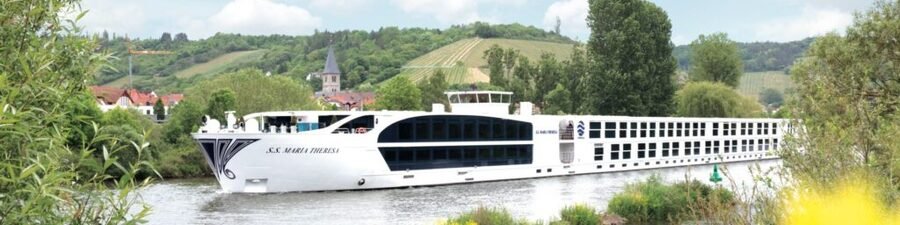
Uniworld Boutique River Cruises
Uniworld offers a luxury-focused experience. Ships are richly decorated, and many extras are included in the fare. This line suits travelers who want premium service.
Strategic Planning Tips for a Rhine River Cruise
Planning ahead makes any trip smoother and more enjoyable. A few simple tips can help you avoid stress and make the most of your journey.
Best Time to Go
May through September offers the warmest weather and long daylight hours. These months are great for sightseeing and time on deck. However, November and December are best for Christmas market cruises and festive holiday scenes.
Excursion Strategy
Many trips include guided morning walks. These help you learn each town quickly. Afterward, you can return to the ship for lunch or explore on your own. This approach keeps the day relaxed while still covering key sights.
Currency and Connectivity
Carry small amounts of Euros for tips, cafés, or public restrooms. Credit cards are widely accepted, but cash still helps in small places. Also download maps, shows, or movies before you travel. Ship Wi-Fi can be slow, especially near locks or rural areas.
Arrival Tip for Basel Cruises
If your cruise starts in Basel, pay attention at the airport. Basel Airport serves both Switzerland and France. Exit on the Swiss side if you arranged a cruise transfer. This helps avoid confusion and delays.
Must-Try Beverages on a Rhine River Cruise
Exploring the Rhine also means tasting local drinks. From crisp wines to traditional coffee specialties, each stop offers something unique.
Riesling Wine
The Rhine Gorge is famous for Riesling. Its steep vineyard slopes produce crisp, aromatic wines. In Rüdesheim, you can sample dry Kabinett styles or sweeter Spätlese wines. Many cruises include tastings, which helps guests learn about local winemaking.
Kölsch Beer
In Cologne, Kölsch is more than a beer and reflects local pride. This light brew comes in small 0.2-liter glasses called Stangen. Servers keep refilling your glass, so place a coaster on top when you are finished.
Rüdesheimer Kaffee
For something different, try Rüdesheimer Kaffee. This local drink blends Asbach Uralt brandy, sugar cubes, and whipped cream. The brandy is flambéed before serving, which adds flavor and a bit of theater.

Don’t Miss Regional Nights Onboard
Before dinner each evening, check your ship’s daily program. Many cruise lines host themed regional nights that reflect the places you are sailing through.
For example, lines such as Viking and AmaWaterways often feature a “German Night” while traveling through this part of the route. The menu may include local sausages, warm pretzels, sauerkraut, and regional schnapps. Meanwhile, the castles and vineyard views outside your window add to the atmosphere.
Since themes vary by itinerary, it is worth reviewing the daily schedule. In addition, these special evenings add another layer of local culture to the experience.
The Rhine Gorge: 40 Castles in 40 Miles
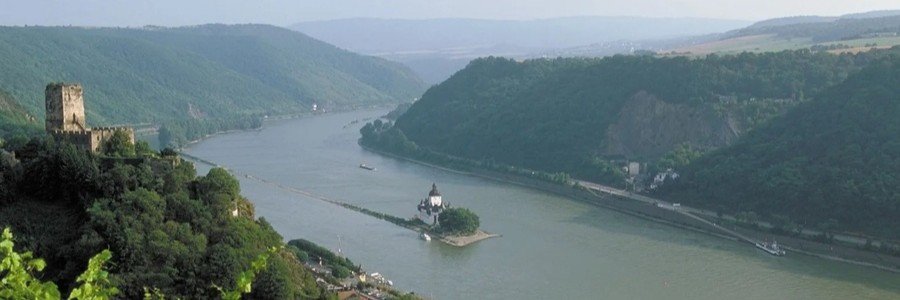
This stretch of the river is often the highlight of the journey. The Upper Middle Rhine Valley, a UNESCO-listed region between Rüdesheim and Koblenz, has one of the highest concentrations of historic castles in Europe. Because of the dramatic scenery, many travelers consider it the most memorable part of the trip.
Best Viewing Spot
Plan ahead for this scenic section. Seats on the sun deck fill quickly once the castles begin to appear. Arrive early to secure a clear view for photos and sightseeing.
Marksburg Castle is one of the most famous in the valley. It stands out because it was never destroyed, so much of the original structure remains intact. Burg Reichenstein is another highlight. Today it houses a museum and even operates as a boutique castle hotel.
As the ship moves through the gorge, you pass steep vineyards, small riverside villages, and dramatic cliffs. Meanwhile, castles appear around nearly every bend. Because of this, it helps to keep a camera ready during this part of the journey.
Understanding Water Levels and Locks on a Rhine River Cruise
River cruising depends more on nature than ocean travel. Water levels can change quickly, so flexibility is part of the experience.
Water Level Considerations
Low water sometimes occurs in late July or August. High water can appear during spring snowmelt. Either situation may affect sailing schedules. In some cases, ships cannot pass safely under bridges or through shallow areas such as Kaub. Cruise lines monitor conditions closely and adjust plans when needed.
The “Bus Bridge” Option
If water levels become extreme, cruise lines may arrange transfers by coach. This keeps the trip moving while the ship stays in a safer location. Companies such as Viking often use comfortable luxury coaches, so the experience remains smooth.
The Lock Experience
The river has about 10 major locks that raise or lower ships along the route. This process is a normal part of river cruising. Lock passages often happen overnight. At times, you may hear light scraping sounds as the ship moves through. This is normal and part of the process.
Digital Survival Kit for a Rhine River Cruise
A few simple apps can make exploring much easier. Guided tours help, but digital tools on your phone give you more freedom.
MarineTraffic
This app lets you track your ship in real time. You can also see other vessels moving along the route. It is especially fun during scenic stretches like the Rhine Gorge.
Citymapper or Google Maps
Public transportation in cities such as Cologne and Strasbourg is efficient, but it can feel confusing at first. These apps show tram routes, walking directions, and travel times. As a result, getting around becomes simple and stress-free.
XE Currency
Shopping in Europe often means quick price checks. XE Currency converts Euros to U.S. dollars instantly, so you know exactly what you are spending.
Google Translate
Menus and signs become easier to read with the camera feature. Simply point your phone at the text and the app translates it in real time. This is especially helpful in smaller towns.
Mobile Connectivity and Avoiding Bill Shock
Staying connected in Europe takes some planning. Many U.S. phone plans do not include international data by default. Without preparation, roaming charges can add up quickly.
The Default Trap
If you turn your phone on in Germany without a plan, you may trigger pay-per-use roaming. Charges can exceed $2 per MB. Even brief checks of maps or email can lead to very high bills.
Carrier Roaming Plans (Easiest Option)
Most major U.S. carriers offer daily international passes.
AT&T and Verizon
Both offer international day passes, usually about $12 per day. You use your phone normally for calls, texts, and data. Importantly, you only pay on days when you actually use cellular service.
T-Mobile
Some Magenta or Go5G plans already include basic international data and texting. Speeds may be slower, but they work well for messaging and navigation. Faster data passes are also available if needed.
Travel eSIMs (Often the Cheapest Option)
If your phone is unlocked, an eSIM can save money. Providers such as Airalo or Holafly sell data packages that you install before departure. Many travelers pay $15–$30 for several gigabytes of data. That is often cheaper than daily roaming plans.
The Airplane Mode Strategy
For maximum safety, keep your phone in airplane mode and turn Wi-Fi on manually. This prevents accidental roaming charges. You can still use ship Wi-Fi or free café networks for messaging, email, and maps.
Local SIM Cards
Local SIM cards are available in Germany from providers such as Telekom or O2. However, passport registration is usually required. Because of this, the process can take time and may not suit short trips.
Crucial Tech Tip Before You Leave
Download offline maps in Google Maps before departure. This allows GPS navigation even without data service. It is especially helpful in cities such as Cologne or Strasbourg, where walking directions are common.
Why a Rhine River Cruise Should Be on Your Travel List
A Rhine River cruise is one of the most relaxing and scenic ways to explore Europe. You travel through several countries while unpacking only once. Along the way, you pass castles, vineyards, historic towns, and lively cities, each adding something unique to the journey.
The experience blends comfort with discovery. You enjoy guided tours, regional food, and beautiful river views without the stress of constant travel planning. In addition, ships dock close to city centers, which makes exploring easy and convenient.
With the right timing, smart packing, and a little preparation, your trip can run smoothly from start to finish. Whether you choose spring flowers, summer festivals, fall wine season, or Christmas markets, each season offers its own charm.
If Europe has been calling your name, this may be the perfect way to answer. This journey blends scenery, culture, and comfort into one unforgettable travel experience.
Climbing the Cologne Cathedral Tower
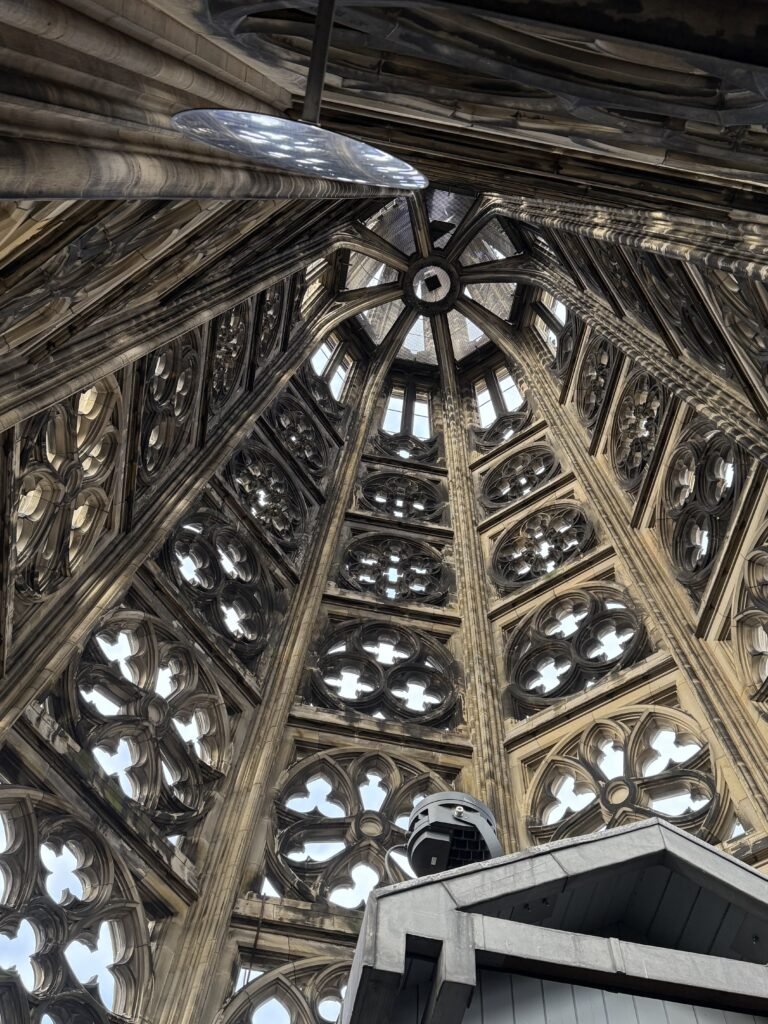
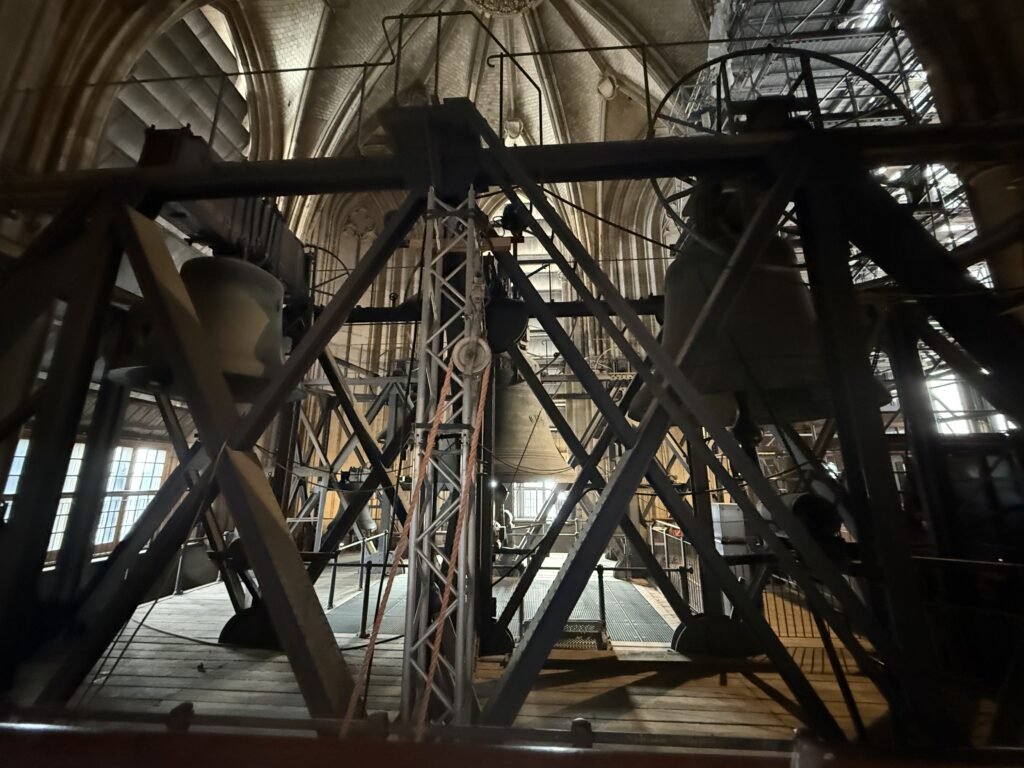
If you’re up for it, climb the cathedral tower. I said yes when asked, even though the rest of my group hoped I would say no. The climb includes 523 spiral steps to the top. There are no numbers along the way, so the staircase seems endless. However, the panoramic view over the Rhine makes every step worth it.
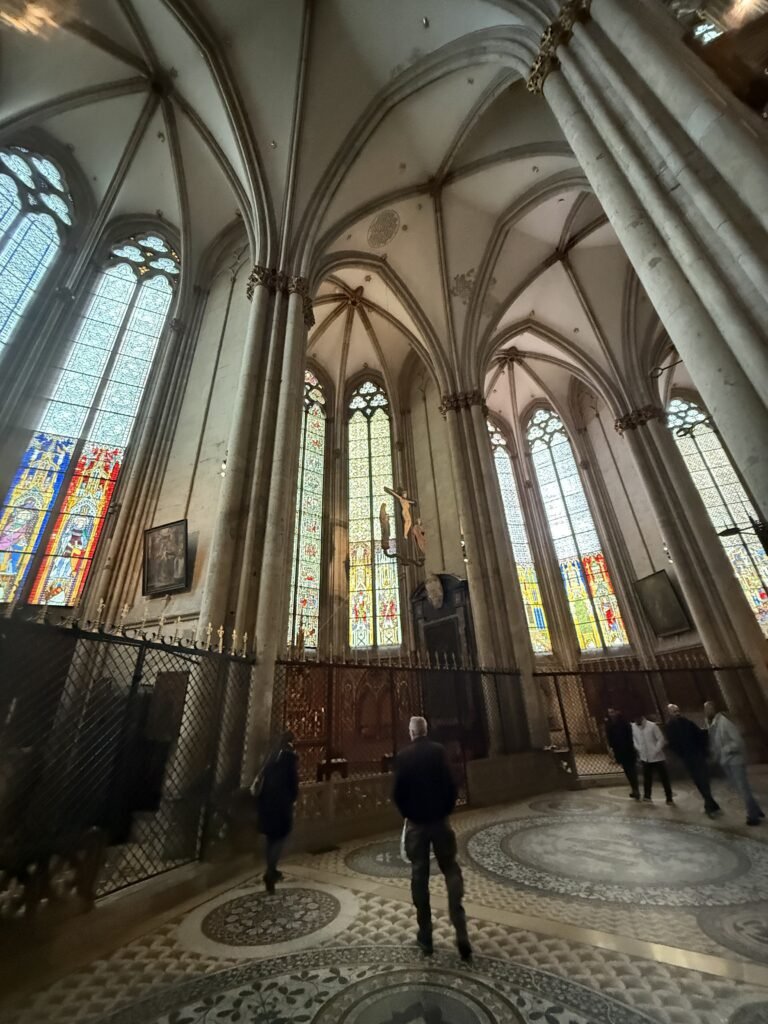
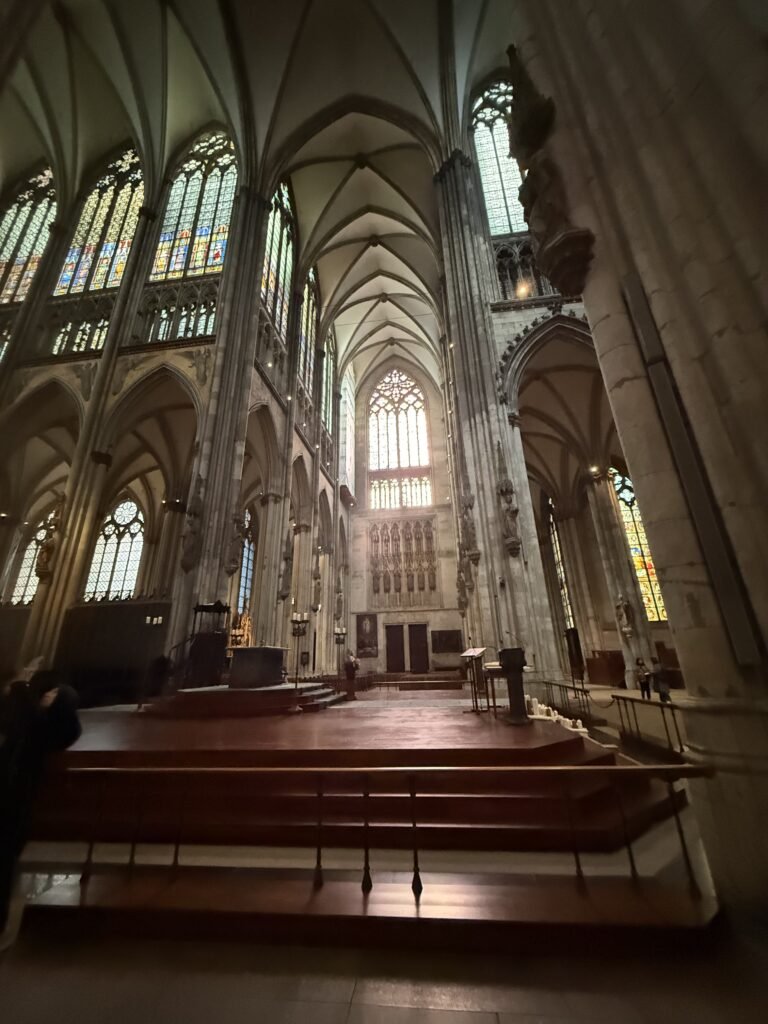
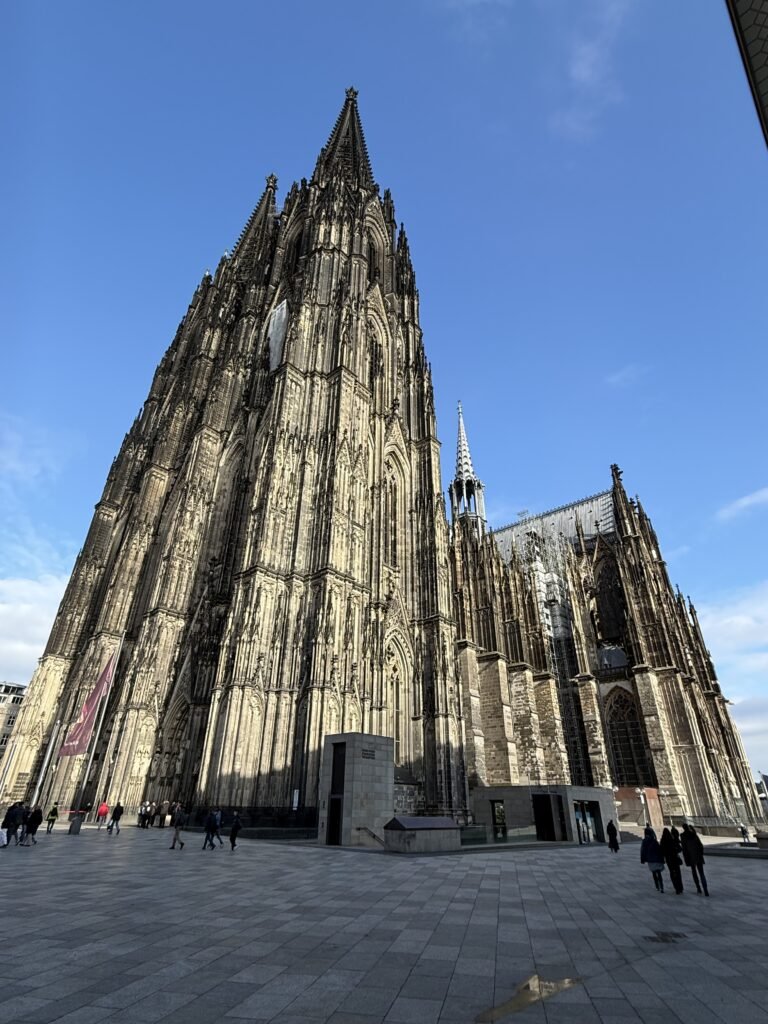
Cologne Cathedral is impressive from every angle. Its scale, architecture, and stained glass make it one of the most memorable stops on the journey.
Rhine River Cruise FAQs
What is the best month for a Rhine River Cruise?
May through September offers the warmest weather and the longest daylight hours. However, spring flowers, fall wine season, and Christmas markets each create unique experiences. The best month depends on what you want to see.
How long is a typical Rhine River Cruise?
Most cruises last about 7 to 8 days and often sail between Amsterdam and Basel. Shorter and longer itineraries are also available if you want more flexibility.
Are Rhine River cruises all-inclusive?
Most river cruises include accommodations, meals, and guided tours. Drinks, Wi-Fi, and specialty experiences may vary by cruise line. Always check what is included before booking.
Do river cruises still operate if water levels change?
Yes, but itineraries may adjust if water levels are unusually high or low. At times, passengers transfer by coach between ports while the ship moves separately. Cruise lines handle these changes smoothly.
Is a Rhine River Cruise good for first-time travelers to Europe?
Yes, it is often ideal for first-time visitors. Travelers see several countries without constantly packing and unpacking. Guided tours also make exploring easy and stress-free.
What should I pack for a Rhine River Cruise?
Comfortable walking shoes, layered clothing, and weather protection are essential. Also bring travel adapters, medications, and versatile outfits. Weather can change quickly along the route.
Will I need cash during the cruise?
Credit cards are widely accepted, but small amounts of Euros help for tips, cafés, or public restrooms. Having both options makes daily spending easier.
Is Wi-Fi reliable on Rhine River cruises?
Most ships offer Wi-Fi, but speeds can vary. Connections may slow near locks or rural areas. Download maps, shows, or travel information before you leave when possible.
Related Posts
 Visit Beautiful Lohme in the Jasmund Region on Rügen Island
 Visit Beautiful Lauterbach on The Island of Rügen
 Visit Beautiful Putbus on The Island of Rügen
 Prora: The Most Beautiful Coastal Escape
 Discover the Most Beautiful Coastal Landscapes of Sassnitz Germany
 Rhine Gorge: The Most Stunning Hidden Castles You’ll Love
A Rhine cruise sounds like a comfortable way to see several parts of Europe without changing hotels every few days. The Rhine Gorge, Rüdesheim vineyards, and Strasbourg would be my biggest priorities, and I like the idea of adding a few nights in Amsterdam or Basel before or after sailing. Would you choose May or September for a first cruise if pleasant walking weather and vineyard scenery matter more than hot summer temperatures?
I would choose September if vineyard scenery and wine culture are your main interests. The days are often comfortable for walking, while harvest events may add more atmosphere in towns such as Rüdesheim. May is an excellent alternative for spring landscapes, longer daylight, and generally smaller crowds than midsummer. Water levels can vary in any season, so I would not select a month based on river conditions alone. Whichever you choose, arrive at least one day before embarkation and consider adding two nights afterward to explore the final city properly.
This guide makes Rhine River cruising sound like an incredible way to experience Europe. I really like how you explained the route and highlighted the mix of historic cities, castles, and small towns along the river. The seasonal breakdown is also helpful because many travelers may not realize how different the experience can be between spring tulip season, fall wine harvest, or the winter Christmas markets. For someone planning their first Rhine River cruise, would you say the classic Amsterdam to Basel itinerary is the best option to see the most iconic highlights?
Yes, the Amsterdam to Basel itinerary is often considered the classic Rhine River cruise route because it includes many of the river’s most famous highlights. Travelers typically experience a great mix of destinations along the way, including vibrant cities like Amsterdam and Cologne, historic towns such as Rüdesheim, and scenic stretches like the Rhine Gorge with its castles and vineyards. This route also passes through several countries, which gives first-time visitors a broad introduction to Central Europe in a relatively short time. Because the ship docks close to the city centers, it’s easy to explore landmarks, cafés, and historic streets without complicated travel logistics. For many travelers, this itinerary offers the perfect balance of scenery, culture, and relaxed sightseeing. 🚢🏰🍷
Your overview of the top ports really helps visualize how diverse this cruise can be. Cities like Cologne and Strasbourg sound vibrant, while smaller towns such as Breisach and Rüdesheim add charm. I also like that you mentioned the occasional industrial scenery because realistic expectations matter when planning. Overall, it sounds like a balanced European travel experience. For someone focused mainly on scenery and culture, which stretch of the Rhine would you consider the most memorable?
The Middle Rhine Gorge between Koblenz and Rüdesheim is widely considered the most scenic part of a Rhine River cruise because it features hilltop castles, vineyard-covered slopes, historic villages, and classic Rhine Valley river views. This UNESCO-listed stretch offers some of the best European river cruise scenery alongside strong cultural highlights and traditional wine towns.