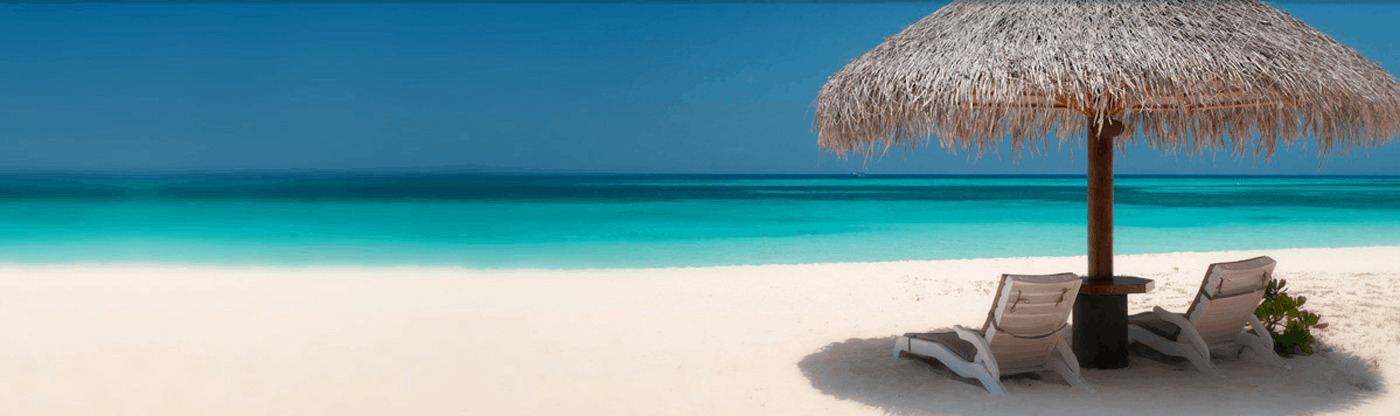

Discover the most beautiful Blue Flag beaches, known worldwide for their crystal-clear waters, soft sand, and eco-friendly standards.
Blue Flag Beaches set the global benchmark for coastal excellence. The Blue Flag is an award that recognizes beaches, marinas, and sustainable boats. These meet strict standards for water quality, safety, accessibility, and environmental education.
Also, each location must maintain these standards year after year. This means visitors enjoy clean waters, safe surroundings, and eco-friendly practices. Thus, choosing a Blue Flag Beach supports destinations that balance natural beauty with responsible tourism.

Blue Flag Beach Criteria
High Standards: Blue Flag Beaches are evaluated on strict criteria. This includes water quality, environmental management, safety, and education.
Environmental Responsibility: The program encourages sustainable tourism. It also requires operators to protect and conserve the natural environment.
Safety and Accessibility: Certified beaches ensure visitor safety with trained lifeguards, first-aid stations, and clear signage. Accessibility is also a key focus.
Environmental Education: Many beaches provide programs and resources; to help visitors understand the local ecosystem and why stewardship matters.
International Recognition: The Blue Flag is a global symbol of excellence; proving that a beach upholds both quality and environmental care.
These Blue Flag-Certified Beaches Are the Cleanest in the World:
Spain (623 Blue Flag Beaches)
Spain tops the list with more than 600 certified shores. Moreover, it holds a Guinness World Record for the most Blue Flag Beaches, a title it has kept for two years. One highlight is Burriana Beach in Nerja. It features golden sand, rental loungers, clean restrooms, and even a beach library. In addition, a lively promenade surrounds it with shops, cafés, and restaurants.
Greece (596 Blue Flag Beaches)
Greece follows closely with 596 Blue Flag Beaches. In fact, 94 of them are in Halkidiki. Among the best is Kampoudi Beach, near Ouranoupoli. It is long and sandy, with shallow water ideal for kids. Furthermore, ramps provide access for visitors with disabilities. You can also rent a boat and explore the islands nearby.
Turkey (351 Blue Flag Beaches)
Turkey shines with 351 Blue Flag Beaches, many of them along the stunning Antalya coastline. Also, this region alone has 231 certified shores, making it one of the top beach destinations in the country. Among them is Lara Beach, a nearly five-mile stretch of golden sand framed by the turquoise Mediterranean. In addtion, visitors come here for swimming, beach walks, and water sports. So, all in an environment that meets the highest global standards.
Italy (457 Blue Flag Beaches)
Italy combines history with natural beauty and offers 457 Blue Flag Beaches. Liguria on the Italian Riviera has earned 34 Blue Flags for 14 straight years. On the other hand, Tropea in southern Italy is perfect for adventure seekers. The cliffs, soft sand, and clear waters invite kayaking, windsurfing, and snorkeling. Hiking and cycling trails nearby add even more to the experience.
France (403 Blue Flag Beaches)
France, where the Blue Flag program began, offers more than 400 certified shores. One special spot is Plage de Trez Goarem in Brittany. Although small, it sits in a protected area filled with dunes and colorful birds. However, swimmers should take care since currents here become strong in summer.
Portugal (394 Blue Flag Beaches)
Portugal’s 394 certified beaches are spread along its stunning coastline. A favorite is Praia da Falésia, stretching almost four miles. Its red cliffs, pine trees, and scenic hiking trails are great. So, it creates a unique backdrop. So, visitors often combine beach days with nature walks for the perfect balance.
Denmark (153 Blue Flag Beaches)
Denmark has 153 Blue Flag Beaches, from the sands of Skagen to the coast of Bornholm. Søndervig Beach is one of the most visited. It offers free WiFi, showers, pet-friendly stations, and even ice kiosks for a cold drink. In addition, a children’s lifeguard training school adds a family-friendly touch.
Ireland (85 Blue Flag Beaches)
Ireland manages 85 Blue Flag Beaches under the care of An Taisce. One standout is Old Head Beach in Mayo County. It regained its Blue Flag after a long break. The beach is backed by rocky cliffs and is pet-friendly. Moreover, visitors enjoy swimming, surfing, and fishing in a peaceful setting.
England (77 Blue Flag Beaches)
England ties with Cyprus at 77 certified beaches. A favorite is West Wittering Beach in Sussex. It offers clear water, horse riding, and nearby campsites. It is also disability-friendly facilities like RADAR key toilets and ramps make it accessible to all.
Cyprus (77 Blue Flag Beaches)
Cyprus also shines with 77 Blue Flag Beaches. Nissi Beach near Ayia Napa is a lively yet relaxing choice. Visitors enjoy beach parties at night and calm swimming by day. Furthermore, volleyball courts and soft sand make it a favorite for both locals and tourists.
Why Visit a Blue Flag Beach?
Choosing a Blue Flag Beach gives you peace of mind. You know the water is clean, the sand is safe, and the facilities meet international standards. Also, these beaches support eco-friendly practices that protect marine life and the local environment.
Blue Flag Beaches are family-friendly. They offer lifeguards, first-aid stations, and safety signage for swimmers of all ages. Accessibility ramps and disability-friendly services also make them welcoming for everyone. When you visit a Blue Flag Beach, you’re not only enjoying natural beauty; you’re supporting sustainable tourism too.
How to Find Blue Flag Beaches Near You
Finding a Blue Flag Beach is easier than ever. The official Blue Flag website lists certified beaches, marinas, and boats worldwide. You can search by country, region, or even activity.
In many destinations, the Blue Flag itself is displayed at the entrance to the beach. This makes it simple to spot certified shores while traveling. Also, local tourism boards and travel guides often highlight Blue Flag Beaches. As they represent the best in safety and cleanliness.
By checking these sources before your trip; you can plan with confidence. And, you’ll know that the beach you choose will live up to the highest global standards.
FAQs About Blue Flag Beaches
What does Blue Flag Beach mean?
A Blue Flag Beach is more than just pretty sand. In fact; it has met strict standards for water quality, safety, accessibility, and education, making it a trusted global award.
Which country has the most Blue Flag Beaches?
Spain currently leads the world. Thus, with more than 600 Blue Flag Beaches; it holds the Guinness World Record and has kept it for two years in a row.
Are Blue Flag Beaches safer than other beaches?
Yes. These beaches must have trained lifeguards, first-aid facilities, and clear signage. Also, they must include ramps and services for beach access.
Do Blue Flag Beaches cost more to visit?
Not usually. The award itself does not affect entry fees. But, some do charge for extras like loungers, parking, or water sports.
How often is Blue Flag status reviewed?
Beaches are not certified for life. Instead, each site is reassessed every year. This process ensures that high standards remain in place over time.
Can marinas and boats earn Blue Flags too?
Yes. In addition to beaches; the program recognizes marinas and tourism boats that follow eco-friendly and safety practices.
Clean, Safe, and Waiting for You
Blue Flag Beaches stand for more than just beauty. They promise clean water, safe surroundings, and eco-friendly practices. And, each one must meet strict global standards.
Choosing a Blue Flag Beach means you can relax with confidence. Families enjoy peace of mind; adventurers find new activities; and nature lovers know their visit supports sustainability.
So, where will you go next? Plan your trip to one of the world’s most beautiful Blue Flag Beaches. Enjoy a coastal escape that feels as good as it looks.
Related Posts
 Explore the Beautiful Cannon Beach Oregon – All You Need to Know
 10 Breathtaking Countries With The World’s Most Beautiful Beaches
 Top 10 Most Beautiful Beaches In The World
 The Best Beach Resorts In The World You’ll Love
 The Most Beautiful Islands of the Seychelles
 The Most Stunning Spain Beaches You’ll Love
Pingback: Skylar
Blue Flag beaches are definitely helpful when planning a beach trip because they give a good idea of water quality, safety, and facilities before visiting. They are especially useful for families or travelers looking for clean swimming areas and well-maintained beaches. At the same time, some smaller non-certified beaches can still be beautiful too, especially hidden coves and quieter local spots. The Blue Flag program just makes it easier to know what to expect when traveling somewhere new.
This was such a great roundup—Blue Flag beaches really are something special. I love how you highlighted not just the beauty, but also the environmental and safety standards that set these spots apart. It makes a big difference when you’re traveling with family or just want a more mindful beach experience.
I’ve visited a few Blue Flag beaches in Spain and Greece, and they were absolutely pristine. You can really tell the difference in water quality and how well the surrounding area is maintained. Plus, there’s something reassuring about knowing the beach meets international standards.
One question I had: do you know if the Blue Flag status ever gets revoked if a beach no longer meets the criteria? And is there a way to check updated listings while planning a trip?
In my opinion, Blue Flag beaches are the perfect blend of beauty and responsibility—it’s great to see sustainable travel options getting more attention. Thanks for putting this list together—definitely adding a few of these to my bucket list!
Thank you for your comment Tommy. Yes, when detecting a major non-compliance,the flag is withdrawn immediately and for the rest of the season. The site information board must clearly indicate that the Blue Flag award has been withdrawn. The national and international websites are updated accordingly. So you would see that a blue flag has been withdrawn almost immediately. And I couldn’t agree with you more, the best beach is a blue flag beach in my book.
Loved this roundup—amazing to see how many countries are raising the bar for clean, accessible, and eco-friendly beaches. Nissi Beach in Cyprus and Tropea in Italy both sound like dream spots! Out of curiosity, have you personally visited any of these Blue Flag beaches? Would love to hear your favorites!
I am from Florida and Delray Beach is a wonderful Blue Flag Beach. I just got back from St. Thomas where I went to Great Bay Beacn and in St. Martin I visited the Oyster Bay Beach Resort…both wonderful!
This post offers a fantastic and comprehensive look into some of the world’s most stunning Blue Flag beaches. It’s refreshing to see the focus on environmental sustainability, safety, and accessibility — important qualities every beachgoer should consider. I especially appreciated learning about the unique characteristics of each country’s top-rated beaches, from Spain’s Burriana Beach with its library to Denmark’s Søndervig Beach offering ice kiosks and lifeguard training for kids! The Blue Flag designation clearly reflects a strong commitment to protecting nature while providing excellent facilities for visitors. This post not only helps travelers make eco-conscious choices but also introduces lesser-known gems like Kampoudi Beach in Greece or Plage de Trez Goarem in France. Overall, it’s an inspiring read that motivates one to seek out destinations that align with responsible tourism. Thanks for highlighting these pristine havens and the values behind the Blue Flag standard!
You are very welcome!
Wow, I had no idea the Blue Flag was such a globally recognized standard! It’s really reassuring to know there’s such a focus on water quality, safety, and sustainability. I’m especially impressed by how many beaches in Spain and Greece have earned this recognition—it’s definitely making me want to plan a trip! Thanks for putting this together, it’s super helpful for anyone looking to travel responsibly.
You are very welcome Melissa. Thank you for visiting Beach Travel Destinations!
This article offers a comprehensive and insightful overview of Blue Flag beaches worldwide. I appreciate how it not only lists these pristine destinations but also delves into the criteria that earn them this esteemed designation.
Highlighting countries like Spain, Greece, and Turkey, and their commitment to environmental standards, provides readers with valuable context.
One suggestion to enhance the article could be to include personal anecdotes or traveler experiences at some of these beaches. This addition might offer readers a more vivid picture of what to expect. Additionally, incorporating information about any recent changes in Blue Flag certifications or emerging destinations striving for this status could keep the content current and engaging.
Overall, this piece serves as an excellent resource for travelers seeking clean, safe, and environmentally responsible beach destinations. Great work!
Thank you for your tips Esquiwal and for visiting Beach Travel Destinations!
This is an impressive and informative site. I really enjoyed exploring it! The Blue Flag concept is such a great idea — it’s a smart way to encourage environmental responsibility and showcase destinations that are truly doing things right.
Great layout, easy to navigate, and packed with useful content. Honestly, I learned a lot just browsing through, light and informative.
One question though… Isn’t Australia number one? ???? (Just kidding… I am from Down Under!)
Keep up the great work — looking forward to seeing more!
Thank you so much Mark. And it is surprising, as Australia has a lot of coastline!
Can you tell me where the Blue Flag beaches are in the Philippines. As I said, I like the idea of knowing the beach is clean and envionmentally safe for swimming, etc. I have always wanted to vacation to the Philippines for their culture, food and amazing beaches! Look forward to hearing back.
The Blue Flag is an internationally recognized ecolabel for beaches, marinas, and sustainable tourism boats. It indicates a beach’s commitment to environmental protection, water quality, safety, and sustainable tourism practices. While Blue Flag beaches are globally recognized, the specific criteria and requirements are determined by each participating country. In the Philippines, the Blue Flag program is still developing, and the number of Blue Flag beaches is limited.
To find more specific details on Blue Flag beaches in the Philippines, it’s recommended to visit the official Blue Flag website or contact the Philippine National Tourism Organization directly.
I really enjoyed reading this piece about Blue Flag beaches — I’d heard of the term before but didn’t realise just how many criteria are involved! The focus on environmental education and safety really caught my attention. I’ve always been a bit passionate about keeping beaches clean and was glad to see that kind of standard being rewarded. Spain and Italy are now high on my list, especially since I’ve got family who love snorkeling and nature walks. Out of curiosity, are there any beaches with Blue Flag status in Asia or the Philippines?
Great question David! Several Asian countries, including India, Thailand, and South Korea, have Blue Flag beaches. The Philippines also has beaches that meet the Blue Flag criteria. In India, Golden Beach in Odisha is Asia’s first Blue Flag certified beach, and Radhanagar Beach in Andaman and Nicobar Islands is another notable one. Thailand’s Karon Beach in Phuket and Malaysia’s Pantai Cenang in Langkawi are also recognized.
I love your website. It’s so organized and professional-looking. I especially love the box that drops down. How did you do that? I am just learning how to make websites, and I can’t even get a picture to download without slowing my page down. Your pages all load very quickly, and you have so many links. I am very impressed.
Thank you so much Laurie. The drop down box is a widget I have added. I added it so long ago, that I cannot really say how i did it LOL
When choosing a beach travel destination, the allure of golden sands, turquoise waters, and a relaxing atmosphere is undeniable. But in an age where sustainability and safety are paramount, travelers should look beyond beauty alone—and that’s where Blue Flag beaches truly shine.
The Blue Flag certification isn’t just a badge of honor; it’s a promise. It guarantees that a beach meets high standards for water quality, safety, environmental education, and accessibility. In a world grappling with climate change and pollution, this program offers a reliable benchmark for eco-conscious and quality-conscious travelers.
Countries like Spain, Greece, and Turkey are leading by example, with hundreds of Blue Flag beaches that not only offer stunning views but also ensure a safe and environmentally responsible experience. For families, the presence of lifeguards and first-aid facilities is a major plus. For nature lovers, the clear waters and educational programs provide both enjoyment and awareness. And for travelers with disabilities, the accessible infrastructure is a welcome assurance of inclusivity.
Moreover, Blue Flag beaches enhance local economies through sustainable tourism while preserving the natural beauty that draws visitors in the first place. Whether it’s the dramatic cliffs of Tropea in Italy, the peaceful dunes of France’s Plage de Trez Goarem, or the vibrant energy of Cyprus’s Nissi Beach, these destinations exemplify how luxury and responsibility can coexist.
In short, if you value clean, safe, and sustainable beach experiences, Blue Flag beaches are not just an option—they should be your first choice.
I agree Ariel! All Blue Flag beaches I have been to, are a step above any others. I know that the water is clean, I can count on all the Blue Flag standards as they are rechecked every year.
Hey Leahrae, awesome roundup of Blue Flag beaches! I’m totally adding Burriana Beach in Spain and Praia da Falésia in Portugal to my travel list—those sound like absolute gems. It’s super cool to see how the Blue Flag program pushes for sustainability and cleanliness while spotlighting such stunning spots. Quick question: have you visited any of these beaches yourself, and if so, which one’s your fave? Keep up the great work!
I have visited Blue Flag beaches in Spain. I visited Playa Los Cristianos in Tenerife which was wonderful! Can’t say that I have a favorite. I have visited several in the states as well. Thank you William for stopping by.
It’s easy to overlook how something like a certification can shape our experience of a place, but the Blue Flag standard really brings attention to what matters. Beyond the clean water and safety, I wonder how much these beaches also influence local behavior and responsibility.
Have you noticed whether tourism at Blue Flag beaches tends to attract a different kind of traveler — maybe ones more conscious about sustainability? Or do most people just enjoy the beach without really noticing the certification?
Having a Blue Flag Beach does significantly boost tourism by signaling high standards of environmental management, safety, and sustainability. This does attact environmentally conscious travelers who are willing to pay a premium for these destinations. The Blue Flag enhances a destination’s image and competitiveness.
Hello
I had no idea about ‘blue flag’ beaches. I’m not really a beach person but read your article with interest. I assumed most awards would be for cleanliness and it didn’t occur to me that environmental responsibility and education were also taken into account.
I live in the UK and was disappointed to see we have only 77 Blue Flag beaches.
Do you know how often the sites are checked? I would imagine it’s a huge job to keep the distinction of being a Blue Flag beach.
I might even visit a beach if it has a Blue Flag!
Thank you
Hi Jackie, great question. Beaches are reevaluated each year. And yes, a Blue Flag beach is nice, I love beaches and knowing the beach is held up to high standards means something to me.
Blue Flag beaches have become a go-to standard when I plan beach vacations. There’s something reassuring about knowing the water quality and environmental care meet global criteria. I love how this list highlights some truly stunning destinations. I’m curious, though, have you found that the Blue Flag certification impacts local tourism growth in less-known areas? And do you think sustainability efforts are genuinely upheld across all these beaches, or are there variations in practice?
Yes, Blue Flag recognition has a positive impact on the economic development of the tourism sector.
The Blue Flag programme promotes sustainable development in freshwater and marine areas. It
challenges local authorities and beach operators to achieve high standards in the four categories
of: water quality, environmental management, environmental education and safety. Over the
years, the Blue Flag has become a highly respected and recognised eco-label working to bring
together the tourism and environmental sectors at local, regional and national levels. It is year-to-year and the beaches are rechecked.
I really admire how the Blue Flag program emphasizes environmental responsibility alongside beach quality. It’s refreshing to see tourism and sustainability go hand in hand. I’m curious, how often are beaches reassessed to keep their Blue Flag status? That must take serious commitment from the local communities as I know first hand being born and raised in a touristy island nation myself.
Beaches are reassessed every year to see if they still meet the Blue Flag status. The Blue Flag status of a beach is determined by the Foundation for Environmental Education (FEE), an international non-governmental organization.
It’s inspiring to see how the Blue Flag certification is pushing global beach destinations toward higher environmental standards while offering visitors cleaner, safer, and more sustainable beach experiences. These beaches are not just beautiful, but they also represent the importance of preserving natural habitats and promoting environmental education. What are some ways travelers can contribute to maintaining the pristine condition of these Blue Flag beaches during their visits?
4o mini
I know from living in Florida, the main thing visitors can do is pick up their trash when leaving and throw it away. I have always walked the beach and picked up trash, so many just leave it. And on beaches where dogs are allowed, picking up after they do their business is also something dog owners should do.