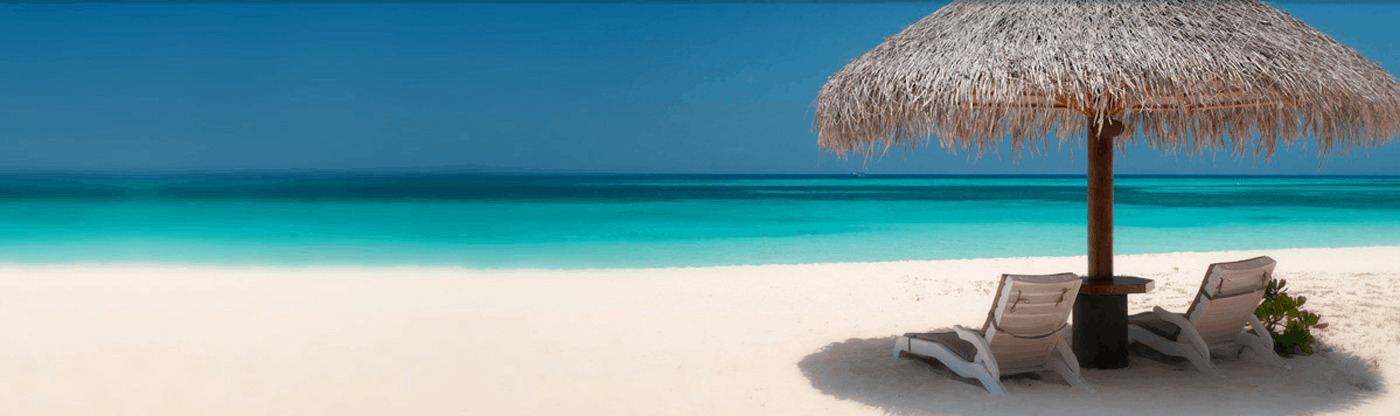
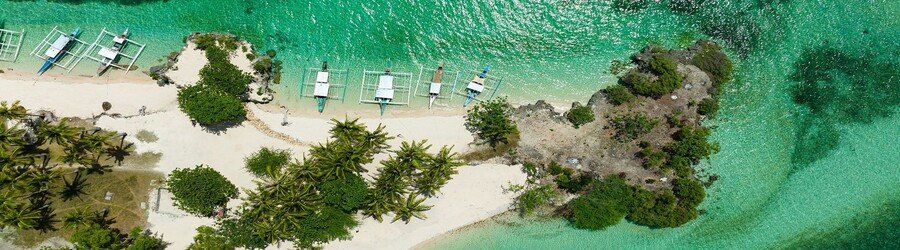
The Philippine Islands offer some of the most beautiful tropical escapes in the world, from white-sand beaches to crystal-clear water and laid-back island life. This guide highlights the most beautiful Philippine islands to visit and what makes each one worth adding to your travel plans.
The Philippine Islands are among the most beautiful island destinations in the world. With more than 7,000 islands, the Philippines offers a wide range of landscapes and travel experiences. You’ll find white-sand beaches, clear turquoise water, dramatic limestone cliffs, as well as quiet coastal villages spread across the country.
At the same time, each island feels different. Some islands attract divers with rich marine life. Others are perfect for slow beach days or off-the-grid escapes. For that reason, this guide focuses on the most beautiful Philippine islands to visit. As well as what makes each one special. Whether you’re planning a beach trip, an island-hopping adventure, or a relaxed island stay, these destinations show why the Philippines stands out in Southeast Asia.
View the full guide to the most beautiful Philippine islands on Pinterest.

Philippine Islands Weather and Best Time to Visit
The Philippine Islands have a warm, tropical climate throughout the year. Plus, most days feel sunny, humid, and beach-friendly. Because of this, swimming and island travel are possible in any season.
In general, the best time to visit the Philippine Islands is during the dry season, from December to May. During these months, rainfall is lower and sea conditions are calmer. As a result, boat travel, island hopping, as well as beach days feel easier and more predictable.
From June to November, the Philippines enters its wetter season. Rain showers happen more often, and some areas may see rough seas. But, this period also brings fewer visitors, greener scenery, as well as lower prices. For travelers who value quiet islands, this season can still work well.
Overall, January through April offers the best balance of weather and travel conditions. Still, each island can feel slightly different depending on location. Because of this, travel timing may vary across the country.
Getting to the Philippine Islands
Getting to the Philippine Islands is easier than it may seem. Most travelers arrive through major airports such as Manila or Cebu. From there, flights, ferries, as well as short boat rides connect travelers to islands across the country.
In many cases, domestic flights provide the fastest option. Popular islands often have nearby airports. This reduces travel time. As a result, longer journeys usually break into simple, manageable steps.
For smaller or more remote islands, ferry travel is common. Plus, boats run regularly between islands. Especially along well-traveled routes. Schedules can change due to weather. So it helps to allow extra time when planning transfers.
Getting Around the Philippine Islands
Getting around the Philippine Islands is part of the travel experience. Distances may look short on a map. But, travel often happens in stages. Because of this, moving between islands feels slower but still manageable with planning.
Domestic flights connect many major islands and help reduce travel time. For shorter routes, ferries as well as passenger boats are common and widely used. In coastal areas, small boats often handle the final stretch to beach towns or island resorts.
Once on an island, transportation stays simple. Many places rely on walking, motorbikes, tricycles, or small taxis. So, getting around tends to feel relaxed as well as flexible rather than rushed.
The Most Beautiful Philippine Islands
The Philippine Islands offer a wide range of island experiences, which is part of their appeal. Some islands focus on quiet beach days. While others draw travelers looking for nature, diving, or adventure. Because of this variety, each island stands out for a different reason.
Palawan
Palawan is widely considered one of the most beautiful islands in the Philippines. Limestone cliffs, hidden lagoons, as well as clear turquoise water shape much of its coastline. In addition, many areas remain lightly developed. This helps preserve the island’s natural feel.
Boracay
Boracay is best known for its soft white sand and calm, shallow water. White Beach stretches along the coast and makes swimming easy throughout the day. While some areas feel lively, quieter spots still offer relaxed beach time.
Siargao
Siargao attracts travelers who enjoy a laid-back island pace. The island is famous for surfing, especially around Cloud 9. But it also offers lagoons, palm-lined roads, as well as quiet beaches. Because of this balance, Siargao appeals to both surfers as well as travelers looking to just chill.
Bantayan Island
Bantayan Island feels peaceful and unhurried compared to larger destinations. Long beaches, shallow water, and small coastal towns shape daily life here. As a result, the island suits travelers who prefer simple island living.
Malapascua Island
Malapascua Island may be small, but it leaves a strong impression. Divers visit for reliable thresher shark sightings. While others come for the quiet beaches. At the same time, the relaxed pace makes it easy to unwind.
Bohol
Bohol offers more than just beach scenery. The coastline features clear water and island hopping. In addition, the interior reveals rolling hills and rural landscapes. Because of this contrast, Bohol works well for travelers who want variety.
Coron
Coron stands out for its dramatic limestone scenery and clear inland lakes. It is also known for historic shipwreck dives beneath the surface. In addition, nearby islands provide peaceful beaches as well as excellent snorkeling.
Camiguin
Camiguin is often called the “Island Born of Fire” due to its volcanic landscape. Waterfalls, hot springs, and green hills define much of the island. Despite its features, Camiguin remains quiet and uncrowded. This appeals to travelers seeking something different.
Best Philippine Islands by Travel Style
The Philippine Islands offer something for every type of traveler. While some islands focus on relaxation, others highlight adventure or marine life. So, choosing the right island often depends on how you like to travel.
For beach lovers, islands with long stretches of white sand and calm water work best. These destinations make swimming easy and invite slow beach days. As a result, they suit travelers who want sunshine, gentle seas, and an easygoing pace.
For diving and snorkeling, islands with rich marine life stand out. Clear water, coral reefs, and unique dive sites attract underwater explorers. In many cases, these islands also stay quieter on land, which adds to their appeal.
For laid-back island life, smaller islands often feel more personal. Daily routines move slowly, and crowds stay limited. Because of this, these islands work well for travelers who want to unplug and enjoy simple surroundings.
For adventure and exploration, islands with varied landscapes offer more to discover. Hiking, waterfalls, inland scenery, as well as island hopping add variety to a trip. At the same time, these destinations still provide beaches to unwind after active days.
Overall, the Philippine Islands make it easy to match your travel style with the right destination. So, it doesn’t matter whether you prefer calm beach days or active travel. There’s an island that fits the way you like to travel.
Local Flavors to Try in the Philippine Islands
Food is an important part of island life in the Philippines. Meals are often simple, fresh, and meant to be shared. Because of this, trying local dishes adds another layer to the travel experience.
Fresh seafood appears on many islands. Grilled fish, squid, and shrimp are common, especially near the coast. These dishes usually come with rice and light sauces, which keep flavors clean and easy to enjoy.
Rice-based meals also play a big role in daily life. Dishes like adobo and grilled meats show up across the islands in small eateries and beach side cafés. As a result, it’s easy to find filling meals without planning ahead.
Sweet treats and snacks are worth sampling as well. Fresh fruit, coconut-based desserts, and local pastries offer simple flavors that suit warm island days. Over time, these small food moments become part of what travelers remember most.
Why the Philippine Islands Belong on Your Travel List
The Philippine Islands offer a wide range of island experiences. Travelers can enjoy quiet beaches, clear water, as well as a relaxed coastal life. Each island feels different, so it’s easy to find one that matches your travel style.
Planning island travel in the Philippines is also simple. Flights, ferries, as well as small boats connect many destinations. So, visiting multiple islands is possible. You can visit more than one island. And, in the end, the Philippine Islands stand out for their scenery, pace, as well as ease of travel.
Frequently Asked Questions About the Philippine Islands
How many islands are in the Philippines?
The Philippines has more than 7,000 islands. But, only a small portion are developed for travel. Many islands remain quiet and untouched.
What are the most popular Philippine islands to visit?
Some of the most visited islands include Palawan, Boracay, Siargao, and Bohol. Each island offers a different travel experience. Because of this, popularity often depends on travel style.
Is island hopping easy in the Philippines?
Yes, island hopping is common and widely available. Ferries, boats, and short flights connect many islands. As a result, travelers can visit more than one island on a single trip.
When is the best time to visit the Philippine islands?
The best time to visit is usually during the dry season, from December to May. During this time, weather conditions are more stable. Sea travel also tends to be smoother.
Are the Philippine islands good for first-time travelers?
Yes, many islands are easy to navigate and traveler-friendly. English is widely spoken, and tourism infrastructure is well developed. This makes planning simpler for first-time visitors.
Do you need a lot of time to explore the Philippine islands?
Travel time can vary, but even short trips work well. Many travelers focus on one or two islands per visit. Over time, repeat visits allow deeper exploration.





Choosing between these islands may be the hardest part of planning a trip to the Philippines. Palawan’s lagoons and limestone cliffs are at the top of my list, but Bohol’s mix of beaches and inland scenery also sounds appealing. I would rather explore one region properly than spend half the vacation in airports and ferry terminals. For a first 10-day trip focused on snorkeling, beautiful beaches, and island hopping, would you combine El Nido and Coron or choose two islands in different regions?
I would combine El Nido and Coron for a first 10-day trip. They offer different scenery and excursions while keeping the itinerary focused within Palawan. El Nido is excellent for lagoon tours and dramatic limestone islands, while Coron adds clear lakes, reefs, and historic wreck sites. Allow several nights in each place and leave a flexible day near the end in case weather affects a boat or flight. Visiting two distant regions can work, but extra transfers quickly reduce the time available for beaches and tours.
The Philippines really does seem like one of the most beautiful island destinations anywhere in the world. I like that every island has such a different personality, from the surfing vibe in Siargao to the dramatic cliffs around Palawan and the peaceful beaches on Bantayan. The water colors there almost don’t look real in photos. I also didn’t realize how easy island hopping could be with all the ferries and short flights between islands. Did you end up preferring the quieter islands or the more famous spots like Boracay and Palawan overall?
I really enjoyed having a mix because each island offered something completely different. Palawan and Coron were incredible for scenery and island hopping, while places like Bantayan and Malapascua felt much slower and more peaceful. Siargao also stood out because it had a very relaxed atmosphere beyond just surfing. One of the things I loved most about the Philippines was how easy it was to combine adventure, beautiful beaches, and laid-back island life all within the same trip.
This really makes me want to start planning a trip, especially with how different each island sounds. I like that you broke it down by travel style because it makes choosing where to go feel much easier. Palawan and Siargao both sound amazing for completely different reasons. If you only had time to visit one island on a first trip, which would you pick?
It really depends on what kind of experience you want, but Palawan is often the best choice for a first visit. It offers a mix of stunning scenery, island hopping, and clear water that gives a great overall feel for the country. It also has a good balance of accessibility and natural beauty, making it a strong starting point before exploring other islands on future trips.