

Pura Vida is calling. Trade your routine for wild rainforests.
Costa Rica is a tropical paradise filled with sun-drenched beaches, lush rainforests, dramatic volcanoes, and incredible wildlife. Along its Pacific and Caribbean coastlines, golden sands, turquoise waters, and charming beach towns create the perfect tropical escape. Whether you love surfing, exploring hidden coves, or relaxing beneath swaying palms, there’s something for everyone. Best of all, Costa Rica’s famous Pura Vida lifestyle encourages you to slow down and enjoy life’s simple pleasures.
Beyond its beautiful beaches, Costa Rica offers an incredible variety of natural wonders. Misty cloud forests, cascading waterfalls, volcanic hot springs, and wildlife-filled national parks invite endless exploration. For example, Guanacaste is famous for its sunny beaches, while the Arenal region offers spectacular volcanic scenery. Meanwhile, Puerto Viejo brings a colorful Caribbean atmosphere with its laid-back charm and tropical surroundings. From thrilling outdoor adventures to peaceful seaside retreats, every region offers something special. As a result, Costa Rica makes it easy to combine unforgettable experiences with relaxation and carefree coastal living.
In This Guide | Best Time to Visit | Why Visit Costa Rica | Costa Rica Highlights | Explore Costa Rica | Pacific vs. Caribbean Coast | Bucket List Activities | Flavors to Savor | Getting Around | Essential Beach Travel Tips | Interactive Map | FAQs | Visit Us On Pinterest
Explore by Region | The North Pacific | The Nicoya Peninsula | The Central Pacific Coast | The South Pacific Coast | The Caribbean Coast | The Northern Highlands | The Cloud Forest Highlands

Costa Rica | Weather & Best Time to Visit
Costa Rica | Overall Best Time
December to April. Costa Rica’s Pacific dry season brings abundant sunshine, warm temperatures, and generally favorable conditions for beach vacations and outdoor adventures. These months are especially appealing for exploring Guanacaste, the Nicoya Peninsula, and the Central Pacific coast. Meanwhile, destinations such as Arenal, Monteverde, and Manuel Antonio offer spectacular opportunities for wildlife watching, hiking, and rainforest exploration. However, the Caribbean coast follows a different rainfall pattern, with September and October often providing relatively favorable weather. December through April is also Costa Rica’s busiest travel period, particularly around Christmas, New Year’s, and Easter. Therefore, advance reservations are recommended for popular accommodations, tours, and national parks.
Hot & Dry Season
February to April. Along the Pacific coast of Costa Rica, expect strong sunshine, warm ocean temperatures, and relatively little rainfall. Guanacaste and the Nicoya Peninsula are especially dry during these months, while inland areas can become quite hot. As the season progresses, tropical dry forests develop their characteristic golden appearance. Meanwhile, destinations such as Tamarindo, Playa Flamingo, Jacó, and Manuel Antonio offer excellent opportunities for coastal relaxation and sightseeing. However, temperatures can become uncomfortable during the afternoon, particularly away from the ocean. Plan strenuous activities for early morning, stay hydrated, and use adequate sun protection.
Green Season
May to November. Costa Rica’s Pacific rainy season transforms forests, mountains, and countryside into vibrant shades of green. During this period, mornings often begin with sunshine before afternoon or evening showers develop. In addition, waterfalls become more impressive, wildlife habitats flourish, and popular destinations generally experience fewer crowds. May, June, and November can be particularly appealing for combining outdoor adventures with quieter accommodations. However, September and October typically bring the heaviest rainfall to much of the Pacific coast, especially farther south. Mountain roads, hiking trails, and remote destinations may become difficult to access during prolonged storms. Therefore, flexible travel plans are especially important.
Caribbean Coast | Best Weather
February to March and September to October. Unlike Costa Rica’s Pacific coast, the Caribbean region does not experience a clearly defined dry season. Instead, rainfall occurs throughout the year, with relatively drier periods often arriving during these months. September and October can be especially appealing for exploring Puerto Viejo, Cahuita, and Punta Uva. Meanwhile, warm tropical temperatures and lush vegetation create a beautiful setting for beach relaxation and wildlife adventures. However, brief showers and changing ocean conditions remain possible at any time. As a result, checking local forecasts is essential when planning snorkeling, boating, or other water activities.
Costa Rica | Weather & Seasons Overview
| Season | Typical Months | Weather Characteristics | Travel Considerations |
|---|---|---|---|
| Pacific Dry Season | December–April | Abundant sunshine, warm temperatures, and lower rainfall | Excellent for beaches and outdoor adventures; higher prices and crowds |
| Hottest Months | February–April | Strong sunshine, high temperatures, and dry conditions, especially in Guanacaste | Ideal for coastal activities; avoid strenuous outings during peak afternoon heat |
| Pacific Green Season | May–November | Lush landscapes, humid conditions, and frequent afternoon showers | Fewer crowds, beautiful scenery, and potential accommodation savings |
| Wettest Pacific Period | September–October | Heavy rainfall, thunderstorms, muddy trails, and occasional flooding | Flexible plans recommended, especially in the South Pacific |
| Caribbean Drier Periods | February–March & September–October | Often less rainfall, with warm temperatures and variable sunshine | Appealing for Caribbean beaches and coastal exploration |
| Mountain & Cloud Forest Climate | Year-round | Cooler temperatures, mist, frequent moisture, and changing conditions | Bring layers and rain protection; mountain visibility varies |
Costa Rica enjoys a tropical climate, although weather conditions vary considerably by region and elevation. Coastal daytime temperatures commonly range from approximately 80°F to 95°F (27°C to 35°C), while mountain destinations such as Monteverde experience noticeably cooler conditions. Meanwhile, the Caribbean coast remains warm and humid throughout the year. Rainfall also differs significantly between Guanacaste’s tropical dry forests and the wetter rainforests of the South Pacific. Because Costa Rica contains several distinct climate zones, conditions can change dramatically within a relatively short distance. Always check local forecasts, ocean conditions, and official weather advisories before planning outdoor excursions.
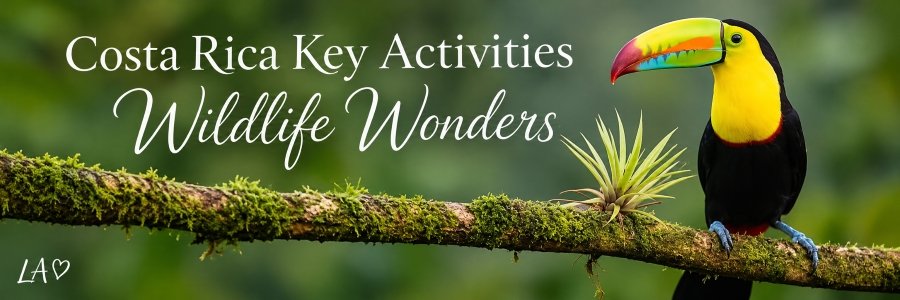
Costa Rica | Key Activities
Discover Costa Rica’s extraordinary coastline, where golden Pacific beaches contrast with the lush tropical shores of the Caribbean. Guanacaste offers beautiful destinations such as Playa Conchal and Playa Flamingo, while Manuel Antonio combines scenic beaches with surrounding rainforest. Meanwhile, the Caribbean coast features palm-lined favorites such as Punta Uva and Playa Cocles. December through April generally provides the most reliable beach weather along the Pacific, although September and October can be especially appealing on the Caribbean side. However, strong currents and dangerous rip tides occur year-round, so always follow local swimming advice.
Surfing & Ocean Adventures
Experience Costa Rica’s famous surf culture, with excellent breaks along both the Pacific and Caribbean coastlines. Tamarindo and Playa Guiones attract surfers of varying abilities, while Santa Teresa and Dominical are known for their powerful waves and lively surf communities. In addition, advanced surfers seek out legendary breaks such as Witch’s Rock and Pavones. Larger Pacific swells commonly arrive between May and October, although surfing opportunities exist throughout the year. Meanwhile, snorkeling, kayaking, sport fishing, and seasonal whale watching offer additional ocean adventures. Always consider local tides, currents, and marine conditions before entering the water.
Volcanoes, Hot Springs & Mountain Adventures
Explore Costa Rica’s spectacular volcanic landscapes, misty mountain forests, and naturally heated thermal waters. Arenal is especially famous for its impressive volcanic scenery, rainforest trails, and relaxing hot springs. Meanwhile, Poás and Rincón de la Vieja reveal additional volcanic features and fascinating geological landscapes. Mountain destinations such as Monteverde offer cooler temperatures, suspension bridges, and extraordinary cloud forest scenery. Although these attractions can be enjoyed throughout the year, the Pacific dry season often provides more favorable hiking conditions. However, mountain weather changes quickly, so bring rain protection and check current park access before visiting.
National Parks, Wildlife & Natural Wonders
Costa Rica’s protected national parks and wildlife reserves offer remarkable opportunities to experience tropical biodiversity. Manuel Antonio is known for its monkeys, sloths, and beautiful coastal scenery, while Corcovado protects extraordinary rainforest ecosystems on the Osa Peninsula. In addition, Tortuguero is celebrated for its canals, wetlands, and seasonal sea turtle nesting. Birdwatching, rainforest hikes, waterfall excursions, and guided wildlife tours are popular throughout the country. The green season brings lush vegetation and impressive waterfalls, while drier conditions can make certain trails easier to explore. However, wildlife sightings depend on location, season, and natural behavior.
Cultural Experiences & Local Flavors
Discover Costa Rica’s welcoming communities, colorful traditions, and distinctive regional cuisine. In Guanacaste, traditional ranching culture, local festivals, and handcrafted pottery reflect the region’s heritage. Meanwhile, the Caribbean coast celebrates Afro-Caribbean influences through music, colorful architecture, and coconut-infused dishes. Explore local markets, visit rural villages, and sample favorites such as gallo pinto, casado, fresh ceviche, and traditional tortillas. In addition, coffee-growing regions offer opportunities to learn about one of Costa Rica’s most important agricultural traditions. Cultural experiences and local dining are available throughout the year, making them wonderful additions to any itinerary.
Why Visit Costa Rica?
Costa Rica offers an irresistible combination of tropical beaches, incredible wildlife, lush rainforests, and unforgettable outdoor adventures. From volcanic landscapes to colorful Caribbean villages, every region has something special to discover. Best of all, the country’s famous Pura Vida philosophy celebrates nature, happiness, and a relaxed approach to everyday life.
Incredible Wildlife & Biodiversity
Costa Rica is home to an astonishing variety of wildlife, including sloths, howler monkeys, toucans, scarlet macaws, and sea turtles. In fact, its protected national parks and reserves cover more than a quarter of the country. As a result, wildlife encounters and breathtaking natural scenery are highlights of almost every Costa Rica adventure.
The Pura Vida Lifestyle
Pura Vida, meaning “pure life,” reflects Costa Rica’s welcoming spirit and appreciation for life’s simple pleasures. Whether you’re enjoying a sunset on the beach or exploring a peaceful mountain village, this philosophy is part of everyday life. Additionally, the Nicoya Peninsula is recognized as one of the world’s original Blue Zone regions, known for its remarkable longevity traditions.
Spectacular Natural Landscapes & Adventure
Beyond its beaches, Costa Rica is filled with towering volcanoes, misty cloud forests, cascading waterfalls, and natural hot springs. For adventure lovers, activities include ziplining, whitewater rafting, surfing, and hiking through tropical rainforests. Meanwhile, destinations such as Arenal and Monteverde offer spectacular scenery and unforgettable encounters with nature.
Two Beautiful Coastlines
Costa Rica enjoys coastlines along both the Pacific Ocean and Caribbean Sea, each offering a different tropical experience. The Pacific coast features golden beaches, dramatic cliffs, world-class surfing, and breathtaking sunsets. In contrast, the Caribbean coast is known for its colorful villages, lush vegetation, coral reefs, and relaxed atmosphere.
A Commitment to Sustainable Tourism
Costa Rica is internationally recognized for its dedication to conservation and sustainable tourism. Its national parks, wildlife refuges, and protected forests help preserve the country’s extraordinary natural heritage. Furthermore, renewable energy and responsible tourism initiatives support its environmental goals. This commitment makes Costa Rica an inspiring destination for exploring and appreciating the natural world.
Explore the Best Destinations in Costa Rica
Costa Rica is filled with remarkable destinations, each offering its own scenery, culture, and unforgettable experiences. From the sun-drenched beaches of Guanacaste to the lush Caribbean coastline, every region reveals a different side of this beautiful country. Meanwhile, inland destinations feature towering volcanoes, misty cloud forests, and spectacular waterfalls.
Whether you’re searching for a peaceful beach retreat, a lively coastal town, or an adventure surrounded by nature, there’s something wonderful to discover. Explore these distinctive regions and find the communities and natural attractions that make Costa Rica so special.
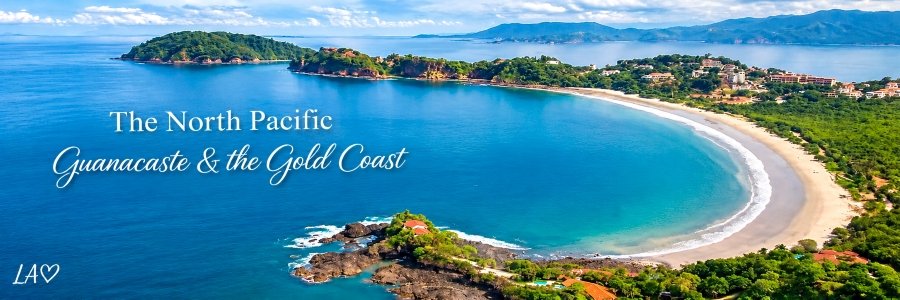
The North Pacific: Guanacaste & the Gold Coast
Guanacaste stretches along Costa Rica’s northwestern Pacific coast, where golden beaches, tropical dry forests, and volcanic mountains create a spectacular landscape. Known for its sunny climate and relaxed coastal atmosphere, the region is especially popular for surfing, boating, and outdoor adventures. During the dry season, the countryside takes on warm golden hues, while seasonal rains transform the hillsides into lush greenery. Meanwhile, lively beach towns and peaceful seaside communities offer everything from luxury resorts to traditional Costa Rican charm.
Beyond the coastline, Guanacaste has a rich ranching heritage, with cattle ranches, rural villages, and colorful local festivals celebrating its sabanero cowboy traditions. In addition, protected forests and volcanic landscapes provide habitats for howler monkeys, tropical birds, and other wildlife. With convenient access through Liberia’s international airport, the region is also an excellent starting point for exploring northwestern Costa Rica. As a result, Guanacaste combines natural beauty, cultural traditions, and modern comforts with the welcoming spirit of Pura Vida.
Three Unforgettable Highlights
- Playa Conchal: Discover a beautiful shoreline famous for its tiny crushed shells and clear turquoise waters. Swimming, snorkeling, and relaxing along the coast are popular here.
- Rincón de la Vieja National Park: Explore volcanic landscapes, steaming geothermal features, tropical forests, and scenic hiking trails.
- Tamarindo Beach: Experience one of Costa Rica’s best-known surf towns, with lively beachfront restaurants, surf schools, and spectacular sunsets.
Coastal Communities to Explore: Tamarindo, Playa Flamingo, Brasilito, Playa Hermosa, Playas del Coco, Sámara, and Nosara.
Explore More: Discover our complete Guanacaste travel guide for the region’s best beaches, attractions, and coastal experiences.
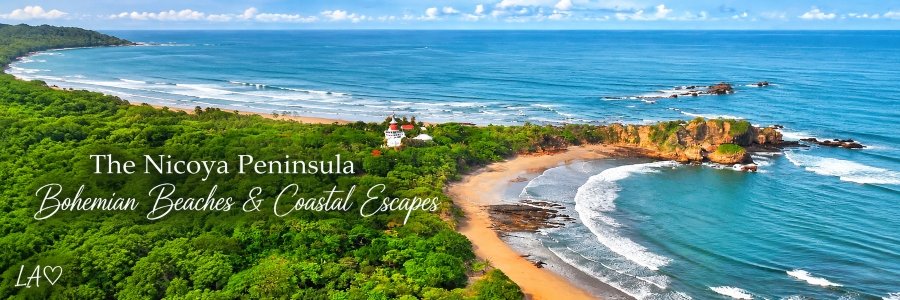
The Nicoya Peninsula: Bohemian Beaches & Coastal Escapes
The southern Nicoya Peninsula in Costa Rica offers a beautiful combination of rugged coastline, tropical forests, and laid-back seaside communities. Stretching into the Pacific Ocean, this scenic region is known for its remote beaches, dramatic sunsets, and relaxed bohemian atmosphere. Unlike Guanacaste’s more developed resort areas, much of the southern peninsula retains a rustic character, with winding roads, small villages, and beautiful natural surroundings. As a result, it’s especially appealing for surfing, wellness retreats, and peaceful tropical escapes.
Beyond its beautiful beaches, the Nicoya Peninsula has a rich cultural heritage shaped by traditional fishing communities and rural Costa Rican life. In addition, its forests and coastal reserves provide habitats for monkeys, tropical birds, and other wildlife. The region is also associated with Costa Rica’s famous Blue Zone, where traditional lifestyles and strong community connections have attracted international attention. Consequently, the peninsula offers a fascinating blend of natural beauty, local traditions, and the relaxed Pura Vida philosophy.
Three Unforgettable Highlights
- Santa Teresa Beach: Enjoy long stretches of sand, excellent surfing, yoga retreats, and breathtaking Pacific sunsets.
- Montezuma Waterfalls: Discover a series of picturesque jungle waterfalls near the charming coastal village of Montezuma.
- Cabo Blanco Absolute Natural Reserve: Explore protected tropical forests, wildlife habitats, and scenic trails in one of Costa Rica’s oldest conservation areas.
Coastal Communities to Explore: Santa Teresa, Mal País, Montezuma, Tambor, and Paquera.
Explore More: Discover the southern Nicoya Peninsula’s charming beach towns, scenic coastline, and unforgettable natural attractions.

The Central Pacific Coast: Rainforests & Beautiful Beaches
Costa Rica’s Central Pacific coast is known for its dramatic scenery, where lush tropical rainforests meet beautiful beaches and rugged coastal cliffs. Located within relatively easy reach of San José, the region offers a wonderful combination of natural beauty and convenient access. Unlike the drier landscapes farther north, this coastline features dense greenery, winding rivers, and rich wildlife habitats. Meanwhile, lively surf towns and peaceful seaside communities provide a variety of coastal experiences.
Beyond its picturesque shoreline, the Central Pacific is especially famous for its extraordinary biodiversity. Protected rainforests shelter sloths, monkeys, scarlet macaws, and countless tropical birds. In addition, national parks and wildlife reserves offer scenic hiking trails and opportunities to explore the region’s natural ecosystems. From the bustling atmosphere of Jacó to the rainforest-covered hills surrounding Manuel Antonio, this beautiful region of Costa Rica combines adventure, relaxation, and spectacular scenery.
Three Unforgettable Highlights
- Manuel Antonio National Park: Discover tropical beaches, scenic forest trails, and wildlife such as sloths, monkeys, and colorful birds.
- Playa Espadilla: Relax on a beautiful stretch of sand near Manuel Antonio, with swimming, surfing, and stunning coastal scenery.
- Carara National Park: Explore lush tropical forests known for scarlet macaws, wildlife, and scenic nature trails.
Coastal Communities to Explore: Jacó, Playa Herradura, Esterillos, Parrita, Quepos, and Manuel Antonio.
Explore More: Discover the Central Pacific’s beautiful beach towns, wildlife-rich national parks, and spectacular coastal landscapes.

The South Pacific: Costa Ballena & the Osa Peninsula
Costa Rica’s South Pacific coast offers some of the country’s wildest and most breathtaking landscapes. Stretching through the Costa Ballena region toward the remote Osa Peninsula, this tropical coastline is known for its dense rainforests, dramatic mountains, and beautiful stretches of largely undeveloped shoreline. Unlike the busier resort destinations farther north, the region maintains a peaceful atmosphere surrounded by extraordinary natural beauty. During certain months, migrating humpback whales also visit its warm Pacific waters.
Beyond the coastline, the South Pacific is one of Costa Rica’s most important regions for biodiversity and conservation. Vast protected forests shelter an incredible variety of wildlife, including scarlet macaws, monkeys, tapirs, and tropical birds. In addition, cascading waterfalls, winding rivers, and lush mountain landscapes create opportunities for hiking and outdoor adventures. Meanwhile, small coastal communities offer a relaxed atmosphere with local restaurants, eco-lodges, and a strong connection to nature. As a result, this region is especially appealing for those seeking wildlife encounters and peaceful tropical surroundings.
Three Unforgettable Highlights
- Marino Ballena National Park: Discover the famous Whale Tail sandbar, beautiful beaches, and seasonal humpback whale migrations.
- Corcovado National Park: Explore one of Central America’s most biologically diverse rainforests, home to monkeys, tapirs, scarlet macaws, and other remarkable wildlife.
- Nauyaca Waterfalls: Experience spectacular cascading waterfalls surrounded by lush tropical forest near Dominical.
Coastal Communities to Explore: Dominical, Uvita, Ojochal, Drake Bay, Puerto Jiménez, and Golfito.
Explore More: Discover the South Pacific’s remote beach communities, extraordinary wildlife, and spectacular rainforest adventures.
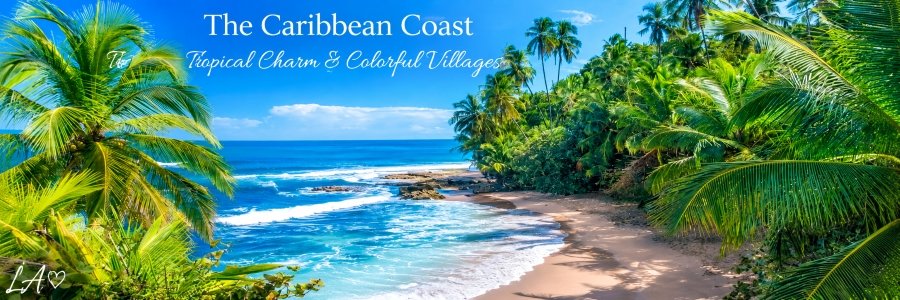
The Caribbean Coast: Tropical Charm & Colorful Villages
Costa Rica’s Caribbean coast offers a colorful and culturally distinctive experience, with lush tropical vegetation, beautiful beaches, and charming seaside villages. Stretching along the country’s eastern shoreline, this region is known for its warm, humid climate and vibrant Afro-Caribbean heritage. Unlike the Pacific coast, the Caribbean has its own seasonal weather patterns and a more relaxed, rustic atmosphere. Meanwhile, colorful homes, beachfront cafés, and tropical gardens create an inviting coastal setting.
Beyond its beautiful scenery, the Caribbean coast celebrates a rich blend of cultural traditions, music, and cuisine. Reggae rhythms, coconut-infused dishes, and local festivals reflect the region’s distinctive identity. In addition, protected rainforests, wetlands, and coral reefs provide important habitats for sloths, monkeys, tropical birds, and marine life. Small villages and quiet coastal roads encourage a slower pace of exploration, while nearby wildlife reserves offer memorable encounters with nature. Consequently, the Caribbean coast reveals a wonderfully different side of Costa Rica’s Pura Vida lifestyle.
Three Unforgettable Highlights
- Punta Uva Beach: Discover a beautiful tropical shoreline with palm trees, calm-water areas, and lush jungle scenery.
- Cahuita National Park: Explore coastal rainforest trails, watch for monkeys and sloths, and discover protected coral reef habitats.
- Gandoca-Manzanillo Wildlife Refuge: Experience beautiful beaches, tropical forests, wetlands, and rich biodiversity near the southern Caribbean coast.
Coastal Communities to Explore: Puerto Viejo, Cahuita, Manzanillo, Playa Cocles, Punta Uva, and Limón.
Explore More: Discover the Caribbean coast’s colorful communities, tropical beaches, and remarkable wildlife attractions.
The Northern Highlands: Arenal & La Fortuna
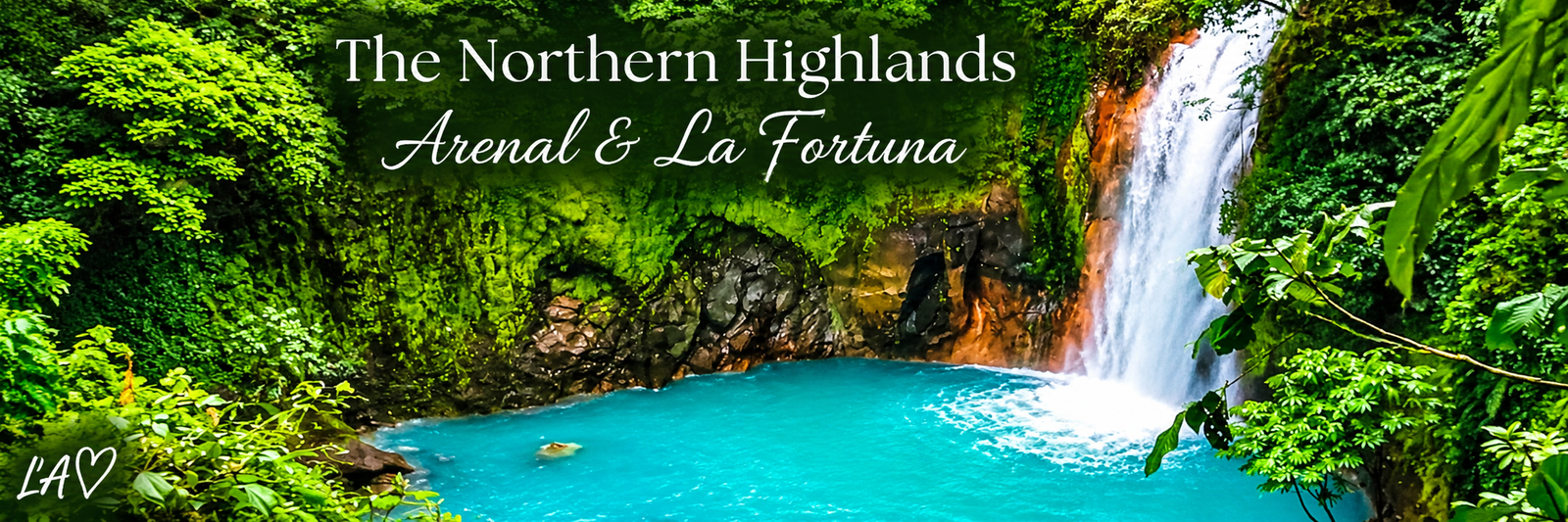
Costa Rica’s Northern Highlands reveal a dramatic landscape of towering volcanoes, lush rainforests, and beautiful freshwater lakes. Dominated by the iconic Arenal Volcano, this region offers a striking contrast to the country’s tropical beaches. Warm, humid conditions support dense vegetation, while misty mountain views and rolling green hills create spectacular scenery. In addition, natural hot springs, rivers, and waterfalls make the area especially appealing for relaxation and outdoor adventure.
Beyond its volcanic landscapes, the Northern Highlands are known for their remarkable biodiversity and beautiful protected forests. Wildlife such as toucans, monkeys, sloths, and colorful frogs can be found throughout the region. Meanwhile, La Fortuna serves as a welcoming gateway to the surrounding natural attractions, with restaurants, accommodations, and a lively town atmosphere. Scenic countryside roads also connect small agricultural communities, traditional farms, and peaceful mountain landscapes. As a result, the region combines adventure, natural beauty, and authentic Costa Rican charm.
Three Unforgettable Highlights
- Arenal Volcano National Park: Discover scenic hiking trails, volcanic landscapes, and spectacular views of the iconic volcano.
- La Fortuna Waterfall: Visit a magnificent waterfall plunging into a lush tropical setting, with a steep staircase leading to its base.
- Mistico Arenal Hanging Bridges: Walk across suspended bridges surrounded by rainforest canopy, tropical birds, and spectacular greenery.
Communities to Explore: La Fortuna, El Castillo, Nuevo Arenal, and Tilarán.
Explore More: Discover the Northern Highlands’ volcanic landscapes, natural hot springs, and unforgettable rainforest adventures.

The Cloud Forest Highlands: Monteverde & Santa Elena
High in Costa Rica’s mountainous interior, Monteverde offers a magical landscape of mist-covered forests, rolling green hills, and cool mountain air. Unlike the warm coastal regions, this elevated destination experiences cooler temperatures and frequent cloud cover. Moisture drifting through the forest supports an extraordinary ecosystem filled with moss-covered trees, orchids, ferns, and lush vegetation. As a result, the region has an enchanting atmosphere that feels completely different from the country’s tropical beaches.
Beyond its beautiful scenery, Monteverde is internationally recognized for its conservation efforts and remarkable biodiversity. Its protected cloud forests provide habitats for hundreds of bird species, including the spectacular resplendent quetzal. In addition, the region has a fascinating cultural history shaped by Costa Rican farming communities and Quaker settlers who helped establish local conservation traditions. Today, Santa Elena serves as the area’s main town, offering a welcoming mountain atmosphere with restaurants, shops, and access to nature reserves. Consequently, Monteverde combines environmental preservation, cultural heritage, and unforgettable mountain scenery.
Three Unforgettable Highlights
- Monteverde Cloud Forest Biological Reserve: Explore misty forest trails filled with moss-covered trees, orchids, and remarkable wildlife.
- Santa Elena Cloud Forest Reserve: Discover peaceful hiking trails, dense vegetation, and spectacular cloud forest scenery.
- Monteverde Hanging Bridges: Experience the rainforest canopy from elevated suspension bridges with beautiful views of the surrounding forest.
Communities to Explore: Santa Elena, Monteverde, and Cerro Plano.
Explore More: Discover Monteverde’s spectacular cloud forests, mountain communities, and unforgettable wildlife experiences.
Pacific vs. Caribbean Coast | Which Is Right for You?
Costa Rica’s two beautiful coastlines offer surprisingly different experiences. The Pacific coast is known for its spectacular sunsets, world-class surfing, and variety of beach resorts. Meanwhile, the Caribbean coast offers colorful villages, lush rainforests, and a distinctive Afro-Caribbean culture. Although both promise beautiful tropical scenery, the atmosphere, landscapes, and seasonal weather patterns can be quite different.
Pacific vs. Caribbean | Quick Comparison
| Feature | Pacific Coast | Caribbean Coast |
|---|---|---|
| Atmosphere | Lively surf towns, luxury retreats, and peaceful coastal escapes | Relaxed villages, rustic charm, and Afro-Caribbean culture |
| Sunsets & Sunrises | Spectacular sunsets over the Pacific Ocean | Beautiful sunrises over the Caribbean Sea |
| Best For | Surfing, luxury resorts, wildlife adventures, and coastal road trips | Boutique eco-lodges, cycling, Caribbean cuisine, and laid-back beach vacations |
| Landscape | Tropical dry forests in the north, lush rainforests and rugged coastlines farther south | Dense tropical vegetation, palm-lined beaches, and coastal rainforests |
| Popular Destinations | Guanacaste, Tamarindo, Santa Teresa, Manuel Antonio, and Uvita | Puerto Viejo, Cahuita, Punta Uva, and Manzanillo |
| Best Weather Window | Generally December through April | Often February–March and September–October |
| Overall Experience | Greater variety of resorts, surf destinations, and coastal adventures | Distinctive local culture, smaller beach communities, and a slower pace |
Both coastlines offer incredible natural beauty and unforgettable experiences. However, the Pacific is especially appealing for classic beach vacations, surfing, and spectacular sunsets. In contrast, the Caribbean is ideal for colorful coastal villages, tropical rainforest scenery, and a more relaxed atmosphere. Ultimately, the best choice depends on the experience you’re hoping to enjoy.

Costa Rica | Flavors to Savor
Costa Rica’s culinary traditions are a delicious reflection of its tropical landscapes, agricultural heritage, and diverse regional cultures. From hearty traditional breakfasts to fresh Pacific seafood and fragrant Caribbean dishes, local cuisine celebrates simple ingredients and authentic flavors. In addition, colorful farmers’ markets, roadside sodas (small local restaurants), and beachfront cafés offer wonderful opportunities to experience everyday Costa Rican life. Whether you’re exploring the mountains or relaxing along the coast, these local favorites are worth discovering.
Traditional Costa Rican Favorites
Gallo Pinto: Costa Rica’s beloved breakfast dish combines rice and beans with onions, peppers, and seasonings. Typically served with eggs, tortillas, or fried plantains, it’s a delicious way to start the day.
Casado: A traditional lunch plate featuring rice, beans, salad, plantains, and a choice of meat, fish, or vegetables. Meanwhile, regional variations make this satisfying meal a staple throughout the country.
Olla de Carne: A comforting beef and vegetable soup prepared with root vegetables, corn, and traditional seasonings. Especially popular for family meals, this hearty dish reflects Costa Rica’s home-style cooking traditions.
Chifrijo: A popular combination of rice, beans, crispy pork, pico de gallo, and tortilla chips. Often enjoyed as a casual snack or shared dish, it’s especially common in local restaurants and bars.
Coastal Seafood & Caribbean Specialties
Fresh Ceviche: A refreshing coastal favorite made with fish or seafood marinated in citrus juice, then mixed with onions, peppers, and cilantro. It’s particularly enjoyable in seaside communities.
Caribbean Rice and Beans: Unlike traditional gallo pinto, this flavorful dish features rice and beans cooked with coconut milk, herbs, and spices. Often served with chicken or fish, it’s a signature specialty of Costa Rica’s Caribbean coast.
Rondón: A traditional Afro-Caribbean seafood stew prepared with coconut milk, root vegetables, plantains, and local seasonings. Its rich flavors reflect the cultural heritage of the Limón region.
Guanacaste-Style Tortillas: Handmade corn tortillas are an important part of Guanacaste’s culinary traditions. Often prepared using traditional methods, they’re enjoyed with cheese, beans, and other regional favorites.
Tropical Treats & Refreshing Drinks
Patacones: Crispy twice-fried green plantains served with beans, guacamole, or flavorful dipping sauces. They’re a popular snack and accompaniment to coastal meals.
Tres Leches Cake: A soft sponge cake soaked in three kinds of milk, creating a rich, creamy dessert enjoyed throughout Costa Rica.
Agua Dulce: A traditional warm or chilled drink made from dissolved sugarcane tapa de dulce. It’s a familiar part of Costa Rican food culture, particularly in rural communities.
Fresh Tropical Fruit Drinks: Enjoy refreshing batidos made with mango, pineapple, papaya, passion fruit, or other tropical fruits. Available with water or milk, these colorful drinks are especially appealing on warm beach days.

Costa Rica | Bucket-List Activities
Costa Rica is a paradise for unforgettable adventures, where tropical rainforests, spectacular coastlines, and volcanic landscapes create endless opportunities for exploration. From soaring above the jungle canopy to watching sea turtles nest along protected beaches, the country offers experiences found in few other places. Whether you’re seeking outdoor thrills, incredible wildlife encounters, or peaceful moments surrounded by nature, these bucket-list activities capture the magic of Costa Rica.
Zipline Through the Rainforest Canopy
Experience Costa Rica’s tropical rainforest from an entirely different perspective as you glide above towering trees and lush mountain valleys. Monteverde is especially famous for its exhilarating canopy adventures, while La Fortuna and Guanacaste offer additional ziplining experiences. Along the way, spectacular views reveal the country’s extraordinary forest landscapes. In addition, many adventure parks offer hanging bridges and guided nature walks for exploring the rainforest at a slower pace.
Explore Arenal Volcano & Natural Hot Springs
Discover the dramatic beauty of Arenal Volcano, one of Costa Rica’s most recognizable natural landmarks. Scenic hiking trails wind through surrounding forests and historic lava fields, offering breathtaking views of the volcanic landscape. Afterward, relax in naturally heated mineral pools fed by geothermal activity. Meanwhile, the nearby town of La Fortuna provides convenient access to waterfalls, rainforest adventures, and beautiful mountain scenery.
Watch Sea Turtles Nest on Protected Beaches
Witness one of nature’s most remarkable events as sea turtles return to Costa Rica’s protected coastlines to lay their eggs. Tortuguero National Park is famous for its green sea turtle nesting season, while Ostional Wildlife Refuge is known for extraordinary olive ridley turtle nesting events called arribadas. However, nesting seasons vary by species and location. Therefore, choose authorized guided excursions and follow strict wildlife protection guidelines to avoid disturbing these incredible animals.
Discover Costa Rica’s Spectacular Waterfalls
Venture into Costa Rica’s lush tropical forests to discover magnificent waterfalls surrounded by towering trees and vibrant greenery. La Fortuna Waterfall is among the country’s most famous, plunging dramatically into a beautiful rainforest setting. Meanwhile, Nauyaca Waterfalls near Dominical features impressive cascades and scenic natural pools. Other destinations, including Río Celeste in Tenorio Volcano National Park, reveal extraordinary turquoise waters. However, swimming access and trail conditions vary, so always follow local safety regulations.
Go Surfing on the Pacific Coast
Experience the legendary surf culture that has made Costa Rica a favorite destination for wave enthusiasts. Tamarindo offers popular surf schools and beginner-friendly opportunities under suitable conditions. Meanwhile, Santa Teresa, Nosara, and Dominical attract surfers seeking beautiful beaches and consistent waves. More experienced surfers can explore powerful breaks such as Witch’s Rock and Pavones. Although surfing is possible throughout the year, wave conditions vary by season, location, and tide.
Walk Through Monteverde’s Misty Cloud Forest
Step into an enchanting world of mist-covered trees, hanging moss, colorful orchids, and extraordinary wildlife. Monteverde’s cloud forests are famous for their unique ecosystems and remarkable birdlife, including the dazzling resplendent quetzal. In addition, elevated suspension bridges provide spectacular views across the forest canopy. Guided nature walks offer opportunities to discover hidden wildlife and learn about this delicate environment. Because mountain weather changes quickly, bring a light jacket and rain protection.
Experience Whale Watching on the South Pacific Coast
Costa Rica’s South Pacific coastline offers wonderful opportunities to observe migrating humpback whales in their natural habitat. Marino Ballena National Park near Uvita is especially famous for seasonal whale-watching excursions. In general, whale activity is associated with two migration periods, approximately December through April and July through October, although sightings are never guaranteed. Meanwhile, scenic boat tours may also reveal dolphins, seabirds, and spectacular coastal landscapes. Choose responsible operators that follow marine wildlife protection regulations.
Explore Corcovado National Park’s Wild Rainforest
Discover one of Central America’s most extraordinary protected wilderness areas on Costa Rica’s remote Osa Peninsula. Corcovado National Park shelters tropical rainforests, beautiful beaches, and remarkable wildlife, including tapirs, monkeys, scarlet macaws, and elusive jaguars. Guided excursions offer opportunities to explore this exceptional ecosystem while learning about its conservation importance. However, park access is regulated, and authorized guides are required. Consequently, arranging your visit in advance is essential.
Go Whitewater Rafting on the Pacuare River
Experience Costa Rica’s adventurous side while navigating the beautiful Pacuare River through lush tropical rainforest. This celebrated rafting destination features exciting rapids, dramatic canyon scenery, and cascading waterfalls. Along the journey, dense jungle and towering cliffs create an unforgettable natural setting. However, rafting difficulty depends on river conditions and the selected route. Choose a reputable outfitter with qualified guides, appropriate safety equipment, and trips suited to your experience level.
Snorkel Along the Caribbean Coast
Discover a colorful underwater world along Costa Rica’s southern Caribbean coastline. Cahuita National Park protects important coral reef habitats, while nearby coastal areas offer opportunities to observe tropical fish and marine life when conditions are favorable. Meanwhile, Punta Uva and surrounding beaches provide beautiful settings for kayaking and coastal exploration. Because visibility, currents, and marine conditions change throughout the year, guided snorkeling excursions are recommended. In addition, follow local reef protection regulations and avoid touching coral or marine animals.
Discover Costa Rica’s Coffee & Chocolate Traditions
Explore Costa Rica’s agricultural heritage through immersive coffee and chocolate experiences. In the Central Valley and mountain regions, coffee farms offer opportunities to learn about cultivation, harvesting, and traditional production methods. Meanwhile, cacao experiences reveal the fascinating journey from tropical fruit to finished chocolate. Many tours also include tastings and insights into local farming traditions. As a result, these cultural adventures provide a delicious way to discover another side of Costa Rican life.
Enjoy a Sunset Sailing Adventure
Few experiences capture Costa Rica’s tropical beauty quite like sailing along the Pacific coast at sunset. Guanacaste’s beautiful bays and the Papagayo Peninsula are especially popular for scenic catamaran excursions. Along the way, some tours include snorkeling, swimming stops, and opportunities to observe marine wildlife. Meanwhile, the setting sun transforms the ocean into beautiful shades of gold and orange. Sunset cruises are especially appealing during the Pacific dry season, although sailing conditions vary throughout the year.
Getting Around Costa Rica | Airports, Rental Cars & Coastal Transportation
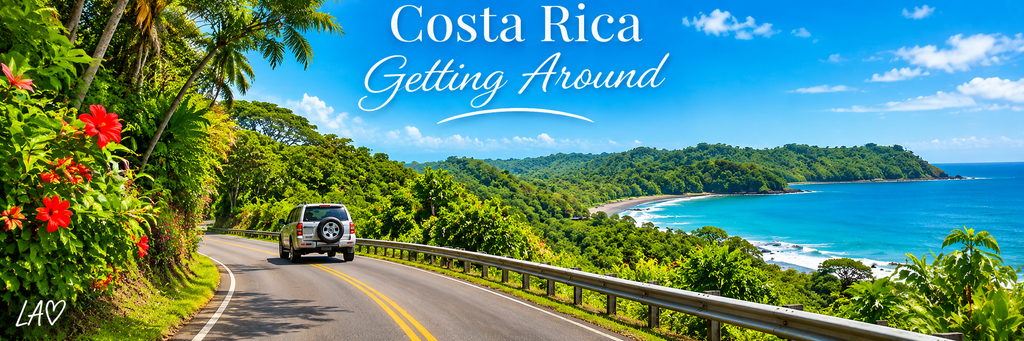
Exploring Costa Rica is an adventure in itself, with scenic mountain roads, tropical countryside, and beautiful coastal routes connecting its most popular destinations. However, travel times can be longer than expected because of winding highways, changing weather, and mountainous terrain. Fortunately, rental cars, shared shuttles, domestic flights, and private transfers make it possible to explore the country at your own pace.
Choosing Your Airport | San José vs. Liberia
Costa Rica has two main international airports, and choosing the right one can save several hours of travel.
Liberia International Airport (LIR): Located in Guanacaste, Liberia is generally the most convenient airport for exploring the North Pacific coast. Popular destinations include Tamarindo, Playa Flamingo, Playas del Coco, and the Papagayo Peninsula. In addition, Liberia can be a practical gateway to Sámara, Nosara, and parts of the Nicoya Peninsula. However, southern peninsula destinations such as Santa Teresa and Montezuma may also be reached conveniently from San José, depending on the route.
Juan Santamaría International Airport (SJO): Located near San José in Alajuela, this airport is a convenient starting point for exploring the Central Pacific, South Pacific, and Caribbean regions. Destinations such as Jacó, Manuel Antonio, Uvita, and Puerto Viejo are commonly reached from here. Meanwhile, SJO also provides access to La Fortuna, Monteverde, and domestic flight connections to more remote regions.
Rental Cars | Do You Need a 4×4?
Renting a car offers flexibility for exploring Costa Rica’s beaches, mountain villages, and natural attractions. Fortunately, many major highways and roads connecting popular destinations are paved. As a result, a standard 4×2 vehicle is often sufficient for trips centered around Guanacaste’s main resort communities, Jacó, Manuel Antonio, and other established destinations.
However, a high-clearance 4×4 is recommended for certain remote areas of the Nicoya Peninsula, mountainous regions, and isolated South Pacific accommodations. Steep gravel roads, potholes, and muddy conditions can become particularly challenging during the rainy season. In addition, some rural properties require access along unpaved roads even when nearby highways are in good condition.
Before reserving a vehicle, confirm the road conditions leading to your accommodations. Never attempt river crossings, particularly after heavy rainfall, because water levels can change rapidly and rental insurance may exclude resulting damage. Whenever possible, plan longer drives during daylight hours.
Shared Shuttles & Private Transfers
Shared tourist shuttles are a convenient alternative for exploring Costa Rica without renting a car. Companies such as Interbus Costa Rica and Tropical Tours Shuttles offer scheduled transportation between many popular airports, beach towns, and inland destinations. In addition, air-conditioned vehicles and designated pickup locations make these services appealing for those who prefer not to navigate unfamiliar roads.
Shared shuttles are often more economical than private transfers for one or two passengers. However, routes operate on fixed schedules, and some journeys require connections. Private transfers offer greater flexibility, especially for families, groups, or destinations with limited shared transportation. Therefore, compare routes, pickup locations, luggage allowances, and total costs before booking.
Domestic Flights & Remote Destinations
Domestic flights can reduce lengthy road journeys, particularly when exploring the remote Osa Peninsula and southern Pacific coast. Regional airports near Drake Bay, Puerto Jiménez, and other destinations provide connections that may save several hours of overland travel. However, flight schedules, luggage restrictions, and weather conditions can affect availability.
For remote destinations, a combination of domestic flights, boat transfers, and local transportation may be the most practical option. Consequently, arranging transfers in advance can make exploring Costa Rica’s more isolated regions considerably easier.
Costa Rica | Essential Beach Safety & Local Etiquette
Costa Rica’s beautiful beaches, abundant wildlife, and welcoming communities make it an unforgettable tropical destination. However, many coastal areas remain wonderfully wild, with powerful ocean currents and protected natural habitats. Understanding a few local safety practices and cultural traditions will help you explore responsibly while enjoying the country’s famous Pura Vida lifestyle.
Beach Safety & Rip Current Awareness
Costa Rica’s Pacific beaches are famous for their spectacular scenery and excellent surfing conditions. However, powerful rip currents can develop even when the ocean appears relatively calm. Before swimming, check for warning signs, observe local conditions, and choose beaches with lifeguards whenever possible. In addition, remember that many beaches have limited or no lifeguard supervision.
If caught in a rip current, remain calm and avoid swimming directly against it. Instead, float or tread water to conserve energy, then swim parallel to the shoreline when possible to escape the current. Once free, return toward shore at an angle away from the current. If you cannot escape, stay afloat, wave for assistance, and call for help. Never enter rough water to attempt an untrained rescue.
Costa Rica’s Peaceful Culture & Pura Vida Spirit
Costa Rica is internationally recognized for abolishing its standing army in 1948. Since then, the country has developed a strong national identity centered on civilian institutions, education, environmental conservation, and peaceful traditions. Meanwhile, the familiar expression Pura Vida reflects a welcoming attitude and appreciation for everyday life.
A friendly greeting, patience, and respect for local customs go a long way. Although Costa Rica is known for its relaxed atmosphere, normal travel precautions remain important. Secure valuables, avoid leaving belongings unattended on beaches, and use established transportation services when possible.
Respecting Wildlife & Protected Natural Areas
Costa Rica’s coastal forests and national parks provide habitats for monkeys, sloths, raccoons, iguanas, and countless tropical birds. At destinations such as Manuel Antonio, curious animals sometimes approach picnic areas or attempt to investigate bags and belongings. However, feeding wildlife can harm their health, change natural behaviors, and encourage aggressive encounters.
Always observe animals from a respectful distance, secure food and personal belongings, and never attempt to touch or attract wildlife for photographs. In addition, follow national park regulations, remain on designated trails, and avoid disturbing nesting sea turtles or other protected species. By respecting these boundaries, you help preserve the extraordinary ecosystems that make Costa Rica so special.

Costa Rica | Where Every Adventure Feels Unforgettable
Costa Rica is more than a beautiful tropical destination. It’s a place where breathtaking landscapes, extraordinary wildlife, and welcoming communities create memories that last long after the journey ends. From the golden beaches of Guanacaste to the misty cloud forests of Monteverde, every region offers a different reason to fall in love with this remarkable country.
Whether you’re watching the sunset over the Pacific, discovering hidden waterfalls, or exploring colorful Caribbean villages, Costa Rica invites you to experience nature at its most spectacular. Along the way, the country’s rich traditions, incredible biodiversity, and relaxed coastal lifestyle make every adventure feel special. Best of all, there’s always another beautiful destination waiting to be discovered.
So, follow the winding coastal roads, embrace the spirit of Pura Vida, and discover your own unforgettable corner of Costa Rica. After all, the most memorable journeys aren’t just about the places you explore, but the moments that stay with you forever.
Costa Rica | Frequently Asked Questions
What is the best time to visit Costa Rica?
December through April is generally the best time to visit Costa Rica’s Pacific coast, thanks to sunny skies and lower rainfall. However, the Caribbean coast follows a different weather pattern, with February, March, September, and October often offering favorable conditions. Ultimately, the ideal time depends on which regions you plan to explore.
Which coast of Costa Rica has the best beaches?
Both coastlines offer beautiful beaches, although the experiences are quite different. The Pacific coast is famous for golden sands, spectacular sunsets, surfing, and luxury resorts. Meanwhile, the Caribbean coast features palm-lined shores, lush rainforests, colorful villages, and a relaxed tropical atmosphere.
Is Costa Rica expensive for a beach vacation?
Costa Rica can accommodate a variety of travel budgets, although popular beach resorts and organized excursions can be expensive. Luxury destinations such as the Papagayo Peninsula generally cost more, while smaller coastal communities offer affordable guesthouses and local restaurants. In addition, traveling during the green season may provide better accommodation rates.
How many days do you need in Costa Rica?
Seven to ten days is a good starting point for exploring Costa Rica, especially when combining a beach destination with a rainforest or volcanic region. However, a two-week vacation provides more time to discover several areas without rushing. Because mountain roads and winding coastal highways can make journeys longer than expected, limiting the number of destinations creates a more relaxing experience.
Is Costa Rica safe for families?
Costa Rica is a popular family vacation destination, with beautiful beaches, wildlife experiences, and outdoor adventures for different ages. However, normal travel precautions are important, particularly around ocean currents, unfamiliar roads, and wildlife. Choose appropriate swimming beaches, follow local safety guidance, and book reputable transportation and excursions.
Do you need a rental car in Costa Rica?
A rental car provides flexibility for exploring beaches, national parks, and smaller communities. However, shared shuttles, private transfers, and domestic flights make it possible to visit Costa Rica without driving. A standard vehicle is suitable for many established routes, while certain remote or mountainous roads may require a high-clearance 4×4.
What are the most beautiful places to visit in Costa Rica?
Costa Rica offers an extraordinary variety of beautiful destinations, including Guanacaste’s Pacific beaches, Manuel Antonio’s coastal rainforests, and the dramatic landscapes surrounding Arenal Volcano. Meanwhile, Monteverde is famous for its misty cloud forests, and the Osa Peninsula protects remarkable tropical wilderness. For a different coastal experience, Puerto Viejo and the southern Caribbean offer colorful villages and lush tropical scenery.
Can you visit both coasts of Costa Rica in one trip?
Yes, exploring both coastlines is possible, especially with ten to fourteen days or more. However, traveling between the Pacific and Caribbean regions can involve lengthy drives through mountainous terrain. For a more comfortable itinerary, choose a few destinations rather than attempting to explore every coastal region. Alternatively, domestic flights and private transfers may help simplify certain connections.
Costa Rica | Explore Beaches, Destinations & Must-See Attractions
Discover the incredible diversity of Costa Rica with our interactive travel map, highlighting beautiful beaches, charming coastal communities, and unforgettable natural wonders. From the sun-drenched shores of Guanacaste to the lush Caribbean coastline, explore some of the country’s most spectacular destinations. In addition, discover towering volcanoes, misty cloud forests, and wildlife-rich national parks. Whether you’re planning a relaxing beach escape or an adventure-filled vacation, use this map to find the places you won’t want to miss.