
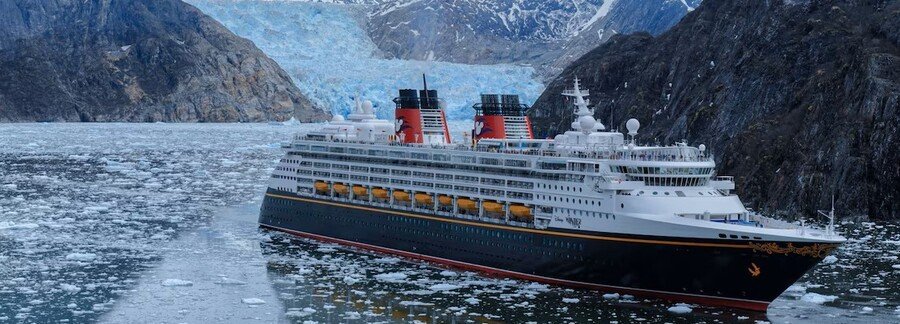
An Alaska Cruise delivers towering glaciers, incredible wildlife, and once-in-a-lifetime scenery. This complete guide shares essential planning tips, packing advice, and insider insights to help you make the most of your voyage. Discover how to choose the right itinerary, excursions, and cruise line for an unforgettable Alaskan adventure.
An Alaska Cruise is one of the most unforgettable travel experiences you can take. Glaciers tower above quiet waterways. Snow-capped mountains stretch to the horizon. Wildlife often appears when you least expect it. The result is a trip that feels both relaxing and exciting.
Each cruise port shows a different side of Alaska. You might walk through a historic gold rush town. You could kayak near floating ice. Or you may spot whales, bears, or eagles along the coast. Excursions depend on weather and wildlife, so nothing is guaranteed. Still, Alaska’s scenery alone makes the journey worthwhile.
Whether this is your first Alaska cruise or a return visit, planning makes a big difference. This guide covers the best itineraries, when to go, what to pack, and how to get the most from your time at sea.
Learn what to pack for your Alaskan Cruise here, or visit us on Pinterest.
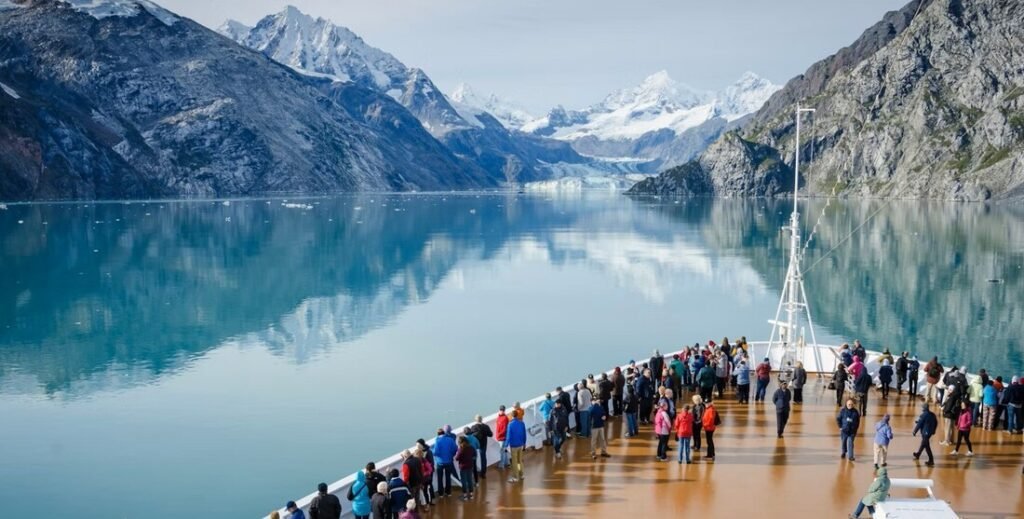
Alaska Cruise Weather
Alaska weather varies widely throughout the year. Summer brings the most pleasant conditions, while winter is known for cold temperatures and very limited daylight. Because of this, most Alaska cruises operate only between late April and September.
The months of June, July, and August usually offer the best conditions. Daytime temperatures often reach the 60s, and long daylight hours make sightseeing easier. Some summer days have nearly 18 to 20 hours of day light. This extra daylight helps with wildlife viewing, scenic cruising, as well as shore excursions.
Rain can happen at any time. Coastal areas like the Inside Passage often see mist, light rain, and changing skies. However, those conditions help create Alaska’s lush forests and dramatic coastal scenery.
Winter is a completely different story. Temperatures commonly range from about 0°F to 30°F, with January and February typically the coldest months. In addition, daylight hours drop sharply, especially in northern areas. Because of the cold, snow, and limited daylight, cruise ships do not operate in Alaska during winter.
Best Time to Take an Alaska Cruise
The Alaska cruise season runs from late April to September. Still, most travelers pick June, July, or August. These months usually bring milder weather, long daylight hours, and better chances to see wildlife.
June often has the driest weather. Days are very long, which helps with sightseeing and photos. July and August tend to be a bit warmer. However, rain becomes more common. Even so, this is often the best time for whale sightings and salmon activity.
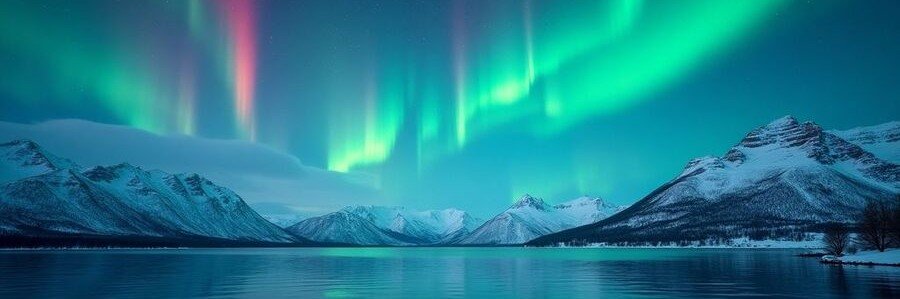
May and September can also be good choices. These months usually have fewer crowds and lower prices. May often brings clear air and snowy mountain views. September may offer fall colors and even a chance to see the Northern Lights. On the other hand, cooler weather and rougher seas are possible.
Overall, the best time depends on what matters most to you. For warmer weather and long days, aim for June through August. For smaller crowds and better prices, early or late season cruises still work well.
Why Take an Alaska Cruise?
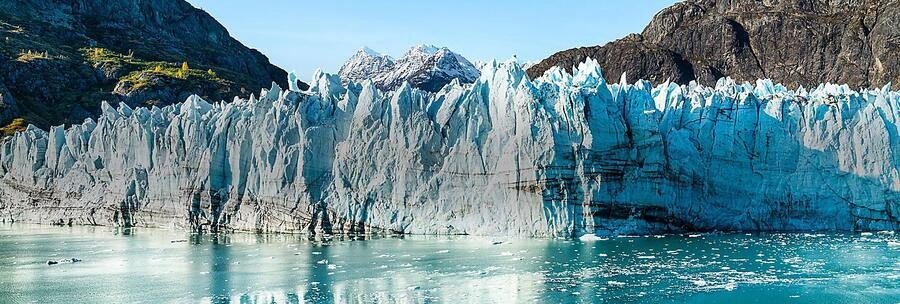
Unmatched Scenery: Alaska offers views you simply can’t get anywhere else. Massive glaciers, quiet fjords, and rugged mountains surround many cruise routes. You may even see glaciers “calve,” when huge chunks of ice break off and crash into the sea.
Wildlife Everywhere: Alaska cruises are great for animal sightings. From the ship, you might spot whales, seals, or bald eagles. Shore excursions can bring you closer to bears, moose, and other wildlife.
Plenty of Ship Choices: Alaska attracts many cruise lines each year. You’ll find everything from relaxed family ships to adults-only and luxury options. Because of this variety, travelers can match a cruise style to their budget and interests.
Land and Sea Adventures: Many cruises now include cruisetours. These combine a sailing with land trips to places like Denali National Park. As a result, you get a fuller Alaska experience beyond the coastline.
Memorable Excursions: Alaska offers unique shore activities. Helicopter glacier landings, dog sledding, rainforest ziplining, and whale watching all rank among popular choices. These excursions often become trip highlights.
Strategic Planning for an Alaska Cruise
Planning ahead makes a big difference on an Alaska cruise. Because the season is short, popular sailings can sell out quickly.
Book Early: Alaska cruises fill fast. Many sailings reach high capacity well in advance. Booking 18 to 24 months early often gives you better cabin choices and lower promotional rates.
Understand Seasonal Differences: May and September usually offer lower prices and fewer crowds. However, temperatures are cooler and weather can be less predictable. June and July bring warmer days, longer daylight hours, and strong wildlife activity. As a result, these months are often the most popular.
Choose Key Ports: First-time cruisers should look for itineraries that include Glacier Bay National Park. Many travelers consider it the highlight of an Alaska cruise. Ships spend time scenic cruising here, and park rangers often come aboard to provide live commentary.
Top Port Excursions for an Alaska Cruise
Shore excursions are often the highlight of an Alaska cruise. Because costs can add up fast, planning ahead helps you stay on budget. Some bucket list tours; like helicopter glacier landings, can cost over $600 per person. However, many lower-cost options still offer great scenery and wildlife.
Juneau: Juneau is known for whale watching and glacier views. Many travelers take a whale cruise. In addition, Mendenhall Glacier is easy to visit by shuttle. Guided hikes and canoe trips are also popular.
Ketchikan: Ketchikan is famous for fishing and Native culture. The Bering Sea Crab Fisherman’s Tour is a favorite. Meanwhile, Saxman Native Village offers insight into totem poles and local traditions.
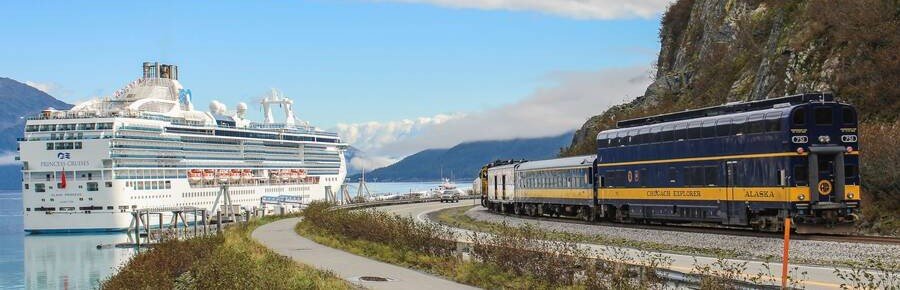
Skagway: Skagway blends Gold Rush history with mountain scenery. The White Pass & Yukon Route Railway remains a top excursion. As a result, many visitors choose this scenic train ride.
Sitka: Sitka mixes wildlife with local history. Visitors often stop at the Fortress of the Bear rescue center. In addition, the Alaska Raptor Center offers close views of native birds.
Icy Strait Point: This port focuses on wildlife and adventure. Whale watching is very popular. Also, the ZipRider zipline attracts thrill seekers looking for a unique experience.
Other Great Alaska Cruise Ports
While the main ports get most of the attention, several other stops add variety to an Alaska cruise. In fact, some of these smaller ports feel less crowded and more relaxed.
Seward: Seward often serves as a starting or ending point for Gulf of Alaska itineraries. It offers access to Kenai Fjords National Park, where boat tours bring you close to glaciers and marine wildlife. As a result, many travelers extend their trip here.
Whittier: Whittier is another common embarkation port near Anchorage. Although small, it provides easy access to Prince William Sound. Glacier cruises and kayaking tours are popular here.
Haines: Haines is quieter than nearby Skagway. However, it offers excellent kayaking and wildlife viewing. Because it sees fewer ships, it feels less busy and more local.
Victoria, British Columbia: Most Seattle-based cruises stop in Victoria to meet Canadian port requirements. Even so, the city offers beautiful gardens, waterfront walks, and historic architecture. It’s a pleasant evening stop.
Petersburg: Petersburg is known for its strong Norwegian heritage. In addition, it provides access to wildlife tours and glacier views in a more laid-back setting.
Wrangell: Wrangell is one of the lesser-visited ports. Therefore, it feels more authentic and less tourist-focused. Visitors often explore petroglyph beaches or take wildlife boat tours.
Choosing the Right Alaska Cruise Itinerary
Picking the right Alaska cruise route can shape your entire trip. Some itineraries focus on calm sailing, while others offer deeper access to Alaska’s interior. Therefore, it helps to know the main differences before you book.
Inside Passage (Roundtrip): These cruises usually depart from Seattle or Vancouver. The route follows protected waterways, so the seas are often calmer. As a result, this option works well for travelers who worry about seasickness.
Gulf of Alaska (One-Way): These sailings travel northbound or southbound between Vancouver or Seattle and Alaska ports like Seward or Whittier. Because they reach farther north, they allow land tours to places like Denali National Park. However, the open waters can sometimes feel rougher.
Glacier Access: Always check which glaciers your ship will visit. Many travelers recommend Glacier Bay National Park because of its dramatic scenery and wildlife. Since entry permits are limited, not every ship can sail there.
Seasonal Insights for an Alaska Cruise
Each month of the Alaska cruise season offers a different experience. Because weather, wildlife, and crowds vary, timing can affect both cost and comfort.
May: May usually has the lowest fares and fewer crowds. In addition, snow still covers many mountain peaks, which makes photos striking. However, temperatures remain cool, so layers are important.
June and July: These are the most popular cruise months. Wildlife activity often peaks, and daylight hours are very long. As a result, sightseeing time increases. However, prices are higher and ports can feel crowded.
September: September brings fall colors and fewer tourists. Some travelers also hope to see the northern lights. On the other hand, rain becomes more likely and temperatures begin to drop.
Top-Rated Alaska Cruise Lines for 2026
Choosing the right cruise line can shape your Alaska trip. Some focus on scenery. Others highlight fun, comfort, or luxury. Therefore, it helps to match the cruise line to your travel style.
Princess Cruises (Overall Leader): Princess is one of the most popular Alaska cruise lines. It offers many cruise-and-land tours near Denali. These trips help travelers see more of Alaska beyond the coast.
Holland America Line (Glacier Focus): Holland America has cruised Alaska for many years. Because of this, they often visit top glacier areas. Their ships usually attract travelers who prefer a quieter pace and good food.
Norwegian Cruise Line (Entertainment Focus): Norwegian is known for relaxed dining and lively shows. There are no fixed meal times. Also, ships like Norwegian Bliss include large lounges for glacier viewing.
Celebrity Cruises (Modern Luxury): Celebrity offers a modern upscale feel. Guests often like the design, food, and service. In addition, many ships include outdoor viewing spaces.
MSC Cruises (Growing Presence): MSC continues expanding Alaska sailings. As a result, prices can be competitive. The onboard style often feels more European.
Luxury and Small-Ship Cruises: Smaller ships offer a more personal trip. Because they carry fewer guests, they can visit quieter places. This often means less crowding and better wildlife viewing.
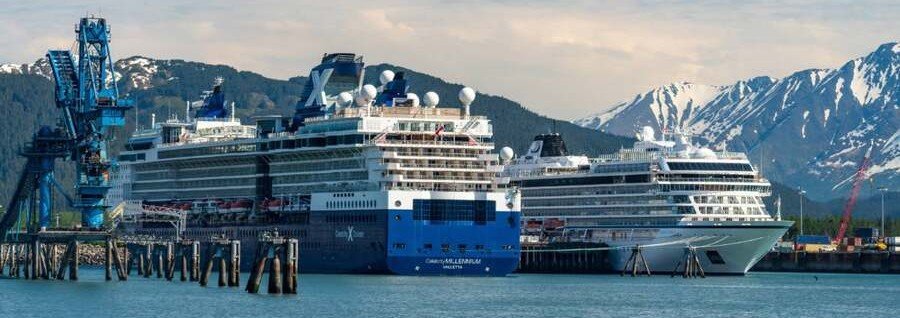
Is a Balcony Cabin Worth It on an Alaska Cruise?
Many travelers ask if a balcony cabin is worth the extra cost on an Alaska cruise. The answer depends on your budget and travel style. However, for many people, the upgrade is worth it.
A balcony gives you private views of glaciers, mountains, and wildlife. You can step outside anytime. That means no crowds and no rush to the deck. It also helps when the weather changes quickly.
Still, you do not need a balcony to enjoy Alaska. Ships have large viewing decks and indoor lounges. In addition, many scenic cruising days include announcements so guests know when to look outside.
Balcony cabins cost more. So, budget travelers often choose oceanview or inside cabins instead. This can free up money for excursions, dining, or pre cruise hotels.
Overall, a balcony adds comfort and easy access to scenery. But, it is not essential. If the price works for you, it can improve the experience. If not, you can still have an amazing Alaska cruise.
First-Time Alaska Cruise Tips
Taking your first Alaska cruise feels exciting. But, it also helps to know what to expect. These simple tips can make your trip smoother.
Expect changing weather. Alaska weather shifts fast. You may see sun, rain, and fog in one day. So, dress in layers and stay flexible.
Bring binoculars. Wildlife often appears without warning. Whales, seals, as well as eagles can show up in the distance. Binoculars help you see more from the ship.
Book key excursions early. Popular tours sell out fast. Helicopter rides, whale watching, and train trips often fill first. As a result, reserving early gives you better choices.
Listen for onboard announcements. Cruise staff and park rangers often announce wildlife sightings. When you hear one, head to the deck quickly.
Do not expect perfect wildlife views. Nature does not run on a schedule. You might see bears and whales daily. Or you might not. Even so, the scenery alone makes the trip worthwhile.
Arrive a day early. Weather delays can happen. Flying in the day before reduces stress and protects your cruise departure.
Overall, the key to a great Alaska cruise is flexibility. Plan ahead, stay patient, and enjoy the scenery.
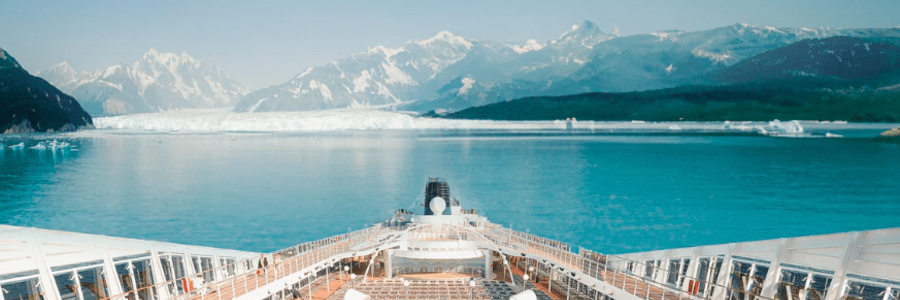
Wildlife Viewing Tips on an Alaska Cruise
Wildlife is one of the biggest reasons people book an Alaska cruise. However, sightings depend on timing and patience.
Look early and late in the day. Wildlife is often more active in the morning and evening. Therefore, step onto the deck before breakfast or around sunset.
Bring binoculars. Many animals appear in the distance first. Whales may surface far from the ship. Eagles often sit high in trees. Binoculars help you spot movement quickly.
Listen for announcements. Crew members and naturalists often alert guests to sightings. When you hear an announcement, head outside right away.
Spend time on deck. While you can see wildlife from a balcony, the best views are often on open decks. Move slowly and scan the water.
Be patient. Nature does not follow a schedule. You may see multiple whales one day and none the next. Even so, the scenery alone makes the experience special.
Glacier Viewing Tips on an Alaska Cruise
Glacier days are often the highlight of an Alaska cruise. These massive rivers of ice create a quiet and powerful atmosphere.
Dress warmly. Even in summer, air near glaciers feels cold. Wind off the ice lowers temperatures quickly. Therefore, bring layers and gloves on glacier days.
Arrive early on deck. Ships often slow down or rotate for better views. The best viewing spots fill quickly, especially on scenic cruising days.
Watch for calving. Calving happens when ice breaks off and falls into the water. You may hear a loud crack before it happens. Then a splash follows.
Check your itinerary. Not all cruises visit Glacier Bay. Some sail to Hubbard Glacier or Dawes Glacier instead. Each offers dramatic scenery, but Glacier Bay is often considered the most iconic.
Stay outside longer than you think. Glacier moments can happen suddenly. The longer you stay on deck, the better your chance of seeing ice fall or wildlife nearby.
Alaska Cruise Packing Essentials
Packing for Alaska is very different from packing for tropical cruises. Weather can change quickly, and layering is key for comfort. For a complete checklist, see The Best Essentials For Your Alaska Cruise You’ll Love, where you’ll find practical gear, clothing tips, and must-have items for your trip.
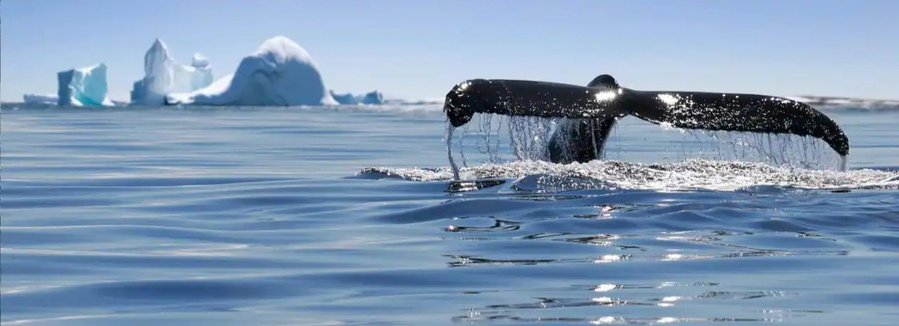
Final Thoughts on Your Alaska Cruise
An Alaska cruise offers a travel experience unlike any other. Glaciers, wildlife, and dramatic coastal scenery create memories that stay with you long after the trip ends. While weather can change quickly, the beauty of the region more than makes up for it.
Planning ahead helps you get the most from your cruise. Choose the right itinerary, book key excursions early, and allow time to simply enjoy the scenery. In addition, staying flexible makes the journey far more enjoyable.
Whether this is your first Alaska cruise or a return visit, the experience is always special. The landscapes feel vast, the wildlife encounters feel personal, and every sailing offers something new to discover.
Frequently Asked Questions About an Alaska Cruise
Is an Alaska cruise worth it?
Yes. An Alaska cruise offers glacier views, wildlife sightings, and dramatic scenery that are difficult to experience any other way. Even on rainy days, the landscapes remain impressive.
When is the best time for an Alaska cruise?
Most travelers prefer June, July, or August for warmer weather and long daylight hours. However, May and September often offer lower prices and fewer crowds.
Do I need a balcony on an Alaska cruise?
A balcony provides private views and easy access to scenery. However, you can still enjoy glacier days and wildlife from public decks and observation lounges.
Will I see whales and bears?
Wildlife sightings are common, but not guaranteed. Many travelers see whales, seals, and eagles from the ship. Bear sightings usually happen during shore excursions.
Is the Inside Passage calm?
Yes. Inside Passage routes are generally smoother because they sail through protected waterways. Gulf of Alaska itineraries may feel rougher at times.
Are Alaska cruises cold?
Summer temperatures often range from the 50s to 60s. It can feel colder near glaciers or in rain. Therefore, layers are essential.
How far in advance should I book?
Booking 12 to 24 months ahead often provides better cabin choices and pricing. Popular glacier itineraries can sell out early.



Pingback: Harriet Torres
That’s one of the biggest decisions people go back and forth on, and honestly, both options can work really well. A balcony is amazing for those quiet, personal moments—like watching glaciers drift by or spotting wildlife without leaving your room. It adds comfort and flexibility, especially on scenic days.
That said, the public decks and observation lounges are excellent too. They often give you wider views, and the atmosphere can be fun when everyone gathers for wildlife sightings or glacier moments. If it’s your first cruise, it really comes down to budget and how much private space matters to you.