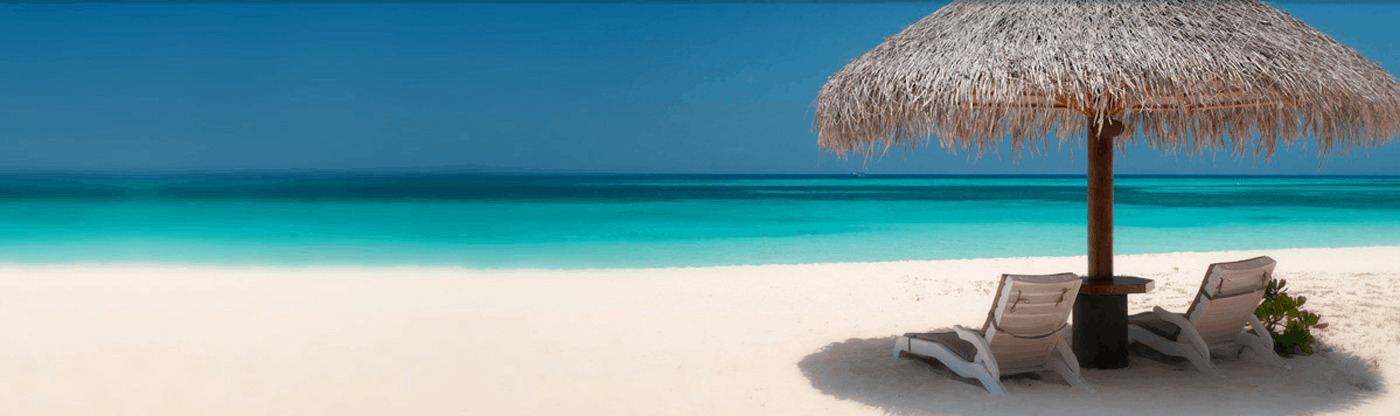
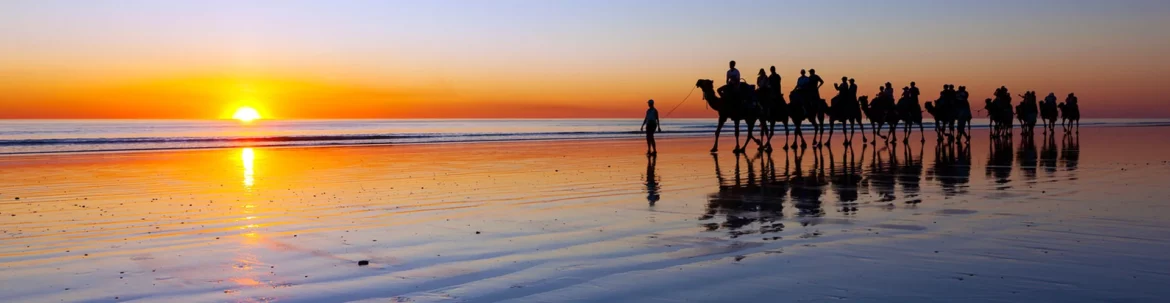
Prepare to discover a different side of Australia. Forget the crowds and uncover the natural wonders of Australia’s Coral Coast, a spectacular region defined by two World Heritage-listed sites: the mesmerizing Ningaloo Reef and the stunning Shark Bay. From swimming with gentle whale sharks to exploring ancient canyons, this coastline is a true paradise for adventurers.
Visit the best beaches of Australia here. Or visit us on Pinterest.
Why Visit Australia’s Coral Coast
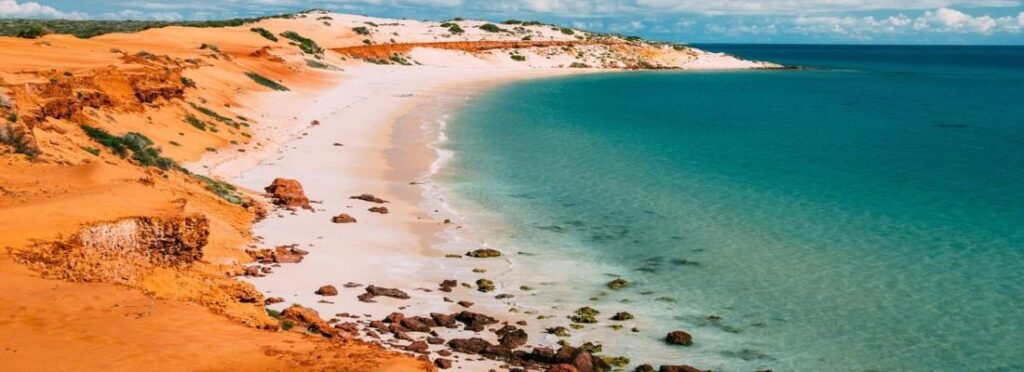
Australia’s Coral Coast is full of amazing wildlife and colorful landscapes. Unlike the crowded east coast, this area feels quiet and personal. Because of this, many travelers say it is one of Australia’s best road trips.
You can swim with whale sharks, manta rays, and humpback whales on Ningaloo Reef. In addition, Monkey Mia is famous for its friendly dolphins. Also, the Coral Coast Highway takes you to the Pinnacles Desert and the bright pink Hutt Lagoon.
The inland parks are just as stunning. For example, Kalbarri National Park has deep gorges and the famous Nature’s Window. You can also walk the Skywalk for wide views of the landscape. At night, the clear skies create some of the best stargazing in the world.
In the end, the Coral Coast mixes ocean and outback in a unique way. Whether you want marine life, beaches, or adventure, this part of Australia has it all.
Climate and When to Visit
Australia’s Coral Coast has a warm, sunny climate all year. Summers are hot and dry, with daytime highs of 30–35°C (86–95°F). Winters are mild, with daytime temps around 20–25°C (68–77°F) and cooler nights. Rain is rare, so sunshine is common in every season.
The best time to visit is from April to October. During these months, the weather is mild and comfortable. In addition, the sea is calm and clear, which is perfect for swimming and snorkeling.
From November to March, the weather is hotter. As a result, this is the peak season for marine life. For example, whale sharks arrive at Ningaloo Reef from March to July. Later, humpback whales pass through from July to October.
Therefore, the Coral Coast offers something special in every season. Choose April to October for mild weather and clear water. Pick November to March if you want warm seas and close encounters with marine giants.
Popular Beaches of Australia’s Coral Coast
Australia’s Coral Coast is blessed with some of the most beautiful and accessible beaches in Western Australia. These popular stretches of sand are easy to reach, family-friendly, and perfect for swimming, snorkeling, or just soaking up the sunshine. In addition, many of them are close to towns and resorts, making them ideal stops along a Coral Coast road trip.
Popular Beaches (well-known, easy access, facilities)
- Coral Bay – Coral Bay is one of the best-loved stops along the Coral Coast. Moreover, the calm turquoise water makes it safe for swimming and snorkeling. Here, the Ningaloo Reef starts right at the shoreline. As a result, you can step straight into coral gardens filled with colorful fish and turtles.
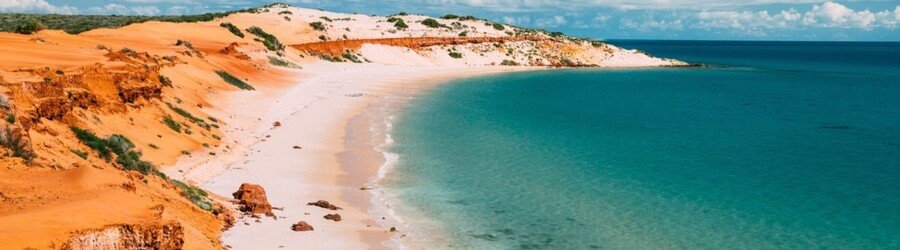
- Turquoise Bay (Exmouth) – Turquoise Bay is famous for its clear water and white sand. It is one of the best snorkeling spots in Australia. In fact, the drift snorkel lets you glide over coral gardens with very little effort. Also, it is easy to see turtles, rays, and bright tropical fish here.
- Monkey Mia Beach – Monkey Mia is world-famous for its wild dolphin encounters. Each morning, dolphins swim close to shore, creating a special experience for visitors. In addition, the beach itself has calm, shallow water that is great for families. Therefore, the nearby resort makes it a convenient stop on any Coral Coast trip.
- Geraldton Beaches – Geraldton offers wide sandy beaches with a lively coastal vibe. Because of this, the steady winds make it a hotspot for kite surfing and windsurfing. Also, the town has cafes, shops, and a relaxed atmosphere, so it is easy to spend the whole day here. For example, popular spots include Back Beach and Town Beach.
Hidden Gem Beaches (secluded, unique, off the beaten path)
- Shell Beach (Shark Bay) – Shell Beach is one of the most unusual beaches in the world. In fact, it is made entirely of tiny white shells instead of sand. As a result, the shore stretches for more than 60 kilometers with a dazzling, bright surface. Moreover, the shallow water is calm and very inviting.
- Hamelin Pool Stromatolites Shore – Hamelin Pool is home to rare living fossils called stromatolites. Therefore, this beach feels more like stepping back in time than a typical seaside visit. In addition, the boardwalk makes it easy to see the formations up close. Because of this, Hamelin Pool is one of the Coral Coast’s most unique natural sites.
- Lucky Bay (Kalbarri area) – Lucky Bay is a quiet beach with soft white sand and turquoise water. Unlike the busier beaches, this one often feels empty and untouched. Also, the bay is safe for swimming and has great spots for fishing. Consequently, it is a favorite for travelers who want peace and calm.
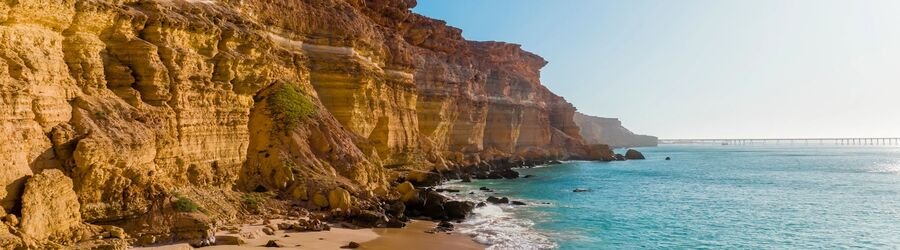
- Pot Alley Beach (Kalbarri National Park) – Pot Alley Beach is known for its dramatic cliffs and wild scenery. For example, the rocky headlands drop straight into the ocean, creating stunning views. In addition, the beach itself feels rugged and remote. As a result, Pot Alley is popular with photographers and nature lovers.
Marine Life Hotspots of Australia’s Coral Coast
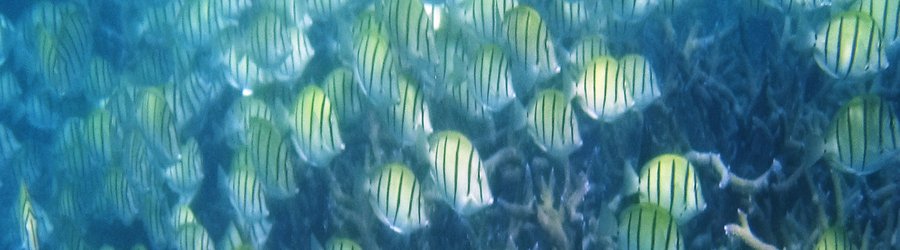
The Coral Coast is world-famous for its incredible marine encounters. In fact, this is one of the few places where the reef begins right at the shoreline. As a result, snorkeling and diving are easy and unforgettable.
- Ningaloo Reef (Coral Bay & Exmouth) – Ningaloo Reef is a UNESCO World Heritage site and one of Australia’s top marine destinations. For example, visitors can swim with whale sharks from March to July and humpback whales from July to October. In addition, manta rays, turtles, and tropical fish are common all year.
- Turquoise Bay (Exmouth) – Turquoise Bay is one of the most famous snorkeling beaches in the Coral Coast. In fact, its drift snorkel is considered the best in Australia. Also, the shallow coral gardens sit close to shore, making it easy to see rays, turtles, and colorful reef fish.
- Muiron Islands (near Exmouth) – The Muiron Islands are a hidden gem for divers and snorkelers. Moreover, the remote location means the reefs are healthy and teeming with life. For example, divers may spot reef sharks, manta rays, and schools of vibrant fish.
- Shark Bay Marine Park – Shark Bay is another UNESCO site, known for its diverse marine life. In addition, it is home to one of the world’s largest populations of dugongs. Also, visitors often spot dolphins, turtles, and rays in this protected environment.
Where to Stay on Australia’s Coral Coast
The Coral Coast is more than a road trip—it’s a chance to wake up with ocean views and the sound of waves at your doorstep. Along the coastline, you’ll find everything from luxury eco-lodges set in the dunes to boutique beachfront stays with local charm. Whether you’re after five-star indulgence or a hidden gem escape, these Booking.com resorts put you right by the sand.
Luxury Beachfront Resorts on Australia’s Coral Coast
- Sal Salis Ningaloo Reef (Exmouth) – A luxury eco-camp set in the dunes with safari-style tents, gourmet dining, and direct access to Ningaloo Reef.
- Mantarays Ningaloo Beach Resort (Exmouth) – Modern beachfront resort with ocean-view suites, a lagoon pool, and easy access to Turquoise Bay.
- Monkey Mia Dolphin Resort (Shark Bay) – A premium stay where you can step straight onto the beach and watch wild dolphins each morning.
- Ocean Centre Hotel (Geraldton) – A contemporary beachfront property with stylish rooms and sweeping ocean views in the heart of Geraldton.
Hidden Gem & Boutique Beachfront Resorts
- Kalbarri Edge Resort (Kalbarri) – A boutique stay near the Murchison River and coastal cliffs, offering spacious rooms and a relaxed vibe.
- On the Deck at Shark Bay (Denham) – A charming B&B with oceanfront decks, ideal for travelers seeking peace and personal touches.
- Osprey Holiday Village (Exmouth) – A quiet retreat with self-contained villas close to the beach and Ningaloo Reef adventures.
- Serenity In Style Villa (Kalbarri) – Family-friendly villas right by the water, perfect for a quiet coastal escape.
A Fresh Taste of the Coral Coast
Australia’s Coral Coast is not only about beaches and wildlife. It is also a place to enjoy unique flavors and fresh produce. Here, seafood from the Indian Ocean meets tropical fruits and inventive local dishes. In coastal towns, you can try the daily catch straight from local fishers. In addition, Carnarvon, fed by the “upside-down” Gascoyne River, is known as the region’s food bowl. It is famous for tropical fruit, farm stalls, and homemade preserves. Together, this mix of land and sea creates a culinary adventure worth savoring.
Must-Try Foods
- Western Rock Lobster: A sustainable delicacy prized for its sweet flavor. Try it in coastal towns like Cervantes and Geraldton, especially during the fishing season.
- Freshly Caught Seafood: Visit local markets for snapper, or enjoy fresh fish and chips in Exmouth and Coral Bay.
- Gascoyne River Produce: Stop at honesty stalls along Carnarvon’s “Fruit Loop.” Look for bananas, mangoes, melons, and grapes.
- Black Sapote Ice Cream: A rich ice cream made from the “chocolate pudding fruit” grown in the Gascoyne region.
- Award-Winning Preserves: Carnarvon producers turn fruit into inventive jams, sauces, and chutneys. They also make perfect souvenirs.
- Chocolate-Covered Fruit: Try fruit dipped in chocolate at Carnarvon plantations. It is a decadent and popular treat.
Must-Try Drinks
- Local Craft Beer: Froth Craft Brewery in Exmouth serves artisan beers in a lively, relaxed setting.
- Tropical Fruit Smoothies: Order mango or banana smoothies in Carnarvon cafes and plantation shops.
- Unique Local Spirits: Western Australian distilleries create craft gins and liqueurs with native botanicals.
- Chilled Bush Tea Mocktails: Cultural centers in Carnarvon sometimes offer refreshing bush tea mocktails.
No trip to Australia’s Coral Coast is complete without tasting these local favorites. The region’s food and drink add flavor to the journey, turning every stop into a feast for the senses.
Safe and Responsible Beach Adventures
Australia’s Coral Coast is a dream destination, but enjoying it safely and responsibly makes the experience even better. Follow these simple tips to stay safe in the water and help protect the coast’s fragile environment.
Beach Safety Tips
- Swim at patrolled beaches when possible, and follow lifeguard instructions.
- Check the conditions before entering the water. Strong currents and tides can change quickly.
- Wear sun protection, including reef-safe sunscreen, a hat, and sunglasses.
- Stay hydrated, especially during the hotter months.
- Watch for marine life. Most encounters are harmless, but always give animals space.
Conservation Tips
- Use reef-safe sunscreen to prevent damage to coral reefs.
- Take your rubbish with you, and avoid single-use plastics.
- Do not touch coral or shells, as they are fragile and part of the ecosystem.
- Stick to marked paths in national parks and dunes to protect vegetation.
- Respect marine life by keeping a safe distance from dolphins, turtles, and nesting birds.
Together, these simple steps keep you safe and help preserve the Coral Coast’s natural beauty for generations to come.
FAQs About Australia’s Coral Coast
Is Australia’s Coral Coast worth visiting?
Yes. Australia’s Coral Coast is one of the most beautiful regions in Western Australia. It combines pristine beaches, vibrant marine life, and unique inland landscapes.
What is the best time to visit Australia’s Coral Coast?
The best time is April to October. During these months, the weather is mild, the skies are clear, and the sea is calm for swimming and snorkeling.
Can you swim at the beaches on the Coral Coast?
Yes. Most beaches are safe for swimming, especially Coral Bay, Turquoise Bay, and Monkey Mia. However, always check local conditions and follow lifeguard advice where available.
What wildlife can you see on the Coral Coast?
The Coral Coast is famous for whale sharks, manta rays, humpback whales, dolphins, turtles, and dugongs. Inland, you can spot emus, kangaroos, and colorful birdlife.
How long do you need to explore the Coral Coast?
Plan at least 7 to 10 days. This gives enough time to explore major highlights like Ningaloo Reef, Shark Bay, Kalbarri National Park, and the Pinnacles Desert.
Discover the Magic of the Coral Coast
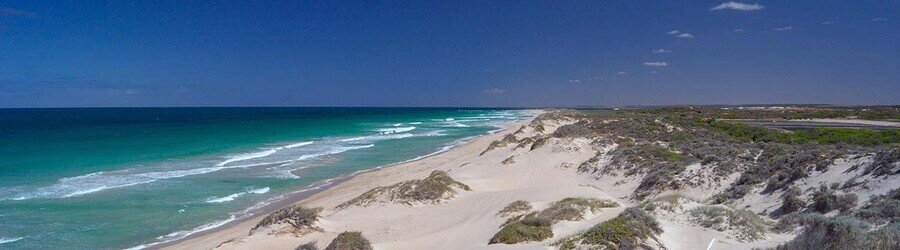
Australia’s Coral Coast is where red desert meets turquoise sea, creating a playground for adventure and relaxation. From vibrant reefs and pink lakes to quiet beaches and star-filled skies, every stop feels unforgettable. So pack your bags, hit the open road, and discover why this stretch of coastline is one of Australia’s greatest treasures.





Pingback: Hillary
Great question! The best time to visit Australia’s Coral Coast is generally from April to October, when the temperatures are mild, the skies are clear, and the sea conditions are perfect for swimming, snorkeling, and road-tripping. This stretch also overlaps with major wildlife seasons—whale sharks from March to July and humpback whales from July to October, especially around Ningaloo Reef. Summer months from November to March are hotter, but they offer warm water and vibrant marine activity, so it really depends on what experience you want. If you tell me whether you’re more interested in beaches, wildlife encounters, or road-trip sightseeing, I can recommend the ideal month for you.
This article really brings the Coral Coast to life—it’s been on my travel bucket list for years, and now I’m even more inspired to go. I love how you wove together the stunning natural beauty, rich cultural history, and the emphasis on responsible tourism.
The descriptions of Turquoise Bay and Coral Bay make it easy to imagine snorkeling among colorful coral and sea turtles, while the history of Shark Bay adds a deeper layer of appreciation for the area.
The mix of adventure, culture, and conservation makes the Coral Coast sound like a destination you could explore for weeks and still discover something new each day.
Questions:
1.) For a first-time visitor, how would you recommend dividing time between the major spots—like Turquoise Bay, Coral Bay, Shark Bay, and Kalbarri National Park—without feeling rushed?
2.) Are there any lesser-known beaches or coastal towns along the Coral Coast that are just as breathtaking but not as crowded?
I’m so glad the article inspired you even more to visit! For a first-time trip, I’d recommend spending about 2–3 days in Coral Bay to soak up the relaxed vibe, enjoy multiple snorkel trips, and maybe take a manta ray tour. Turquoise Bay is perfect as a day trip from Exmouth, so you could spend 1–2 days there, mixing in a visit to Cape Range National Park. Shark Bay deserves at least 2 days to explore Shell Beach, Monkey Mia, and the fascinating history of the area, while Kalbarri National Park is worth 2–3 days to take in both the coastal cliffs and inland gorges. For lesser-known gems, Port Gregory’s Pink Lake is a striking stop, and the quiet town of Dongara has lovely uncrowded beaches. You might also enjoy Horrocks Beach—small, laid-back, and perfect for a peaceful swim without the crowds.
I am always on the look out for awesome spots to visit in my beautiful country and what a fantastic and insightful guide to Australia’s Coral Coast!
You have truly captured the essence of this incredible region, from the pristine snorkeling at Turquoise Bay to the vital conservation efforts around Ningaloo Reef and the rich history of Shark Bay. It’s so helpful to see such a clear emphasis on both adventure and tranquility, along with those essential travel tips. I have added these to my must visit list!
Thank you so much—this made my day! Australia’s Coral Coast truly balances adventure and calm, and I’m thrilled the guide helped. Quick tips you might enjoy when you go: aim for April–October for clear skies; swim with whale sharks at Ningaloo in autumn–winter (roughly March–August); watch humpbacks in winter–spring (about July–October); and see turtle nesting and hatching in summer (November–March). For Turquoise Bay, try the drift snorkel on an incoming tide and follow the safety signs—currents can be strong. In Shark Bay, sunrise with the dolphins at Monkey Mia is magical, and the red sands of François Peron National Park meeting turquoise water are unforgettable. Pack reef-safe sunscreen, avoid touching coral or wildlife, and book Cape Range campsites early in peak months. If you’d like, I’m happy to share a simple 5–7 day route when you’re ready.
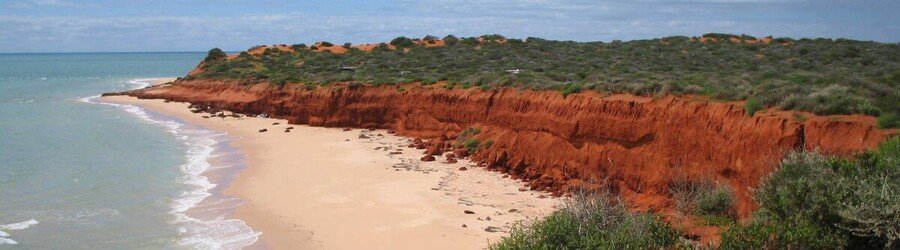
The tidal pool formations along the Coral Coast are fascinating—your tip about visiting at low tide to see the most vibrant marine life is spot on. The contrast between the red cliffs of Red Bluff and the turquoise waters makes for such a striking visual.
The safety note about rips and currents at Turquoise Bay is so important—it’s easy to get distracted by the beauty and forget the ocean’s power. Have you found certain times of year when the conditions are particularly calm for snorkelers?
This guide balances awe with practicality perfectly. That hidden gem near Exmouth (with the rock pools) is now on my must-visit list.
Thank you so much for your thoughtful comment! I’m really glad you enjoyed the tips about tidal pools and the stunning contrast between the red cliffs and turquoise waters—it’s truly one of those unforgettable landscapes.
Regarding the safety note at Turquoise Bay, you’re absolutely right—it’s easy to get caught up in the beauty but staying aware of currents is crucial. The calmest conditions for snorkeling tend to be in late spring and early autumn when the seas are usually gentler and the weather milder. However, it’s always best to check local conditions daily, as the ocean can be unpredictable.
I’m happy to hear that the hidden rock pool near Exmouth made it onto your must-visit list—it’s a special spot that rewards those who take the time to explore.
Thanks again for your kind words! If you ever visit the Coral Coast, I’d love to hear about your experience.
Australia’s Coral Coast truly is a breathtaking destination that perfectly blends natural beauty, rich biodiversity, and deep cultural heritage. From the crystal-clear waters of Turquoise Bay to the vibrant marine life of Coral Bay, every beach offers a unique experience for snorkelers and nature lovers alike. I love how the post highlights the importance of responsible travel and conservation efforts—protecting such delicate ecosystems is crucial for preserving their magic. The inclusion of cultural insights, especially about Shark Bay’s Indigenous history, adds meaningful depth to the travel experience. Plus, Kalbarri National Park’s rugged cliffs and peaceful trails seem like the perfect escape for adventurers and those seeking tranquility. Overall, the Coral Coast is a must-visit for anyone wanting to connect with nature, enjoy spectacular marine encounters, and appreciate Australia’s rich heritage in one stunning location.
Thank you so much for your thoughtful and beautifully worded comment! I’m so glad the post resonated with you—Australia’s Coral Coast truly is a special place where natural wonder and cultural heritage come together in such an inspiring way. You’re absolutely right: protecting these fragile ecosystems through responsible travel is key to ensuring they remain just as magical for future generations. I’m especially happy you appreciated the cultural aspects of Shark Bay; learning about the region’s Indigenous history adds such powerful context to the landscape. And yes—Kalbarri is a dream for both adventure and peace! Thanks again for taking the time to share your reflections. ????
The Coral Coast looks like an absolute paradise, especially for someone who enjoys both marine life and remote beach experiences. I’ve always been fascinated by coastal regions where nature still feels untouched. How accessible are these beaches for someone not traveling with a car? Also, how does the snorkeling experience compare between Ningaloo Reef and more commercialized spots like the Great Barrier Reef? I once visited a less-known reef in Indonesia and was blown away by the biodiversity, so I’m wondering if Ningaloo offers a similarly raw and vibrant experience. This post has definitely sparked a new travel idea!
Thanks for stopping by, and yes Ningaloo does offer a similar experience. Ningaloo is described as one of the world’s last truly wild marine treasures, offering a raw, untouched beauty. Unlike many other reef systems, you can snorkel right from the beach into Ningaloo’s vibrant coral gardens and encounter marine life immediately. Ningaloo is generally less popular than the Great Barrier Reef, resulting in a more intimate and less crowded experience. The reef teems with a diversity of marine life, including whale sharks, manta rays, dolphins, dugongs, and sea turtles. Operators are committed to sustainability, ensuring minimal impact on the environment and allowing for respectful wildlife interactions.
After learning about the Coral Coast in Western Australia, I am tempted to put it on my list of destinations. I love visiting places with an abundance of natural wonders, and coral reefs and ancient rock formations make for fascinating settings. I am also a proponent of responsible travel. Coral Bay sounds inviting with its variety of marine life. So many interesting places to visit in this area. From your description April to October is the ideal time to visit.
I agree with you 100% Joseph! I also appreciate you for visiting my site and taking the time to leave me comments! Thank you!
Again, great information. I have also heard of the Coral Coast Highway. Can you tell me a little about that? I would love to take a road trip while in Australia to visit the area, and of course all the amazing beaches. So wondering if the Coral Coast Highway would be the way to go for traveling around the area.
The 800 mile long Coral Coast Highway between Perth and Exmouth is one of Australia’s Great Scenic Drives, and has been referred to as one of the greatest road trips on earth.
You’ll discover a combination of some of Australia’s most amazing attractions and experiences, as the road hugs the Indian Ocean coastline.
The Coral Coast Highway takes you to Shark Bay and Ningaloo. You’ll find pristine coastlines and colorful reefs, gorges and striking ranges, world-class diving, snorkelling and fishing, an abundance of incredible wildlife and marine life, heritage, history and culture, foodie experiences and carefully crafted brews, and a landscape filled with colour from green to blue, red to pink, orange to yellow…you’ll enjoy!
This post truly opened my eyes to how incredible the Coral Coast is. The part about Turquoise Bay especially stood out — swimming alongside sea turtles and vibrant fish sounds like something out of a dream. I also appreciated your mention of eco-friendly practices and how they support local communities. As someone who’s never been to Australia but loves nature and sustainability, this felt like a perfect destination. Do you know if it’s suitable for older visitors who might not be confident swimmers, or is it mainly for the adventurous?
Yes, Turquoise Bay in Western Australia’s Coral Coast is generally considered suitable for both young and senior visitors, particularly for those who enjoy beach activities and snorkeling. The bay offers beautiful scenery, clear waters, and a thriving marine environment. Thanks for visiting David!