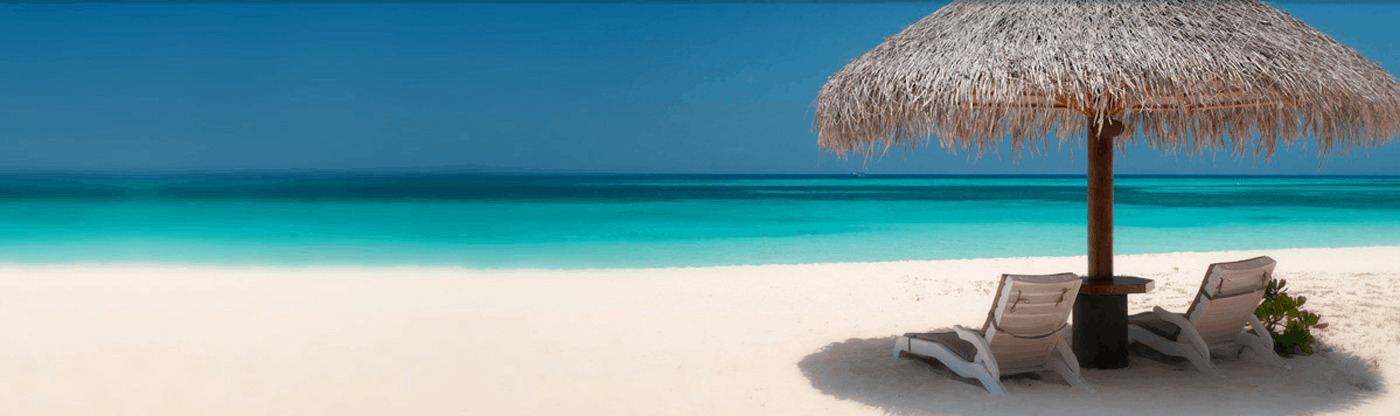
The beauty of the Mani Peninsula in Greece is unlike anywhere else. Tucked between rugged mountains and the sparkling Mediterranean, it feels both timeless and untouched. Villages of stone houses cling to the hillsides, while winding roads lead you to quiet coves and sunlit beaches.
What makes Mani special is its mix of wild landscapes and deep tradition. You’ll find medieval tower homes, ancient chapels, and stories of a fierce past at every turn. Yet, the region also invites you to slow down—whether it’s sipping coffee in a sleepy square or walking along a rocky shoreline at sunset.
For me, the Mani Peninsula is more than just another stop in Greece. It’s a place where history, nature, and local life all blend together, creating an experience that feels authentic and unforgettable.
You can also visit our Greece guide for more information on Greece’s beautiful beaches, or on Pinterest.

The Mani Peninsula Climate and When to Visit
The Mani Peninsula enjoys a classic Mediterranean climate. Summers are hot, sunny, and dry, while winters are mild with some rain.
From June to September, the weather is perfect for the beach. Days are long, skies stay clear, and the sea is warm. In July and August, average highs reach 30°C (86°F), while nights cool to about 22°C (71°F). During this time, the sea invites swimmers with temperatures around 25°C (77°F).
However, if you prefer fewer crowds, May and October are ideal alternatives. The weather is still warm, the sea remains pleasant, and the atmosphere feels more relaxed. These months also bring softer light, which makes the coastline especially beautiful.
By contrast, November to March is much quieter. Rain is more frequent, but temperatures stay mild, often between 10–15°C (50–59°F). This season is better for hiking or exploring villages rather than long beach days.
The Beautiful Beaches in the Mani Peninsula
Popular Beaches
Kalogria Beach is one of the most loved spots in Mani. Its golden sand and shallow waters make it family-friendly. Kids can swim safely, while adults relax under the sun.
Foneas Beach has dramatic cliffs and clear blue water. It is a favorite for snorkeling and even cliff diving. The pebbly shore feels wild and unspoiled.
Mavrovouni Beach stretches for several kilometers. Surfers and windsurfers come here when the winds rise. Despite its size, the beach never feels too crowded.
Stoupa Beach is lively but still charming. Taverns and cafés line the shore, giving plenty of food and drink choices. The soft sand and calm waves invite all-day swims.
Gerolimenas Beach sits near a fishing village with stone houses. The small bay is calm and scenic, perfect for quiet swims. Sunset views here are especially magical.
Hidden Gem Beaches
Foneas Cove is a tucked-away treasure. Few people visit, so you often have it almost to yourself. Snorkeling around the rocks reveals colorful marine life.
Porto Kagio Beach is small and peaceful. Fishing boats dot the bay, adding to its charm. It’s a wonderful stop for kayaking or a seaside meal.
Vathia Beach lies below the famous tower village of Vathia. The pebbly shore is quiet, with turquoise water that feels untouched.
Diros Beach is near the famous caves. The setting combines history and nature in one stop. It’s easy to pair a swim with a cave tour.
Almiros Beach is one of the least visited. The clear water and gentle waves make it perfect for swimming. Its simple beauty is what makes it so special.
Popular Activities at the Beaches in the Mani Peninsula
Mani’s beaches are more than places to relax. Families love Kalogria Beach for its calm, shallow waters. Foneas Beach is great for snorkeling and even cliff jumping. On windy days, Mavrovouni Beach becomes a hotspot for windsurfing.
Nature fans may spot sea turtles nesting in summer. Hidden coves like Porto Kagio invite quiet kayaking trips. Vathia Beach offers a peaceful escape with clear waters for swimming. No matter your style, Mani has something for everyone.
Safety Information for the Mani Peninsula
Overall, the Mani Peninsula is safe for travelers. Crime is low, and locals are welcoming. Still, it’s always smart to keep valuables secure and stay alert in busy areas.
At the beach, safety comes first. Not every beach has a lifeguard, so check before swimming. Look for safety flags—green means conditions are safe, yellow signals caution, and red means swimming is dangerous. Strong currents can appear, especially on windy days, so stay close to shore if you are unsure.
The sun is another hazard. Summer days get very hot, so use sunscreen, drink plenty of water, and bring shade if you plan to stay long. Jellyfish are rare, but it’s wise to watch for posted warnings.
For road travel, be careful on narrow mountain routes. Driving can be challenging with sharp curves, so take your time and avoid rushing. If you prefer, taxis or local drivers are available.
With a bit of awareness, you’ll find Mani a safe and enjoyable place to explore. Beaches, villages, and trails are all best enjoyed when you combine caution with curiosity.
Unique Flavors of Mani: Local Food and Drinks You Must Try
One of the best ways to experience Mani is through its food. The region is famous for simple, fresh dishes rooted in tradition. Here are some highlights you won’t want to miss:
- Lakonian Olive Oil – Golden, rich, and known as some of Greece’s best. Drizzle it over bread or salads.
- Maniatiko Syglino – Smoked pork preserved in olive oil, a savory local specialty.
- Fresh Grilled Octopus – Tender, smoky, and often served with lemon by the sea.
- Ladera – Vegetable dishes slow-cooked in olive oil, both healthy and full of flavor.
- Sfela Cheese – A semi-hard sheep’s milk cheese, slightly tangy and delicious grilled.
- Local Honey – Thick and floral, often paired with yogurt or drizzled over pastries.
- Greek Coffee – Strong and rich, usually enjoyed slowly in village cafés.
- Ouzo or Tsipouro – Classic Greek spirits, often shared with small plates of meze.
Local Culture and Etiquette of the Mani Peninsula
Life in Mani feels deeply tied to tradition. Villages keep their old stone houses, and family life plays a central role. Respecting this way of life will make your visit even more rewarding.
When visiting churches or monasteries, modest clothing is expected. Shoulders and knees should be covered. At the beach, swimwear is fine, but in villages it’s polite to wear light cover-ups.
Greeting locals with a smile and a simple “Kalimera” (good morning) goes a long way. Hospitality here is strong, and many families still practice the old Greek custom of welcoming strangers with food or drink.
Tipping is appreciated but not required—rounding up the bill or leaving small change is enough. Finally, remember that life in Mani moves at a slower pace. Meals are enjoyed slowly, and conversations linger, so take your time too.
Where to Stay: Luxury and Budget Resorts in the Mani Peninsula
Luxury Resorts
- Tainaron Blue Retreat — A castle-like retreat in Vathia offering sea views, hydrotherapy pool, and Michelin-star ambiance.
- Thirides Beach Resort — Elegant seaside lodging in Gythio with luminous design and immersive coastal views.
- BASSA MAINA Villas & Suites — Modern villas near Areopolis, complete with pool, fitness center, and serene gardens.
- Kannas Mani Luxury Suites — Adults-only modern suites in Stoupa, steps from the beach with stylish décor and an adult vibe.
- YeeOn Living‑Well Boutique City Hotel Gythio — Stylish and contemporary boutique hotel nestled in Gythio with wellness features and central access.
Budget-Friendly Options
- The Olive Yard – Relax among Selinitsa olive groves. Furthermore, enjoy breathtaking sea views, luxury accommodations, and premium Coco-Mat beds.
- Yerma Suites Limeni – Beachfront luxury suites in Limeni with panoramic sea views. Moreover, enjoy comfort, convenience, and Mani charm.
- KaSeas Boutique Hotel – Secluded and peaceful, this sandy beach offers calm water and fewer crowds.
- Porto Kale Guesthouse – Beachfront escape in Porto Kagio with stunning sea views and traditional charm. Furthermore, enjoy warm hospitality & delicious breakfast.
- YeeOn Living-Well Boutique City Hotel Gythio – Historic charm meets wellness. Moreover, enjoy a spa, gourmet dining & prime Gythio location.
Local Culture & Etiquette in the Mani Peninsula
Dress with respect. When visiting churches or monasteries, cover shoulders and knees. Swimwear is fine at the beach, but wear light clothing in towns.
Use local greetings. A simple “kalimera” (good morning) or “efharisto” (thank you) goes a long way and shows appreciation for the culture.
Embrace slow dining. Meals are not rushed. Take your time, enjoy each course, and join in the relaxed pace of Greek life.
Hospitality matters. If invited into a local home, it’s thoughtful to bring a small gift like wine, sweets, or olive oil.
Be mindful with photos. Always ask before photographing people, homes, or religious ceremonies. Respect is valued.
Observe local customs. In rural areas especially, traditions remain strong. Joining in village festivals or simply listening to local music helps you connect.
Frequently Asked Questions about the Mani Peninsula
Is the Mani Peninsula safe for travelers?
Yes, it’s considered very safe. In fact, petty crime is rare, and locals are welcoming. However, as in any destination, it’s wise to keep valuables secure, especially at busy beaches.
What’s the best time for beach weather?
The sweet spot is June through September. During these months, you’ll enjoy sunny skies, warm seas (around 25°C / 77°F), and calm conditions for swimming. On the other hand, May and October can still be pleasant but quieter.
Do I need a car to explore Mani?
A car makes exploring much easier. Because the villages and beaches are spread out, public transport is limited. In addition, renting a car allows you to reach hidden coves that taxis and tours might skip.
Are Mani beaches family-friendly?
Many of them are. For example, Stoupa and Kalogria have soft sand, gentle waters, and nearby tavernas. However, rocky coves are better suited for confident swimmers than for small children.
What kind of food can I expect?
Fresh seafood, grilled meats, and local olive oil dominate menus. In addition, traditional dishes like “ladera” (slow-cooked veggies) are popular. Pairing them with local wine or ouzo makes the experience even more authentic.
Final Thoughts: Why Mani Belongs on Your Travel List
The Mani Peninsula blends dramatic landscapes, quiet beaches, authentic villages, and warm hospitality. Because of this balance, it feels like a rare corner of Greece that remains unspoiled.
In addition, Mani offers both relaxation and adventure. One day you might swim in turquoise waters, and the next you could explore stone-built villages or hike rugged trails. This variety makes it appealing to both beach lovers and culture seekers.
If you want a destination that combines natural beauty, history, and true Greek charm, the Mani Peninsula is hard to beat.
Related Posts
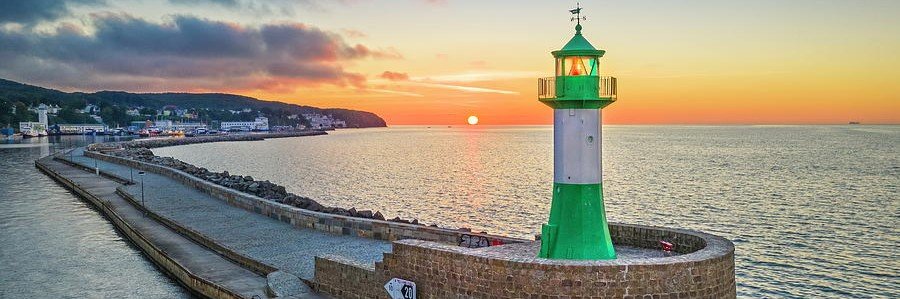
 Discover the Most Beautiful Coastal Landscapes of Sassnitz Germany
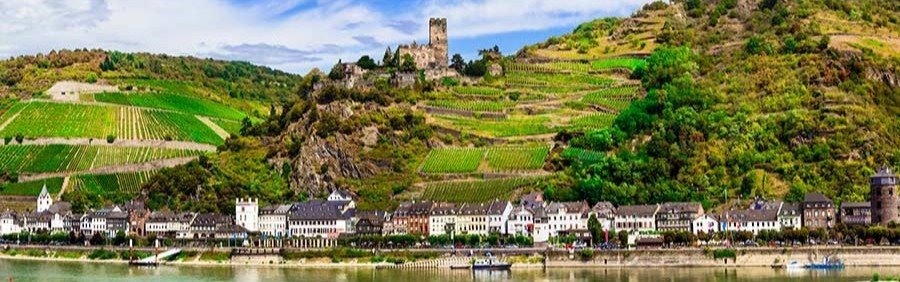
- Rhine Gorge: The Most Stunning Hidden Castles You’ll Love
- The Most Beautiful Heidelberg Old Town and Stunning Castle Views You’ll Love
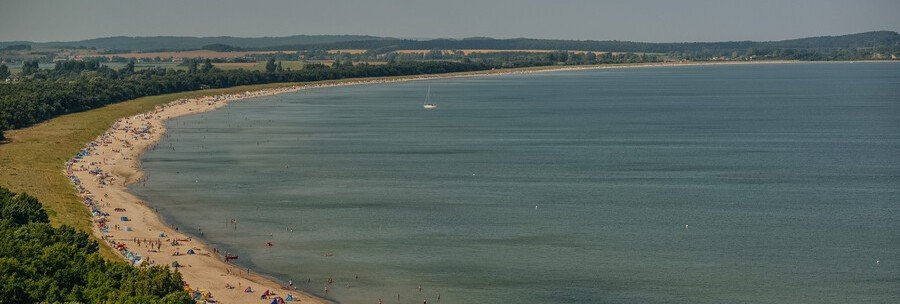
- The Most Stunning Baabe Rügen Island Beaches and Hidden Coastal Gems You’ll Love
- Why Travelers Love the Stunning Seaside Resort of Thiessow Germany
- Explore Göhren Rügen Germany: The Most Beautiful Baltic Coast Escape




The Mani Peninsula sounds absolutely magical the way you describe it — rugged, peaceful, and full of history. I love the idea of exploring stone villages and then slipping down to a quiet cove for a swim. It feels like the perfect escape from the busier parts of Greece. For someone visiting for the first time, do you think it’s better to base yourself in one town like Stoupa or Areopolis, or is it worth staying in two different areas to experience more of the region?
Great question! If it’s your first time in Mani, splitting your stay can give you the best mix of scenery and experiences. Stoupa works beautifully for beach time, easy swims, and seaside dining, while Areopolis feels more traditional with stone architecture, history, and great access to inland villages. Many travelers enjoy 2–3 nights in each so they can explore both the coast and the mountains without long drives. If you prefer simplicity, either one also makes a great single base — Stoupa for a relaxed beach vibe, or Areopolis for culture and day trips. Let me know what kind of trip you’re imagining, and I can help you narrow it down!
The Mani Peninsula sounds so fascinating — I love that it still feels authentic and not overrun with tourists. I’ve been to Santorini and Crete, but this seems completely different. Would you recommend Mani for a first-time trip to the Peloponnese, or should travelers see other areas first?
That’s such a great question — and you’re absolutely right, Mani offers a completely different side of Greece! It’s less polished than Santorini or Crete, but that’s what makes it magical. For a first-time trip to the Peloponnese, Mani is a perfect choice if you love authentic villages, unspoiled beaches, and history woven into every view. Towns like Areopolis and Gythio blend comfort with local charm, while beaches such as Kalogria and Foneas offer that crystal-clear water Greece is famous for — but without the crowds. You can easily combine Mani with nearby spots like Kalamata or Sparta for variety. Whether you’re hiking the Taygetos Mountains, exploring the Diros Caves, or simply relaxing at a boutique hotel in Vathia, Mani delivers a truly unforgettable Greek experience.
The Mani Peninsula looks absolutely breathtaking! I love how it seems to balance rugged history with such peaceful beaches. I had no idea there were hidden coves like Porto Kagio or beaches near villages like Vathia. The food you described—especially the Sfela cheese and fresh octopus—makes it sound even more authentic. Would you recommend staying in one central town like Areopolis or moving around to different villages to get the full experience?
Thank you for such a thoughtful comment! You’re right—Mani is special because it blends history, wild beauty, and local traditions all in one place. If it’s your first visit, staying in a central spot like Areopolis or Stoupa works really well since you’ll have easy access to both beaches and mountain villages. On the other hand, if you want to soak in the quieter side of Mani, splitting your time between a northern base (like Gythio or Areopolis) and a southern base (such as Porto Kagio or Vathia) gives you two very different but equally charming perspectives. Do you usually prefer to stay put in one place or explore by moving around during your trips?
What a beautiful write-up! I love how you captured the balance between Mani’s rugged landscapes and its rich traditions—it really feels like a place where time slows down. The mix of dramatic beaches, medieval tower homes, and authentic food sounds like the perfect recipe for both adventure and relaxation.
I’m curious—since Mani offers such a wide variety of beaches, from family-friendly sands to secluded rocky coves, which one would you personally recommend as the absolute must-visit for a first-timer?
Thank you—that’s such a beautiful way to describe Mani! I’m glad the contrast between its rugged coastlines and centuries-old traditions resonated with you. You’ve captured the spirit of the place perfectly: a landscape that makes time feel rich and deep.
If I had to recommend just one beach for a first-timer, it would absolutely be Marmari Beach. It’s easy to reach but still feels tucked away, with soft sand, calm blue water, and just the right balance of wild scenery and welcoming atmosphere. There are no crowds here—just a sense of space and quiet that really lets you breathe in the beauty of the Mani.
That said, if you’re up for a bit more exploration, Gerolimenas Bay offers dramatic cliffs and unique rock pools—great for quiet reflection and discovering the hidden side of Mani. Both places give you a perfect starting point to experience the peninsula’s soul.
Thanks again for sharing your curiosity—it’s folks like you who help bring these places to life even more vividly in the words!
What a wonderful deep dive into Mani — I love that you went beyond just the beaches and shared culture, etiquette, and even food. The detail about sea turtles nesting in summer really stood out; it’s amazing how this region balances rugged natural beauty with such authentic traditions.
You also mentioned linking to your larger Greece guide and Pinterest — for someone new to Greece, would you suggest starting with Mani as a first stop, or pairing it with another region to really get a sense of the country’s variety?
Thank you so much for your kind words! I’m glad you enjoyed the mix of beaches, culture, and food—it really is what makes Mani stand out as such a unique part of Greece. The sea turtles are a special highlight in summer and a reminder of how untouched this region still feels. For a first-time visitor to Greece, I’d say Mani is wonderful if you’re drawn to quieter villages, rugged landscapes, and authentic traditions. However, pairing it with a region like the Peloponnese as a whole—or even adding on time in Athens or the Cyclades—gives you a great balance of history, city life, and island charm. That way, you can enjoy the authentic beauty of the Mani Peninsula while also getting a taste of Greece’s variety.
Loved this guide to Mani. You’ve balanced climate tips, beach picks, safety, and food/culture so well that it reads like a ready-made playbook. The contrast of rugged tower villages with quiet coves really sold me; I’d aim for the May/October shoulder season, base around Areopoli or Stoupa, and hunt down sfela, syglino, and that legendary olive oil. Your hidden gems section (Porto Kagio, Vathia) is exactly the kind of detail most guides skip nice touch. Personally, I’m most excited about pairing a Diros Cave stop with a late-afternoon swim at Foneas. If I had just 3 days, which town would you use as a base and what car-friendly loop (must-see beaches + villages) would you prioritize?
Thank you so much for your thoughtful feedback! I’m glad the mix of beaches, villages, and food resonated with you—it really is what makes Mani so special. For a quick 3-day visit, I’d personally base myself in Areopoli. It’s central, full of charm, and makes it easy to reach both the rugged southern villages and the quieter coastal towns. One great loop would be: start with the Diros Caves, continue down to Vathia for its haunting tower houses, then push all the way to Cape Tenaro for that “edge of Europe” feeling. On another day, I’d head north to Stoupa and Kardamyli for beautiful beaches and a more relaxed pace. And of course, weaving in a stop at Foneas Beach after the caves is a perfect idea! Have you thought about whether you’d prefer to stay inland in Areopoli or right on the water in Limeni?
Wow—after reading this guide, the Mani Peninsula sounds like one of those rare places where every turn feels like walking through a living storybook—full of texture, contrast, and quiet surprises. I haven’t visited the region myself, but it definitely seems like a hidden gem for travelers.
I also appreciated that you touched on more than just the beaches. The details about cultural etiquette and seasonal rhythms really made it feel like Mani has a deeper connection to Greece than some of the more tourist-heavy islands.
Couples of questions:
Do most visitors tend to spend multiple days here, or is it usually a brief stop along a larger Peloponnese itinerary? and how
accessible is it for someone doing a road trip from Athens? Are the roads beginner-friendly for international drivers?
Thanks for painting such a vivid picture—this might’ve just climbed a few spots on my travel bucket list.
That’s such a wonderful comment, and I’m glad the post brought out the special character of the Mani Peninsula for you! Most visitors do spend multiple days here since the region has so much depth—between the coastal villages, Byzantine towers, and hidden coves, it’s best enjoyed at a slower pace rather than a quick stop. At the same time, some travelers include Mani as part of a larger Peloponnese loop, so it really depends on how much time you want to give to soaking in its atmosphere. As for accessibility, a road trip from Athens is very doable. The main highways are well maintained, and while the roads narrow and wind as you enter Mani, they’re manageable for international drivers who stay cautious and take their time. Many travelers actually enjoy the drive, since it adds to the adventure and opens up views you wouldn’t see otherwise.
Every time I visit this website I have a new destination to add to my bucket list. I noticed you have some recommendation’s for places to stay. So, I have a quick question.
Which one of these would you recommend for a couple that’s on a budget but still offers ocean views and some decent amenities?
Thank You,
Jason
Jason, thank you so much for your kind words! I’m thrilled that each visit inspires you to add another destination to your bucket list. The Mani Peninsula really is full of unique beauty and coastal charm, so I’m glad you enjoyed the guide.
For a couple traveling on a budget but still wanting ocean views and good amenities, I’d recommend looking at Kardamyli or Stoupa. Both towns have smaller boutique hotels and guesthouses that are more affordable compared to luxury resorts, yet many still offer sea-view balconies, pools, and close access to the beach. They strike a nice balance of comfort without stretching the budget.