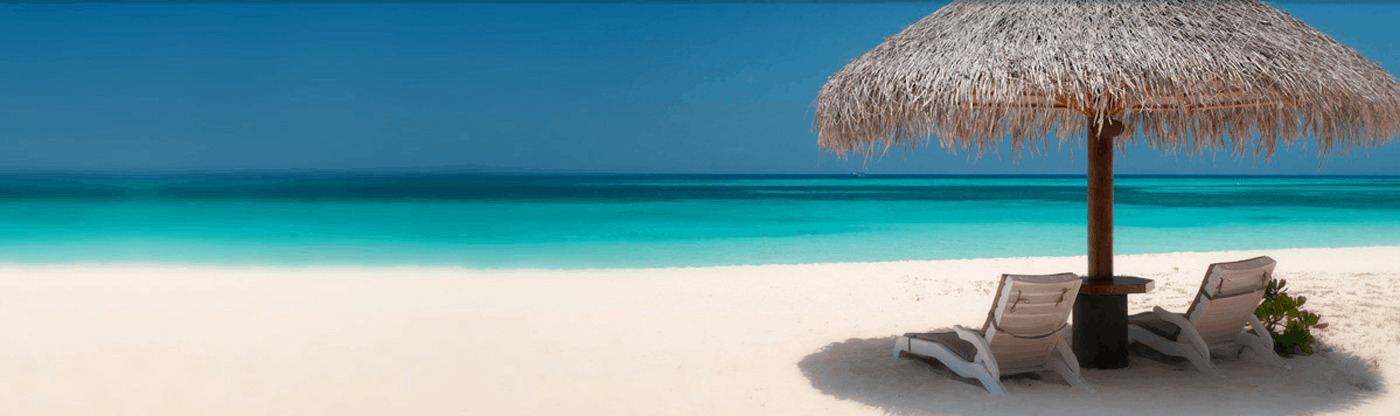
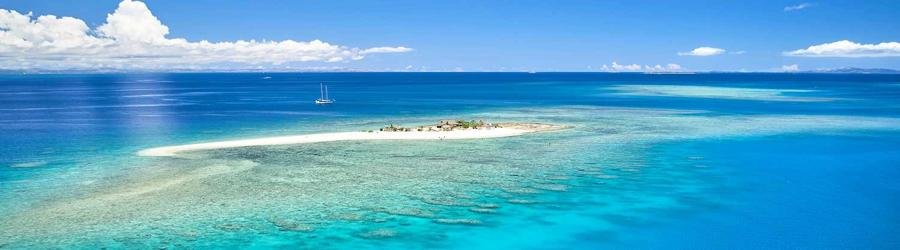
Welcome to Beautiful Viti Levu Fiji—your easy base for beaches, gardens, and day trips. In fact, you can land in Nadi and start exploring the same day.
Welcome to Beautiful Viti Levu Fiji. Also, it’s a great place to begin a Fiji trip. It’s Fiji’s main island and the easiest base for beaches, culture, as well as quick day trips. You can land in Nadi and start exploring the same day. In fact, everything feels close and simple.
Here, white-sand coasts meet emerald hills and warm villages. Also, coral lagoons, gardens, and waterfalls are within easy reach. As a result, Viti Levu suits first-timers, families, and couples. Above all, the island delivers classic Fiji—without long ferries.
Learn more about Fiji here, or visit us on Pinterest here.

Weather & When to Visit Beautiful Viti Levu
Viti Levu stays warm throughout the year, with daytime highs around 26–31°C (79–88°F). The sea sits near 26–29°C (79–84°F), so swimming is comfortable in every season. Also, beach days are easy to plan.
Dry Season: May–October
Days are sunnier with lower humidity, and evenings feel cooler with the trade winds. In addition, this is a great time for beaches, hiking, and clear views. But, it’s also the most popular season, so booking ahead helps secure the best stays.
Wet Season: November–April
The weather turns warmer and more humid, and the island becomes lush and green. Showers often arrive as short afternoon bursts, and cyclone risk peaks from January to March. Even so, crowds thin and travel deals improve, making it a relaxed time to visit.
Sweet Spot Months
May, June, September, and October offer a good balance of sunshine, value, and comfortable temps. Plus, these months suit families, couples, and first-time visitors, and planning feels simple.
Why Visit Beautiful Viti Levu
Viti Levu is Fiji made easy. In fact, it’s the main island with the simplest access, roads, and day trips. As a result, first-timers, couples, and families all feel at home here.
Beaches & lagoons
Natadola, Coral Coast pockets, and quiet northern bays deliver soft sand and calm water. Also, reef trips are close and simple.
Culture you can feel
Markets, village visits, kava, and meke bring Fiji to life. In addition, Suva and Nadi add museums, gardens, and local food.
Nature close at hand
Sand dunes, waterfalls, and orchid gardens sit near the coast. As a result, you can mix beach days with rainforest walks.
Easy day trips
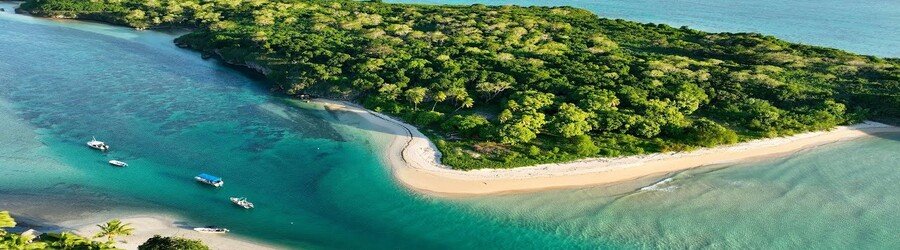
Boats run to sandbars and nearby islands from the west side. In fact, you can be on the water within minutes of Nadi.
Stays for every budget
From boutique beach stays to full-service resorts, options are wide. Above all, planning feels flexible and low-stress.
Warm, year-round weather
Sunshine is the norm, and the sea stays inviting. Finally, that means more time outside—and less time planning.
Beaches on Viti Levu: What to Expect
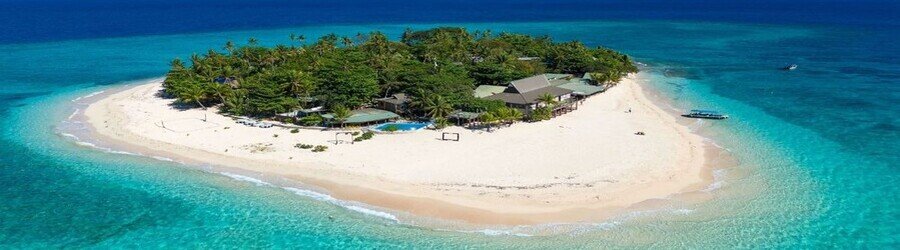
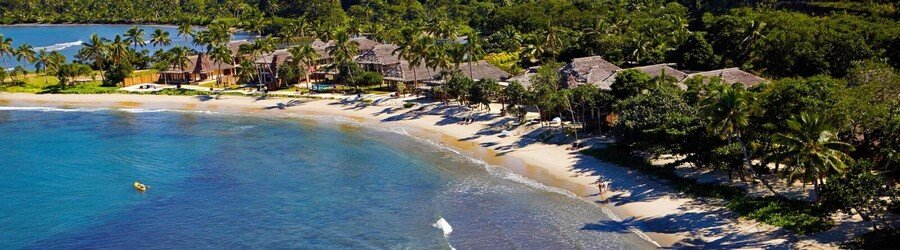
Viti Levu’s coast shifts from wide sandy bays to coral-fringed lagoons. The Coral Coast has shallow, reef-protected water that suits families as well as relaxed swims. Up north near Rakiraki, the water feels clear and glassy over colorful reefs. Nadi Bay beaches are social, easy to reach, and close to sunset bars. Also, mornings are often calmer before the trade winds rise. Low tide can reveal sandbars and tide pools, so reef shoes help on coral patches. Plus, you can mix lazy swims, snorkel runs, as well as sunset walks in the same day.
Popular Beaches of Beautiful Viti Levu
These beaches are easy to reach and offer different moods along the coast. Also, many are close to cafés and day-trip docks.
Natadola Beach (Coral Coast)
Soft sand, gentle waves, and big ocean views. So, it’s great for swimming and beginner surf, and it’s the beach many travelers picture when they think of Fiji.
Wailoaloa Beach (Nadi Bay)
Long and social, with sunset walks and beach bars near the airport. Plus, it’s an easy first stop if you want a relaxed evening by the water.
Pacific Harbour Beach (Pacific Harbour)
Wide sands with cafés and tours close by. Beqa Lagoon boats depart nearby. So, it’s a simple base for both beach time and adventure.
Volivoli Beach (Rakiraki area)
Clear water and reef access off the tip of the island. Snorkel and dive boats leave from this area, so it works well for reef lovers.
Momi Bay Resort Beaches (Momi)
A calm, swimmable lagoon fronts the resorts, with kayaks and SUPs often available. The sheltered water makes it an easy choice for families.
Hidden-Gem Shores of Viti Levu
These beaches sit away from the main resort areas and feel slower as well as more relaxed. They are also great for travelers who enjoy quiet coastal spots.
Saweni Beach (near Lautoka)
Sheltered bay with mellow water and local vibes. An easy, low-key spot for a swim and a picnic.
Maui Bay Sandbar (Coral Coast)
Shallow lagoon with a tidal sandbar at mid-to-low tide. Snorkel the nearby coral patches, and mornings often bring the clearest water.
Namatakula Village Beach (Coral Coast)
Quiet stretch between resorts with village charm. Go slow and be respectful, and enjoy the calm, authentic feel.
Takalana Bay / Moon Reef (Dawasamu)
Simple beach launch for spinner-dolphin trips, with clear and uncrowded water. It’s a great choice for wildlife lovers.
Vatia Bay (near Tavua)
Low-key cove with views across the bay. A quiet place to swim, take photos, and enjoy a peaceful setting away from crowds.
Cultural Experiences on Viti Levu
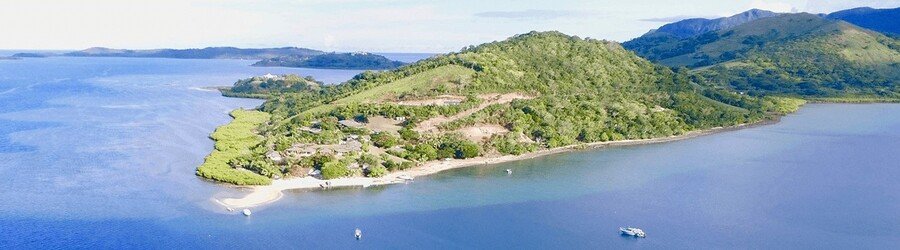
Viti Levu offers meaningful ways to connect with Fiji’s traditions, artistry, and island heritage. These experiences are easy to access from Nadi, Denarau, Suva, and the Coral Coast, and they add depth beyond beaches and resorts.
VOU HUB Fiji (Nadi / Denarau)
This contemporary cultural space blends traditional dance, storytelling, and Pacific performance in a vibrant and modern setting. Afternoon workshops introduce weaving, drumming, and movement, while the evening show combines dinner with a theatrical experience that feels both immersive and uplifting. It’s one of the easiest ways to enjoy Fiji’s creative energy without leaving the Nadi area.
Traditional Village Tours (Sigatoka, inland valleys, remote communities)
Guided visits offer a respectful way to learn about daily village life, customs, and community history. Experiences may include a kava welcome ceremony, shared meals cooked in a lovo earth oven, and time with local families. Tours like the Sigatoka River Safari add an adventurous jet-boat ride upriver to reach the village, making the journey part of the experience.
Fiji Museum (Suva)
Located within the peaceful Thurston Gardens, this museum highlights Fiji’s layered history—from early Lapita pottery and maritime artifacts to cultural traditions and the influences that shaped the islands over millennia. It’s an excellent stop for travelers exploring Suva or seeking context before visiting villages and heritage sites around the island.
Nature & Scenic Spots on Viti Levu
Viti Levu has lush valleys, calm gardens, coastal viewpoints, and peaceful walking areas. Moreover, these places are close to the main resort towns. As a result, they offer an easy break from the beach.
Sigatoka Sand Dunes National Park (Coral Coast)
Walk along simple trails with views of the coast and the tall sand dunes. In addition, the area has a long history and a quiet landscape that feels different from the shore.
Garden of the Sleeping Giant (Nadi / Sabeto Valley)
This garden has orchids, lily ponds, and shaded paths. Moreover, it is close to Nadi and Denarau. As a result, it is a relaxing place to enjoy nature.
Kula Wild Adventure Park (Coral Coast)
Raised walkways and native animals make this park fun and easy to explore. Also, it is a good choice for families who want a gentle outing.
Sabeto Mud Pools & Hot Springs (near Nadi)
Soak in warm pools and enjoy a simple and playful experience. In addition, it is a great stop after sightseeing or a long flight.

Adventure & Thrill Experiences on Viti Levu
If you want energy, height, speed, or river action, Viti Levu offers easy-to-reach adventure hubs across the island. Plus, these activities suit both first-time adventurers and confident thrill seekers.
Ziplining (Nadi & Pacific Harbour)
Fly above canyons and rainforest treetops with guided zipline courses in two scenic locations. Pacific Harbour also offers faster runs for extra excitement.
River Tubing & Rafting (Navua River)
Float or paddle through rainforest valleys with longboat transfers and optional village visits. But, whitewater trips with Rivers Fiji offer stronger rapids for a full-day challenge.
Off-Road Tours (Nadi & Sigatoka interior)
Ride quad bikes or custom off-road vehicles through rugged inland terrain and river crossings. In addition, the routes reveal landscapes most visitors never see.
Hiking & Forest Trails on Viti Levu
Viti Levu also offers peaceful trails, forest paths, and gentle hikes that lead to views, waterfalls, and shaded swimming spots. Moreover, these nature walks are close to main towns, so they are easy to add to a day of exploring.
Koroyanitu National Heritage Park (near Nadi)
Walk through cool forest air and enjoy views of the Sabeto Valley. In addition, trail options range from short walks to longer routes that feel remote but still accessible.
Colo-i-Suva Forest Park (Suva area)
Follow shaded tracks through rainforest and stop at natural pools that are perfect for a refreshing dip. Furthermore, it is only a short drive from Suva, so it works well as a midday break.
Luxury Stays In Beautiful Viti Levu
Viti Levu’s luxury scene blends private beaches, polished service, and easy day trips. In fact, most of these picks sit right on the water. As a result, you can move from suite to sea in seconds.
- Nanuku Resort Fiji (Pacific Harbour)
High-touch luxury on a private beach, with villas, pools, and oceanfront dining. Above all, service feels personal. - Maui Palms (Maui Bay, Coral Coast)
Boutique beachfront villas and an infinity pool steps from the reef. In fact, mornings here are calm and bright. - Bularangi Villa (Rakiraki, Suncoast)
Secluded beachfront villa with private pool and glowing sunsets; great for couples or small groups. As a result, evenings feel special. - Beqa Lagoon Resort (off Pacific Harbour)
Castaway-style luxury with house-reef diving and a serene spa; a short boat ride from Viti Levu. In short, it’s a reef lover’s base. - Hibiscus Suites & Residences (Nadi, adults-only)
Sleek hilltop suites with an infinity pool and wide views (not beachfront). Finally, it’s quiet and refined.
Romantic Stays in Beautiful Viti Levu
For two, think privacy, sunsets, as well as quiet corners. Look for adults-only stays, stand-alone villas, and peaceful beachfront settings that make time together feel relaxed and uninterrupted. Also, these stays work well for honeymoons, anniversaries, and quiet getaways. Many also offer stand-alone villas and adults-only settings.
- The Fiji Orchid (near Nadi)
Six tented bures set in lush gardens. Intimate, serene, and wonderfully private, even without a beachfront location. - Fiji Marriott Resort Momi Bay (Momi Bay / near Nadi)
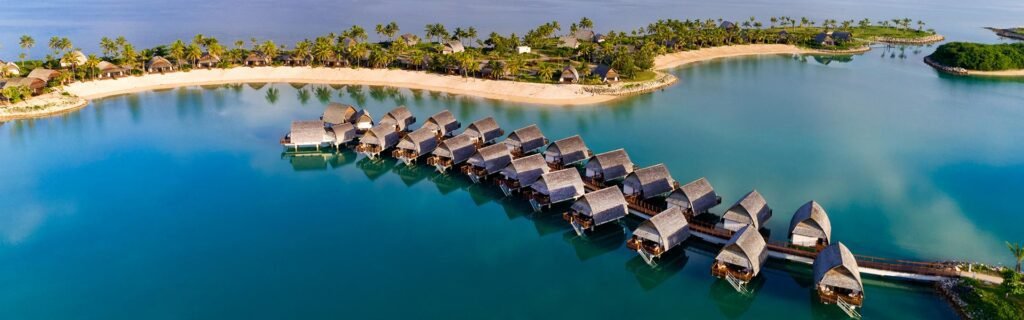
Overwater bures rest above a calm lagoon with wide sunset views and private deck access to the water. Soft lighting and quiet spaces make it feel romantic while still being close to Nadi and day-trip options. - Sea Winds Villas (Sigatoka / Maui Bay)
Private beachfront villas with a pool and ocean views. Also, sunrise coffee here feels calm, warm, and memorable. - Cozy Bure (Pacific Harbour)
Beachfront bure style with a tucked-away feel and gentle seaside atmosphere. A relaxed and romantic setting for two. - Villa Takali – CFC Certified (Pacific Harbour)
Chic private villa with its own pool near beaches and lagoon activities. In short, you get space and style. - Maui Creek Bures (Maui Bay, adults-only)
Nature-wrapped tiny-home bures beside a creek (not beachfront). Plus, nights are quiet and also starry.
Flavors of Viti Levu
Food on Viti Levu is fresh, bright, and full of coconut, lime, and Indo-Fijian spice. Plus, the island offers markets, grills, and relaxed resort dining. This makes it easy to sample local flavors during your stay.
Kokoda
Lime-cured fish in coconut cream and the most iconic dish to try in Fiji.
Lovo Feast
Meat, fish, and root vegetables slow-cooked underground for smoky, tender flavor.
Indo-Fijian Curry with Roti
Mild to spicy plates served with chutneys and soft roti. Plus, “medium” is a good starting point.
Palusami (Rourou)
Taro leaves baked with coconut cream. It’s also a great vegetarian choice.
Fresh Seafood
Mahi-mahi, wahoo, or octopus seasoned with lime and sea salt. It’s a simple coastal flavor.
Where to Try It
Markets in Nadi and Suva for fruit and casual plates. Coral Coast grills for kokoda and seafood, and resort lovo nights for a relaxed feast.
Best Areas to Stay on Viti Levu
Viti Levu has a few easy base areas, and each one offers a different style of trip. This makes it simple to choose where to stay.
Nadi & Denarau
Close to the airport, day trips, and island-hopping boats. You’ll find markets, sunset bars, as well as easy resort stays. Also, it is the most convenient area for short visits.
Coral Coast (Sigatoka to Pacific Harbour)
Relaxed beaches, lagoons, and family-friendly resorts. A great base for nature outings as well as cultural tours. In addition, it works well for longer stays.
Pacific Harbour
Known as the adventure hub, with ziplining, river trips, and access to Beqa Lagoon. Ideal for travelers who want active days as well as modern cafés. It feels more energetic than other areas.
Rakiraki (Suncoast)
Quiet coves, clear water, and offshore reefs in a peaceful northern setting. Best for snorkelers and guests who enjoy slow and calm days. It suits those who want space and quiet.
Suva
The capital city offers museums, parks, and local food. Good for travelers interested in history and urban culture instead of beaches. It has a city feel rather than a resort vibe.
Getting There & Around
Most visitors fly into Nadi (NAN), which sits on the western side of Viti Levu. Also, Suva works as a secondary entry point. Suva is across the island and works for business travel and cultural exploring.
Roads
Queen’s Road and King’s Road loop the island along the coast. Driving between main towns is simple, and the scenery adds to the trip.
Transport
Taxis, buses, and coaches connect resort areas and towns. Private transfers cost more but save time and offer a smoother ride.
Driving
Renting a car gives you freedom to stop at beaches, lookouts, and small villages. Roads are sealed, but you should allow extra time for curves and slower local traffic.
Boats
Short boat trips reach reefs, sandbars, as well as nearby islets. These rides are easy to plan through resorts or day tour operators.
Respect & Etiquette in Fiji
Fiji is known for warm hospitality, and simple gestures help you show respect during village visits and cultural experiences. Also, these customs are easy to follow.
Dress modestly
Cover shoulders and knees when entering villages or community spaces. A sulu or sarong works well.
Kava customs
Accept the bowl with two hands and take a small sip. A friendly “Bula” is the right response.
Photos and greetings
Ask before taking pictures, especially of people or homes. A smile and a greeting go a long way.
Hats and interiors
Remove hats inside meeting houses and shared spaces. Shoes may also need to come off when invited indoors.
Sundays are quieter
Shops, buses, and tours may run on limited schedules. Plan ahead if traveling on a Sunday.
Bula to Beautiful Viti Levu
Beautiful Viti Levu keeps travel easy, with beaches, gardens, markets, and reef days close together. Also, most outings are simple day trips, and the warm weather makes exploring feel relaxed. In addition, friendly communities and calm shores add to the island’s charm. Also, it is easy to see a lot without rushing, since everything sits within reach. Together, these touches create a classic Fiji experience in one place.
So, are you ready to plan your Viti Levu escape?
FAQs about Beautiful Viti Levu
Is Viti Levu good for first-timers?
Yes. It’s Fiji’s easiest base, with beaches, towns, as well as day trips close together. Also, everything is simple to reach.
When is the best time to visit?
May to October offers dry weather and pleasant temps. Shoulder months can be sunny as well as good value too.
Do I need a car?
Not always. Taxis, buses, and transfers work for most travelers, but a rental gives more freedom. Plus, driving lets you stop at viewpoints and small beaches.
Can I drink the tap water?
In many resorts, yes. If you’re unsure, choose bottled or filtered water. Also, some hotels provide refill stations.
Should I bring reef shoes?
Yes. Coral flats and tide pools appear at low tide, and reef shoes help protect your feet. Also, they make walking on rocky areas easier.
How should I dress for village visits?
Wear modest clothing that covers shoulders and knees. Also, remove hats inside meeting houses.
Is snorkeling good on Viti Levu?
Yes. The Coral Coast and Suncoast offer accessible spots and reef-focused day trips. Plus, conditions are calm on many days.
What’s the currency and power plug?
The currency is FJD, as well as the plug type being Type I at 240V. ATMs are common in major towns.
Is there a cyclone season?
Yes, mainly January to March. Storms are monitored and forecasts are reliable during that period.
Related Posts
 The Most Stunning Cook Islands Resorts You’ll Love
- The Most Beautiful Beaches of the Cook Islands
- The Stunning Beaches of American Samoa You’ll Love
- Discover The Best of Taveuni Island: Beautiful & Breathtaking
- Discover the Best of Fiji: Your Ultimate Travel Guide
- 10 Breathtaking Countries With The World’s Most Beautiful Beaches





Viti Levu sounds like a really easy island to explore, especially with beaches and cultural spots all close together. I like that Natadola Beach has calm water and soft sand. Would that be the best beach for swimming?
Natadola Beach is one of the best spots for swimming thanks to its soft sand and generally calm, clear water, making it great for both relaxing and getting in the ocean comfortably.
This makes Fiji feel very approachable, especially with everything centered around one main island. The mix of beaches, markets, and nature looks like a great balance. Would staying on the Coral Coast be the best base for first-time visitors?
The Coral Coast is one of the best bases for first-time visitors because it offers a great mix of beaches, cultural experiences, and easy access to tours while still feeling relaxed and scenic.
Viti Levu looks like an amazing place to start a trip to Fiji, especially since everything seems easy to reach from Nadi. I really like the idea of mixing beaches with waterfalls, gardens, and cultural experiences all on one island. The Coral Coast and Natadola Beach sound especially beautiful. If someone only has a few days on Viti Levu, what area would you recommend staying in to see the most highlights without spending too much time traveling around?
For a short stay on Viti Levu, the Nadi or Denarau area is usually the most practical base. This part of the island sits close to Nadi International Airport, which makes arrival and departure simple while keeping many day trips within easy reach. From here, visitors can explore beaches such as Natadola Beach, visit the Garden of the Sleeping Giant in the Sabeto Valley, and enjoy cultural experiences like markets, village tours, or traditional Fijian performances. Boat trips to nearby reefs and small islands also depart from this side of the island, so snorkeling and lagoon excursions are easy to arrange. Staying in the Nadi area allows travelers to experience beaches, nature, and culture on Viti Levu without long travel times across the island.
Viti Levu sounds like the perfect “start here” Fiji island, especially with how easy it is to land in Nadi and jump straight into beaches, culture, and day trips without dealing with long ferry logistics. I love the way you described the coastline shifting from sandy bays to lagoon-style reef areas, because it makes the beach options feel really varied. The cultural section is a great touch too, since markets, kava, and village visits are the kind of experiences that make a trip feel deeper than just sun and water. And those sweet spot months you listed make planning feel so much simpler. If someone only had a few days on Viti Levu, would you base them around Nadi for convenience or the Coral Coast for a more classic beach feel?
Nadi is a great base when you want maximum convenience, quick transfers, and easy access to day-trip docks right away. The Coral Coast, however, delivers that more “classic Fiji” rhythm, with prettier beach pockets, lagoon swims, and a relaxed resort flow that feels made for unwinding. A short trip often works best with a split approach, using Nadi as the easy entry point and then shifting to the Coral Coast for the most scenic, beach-forward days. That keeps the itinerary simple while still giving the trip a more immersive island feel.
Viti Levu really sounds like that perfect “first taste of Fiji” island. I love how you highlighted the mix of beaches, culture, and easy day trips because that combination makes planning feel much less overwhelming. Natadola Beach especially caught my attention since those wide sands and calm water sound ideal for a relaxed beach day. The cultural touches like village visits and kava ceremonies add depth beyond just sun and sea too. If someone only had a few days there, would you suggest sticking mostly to the Coral Coast or splitting time with Nadi?
Great question! With only a few days, I’d usually suggest a Coral Coast base for the best beaches, then add a quick Nadi visit for markets, gardens, and easy excursions. It keeps travel simple while still showing different sides of Viti Levu.
This guide paints such a welcoming picture of Viti Levu. The idea of landing in Nadi and starting the adventure the same day is a huge plus for travelers who don’t want complicated transfers. I also appreciate the balance you showed between luxury resorts and authentic cultural experiences because Fiji seems to shine when both are included. The hiking spots and waterfalls surprised me too since many people think only beaches here. Do you have a favorite hidden beach on the island that feels less resort-focused?
Yes, actually Saweni Beach and parts of the northern Suncoast tend to feel quieter and more local. They’re great if you want that relaxed, authentic coastal vibe without the bigger resort scene.
I really enjoyed how you explained the seasons because tropical destinations can feel confusing when planning. Those shoulder months you mentioned sound like the sweet spot for sunshine without peak crowds. The food section made me hungry too, especially kokoda and the lovo feast since they sound like true cultural experiences. Fiji seems to offer a nice mix of relaxation and adventure without needing multiple islands. Would you say it’s better suited for couples, families, or solo travelers?
Honestly, Viti Levu works well for all three. Couples love the romantic resorts, families enjoy the calm lagoons and activities, and solo travelers find it easy to explore thanks to friendly locals and simple logistics.
I didn’t realize Viti Levu was such an easy base for exploring Fiji. I always pictured needing ferries and multiple island transfers right away. The mix of beaches, culture, and rainforest hikes actually sounds perfect for a first Fiji trip. Natadola Beach especially looks stunning in photos.
Viti Levu really is the easiest starting point for a Fiji vacation because you can land in Nadi and reach beaches, villages, and nature spots quickly without complicated transfers. Natadola Beach is often considered one of the best beaches in Fiji thanks to its soft sand, clear water, and scenic coastline. The island’s balance of culture, resorts, and outdoor activities makes it ideal for first-time Fiji travelers who want variety without constant island hopping.
The Coral Coast area sounds like a great compromise between relaxation and activities. I like the idea of calm lagoons for swimming but still having access to waterfalls, markets, and local experiences nearby. Fiji has always seemed far away, but this makes it feel more approachable.
The Coral Coast on Viti Levu is one of the most popular Fiji resort areas because it blends relaxed beachfront stays with easy access to cultural tours, snorkeling reefs, waterfalls, and local markets. Many travelers choose it for a longer Fiji stay since it offers both quiet beach time and plenty of day-trip options. It’s a great way to experience authentic Fiji scenery, warm hospitality, and classic South Pacific beaches in one location.
This guide makes Viti Levu sound like the perfect “easy-mode Fiji,” and I love that you included both beaches and cultural spots! If I’m staying near Nadi/Denarau, what’s the best day trip for someone who wants snorkeling AND a beautiful beach in one day? Also, do you think it’s better to book a tour ahead of time or decide once you arrive?
Thanks so much! If you’re based in Nadi or Denarau, one of the best options is a Fiji snorkeling day trip from Denarau that includes a reef stop plus a beach or sandbar break. Many travelers look for a Fiji day cruise with snorkeling and island beach time, because it’s an easy way to get that “tropical postcard” experience without long travel days. If you’re visiting during the dry season in Fiji (May to October), booking ahead is smart since tours can fill up fast, especially for families and couples. But if you’re traveling in the shoulder months, you can sometimes book locally and still have great availability. Are you hoping for calm lagoon snorkeling or more open-ocean reef snorkeling?
I really appreciate how organized this is, especially the weather breakdown. 🙌 I’m visiting during the wet season (around February) and I’m a little nervous about the rain. Do you think it’s still worth doing outdoor stuff like mud pools, gardens, or waterfall walks, or is it better to stick with indoor activities? And how bad do the storms usually get?
Great question, and yes, Viti Levu can still be amazing in February! A lot of people search things like Fiji wet season travel tips or is Fiji worth visiting in February, and the good news is most rainy weather comes in short bursts rather than all-day washouts. You can still enjoy outdoor spots like the Sabeto Mud Pools and Hot Springs near Nadi, the Garden of the Sleeping Giant, or even an easy rainforest walk if conditions are safe. What I usually recommend is planning flexible days and watching the forecast, since cyclone season in Fiji peaks between January and March, and storms can occasionally disrupt plans. If the weather looks rough, you can switch to places like Suva museums and gardens or a relaxed resort day. Are you planning to stay on the Coral Coast or closer to Nadi?
This post convinced me that Viti Levu is way more than just a “stopover island.” I’m traveling with kids and I’m trying to pick the best area to stay. Would you recommend the Coral Coast or Momi Bay for a family trip? We want calm water, easy food options, and maybe a couple of simple day tours.
Thank you, and I totally agree, Viti Levu deserves real time! For families, both areas can work well, but it depends on your vibe. The Coral Coast is popular because it has a wide range of family-friendly resorts on the Coral Coast Fiji, plus lots of easy outings like Sigatoka Sand Dunes National Park, cultural tours, and casual dining options. Momi Bay is often chosen for calm lagoon swimming, and many families search Momi Bay Fiji lagoon swimming because the water can feel sheltered and relaxing. If you want more variety nearby, the Coral Coast is usually the easiest base. If you want a quieter resort-style stay with lagoon time, Momi Bay is a great pick. What ages are your kids, and do you prefer more “explore daily” or more “resort + a few tours” pacing?
This Viti Levu guide is so helpful! I didn’t realize how easy it is to use the island as a base for beaches, culture, and quick day trips. The breakdown between Nadi, the Coral Coast, Pacific Harbour, and Rakiraki really helps me picture what kind of trip I want. Do you think first-time visitors should spend most of their stay on Viti Levu, or is it better to split time with an outer island? And is Natadola Beach really as beautiful in person as everyone says?
Viti Levu works extremely well as a main base, especially for first-time visitors, because the beaches, villages, gardens, and day-trip options are all close together. Many travelers spend their entire trip here and still feel like they’ve experienced classic Fiji—Natadola Beach, the Coral Coast lagoons, the Garden of the Sleeping Giant, Sigatoka Sand Dunes, and Pacific Harbour adventures all sit within easy reach. If you want an even more remote island feel, adding one outer island for 2–3 nights can be a great bonus, but it isn’t necessary for a complete Fiji experience. And yes—Natadola Beach is just as stunning in person. The soft white sand, gentle waves, and wide ocean views make it one of the most scenic shorelines on Viti Levu.
I’ve been to Viti Levu once before and stayed near Pacific Harbour, and I absolutely loved the mix of beaches, culture, and day trips. We’re thinking about coming back for an anniversary trip, but this time we’re wondering if the Coral Coast or Natadola Beach would feel more relaxing and romantic. Are those areas less busy than Pacific Harbour? And are the sunsets really better on that side of the island?
If you’ve stayed in Pacific Harbour before and want a more relaxed and romantic return trip, Natadola Beach and parts of the Coral Coast will definitely feel quieter, softer, and more focused on lagoon views and beachfront privacy. Natadola is one of the most beautiful beaches in Fiji, with swimmable water, soft sand, and wide sunset views, while the Coral Coast offers boutique villas, tidal sandbars, and calm reef-protected lagoons that feel peaceful and intimate. Pacific Harbour is still great for adventure, but for an anniversary getaway, many couples prefer the slower pace, coastal scenery, and romantic bures around Natadola and Maui Bay. If you share whether you want direct beach access, spa services, or more seclusion, I can recommend the best romantic stays on Beautiful Viti Levu Fiji.
We’re starting to plan our honeymoon and Beautiful Viti Levu Fiji looks like a dream! Do you think it’s better for honeymooners to stay on the Coral Coast, Pacific Harbour, or closer to Nadi? We want beautiful beaches, some privacy, and maybe a day trip or two. Also, are the romantic bures really on the sand, or are some set back from the beach? And would September or October give us better weather and fewer crowds?
For a honeymoon, the Coral Coast and Pacific Harbour usually offer the best mix of romantic beachfront bures, quieter resorts, and easy lagoon access, while Nadi is more convenient for arrivals but less secluded. If you want soft sand and swimmable water right outside your door, Natadola Beach and the boutique resorts around Maui Bay are some of the best choices for couples. Pacific Harbour is great if you’d like a blend of beach time with adventure—like river trips, Beqa Lagoon snorkeling, or waterfall hikes—without losing the relaxed Fiji atmosphere. September and October are ideal honeymoon months because the weather is dry, warm, and clear, and the crowds are lighter than mid-winter. If you tell me whether you want more privacy, more activities, or a mix of both, I can suggest the perfect honeymoon resorts in Viti Levu Fiji.
I’ve always heard about the outer islands in Fiji, but I didn’t realize Viti Levu had so much variety all on one island. The mix of beaches, villages, waterfalls, and easy day trips sounds perfect for a first-time visitor. I’m curious though — if someone only has a few days in Fiji, do you think staying on Viti Levu is enough to get that classic “Fiji paradise” experience? Or is it still worth trying to squeeze in one of the smaller islands?
Great question! Honestly, Viti Levu is one of the easiest places to get that classic Fiji experience without losing time to ferries or long transfers. Natadola Beach, the Coral Coast lagoons, sandbar trips, and village visits all give you the tropical vibe people picture when they think “Fiji.” If you only have a few days, staying on Viti Levu keeps everything close and stress-free. But if you do want a bonus island feel, you can still take quick boat trips from Nadi to tiny offshore sandbars or nearby islands in under an hour. Either way, you’ll get that postcard-perfect Fiji feeling without rushing.
I’m planning a vacation to Fiji and this sounds like the perfect place to start! I’ve always wanted to visit but wasn’t sure if I needed to hop between islands to really experience it. Can I see the best of Fiji just by staying on Viti Levu, or should I plan to visit the smaller islands too?
That’s a great question — and yes, you can experience the best of Fiji right on Viti Levu! 🌴 The island offers everything from white-sand beaches and coral lagoons to lush forests and authentic village life. You can snorkel reefs on the Coral Coast, relax at luxury resorts in Pacific Harbour, or explore scenic spots like Natadola Beach and the Garden of the Sleeping Giant. If you have extra time, short boat rides or day trips can easily take you to smaller islands like Beqa, Malolo, or the Mamanuca group — no long ferries required. For most travelers, staying on Viti Levu gives a full Fiji experience with comfort, culture, and incredible scenery all in one easy-to-reach island.
Viti Levu sounds like the perfect introduction to Fiji! I love how you described it as “Fiji made easy” — it really gives the impression that you can experience everything the islands are famous for without much hassle. The mix of beaches, waterfalls, and cultural spots sounds amazing, and I’d definitely love to try kokoda and a lovo feast. Do you think it’s better to stay on the Coral Coast for the beaches, or closer to Nadi for easier day trips and dining options?
Both are great choices, but it depends on what you’re after. The Coral Coast is ideal if you want that classic Fijian beach experience — calm lagoons, reef snorkeling, and laid-back resorts surrounded by nature. Nadi, on the other hand, makes a great base if you prefer being near restaurants, markets, and day trips to nearby islands. Many travelers even split their stay between the two for the best of both worlds — adventure and pure relaxation.
This guide makes Viti Levu sound like the perfect mix of beaches and culture! I’ve always thought of heading straight to the islands like Yasawa or Taveuni, but now I’m tempted to stay on the main island. For a first-time visitor, would you suggest basing in Nadi or along the Coral Coast?
That’s such a great question — and you’re right, Viti Levu really gives you a taste of everything Fiji offers! For first-time travelers, I usually recommend splitting your stay between Nadi/Wailoaloa Beach and the Coral Coast.
• Nadi keeps you close to the airport, markets, the Garden of the Sleeping Giant, and easy day trips to the Mamanuca Islands, so it’s perfect for your arrival days.
• The Coral Coast (from Sigatoka to Pacific Harbour) gives you those classic lagoon beaches, reef snorkeling, and local village experiences with plenty of boutique and family resorts.
If you have a week, do three nights in Nadi for convenience and four nights along the Coral Coast for pure relaxation. That balance lets you enjoy Fiji’s beaches, waterfalls, and friendly culture all without long transfers or ferry rides.
Fiji looks like paradise! I’m planning my first trip and I’m torn between staying near Nadi or heading straight to the Coral Coast. I’d love beaches for swimming but also want to explore a bit of culture and nature. Which area do you think fits best?
That’s such a great question — and honestly, Viti Levu gives you both beach bliss and culture!
If it’s your first trip, I’d suggest splitting your time between Nadi Bay and the Coral Coast.
Nadi / Wailoaloa Beach keeps you close to the airport, markets, and boat trips to smaller islands. It’s great for your first few nights and easy for day tours to the Garden of the Sleeping Giant or Sabeto Mud Pools.
Then move down to the Coral Coast, where you’ll find reef-protected lagoons, soft beaches like Natadola and Maui Bay, and authentic Fijian villages. You can enjoy a traditional kava ceremony, visit the Sigatoka Sand Dunes National Park, and still relax on uncrowded beaches.
Both regions showcase the warmth, scenery, and relaxed rhythm that make Viti Levu Fiji unforgettable.
This post makes Viti Levu sound like pure paradise! I love that you mentioned how easy it is to explore without long ferry rides. The beaches and waterfalls sound incredible. Would you recommend staying near Nadi for convenience or heading to the Coral Coast for a more authentic Fiji experience?
Thank you so much! Beautiful Viti Levu really does give you the best of both worlds — easy travel and stunning nature. If it’s your first visit, staying near Nadi is perfect for quick access to the airport, day trips, and lively beaches like Wailoaloa. But if you’d love a deeper, more relaxed experience, the Coral Coast is amazing — with reef lagoons, local markets, and that true Fijian charm. You honestly can’t go wrong with either! Do you think you’d prefer a base with more activity, or something peaceful and romantic by the sea?
Viti Levu looks incredible! I like how you showed both the big-name beaches like Natadola and the hidden gems such as Vatia Bay. I’m especially intrigued by the cultural side—markets, kava ceremonies, and meke performances sound like a great way to really experience Fiji. If I had to choose, do you think it’s better to spend more time relaxing on the Coral Coast or base myself near Nadi for easier day trips?
Thank you! That’s such a great question because both options offer very different vibes. The Coral Coast is wonderful if you want a slower pace, long sandy stretches, and easy access to cultural sites like Sigatoka Sand Dunes or village visits. Nadi, on the other hand, is perfect if you want convenience for island-hopping day trips, gardens, and the hot springs right nearby. If you have limited time, I usually suggest starting in Nadi for quick access, then adding a few days on the Coral Coast for that laid-back Fiji feel. Do you usually lean toward convenience when traveling, or do you prefer being a little more tucked away?
Viti Levu sounds like the perfect balance of convenience and beauty. I love that you can land in Nadi and immediately start exploring beaches and villages without long transfers. The mix of coral lagoons, gardens, and cultural spots like kava ceremonies really appeals to me. Do you think it’s better to base yourself on the Coral Coast for the classic beach vibe, or in Nadi for easier access to day trips? Also, how many days would you recommend for a first-timer to really experience both the beaches and the inland adventures?
Great questions! If you want that postcard-style Fiji with calm lagoons and soft sand, the Coral Coast is definitely the best base. It has plenty of family-friendly resorts and easy reef access. On the other hand, Nadi works well if you want convenience and quick day trips to nearby islands or gardens—it’s more of a hub. For a first-timer, I’d recommend at least 5–7 days. That way you can enjoy a couple of relaxed beach days, add in a cultural experience like a village visit, and still fit in inland adventures like the Sigatoka Sand Dunes or the Garden of the Sleeping Giant. Do you see yourself leaning more toward a beach-focused trip, or would you mix in cultural and adventure activities too?