
The beauty of Alaska is unmatched, yet life here comes with challenges most visitors never see. Harsh weather, long winters, and wild surprises are all part of daily life. This post explores the beautiful and brutal truth behind America’s coldest state.
People often picture Alaska as a land of pure beauty. Towering mountains, massive glaciers, and wide stretches of wilderness create a breathtaking first impression. The scenery truly is unforgettable.
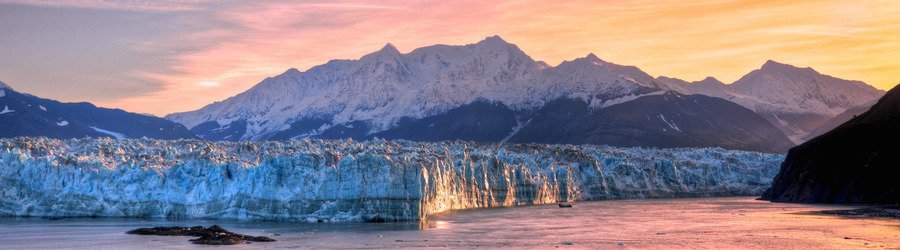
Yet the landscape here can also be harsh and unforgiving. Remote terrain, powerful weather, and long distances remind visitors that nature still rules this northern frontier. Beauty and danger often exist side by side.
Understanding that balance is part of what makes the region so fascinating. The same wilderness that inspires awe can also reveal just how wild and untamed the far north remains.
Learn more about Anchorage, Alaska here, or visit us on Pinterest.

What are the best tours to take in Alaska?
Many travelers want to see glaciers, wildlife, and remote landscapes up close. These popular tours give you a chance to experience some of the most unforgettable parts of the region.
Alaska Weather: The Good, the Bad, and the Ugly
The Good — 55°F to 70°F
On its best days, the far north can feel incredible. Summer brings cool, comfortable temperatures that make hiking, kayaking, and sightseeing easy. Clear skies reveal sharp mountain views, glowing glaciers, and long hours of daylight. As a result, the landscape looks brighter and more dramatic. You also avoid heavy heat or humidity, so exploring feels relaxed and refreshing.
The Bad — 45°F to 55°F
Then the weather changes, and it can change quickly. Even in summer, many days stay cool, gray, and damp. Wind and rain sometimes arrive without warning. Meanwhile, clouds can hide every scenic view on your list. Mornings often start cold, and evenings cool down fast. Because of this, the forecast does not always match what you see outside.
The Ugly — –20°F to 0°F (and colder)
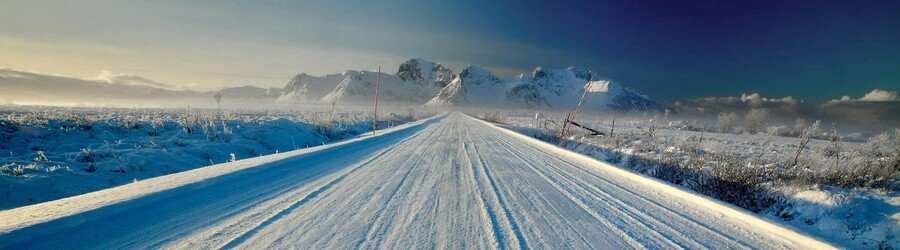
Winter is when things become truly harsh. Temperatures drop fast, and the cold settles into everything. Ice coats cars, roads, and steps, so even simple errands take effort. Storms may last for days. At the same time, long stretches of darkness make the cold feel even heavier. Later in the season, breakup brings mud, slush, and thick mess that lingers for weeks. This is the side of the wilderness rarely shown on travel posters.
Alaska Wildlife: The Good, the Bad, and the Ugly
The Good — Whales, Eagles, and Majestic Moments
The region has some of the most incredible wildlife in the world. Whales rise from calm water, bald eagles glide overhead, and moose wander through open fields as if they own the place. Seeing these animals in their natural setting feels unreal. As a result, many days bring moments you never forget. Wildlife may even appear right outside your window, so the view can feel like a front-row seat to nature.
The Bad — Moose, Bears, and Very Close Encounters
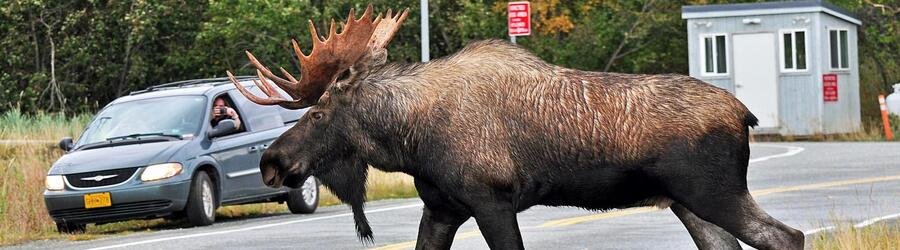
Then the animals get a little too close. Moose stroll down roads, block driveways, and stand in yards as if they belong there. Bears raid trash cans, wander through neighborhoods, and appear where you least expect them. In addition, many animals show little fear of people. Because of this, you quickly learn that “keeping your distance” is easier said than done.
The Ugly — Chasing, Charging, and Bad Behavior (From Humans Too)
This is the side few people talk about. Moose can charge without warning, so many locals have stories about running for safety. Some people make the problem worse by feeding wildlife, which only creates bolder animals. Meanwhile, bears tear through sheds and yards while searching for food. Moose will also defend their calves with no hesitation. Because of that, the moment you turn a corner and face a wild animal up close is something you never forget.

Daily Life in Alaska: The Good, the Bad, and the Ugly
The Good — Space, Scenery, and Quiet Moments
Daily life in the far north has many peaceful moments. Open space, fresh air, and wide scenery can make even simple errands feel special. Many towns have a close community feel, so neighbors often know and support each other. Traffic stays light, and nature sits right outside your door. As a result, even an ordinary day can feel calm and grounded.
The Bad — Limited Stores and Long Drives
Then reality sets in. Stores close early, and selection can be limited. You may also need to drive long distances for basic items. Because of this, a quick trip can easily turn into an hour on the road. Weather can slow things down even more. Many services common in larger cities simply are not available, so planning ahead becomes part of daily life.
The Ugly — Isolation, Chores, and the Never-Ending To-Do List
Life here often requires more work. Snow removal can take hours each week. Later in the year, mud season brings its own challenges. Long periods of darkness can make simple tasks feel harder, and the long winters sometimes lead to isolation. In addition, emergencies can feel stressful because help may take longer to arrive. These are the parts of life here that rarely appear in travel stories, yet every local understands them.

Sunlight and Darkness: What No One Expects
The Good — Endless Summer Light
Summer light feels almost magical. Days stretch on for hours, and the sun stays high even late at night. You can hike, fish, and explore long after most places grow dark. As a result, the extra daylight boosts energy and makes the whole season feel bright and alive.
The Bad — No Real Night and Strange Sleep Schedules
Then the light becomes too much. True darkness almost disappears, so your body loses track of time. Blackout curtains help, but sleep can still feel off. Kids often stay awake much later than expected, and evenings blur into one long stretch of daylight.
The Ugly — Deep Winter Darkness
Winter brings the opposite extreme. The sun rises late and sets early, so many days feel dim even at noon. Darkness settles over everything, which can affect both mood and energy. Because of this, simple routines start to feel harder when daylight lasts only a few hours. This is the side of northern living that surprises many new residents.

Cost of Living in Alaska: The Good, the Bad, and the Ugly
The Good — High Wages and No State Income Tax
Life in the far north comes with a few financial perks. Many jobs pay well, and the lack of state income tax helps your paycheck go further. Some residents also receive the annual PFD, which adds a small cushion each fall. In addition, many outdoor activities cost nothing, so enjoying nature does not require much spending.
The Bad — Expensive Groceries and Limited Options
Then reality appears at the grocery store. Food prices run high, shipping takes time, and selection often stays limited. A simple shopping trip can cost far more than it would in most states. Eating out can also strain the budget. In addition, repairs, tools, and gear cost more because many items must be shipped in.
The Ugly — Heating Bills, Travel Costs, and Big Surprises
Winter is when costs rise quickly. Heating bills climb, fuel prices stay high, and cold weather requires extra supplies. Travel to or from the region adds even more expense. Last-minute flights can be especially painful. In addition, unexpected costs appear often, from new tires to broken gear or emergency repairs that cannot wait. This is the financial side of life here that many people only understand after living through it.

Driving and Distance in Alaska: The Good, the Bad, and the Ugly
The Good — Open Roads and Stunning Views
Driving in the far north offers wide roads and views that make every trip feel like a scenic tour. Mountains rise on both sides, lakes sparkle in the distance, and wildlife may appear at any moment. As a result, even a simple drive can feel memorable. Traffic also stays light, so the road often feels calm and relaxed.
The Bad — Long Distances and Limited Roads
Then reality sets in. The region is enormous, and towns sit far apart. A quick trip can easily turn into a long drive. Many places also have only one main road in or out. Because of this, weather, construction, or wildlife can slow travel quickly. Planning ahead becomes part of every trip.
The Ugly — Road Hazards, Closures, and White-Knuckle Winter Travel
Winter changes everything. Ice covers the roads, snow piles up fast, and visibility can drop in seconds. Moose sometimes stand on highways, and drivers may not see them until the last moment. In addition, road closures can delay travel for hours during storms or accidents. Driving becomes more about caution than sightseeing. Every local eventually has a story about the trip that took far longer than expected.
What Tourists Never See
The Good — The Beauty Everyone Talks About
Visitors often see the highlights first. They enjoy glaciers, wildlife tours, and bright summer days that seem to last forever. In addition, they usually arrive during peak season, which means the weather and scenery look their best. Because of this, it is easy to fall in love with the postcard version of the far north.
The Bad — The Daily Work Behind the Beauty
Life behind the scenery looks very different. Locals deal with high prices, long drives, and weather that can change without warning. Breakup season brings mud and slush. Winter brings darkness that lasts far longer than most people expect. In addition, wildlife sometimes appears in places that create real danger, not just good photo opportunities.
The Ugly — The Hard Parts You Only Learn by Living Here
Some realities never appear in travel videos. Ice builds on cars for months, and heating bills climb quickly. Winter darkness makes things harder because many days start in the dark and end in the dark. Roads also take a toll. Crews use heavy salt and gravel, so rust spreads faster and windshields collect rock chips. As a result, simple tasks take more time and small problems can grow quickly. These are the parts of life here that remain hidden unless you experience them yourself.
If You Insist on Visiting Anchorage… Here Are the Top Downtown Hotels
This city has its own charm, even if the weather, the roads, and the wildlife don’t always cooperate. Visitors still come in large numbers, so if you decide to stay here, these downtown favorites offer a good mix of comfort, location, and convenience. In addition, they place you close to restaurants, museums, and the waterfront trails that make exploring easier when the cold decides to show off.
Hotel Captain Cook ⭐⭐⭐⭐
This downtown classic sits in the center of the city and feels like the unofficial headquarters. Rooms offer wide views of the mountains or Cook Inlet, and the hotel has several restaurants that make it easy to stay warm without going outside. The lobby also has an “old Alaska” lodge style that gives the place a historic feel. If you want the safest and most reliable choice here, this is it.
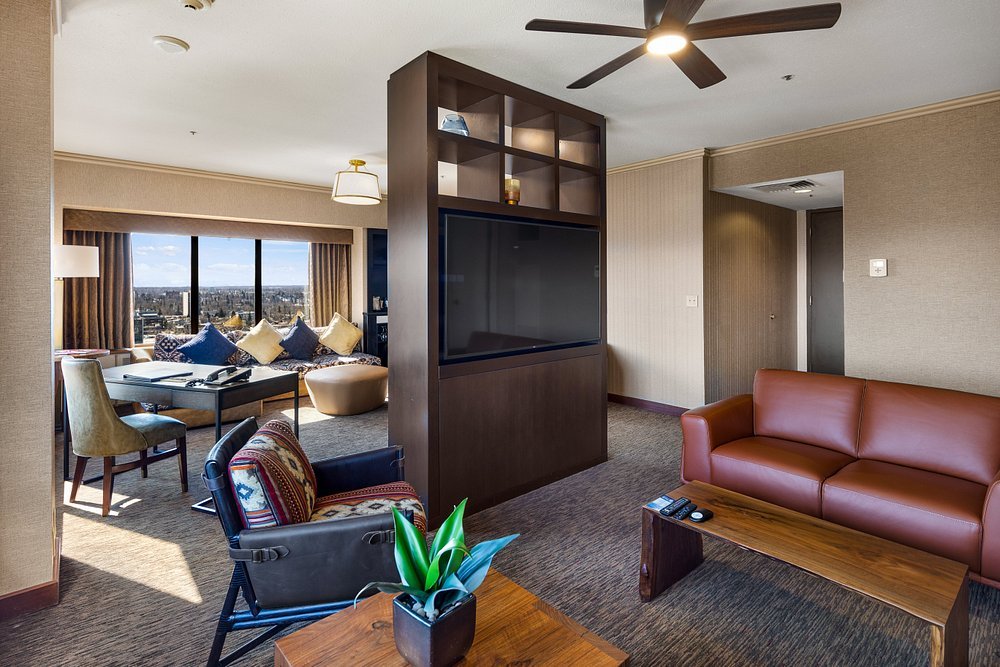


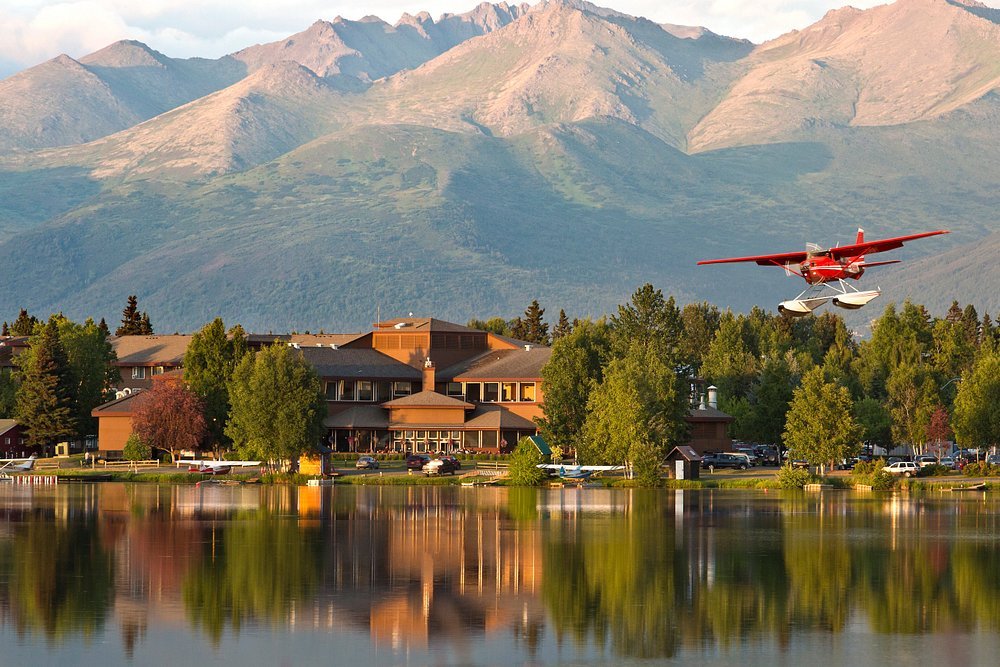
The Lakefront Anchorage ⭐⭐⭐⭐
This hotel gives you lodge vibes without sending you deep into the woods. Floatplanes take off right outside the windows, and the lake views offer a nice break from downtown traffic. The property feels cozy, rustic, and a little outdoorsy. It also sits close to city trails and the airport. The restaurant overlooks the water, so you can watch planes move across the lake while you eat.

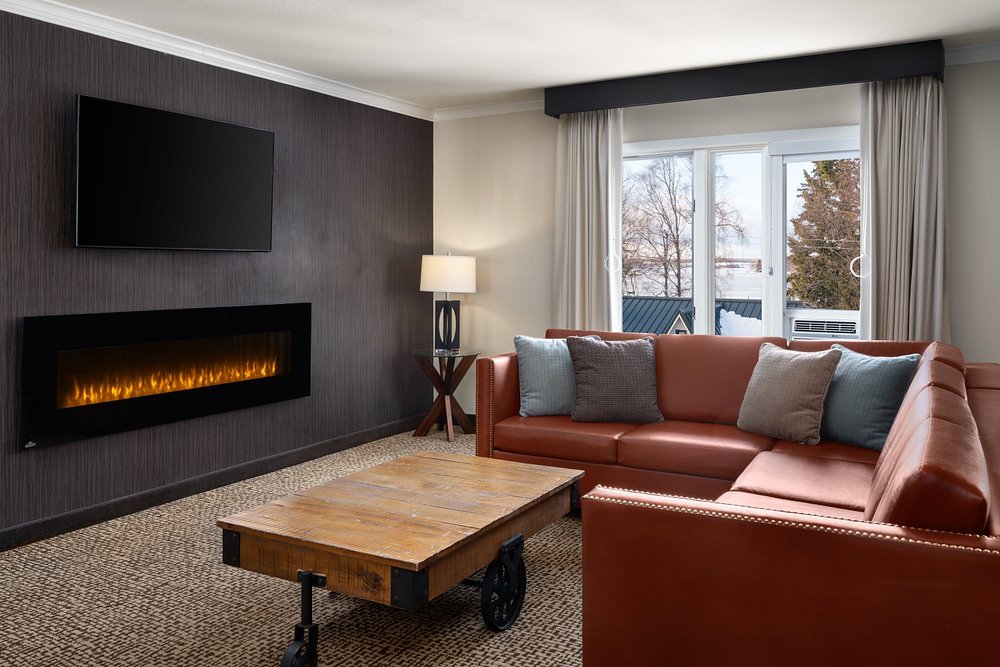
Marriott Anchorage Downtown ⭐⭐⭐⭐
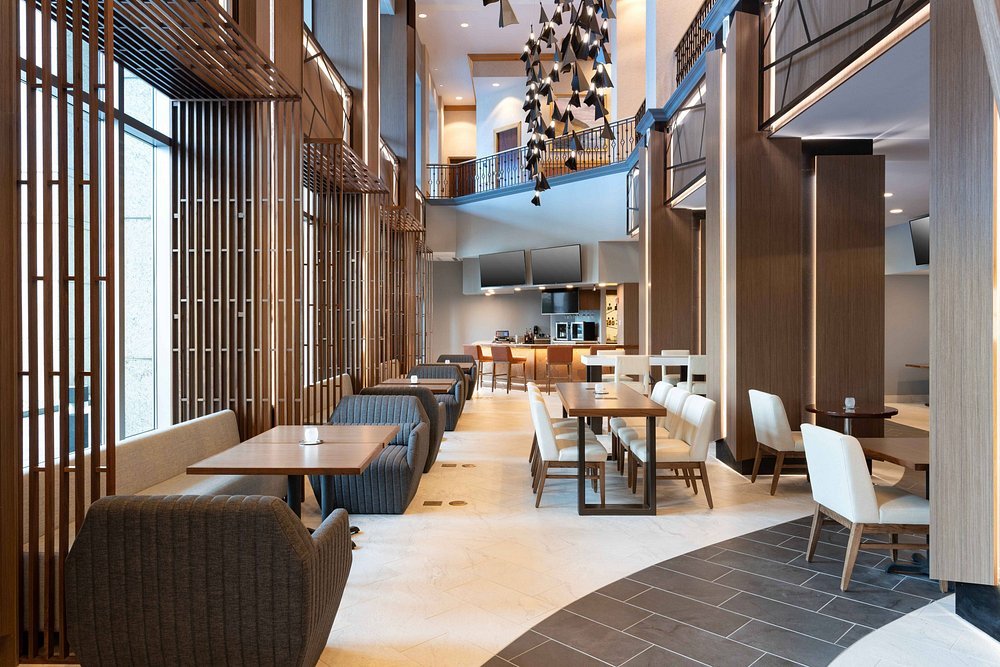
Clean, modern, and simple—exactly what you want when adjusting to the weather here. The Marriott sits within walking distance of shops, museums, restaurants, and the waterfront, so you do not need to drive across the city. Rooms feel updated and comfortable, and the staff knows how to help visitors who arrive unprepared for the sudden cold. The location also makes it easy to explore without getting stuck in the maze of one-way streets downtown.


Top Three Places You Shouldn’t Miss in Anchorage (Food and Drink)
Anchorage may surprise you with its food scene. These restaurants stay busy year-round, so reservations make life easier. They also offer a warm place to escape the cold while enjoying a great meal.
Simon & Seafort’s (reservation a must)
This is the classic dinner spot everyone talks about. The views over Cook Inlet steal the show, especially at sunset, and the seafood stays consistently good. The steaks and cocktails also help the place feel upscale without becoming stuffy. If you want one guaranteed “wow” meal here, start with this restaurant.
Glacier Brewhouse
Warm lighting, wood beams, and the smell of fresh beer make the room feel welcoming right away. The atmosphere stays lively, and the menu ranges from seafood to wood-fired pizzas. House beers are also worth trying, while seasonal ales move quickly. It stays busy most nights, so arriving early helps.
Orso (reservations recommended)
Orso sits next to Glacier Brewhouse and offers a relaxed coastal-Italian feel. The seafood pastas and fresh local fish taste especially good after a long day outside. Desserts are also surprisingly good and worth saving room for. It works well when you want something polished but still warm and friendly.
The Last Frontier’s Last Word
Alaska is one of the most beautiful places you will ever see, but living here tells a different story. The scenery is stunning, wildlife feels unreal, and summer light makes every day seem bigger than it is. Then winter arrives and reminds you why the region earned its “Last Frontier” nickname. The cold settles in, darkness stretches long, and daily life suddenly takes more effort than most people expect.
Even so, this place has a charm that runs deep. The air feels clean, the views stay unforgettable, and the wild moments offer something rare. If you visit, bring warm layers, an open mind, and a sense of humor. You will see the beauty, feel the challenges, and begin to understand the brutal truth behind this cold and remarkable place.
More Alaska Travel Guides
Anchorage Guide • Juneau Guide • Kenai Guide • Fairbanks Guide • Homer Guide • Nome Guide • Yakutat Guide • Kodiak Guide • Alaska Beaches • Alaska Cruise Essentials • Alaska Cruise Tips • Alaska Shore Excursions
Alaska FAQs
Is Alaska really as cold as everyone says?
Yes, many parts get extremely cold, especially in winter. Temperatures often drop below zero, and some towns sit between –20°F and 10°F for long stretches. Summer feels mild and comfortable, but winter cold arrives quickly and stays for months.
How dark does it get in winter?
Winter darkness surprises most visitors. Some areas see only a few hours of daylight, and the sun never rises high in the sky. Many days also feel dim even at noon, which can take time to adjust to.
Can you really see wildlife in everyday life?
Yes. Moose, bears, and eagles appear often, even in towns. Wildlife may show up in driveways, yards, and parking lots, so staying alert becomes part of daily life. Animals can also move quickly and act without warning.
Is it expensive to live in Alaska?
Living here costs more than many people expect. Groceries, fuel, and basic supplies run higher because most goods must be shipped in. Winter heating bills add even more. Repairs and outdoor gear also cost more due to limited options.
Is driving in Alaska difficult?
Driving can feel relaxing or stressful depending on the weather. Roads stay open and scenic in summer, but winter brings ice, snow, and low visibility. Moose on highways add another challenge. Because of this, many trips take longer than planned.
Do you need special gear or clothing for Alaska?
Warm layers, waterproof boots, and a good winter coat make a huge difference. Locals rely on sturdy gear because conditions can change quickly. Traction cleats also help when sidewalks turn icy.
Is Anchorage a good base for visitors?
Anchorage works well for travelers who want easy access to restaurants, museums, and city comforts. The views are beautiful, and the downtown area is easy to explore on foot. You can also reach several major sights with short day trips.
Which month is the best time to visit Alaska?
Most visitors choose June, July, and August for long days and mild weather. These months offer the best mix of sunshine, open trails, and wildlife viewing. Many tours and outdoor activities also run mainly during summer.
Do you need a car to visit Alaska?
Having a car helps a lot. Distances are long, and public transportation is limited. Many of the best sights sit outside the cities, so driving gives you more freedom to explore.
Is Alaska safe for travelers?
Yes, but awareness is important. Wildlife, weather, and road conditions can create risks if you are not prepared. Cell service may also drop in remote areas, so planning ahead helps.
This “good, bad, and ugly” breakdown is such a refreshingly honest way to set expectations, especially for first-timers who only know Alaska from glossy summer photos. I love that you included the daylight extremes too, because that’s one of those sneaky surprises people don’t understand until they’re living it. If someone is planning an Anchorage-based trip, would you recommend they build in a few day trips (like Turnagain Arm or a wildlife cruise) to balance out the “city” feel, or is Anchorage itself enough for a short visit?
Day trips are the secret sauce for most visitors, especially if you want the “Alaska wow” factor without overhauling your whole itinerary. Anchorage is a great base for comfort and food, but pairing it with one or two easy escapes (scenic drives, a glacier or wildlife-focused outing, even a short hike) gives you the best mix of convenience and true wilderness vibes. It also helps if the weather turns moody, since you’ll have more options to pivot and still salvage the day.
I loved how you mixed travel tips with real-life perspective, especially the cost of living and driving sections. It definitely changes how I think about Alaska beyond a cruise or summer trip. The Anchorage hotel and food recommendations were also super helpful. Would you recommend Anchorage as a base for first-time visitors, or is it better to stay outside the city?
Anchorage actually works very well as a first base, especially for travelers who want comfort, good food, and easy access to day trips. From downtown Anchorage, you can reach glaciers, wildlife viewing areas, coastal trails, and even scenic drives like Turnagain Arm without committing to remote lodging. That said, pairing Anchorage with places like Seward, Homer, or Talkeetna gives you a fuller Alaska travel experience.
The sunlight and darkness section really hit home. I’ve always dreamed about the endless summer days in Alaska, but I never thought much about how hard the winter darkness could be. The way you described it makes it feel very real. How do locals cope with those long, dark winters without burning out?
That’s such a good question, and it’s something every Alaska resident has to learn over time. Many locals rely on routines, winter hobbies, and staying active outdoors even when it’s cold and dark. Light therapy lamps, vitamin D, and community events also help a lot during the long Alaska winter months. Still, the lack of daylight can be tough, especially for newcomers. If you had to choose, would you rather deal with endless summer daylight or deep winter darkness?
This is one of the most honest and eye-opening takes on Alaska I’ve read. I really appreciated how you broke it down into the good, the bad, and the ugly instead of just showing the postcard moments. The wildlife section especially stood out, because people forget how real and unpredictable those encounters can be. Do you think Alaska is better experienced as a short trip, or does it really take living there to fully understand it?
Thank you, I’m really glad that honesty came through. Visiting Alaska is incredible for experiencing glaciers, wildlife, and summer scenery, especially around Anchorage, Homer, and the coastal areas. However, living here is what truly shows the full picture, from extreme winter weather to daily logistics like long drives and high costs. I think a well-planned Alaska vacation gives you the magic, but living here teaches you respect for the land and conditions.