
Trieste is a captivating coastal city where history, culture, and the Adriatic Sea come together. From elegant canals and grand architecture to sailing traditions and scenic waterfront views, Trieste offers a distinctive blend of Italian and Central European influences that makes it unlike any other destination in Italy.
Trieste is one of Italy’s most interesting seaside cities. It sits along the Adriatic coast near Slovenia. The city is known for its elegant streets and sea views. Plus, Trieste blends Italian life with Central European culture in a way that feels easy to enjoy.
Besides its coastal setting, Trieste has a long and layered past. Roman sites, grand squares, and old buildings shape the city’s look. Plus, cafés, canals, and waterfront walks keep the city active throughout the day. So, Trieste appeals to travelers who enjoy culture, scenery, and relaxed city life.
The coast sits close to hills and scenic viewpoints. Beaches and walking paths are easy to reach from the center. So, Trieste works well for travelers who want variety in one place. This makes it both a scenic city break and a useful base for exploring nearby areas.
Visit all of Italy’s beaches here, or visit us on Pinterest.
Weather and Best Time to Visit Trieste
Trieste has a mild coastal climate shaped by the Adriatic Sea. Summers feel warm, while winters stay cool and rarely extreme. Because of its location, the city can feel breezy at times, especially during colder months.
Summer runs from June through August and brings warm days with plenty of sunshine. Average temperatures stay in the mid-70s to low-80s°F. This season works well for beach visits, seaside walks, and outdoor dining. At the same time, summer brings more visitors and higher prices.
Spring and fall are often the best times to visit Trieste. From April to May and September to October, the weather feels pleasant and comfortable. These seasons work well for sightseeing, walking tours, and slow days in the city. Crowds are smaller, and the pace feels calmer.
Winter lasts from December through February and feels cooler and quieter. Temperatures remain mild compared to much of Europe, although strong winds can occur. Even so, winter suits travelers who enjoy fewer crowds, local cafés, and cultural sights without busy streets.
Historical & Architectural Highlights
Piazza Unità d’Italia
Explore Europe’s largest seaside square, which opens directly onto the Adriatic Sea. So, grand palaces surround the square and reflect Trieste’s Habsburg past.
Miramare Castle
Visit this 19th-century castle set on a cliff just outside the city center. Inside, the castle houses a museum with original furnishings. Large seaside gardens surround the grounds.
San Giusto Hill Complex
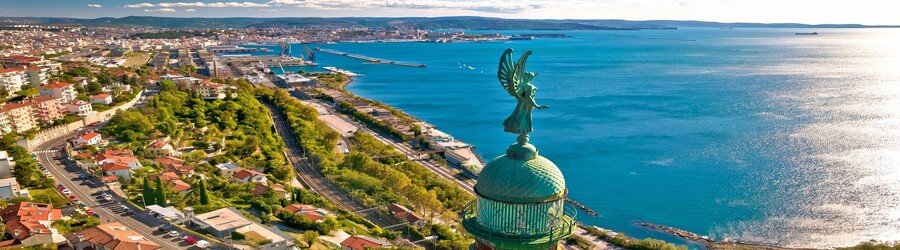
Climb San Giusto Hill to see the Castello di San Giusto and enjoy wide views over the city. Nearby, the Cathedral of San Giusto features detailed mosaics as well as historic interiors.
Roman Theatre
Discover the remains of a 1st-century Roman theatre in the heart of Trieste. The ruins sit among modern buildings as well as are easy to visit.
Canal Grande
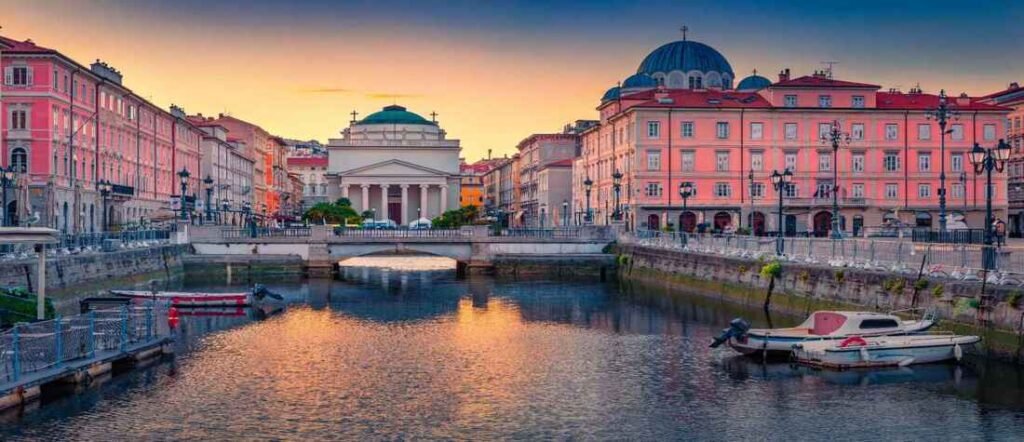
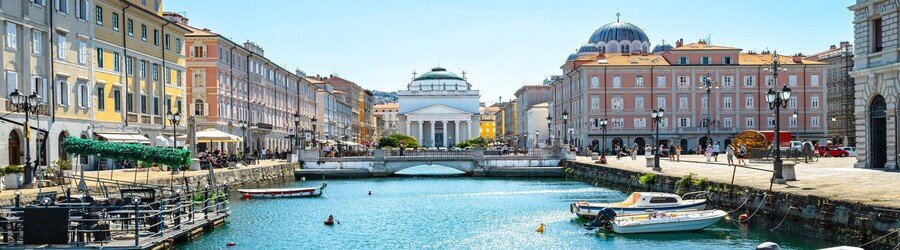
Stroll along Canal Grande in the Borgo Teresiano district. Built for trade, the canal now features elegant buildings, small boats, as well as lively cafés.
Culture & Experiences
Coffee Culture
Enjoy Trieste’s famous coffee scene. Visit historic cafés like Caffè San Marco or Caffè degli Specchi. These cafés are also linked to writers and scholars. They also remain part of daily life today.
Molo Audace
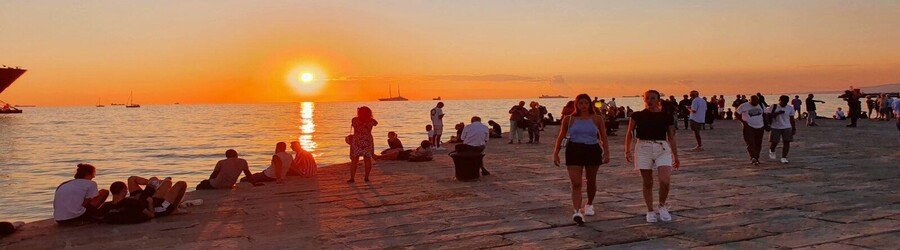
Walk along Molo Audace; a long stone pier that reaches into the Adriatic Sea. The pier is popular with locals, as well as visitors. It’s great for taking in the sea air as well as the great views.
Museo Revoltella
Visit Museo Revoltella, a modern art museum inside a 19th-century palace. The museum includes galleries, as well as a rooftop terrace for city views.
Risiera di San Sabba
Visit Risiera di San Sabba, a former Nazi camp and national monument. It is rich with history and marks one of the darkest times of the 20th century.
Nature & Day Trips
Grotta Gigante
Explore Grotta Gigante, one of the world’s largest caves open to visitors. The cave features a vast single chamber as well as guided walking tours that showcase its scale.
Karst Plateau and Rilke Trail
Hike the Rilke Trail along the cliffs between Duino and Sistiana. The path offers wide views over the Gulf of Trieste while passing through the rocky Karst landscape.
Day Trips to Slovenia and Croatia
Use Trieste as a base for simple day trips across nearby borders. Popular options include Postojna Cave and Predjama Castle in Slovenia, as well as the coastal town of Piran in Croatia.
Beaches
For seaside time, visit local spots such as the Barcola promenade. You can also reach the pebbled beaches of Sistiana just outside the city.
Most Popular Beaches in Trieste
Trieste beaches look different from many Italian seaside beaches. Paved promenades and rocky platforms line the shore, while clear Adriatic water stays close by. Because of this, beaches here feel local and relaxed. They are also easy to reach from the city center.
Barcola Beach
Barcola is the most popular beach with locals in Trieste. It runs along a long waterfront promenade backed by a pine forest known as the Pinewood of Barcola. Instead of sand, the beach features paved areas and the famous Topolini. These semi-circular terraces allow people to sunbathe and enter the water by steps.
Baia di Sistiana
Baia di Sistiana sits about 20 to 30 minutes north of Trieste by car or bus. The bay is framed by limestone cliffs and green hills. It offers a more natural pebbled beach setting. Plus, it feels quieter than the beaches closer to the city.
Bagno Marino “La Lanterna” Pedocin
La Lanterna, also known as Pedocin, is a historic public lido near the city center. It remains famous for its dividing wall that separates men’s and women’s bathing areas. This tradition makes it one of the most unique beaches in Italy, while also remaining a strong part of local culture.
Spiaggia dei Filtri
Spiaggia dei Filtri is a free beach known for white pebbles and clear water. Access requires walking down a set of steps, which helps keep crowds smaller. It suits visitors looking for a quieter spot away from busy areas as a result.
Bivio di Miramare Beach
Bivio di Miramare includes free rocky beaches. They sit along the coastal road near Miramare Castle. The water here stays especially clear. This is due to the nearby marine reserve. Many visitors come to swim or snorkel and enjoy the castle views nearby.
Secluded & Quiet Beaches Near Trieste
Canovella degli Zoppoli
Canovella degli Zoppoli is a wild and peaceful beach with clear Adriatic water. Smooth pebbles form a small crescent beneath tall cliffs. This creates a natural setting. But, reaching the beach requires a short and steep 10 to 15 minute walk. This does help keep the crowds low.
Spiaggia dei Filtri
Spiaggia dei Filtri is a free beach known for white pebbles and very clear water. The setting feels quiet and natural compared to beaches closer to the city. But again, access involves walking down a set of steps. So this beach stays quieter. A nearby restaurant offers food as well as basic amenities.
Spiaggia Costa dei Barbari
Spiaggia Costa dei Barbari is a quiet beach made up of cobbles and white pebbles. It is surrounded by nature with no nearby development. So the calm setting and lack of noise make it a true hidden gem. It’s great for visitors who want peace and solitude.
Le Ginestre
Le Ginestre feels like a hidden coastal retreat. It sits beneath cliffs covered in flowering Spanish broom. Plus, the beach remains calm and respectful, attracting visitors who value quiet surroundings. A small snack bar is available, making it easy to spend several relaxed hours here.
Top Three Luxury and Highly Rated Hotels in Trieste
Trieste offers a small and refined selection of luxury hotels. They are known for comfort, style, as well as excellent service. Many of the city’s top-rated properties sit close to the waterfront or historic center. So, this makes it easy to explore on foot. These hotels stand out for their design, location, and high guest ratings.
Grand Hotel Duchi d’Aosta ★★★★★
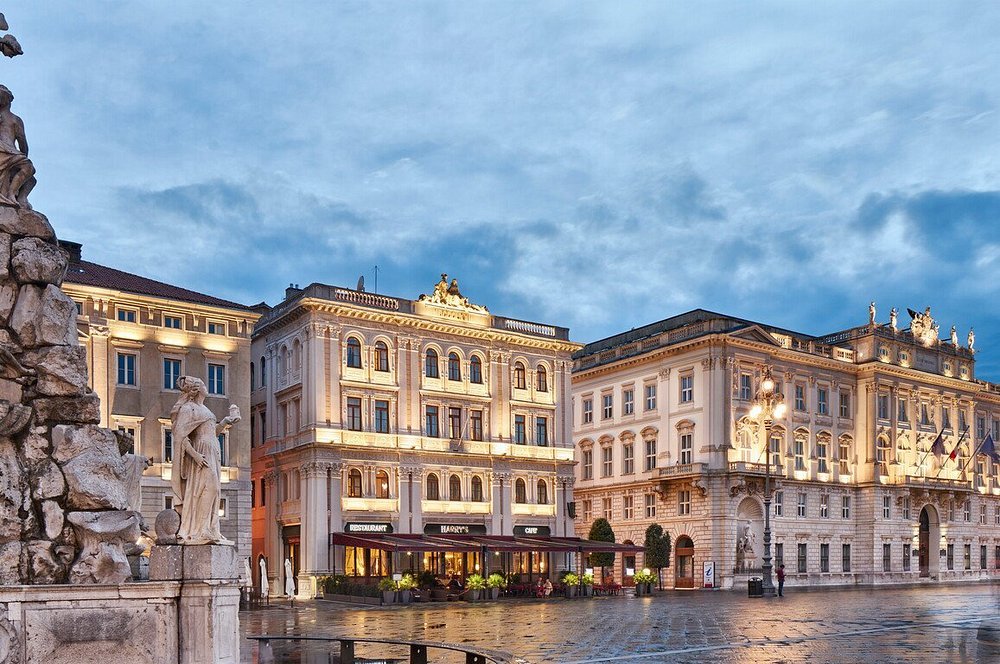
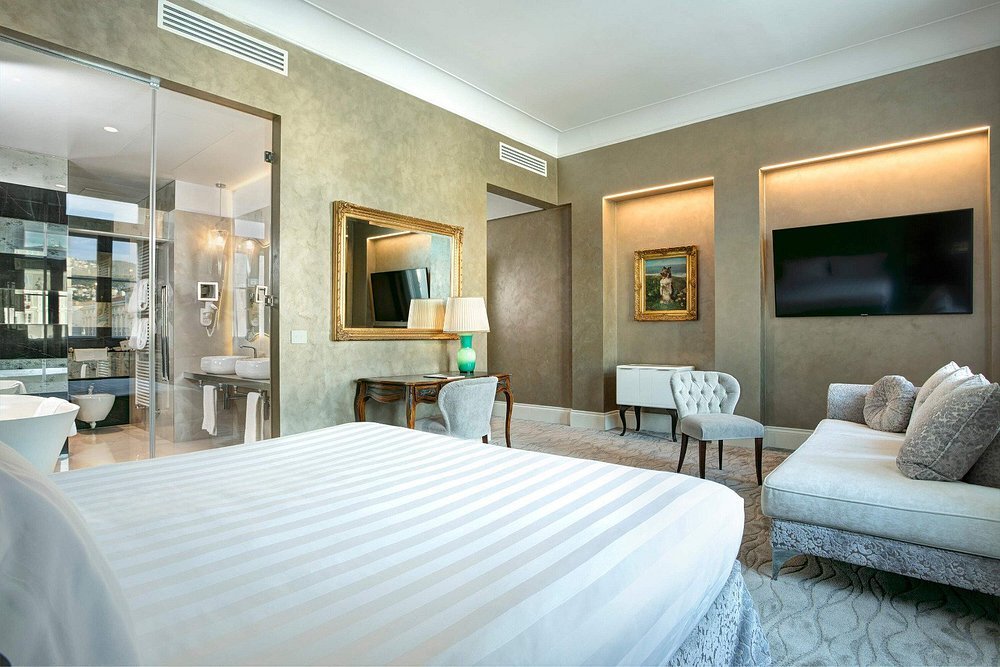
Grand Hotel Duchi d’Aosta is a refined four-star hotel beside Piazza Unità d’Italia. The central location places guests steps from historic sights and the waterfront. Rooms feel stylish and comfortable throughout the hotel. The setting works well for travelers who want to stay in the heart of Trieste.

Savoia Excelsior Palace ★★★★★
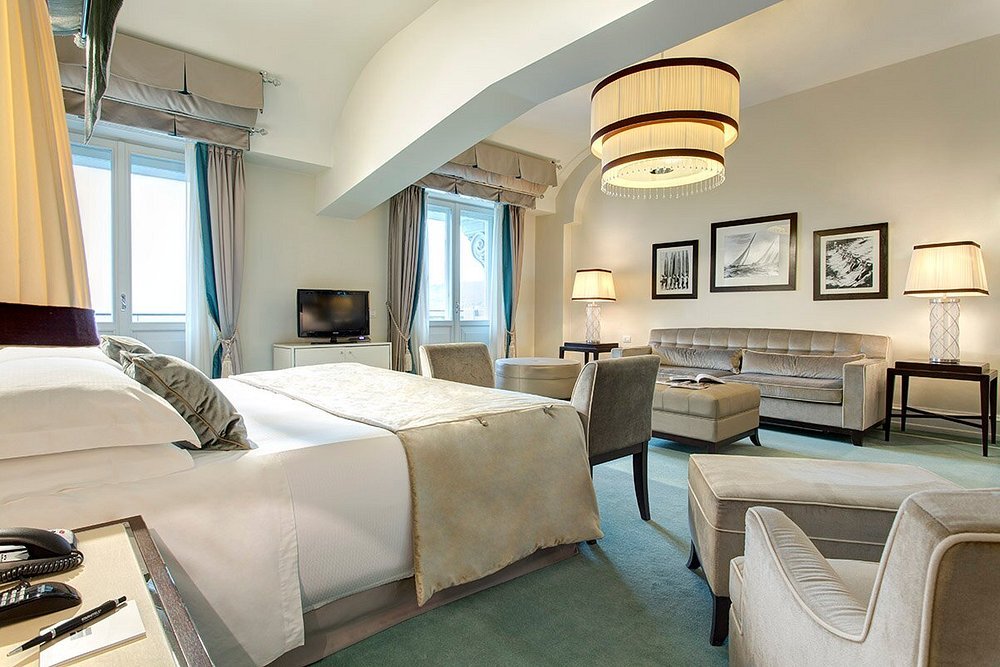
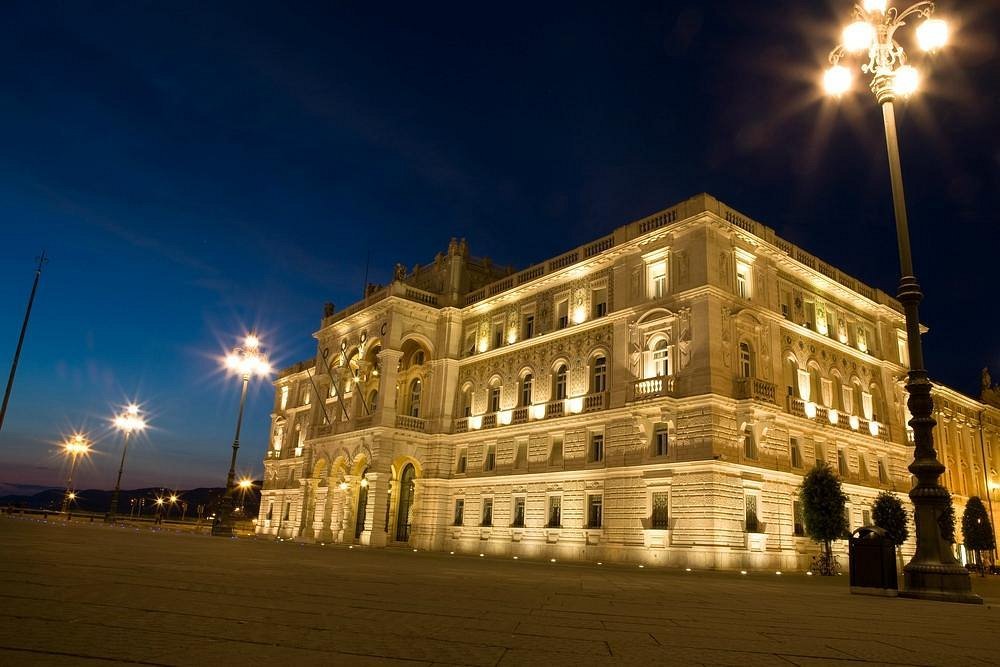
Savoia Excelsior Palace is a historic five-star hotel set directly on Trieste’s seafront. The grand building faces the marina and the Gulf of Trieste. It also offers sweeping water views. Plus, elegant interiors, classic details, as well as an attentive service make it a top luxury stay.
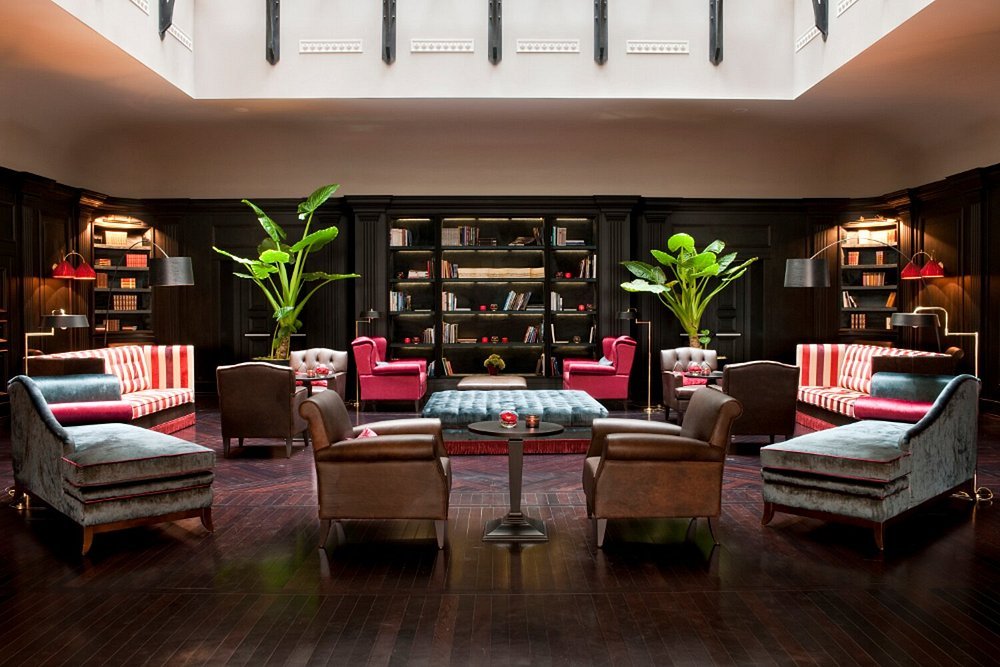
Tivoli Portopiccolo Sistiana Wellness Resort & Spa ★★★★★
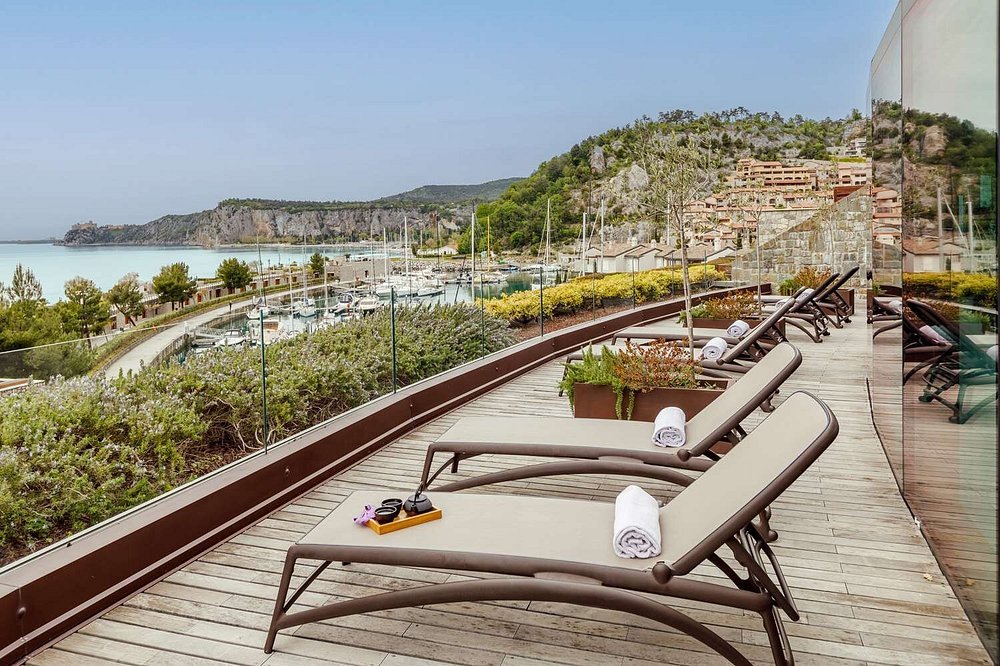
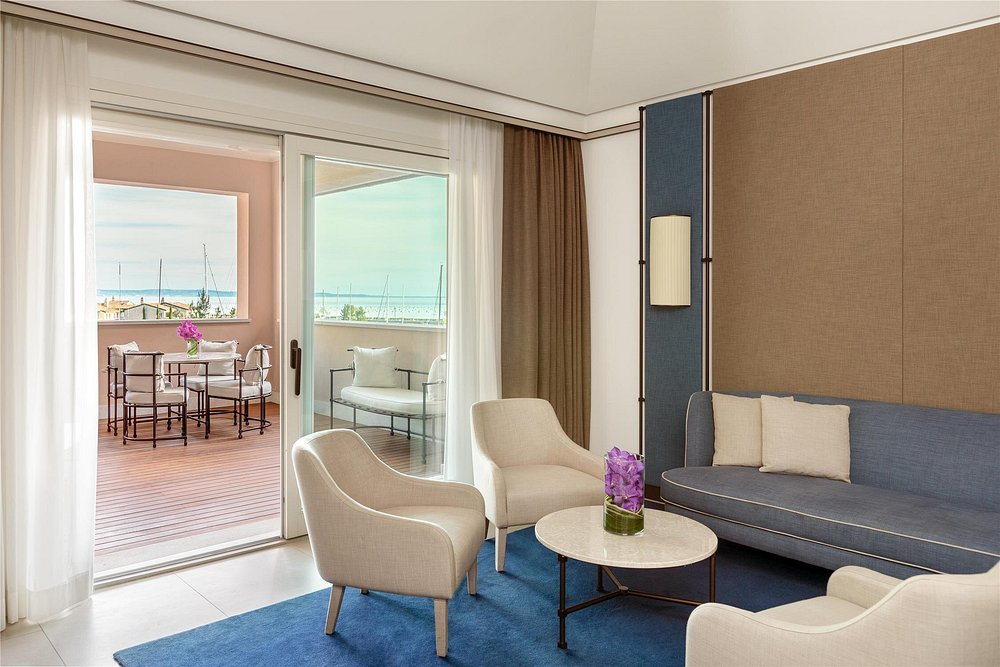
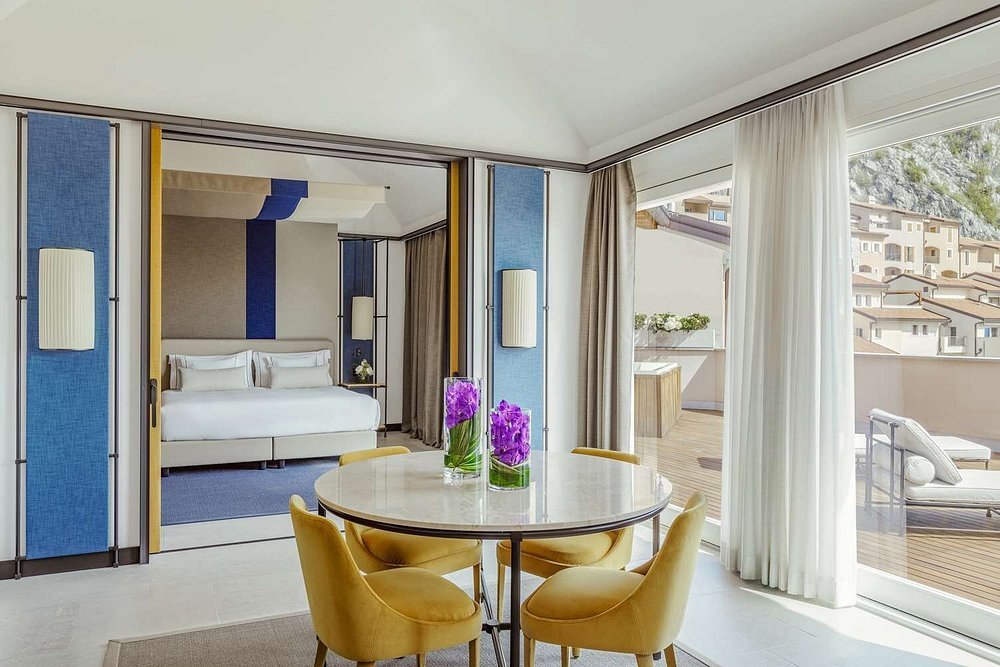
Tivoli Portopiccolo Sistiana sits in scenic Sistiana Bay just north of Trieste. The resort focuses on rest as well as quiet surroundings. Guests have access to a full spa, wellness areas, and views over the marina. It works well for travelers who want a calm stay while remaining close to the city.
Other Great Highly Rated Hotel Choices in Trieste
Hotel Riviera & Maximilian’s ★★★★☆
This seaside hotel sits just outside Trieste along the coast. As a result, guests enjoy sea views and a quiet setting. So, it suits travelers who prefer quiet stays while staying close to the city. Public areas feel open as well as calm.
DoubleTree by Hilton Trieste ★★★★☆
This modern hotel sits in a restored historic building in the city center. At the same time, rooms feel comfy and well planned. Thanks to its location, guests can walk to major sights with ease. The lobby feels polished yet warm.
Victoria Hotel Letterario ★★★★☆
This boutique hotel has a literary theme and a calm atmosphere. Plus, it sits near Trieste’s old town areas. The setting works well for travelers who enjoy culture as well as quiet comfort. The rooms feel cozy and carefully styled.
Kempinski Palace Portoroz ★★★★★
This elegant seaside palace offers direct beach access and wide Adriatic views. Guests can relax by the saltwater pools or visit the Rose Spa. The hotel also features a Michelin-listed restaurant serving Mediterranean cuisine. Refined interiors and a calm coastal setting make it a strong choice for travelers who enjoy classic stays by the sea.
Hotel Slovenija – Lifeclass Hotels & Spa ★★★★★
This coastal hotel offers easy comfort by the sea. Guests can relax in warm seawater pools, and they can also walk along the nearby beach toward Piran. After a day out, the on-site restaurant serves fresh meals, while breakfast includes baked goods made each morning.
Food in Trieste: What to Eat and Why It Matters
Trieste’s cuisine reflects its layered past. It blends Italian cooking with Austro-Hungarian and Balkan flavors. So, meals here feel hearty, coastal, as well as deeply regional. You will find rich stews, pork-based dishes, and fresh seafood. As well as old-world desserts served across the city.
Below are some must try dishes that define local food culture.
Savory Dishes To Try
Jota Soup
Jota is a classic local soup often eaten in cooler months. It combines sauerkraut, beans, potatoes, as well as smoked pork or sausage. Because of its simple ingredients, it clearly reflects Trieste’s Central European roots.
Triestine Goulash
Unlike Hungarian goulash, the Trieste version skips potatoes. Instead, it focuses on beef, white onions, and paprika cooked into a thick stew. The dish is usually served with bread dumplings or gnocchi, which help soak up the rich sauce.
Boiled Pork Dishes (Caldaie)
These traditional dishes are common at local buffets. They often include pork shoulder, neck, as well as belly. The meat is served with mustard, horseradish known as kren, and sauerkraut. It creates a bold yet balanced plate.
Sardoni in Savor
These are fried anchovies. They are marinated in a sweet-and-sour mix of vinegar, onions, oil, as well as spices. While the method comes from nearby Veneto; it became popular in Trieste as a way to preserve fish. So today, it remains a favorite choice.
Liptauer
Liptauer is a savory cheese spread with Austro-Hungarian roots. It is made from sheep’s milk ricotta and flavored with paprika and cumin. Most often, it is served with bread as a pre meal spread.
Ćevapčići
This dish reflects Trieste’s Balkan influence. The grilled meat rolls are made from a mix of beef, lamb, and pork. They are usually served with chopped onions and flatbread. This makes them filling as well as easy to share.
Desserts To Try
Presnitz
Presnitz is a historic rolled pastry that dates back centuries. Bakers fill it with dried fruits, nuts, raisins, as well as a light touch of liqueur. Because of its rich flavor, it is especially popular during Christmas and Easter.
Strucolo
Strucolo is Trieste’s local version of strudel. It can be sweet, often using a filling similar to presnitz. But, savory versions are also common and may include meat, vegetables, ricotta, or spinach.
Plum Gnocchi (Gnocchi di Susine)
This unique dish uses potato gnocchi dough wrapped around a whole dried plum. After boiling, the gnocchi are topped with melted butter and cinnamon. While it is sometimes served as a first course, it is more often enjoyed as a dessert.
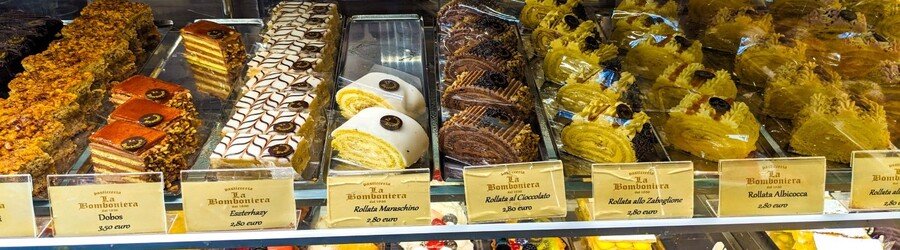
Where to Find Them
Traditional Buffets
Local buffets such as Vecio Buffet Marascutti and Buffet Clai serve classic boiled pork dishes, as well as other regional favorites. So, they offer one of the easiest ways to sample traditional Trieste food.
Trattorias
For full meals, trattorias provide a broader menu. Many of them serve seafood, goulash, as well as local pasta dishes. Well rated options include Trattoria Al Moro and Osteria Marise. These spots stay popular with locals year-round. Many locals also eat here often.
Getting Around in Trieste
Trieste is easy to explore thanks to its compact layout. Most major sights sit close together. So walking often works best. As a result, many visitors rarely need a car while staying in the city center.
Public transport is reliable and simple to use. Buses reach most neighborhoods and nearby areas with ease. Tickets are affordable and widely available. This makes day trips smooth and stress-free.
Taxis are available throughout the city. Especially near the train station and main squares. They work well for short rides or late evenings. But, prices are higher than public transport.
Trieste also connects well by train. Rail lines link the city to Venice, Udine, as well as other parts of northern Italy. In addition, cross-border routes make travel to Slovenia quick as well as convenient.
If you prefer scenic views, consider the historic Opicina Tram. This unique line climbs into the hills above the city. It offers wide views over the coast. So it remains a favorite for both visitors as well as locals.
Attractions and Activities in Trieste
Trieste offers a wide mix of history, culture, as well as outdoor sights. As a result, it appeals to travelers who enjoy both city landmarks and natural escapes.
Iconic Landmarks
The city features several must-see landmarks. Highlights include the grand Piazza dell’Unità d’Italia and the seaside Miramare Castle. Other key sights include the Roman Theatre, San Giusto Castle as well as the Cathedral. Together, they tell the story of Trieste’s long and layered past.
Museums and Culture
Trieste’s museums reflect its artistic and historic depth. The Revoltella Museum focuses on modern art. While the Sartorio Civic Museum showcases elegant interiors as well as local history. Also, the Civico Museo della Risiera di San Sabba serves as a powerful WWII memorial and national monument.
Nature and Outdoor Experiences
Nature sits close to the city. Visitors can explore the massive Grotta Gigante. One of the world’s largest show caves. In addition, the nearby Karst region offers hiking trails, while Barcola provides easy access to seaside walks and swimming.
The Literary and Coffee Scene
Trieste is known for its deep ties to literature and coffee culture. Historic cafés once welcomed writers such as James Joyce and Umberto Saba. Even today, these cafés remain central to daily life and social tradition.
Quick Tips for Visiting Trieste
Trieste is easy to enjoy with a bit of planning. Most visitors get around on foot. So comfortable shoes make a big difference. In addition, pack a light jacket. Sea winds can feel cool even on warm days.
Many cafés and shops accept cards. But, small bakeries and local buffets may prefer cash. While English is widely understood, learning a few simple Italian words is always welcome.
Why Trieste Is Worth the Trip
Trieste offers history, food, and sea views in one easy city. It feels rich without feeling rushed. As a result, visitors can explore at a relaxed pace.
From grand squares to quiet cafés, the city rewards slow travel. You can walk most places, eat well, and enjoy the coast. In the end, Trieste leaves a lasting impression without the crowds.
Frequently Asked Questions About Trieste
Is Trieste easy to walk around?
Yes, Trieste is very walkable. Most major sights sit close together, especially in the city center.
How many days do you need in Trieste?
Two to three days works well for most visitors. This allows time to see the main sights, enjoy local food, and relax by the sea.
Is Trieste expensive to visit?
Trieste is more affordable than many Italian cities. Food, hotels, and transport often cost less than in Venice or Milan.
Do people in Trieste speak English?
Many locals speak English, especially in tourist areas. Still, a few Italian words are always appreciated.
What makes Trieste different from other Italian cities?
Trieste blends Italian, Central European, and Balkan influences. This mix shapes its food, culture, and overall feel.
Related Posts
 The Best Naples Port Guide For An Amazing Day
- Visit Beautiful Lohme in the Jasmund Region on Rügen Island
- Visit Beautiful Lauterbach on The Island of Rügen
- Visit Beautiful Putbus on The Island of Rügen
- Discover the Most Beautiful Coastal Landscapes of Sassnitz Germany
- Rhine Gorge: The Most Stunning Hidden Castles You’ll Love


Trieste looks like such an interesting city, especially with that mix of Italian and Central European influences. The photos of Canal Grande and the waterfront really make it look like a relaxing place to explore on foot. I also like that you can visit historic landmarks like Miramare Castle and then head to the coast for swimming the same day. If someone is visiting Trieste for the first time, would you recommend focusing more on the historic sights in the city or taking time to explore the nearby beaches and coastal trails?
For a first visit to Trieste, it usually works best to start with the historic sights in the city center and then add time along the coast if your schedule allows. Trieste’s compact layout makes it easy to explore places like Piazza Unità d’Italia, Canal Grande, and San Giusto Hill within a short walking distance. Miramare Castle is also one of the city’s most memorable landmarks, with beautiful gardens and wide views over the Adriatic Sea. After seeing the main historic areas, heading to the Barcola promenade or one of the nearby coastal spots adds a completely different side of Trieste. This combination of architecture, history, and Adriatic coastline gives first-time visitors a well-rounded experience of the city.
Trieste sounds like such an underrated gem! 🇮🇹 I love how it offers both seaside relaxation and a touch of Central European culture—it feels like two destinations in one. The beaches like Barcola and Canovella degli Zoppoli sound so unique, especially with their mix of pine trees and rocky coves. Did you get to explore any of the local cafés or wine bars while you were there? I’ve heard Trieste’s coffee culture is one of the best in Italy!
Thank you! Yes, Trieste’s café scene is truly something special—it’s part of what makes the city so charming. Caffè San Marco and Caffè degli Specchi are both must-visits for authentic coffee and old-world atmosphere. And after a day at Barcola or Filtri Beach, grabbing an aperitivo at Caffè Stella Polare or a glass of wine at Nettare diVino is the perfect way to unwind by the sea.