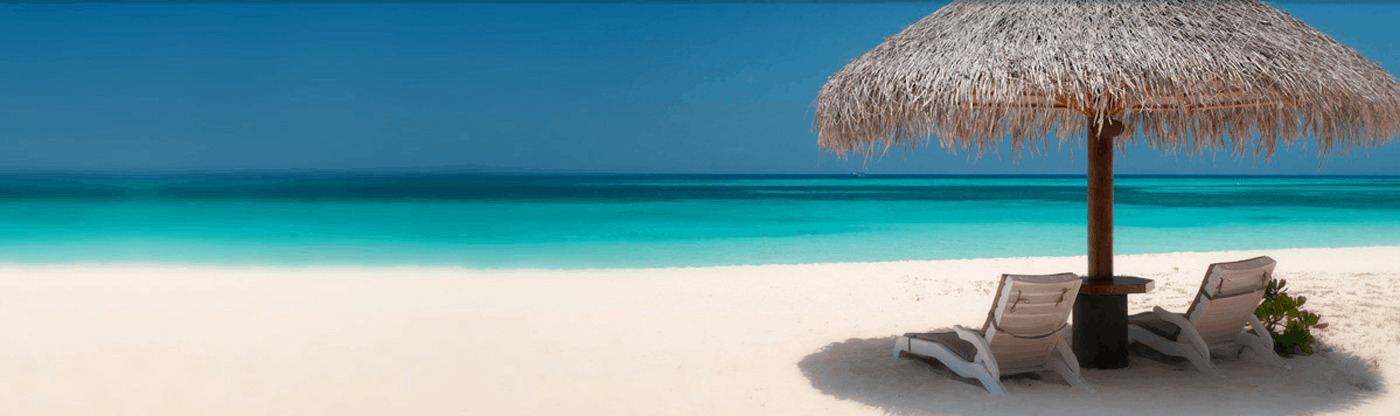

Discover the Beautiful Peloponnese Greece, where golden beaches, ancient ruins, and coastal villages create a region unlike any other.
The Beautiful Peloponnese Greece Region is full of sun and sea. Sandy beaches, blue water, and hilltop villages shape its unique charm. Moreover, life here moves at an easy pace, perfect for slowing down.
Each area of the Peloponnese feels different. Some have quiet coves, while others have long, open shores. In addition, local tavernas, cozy stays, and seaside resorts add comfort. In short, the Most Beautiful Peloponnese Greece blends coast, food, and culture in one trip.
For more information on all the great beaches in Greece, visit here, or visit us on Pinterest.
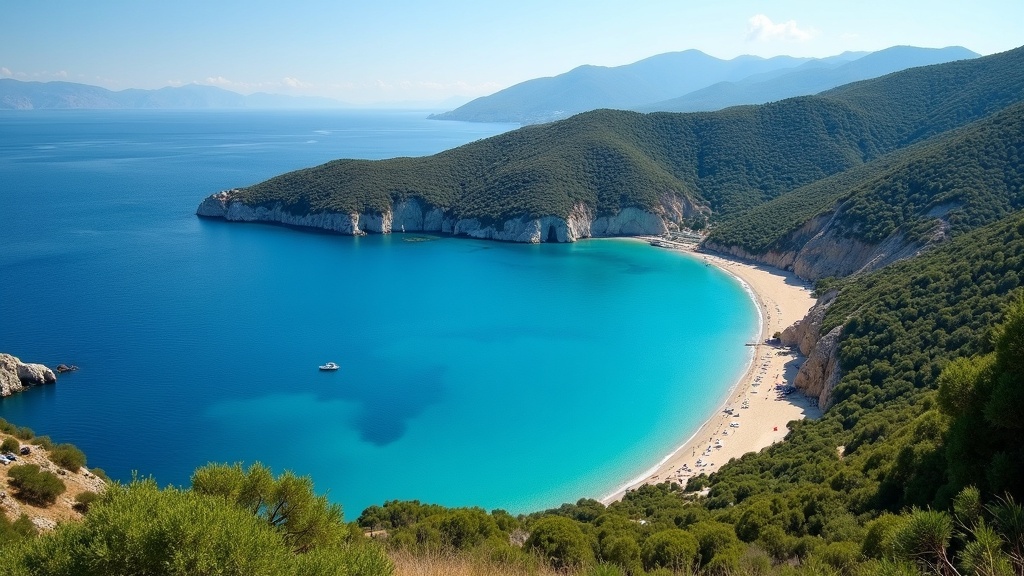
Weather & Best Time to Visit the Beautiful Peloponnese Greece
The Beautiful Peloponnese Greece enjoys a mild Mediterranean climate. Summers are hot and dry, while winters are cooler with some rain. Moreover, sunshine is common most of the year.
The best time to visit is spring and autumn. April to June brings warm days, flowers, and fewer crowds. September and October keep the sea warm but the beaches quiet. In short, these seasons mix comfort with beauty.
Summer is peak season, from July to August. Days are very hot, often above 30°C (86°F). Beaches are lively, yet towns and roads feel busy. However, if you love energy, this is your time.
Winter runs from November to March. Temperatures are mild, but rain is more common. As a result, it is a slower season, good for history and local life.
Why Visit the Most Beautiful Peloponnese Greece
The Most Beautiful Peloponnese Greece combines beaches, history, and culture. Ancient ruins rise above the sea, while quiet coves invite you to swim. Moreover, mountain villages add charm and tradition.
Rich History: From Olympia to Mycenae, the Peloponnese holds Greece’s greatest stories. In short, every ruin tells part of the ancient world.
Beautiful Beaches: Golden sands stretch across the coast. Voidokilia, Simos, and Elafonisos are just a few highlights.
Authentic Villages: Stone houses, narrow streets, and welcoming locals shape daily life. Furthermore, each village feels unique, with its own pace.
Outdoor Beauty: Mountains, caves, and hiking trails offer endless views. As a result, nature lovers find much to explore beyond the sea.
Food & Wine: Fresh olive oil, local cheeses, and fine wines define Peloponnese dining. In addition, tavernas serve meals that feel both simple and rich.
In short, the Most Beautiful Peloponnese Greece blends coast, culture, and flavor into one unforgettable escape.
For a simple way to explore, try a Peloponnese Highlights Tour. It covers ruins, villages, and coast in one easy trip.
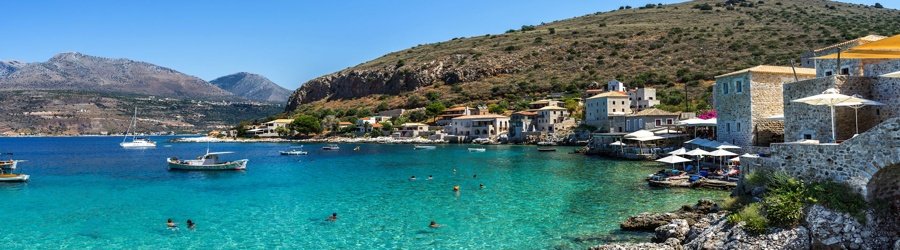
The Most Beautiful Beaches of the Peloponnese
The Beautiful Peloponnese Greece is blessed with some of the best beaches in the country. Long sandy bays sit beside rocky coves, each with crystal-clear water. Moreover, these shores feel both welcoming and unspoiled.
Popular & Award-Winning Beaches
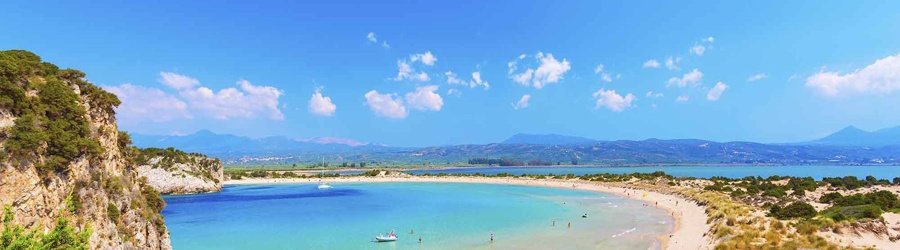
Voidokilia Beach: Shaped like a perfect circle, this beach is famous for soft sand and shallow water. In short, it is one of the most photographed spots in Greece.
Simos Beach (Elafonisos): Twin bays of white sand and turquoise sea. Moreover, dunes and clear waters make it a must for swimmers.
Stoupa Beach: Family-friendly and lined with tavernas. Its calm water and soft sand create a relaxed holiday vibe.
Kalamata Beach: Easy to reach from the city, with plenty of cafés and bars. As a result, it mixes urban comfort with seaside fun.
Foneas Beach: A striking mix of white pebbles and clear water. In addition, cliffs and caves add adventure for swimmers.
Hidden Gem & Quiet Beaches
Kalogria Beach: A sandy stretch with calm, shallow seas. Moreover, it is less crowded and great for families.
Mavrovouni Beach: Long and open, often with steady winds. As a result, it’s popular with windsurfers but still quiet.
Tolo Beach: A peaceful bay with golden sand and blue water. In short, it is ideal for a calm swim.
Kalogria Stoupa (Smaller Bay): A hidden spot near Stoupa with soft sand and fewer crowds. Furthermore, its quiet waters make it great for couples.
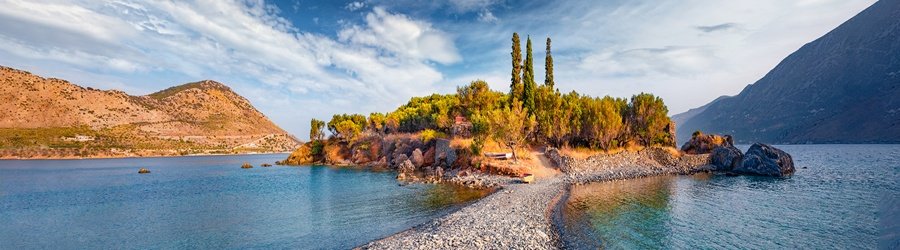
Vathi Beach (Mani Peninsula): A tranquil bay with turquoise water and dramatic cliffs. In addition, it feels remote and untouched.
After the beaches, the Beautiful Peloponnese Greece still has more to show. Ancient ruins, mountain trails, and small villages wait just beyond the shore. Moreover, these places reveal a side of the region you cannot see from the sea.
Must-Do Experiences Beyond the Beaches
The Beautiful Peloponnese Greece is not only about the sea. Ancient sites, villages, and mountains create experiences you will never forget.
Ancient Olympia: Walk through the birthplace of the Olympic Games. Moreover, its ruins and museum bring ancient history to life. Join a half-day Olympia tour, perfect for travelers with limited time.
Mycenae: Explore the Lion Gate and royal tombs. In short, this Bronze Age site shows the power of early Greek kings. Take a day trip to Mycenae, Epidaurus, and Nafplio from Athens.
Epidaurus Theater: Famous for perfect sound, this ancient theater still hosts plays. Furthermore, its design inspires awe even today. Enjoy a private tour of Epidaurus Theater and the Canal of Corinth from Corinth.
Mani Peninsula: A rugged land of stone towers and hidden bays. As a result, it feels wild and authentic. A private 3-day tour of Monemvasia, the Peloponnese, and Mani combines castles, coastal drives, and hidden villages.
Monemvasia: A medieval castle town on a rock island. In addition, its cobbled streets and sea views make it magical. Join the same 3-day Monemvasia and Mani tour to explore its charm with ease.
Arcadia Mountains: Hike trails through forests, rivers, and traditional villages. In short, it is a nature escape at the heart of Greece. Try a wine tasting tour in Nemea, easily reached from Nafplio.
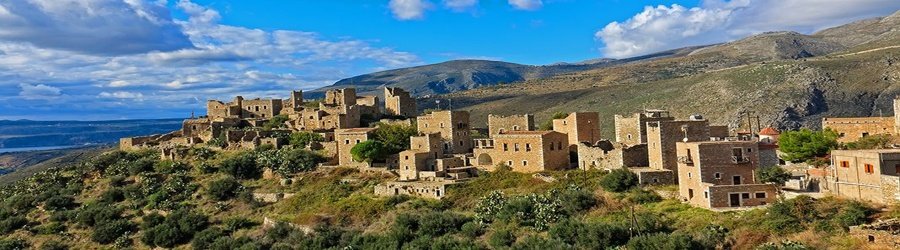
Hidden Gems of the Peloponnese
Dimitsana: A mountain village with stone houses and fresh air. Moreover, its history as a center of learning makes it special.
Mystra: Byzantine ruins spread across a hillside near Sparta. In addition, its churches and palaces feel timeless.
Nemea: Famous for wine and history. As a result, you can tour vineyards and ancient stadiums in one visit.
Where to Stay in the Most Beautiful Peloponnese Greece
The Beautiful Peloponnese Greece is not only about beaches and ruins. It also offers stylish resorts and cozy escapes by the sea. These highly rated hotels bring both comfort and coastal charm.
Luxury Hotels in the Peloponnese
The Romanos (9.4 0 Wonderful): A five-star resort on Navarino Bay. Moreover, it offers a golf course, infinity pools, and direct beach access. Stay at The Romanos for beachfront luxury, three pools, and superb service.
The Westin Resort Costa Navarino (9.4 – Wonderful): A five-star beachfront resort with family-friendly pools and a world-class spa. Moreover, its sandy bay setting makes it ideal for both relaxation and adventure. Stay at The Westin Resort Costa Navarino for luxury, family comfort, and beachside charm.
Vrysomylos (10 – Excellent): A boutique luxury stay surrounded by olive groves near the sea. Moreover, its modern design and quiet setting create a true retreat. Relax at Vrysomylos, a top-rated luxury hideaway close to the coast.
Pnoe Eco Residences (9.8 – Excellent): Sustainable style meets coastal charm in these eco-friendly suites. In addition, guests enjoy sea views, private terraces, and modern comfort. Stay at Pnoe Eco Residences for eco-luxury with sea views and serene design.
Alkida Luxury Rooms Tolo (10 – Excellent): Elegant rooms set just steps from the beach. Furthermore, its perfect service and romantic atmosphere make it ideal for couples. Choose Alkida Luxury Rooms in Tolo for beachside comfort and flawless service.
Romantic Hotels in the Peloponnese
Alios Gaia Seaside Apts (9.8 – Exceptional): Modern apartments right by the sea; with balconies overlooking the water. In addition, guests enjoy spacious interiors and a calm coastal vibe. Book Alios Gaia Seaside Apts for sea views, space, and modern comfort.
Silo Luxury Rooms (9.6 – Wonderful): A stylish boutique stay near the coast with sleek rooms and warm design. And, its peaceful setting makes it perfect for a relaxing escape. Stay at Silo Luxury Rooms for modern style and coastal comfort.
Palacio del Sol Luxury Apartments (9.5 – Exceptional): Elegant apartments with balconies overlooking the sea. In addition, guests enjoy spacious interiors and refined details. Choose Palacio del Sol Luxury Apartments for space, elegance, and sea views.
Origami Boutique Residences (9.5 – Excellent): Modern suites with chic design close to the beach. Furthermore, its personalized service and quiet vibe add to the charm. Book Origami Boutique Residences for chic stays near the beach with personal service.
Blue Topaz Poolside Villa (9.6 – Excellent): A luxury villa with private pool and sweeping views. In short, it blends modern comfort with a romantic, coastal setting. Relax at Blue Topaz Poolside Villa, where private luxury meets stunning sea views.
Food & Drink in the Beautiful Peloponnese Greece
The Beautiful Peloponnese Greece is known for fresh flavors and simple meals. From olive oil to local wines, every dish feels connected to the land.
Olive Oil: The region produces some of the best olive oil in Greece. Moreover, tastings at local farms let you enjoy it at the source. Try the Kalamata- Olive oil & Wine Tour with traditional lunch tour.
Seafood Taverns: Along the coast, small tavernas serve grilled fish, octopus, and prawns. In short, the sea always finds its way to the table.
Local Cheeses: Try manouri, graviera, and mizithra. Furthermore, many tavernas pair them with honey or herbs.
Traditional Dishes: Stews, pies, and oven-baked meals fill village menus. As a result, you can taste history in every bite.
Wine & Spirits: Nemea is famous for red wines, while tsipouro is a popular spirit. In addition, vineyards welcome visitors for tours and tastings.
In short, food in the Peloponnese blends land and sea. Every meal reflects both tradition and warm hospitality.
After tasting the food, many travelers still have questions about Peloponnese Greece. Thus, knowing the basics makes planning your trip much easier.
FAQs About the Most Beautiful Peloponnese Greece
When is the best time to visit the Peloponnese?
Spring and autumn are ideal. Moreover, these seasons bring warm days, quiet beaches, and easy sightseeing.
How do you get to the Peloponnese?
Most travelers arrive from Athens by car or bus. In addition, ferries connect some coastal towns with nearby islands.
Is the Peloponnese family-friendly?
Yes, the region is safe and welcoming. Also, its shallow beaches and friendly tavernas make it easy for kids.
What food is the Peloponnese known for?
Olive oil, fresh seafood, and local wines define the cuisine. Thus, every dish feels tied to the land and sea.
Do you need a car to explore the Peloponnese?
A car is helpful for villages and hidden coves. So, many visitors rent one for a flexible trip.
Conclusion: Discover the Beautiful Peloponnese Greece
The Beautiful Peloponnese Greece is more than a region. It is beaches, ruins, villages, and food all in one trip. So, every coast and mountain path adds to its charm.
Travelers come for history, yet stay for the sea and culture. In short, the Most Beautiful Peloponnese Greece blends past and present into one unforgettable escape.
Related Posts
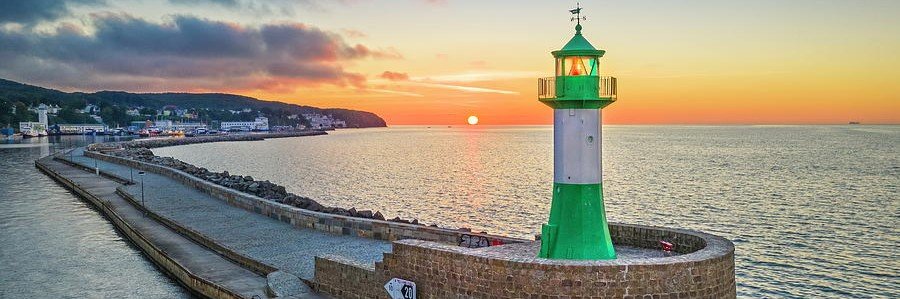
 Discover the Most Beautiful Coastal Landscapes of Sassnitz Germany
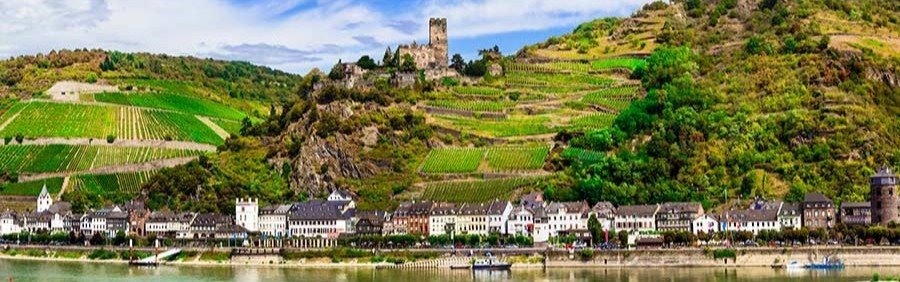
- Rhine Gorge: The Most Stunning Hidden Castles You’ll Love
- The Most Beautiful Heidelberg Old Town and Stunning Castle Views You’ll Love
- The Most Stunning Baabe Rügen Island Beaches and Hidden Coastal Gems You’ll Love
- Why Travelers Love the Stunning Seaside Resort of Thiessow Germany
- Explore Göhren Rügen Germany: The Most Beautiful Baltic Coast Escape



Thanks @Leahrae. This was a pleasant read—thank you! I studied ancient history and was always fascinated by the Peloponnese for its role in classical Greece. It wasn’t until much later in life that I realized how stunning and diverse it is as a travel destination too. Your guide does a great job of capturing that aspect.
MarkA
Thank you so much—that means a lot! It’s wonderful to hear how your background in ancient history gave you a deeper appreciation for the Peloponnese, and I’m thrilled the post resonated with both parts of your passion—its classical heritage and stunning modern landscapes.
The Peloponnese really is something special: a place where myth and marble meet rolling hills and hidden coves. I tried to weave together both those layers—its storied past and its breathtaking present—to show how traveling there offers more than just sightseeing.
Thank you again for such thoughtful feedback—it’s a joy to know the guide inspired that connection between history and travel in you.
Your guide really shows how the Peloponnese delivers that rare mix of uncrowded beaches, great food, and easygoing charm. For a first-time visitor who wants both the beauty of spots like Voidokilia and the culture of the surrounding villages, how would you suggest they plan their days so they can enjoy both without feeling rushed?
Thank you so much, Jenny, for visiting my site and for your lovely feedback! I’m glad the guide conveyed the Peloponnese’s wonderful blend of unspoiled beaches, delicious food, and laid-back charm. For a first-time visitor, I’d suggest starting mornings at the beach—Voidokilia is perfect for a swim and a slow start—then spending afternoons exploring nearby villages, enjoying a late lunch, and soaking up the local culture. Evenings can be reserved for a relaxed seaside dinner and a stroll, giving you the best of both worlds without feeling rushed.
I love stumbeling across blogs like this. I have spent the last few hours looking for our next holiday destination then your article popped up on google.
It’s so helpful that it includes details about the best times to visit, local food spots, and even resort recommendations its now become the perfect resource for planning my next escape holiday!
Thank you so much—this made my day! For easy planning, aim for May–June or September–October for warm seas and lighter crowds. A 6–8 day trip lets you pair culture and coast: base in Nafplio for Mycenae and Epidaurus, then road-trip to the Mani Peninsula (Limeni, Kardamyli) and the castle town Monemvasia; if you love beaches, add Elafonisos (Simos Beach). Rent a car for flexibility (expect a few tolls) and book seafront stays early for July–August. Eat like a local—grilled octopus, sardines, sfela cheese, lalaggia bread, kagianas, plus Nemea reds and Messinian olive oil. For resorts, look for boutique stays in Nafplio’s old town, stone-tower guesthouses in Mani, and sea-view hotels in Monemvasia—all great bases for a relaxed, memorable Peloponnese escape.
This guide was an absolute pleasure to read—thank you for sharing such rich insights! I’ve always been drawn to the idea of visiting Greece, but I hadn’t considered the Peloponnese region in depth until now. The way you describe each beach—especially Voidokilia and Simos—makes them feel both magical and inviting. I also appreciated the blend of personal experiences with practical tips like when to visit, what to expect from the weather, and where to find authentic food and quiet beauty.
As someone who loves slow travel and off-the-beaten-path destinations, the Peloponnese sounds like a perfect fit. I’ll definitely be bookmarking this guide for future planning. You’ve truly captured the spirit of a region that still feels deeply connected to nature, tradition, and relaxation.
Thank you so much for your kind words! I’m thrilled my guide helped you see the Peloponnese in a new light. Voidokilia and Simos really do have that magical, almost otherworldly quality—perfect for slow travel and soaking in the scenery. If you love authentic food, small seaside tavernas here will absolutely win you over. The region’s slower pace and untouched beauty make it feel like stepping back in time. And yes, the Peloponnese is ideal for travelers who want a mix of nature, tradition, and peaceful moments. If you have any questions while planning your trip—whether about hidden beaches, local dishes, or the best time to visit—feel free to reach out anytime.
This is a very interesting article, Leahrae. These beaches seem to be very compatible for swimming, warm waters, beautiful scenery, and even tavernas and restaurants. These beaches seem to be very good for family vacations. I am sure the hotel accommodations are excellent. I have one question: What have you found out about transportation to these beautiful beaches: taxi, buses, rental cars, or even own personal transportation?
Best wishes,
Kent
Thank you so much for visiting BeachTravelDestinations.com and for your kind words about the Peloponnese guide! I’m thrilled you found it helpful and inspiring—this region of Greece is truly one of the most underrated gems in Europe, and it’s always a pleasure to share its magic with others.
To answer your questions:
1. Is it realistic to explore multiple towns or historical sites in one day?
Yes, absolutely—but with some planning. The Peloponnese is quite drivable, and many of the highlights (like Nafplio, Mycenae, and Epidaurus) are within an hour or two of each other. I’d recommend picking one area to focus on each day to avoid too much time on the road and to really enjoy the experience.
2. Is the region good for travel year-round?
Spring (April–June) and early fall (September–October) are ideal—less crowded, pleasant weather, and everything’s still open. Summer is beautiful too, especially along the coast, but can be quite hot inland. Winter has its charm in the mountains (like Dimitsana or Kalavryta), but some coastal resorts and tavernas may close in the off-season.
3. Do I need to speak Greek to get around?
Not at all. English is widely spoken in tourist areas, especially by younger locals and business owners. Learning a few basic Greek phrases is always appreciated, though—it goes a long way in building connections!
If you’re looking for more personalized tips—like lesser-known beaches, olive oil tastings, or mountain villages worth the detour—just let me know. I’d be happy to help!
Thanks again for reading and taking the time to comment. Wishing you wonderful travels ahead, whether in Greece or beyond!