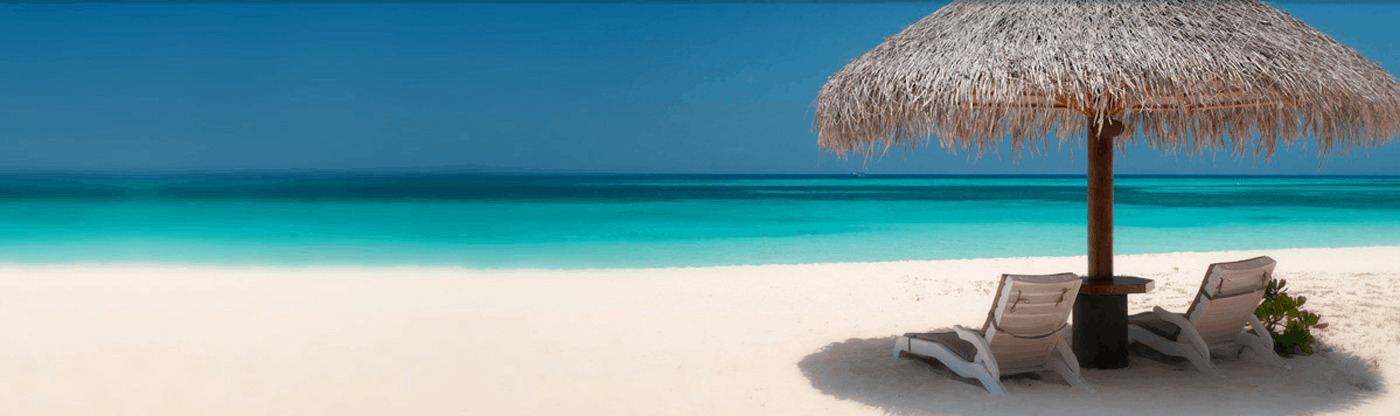
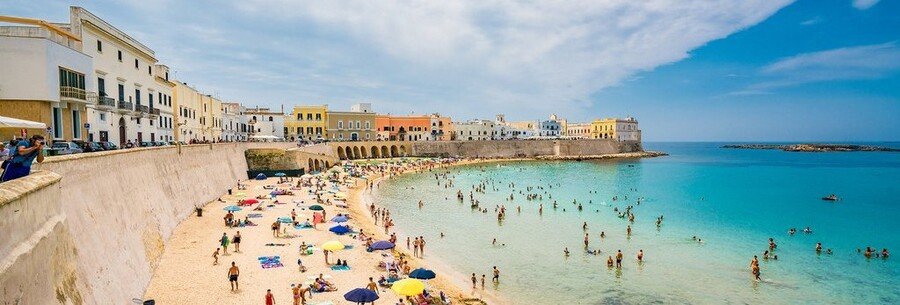
Puglia sits on the heel of Italy and feels very different from the country’s crowded northern regions. Along this sun-soaked coast, clear Adriatic waters meet historic seaside towns, creating a slower and more relaxed rhythm. Inland, endless olive groves stretch across the landscape, while the food scene remains simple, fresh, and unforgettable. Because the region blends laid-back beach days with rich cultural experiences, it’s easy to slow down while still discovering something new.
If you’re planning a trip to Puglia, this guide covers the best beaches to visit along the coast, as well as where to eat and drink nearby. It also breaks down the best time of year for warm weather and fewer crowds. In addition, you’ll find standout resorts and hotels close to the sea, making it easy to enjoy the scenery without long drives or packed tourist centers.
Visit all of Italy’s best beaches here, or visit us on Pinterest.

Best Time to Visit and Typical Weather in Puglia
Puglia enjoys warm, sunny weather for much of the year, which makes it easy to plan a trip. Late April through October offers great conditions for sightseeing, beach time, and outdoor dining. During these months, days stay bright and dry, with long hours of sunshine along the coast.
July and August bring the hottest temperatures and the biggest crowds. Daytime highs often reach 30 to 35°C (86 to 95°F), especially inland. As a result, popular beaches and towns feel lively throughout the day. While this energy appeals to some travelers, it can also feel busy. Many visitors choose June or September instead. These months still offer warm water and beach-friendly conditions, but the pace feels calmer with fewer people around.
Spring and early autumn work well for travelers who want more than beach time. April, May, late September, and October bring mild temperatures that suit walking through olive groves, visiting hill towns, and browsing local markets. Meanwhile, the scenery stays green, and days feel relaxed rather than rushed.
Winter shows a quieter side of Puglia. From December through February, temperatures remain mild and often stay above 10°C (50°F) along the coast. Swimming usually isn’t practical. Even so, this season suits food lovers and cultural travelers. With fewer tourists around, it becomes easier to enjoy historic towns and long meals without crowds.
Why Visit Puglia
Puglia offers a side of Italy that feels genuine, relaxed, and rooted in tradition. Located on the heel of the Italian boot. The region blends scenic coastlines, historic towns, as well as great food. Even better, many of these experiences come without the crowds or high prices. Like what is found in places like Tuscany or the Amalfi Coast.
A coastline with real variety
Puglia has the longest coastline in mainland Italy. It stretches close to 800 kilometers along the Adriatic and Ionian Seas. Because of this, the scenery changes often; from limestone cliffs in Polignano a Mare to wide, white sand beaches in the Salento Peninsula.
Towns with a look of their own
Many towns in Puglia stand out for their local building styles. In Alberobello, cone-shaped trulli line entire streets. In Lecce, warm stone buildings show off detailed Baroque design, while towns like Ostuni shine white above olive groves and vineyards.
Fresh food with local roots
Food in Puglia focuses on simple recipes as well as fresh ingredients. Seafood appears along the coast, while inland dishes feature vegetables, local wheat, and regional cheeses. Orecchiette pasta, burrata, focaccia barese, and bombette all come from this region.
A pace that invites you to slow down
Life in Puglia moves at an easy rhythm, shaped by long meals and time spent outdoors. For that reason, it’s simple to explore without rushing; whether you’re relaxing at the beach or walking through a historic center.
History woven into daily life
Puglia reflects centuries of Greek, Roman, Norman, as well as Byzantine influence. Visitors can explore Roman ruins in Lecce, medieval sites like Castel del Monte, and important landmarks in Bari, including the Basilica of Saint Nicholas.
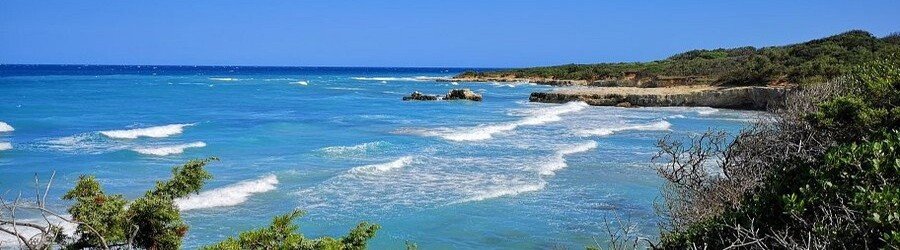
Best Beaches in Puglia
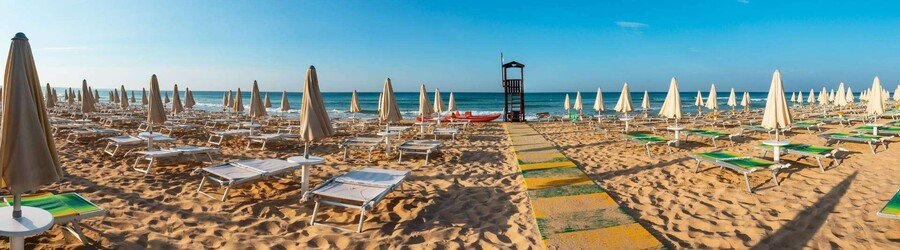
Puglia’s coastline offers a mix of cliffs, soft sand, and clear water. Some beaches sit below historic towns, while others feel quiet and untouched. Because of this range, it’s easy to find a beach that fits your travel style.
Popular Beaches Worth Visiting
These beaches stand out for their scenery, easy access, and clear water.
Lama Monachile (Polignano a Mare)
This pebble beach sits between tall limestone cliffs in the center of Polignano a Mare. Thanks to its dramatic setting, it has become one of the most photographed beaches in Italy.
Punta Prosciutto (Porto Cesareo)
Located on the Ionian coast, Punta Prosciutto has a calm, almost tropical feel. Shallow turquoise water and soft sand make swimming easy and relaxing.
Pescoluse (Maldives of Salento)
Pescoluse stretches along a wide strip of fine white sand. The water stays calm and shallow, which works well for families and slow beach days.
Baia dei Turchi (Otranto)
A short walk through a pine forest leads to this quiet sandy bay. Once there, the setting feels peaceful, with clear water and a natural backdrop.
Torre dell’Orso (Melendugno)
This curved beach features golden sand and bright blue water. Just offshore, the Due Sorelle rock formations rise from the sea, adding to the view.
Hidden Beaches and Local Favorites
These beaches draw fewer visitors and feel more rugged and authentic. This makes them popular with locals.
Porto Miggiano (Santa Cesarea Terme)
This small rocky cove forms a natural U-shape along the coast. Emerald water fills the inlet. While a long staircase leads down to the sea.
Cala dell’Acquaviva (Marittima)
Cool freshwater springs flow into this narrow inlet. This keeps the water refreshingly cold. Plus, the setting feels like a natural swimming pool carved into the rock.
Porto Selvaggio (Nardò)
A walk through a protected pine forest leads to this quiet beach. Deep blue water waits at the end, giving the area an untouched feel.
Torre Incina (Monopoli)
Local fishermen still use this rocky inlet. So the setting feels authentic. Clear water as well as low cliffs make it ideal for swimming and diving.
Cala Porto Bianco (Monopoli)
This small sandy cove sits close to town, but many visitors pass it by. So it’s quiet and works well for a quick swim alongside locals.
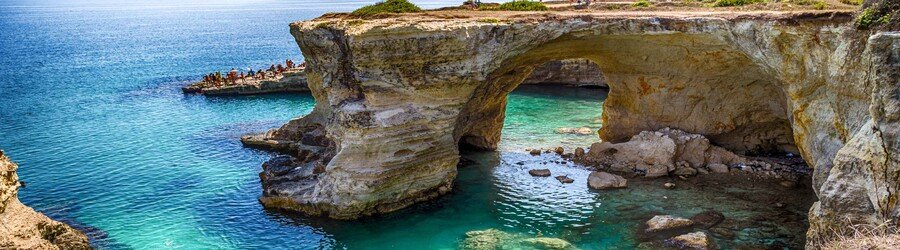
Top Luxury Hotels and Resorts in Puglia
Puglia is known for luxury that feels calm as well as understated. Many top hotels use local design and offer five-star comfort without feeling showy. These resorts often sit among olive groves or near the coast. Space, privacy, as well as a close tie to nature shape the experience.
Borgo Egnazia ★★★★★ 9.8 | 10
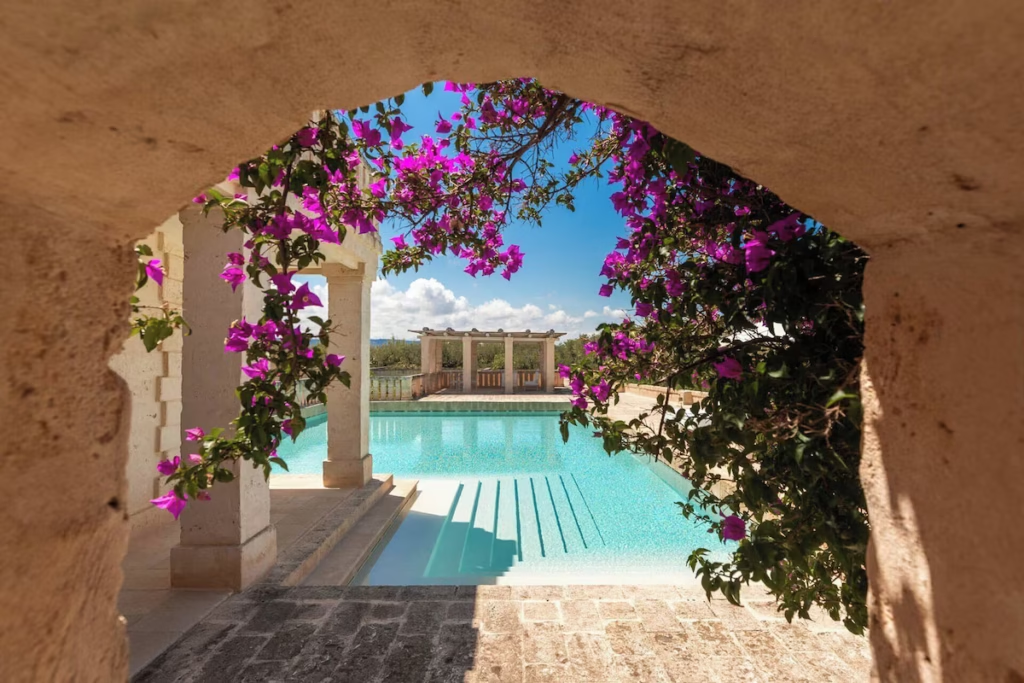
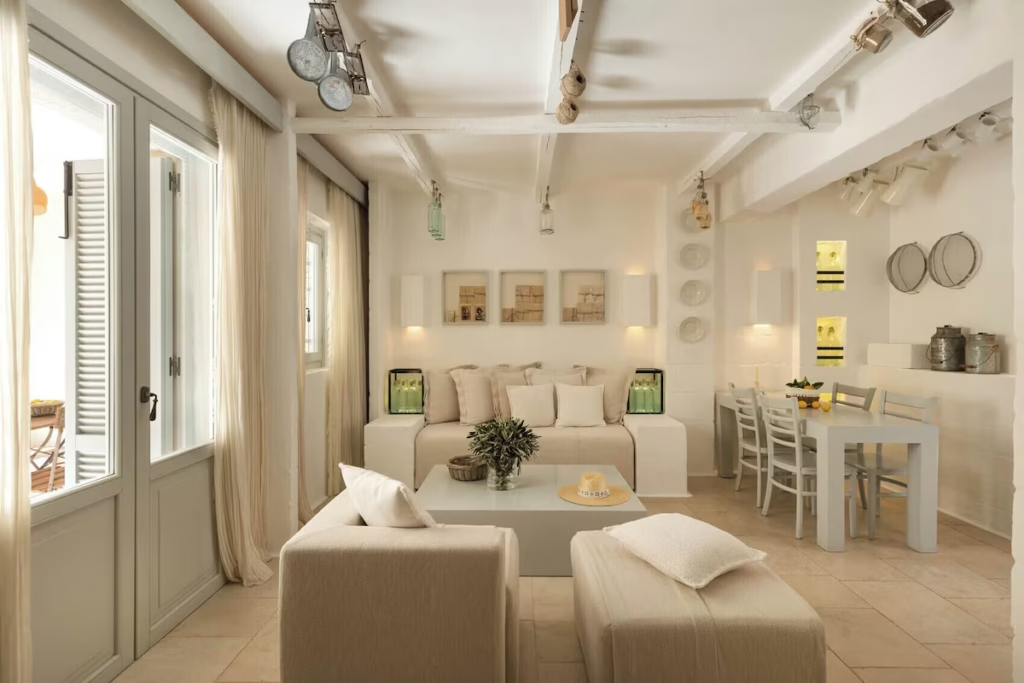
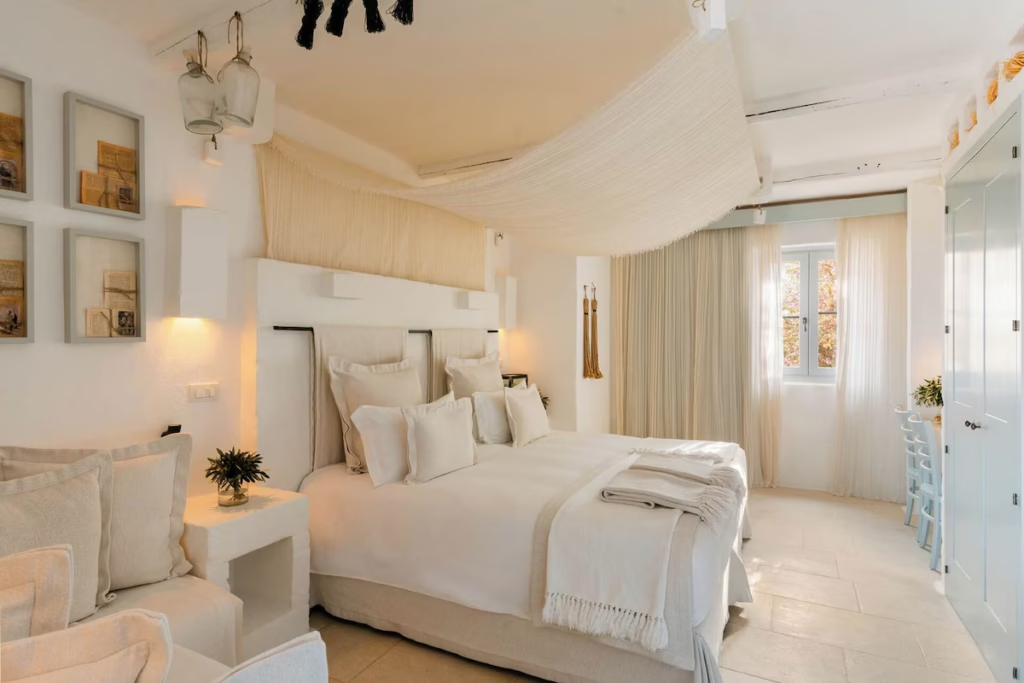
Borgo Egnazia is one of the best-known luxury resorts in Puglia. The property is built to look like a traditional Puglian village, with stone buildings, quiet courtyards, as well as winding paths. Guests can enjoy several pools, a golf course, a full spa, and also access to a private beach club nearby. The resort feels spacious and immersive. Even so, service stays personal and attentive.
Masseria Torre Maizza ★★★★★ 9.8 | 10
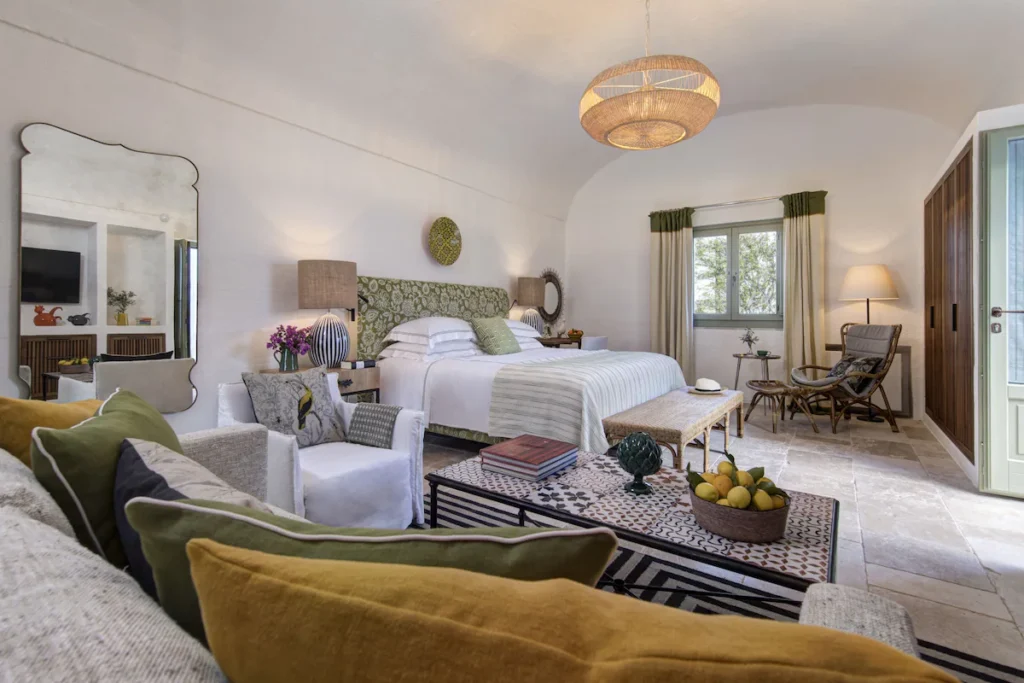
Masseria Torre Maizza sits among old olive groves and feels calm and private. Run by Rocco Forte Hotels, the property blends classic masseria style with modern comfort. Guests can relax by the pool, visit the spa, as well as use a private beach club along the Adriatic coast. The setting feels elegant but easygoing. It suits travelers who want privacy without feeling cut off.

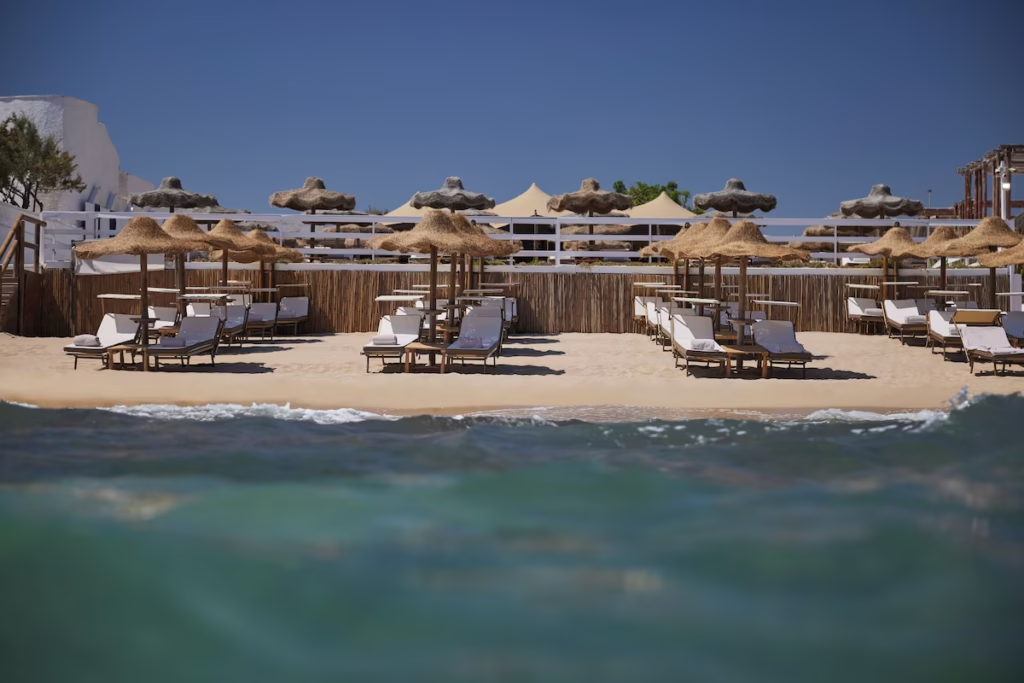
Masseria San Domenico ★★★★★ 10 | 10
Masseria San Domenico is one of the first luxury masserias in Puglia. The property features whitewashed buildings, green gardens, as well as a large seawater pool near the coast. A seawater spa supports the wellness focus, while private beach access keeps the sea close during your stay. The atmosphere feels calm as well as timeless. Many guests return for the slow pace and warm service.


Top Romantic Luxury Hotels in Puglia
Puglia also offers intimate, romantic stays that feel personal rather than grand. These hotels focus on atmosphere, views, as well as thoughtful details. Because of this, they work well for couples, anniversaries, and slower-paced escapes.
Hotel Don Ferrante – Dimore di Charme ★★★★★ 9.6 | 10
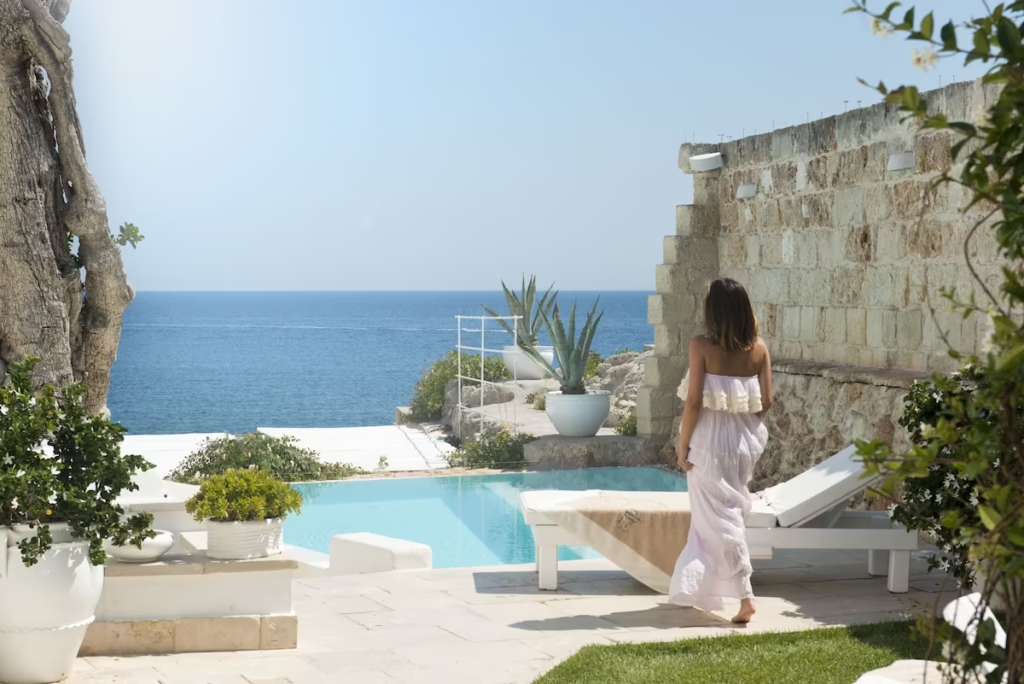
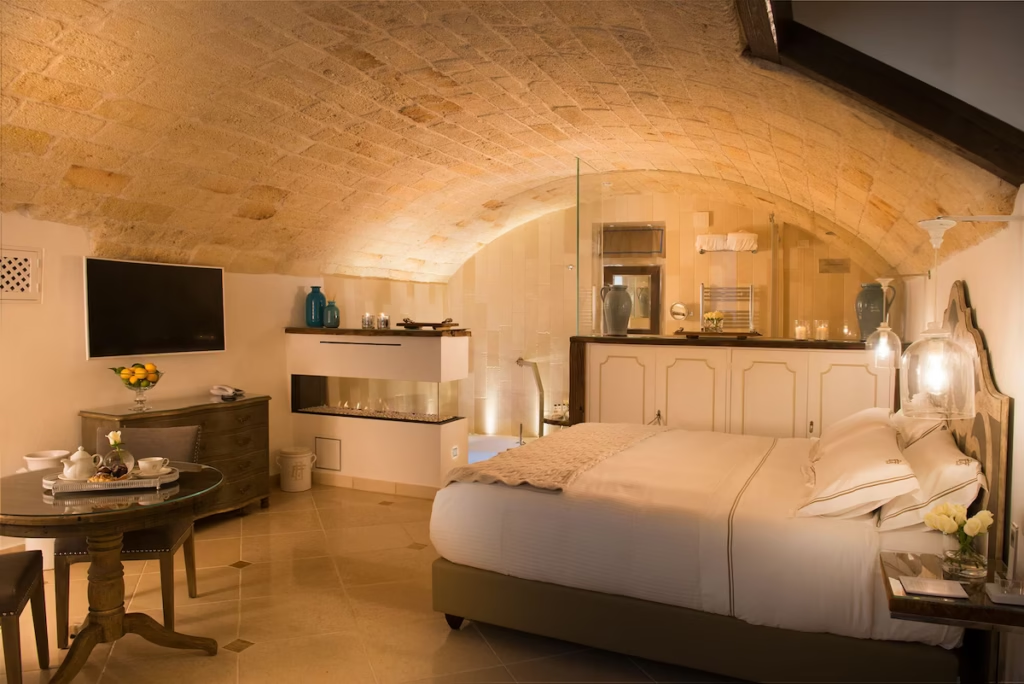
Hotel Don Ferrante sits inside a restored fortress in the historic center of Monopoli. Stone walls and arched interiors give the hotel a dramatic feel, while sea-facing rooms look out over the coast. A rooftop pool and terrace offer wide Adriatic views, especially at sunset. The hotel feels boutique and private. Even so, the harbor and nearby restaurants are only steps away.

La Sommità Relais & Châteaux ★★★★★ 9.4 | 10
La Sommità sits inside Ostuni’s White City, where narrow streets and whitewashed buildings shape the town. The hotel offers a quiet retreat with small dining spaces as well as terraces that look out over the land and sea. Rooms feel warm and personal. The mood stays calm and romantic. So, this makes it a good choice for couples who want privacy within a historic town.

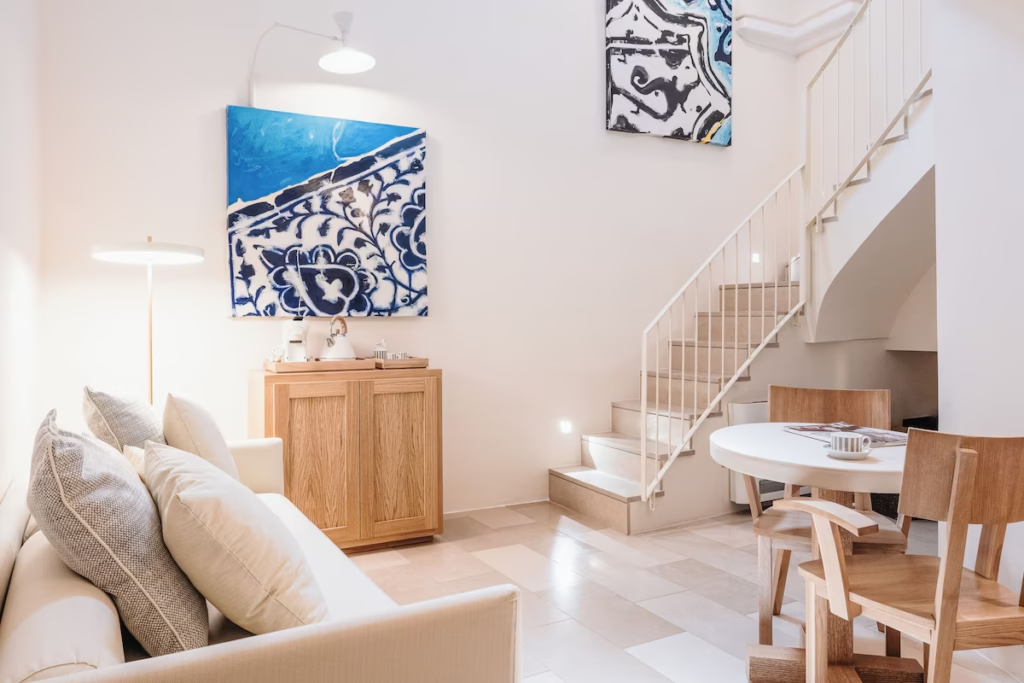
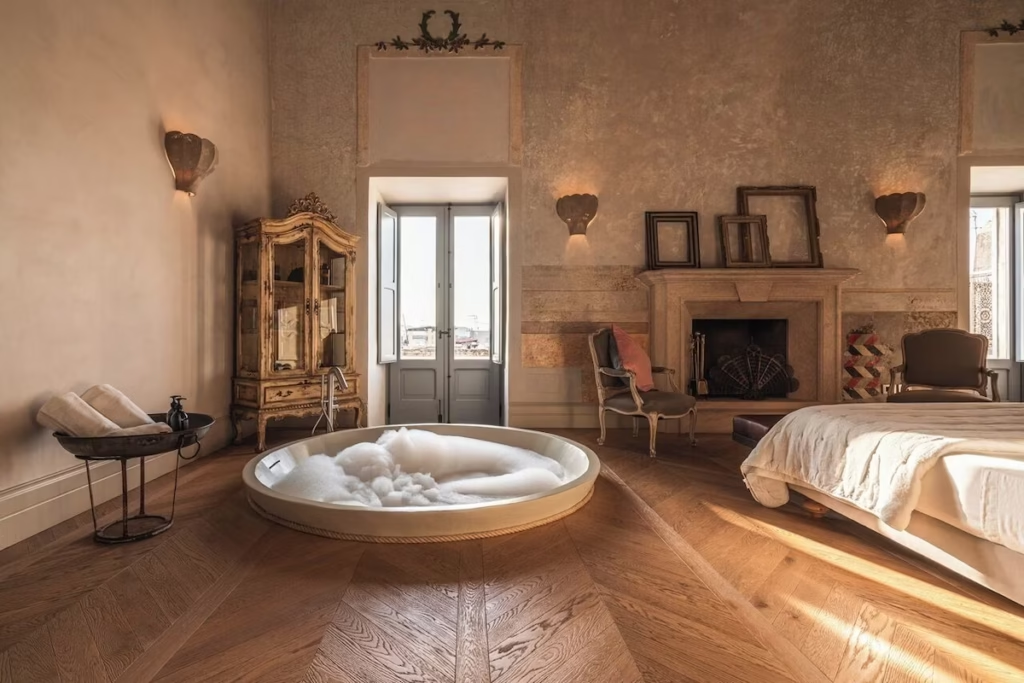
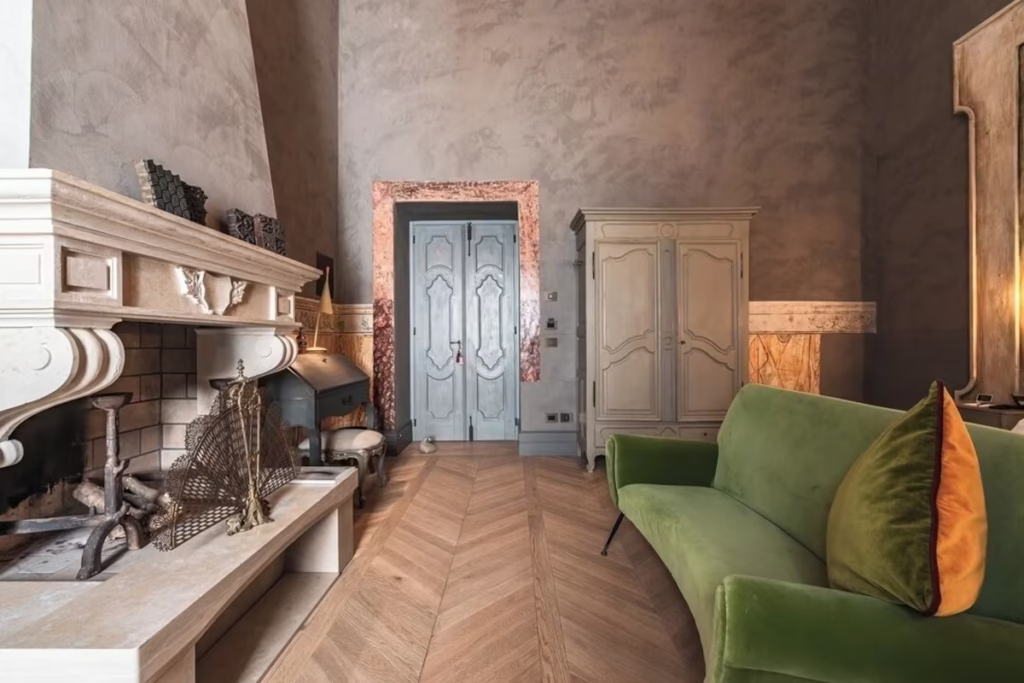
Paragon 700 Boutique Hotel & Spa ★★★★★ 9.8| 10
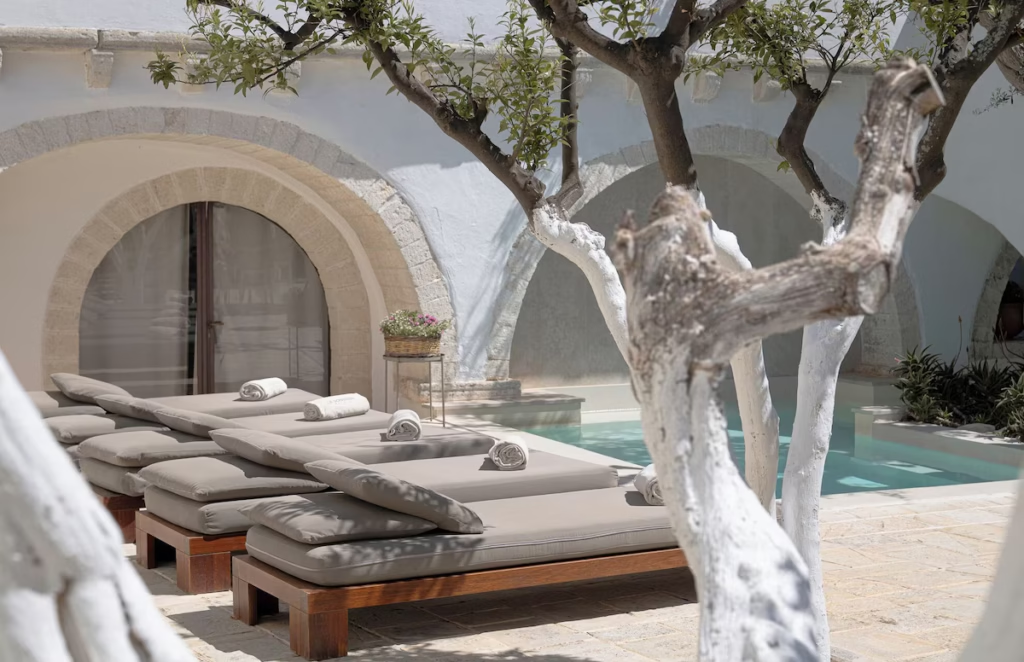
Paragon 700 sits inside a restored red-brick palazzo in the heart of Ostuni. The hotel feels quiet and refined, with elegant rooms that open onto a large private walled garden. An underground spa, set inside a former water cistern, adds a calm wellness focus. A swimming pool completes the stay. Even so, Ostuni’s historic streets, cafés, and viewpoints are just steps away.

Additional Highly-Rated Hotels and Resorts in Puglia
Beyond the top luxury and romantic stays, Puglia also offers other well-rated hotels worth considering. These properties stand out for their style, comfort, as well as convenient locations. Each one offers a slightly different stay while keeping the region’s relaxed feel.
Masseria Torre Coccaro ★★★★★ 9.6| 10
Masseria Torre Coccaro is a fortified farmhouse that blends rustic charm with five-star comfort. Thick stone walls, open courtyards, and old olive trees shape the setting. The AVEDA spa sits inside natural caves, which creates a calm wellness experience. A large heated pool anchors the grounds, as well as access to an exclusive private beach club nearby.
Masseria Calderisi ★★★★★ 10| 10
Masseria Calderisi offers a boutique style of luxury with a lively, social feel. The swimming pool sits at the center of the property, surrounded by lemon trees and open lounge spaces. Rooms blend historic features with modern design touches. Guests also have access to a private beach club for seaside days. The mood stays stylish as well as relaxed.
Masseria Montenapoleone ★★★★★ 10| 10
Masseria Montenapoleone sits in the Puglian countryside, surrounded by olive trees and open land. The property feels quiet and refined, with elegant rooms that balance classic style and modern comfort. Guests can relax by the pool, enjoy peaceful outdoor spaces, or focus on rest and privacy. The atmosphere stays calm throughout the day. This makes it a strong choice for travelers who want space, comfort, and a slower pace.
Canne Bianche Lifestyle Hotel ★★★★★ 9.6| 10
Canne Bianche Lifestyle Hotel sits right along the coast in Torre Canne. The focus stays on wellness, comfort, as well as easy beach access. Guests can step straight onto the sand or relax by the saltwater pool. A well-regarded spa anchors the property. The design feels modern, light, and Mediterranean.

Flavors of Puglia: What to Eat and Drink
Food shapes daily life in Puglia. Meals rely on simple ingredients, local traditions, as well as recipes passed down for generations. Many dishes look rustic at first glance. Even so, the flavors remain memorable and deeply satisfying.
Foods and Drinks to Try in Puglia
Orecchiette Pasta
This ear-shaped pasta comes from Puglia and appears across the region. It’s often served with turnip greens, olive oil, as well as garlic. The texture holds sauce well, which makes it a local staple.
Burrata Cheese
Burrata was born in Puglia and tastes best when fresh. The outer shell looks like mozzarella. Inside, the creamy center spills open. For this reason, locals often serve it simply, sometimes with tomatoes or grilled bread.
Focaccia Barese
This regional focaccia is thick, soft, and rich with olive oil. Cherry tomatoes and olives usually top the dough. It works as a snack, a meal, or something in between.
Bombette
Bombette are small meat rolls grilled over open flames. Butchers prepare them fresh, often stuffing them with cheese or herbs. As a result, they’re popular at casual dinners and outdoor grills.
Primitivo and Negroamaro Wines
Puglia produces bold red wines that pair well with local food. Primitivo feels rich and smooth, while Negroamaro offers deeper, slightly earthy notes. Both reflect the region’s warm climate.
Best Restaurants in Puglia
Puglia’s best restaurants range from refined dining rooms to relaxed local favorites. These spots highlight regional flavors while focusing on fresh ingredients.
Grotta Palazzese (Polignano a Mare)
This restaurant sits inside a natural sea cave overlooking the Adriatic. The setting alone makes it memorable. The menu focuses on seafood and classic Italian dishes.
Due Camini (Savelletri di Fasano)
Located at Borgo Egnazia, Due Camini offers a refined take on Puglian cooking. Seasonal ingredients guide the menu. The experience feels elegant while staying tied to local tradition.
Cibus Osteria (Ostuni)
Cibus Osteria blends modern methods with traditional recipes. The atmosphere stays relaxed, while the food feels thoughtful and well prepared. It works well for a slower evening meal.
Il Trullo d’Oro (Alberobello)
This restaurant serves classic regional dishes in a cozy setting. Handmade pasta and hearty flavors shape the menu. It’s a popular stop after exploring the trulli town.
Pescaria (Polignano a Mare)
Pescaria offers a casual approach to seafood. Fresh fish fills warm sandwiches and simple plates. The vibe feels lively and local, especially around lunchtime.
Getting to Puglia
Puglia is easy to reach, even though it feels far removed from Italy’s busiest regions. Most travelers arrive by plane or train, depending on where they start.
Bari Karol Wojtyła Airport serves as the main international gateway. It offers direct flights from several European cities, especially during the warmer months. Brindisi Airport provides another good option, particularly for destinations in southern Puglia and the Salento Peninsula.
Travelers already in Italy often arrive by train. High-speed routes connect Bari with Rome, Naples, and Milan. From there, regional trains branch out to smaller towns across the region. Renting a car at the airport is also common, especially for beach-focused trips.
Getting Around Puglia
Getting around Puglia depends on how freely you want to move. The region covers a wide area, with beaches, towns, and countryside spread far apart.
Renting a car offers the most freedom. It makes reaching hidden beaches, masserias, as well as small villages much easier. This becomes important outside major towns. Parking is usually manageable, especially near beaches and rural hotels.
Trains work well between larger cities such as Bari, Monopoli, Polignano a Mare, Brindisi, and Lecce. The network is reliable, but it runs slower than high-speed routes. Reaching small coves or inland towns often requires a car or taxi.
Local buses connect many destinations, though schedules can be limited. They work best for short routes or day trips. For longer stays, many travelers combine trains with a rental car.
Practical Tips for Your Puglia Trip
Daily life in Puglia follows a relaxed rhythm, especially outside major cities. Shops may close midday. Plus dinners often start later in the evening.
Beach clubs are common along the coast, particularly in summer. Many charge a daily fee for loungers and umbrellas. But there are free beaches nearby.
Dress codes stay casual, but modest clothing is expected in churches and historic sites. Light layers also help when evenings cool down near the coast.
Reservations matter more than you might expect. Popular restaurants often fill up days in advance during peak season, even in smaller towns.
Tipping is not required. But rounding up the bill or leaving small change is appreciated. Especially for good service.

Final Thoughts on Puglia
Puglia is easy to enjoy and easy to explore. The region suits slow travel and relaxed days. Beaches, towns, and food stay close together. This makes planning simple.
Travel here feels calm rather than rushed. Days move at a steady pace, even in busy months. Life slows down once you arrive. As a result, it’s easy to settle in and enjoy each place.
Many travelers come for the coast. Others come for food or history. Most enjoy a mix of all three. Puglia works well for first-time visits. It also rewards return trips.
Frequently Asked Questions About Puglia
Is Puglia expensive to visit?
Puglia is generally more affordable than many other parts of Italy. While prices rise in summer, food, hotels, and transport often cost less than in places like Tuscany or the Amalfi Coast.
How many days do you need in Puglia?
Most travelers spend five to seven days in Puglia. This allows time for beaches, food, and a few towns without feeling rushed.
Do you need a car in Puglia?
A car is not required, but it helps. Trains connect major towns, yet a car makes it easier to reach beaches, masserias, and small villages.
Is Puglia good for families?
Yes, Puglia works well for families. Many beaches have calm water, and towns feel relaxed and welcoming.
What is Puglia best known for?
Puglia is known for its coastline, white towns, and simple local food. The region is also famous for trulli houses, olive groves, and fresh seafood.
Is Puglia crowded in summer?
Summer brings more visitors, especially in July and August. Even so, many areas still feel calmer than Italy’s busiest destinations.
Is Puglia safe for travelers?
Yes, Puglia is safe for most visitors. Crime rates are low, and towns feel calm, especially during the day.
Can you visit Puglia without Italian?
Yes, you can. English is common in hotels and restaurants, although learning a few words helps.
Does Puglia feel touristy?
Some spots get busy in summer. Even so, many towns still feel local and relaxed.
Is Puglia good for slow travel?
Yes, it is. Days move at a steady pace, which makes it easy to unwind.
Is Puglia easy to visit?
Yes, it is. Travel feels simple once you arrive.
Is Puglia good for first-time visitors?
Yes. The region feels friendly and easy to enjoy.
Related Posts
 Discover the Most Beautiful Coastal Landscapes of Sassnitz Germany
- Rhine Gorge: The Most Stunning Hidden Castles You’ll Love
- The Most Beautiful Heidelberg Old Town and Stunning Castle Views You’ll Love
- The Most Stunning Baabe Rügen Island Beaches and Hidden Coastal Gems You’ll Love
- Why Travelers Love the Stunning Seaside Resort of Thiessow Germany
- Explore Göhren Rügen Germany: The Most Beautiful Baltic Coast Escape



Pingback: Denise
Exploring Puglia Italy beaches without a car is possible if you focus on well-connected coastal towns like Polignano a Mare, Monopoli, Bari, or Lecce, since regional trains link these areas reliably. However, travelers looking for hidden beaches in Puglia, smaller coves, or countryside masserias often find a rental car much more practical because public transport schedules can be limited outside major towns. Visiting Puglia in September is widely recommended because Adriatic and Ionian Sea temperatures remain warm, restaurants and beach clubs stay open, and the atmosphere still feels lively without the peak July and August crowds. Many Italy travel planners highlight early autumn in southern Italy as one of the best times for combining beach time, food experiences, and cultural sightseeing at a relaxed pace.
Fun read, Leahrae! Your guide to Puglia beautifully captures the region’s charm, from its pristine beaches like Baia dei Turchi and Punta Prosciutto to its rich culinary heritage. The mix of lively spots and tranquil escapes offers something for every traveler.
Given the current high temperatures in Puglia, with highs reaching 98°F (37°C) in Lecce, which of these beaches would you recommend for those seeking cooler, shaded areas or a more relaxed atmosphere during the summer heat?
Thank you so much for your kind words! I’m glad you enjoyed the guide to Puglia’s beaches and culture—it truly is a region with something for everyone. You’re absolutely right, the summer heat in southern Italy can be intense, especially in Lecce where it often pushes into the high 90s.
For those seeking cooler, shaded areas, I’d suggest Baia dei Turchi since it’s surrounded by fragrant pine forests that provide natural shade and a refreshing breeze. Porto Selvaggio is another great choice—this protected nature reserve has shaded trails, rocky coves, and crystal-clear waters that stay cooler even in the peak of summer. If travelers prefer a laid-back atmosphere, Torre Guaceto offers wide sandy stretches and calm waters, making it ideal for a relaxed beach day away from the crowds.
I always recommend going earlier in the day or closer to sunset to enjoy a more comfortable experience. Have you ever visited Puglia before, or are you planning your first trip?
This was such a great read—I’ve been debating between Puglia and the Amalfi Coast for next summer, and you might have just swayed me. I love that you highlighted not just the beaches but also the food culture and those masserie stays. The idea of waking up surrounded by olive groves sounds incredible.
I had no idea Puglia stretched for 800 km of coastline—that’s huge! The mix of lively spots like Torre dell’Orso and more laidback places like Punta Prosciutto really makes it sound like there’s something for every mood. Also, thanks for pointing out that it’s more affordable than Tuscany or Amalfi; that’s honestly a big plus for me.
Quick question: if you had to choose just one town as a base for a first-time visitor—somewhere with good food, beaches within reach, and that relaxed vibe you mention—where would you recommend?
I’m so glad you enjoyed the guide! Puglia truly has the balance of stunning beaches, rich traditions, and that slower, soulful vibe. For a first-time visitor, I’d recommend using Polignano a Mare as a base. It’s a charming town perched above the sea with easy access to beaches, excellent seafood, and that relaxed atmosphere you’re looking for. Another great option is Ostuni, the “White City,” which offers beautiful views, nearby coastline, and plenty of trattorias serving authentic Pugliese dishes. Either way, you’ll be close to the heart of Puglia’s food culture while still being just a short trip from the region’s most beautiful stretches of coast.
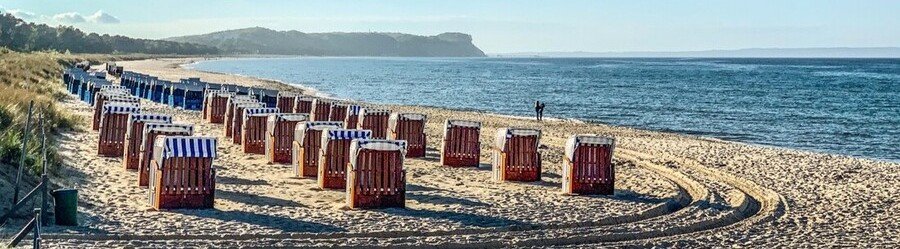
I haven’t visited Puglia yet, but reading this article—especially after seeing the first image—really brought the scenery and atmosphere to life. I like how you highlighted both lively beaches and quieter, more peaceful spots, which can help first-time travelers like me feel less overwhelmed when planning a trip. Your restaurant and food recommendations also stood out, as they can make the overall travel experience even more memorable.
Hi Mohamed—thank you for your thoughtful and kind feedback! I’m so glad that the opening image and the descriptions helped bring Puglia’s scenery and atmosphere to life—it’s exactly what I hoped to capture.
Puglia truly shines as a region of contrasts, with bustling seaside towns like Polignano a Mare side-by-side with tranquil coves where time feels slower. I’m delighted that this balance resonated with you; the aim was to make the planning process more enjoyable and less overwhelming for first-time visitors.
I’m also thrilled that the food and restaurant recommendations caught your eye—there’s truly no better way to experience Puglia than through its cuisine. From fresh seafood to handmade orecchiette and the region’s signature olive oil, every meal is part of the story of the place.
Thank you again for your thoughtful comment—it’s wonderful to know the guide sparked excitement and confidence in planning your trip to Puglia.
This guide really nails what makes Puglia stand out—it’s not just about beaches, but about the whole rhythm of life there. I like how you tied together the coastline, history, food, and hospitality into one cohesive picture. The way you highlighted both bustling beach clubs and quiet, towel-on-the-sand spots makes it easy for travelers to match the experience to their mood.
The restaurant section is especially strong—mixing rustic, family-style trattorias with high-end experiences like Grotta Palazzese gives a full flavor spectrum of Puglia. The hotel and masseria recommendations also help first-time visitors visualize where they might stay for very different types of trips.
I’m curious—when you’re in Puglia, do you tend to base yourself in one central town and day trip out, or do you prefer to split your stay between a few different coastal and inland spots to soak up more of the variety?
Thank you so much, Jason, for your thoughtful feedback! I’m glad the guide conveyed Puglia’s balance of energy and tranquility, as well as its incredible depth beyond the beaches. The mix of coastline, history, food, and warm hospitality really does make it a place that lingers in your memory.
To your question—I usually like to split my stay between at least two locations. Spending a few nights in a coastal town gives time to enjoy the sea, beach clubs, and fresh seafood, while a stretch inland allows for deeper exploration of the countryside, historic towns, and rustic masserie stays. It’s the best way to soak up Puglia’s variety without feeling rushed, and each change of scenery adds a fresh layer to the experience.
Wow—this was such a beautiful and inspiring read! Puglia has been on my bucket list for a while, but after reading this article, I’m seriously tempted to move it to the top. The mix of history, beaches, local food, and that slower, soulful lifestyle sounds like everything I didn’t know I needed on a vacation. I could practically taste the orecchiette and feel the Adriatic breeze just reading through it!
I do have a few questions as I start dreaming up my future trip:
1.) If I only had about a week in Puglia, would you recommend focusing on just one area (like the Salento coast) or splitting time between inland towns and the beaches?
2.) For someone who loves hidden gems and less-touristy spots, are there any lesser-known villages or beach coves you’d personally recommend?
3.) And lastly, if I visit in early October, would I still be able to enjoy beach time, or would it be more of a cultural/foodie trip at that point?
Thank you again for such a vivid and well-rounded guide—it’s not just informative, it’s motivating! Puglia feels more like an experience than a destination, and I can’t wait to soak it all in someday.
Thank you—so glad Puglia moved up your list! With one week, you’ll get the best balance by splitting time: 3–4 nights in the Valle d’Itria (Ostuni, Locorotondo, Cisternino) for whitewashed towns, markets, and a masseria stay, then 3–4 nights in Salento (base in Otranto or near Gallipoli) for beaches and baroque Lecce. Prefer an even slower pace? Choose one base—either a countryside masseria near Ostuni with day trips to the coast, or Otranto for easy beach-and-culture days—and skip a hotel change.
For quieter, less-touristy gems, aim for Cisternino at dusk (fornelli pronti grills), Locorotondo’s car-free lanes, Specchia and Presicce in the deep south, Grottaglie’s ceramics district, and Martina Franca’s baroque old town. Peaceful coves and reserves include Torre Guaceto (wild, car-free beach access via shuttle), Porto Selvaggio’s pine-backed bay, Cala dell’Acquaviva near Marittima, Porto Badisco for snorkel-clear water, Baia dei Turchi at off-peak hours, and early-morning Punta Prosciutto for powdery sand without the crowds.
Early October is usually perfect shoulder season: warm days, mellow evenings, and sea temperatures that are often still swim-friendly. Some lidos wind down services, but free beaches are lovely and uncrowded. Pack a light layer for breezy nights, plan beach time in late morning/early afternoon when it’s warmest, and enjoy harvest-season perks—olive oil tastings, Primitivo/Negroamaro wineries, and long lunches of orecchiette, burrata, and panzerotti. Renting a car makes reaching those hidden coves easy and keeps the week relaxed rather than rushed.
Very informative article. I had never heard of that place in Italy. It sounds really great.
You are very welcome George! Thanks for visiting!