
If you love a mix of eye-catching scenery, sunshine, culture, and incredible food, Andalusia in southern Spain is one of my favorite places to recommend. Covering the southern tip of the Iberian Peninsula, this region feels like a blend of Europe and North Africa. There’s a lot to experience, and tracking down all the highlights can sometimes feel like a challenge. That’s why I’m breaking down what I personally consider the best of Andalusia, focusing on beautiful beaches, weather tips, the right time to plan your visit, and where to enjoy authentic Andalusian food and nightlife. Visit all of the best beaches in Spain here, our Spain guide here, or visit us on Pinterest.
Andalusia’s Most Beautiful Beaches
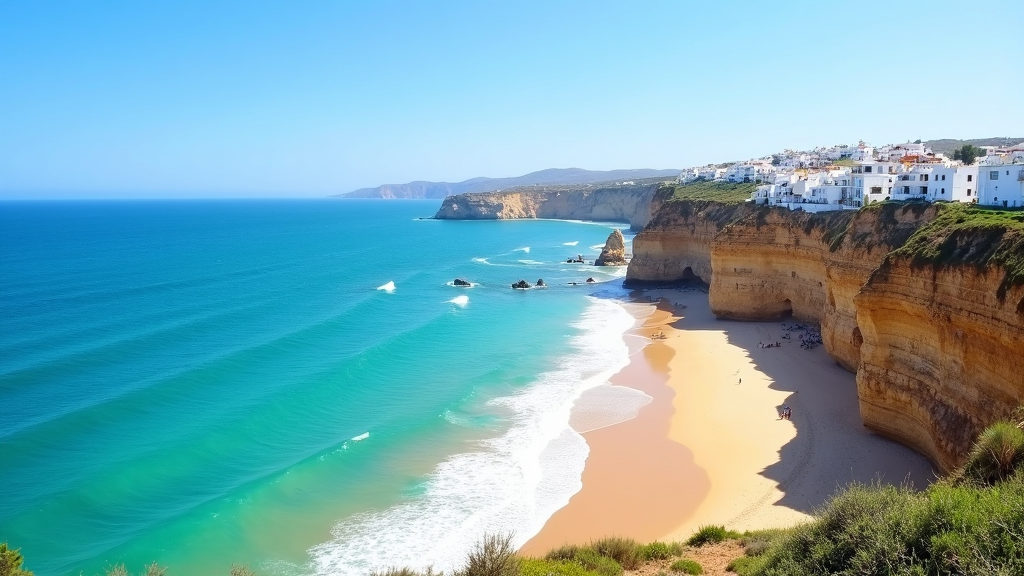
The Best of Andalusia’s coastline stretches for hundreds of kilometers, offering everything from quiet coves to long sandy stretches. Whether I’m looking for somewhere peaceful or a spot full of activity, I always find a beach that fits my mood.
- Costa de la Luz: Running along the Atlantic side, this area is famous for wide golden beaches and a laidback vibe. Bolonia Beach, near Tarifa, stands out for its clear water and dramatic dunes. There are also Roman ruins right beside the sand, which is pretty special if you like mixing history with sunbathing.
- Costa del Sol: On the Mediterranean coast, this region is probably the most famous. Marbella offers upscale resorts, but I find Nerja’s beaches more charming. Playa de Burriana is a favorite for families, thanks to its soft sand and clear, calm water. If you want quiet, head a bit east to Playa de Maro, surrounded by cliffs and perfect for kayaking.
- Cabo de Gata: I’m a big fan of this protected natural park in Almería. It’s one of the wildest stretches you’ll find in Europe, filled with hidden coves, volcanic cliffs, and turquoise water. Playa de los Muertos, despite its odd name, has bright blue water ideal for swimming and snorkeling. The park limits mass tourism, so beaches here feel extra peaceful compared to the busier stretches of coast.
For anyone keen on surfing or kiteboarding, Tarifa is an exciting spot. It’s where the Atlantic meets the Mediterranean, so winds are strong and consistent; perfect if you want something a little more adventurous than just sunbathing. If you’re searching for somewhere different, check out the beaches in the province of Huelva. Matalascañas, for example, is a favorite among locals and offers views of Doñana National Park. Nature lovers will enjoy the scenery and the flocks of flamingos found along these shores.
Andalusia Weather and What to Expect
One thing I always notice when visiting Andalusia is the amount of sunshine. It’s one of the sunniest places in Spain, regularly boasting more than 300 sunny days each year. Summers are long and hot, especially inland, but the coast gets cooling breezes that make even the hottest days manageable. Beyond beach weather, the inland cities offer their charms—Seville’s orange trees in bloom in late February, or Granada’s views of snow-capped Sierra Nevada are memories I always cherish. Enjoy the best of Andalusia!
Summer (June to August): Temperatures regularly reach 35°C (95°F) or higher, particularly in cities like Seville and Córdoba. Coastal areas stay a little cooler, with sea breezes providing some relief. I find it best to plan beach visits in the early morning or later in the afternoon to avoid the peak heat. Don’t forget that evenings are warm and lively, with tapas bars and plazas buzzing well into the night.
Spring (April and May) / Autumn (September and October): These are probably my favorite times to visit because the temperatures are warm and comfortable, ranging from 18°C to 28°C (65–82°F), but without the summer crowds. Wildflowers bloom in spring, while autumn brings the grape harvest and quieter streets. The air feels crisp in autumn, and you might stumble upon local markets selling chestnuts or pomegranates.
Winter (November to March): Even in winter, I rarely need more than a light jacket on the coast. Inland can be chilly, especially at night. It’s possible to ski in the Sierra Nevada mountains and sunbathe on the beach just a couple hours apart. Rain is more likely in December and January but usually doesn’t last long. Winter’s mildness means that even short getaways promise plenty of sun, and cafes in Málaga or Almería stay open year round.
Best Time to Visit Andalusia
Deciding when to visit depends on what you hope to experience. If your goal is beach lounging and swimming, June through September guarantees warm water and reliable weather. For sightseeing in cities like Seville, Granada, or Córdoba, I really recommend late spring or early fall, when the sun isn’t quite so harsh and historic sites are less crowded. For photographers, golden hour lights up the city’s white walls and tiled patios—it’s perfect for capturing Andalusia’s essence.
Spring, especially around Easter (Semana Santa), brings huge parades and celebrations. I loved the processions in Seville; colorful, loud, and alive with tradition. Late April or early May is also when most towns hold local fairs called ferias, with flamenco dancing, music, food, and fairground rides. Experiencing a feria is like being invited to a block party that takes over the whole city.
For hikers or cyclists, October or April works well. Temperatures are perfect to explore the sheep trails, olive groves, or the hiking routes around Ronda and Grazalema. If you want to avoid crowds, November to March can be peaceful and savings stretch further. While the beach is cooler during these months, winter sun brings a nice escape from Northern Europe’s dreary weather. If you want to combine winter sports with city life, the Sierra Nevada ski resorts are less than an hour from Granada, letting you pack in culture, views, and skiing in a single weekend.
Andalusia’s Best Restaurants and Bars
Food is one of my main reasons for visiting Andalusia. Local cuisine is all about fresh produce, olive oil, and recipes influenced by centuries of Moorish, Jewish, and Mediterranean tradition. Tapas is a huge part of the food culture here; ordering a drink often comes with a complimentary snack from the bar.
It’s a fun and social way to eat, letting you try a little of everything without committing to a single dish. The freshest ingredients, from tomatoes to seafood, are everywhere—markets hum with activity most mornings, and even the smallest neighborhood has a café serving great coffee and churros. Enjoy the best of Andalusia!
Where I Found Memorable Food
- Seville: The city’s Santa Cruz district has endless tapas bars. Some of my favorites include El Rinconcillo, which claims to be the oldest in Spain, and Bodeguita Romero for their signature “pringá” sandwich—slow-cooked pork, chorizo, and morcilla. Venturing a bit outside the tourist center, you can stumble upon lively neighborhood spots where locals argue about soccer and share plates of salmorejo (a cold tomato soup thicker than gazpacho).
- Granada: In Granada, when I order a drink, I almost always get a free tapa, anything from fried fish to tortilla. Bodegas Castañeda is a classic spot, beloved for its old-world charm and spicy sausages. In the shadow of the Alhambra, tiny bars serve up local ham and cheese, and it’s easy to lose track of time sampling the variety.
- Cádiz: The Atlantic coast is all about seafood. I love the bustling Mercado Central to sample tiny fried fish (pescaíto frito) or fresh tuna. Calle Zorrilla is lined with lively bars serving sherry from nearby Jerez. In summer, I like picking up snacks at the market and picnicking at the waterfront as the sun sets.
- Málaga: Known for sweet wine and beachfront chiringuitos (casual beach restaurants). I always seek out espetos—sardines grilled over a wood fire on the sand—at Playa de la Malagueta. In the old town, El Pimpi is a local institution with great wines and jamón ibérico. Around every corner, you’ll find bakeries selling almond pastries and churros, and lunchtime here can last hours.
For something off the beaten track, villages across the region also have hidden treasures. I’ve tracked down tiny cafes in the white towns (pueblos blancos) like Ronda and Mijas that cook with local olive oil and homegrown vegetables. Even simple tomato salads and olives here taste special because of the local ingredients. In places like Frigiliana or Arcos de la Frontera, artisans pour their heart into baking bread daily. Olive groves are everywhere—olive oil tastings at small presses let you understand why Andalusian oil is considered among the best in the world. This is the best of Andalusia!
Nightlife in Andalusia
Evenings in Andalusia start late. People don’t typically go out before 10pm, and most bars and restaurants stay busy well past midnight. Seville’s riverfront is lively after dark, and Granada’s student scene brings youthful energy to its streets. In Málaga, rooftop bars offer sunset views over the city. For the true local experience, flamenco bars in Triana, Seville or Sacromonte, Granada provide passionate performances, whether you’re an aficionado or a first-timer. Beach cities, especially during summer, have open-air bars where you can listen to live music and dance right on the sand. Late at night, many towns host fiestas in the plazas, and you can join the locals for a spontaneous party. Enjoy the best of Andalusia!
Tips for Planning a Trip to Andalusia
I’ve picked up a few practical tips from my trips here. Renting a car makes exploring rural areas and hidden beaches much easier, as public transportation is best between bigger cities. Learning a few Spanish phrases goes a long way; locals appreciate the effort, and it makes ordering food or asking directions smoother. Packing sunscreen and a hat is really important, especially for long days outdoors. If you’re heading into the mountains or visiting in winter, a warm layer is a smart call, since temperatures can drop quickly after sunset. Cash is handy for smaller cafes and rural shops, though cards are widely accepted in cities. Museums and main sights often close in the afternoon for siesta, so check hours ahead when mapping out your day. Enjoy the best of Andalusia!
Frequently Asked Questions
I often hear the same questions from friends and fellow travelers considering a visit to Andalusia, so here are my honest answers:
Q: Do I need to speak Spanish to enjoy Andalusia?
A: Speaking some Spanish definitely helps, but many people in tourist areas know basic English. In smaller villages, gestures and a smile usually do the trick.
Q: Is Andalusia safe for solo travelers?
A: I’ve always felt safe, even when traveling on my own. Like anywhere, keeping an eye on your belongings in busy areas and respecting local customs is always wise.
Q: Can I get by without a car?
A: You can visit major cities by train or bus, but a car gives you more freedom and makes it easier to explore smaller towns and remote beaches.
Q: What should I try if I only have a week?
A: I’d pick two or three bases, maybe Seville, Málaga, and a village in the Alpujarras or near Cádiz. That gives you a taste of the culture, coast, and countryside.
Exploring Andalusia feels like stumbling upon something new each day, but I hope this guide makes your trip planning easier. Jump into the sun, sea, and spirit of Spain’s eye-catching south and get ready for memories that will stay with you long after the adventure is over.
The Best Andalusia Beach Resorts
Related Posts
 Visit Beautiful Lohme in the Jasmund Region on Rügen Island
 Visit Beautiful Lauterbach on The Island of Rügen
 Visit Beautiful Putbus on The Island of Rügen
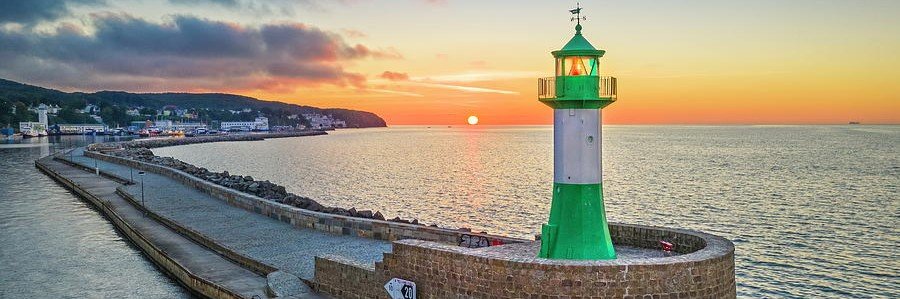 Discover the Most Beautiful Coastal Landscapes of Sassnitz Germany
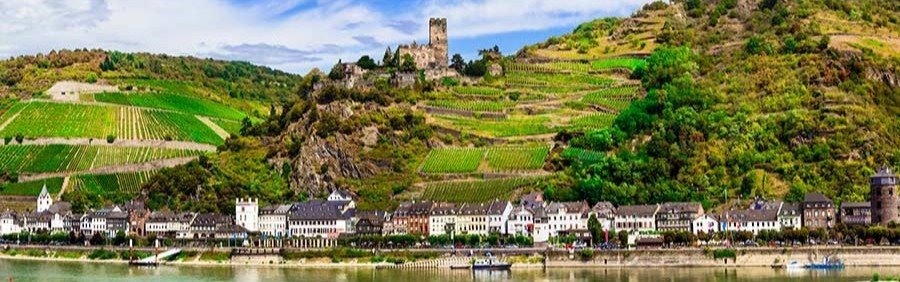 Rhine Gorge: The Most Stunning Hidden Castles You’ll Love
 The Most Beautiful Heidelberg Old Town and Stunning Castle Views You’ll Love
Pingback: Meredith Hogan
For a first visit, I’d usually suggest Málaga since it gives you easy access to the coast, great food, and day trips to places like Nerja or even Granada. Seville is incredible too, but Málaga offers a bit more variety if you want both beach time and exploring.
Pingback: Frank
I’m so glad the post inspired you! Andalusia really does offer a little bit of everything — it’s one of those regions that surprises you no matter how many times you visit. Cabo de Gata is absolutely worth putting at the top of your list if you love quieter, more dramatic beaches. And yes, the ferias are unforgettable! The music, dancing, food, and energy are unlike anything else in Spain. If you ever decide to plan a trip, feel free to ask — I’m happy to help you narrow down the best spots for your style of travel.
Thanks for this post. You showed the beaches, the food, and the culture all in one place. Andalusia seems like the kind of destination where you can relax but also explore history. The part about tapas in Granada stood out to me. I love that idea of free tapas with drinks. I think this post gives a very honest picture of what to expect there.
Thank you so much for your thoughtful feedback! I’m glad the post conveyed the balance Andalusia offers—relaxing beaches, delicious food, and a rich cultural history all in one destination. The tapas tradition in Granada really is something special; enjoying a drink and being surprised with a complimentary small plate is both charming and deeply rooted in the region’s hospitality.
I wanted the guide to give an authentic sense of what travelers can expect, and it’s wonderful to hear that came through. Andalusia has such a unique spirit, where every day can be a mix of leisure by the sea and discovery in its historic towns and cities.
This post really brought Andalusia to life for me—I could almost feel the warm breezes and smell the fresh seafood! I love how you’ve broken down the beaches into distinct areas like Costa de la Luz, Costa del Sol, and Cabo de Gata, each with its own personality. The mix of cultural insights, food tips, and seasonal advice makes it easy to picture planning a trip that balances relaxation with exploration. I’m curious—which beach in Andalusia do you personally think offers the best balance of scenery, atmosphere, and nearby food options?
I love how vividly you describe the atmosphere—feeling warm breezes and fresh seafood through words alone is a real gift. You’ve captured how the varied character of Costa de la Luz, Costa del Sol, and Cabo de Gata each adds something special to a trip, and the cultural nuggets and seasonal tips really bring those regions to life. If I had to choose one beach that offers the best blend of scenery, atmosphere, and local food, it would be Playa de la Calahonda on Costa de la Luz. It feels effortlessly authentic, with soft golden sands bordered by dramatic cliffs, calm waters perfect for a swim, and charming seaside cafés serving up freshly grilled fish. It strikes that beautiful balance between a peaceful beach day and a flavorful experience just steps away—so you get both relaxation and delightful culinary moments in one place.
This guide makes Andalusia feel like a living postcard—sunlit beaches, Moorish history, tapas nights that stretch past midnight—it’s the kind of place where every day could be your favorite day of the trip. I love how you’ve woven together not just the where, but the when and how to experience it, from catching Semana Santa processions to finding quiet coves in Cabo de Gata.
If you could only spend one evening in Andalusia, would you choose a flamenco night in Seville, a sunset picnic in Cádiz, or a tapas crawl through Granada’s backstreets?
Thank you—what a gorgeous way to sum up Andalusia! If I had just one evening, I’d choose a flamenco night in Seville. Nothing matches the intensity of a small tablao or peña: the guitar’s first notes, the palmas, the cante—goosebumps every time. Book a cozy venue in Triana or Santa Cruz, catch an 8–9 pm show, then wander out for late tapas—espinacas con garbanzos, solomillo al whisky, and a montadito—around the Cathedral or along the Guadalquivir.
If your plans land elsewhere, a Cádiz sunset picnic at La Caleta (grab pescaito frito and a light jacket for the sea breeze) is magical, and a Granada tapas crawl is pure fun—watch sunset from Mirador de San Nicolás, then nibble your way down through the Albaicín toward Plaza Nueva and Calle Navas. Whichever you pick, Andalusia delivers that golden-hour glow and a night you won’t forget.
What an incredible and thorough guide to Andalusia—thank you! This post brought back so many beautiful memories from my own visit, and also added a few new spots to my list (hello, Cabo de Gata and Playa de Maro!). I love how you not only highlighted the beaches but also captured the heart of the region—its culture, food, and slower pace of life.
Your descriptions of the tapas culture, local fairs, and even simple things like olive oil tastings made me feel like I was back wandering the white-washed streets of Ronda. The practical tips—like planning around siesta hours and renting a car for smaller towns—are gold for first-time visitors too.
Andalusia truly is one of those places that blends soul and sunshine so effortlessly. You nailed it with this guide!
—Jason
Thanks so much, Jason—your comment truly made my day! I’m thrilled the guide resonated with your own memories and added a few new places to your list. Andalusia has a way of sticking with you long after you leave, doesn’t it?
To answer your questions:
1. Cabo de Gata and Playa de Maro – Both are definitely worth it if you love natural, less crowded beaches. Playa de Maro is relatively easy to access (though parking is limited), while Cabo de Gata is more remote and best explored by car. The coastline there is rugged and raw—in the best way—so bring sturdy shoes for walking down to the coves.
2. Renting a car – Absolutely recommended. While you can get to bigger cities via train or bus, many of the coastal gems and white villages (like Frigiliana or Zahara de la Sierra) really require a car. It gives you the freedom to explore at your own pace, especially around siesta hours when public transit options slow down.
3. Timing around siestas and local fairs – It’s a good idea to plan around the traditional midday break, especially in smaller towns. Shops and even restaurants may close for a few hours in the afternoon. Local fairs and festivals (ferias) often start in the evening, so if you’re visiting during one, plan for later dinners and vibrant nights.
4. Tapas etiquette and meals – In many parts of Andalusia, you’ll still get a free tapa with your drink—especially in Granada. When ordering, it’s perfectly normal to hop from one bar to another, trying one or two things at each stop. Locals love to socialize this way, and it’s a great way to sample the region’s variety.
5. Olive oil tastings and food tours – You’ll find small, family-run almazaras (olive oil presses) throughout Jaén and Córdoba provinces. Many offer tastings, and some even welcome walk-ins, especially during harvest season (Oct–Dec). If you prefer to plan ahead, look for spots like Aceites Vizcántar or La Laguna—they often do small-group tastings or personalized tours without needing a large booking.
I hope this helps you as you begin dreaming up another trip—and thank you again for your kind words and curiosity! Let me know if you’d like suggestions for wineries or hidden inland towns too.
This was such a fun and immersive read! I’ve never been to Spain, but now Andalusia is high on my dream list. The way you described the region—with its mix of beaches, history, food, and culture—made it feel both adventurous and relaxing at the same time. Your descriptions of places like Playa de Maro and Cabo de Gata sound absolutely breathtaking, and I love that you highlighted areas that aren’t just the usual tourist traps.
While I haven’t traveled abroad, I live in the southern U.S. where the summers are brutally hot too—so I really appreciated your seasonal tips. I think I’d lean toward visiting in spring or autumn when the weather’s still nice but not overwhelming. And I had no idea you could ski and sunbathe in the same day near Granada! That’s wild.
I’m curious: if someone isn’t a confident driver, would you still recommend renting a car in Andalusia? Or are there smaller tours or day trips from places like Seville or Málaga that help you explore the out-of-the-way spots?
Thanks again for sharing this—it felt like a mini-vacation just reading it!
I’m glad you enjoyed Courtney! Andalusia’s scenic mountain roads, narrow village streets, and fast-paced highwayscan be intimidating, especially for those not used to manual cars or driving in Europe. If you’re at all hesitant, you’re absolutely not stuck—there are plenty of ways to explore without renting a car, especially if you’re based in cities like Seville, Málaga, or Granada. From major cities, there arewell-organized day trips and small group tours that take you to more remote or unique places—without the stress of driving. Many of these tours arerun by local companies or guides who offer a more personal experience, with air-conditioned transport and pickup from central locations.
If you’re eager to go totally off the beaten path (tiny villages, olive groves, wild parks), a car gives unmatched freedom. But if you’re not confident behind the wheel—don’t stress it. Stick with tours and public transit and you can still experience a rich, authentic slice of Andalusia without driving a single kilometer.