Count down the 10 absolute best beaches in the Philippines.
The Philippine Islands are among the most beautiful in the world, with more than 7,000 islands creating endless coastlines of soft sand and clear blue water. However, with so many options, choosing where to go can feel completely overwhelming. Do you join the crowds at the world-famous hotspots, or travel off-the-beaten-path for a quiet slice of paradise? You don’t have to choose.
From pristine, untouched sandbars to dramatic shores tucked against towering limestone cliffs, we are counting down the top 10 best beaches in the Philippines—moving from incredible hidden treasures all the way to our undisputed #1 crown jewel.
In this guide:
Best Time to Visit • Why Visit • Top 10 List • Food & Cruises • How To Get Here • Getting Around • Packing Essentials • Tips • FAQs
View the Most Beautiful Beach Resorts in the Philippines here, or visit us on Pinterest.
Best Time to Visit the Philippines
The best time to visit the Philippines is during the dry season from December to May, when sunny skies, calm seas, and warm temperatures create ideal conditions for beach vacations and island hopping. During these months, popular destinations like Boracay, Palawan, Siargao, Cebu, and Bohol enjoy some of their best weather. This also makes it easier to explore the beaches, snorkel, dive, and enjoy outdoor activities.
December to February: Best Overall Weather
These months bring cooler temperatures, lower humidity, and plenty of sunshine. Daytime temperatures typically range from 75°F to 88°F (24°C to 31°C), making this one of the most comfortable times to visit. The Christmas and New Year holidays are especially popular, so expect higher prices and larger crowds at major tourist destinations.
March to May: Best for Beaches
If your main goal is beach time, this is one of the best periods to visit. The seas are generally calm, visibility for snorkeling and diving is excellent, and rainfall remains low across much of the country. April and May are the hottest months of the year, with temperatures often climbing above 90°F (32°C), making the turquoise waters even more inviting.
June to November: Rainy Season
The wet season brings higher humidity, afternoon showers, and the possibility of tropical storms, particularly from July through October. However, rain does not fall constantly, and many destinations still enjoy long periods of sunshine between showers. It you are visiting during this time, you can find lower hotel rates, fewer crowds, and greener landscapes.
Best Time for Specific Activities
- Beach Vacations: December to May
- Island Hopping: January to May
- Snorkeling & Diving: March to June
- Surfing in Siargao: August to November
- Whale Shark Encounters (Oslob): Year-round
- Budget Travel: June to November
Quick Summary
For most travelers, January through April offers the best combination of sunny weather, calm seas, as well as excellent beach conditions. If you’re planning a trip focused on the Philippines’ world famous beaches, lagoons, and islands, this time also provides the most reliable weather across the country.
Why Visit the Philippines Beaches?
No two islands feel exactly the same. You can relax on Boracay’s famous white sand, explore Palawan’s dramatic limestone cliffs, surf the waves of Siargao, or discover quiet beaches in lesser-known destinations like Camarines Norte and Bantayan Island.
Incredible Variety
No two islands feel exactly the same. So, you can relax on Boracay’s famous white sand, or explore Palawan’s dramatic limestone cliffs. Also visit the waves of Siargao, or discover quiet beaches in lesser known places like Camarines Norte and Bantayan Island.
Island Hopping Adventures
Many of the country’s best beaches are reached by boat. Island hopping tours let you visit hidden lagoons, sandbars, snorkeling spots, and remote islands all in a single day.
Crystal Clear Water
The Philippines is known for its turquoise waters and excellent visibility. Whether you’re swimming, paddle boarding, snorkeling, or simply enjoying the view, the water is often the star of the show.
Amazing Marine Life
Colorful coral reefs, sea turtles, tropical fish, whale sharks, and manta rays can all be found throughout the archipelago. The Philippines is also considered one of the world’s top destinations for diving and snorkeling.
Stunning Sunrises and Sunsets
Beach lovers can enjoy spectacular sunrises on the Pacific coast and unforgettable sunsets across destinations like Boracay, El Nido, and Coron.
Beaches for Every Traveler
Whether you’re looking for lively beach towns, luxury resorts, family-friendly shores, surfing hotspots, or secluded stretches of sand with few other visitors, you’ll find plenty of options across the islands.
Affordable Tropical Getaways
Compared to many tropical destinations, the Philippines offers excellent value. Travelers can enjoy beautiful beaches, island tours, fresh seafood, and beachfront accommodations without spending a fortune.
Picture Perfect Scenery
Palm-fringed coastlines, emerald lagoons, towering limestone cliffs, and vibrant coral reefs create postcard-worthy views around nearly every corner.
10 Stunning Beaches in the Philippines
With over 7,000 tropical islands to choose from, picking the perfect shoreline in the Philippines can feel completely overwhelming. So, do you join the crowds at the world-famous hotspots, or risk traveling off-the-beaten-path for a quiet slice of paradise? You don’t have to choose. From blindingly white sandbars to hidden beaches tucked behind prehistoric limestone cliffs, we are counting down the top 10 absolute best beaches in the Philippines from #10 to our undisputed #1 crown jewel.
#10 Samal Island, Davao del Norte
Samal Island has quiet coves and clear water along much of the coast. Coral reefs sit close to shore, so snorkeling stays easy. Many beaches also remain calm and uncrowded throughout the day. The island feels relaxed while staying close to nature, even though it sits near a major city. It’s an easy choice for low-key beach time with clear water.
Why it’s #10: It is a fantastic, relaxed hidden gem, but its sand isn’t quite as blindingly white as the heavy hitters further up the list.
#9 Long Beach, San Vicente (Palawan)
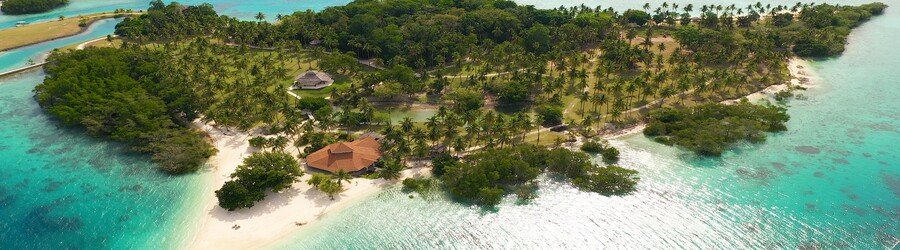
Long Beach is the longest stretch of white sand in the Philippine Islands, and much of it remains quiet as well as uncrowded. The shoreline feels wide as well as open, with gentle waves rolling in throughout the day. Palm trees line the coast, creating plenty of space for long walks and relaxed beach time. Because the area is less developed, the beach keeps a calm, natural atmosphere that’s easy to enjoy.
Why it’s #9: It offers unbelievable raw beauty, but it lacks the dramatic cliffs or lively beach culture found on other islands.
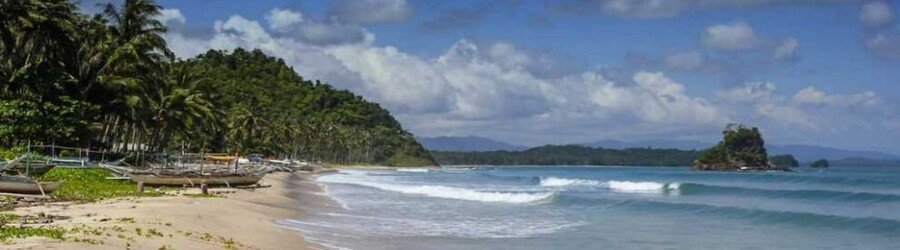
#8 Saud Beach, Pagudpud
Saud Beach feels slow and peaceful, with calm water shaping a wide stretch of pale sand. The shoreline stays quiet, which makes swimming easy and unhurried. Palm trees line the coast, and open views give the beach a relaxed, spacious feel. As the day ends, soft sunsets reflect across the water, adding to the calm atmosphere.
Why it’s #8: It is a spectacular beach, but its remote location at the northern tip of Luzon makes it harder for international tourists to reach.

#7 Malapascua Island, Cebu
Malapascua Island is well known for thresher shark diving. Peaceful beaches also line much of the coast. The sand feels soft, and the water stays clear as well as calm. Many areas remain quiet, which makes the island easy to explore on foot. It’s a good choice for travelers who want both marine life and relaxed beach time.
Why it’s #7: It is a bucket-list spot for divers and beach lovers, though the beachfront itself is relatively small.
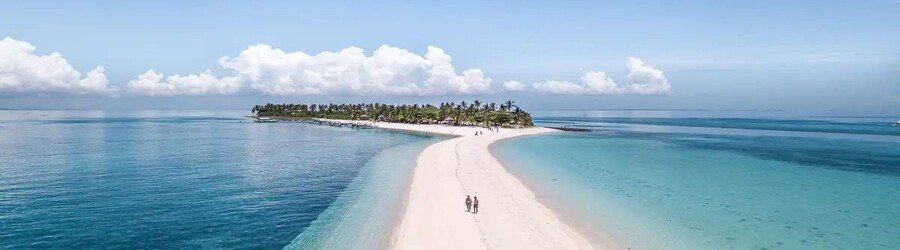
#6 Daku Island, Siargao
Daku Island features wide sandy shores lined with palm trees. The water stays calm, which makes swimming easy throughout the day. The beach feels open as well as relaxed, with plenty of space to spread out. Many visitors stop here while island hopping, although the island never feels rushed. It’s a great place for slow swims and quiet beach time.
Why it’s #6: It provides the perfect, quintessential island experience, though it is only accessible via a short boat ride from the main surf hub.
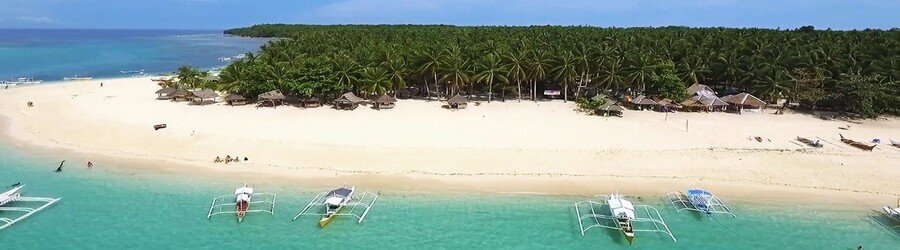
#5 Banul Beach, Coron (Palawan)
Banul Beach sits beneath tall limestone cliffs and clear turquoise water. The setting feels dramatic, yet the shoreline stays calm and sheltered. Gentle waves make swimming easy, so the beach feels relaxed throughout the day. Boats often anchor nearby, while the cove keeps a quiet, natural atmosphere.
Why it’s #5: The scenery is stunningly beautiful, but it is a small beach primarily used as a lunch stop on boat tours rather than a full-day lounging beach.

#4 Alona Beach, Panglao (Bohol)
Alona Beach blends soft white sand with a lively coastal feel. The shoreline stays active during the day, with swimmers, snorkelers, and boats heading out to nearby reefs. Along the beach, cafés and restaurants create an easygoing social scene. Even so, the water remains calm and clear, which makes it great for swimming. As the sun sets, the beach shifts into a relaxed evening rhythm with lights, music, and ocean views.
Why it’s #4: It is a highly accessible, crowd-pleasing favorite that delivers the perfect tropical vacation atmosphere.
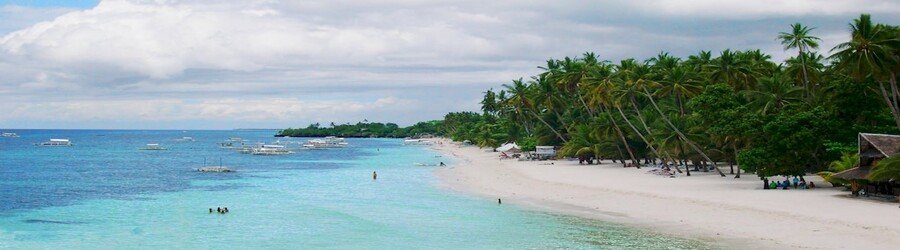
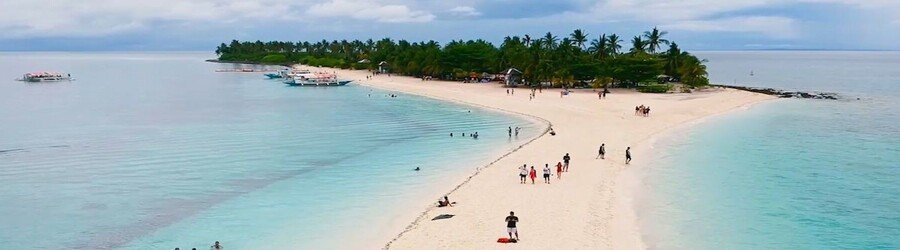
#3 Kalanggaman Island
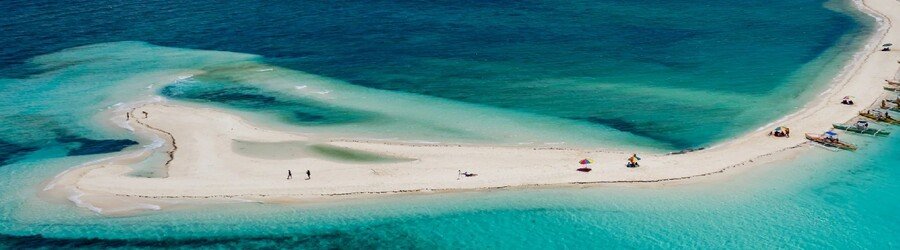
Kalanggaman Island is known for its long white sandbar and clear turquoise water. The sandbar stretches far into the sea and feels wide and open. Water near the shore stays shallow as well as calm, which makes swimming easy. The island feels quiet, even during busy hours. It’s a great place for walking, relaxing, and enjoying open coastal views.
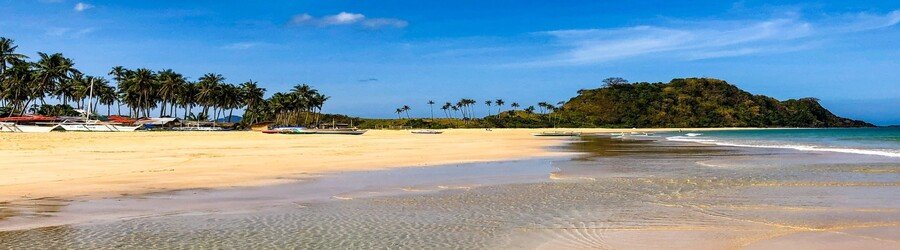
#2 Nacpan Beach, El Nido (Palawan)
Nacpan Beach stretches for miles with soft golden sand and rows of tall palm trees. The wide shoreline feels open and uncrowded, even during busier travel months. Gentle waves roll in, which makes swimming easy and relaxing. Because of its size and natural setting, the beach never feels rushed. It’s a perfect spot for long walks, quiet swims, and slow afternoons by the sea.
Why it’s #2: It feels wildly spacious and epic, offering a raw tropical paradise look that is hard to match anywhere else in the world.
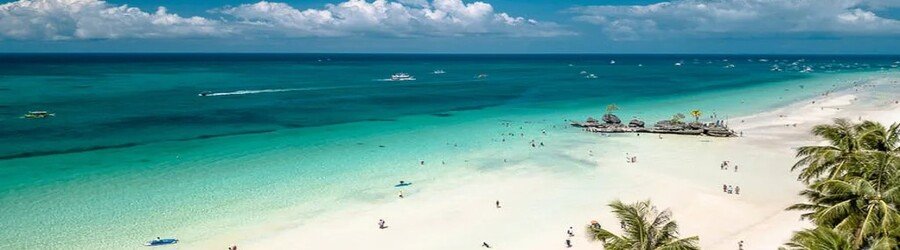
#1 White Beach, Boracay
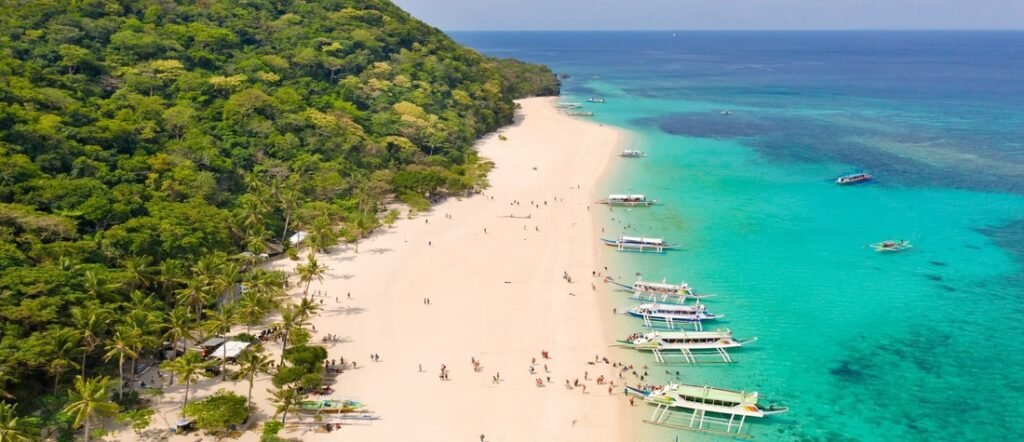
White Beach is one of the most famous beaches in the Philippine Islands, known for its powdery white sand and clear, shallow water. The shoreline stretches for several kilometers, giving visitors plenty of space to swim, walk, or relax by the sea. During the day, the water stays calm and inviting, making it great for swimming and paddleboarding. As evening approaches, the beach comes alive with soft sunsets and a relaxed island atmosphere.
Why it’s #1: Despite being popular, the sheer quality of the sand and water texture remains completely unmatched on a global scale.
Savor the Flavors: Cuisine by the Beaches in the Philippines
Beach time in the Philippines often revolves around food. Coastal menus stay simple, fresh, and full of flavor. Seafood arrives daily and is usually grilled, steamed, or cooked in light sauces that let the ingredients shine.
Fresh Seafood Favorites
Fish, squid, shrimp, and crab appear across beach towns, often served with rice and dipping sauces made from calamansi, soy, and chili. Since many communities rely on the sea for their livelihood, seafood tends to be both abundant and affordable.
Don’t Miss Kinilaw
One local favorite is kinilaw, a Filipino-style ceviche made with raw fish, citrus, and spices. It’s light, refreshing, and especially popular in coastal areas, making it a perfect dish after a morning of swimming or island hopping.
Easy Beach Snacks
Along the shore, small vendors sell grilled skewers, sweet mangoes, and fresh coconut juice straight from the shell. These casual bites are easy to find and make a great snack during a beach day. As the afternoon cools, many travelers enjoy sampling local treats during sunset walks along the water.
Beachfront Dining
Beach resorts add another layer to the experience. Many offer open-air restaurants that combine Filipino favorites with international dishes. Breakfasts often feature tropical fruit and fresh pastries, while dinners focus on seafood and relaxed dining by the shore.
Ultimately, food is part of what makes the Philippines such a memorable beach destination. Whether you’re enjoying freshly grilled fish at a simple beach hut or a seafood dinner overlooking the ocean, every meal feels connected to the islands, the culture, and the laid-back rhythm of coastal life.
Beach Cruises: Sunset Sails & Floating Bars
You don’t just have to sit on the sand to enjoy these beaches. Cruising along the shoreline with a drink in hand is one of the best ways to experience the coast, especially during the legendary golden hour.
Traditional Paraw Sunset Sails
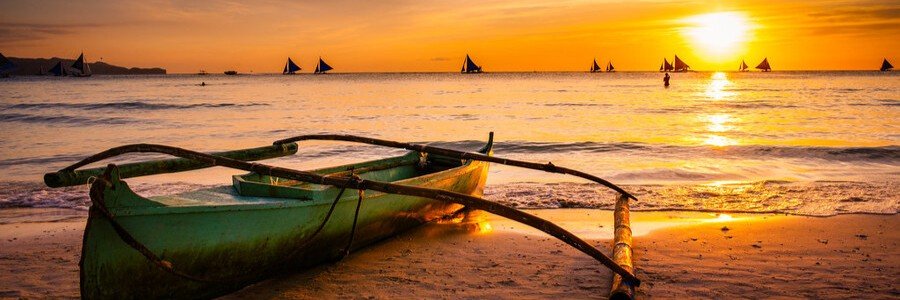
In Boracay, you can board a Paraw, which is a traditional wind powered outrigger sailboat. There is no motor noise, just the sound of waves as you cruise right past White Beach with a cold local San Miguel beer.
The Boodle Fight Cruise
Many private beach day cruises serve lunch as a traditional Boodle Fight. All your food, grilled fish, pork skewers, fresh mangoes, and rice, then piled high on giant banana leaves in the middle of the boat for everyone to share.
Floating Bars & Island Cafes
In places like Siargao and Coron, beach cruises will pull right up to floating bars anchored in the middle of turquoise lagoons. You can jump off the boat, swim to the bar, then grab a fresh coconut rum cocktail.
Quick Pro-Tip:
BYOB (Bring Your Own Bottle)
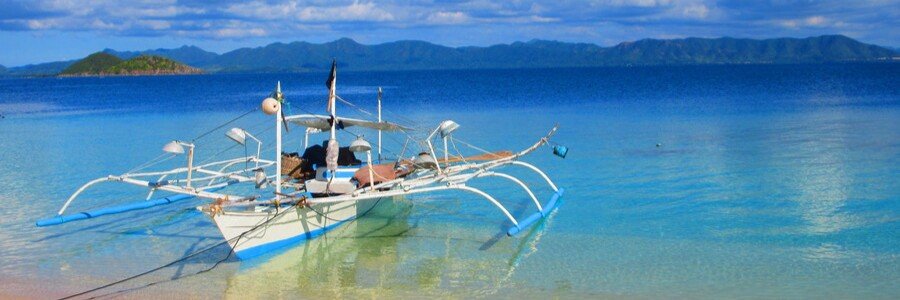
While larger group party boats provide drinks, smaller local outrigger boats (Bancas) usually just provide a cooler with ice. So, stop by a local convenience store before boarding to stock up on your own drinks and snacks for the day!
How to Get To The Philippines
Getting to the beaches in the Philippines is part of the adventure. First, fly into one of the country’s major airports—Manila, Cebu, or Clark. From there, domestic flights connect you to regional airports near popular beach destinations. Then, ferries and boats are the best way to reach the smaller islands. For nearby beaches; buses or vans provide affordable as well as scenic land travel. Always check schedules in advance. Since boat trips can be affected by weather conditions.
Transportation & Getting Around the Islands
Because the Philippines is made up of over 7,000 islands, getting between your bucket list beaches requires a mix of air, sea, and land travel. Here is how to navigate the country:
Organized Day Tours (Best for Multiple Beaches)
Booking a local beach hopping boat tour is the simplest, and also stress free way to check off three or four different offshore islands and lagoons in a single day.
Domestic Flights (Fastest for Long Distances)
Use budget carriers like Cebu Pacific, AirAsia, or Philippine Airlines. Then you can quickly skip between major hubs like Manila, Cebu, and Davao to remote island airports.
Passenger Ferries (Best for Island Hopping)
High speed ferries and local outrigger boats (bancas) offer a scenic, budget friendly way to travel between neighboring islands (like crossing from Cebu to Bohol).
Tricycles & Jeepneys (Best for Short Local Trips)
These colorful, iconic vehicles are the local version of a motorized rickshaw or open air bus. They are highly affordable, fun, and the easiest way to get from your beach resort into the local town.
Private Vans & Cars (Best for Maximum Comfort)
If you are traveling with a group or have heavy luggage, then it’s best to hire air conditioned private vans for long overland island routes.
Scooter Rentals (Best for Solo Freedom)
On islands like Siargao, Siquijor, and Palawan, renting a scooter for around $6–$10 USD a day is also the ultimate way to explore hidden coastlines at your own pace.
Packing Essentials for a Philippine Beach Vacation
Packing for the Philippines requires specialized gear to protect your electronics from the ocean and your feet from sharp coral.
The Non-Negotiable Boat Gear
Dry Bag (10L–20L)
This is an absolute necessity. Waves splash over the sides of local outrigger boats (bancas), so you’ll most likely have to wade through waist deep water to get from the boat to the beach.
Water Shoes
Vital for exploring hidden lagoons and beaches in Palawan or Bohol, where you must walk over sharp limestone, volcanic rock, or also sea urchin heavy coral reefs.
Waterproof Phone Pouch
This is perfect for taking photos while kayaking or swimming into caves without risking your phone.
Sun & Reef Protection
Reef-Safe Sunscreen
Traditional sunscreens are legally banned in protected marine sanctuaries like El Nido and Boracay. So, pack biodegradable, reef-safe formulas to protect the coral.
Rash Guard (UV Shirt
These are essential for long days of snorkeling and island hopping. This will prevent severe sunburns when you are face down in the water for hours.
Polarized Sunglasses
The tropical sun glare off the white sand and turquoise water is intense. so polarized lenses will help you actually see the coral reef colors from above.
Electronics & Comfort
Power Bank
Long days away from your hotel will drain your phone battery, especially since remote island areas cause phones to search harder for cellular signals.
Universal Travel Adapter
The Philippines primarily uses Type A and B plugs (same as the US), but some resorts use European Type C. So, a universal adapter ensures you can plug in anywhere.
Microfiber Quick-Dry Towel
Standard hotel towels are too bulky for boat trips. A microfiber towel packs down small and dries in minutes under the sun.
Critical Beach Safety Tips
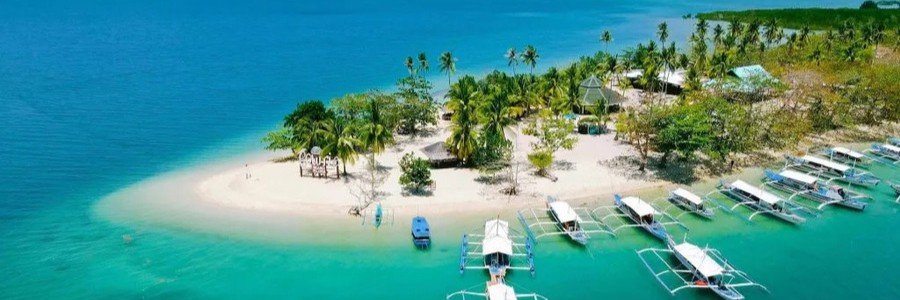
Most beaches in the Philippines do not have lifeguards, so staying safe comes down to your own awareness. Keep these quick rules in mind before hitting the water:
Do the “Urchin Shuffle”
When walking into shallow water over sand or sea grass, slide your feet instead of lifting them. This prevents you from stepping directly onto sharp, venomous black sea urchins hidden in the sand.
Watch the Monsoons
Strong rip currents and rough waves pick up dramatically during the rainy season (June to November). If you see red flags on a beach, or if the water looks turbulent, stay out.
Jellyfish Awareness
Tiny, stinging jellyfish can appear, particularly during the warmer months (May to September). If you get stung, do not pour fresh water or rub sand on it—ask a local or your boat captain for vinegar to neutralize the sting.
Protect Your Feet
Never walk onto rocky shores, coral reefs, or into hidden lagoons barefoot. Sharp volcanic rock and live coral can easily cut your feet and lead to nasty tropical infections.
Hydrate Constantly
The tropical humidity is intense, especially when you are out on a boat all day. Drink bottled water continuously to prevent heat exhaustion, and make sure your sunscreen explicitly says “Reef-Safe” to comply with local laws.
Secure Your Gear
Do not leave your phone, wallet, or passport unattended on a public beach towel while you go swimming. Use a dry bag and keep it within eyesight, or leave your main valuables locked in your hotel safe.
Local Etiquette for Beachgoers
Filipinos are incredibly welcoming, and showing respect for their beaches and coastal communities goes a long way. Keep these simple rules in mind to be a responsible traveler:
Pack Out Your Trash
Many remote islands do not have regular waste disposal systems. Always take your plastic bottles, wrappers, and trash back to the main town rather than leaving them on island beaches.
Cover Up Off the Sand
While bikinis and swim shorts are perfectly normal on the tourist beaches, it is culturally respectful to slip on a t-shirt or sarong when walking through local beach villages, shops, or beachfront restaurants.
Give Fishermen Space
If you see local fishermen hauling in large nets (fanyas) or launching their wooden boats early in the morning, give them plenty of room to work. This is their livelihood, not a tourist performance.
Keep Your Hands (and Feet) Off Coral
When snorkeling, never step on, touch, or break the coral reefs. Even a light touch can destroy decades of growth and disturb the tropical fish that rely on them.
Observe the “No-Plastic” Rules
World-famous spots like Boracay and El Nido enforce strict bans on single-use plastics, smoking, and drinking directly on the sand. Always check local beach signs to avoid hefty fines.
Tip Your Crew
While not mandatory, tipping your outrigger boat captain, tour guides, and beachside drivers is highly appreciated and directly supports the local island economy.
Your Next Adventure Awaits on the Beaches of the Philippines
The beaches of the Philippines offer variety that’s hard to match. From Boracay’s soft white sand to the quiet coves of Coron, each coastline feels different. Clear water, open views, as well as warm local hospitality shape every beach day.
Travelers can snorkel coral reefs, relax under palm trees, or explore nearby islands by boat. With so many coastal destinations to choose from, planning a beach escape feels easy. Pack light, slow down, and enjoy the rhythm of island life across the Philippines.
Frequently Asked Questions About Philippines Beaches
Which beach is best if I want to escape the crowds?
Kalanggaman Island (Leyte) and Long Beach (San Vicente) are your best bets for ultimate peace. Kalanggaman features an epic, pristine sandbar with very few daily visitors, while Long Beach offers 14 kilometers of empty shoreline.
What is the best time to visit the beaches in the Philippines?
The dry summer season runs from December to May. March, April, and May offer the sunniest skies, flattest oceans, and clearest underwater visibility across all islands.
Which beach has the absolute softest sand?
White Beach in Boracay is the undisputed winner. Its world-famous, blindingly white sand is uniquely powdery and stays cool to the touch even under the blazing midday sun.
Where can I see the most beautiful beach sunset?
While Boracay is famous for its sunsets, Saud Beach in Pagudpud delivers a spectacular, uncrowded sunset experience. Watch the sun dip directly below the open horizon of the West Philippine Sea.
Which beach on the list is best for snorkeling and marine life?
Malapascua Island (Cebu) is world-famous for its marine life, or you can choose Banul Beach (Coron), which sits right next to vibrant coral gardens teeming with tropical fish. (Note: Nacpan Beach is a sandy cove and better for swimming than snorkeling).




The Philippines really seems to have an incredible variety of beaches. I’ve heard of Boracay and Coron before, but Kalanggaman Island and Daku Island are new to me. If someone was visiting for the first time and only had a week, which area would you recommend focusing on?
For a first visit with only a week available, I would probably focus on either Boracay or the El Nido area of Palawan. Both offer beautiful beaches, clear water, island-hopping opportunities, and plenty of accommodations for different budgets. Boracay is easier for a classic beach vacation, while El Nido combines stunning beaches with dramatic limestone scenery and nearby islands to explore. Either choice provides a great introduction to what makes the Philippines such a popular beach destination.
The Philippines really seems like a dream destination for beach lovers. With more than 7,000 islands, it must be incredible to explore so many different coastlines, from famous places like Boracay to quieter spots like Kalanggaman Island. The mix of coral reefs, clear water, and limestone cliffs sounds perfect for snorkeling and island-hopping. If someone is visiting the Philippines for the first time, which island or beach area would you recommend starting with to experience the best of what the country’s beaches have to offer?
For a first visit, many travelers start with Boracay because it offers one of the most famous beaches in the Philippines. White Beach is known for its powdery sand, calm turquoise water, and beautiful sunsets, which makes it easy to enjoy both relaxation and activities. The island also has plenty of restaurants, resorts, and boat tours, so it’s simple for first-time visitors to plan their stay. At the same time, destinations such as El Nido in Palawan are popular for island-hopping and dramatic limestone scenery, which gives travelers a different side of the Philippines’ coastal beauty. Starting with one of these areas allows visitors to experience the country’s clear water, marine life, and relaxed island atmosphere right away.
This post really shows how diverse the beaches in the Philippines are. I love that you included both famous spots and quieter hidden gems because it helps with trip planning. The snorkeling and island-hopping sections especially caught my attention. If someone were visiting for the first time, which island would you suggest starting with?
Thank you so much for reading and sharing your thoughts. The Philippines offers an incredible range of beach experiences, from lively resort destinations to peaceful island escapes with rich marine life and scenic coastlines. Many travelers find that choosing an island with easy transport connections, clear water, and good accommodation options helps create a smooth and memorable Philippines beach travel experience.
This post is giving me serious wanderlust! I’m traveling on a budget though… are any of these beaches affordable once you’re actually there? I’ve heard island-hopping can get pricey.
Totally understand—travel costs can add up fast, especially with island-hopping. The good news is that many Philippine beaches are very budget-friendly once you arrive. Places like Panglao (Bohol), Malapascua, and Siargao offer affordable food, tours, and stays without sacrificing those amazing views. Island-hopping in those areas also tends to be much cheaper than Palawan. If you’d like, I can recommend a few budget beach towns that still feel like paradise!
This guide makes the Philippines sound like pure paradise! I had no idea there were over 7,000 islands — it’s amazing how each one seems to have its own personality. I love how you highlighted both the popular beaches like Boracay and El Nido, and the hidden gems like Malapascua and Kalanggaman. The food and culture sound just as inviting as the scenery! If it’s my first time visiting, would you recommend focusing on one main island like Palawan or trying to visit a few different ones in a single trip?
Thank you — I’m so glad you enjoyed the guide! You’re absolutely right — each island in the Philippines has its own magic, which makes it such a rewarding destination. For a first visit, I usually suggest focusing on one main region, like Palawan or Cebu and Bohol, so you can really soak in the experience without feeling rushed. Palawan is ideal if you want a mix of beaches, lagoons, and luxury resorts, while Cebu and Bohol offer stunning beaches plus easy access to diving, waterfalls, and local culture. Once you fall in love with the islands (and you will!), you can always plan your next trip to explore more — the Philippines has a way of drawing travelers back again and again!
Wow, the beaches in the Philippines look absolutely unreal! I’ve always heard about Boracay, but I didn’t realize places like Saud Beach and Kalanggaman Island were so beautiful too. I love that you also mentioned the local food scene—fresh seafood by the water sounds perfect. If I wanted both great beaches and snorkeling, which area would you recommend as the best base: Palawan, Bohol, or Cebu?
Thank you! That’s such a great question because each destination offers something unique. Palawan, especially El Nido and Coron, is incredible for snorkeling with its dramatic limestone cliffs and vibrant coral reefs—it really feels otherworldly. Bohol’s Alona Beach is a bit livelier, so you’ll find nightlife alongside easy access to marine life and diving spots. Cebu, especially Malapascua and Moalboal, is ideal if you want more off-the-beaten-path diving adventures (like swimming with thresher sharks or exploring sardine runs). If snorkeling is your main focus, I’d lean toward Palawan. Would you prefer something secluded and peaceful, or a spot that mixes beach time with some nightlife?