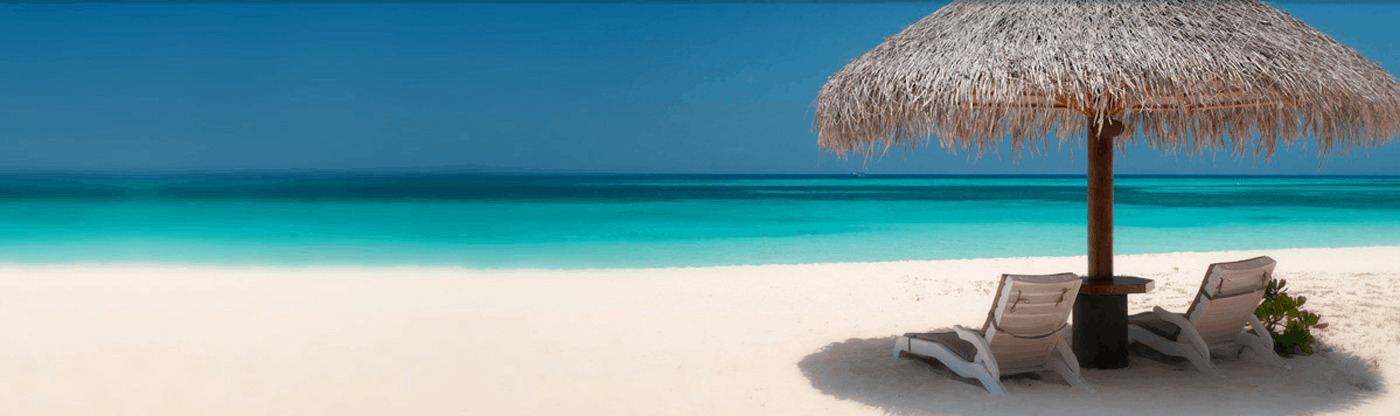

Spain Beaches are known for golden sand, clear turquoise water, and warm Mediterranean sun. From quiet coves to wide, scenic coastlines, each shore offers its own unique charm. These beautiful beaches create the perfect setting for relaxing days and unforgettable coastal views.
Spain beaches offer some of the most stunning coastlines in Europe, with everything from hidden coves to long stretches of golden sand. Warm weather, vibrant culture, and easy coastal access make Spain one of the best beach destinations in the world. Whether you’re looking for quiet turquoise water or lively seaside towns, there’s a perfect beach waiting for you. For example, some beaches offer calm water for swimming, while others are better for exploring or surfing.This guide covers the best beaches in Spain along with helpful tips to plan your trip.
Visit all of the best beaches in Spain here, or visit us on Pinterest.
What Makes Spanish Beaches So Popular?
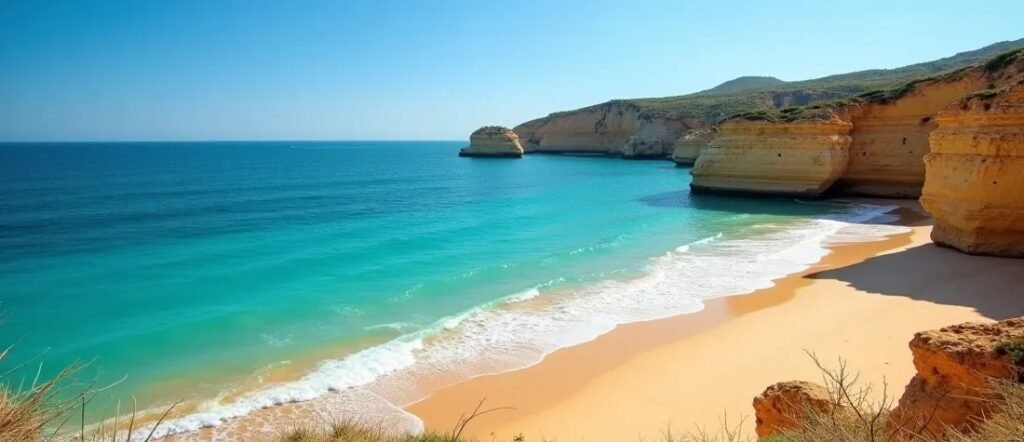
Beaches in Spain often pop up in travel guides for good reason. The country has a coastline that stretches for about 5,000 kilometers, which means you get tons of variety. From the northern cliffs and wild Atlantic surf to the endless sunshine down on the Mediterranean, Spain offers something for everyone. Many visitors keep coming back, not just for the beaches themselves, but for the overall experience. Fresh seafood, historic coastal villages, and year-round sunshine in the south add to their appeal.
I still remember the first time I reached Costa Brava and saw the turquoise waters framed by pine trees. Spanish beaches are more than just places to lay out in the sun. They become little hubs of life, food, and stories. That’s a big part of why so many travelers, families, and solo backpackers put Spain at the top of their wishlists.
Best Time to Visit Spain Beaches for Sun, Fewer Crowds, and Warm Water
Spain’s beaches offer something special in every season, but the best time to visit depends on what kind of experience you want. While summer brings the warmest water and longest days, shoulder seasons often provide a more relaxed and enjoyable trip.
May and June – Best Overall Balance
Late spring and early summer offer warm weather, fewer crowds, and comfortable water temperatures. Beaches are lively but not overwhelming, and it’s one of the best times to explore both the mainland and the islands.
July and August – Peak Beach Season
This is when Spain’s beaches are at their busiest. The weather is hot, the water is warm, and beach towns are full of energy. However, popular destinations can feel crowded, and prices tend to be higher.
September – Best for Warm Water and Fewer Crowds
Early fall is one of the best times to visit. The sea stays warm from summer, the crowds begin to thin, and the overall pace feels more relaxed. It’s ideal if you want great beach conditions without peak-season crowds.
October to April – Mild Weather and Quiet Beaches
Southern regions and the Canary Islands still enjoy pleasant temperatures, although swimming may be cooler outside the islands. This time of year is perfect for coastal walks, sightseeing, and enjoying a quieter atmosphere.
Top Spanish Beaches Worth Checking Out
Spain’s coastline is packed with incredible beaches, and each one offers a different experience. Here are some of the best beaches in Spain to add to your travel list. Because each region offers something different, choosing the right area can make a big difference in your experience. For example, some beaches are better for relaxing, while others are ideal for exploring or water sports.
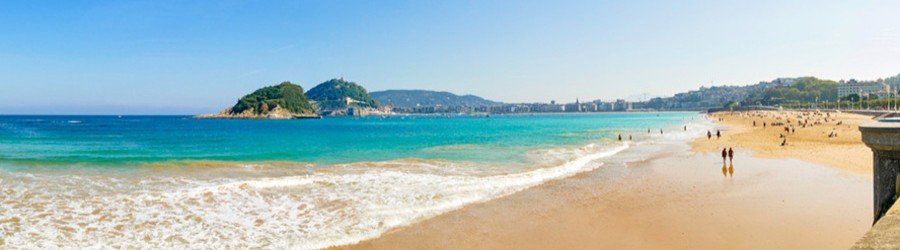
Playa de la Concha, San Sebastián (Best City Beach)
This iconic beach features a sweeping curve of golden sand backed by an elegant promenade. The calm water makes it perfect for swimming, while the nearby old town offers some of the best food in Spain. Located in northern Spain along the Bay of Biscay, this beach is also one of the most famous coastal spots in the country.
👉 Explore Playa de la Concha
Playa de Ses Illetes, Formentera (Best for Clear Water)
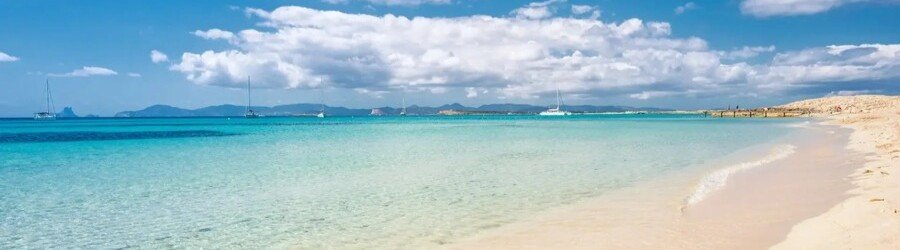
Located just south of Ibiza, this beach is famous for its powdery white sand and crystal-clear turquoise water. The shallow shoreline creates a calm and relaxing setting, although it can get busy during peak season. Found in the Balearic Islands, this beach is also often ranked among the best beaches in Europe for its clear water and soft sand.
👉 Discover Ses Illetes Beach
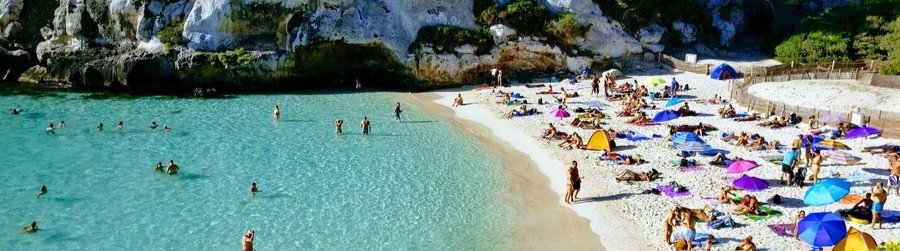
Cala Macarella & Macarelleta, Menorca (Best Hidden Cove Feel)
These neighboring coves are surrounded by pine-covered cliffs and bright turquoise water. The setting feels tucked away and peaceful, making it one of the most scenic beach experiences in Spain. Located on the southern coast of Menorca, these coves are known for their turquoise water and natural surroundings.
👉 Visit Cala Macarella and Macarelleta
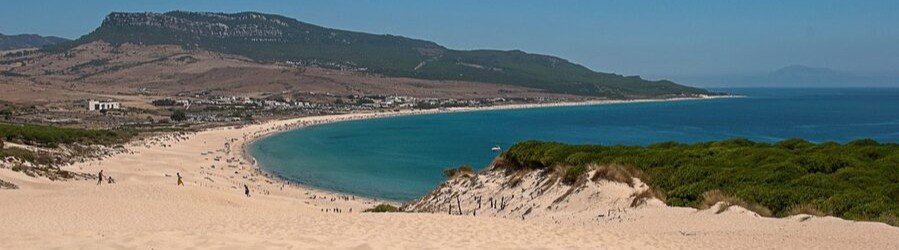
Playa de Bolonia, Cádiz (Best for Natural Beauty)
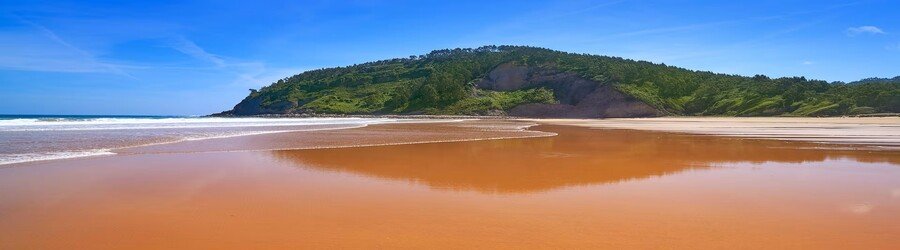
This Atlantic-facing beach offers wide open sand, rolling dunes, and a more untouched feel. Nearby Roman ruins add a unique historical element to your beach day. Set along Spain’s southern Atlantic coast near Tarifa, this beach also offers a more natural and less developed setting.
👉 Explore Playa de Bolonia
Playa de Rodas, Cíes Islands (Best for Unique Landscapes)
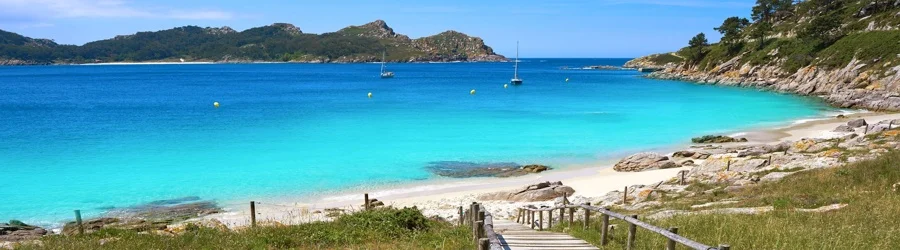
Often compared to tropical beaches, this protected stretch of sand sits inside a national park. The water glows blue-green, and the lack of development keeps the atmosphere quiet and natural. Located off the coast of Galicia in northwestern Spain, this beach sits within a protected national park.
👉 Plan your visit to Playa de Rodas

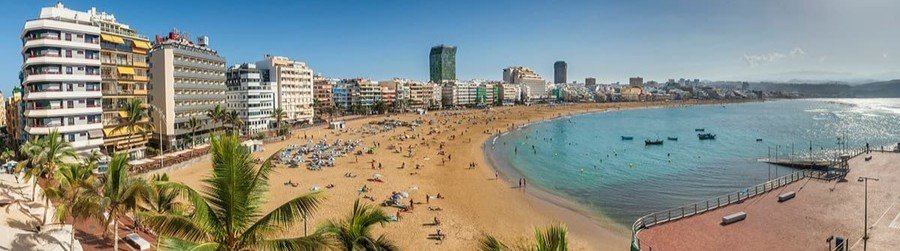
Playa de Las Canteras, Gran Canaria (Best Urban Beach)
This lively beach combines city energy with excellent swimming conditions. A natural reef helps keep the water calm, and the long promenade is lined with cafés and restaurants. Situated in the Canary Islands, this beach is one of the best urban beaches in Spain with year-round warm weather.
👉 Discover Playa de Las Canteras
Best Beaches in Spain by Type
If you’re trying to decide where to go, it helps to narrow things down based on your travel style.
Best for Families
Playa de la Concha and Playa de Las Canteras offer calm water, easy access, and nearby amenities.
Best for Clear Water
Ses Illetes in Formentera and the coves of Menorca are known for crystal-clear turquoise water.
Best for Scenic Views
Cala Macarella and Playa de Rodas offer dramatic landscapes with cliffs and natural surroundings.
Best for Surfing
Northern beaches in Galicia and Asturias provide stronger waves and fewer crowds.
Spain’s Coastal Diversity: From North to South
As you explore more of the coastline, you’ll notice how each region has its own unique character. This variety is one of the reasons Spain is such a popular beach destination. One of the coolest things about beachhopping across Spain is how different each region feels. For example, each coastline offers a completely different experience. Here’s how I see the main coastal areas:
- Costa Brava (Catalonia): Rugged cliffs, tuckedaway coves, and natural rock pools define this stretch. I’ve always enjoyed the contrast of pine forests with rocky shorelines, especially around towns like Tossa de Mar and Calella de Palafrugell.
- Costa del Sol (Andalusia): Down south, you’ll find wide sandy beaches and tons of sunshine year-round. Marbella and Nerja get lots of attention, but there are less touristy gems if you head a little further afield. Visit our
- Galicia & Asturias (Northwest): Expect wild waves, green landscapes, and quieter sands. The water is definitely cooler, but the untamed feel, along with surfing and hiking, is something you won’t find anywhere else in Spain.
- Balearic Islands: Mallorca, Menorca, Ibiza, and Formentera pack in loads of coves, white sands, and crystal-clear water. These are top choices for anyone chasing the island life with a Spanish twist.
Best Regions in Spain for First Time Beach Visitors
If it’s your first time exploring Spain’s beaches, choosing the right region can make planning much easier. Because each coastline offers a different experience, focusing on one area helps you make the most of your trip.
Costa Brava – Best for Scenic Coves and Variety
Located in northeastern Spain, this region offers a mix of rugged cliffs, hidden coves, and charming coastal towns. It’s a great choice if you want a little bit of everything, including beaches, culture, and short travel distances between stops.
👉 Explore the best beaches in Costa Brava
Costa del Sol – Best for Easy Travel and Sunshine
In southern Spain, Costa del Sol is known for its wide sandy beaches, warm weather, and well-developed resorts. It’s ideal for first-time visitors who want a simple and relaxing beach experience with plenty of amenities.
👉 Discover the top beaches in Costa del Sol
Balearic Islands – Best for Clear Water and Island Life
Mallorca, Menorca, Ibiza, and Formentera offer some of the clearest water in Spain. Each island has its own vibe, but all are known for beautiful beaches, easy access, and a laid-back coastal atmosphere.
👉 Visit the best beaches in the Balearic Islands
Canary Islands – Best for Year-Round Beach Weather
Located off the northwest coast of Africa, the Canary Islands offer warm temperatures throughout the year. Beaches vary from golden sand to volcanic shores, making this a great option if you’re traveling outside peak summer months.
👉 Explore the best beaches in the Canary Islands
Northern Spain (Galicia & Asturias) – Best for Nature and Fewer Crowds
These regions offer dramatic coastlines, green landscapes, and a quieter atmosphere. While the water is cooler, the scenery and peaceful beaches make it a great option for travelers looking to avoid busy tourist areas.
👉 Explore the best beaches in Galicia
👉 Discover the top beaches in Asturias
As a result, choosing the right region helps you plan a smoother and more enjoyable beach trip.
Key Things to Know Before Visiting Spanish Beaches
Visiting Spain’s beaches feels easy and welcoming, but I’ve picked up a few pointers that can help make your trip smoother:
- Season Matters: The south and most islands have beach weather even in early spring, but northern beaches hit their prime in summer (June to September). July and August are the busiest months almost everywhere.
- Blue Flags: Spain has more Blue Flag beaches than almost any other country. Blue Flags mean you can count on clean water, services, and lifeguards.
- Beach Services: Most bigger beaches offer loungers, umbrellas, snack kiosks, and lifeguards. In quieter coves, you may need to bring your own gear and snacks.
- Public Access: Spanish law ensures public access to the seashore. Parking and facilities may be limited, especially on lessdeveloped beaches, so plan ahead for busy days.
- Nudist Beaches: Spain is pretty relaxed about nudism, and you’ll spot “playa naturista” signs for official nudist stretches.
Visiting Spain’s beaches feels easy and welcoming. However, a few simple tips can make your trip even smoother and more enjoyable.
Transportation Tips
You want to enjoy the best of Spain! Getting to many beaches is easiest by car. In addition, public transportation works well in larger coastal areas. In urban areas, trains and buses often run right to the sand. Ferries connect the mainland with islands like Ibiza or the Cíes Islands. Booking tickets in advance is smart during the summer months to lock in your spot and avoid long waits.
Common Challenges When Visiting Spanish Beaches
At the same time, a few challenges can pop up, especially when the region is new to you.While visiting Spanish beaches is generally easy, a few challenges can pop up, especially when the region is new to you:
- Busy Crowds in Summer: If you’re not into crowds, try hitting the sand in May, June, or September. The weather’s still sunny, and there’s more space to stretch out.
- Parking Woes: Tiny coastal towns and tuckedaway coves often have limited parking. Arriving early helps you snag a spot. In bigger resorts, you might need to pay for parking close to the water.
- Sun Protection: Spanish sun is powerful, especially on the Mediterranean. Sunscreen, some shade (hats, umbrellas), and bringing plenty of water are always smart, even if you tan easily.
- Jellyfish and Seaweed: Most beaches have flags or signs to update swimmers about water conditions. Check before getting in. Jellyfish stings are rare but can happen, mostly in certain seasons.
Beach Safety Advice
Lifeguard presence on bigger beaches offers extra peace of mind. Pay attention to colored flags that signal water safety. Green is safe, yellow means caution, and red signals no swimming due to strong currents or other hazards. It’s also good to keep an eye out for posted notices or warnings each day.
Handy Tips for Getting the Most Out of Your Beach Trip
Years of enjoying Spanish beaches have taught me a few small tricks to make any stay smoother and more fun:
- Go early for parking, easier swims, and a quieter spot on the sand with few crowds around.
- Try local seafood at beachside chiringuitos; Grilled sardines in Malaga and paella in Valencia are all-time classics. You’ll never forget that fresh-from-the-sea flavor.
- Pack a lightweight snorkel set if you’re near rocky coves. There’s a lot to see just below the surface, including colorful fish and little underwater caves.
- Bring both cash and cards. Smaller beachfront places sometimes operate on a cashonly basis or may have card machines down.
- Respect local customs: Keeping the noise down, picking up your trash, and sticking to the right beachwear help keep the vibe good for everyone.
Top Uses and Activities on Spanish Beaches
- Family Fun: Expansive sandy beaches with gentle water (like Playa de la Malagueta in Malaga) are really good for families and kids to swim, play, as well as make sandcastles safely.
- Surfing: The northern coasts, especially around Zarautz and Somo, are hotspots for surfing nearly all year. Even beginners can book lessons or rent gear.
- Snorkeling and Diving: Clear water off the Balearic Islands and around Costa Brava offers some epic underwater scenery—think fish, sea urchins, and even caves to explore.
- Hiking and Exploring: Spanish beaches like those on Costa Brava or the Cíes Islands are linked to scenic hiking trails. This adds a bit of adventure and lets you work up an appetite for the next meal.
- Kayaking and Paddleboarding: Many beaches offer rentals so you can take to the water and check out coves and hidden corners at your own pace—a relaxing way to experience a new side of the coast.
What to Pack for Spain Beaches for a Stress Free Day
Packing for Spain’s beaches is simple, but a few essentials can make your day much more comfortable. Because some beaches are fully serviced while others are more natural, it helps to be prepared.
- Lightweight beachwear and sandals
- Sunscreen, sunglasses, and a hat
- Beach towel or quick-dry towel
- Cash for small purchases
- Reusable water bottle
👉 See the full beach packing list here
Frequently Asked Questions about Spain’s Beaches
Question: What’s the most familyfriendly beach in Spain?
Answer: Beaches like Playa de la Malagueta (Malaga) and Playa de Las Canteras (Gran Canaria) have gentle waves, lifeguards, and lots of space for games and swimming, making them really good for families. Some even have kids’ play zones and easy-to-find restrooms for convenience.
Question: Are there dogfriendly beaches in Spain?
Answer: Yes, Spain has a bunch of designated dogfriendly beaches (playas para perros), especially near Barcelona, Malaga, and in the Valencia area. Always check local rules before bringing a pet, and remember to bring toys, shade, and fresh water for your pup as well.
Question: Can I camp overnight on the beach?
Answer: Wild camping on the sand is usually not allowed, and penalties can be steep. Some regions do offer organized campgrounds or beachside hostels just steps from the sand instead. Always check the local council’s rules ahead of time to avoid surprises.
Do I need to worry about jellyfish on Spain’s beaches?
Answer: Jellyfish can appear on some Mediterranean and southern beaches, especially in summer. Many beaches use colored flags or signs to warn visitors when jellyfish are present. In most cases, stings are mild, but wearing water shoes or checking conditions before swimming can help you avoid surprises.
When is the best time to visit Spain’s beaches?
Answer: The best time for beach weather is May through October, with July and August offering the warmest water and most sunshine. Northern coasts shine in midsummer, while the south and the islands stay warm much longer. Spring and early fall bring smaller crowds and comfortable temperatures.
Your Next Spanish Beach Adventure
Overall, finding your newest favorite spot along Spain’s beaches isn’t complicated. There’s a ton of variety, so picking a destination that matches your personality and interests is easy. Whether you crave lazy sunbathing, water sports, or the fun of exploring somewhere off the beaten path, Spain has a beach for you. A bit of planning is helpful, but often the best beach experiences are about slowing down, taking in the scenery, and getting a taste of Spain’s good life—no matter where the day takes you. You will have the best of Spain!
Related Posts
 Visit Beautiful Lohme in the Jasmund Region on Rügen Island
- Visit Beautiful Lauterbach on The Island of Rügen
- Visit Beautiful Putbus on The Island of Rügen
- Discover the Most Beautiful Coastal Landscapes of Sassnitz Germany
- Rhine Gorge: The Most Stunning Hidden Castles You’ll Love
- The Most Beautiful Heidelberg Old Town and Stunning Castle Views You’ll Love





Pingback: Steve Jones
Great question! If you want a blend of hidden coves, gorgeous turquoise water, and local culture, I’d recommend starting with Costa Brava. It’s packed with cliff-backed coves, crystal-clear water, pine forests, and charming villages like Tossa de Mar and Cadaqués. You can swim, hike to viewpoints, and try amazing seafood all in the same day. If you prefer island vibes, Menorca is another perfect choice—but Costa Brava gives you that mix without the ferry ride. If you want help narrowing it down by vibe or travel style, I’d be happy to point you to the perfect base!
Pingback: Trish Maybell
Love that idea! A great balance is 7–10 days if you want to enjoy both without rushing. You can spend 3–4 days on the mainland—Costa Brava or Cádiz work beautifully—and then hop to an island like Menorca or Formentera for another 3–5 days of coves, calm water, and that slow island pace. The key is choosing beaches close together so you’re not traveling too much between them. If you share which airports you’re flying into, I can help you map out the smoothest route!
I have never been to Spain myself, however, the beaches look amazing!
I live in Golden Bay, a small town in New Zealand. It is paradise, and the beaches look much the same… I love it!
This article packs in loads of informative information, so thanks for the read, and may I one day get to Spain myself 🙂
You are very lucky Luke to live in Golden Bay New Zealand and that would be living in paradise! I am glad you enjoyed the Best Beaches of Spain!
This article beautifully captures the allure of Spain’s diverse beaches, from the vibrant shores of Costa del Sol to the more secluded gems in the Balearic and Canary Islands. It raises a great question about which region truly offers the best beach experience, considering factors like scenery, local culture, and accessibility. I’ve personally visited the beaches in Barcelona and Ibiza, and each offered something unique—Barcelona had a lively urban vibe, while Ibiza’s beaches felt like serene hideaways. The article does a great job showcasing how Spain caters to every type of beach lover, whether you’re seeking relaxation, adventure, or nightlife.
Thank you AJ. I am glad you enjoyed reading about the best beaches in Spain. Thank you for taking the time to leave me comments as well.
This article beautifully showcases why Spain is a top-tier beach destination, offering more than just sun and sand. With its 5,000-kilometre coastline, Spain delivers a wide range of beach experiences—from the rugged coves of Costa Brava to the Caribbean-like waters of Formentera and the wild charm of Playa de Bolonia. Leahrae’s guide combines practical travel tips with local insight, making it easy for travellers to find a beach that suits their vibe, whether it’s family-friendly fun, adventurous surfing, or tranquil snorkelling. The added details about regional diversity, safety, and seasonal tips make this a helpful and inspiring read for anyone dreaming of a Spanish beach escape.
Keep up the good work!
Thank you S.J.! I am glad you enjoyed reading about the best beaches of Spain. Thanks for stopping by!
Spain has so many incredible beach options, it’s hard to choose just one! I love that this list highlights both the lively, iconic spots like Barceloneta and the more relaxed gems like Playa de Bolonia. Do you think northern beaches like those in San Sebastián are underrated compared to the southern coast?
I believe they are underated. Some say the water is a tad chillier, but it will be less crowded. And that alone is worth it to me!