
Discover the Best of Galicia with this easy, detailed travel guide. Explore Spain’s Green Coast, from wild Atlantic beaches to the seafood-rich Rías Baixas. Learn the best time to visit, how to plan your route, and where to stay by the sea. You’ll find top beaches, hidden coves, and scenic coastal walks, plus quick tips on food, transport, and budget.
Galicia, tucked away in the northwest corner of Spain, feels like a world of its own. I think its wild Atlantic coastline, misty green valleys, and friendly stone towns all make it unforgettable. I’ve spent time exploring its remote beaches, feasting in hidden seafood bars, and soaking up its relaxed culture. This is a place where the pace is a little slower and the landscape always surprises me. If you’re looking for a mix of natural beauty, amazing food, and authentic local traditions, you’ll find plenty to love here. So, here’s my personal guide to the best of Galicia. Visit here for more information on Spain, or visit us on Pinterest.
The Best Time to Visit Galicia
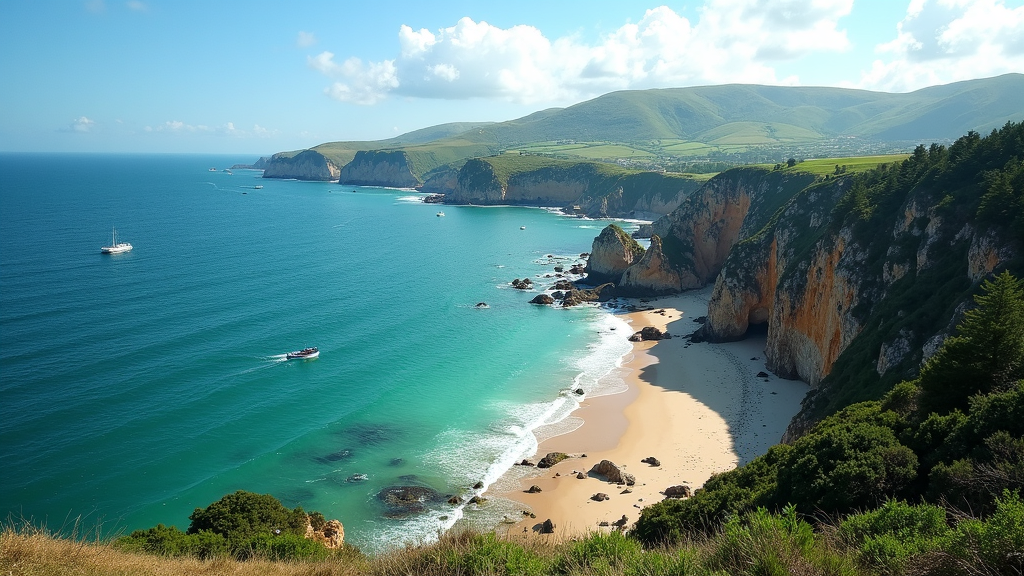
In my experience, the time of year you visit Galicia; really shapes your trip. The region has a temperate oceanic climate, so you won’t see the intense heat of southern Spain. July to early September brings the most sunny days. It’s also warm enough for the beach; yet rarely over 28 °C (82 °F). Also, this is when villages wake up with festivals, outdoor concerts, and seafood feasts by the sea.
If you prefer peaceful walks and fewer crowds, go in June or September. The weather is still pleasant, and accommodation prices are usually lower. Moreover, spring and fall feel green, quiet, and cool—perfect for hiking or slow coastal days. You can breathe the Atlantic air and never feel rushed.
Winter is the rainiest season. Some rural stays take a break; however, city life in Santiago de Compostela carries on all year. Finally, there’s nothing like ducking into a cozy café for a café con leche while the rain taps the window outside.
Galicia Weather: What to Expect
I always remind people, Galicia isn’t sunny and dry like Andalucía. The weather is more like Ireland or coastal Brittany. Expect changeable days, especially in spring and fall. Sometimes it’s sunny, but sometimes a sudden drizzle appears. This keeps the landscape so lush and filled with wildflowers and chestnut trees.
The summer months (June through September) bring more stable weather, as well as daylight hours and mild nights. I still usually pack a light rain jacket or a sweater, because even in August the evenings can be breezy. Winters rarely get very cold near the coast (average minimums stay above 6 to 8°C or 43 to 46°F), but it’s much wetter, with fog rolling in over the hills and the rivers running high. Inland mountain areas get colder and can see a little snow. Packing layers, and being ready for sun or showers at any time, helps you stay comfortable and ready for whatever the day brings.
Best Beaches in Galicia
First, Galicia’s Atlantic coast blends wild headlands with soft, white-sand bays. Moreover, many great beaches sit a short drive apart. As a result, you can mix easy, serviced shores with quiet coves in one trip.
Popular Beaches in Galicia
Rodas Beach – Cíes Islands (Vigo)
Powder-fine sand meets turquoise water in a protected park. Moreover, the ferry limits crowds, so the vibe stays pristine. Also, views from the dunes are spectacular.
Best for: day-trip paradise and postcard photos.
Praia das Catedrais – Ribadeo (Lugo)
At low tide, natural stone arches appear. Therefore, plan your visit around the tides. Also, in summer, arrive early for parking.
Best for: photographers and sunrise/sunset walkers.
Praia da Lanzada – O Grove / Sanxenxo (Pontevedra)
This long sweep offers dunes, surf, and full services. In addition, families love the space and gentle entries. Plus, sunsets here are golden.
Best for: classic beach days and golden-hour strolls.
Praia de Carnota – Carnota (A Coruña)
Seven kilometers of wild sand back onto dunes and wetlands. Meanwhile, crowds thin out the farther you walk. Additionally, birdlife is excellent.
Best for: wide-open scenery and peaceful walks.
Praia de Silgar – Sanxenxo (Pontevedra)
A resort-town favorite with a lively promenade. Also, cafés and shops sit steps away. Consequently, it’s easy with kids.
Best for: families, amenities, and easy dining.
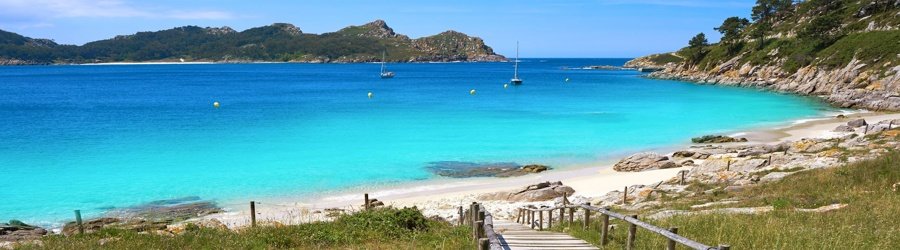
Hidden-Gem Beaches
Praia de Melide – Illa de Ons (Pontevedra)
Calm water, pine shade, and soft sand feel unhurried. Furthermore, the ferry keeps numbers low. Also, trails lead to viewpoints.
Best for: barefoot coves and low-key swims.
Praia do Vilar – Corrubedo Natural Park (Ribeira, A Coruña)
Boardwalks cross dunes to a broad, quiet shore. In addition, shifting winds sculpt the landscape. As a result, it feels pristine and wild.
Best for: nature lovers and long, quiet walks.
Praia de Doniños – Ferrolterra (A Coruña)
A sweeping bay channels real Atlantic energy. However, services are limited, so pack snacks. Also, surfers rate the break highly.
Best for: surfers and big-sky beach days.
Praia de Barra – Cangas, O Morrazo (Pontevedra)
Clear water fills a sheltered bay across from the Cíes. Moreover, the path in deters big crowds. Plus, the sand is powder-soft.
Best for: crystal swims and a secluded vibe.
Area Maior & Lagoa de As Xarfas – Muros (A Coruña)
A curved beach sits beneath Monte Louro, with a lagoon behind. Additionally, trails link viewpoints and picnic nooks. Finally, evenings here are beautifully calm.
Best for: scenic picnics and gentle exploring.
Flavors & Drinks of Galicia
If you enjoy good food, Galicia is a treat. The seafood is the headline, with octopus, tiny sweet clams, and just-grilled sardines everywhere. At the same time, even simple bars shine because ingredients are so fresh. Most spots are family-run and unpretentious. In addition, meals here move slowly—no one rushes you to finish.
O Dezaseis, Santiago de Compostela
Cozy stone rooms set the stage for local dishes. Try Galician broth, roast pork, and the house octopus. Moreover, the daily lunch menu is one of the best-value meals in town.
Marisquería Ríos, Vigo
Right by the port, seafood doesn’t get fresher. Order razor clams or scallops when they’re in season. In addition, the friendly team happily recommends the catch of the day.
A Casa do Pulpo, A Coruña
As the name suggests, come for pulpo á feira—octopus with paprika and olive oil. Service is friendly, and local wine makes lunch a pleasure. In short, it’s simple, authentic, and perfect.
Taberna O Carreteiro, Pontevedra
Small plates of mussels and empanadas headline the menu. Pair them with crisp Albariño. Moreover, the atmosphere turns lively on weekends, with music and chatter filling the space.
Wine Bars (Bares de Vinos)
Towns like Cambados or Ribadavia hide excellent wine bars. Ask for the house pick and try something new. In fact, Galician whites and reds remain one of Spain’s best-kept secrets.
What to Drink
Albariño (Rías Baixas) is bright, citrusy, and perfect with seafood. Godello (Valdeorras) has more body and stone fruit flavors. Meanwhile, Ribeiro blends are light, fresh, and food-friendly. Prefer red? Try Mencía from Ribeira Sacra—light, floral, and great chilled. Finally, after dinner, look for orujo—or try a festive queimada if you see it on a menu.
Market Stops
If you can, visit Santiago’s Mercado de Abastos or Vigo’s O Progreso. These indoor markets buzz with local life. You can taste cheeses, sausages, and fresh pastries straight from producers. Moreover, chatting with vendors often leads to insider tips on where to eat next. As a result, you’ll leave with both a snack in hand and a new favorite stall.
Luxury Hotels in Galicia
Galicia does quiet luxury well. Expect modern design, calm service, and coastal views. Many stays also blend heritage charm with today’s comfort.
Pardavila 57 Slow Hotel (9.9/10)
Design-led rooms with a relaxed feel. Warm service and thoughtful breakfasts set the tone. It’s a refined base for slow mornings and day trips along the coast.
Pedras Vellas (9.8/10)
A restored stone retreat with clean, stylish touches. Calm gardens and cozy lounges make it easy to unwind. At the same time, its quiet setting and easy drives to nearby beaches give you the best of both worlds.
La Suite Años 20 – Bañera, Chimenea y Terraza (9.8/10)
A 1920s-inspired suite with a tub and fireplace. The private terrace is perfect for morning coffee. Together, the details create an intimate hideaway full of character.
HAVANAAPARTAMENTOS (9.8/10)
Spacious suites with kitchens and bright balconies. Also, sunlight pours into every room. Moreover, the space makes it simple to relax after long days on the coast.
Villa Boutique 1880 (9.7/10)
A historic villa with a modern twist. Garden corners invite quiet moments with a book or coffee. Finally, the coastal setting adds a balance of charm and convenience.
Romantic Hotels in Galicia
For couples, Galicia is made for slow days and sea air. Think quiet rooms, soft light, and easy walks to viewpoints. Sunsets here feel especially magical.
Hotel A Bota (9.7/10)
Modern rooms near the coast with a calm mood and clean lines. Friendly hosts add a personal touch to every stay. It’s a perfect choice for couples looking for low-key beach escapes.
Hotel Mardevela (9.5/10)
Rooms open to sea breezes and soft light. Sunset balconies are a highlight here. In addition, cafés and seaside promenades are just steps away.
Hotel Mar de Fisterra (9.5/10)
Atlantic views create a peaceful, end-of-the-world setting. Interiors are soothing and simple. Moreover, scenic trails and viewpoints surround the hotel, inviting slow exploration.
Arrueiro (9.6/10)
A country house with stone walls and wood accents. Quiet nights make stargazing unforgettable. At the same time, wild beaches are only a short drive away.
Casa de Lema Boutique (9.5/10)
Boutique farmhouse style with curated décor and cozy lounges. Garden corners invite long conversations or peaceful reading. Finally, the intimate setting makes it a dreamy base for coastal days.
Practical Tips for Your Luzon Trip
My travels in Galicia have taught me a few things that are super important for a smooth, authentic experience. Here’s what I wish more visitors knew:
- Language & local life. Spanish is spoken everywhere; Galician (Galego) is common too. Say “Bo día” (good morning) and you’ll get smiles. People are friendly but reserved at first, so be patient and warm.
- Getting around. Trains are limited in Galicia. Renting a car is easiest for wild beaches and hill towns. Roads are quiet; however, backroads twist, so bring GPS or a good map. Also, stop in tiny ports and viewpoints—you’ll find surprises not in any guidebook.
- Shellfish festivals. If you can, time your trip for a local fiesta. In O Grove, seafood is sold by weight from huge stalls. The scene is lively and social. Plus, folk music and dancing bring everyone—kids to grandparents—into the fun.
- Weather-ready packing. Even in summer, bring layers: a rain jacket, light sweater, and comfy walking shoes. If the sea is rough, try praias fluviais (river beaches). They’re calm, scenic, and great for a dip.
- Respect for nature. Locals feel a deep bond with sea and land. Stay on marked trails, follow signs, and pack out what you bring. Finally, treat protected islands gently so these places stay beautiful for everyone.
Final Take – Best of Galicia Awaits
Galicia rewards slow travel. Also, it delivers on beaches, seafood, and sea air. You’ll find wild Atlantic swells and quiet coves close by. Plus, boutique stays and friendly wine bars make nights easy.
Plan around tides and weather, and you’re set. So rent a car, follow the coast, and leave room for detours. Still, markets and small ports will surprise you daily. Finally, whether it’s a weekend or a full loop, Galicia gives you many reasons to return.
Frequently Asked Questions
Here are some common questions travelers ask when planning a trip to Galicia:
Is Galicia expensive?
Galicia is much more affordable than Spain’s big cities or the Costa del Sol. Dinners are well priced, even at seaside restaurants. In addition, boutique guesthouses and rural pazos (country manors) offer excellent value, especially outside of August.
What food is essential to try?
Octopus “á feira” is the standout dish. Empanadas, steamed mussels, and soft Tetilla cheese are also musts. Finally, don’t miss tarta de Santiago (almond cake) with coffee, or filloas—thin crepes often served with honey or cream.
Do people speak English in Galicia?
In tourist areas like Santiago de Compostela, you’ll hear some English. However, in rural villages it’s less common. A mix of basic Spanish, pointing, and smiles usually works. Moreover, learning a few key phrases or carrying a phrasebook helps you connect more easily with locals.
Are the beaches family-friendly?
Yes, many beaches are great for families. Around Sanxenxo, O Grove, and A Coruña, lifeguards are on duty in summer. At the same time, beaches on the Cíes Islands are very safe, though services are limited—so bring snacks and water. In addition, calm playas fluviales (river beaches) are perfect for swimming with children when the Atlantic surf feels too strong.
When is the best time to visit Galicia?
Spring and early autumn are ideal, with mild weather and lighter crowds. In contrast, July and August bring more tourists, higher prices, and busier beaches. At the same time, summer offers lively festivals and long days, so it can be worth it if you enjoy the energy. Finally, winter is cooler and wetter, but markets and cozy taverns make it a charming off-season escape.
Related Posts
 Visit Beautiful Lohme in the Jasmund Region on Rügen Island
- Visit Beautiful Lauterbach on The Island of Rügen
- Visit Beautiful Putbus on The Island of Rügen
- Discover the Most Beautiful Coastal Landscapes of Sassnitz Germany
- Rhine Gorge: The Most Stunning Hidden Castles You’ll Love
- The Most Beautiful Heidelberg Old Town and Stunning Castle Views You’ll Love
The hidden-gem beaches really stand out. Praia de Barra and Doniños both sound like places where you can feel the full Atlantic energy without the mass tourism. I love that Galicia still requires a bit of effort to reach some coves because that keeps them special. It seems like a destination made for travelers who enjoy slow discovery. Do you think renting a car is essential to experience that side of the coast?
Yes, a car makes a huge difference. Public transport connects major towns, but many of the wild beaches and scenic viewpoints are easiest to reach by road. Having your own wheels gives you freedom to chase good weather and hidden coves.
I like how you highlight the weather honestly. Galicia’s moody skies and changing light seem to add character rather than take away from it. There’s something special about walking a misty coastal path and then warming up in a café afterward. It feels authentic rather than overly polished. Would you say spring or early autumn shows Galicia at its most beautiful?
Early autumn is hard to beat. The sea is still warm, vineyards are active, and the summer crowds thin out. Spring is gorgeous and green, but autumn often feels calmer and more colorful.
The food scene alone makes Galicia tempting. Fresh octopus, Albariño, and small family-run taverns feel like the kind of meals you remember long after the trip ends. I also appreciate how you mention markets because those are often where the real local life shows up. Pairing seafood with bright local wine beside the Atlantic sounds unbeatable. Do you find lunch or dinner is the better time to enjoy the full Galician dining experience?
Lunch is often the star in Galicia, especially for seafood. Many locals take their time with a long midday meal, and that’s when markets are freshest and restaurants feel most lively. Dinner is lovely too, but lunch really captures the region’s rhythm.
Galicia really does feel like Spain’s quiet secret. That blend of misty cliffs, seafood bars, and wild Atlantic beaches gives it such a distinct personality compared to the south. Rodas Beach in the Cíes Islands sounds almost Caribbean in color, yet still rugged and protected. I love destinations where you can pair beach time with vineyard visits in the same afternoon. If someone had only five days, would you focus on one coastal base or move between a couple of towns?
With five days, I’d choose two bases at most. For example, stay near the Rías Baixas for beaches and wine, then spend a couple of nights in Santiago or along the Costa da Morte. That way you balance coast and culture without constantly packing up.
Galicia’s slower pace and strong food culture really stand out, especially with the local wines and seafood traditions. The mix of green landscapes and ocean views makes it sound different from the typical Spanish beach trip. Do you think it suits first-time visitors to Spain, or is it better after seeing the more classic destinations first?
It can absolutely work for a first visit if you enjoy nature, food, and a relaxed atmosphere. Many travelers find it refreshing precisely because it feels less crowded and more authentic.
Those beaches look incredibly varied, from dramatic rock formations to long sandy stretches, which makes the coast feel really diverse. Planning around tides for places like Praia das Catedrais is such a smart tip too. Would you say sunrise or sunset is the better time for photography along that coastline?
Both work beautifully, but sunrise often feels quieter and more atmospheric. The softer light and fewer visitors usually make coastal shots especially rewarding.
Galicia sounds like one of those coastal regions where the scenery keeps shifting between wild Atlantic drama and quiet village charm. The seafood scene alone makes it tempting, especially with those smaller family-run spots you mentioned. Do you think renting a car is almost essential there, or can travelers still see the highlights using public transport?
A car definitely makes exploring easier, especially for hidden beaches and smaller towns. Public transport works between major cities, but having your own wheels opens up the best coastal detours.
Pingback: Abbey
Galicia looks luxe in photos, but it’s actually one of the more affordable coastal regions in Spain, especially compared to places like the Costa del Sol, Mallorca, or San Sebastián. Seafood restaurants, wine bars, and even boutique guesthouses can be surprisingly reasonable, particularly outside of peak July–August dates. Solo travelers also tend to feel comfortable here because the region is safe, relaxed, and welcoming, even in smaller fishing villages. Renting a car gives you the most freedom, but buses and guided day trips work too if you prefer not to drive alone. If you want the dreamy scenery without high costs, visiting in June or September gives you great weather, lower prices, and fewer crowds—perfect for a single traveler looking for beauty, culture, and a slower rhythm.
Pingback: Oscar
I’m so happy this guide sparked some inspiration! Galicia really is a “slow-travel treasure,” and once you get a taste of the beaches and the food, it stays with you. Rodas Beach feels like stepping into a postcard, and Praia do Vilar is one of those quiet places you remember long after you’ve left. And yes — the seafood and Albariño are unbeatable! If you end up planning a trip and want help choosing the best coastal base or lining up the must-see spots, I’d be glad to help you fine-tune your itinerary.
This guide to Galicia feels like a love letter to one of Spain’s most underrated regions, blending vivid descriptions with practical tips that make it both inspiring and useful. I especially appreciate how you highlight not just the famous beaches, but also the quieter rías and authentic food spots that truly capture the soul of the place. Your notes on seasonal travel, local etiquette, and weather readiness show a deep, lived-in understanding that makes me trust your advice. Personally, I’m drawn to the idea of combining a seafood festival with long, scenic walks along those dramatic coastlines. Have you ever found a hidden spot in Galicia that you almost didn’t want to share for fear of it becoming too popular?
I really appreciate your thoughtful feedback! Galicia truly is one of Spain’s hidden treasures, and I’m so glad the guide conveyed both its beauty and its authenticity. The blend of famous beaches, peaceful rías, and vibrant food culture is what makes the region so unforgettable.
As for hidden spots—yes, there are a few that felt almost too magical to share, like a tiny cove near the Costa da Morte where the only sounds are the waves and distant gulls. Places like that carry a certain quiet magic, and part of me wants them to stay just as they are, untouched by crowds. But in the end, I believe sharing them helps others appreciate and protect Galicia’s unique charm.
And combining a seafood festival with coastal walks? That’s honestly one of the best ways to experience Galicia’s spirit—fresh flavors, breathtaking views, and a pace that invites you to slow down and savor it all.
The detail about Galicia’s rias (those fjord-like inlets) being warmer for swimming than expected is a game-changer—I’d assumed all northern Spanish coasts would be bracingly cold. The comparison between lively beaches like As Catedrais and hidden coves like Praia dos Castros really captures the region’s range.
Your tip about pairing seafood feasts with local Albariño wine makes me wonder: are there particular waterfront towns where the catch-to-table timing is fastest? The pilgrimage route detours to lesser-known coastal villages sound perfect for avoiding crowds while still soaking up the culture.
Thanks so much for the kind words! The Egadi Islands are a dream for first-timers. For convenience and lots of hotel and dining options, base on Favignana, then day-trip to Levanzo and Marettimo. Don’t miss Cala Rossa and Cala Azzurra, plus a boat tour to the sea caves; renting a bike or e-bike makes hopping between coves easy. Getting there is simple—hydrofoils from Trapani take about 30–60 minutes. Best months are May–June or September for warm seas and fewer crowds; try tuna specialties, busiate al pesto trapanese, and seafood couscous (reserve dinner in peak season). If you want convenience, stay near Favignana town/port; for secluded hikes and crystal-clear snorkeling, pick Marettimo. Are you leaning toward lively Favignana or a quieter base on Marettimo?
Galicia, in northwest Spain, is a hidden gem with wild Atlantic coastlines, stunning beaches, and charming stone towns. It’s a place where nature feels untamed and the pace of life is wonderfully relaxed. Whether you’re exploring breathtaking beaches like Playa de las Catedrales or Playa de Rodas, enjoying fresh seafood in cozy family-run spots, or soaking in local festivals, Galicia offers something special year-round. The weather can be changeable, so pack layers and be ready for both sun and rain. Renting a car is the best way to discover hidden spots and experience authentic local life. If you love nature, great food, and a slower pace, Galicia is definitely worth a visit.
Thank you—this captures Galicia perfectly. For timing, late May to September brings the best beach weather, with June and September offering lighter crowds. For Playa de las Catedrales, visit at low tide and note that free permits are required on busy dates. For Playa de Rodas in the Cíes Islands, daily numbers are capped—book ferry tickets and authorization in advance during summer. A car is ideal for hidden coves and stone villages; major routes like the AP-9 are fast but tolled, while coastal roads are slower and scenic. Great bases include Santiago de Compostela for culture, O Grove or Cambados for seafood and Rías Baixas wineries, and A Coruña for city beaches. Pack layers and a light rain shell—sun and showers trade places often. Don’t miss pulpo á feira, percebes when in season, and crisp Albariño or Godello. If you love rugged coastlines, add a day along the Costa da Morte for windswept lighthouses and dramatic views.
This guide to Galicia is exactly the kind of writing that makes me want to book a trip immediately—not just for the views, but for the feeling the region seems to evoke. I have visited Galicia almost a decade ago and loved the city but missed out on the beaches. I really appreciate how you balanced personal experience with practical tips; your love for the area shines through without glossing over the realities (like changeable weather or limited transport).
A few things really stood out to me. First, your description of Playa de las Catedrales, walking under stone “cathedrals” at low tide sounds amazing. Have you ever visited in winter, and if so, how different is the experience? Also, your mention of the shellfish festivals made me curious: do any stand out to you as especially worth timing a trip around?
Lastly, I loved your food suggestions. “Pulpo á feira” has been on my radar, but I have never heard of filloas and now I am on a mission and must go back to try it. Would you say most restaurants are welcoming to solo travelers, or is Galicia more geared toward couples and families?
Thanks again for such a rich and vivid post. I’m genuinely inspired to look beyond the usual Spain destinations and explore Galicia’s quiet magic. Looking forward to any other insights or hidden gems you’d be willing to share!
Thank you so much for your wonderful comment! I’m really glad the guide inspired you to consider Galicia beyond the usual destinations—it truly is a region full of quiet magic and unique experiences.
Playa de las Catedrales is absolutely breathtaking, and yes, visiting in winter is a very different experience. The crowds are gone, which makes the natural formations feel even more majestic and almost mystical, but the weather can be quite brisk and unpredictable. It’s perfect for those who love peaceful solitude and dramatic landscapes, though you’ll want to dress warmly and be cautious on slippery rocks!
As for shellfish festivals, the Festa do Marisco in O Grove is definitely a standout—usually held in October, it’s a seafood lover’s dream with a festive atmosphere, music, and plenty of local flavors to sample. If you can time your visit around that, it’s well worth it.
Regarding food and solo travel, Galicia is generally very welcoming to everyone, including solo travelers. Many local restaurants and tapas bars have a friendly, community vibe, so it’s easy to feel comfortable dining alone, especially if you’re open to chatting with locals or other visitors.
If you’re looking for hidden gems, I’d also recommend exploring the Ribeira Sacra region for stunning river canyons and monasteries, as well as the coastal town of Combarro, famous for its charming hórreos (granaries) and seafood.
Thanks again for your thoughtful questions—I hope you get to enjoy Galicia’s beauty and flavors soon!
Hi! Your post beautifully captures Galicia’s wild charm—from savoring pulpo á feira and creamy Tetilla cheese to discovering hidden fishing ports off the twisting rural roads. I love your emphasis on respectful travel—especially that reminder to follow trails and leave no trace. The shellfish festivals sound like such vivid cultural experiences too. What a thoughtful, inspiring guide to Galicia!
Thank you so much for visiting BeachTravelDestinations.com and for your wonderful comment! I’m really glad you enjoyed the post on Galicia. It’s such a unique region with incredible natural beauty and rich culture. I agree—the combination of wild landscapes and authentic local experiences makes it truly special. Have you had a chance to visit Galicia, or is it on your travel bucket list?
This article beautifully captures the essence of Galicia, a region that often flies under the radar compared to other parts of Spain. I’m curious—did you explore any of the lesser-known coastal villages or focus more on iconic spots like Santiago de Compostela? I had the chance to hike a short part of the Camino de Santiago and was blown away by the lush landscapes and warm hospitality along the way. Galicia’s rugged coastline, fresh seafood—especially the pulpo a la gallega—and Celtic-influenced culture make it feel like a completely different Spain. Your write-up does a great job highlighting why it’s such a special and underrated destination.
Thank you AJ, I am glad you enjoyed reading about the best of Galicia in Northwest Spain. Thanks for stopping by and taking the time to leave me comments.
This was such a helpful and well-organized guide—thank you! I appreciated the detailed breakdown of things to do, especially the sailing options and tips for visiting Whitehaven Beach. The inclusion of where to stay and how to get there made it really practical for planning. It might be helpful to include a quick note about the best times of year to avoid stinger season, but overall this was a fantastic resource. Definitely bookmarking for when I plan my trip!
Thank you so much Ashley! I am glad you enjoyed your visit to Beach Travel Destinations!