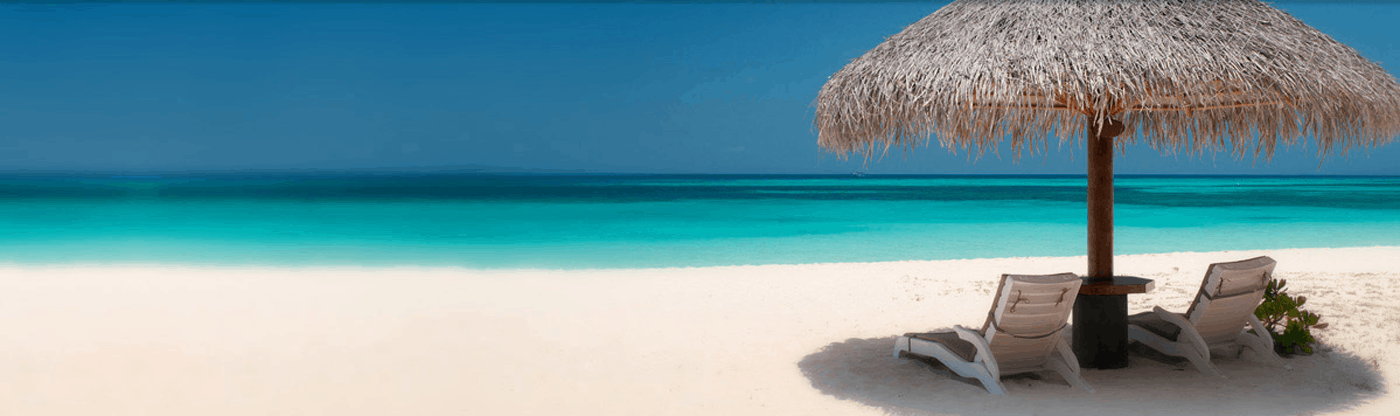

Discover the islands, beaches, and beauty of the Caribbean!
The Greater Antilles are home to some of the Caribbean’s most beautiful islands. You’ll discover gorgeous beaches, tropical landscapes, fascinating history, and colorful cultures throughout the region. This island group includes Cuba, Jamaica, Hispaniola, Puerto Rico, and the Cayman Islands. Each destination offers something different. Explore Jamaica’s lively beach towns, the historic streets of Old San Juan, or the beautiful coastlines of the Dominican Republic.
There’s much more to the Greater Antilles than beautiful beaches. Discover towering mountains, lush tropical forests, coral reefs, as well as incredible natural attractions. Learn about the region’s geography, tropical climate, and the islands that make it special. You’ll also find a glimpse of the cultures and landscapes that shape each destination. Whether you’re exploring Caribbean geography or planning a tropical getaway, this guide is a great place to start.
Dreaming of beautiful beaches and tropical island escapes? 🌴 Follow Beach Travel Destinations on Pinterest for breathtaking Caribbean scenery, travel inspiration, and gorgeous destinations to add to your bucket list!
In this guide: Map • When To Visit • Why Visit • Cuba • Hispaniola (Dominican Republic & Haiti) • Jamaica • Puerto Rico • Cayman Islands • Traditional Foods • Top Beaches • Tips • FAQs
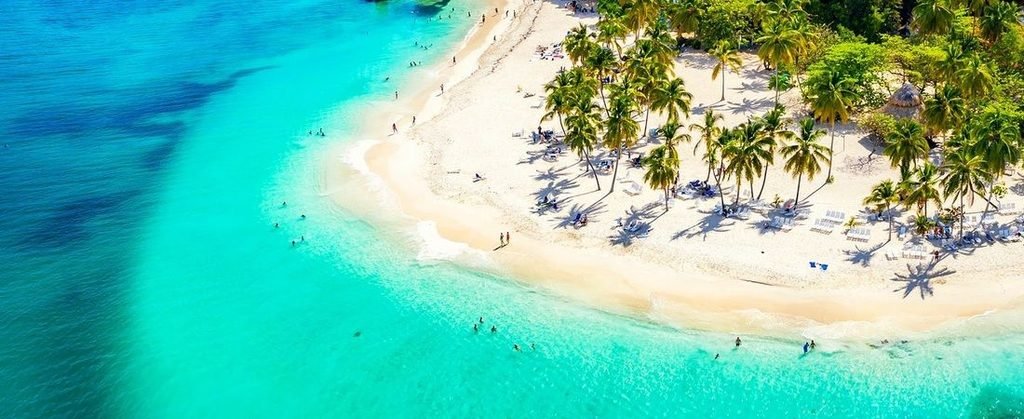
Greater Antilles Weather & Best Time to Visit
The Greater Antilles enjoy a warm tropical climate throughout the year. Coastal temperatures generally range from the upper 70s to upper 80s°F (25°C–31°C). However, weather conditions vary between islands and elevations. Mountain regions are often cooler and wetter, while some southern coastal areas receive less rainfall. Trade winds help keep many coastal destinations comfortable, even during warmer months.
Best Time to Visit: December to April
December through April is generally the best time to visit the Greater Antilles. These months bring pleasant temperatures, lower humidity, and less rainfall in many popular beach destinations. It’s an excellent time to enjoy the beaches, explore historic towns, and discover the islands’ natural attractions.
This is also the busiest travel season, especially around Christmas, New Year’s, and spring break. Expect higher hotel prices and more crowded beaches in popular resort areas. Booking accommodations early can help you find better options.
Shoulder Season: May and November
May and November can be good alternatives if you prefer fewer crowds and potentially lower prices. Temperatures remain warm, although rainfall becomes more likely in many areas. You can still enjoy plenty of sunshine between passing showers.
May often brings greener landscapes as rainfall increases. November marks the final month of the Atlantic hurricane season. Weather conditions can vary, so check the forecast and consider flexible travel arrangements.
Hurricane Season: June to November
The Atlantic hurricane season runs from June 1 through November 30. Tropical storms and hurricanes are possible during this period, with activity typically peaking from August through October. However, this doesn’t mean you’ll experience a storm during your vacation.
Summer also brings warmer temperatures, higher humidity, and more frequent rain showers. Many showers are brief, although prolonged wet weather is possible. If you’re planning a trip during hurricane season, consider travel insurance that specifically covers weather-related disruptions.
Weather in the Mountains
The Greater Antilles have some impressive mountain ranges, including Jamaica’s Blue Mountains and the Dominican Republic’s Cordillera Central. Higher elevations are considerably cooler than the beaches, especially at night.
Pack a light jacket if you plan to explore mountain villages, hiking trails, or elevated viewpoints. Rain protection is also useful, particularly in the wetter mountain and rain forest regions.
Greater Antilles Geography & Natural Features
The Greater Antilles are located in the northern Caribbean Sea, between the Atlantic Ocean and the Caribbean. This island group includes Cuba, Jamaica, Hispaniola, Puerto Rico, and the Cayman Islands. Hispaniola is shared by Haiti and the Dominican Republic. Together, these islands form one of the Caribbean’s most geographically diverse regions.
Unlike many of the smaller, flatter Caribbean islands, the Greater Antilles feature impressive mountain ranges, fertile valleys, tropical forests, and rugged coastlines. Hispaniola is home to Pico Duarte, the highest mountain in the Caribbean, reaching approximately 10,164 feet (3,098 meters). You’ll also discover coral reefs, limestone caves, waterfalls, and beautiful sandy beaches throughout the region.
The islands sit near the boundary between the Caribbean and North American tectonic plates. This geological setting has helped shape their mountainous landscapes and contributes to earthquake activity in parts of the region. Coastal scenery varies considerably, from dramatic cliffs and secluded coves to long stretches of white sand and turquoise water.
Discover the Main Islands of the Greater Antilles
The Greater Antilles are made up of several fascinating Caribbean islands, each with its own landscapes, culture, and attractions. From Cuba’s historic cities to Jamaica’s lush mountains and Puerto Rico’s beautiful coastlines, there’s plenty to discover. You’ll find everything from lively beach resorts and colorful towns to quiet coves, waterfalls, and tropical forests.
Explore the main islands below to discover what makes each destination special. Learn about their natural beauty, cultural highlights, and some of the beaches worth visiting. Whether you love relaxing beside turquoise water or exploring beyond the shoreline, the Greater Antilles offer something for every type of traveler.
Cuba | Vintage Charm, Vibrant Culture & Beautiful Beaches
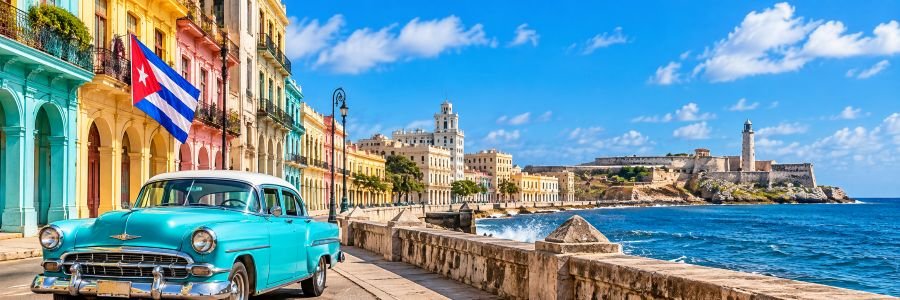
Cuba is the largest island in the Caribbean, known for its beautiful beaches, colorful architecture, and rich cultural heritage. Explore Havana’s historic streets, where vintage American cars pass pastel-colored buildings and grand colonial landmarks. Music fills the city’s lively neighborhoods, with traditional son, salsa, and jazz reflecting Cuba’s vibrant musical traditions. Afro-Cuban culture also plays an important role in the island’s identity, influencing its music, dance, art, and cuisine. Beyond Havana, discover the beautiful Viñales Valley, famous for its tobacco farms, dramatic limestone hills, and traditional rural landscapes.
Cuba’s coastline offers plenty of opportunities to enjoy the Caribbean sunshine. Relax on the powdery white sands of Varadero Beach, one of the island’s most famous resort destinations. For a quieter tropical escape, explore the turquoise waters and beautiful beaches of Cayo Coco and Cayo Guillermo. You’ll also find excellent snorkeling and diving around Cuba’s coral reefs and offshore islands. Whether you’re interested in history, music, natural scenery, or relaxing beside the sea, Cuba offers a fascinating mix of Caribbean experiences.
Hispaniola: Two Countries, One Beautiful Caribbean Island
Hispaniola is the second-largest island in the Caribbean and is shared by the Dominican Republic and Haiti. Both countries offer beautiful landscapes, rich histories, and distinctive cultural traditions. The Dominican Republic is especially famous for its tropical beaches and resorts. Discover the world-renowned shores of Punta Cana and Bávaro Beach, where soft white sand, swaying palm trees, and turquoise waters create a beautiful setting for a Caribbean getaway. Beyond the beaches, explore Santo Domingo’s historic Colonial City or visit Cueva de las Maravillas, a fascinating limestone cave featuring ancient Taíno rock art.
On the western side of Hispaniola, Haiti offers a different perspective on Caribbean history and culture. Explore the country’s vibrant artistic traditions, colorful markets, and distinctive architecture. Haiti is also home to remarkable historic landmarks, including the mountaintop Citadelle Laferrière, a UNESCO World Heritage Site. Its mountainous landscapes, waterfalls, and scenic coastline reveal another side of the island’s natural beauty. Together, the Dominican Republic and Haiti make Hispaniola one of the Caribbean’s most culturally and geographically fascinating islands.
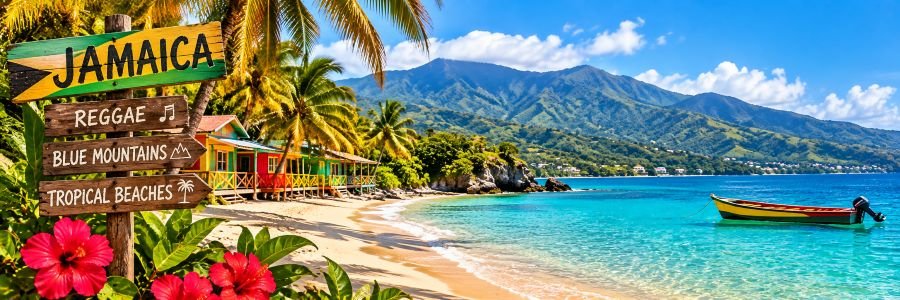
Jamaica: Reggae Rhythms, Blue Mountains & Tropical Beaches
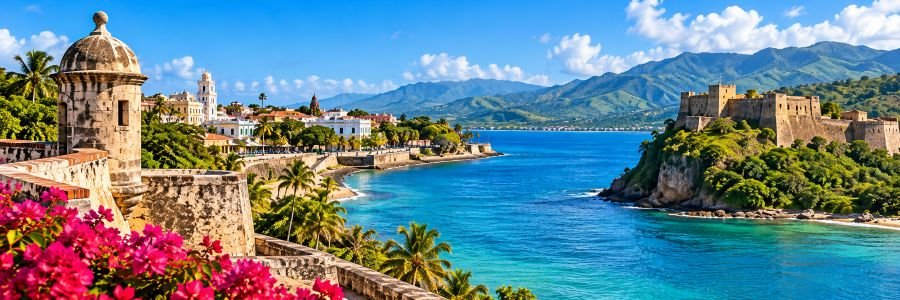
Jamaica is famous for its reggae music, beautiful beaches, and laid-back Caribbean atmosphere. As the birthplace of reggae and the home of legendary musician Bob Marley, the island has a rich musical heritage that you’ll discover throughout its lively towns and cities. Explore Kingston’s music scene, sample traditional Jamaican jerk chicken, or head into the lush Blue Mountains for a guided coffee tour. This scenic mountain region produces some of the world’s most celebrated coffee, and many tours offer a glimpse into local farming traditions. You’ll also find beautiful waterfalls, tropical forests, and spectacular mountain views across the island.
Jamaica’s coastline is just as inviting, with beautiful beaches and popular resort towns. Spend a relaxing afternoon on Negril’s famous Seven Mile Beach, known for its soft sand, clear turquoise water, and spectacular sunsets. Montego Bay offers lively beachfront resorts, water sports, and easy access to nearby attractions. For a quieter coastal escape, explore the beautiful beaches and tropical scenery around Port Antonio. Whether you’re enjoying reggae music, discovering the Blue Mountains, or relaxing beside the Caribbean Sea, Jamaica offers a wonderful combination of culture, adventure, and natural beauty.
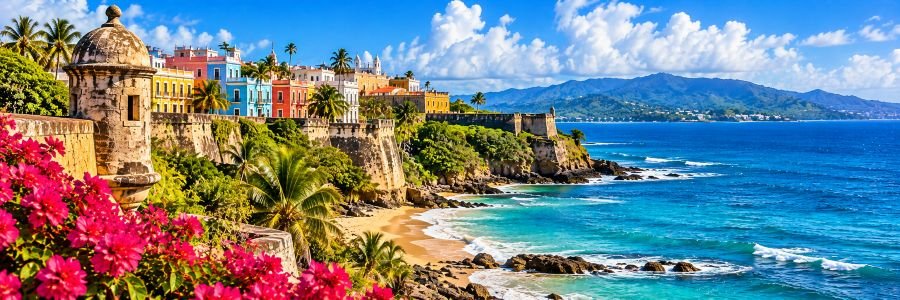
Puerto Rico: Historic San Juan, Beautiful Beaches & Tropical Rain Forests
Puerto Rico combines colorful history, beautiful Caribbean beaches, and lush tropical landscapes. Explore the historic port city of San Juan, where cobblestone streets, pastel-colored colonial buildings, and centuries-old Spanish fortresses overlook the Atlantic Ocean. Old San Juan is especially charming, with lively plazas, local restaurants, and beautiful waterfront views. Beyond the capital, discover Puerto Rico’s rich cultural traditions, delicious cuisine, and vibrant music scene. For a change of scenery, head into El Yunque National Forest, where tropical hiking trails lead through lush greenery, mountain streams, and scenic waterfalls.
Puerto Rico’s coastline offers everything from lively beach resorts to peaceful stretches of sand. Spend the day at Luquillo Beach, known for its golden sand, calm swimming areas, and relaxed atmosphere. Nearby food kiosks are perfect for sampling local Puerto Rican dishes after a morning by the water. For surfing, explore the beaches around Rincón on the island’s western coast, where Atlantic waves attract surfers from around the world. Whether you’re wandering through historic San Juan, hiking in El Yunque, or relaxing beside turquoise waters, Puerto Rico offers a wonderful mix of culture, adventure, and coastal beauty.
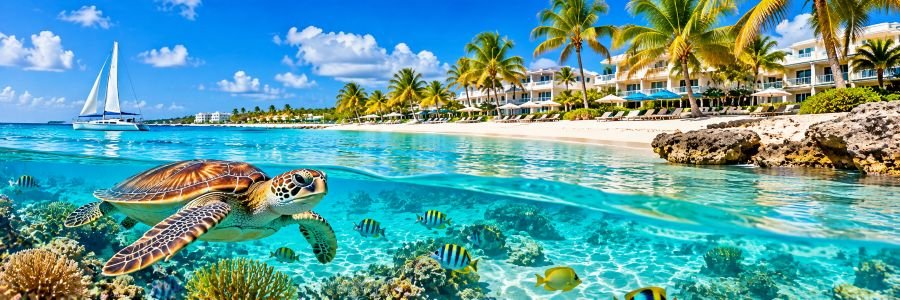
Cayman Islands: World-Class Diving, Luxury Resorts & Caribbean Beauty
The Cayman Islands are a beautiful group of three low-lying coral islands in the western Caribbean Sea. Grand Cayman, Cayman Brac, and Little Cayman are famous for their crystal-clear waters, spectacular coral reefs, and world-class diving opportunities. Unlike the mountainous landscapes found throughout much of the Greater Antilles, the Caymans feature relatively flat terrain, limestone formations, and beautiful coastlines. Explore Grand Cayman’s famous Seven Mile Beach, where soft white sand, turquoise water, and upscale beachfront resorts create an inviting tropical escape. You’ll also discover excellent restaurants, luxury accommodations, and a relaxed island atmosphere.
The Cayman Islands are especially popular for snorkeling, scuba diving, and unforgettable marine encounters. Visit Stingray City on Grand Cayman, where you can observe and interact with southern stingrays in shallow, clear water on guided excursions. Discover colorful coral gardens, underwater walls, and fascinating marine life around all three islands. Little Cayman is particularly famous for Bloody Bay Wall, one of the Caribbean’s most celebrated dive sites. Whether you’re exploring underwater treasures, enjoying a luxury beach resort, or simply relaxing beside the sea, the Cayman Islands offer a wonderful combination of natural beauty and Caribbean comfort.
Greater Antilles At a Glance: Which Island Fits Your Travel Style?
| Island | Signature Vibe | Must-See Highlights | Best For |
|---|---|---|---|
| Cuba | Vintage charm, vibrant music, and rich history | Old Havana, Viñales Valley, Varadero Beach | History buffs, music lovers, cultural explorers |
| Hispaniola (Dominican Republic & Haiti) | Diverse cultures and dramatic landscapes | Punta Cana, Santo Domingo, Citadelle Laferrière | Resort lovers, hikers, art enthusiasts |
| Jamaica | Reggae rhythms, lush mountains, and flavorful cuisine | Blue Mountains, Kingston, Seven Mile Beach | Music lovers, foodies, outdoor adventurers |
| Puerto Rico | Colorful history and tropical rain forest adventures | Old San Juan, El Yunque, Luquillo Beach | Beach lovers, history fans, nature enthusiasts |
| Cayman Islands | Tropical luxury and spectacular underwater scenery | Stingray City, Seven Mile Beach, Bloody Bay Wall | Divers, snorkelers, luxury travelers |
Traditional Foods to Try in the Greater Antilles
The Greater Antilles offer a delicious mix of Caribbean flavors shaped by African, Indigenous, European, and other culinary traditions. From slow-cooked meats and fresh seafood to plantains, rice, and tropical ingredients, each island has its own specialties. Exploring local food is a wonderful way to experience the region’s history and culture. Here are some traditional dishes worth trying during your Caribbean travels.
Cuba: Try ropa vieja, a flavorful dish of shredded beef simmered with tomatoes, peppers, and spices. Another favorite is moros y cristianos, a comforting combination of rice and black beans. Both dishes reflect the island’s rich culinary traditions.
Dominican Republic: Enjoy la bandera, a traditional Dominican meal featuring rice, beans, and meat, often accompanied by salad or fried plantains. Its name means “the flag,” and it’s a beloved everyday dish throughout the country.
Haiti: Discover griot, tender pieces of marinated pork that are typically fried until golden. It’s often served with pikliz, a spicy mixture of pickled cabbage, carrots, and peppers that adds a delicious kick.
Jamaica: Sample famous Jamaican jerk chicken, seasoned with a spicy blend of herbs and peppers before being grilled or smoked. Another traditional favorite is ackee and saltfish, Jamaica’s national dish, often enjoyed for breakfast.
Puerto Rico: Don’t miss mofongo, made from mashed fried green plantains mixed with garlic and pork cracklings. It’s often served with meat, seafood, or a flavorful broth. Arroz con gandules, rice cooked with pigeon peas and seasonings, is another Puerto Rican favorite.
Cayman Islands: Enjoy fresh seafood prepared with local Caribbean flavors, including Cayman-style fish and traditional conch dishes. For dessert, try cassava cake, a rich, sweet treat made with grated cassava, coconut milk, and warm spices.
Paradise Found: The Best Beaches of the Greater Antilles
The Greater Antilles are home to some of the Caribbean’s most beautiful beaches. Discover long stretches of white sand, turquoise waters, swaying palm trees, and spectacular sunsets. Whether you’re looking for a lively resort destination or a peaceful place to relax, these five beaches showcase the natural beauty of the islands.
Varadero Beach, Cuba
Varadero Beach is one of Cuba’s most famous coastal destinations, stretching approximately 12 miles (20 kilometers) along the Hicacos Peninsula. Its powdery white sand and clear turquoise water create a beautiful setting for swimming, sunbathing, and long walks beside the sea. You’ll find numerous beachfront resorts, water sports, and opportunities to explore the surrounding coastline. With its wide sandy shoreline and inviting Caribbean scenery, Varadero is especially popular for relaxing beach vacations.
Bávaro Beach, Dominican Republic
Bávaro Beach is one of the highlights of the Punta Cana resort area, known for its soft white sand, turquoise water, and beautiful coconut palms. Spend your day relaxing beneath the palms or enjoying activities such as snorkeling, parasailing, and catamaran excursions. The coastline is lined with beachfront resorts, restaurants, and opportunities for water sports. Its lively atmosphere and tropical scenery make Bávaro a favorite for travelers looking for sunshine and plenty of activities.
Seven Mile Beach, Negril, Jamaica
Negril’s Seven Mile Beach is famous for its laid-back atmosphere, beautiful sandy shoreline, and spectacular Caribbean sunsets. Enjoy a leisurely swim in the clear water, relax beneath a beach umbrella, or stop at a beachfront restaurant for authentic Jamaican food. You’ll find casual beach bars, reggae music, and plenty of places to watch the sun disappear over the horizon. It’s a wonderful destination for enjoying Jamaica’s relaxed coastal lifestyle.
Luquillo Beach, Puerto Rico
Luquillo Beach is a beautiful, palm-lined destination on Puerto Rico’s northeastern coast, not far from El Yunque National Forest. Its sheltered swimming areas and golden sand make it especially popular with families and beach lovers. After spending time by the water, explore the nearby Luquillo Kiosks, where you’ll find a variety of Puerto Rican dishes, fresh seafood, and local favorites such as alcapurrias. Combining a relaxing beach day with delicious local food makes Luquillo a memorable coastal stop.
Seven Mile Beach, Grand Cayman
Grand Cayman’s Seven Mile Beach is known for its soft white sand, brilliant turquoise water, and beautiful beachfront resorts. This famous stretch of coastline offers excellent swimming, snorkeling opportunities, and spectacular views across the Caribbean Sea. Enjoy a leisurely walk along the shore, explore nearby restaurants, or simply relax beside the water. With its gorgeous scenery and upscale amenities, Seven Mile Beach is one of the Cayman Islands’ most celebrated attractions.
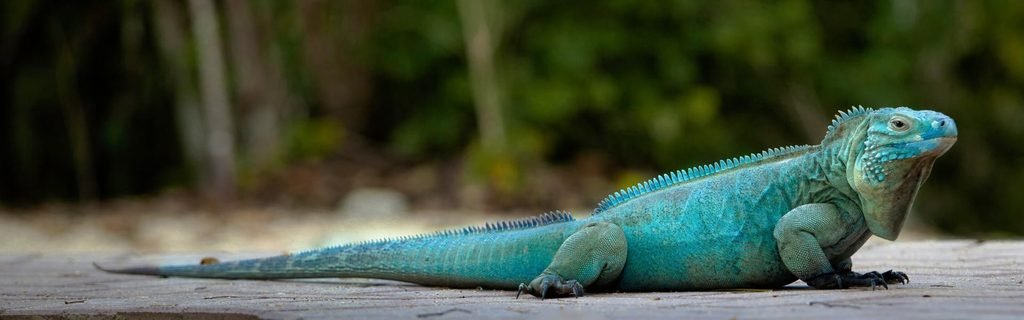
Unique Wildlife of the Greater Antilles: Grand Cayman’s Blue Iguanas
One of the Greater Antilles’ most fascinating wildlife encounters awaits on Grand Cayman. The endangered Grand Cayman blue iguana is found naturally nowhere else in the world. These remarkable reptiles are known for their striking blue coloring, particularly the adult males. Visit the Queen Elizabeth II Botanic Park, where the Blue Iguana Conservation program helps protect and restore this rare species. A guided visit offers a wonderful opportunity to learn about the iguanas and the conservation efforts helping them survive.
Why Visit the Greater Antilles? Reasons to Explore
From spectacular Caribbean beaches to historic cities and lush tropical mountains, the Greater Antilles offer something for nearly every type of traveler. Here are seven reasons to add these beautiful islands to your travel plans.
Beautiful Caribbean Beaches:
Discover the powdery white sands of Varadero in Cuba, the palm-lined shores of Bávaro Beach in the Dominican Republic, in addition to the gorgeous turquoise waters of Seven Mile Beach in Grand Cayman.
Fascinating History & Architecture:
Wander through Old Havana’s colorful streets, explore the Spanish colonial fortresses of Old San Juan, and also discover the historic Colonial City of Santo Domingo.
Incredible Snorkeling & Diving:
Explore colorful coral reefs, underwater walls, and fascinating marine life. The Cayman Islands are especially famous for their spectacular diving sites and unforgettable encounters at Stingray City.
Vibrant Music & Caribbean Culture:
Experience Jamaica’s reggae heritage, Cuba’s lively salsa and son traditions, and the colorful festivals, music, and also local customs found throughout the islands.
Tropical Mountains & Rain forests:
Hike through Puerto Rico’s El Yunque National Forest, discover Jamaica’s beautiful Blue Mountains, or explore the dramatic mountain landscapes of Hispaniola.
Delicious Island Cuisine:
Sample Jamaican jerk chicken, Cuban ropa vieja, Puerto Rican mofongo, and traditional dishes from Haiti, the Dominican Republic, and the Cayman Islands.
Unique Wildlife & Natural Wonders:
Discover Grand Cayman’s endangered blue iguanas, explore limestone caves featuring ancient Taíno art, or enjoy the region’s waterfalls, tropical forests, and remarkable coastal scenery.
Greater Antilles Essential Travel Tips
Planning a trip to the Greater Antilles? A little preparation can make your Caribbean getaway much easier. Travel requirements, currencies, transportation, and local customs vary between the islands, so it’s worth checking the details for your chosen destination before you leave.
Passports & Entry Requirements: Passport validity rules and entry requirements vary by country and nationality. Some destinations may require visas, electronic travel authorizations, or additional travel documents. If you’re traveling to Cuba from the United States, be sure to review current U.S. travel restrictions and Cuban entry requirements before booking.
Getting Between the Islands: Flights connect many major Caribbean destinations, although traveling between smaller islands may require connections. Caribbean cruises are another convenient way to experience several ports during one vacation. Check transportation options carefully if you’re planning to visit multiple countries.
Currency & Payments: The islands use different currencies. Cuba uses the Cuban peso, the Dominican Republic uses the Dominican peso, Haiti uses the Haitian gourde, and Jamaica uses the Jamaican dollar. Puerto Rico uses the U.S. dollar, while the Cayman Islands use the Cayman Islands dollar. Credit cards are accepted at many hotels and established businesses, but carrying some local currency is helpful for smaller purchases.
Tipping & Local Customs: Tipping practices vary throughout the Greater Antilles. Some restaurants include a service charge, while others leave gratuities to your discretion. Check your bill and learn about local customs before dining or booking excursions.
What to Pack: Bring lightweight clothing, comfortable walking shoes, swimwear, and sun protection. A light rain jacket is useful for tropical showers and rain forest excursions. Consider mineral-based sunscreen when swimming near coral reefs, and pack a waterproof pouch for your phone during boat trips and beach activities.
Final Thoughts on Visiting the Greater Antilles
The Greater Antilles bring together some of the Caribbean’s most beautiful landscapes, fascinating cultures, and unforgettable travel experiences. From Cuba’s colorful streets and Jamaica’s reggae rhythms to the Dominican Republic’s tropical beaches, Haiti’s historic landmarks, and Puerto Rico’s lush rain forests, each destination has something special to discover. Add the Cayman Islands’ spectacular underwater scenery, and you’ll find an incredible variety of places to explore throughout the region.
Whether you’re dreaming of white sandy beaches, historic cities, mountain adventures, or delicious Caribbean cuisine, the Greater Antilles offer endless inspiration for your next getaway. Take your time discovering what makes each island unique, and choose the experiences that match your travel style. Wherever your Caribbean adventures take you, beautiful scenery, rich traditions, and memorable moments await.
What islands make up the Greater Antilles?
The Greater Antilles include Cuba, Hispaniola, Jamaica, Puerto Rico, and the Cayman Islands. Hispaniola is shared by the Dominican Republic and Haiti. Together, these islands form the largest island group in the Caribbean.
What is the largest island in the Greater Antilles?
Cuba is the largest island in the Greater Antilles and the entire Caribbean. It’s known for its historic cities, colorful architecture, vibrant music traditions, beautiful beaches, and scenic countryside.
What is the best time to visit the Greater Antilles?
December through April is generally the best time to visit, with warm temperatures, lower humidity, and less rainfall in many popular destinations. This is also peak tourist season, so expect larger crowds and higher accommodation prices.
What are the most beautiful beaches in the Greater Antilles?
Some of the most famous beaches include Varadero Beach in Cuba, Bávaro Beach in the Dominican Republic, Seven Mile Beach in Negril, Jamaica, Luquillo Beach in Puerto Rico, and Seven Mile Beach on Grand Cayman. Each offers beautiful scenery and a different Caribbean beach experience.
What is the difference between the Greater Antilles and Lesser Antilles?
The Greater Antilles include the Caribbean’s largest islands, such as Cuba, Hispaniola, Jamaica, and Puerto Rico, along with the Cayman Islands. The Lesser Antilles form a chain of generally smaller islands extending through the eastern and southern Caribbean, including Barbados, Saint Lucia, Grenada, and Antigua.
Are the Greater Antilles good for family vacations?
Yes! The Greater Antilles offer plenty of family-friendly destinations, including beach resorts, calm swimming areas, cultural attractions, and outdoor adventures. Popular choices include Punta Cana in the Dominican Republic, Luquillo Beach in Puerto Rico, and Grand Cayman’s Seven Mile Beach.
Greater Antilles Map: Caribbean Islands & Best Beaches
Explore the Greater Antilles with our interactive Caribbean map, featuring Cuba, Hispaniola (Dominican Republic and Haiti), Jamaica, Puerto Rico, and the Cayman Islands. Discover where these beautiful islands are located and explore some of their best beaches, from Varadero Beach in Cuba and Bávaro Beach in the Dominican Republic to Seven Mile Beach in Jamaica, Luquillo Beach in Puerto Rico, and Seven Mile Beach in Grand Cayman.
Use the map to discover island locations, find beautiful Caribbean beaches, and start planning your next tropical getaway. Zoom in, click the markers, and explore the destinations featured in this Greater Antilles travel guide.
Interactive map of the Greater Antilles islands and featured
Caribbean beaches. Click any marker to explore its location.




Wow, Leahrae! I had no idea the Greater Antilles included so many incredible beach destinations! I’ve been researching Caribbean vacations for my husband and me, and I really enjoyed seeing beaches from Jamaica, Puerto Rico, the Cayman Islands, and the Dominican Republic all in one guide. Flamenco Beach in Puerto Rico sounds absolutely gorgeous, and Seven Mile Beach in Grand Cayman looks like somewhere I could happily spend an entire week! I did notice that some of the pictures and beach descriptions seem to run together, which made it a little difficult to tell where one beach ended and another began. I also noticed that the hotel recommendations seemed to focus on Punta Cana even when I was reading about other islands. We’re looking for beautiful beaches, good snorkeling, and somewhere that isn’t too crowded. Which island would you recommend for our first Greater Antilles vacation?
Hi Allison! Thank you so much for your thoughtful comment and for pointing out those formatting issues! I really appreciate the feedback. This is one of my older guides, and it’s definitely due for an update. I’ll be working on separating the beach descriptions more clearly, checking the images, and making sure the hotel recommendations match the destinations. With so many beautiful islands covered in one article, I want everything to be easy to navigate!
For your first Greater Antilles vacation, I’d seriously consider Grand Cayman. Seven Mile Beach is beautiful and convenient, with plenty of restaurants and activities nearby, while Cayman Kai offers a quieter atmosphere away from the busiest resort areas. Smith Cove is another lovely option if snorkeling is high on your list. Puerto Rico would also be a fantastic choice, especially if you want to combine gorgeous beaches like Flamenco Beach with sightseeing and local culture. Whichever you choose, I’d recommend visiting outside the busiest holiday periods for a more relaxed experience. Thank you again, and happy Caribbean vacation planning! 🌊💕