Genoa Port is where history and modernity collide. As one of the Mediterranean’s most significant maritime hubs, it invites travelers to lose themselves in Europe’s largest medieval old town before enjoying sunset over the bustling Porto Antico.
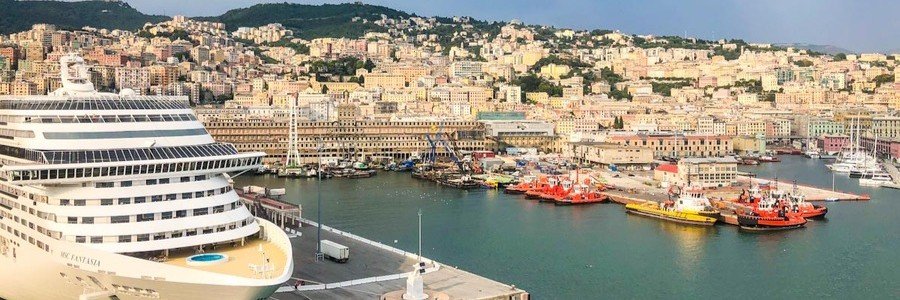
The Genoa port is a top stop for cruise ships in the Med. It sits right by the old town, so you can walk to shops and food as soon as you step off the ship. The main docks have large hubs that make it quick to get through check-in and security. Millions of guests pass through each year to start their trips or to see the sights.
From the pier, you can take quick day trips to pretty beach towns nearby. Trains and buses also stop close to the gates to take you up the coast. If you stay in town, you can walk down narrow stone streets to see old churches and grand halls. So, it’s is a smooth, fun place to start or end a sea voyage.
Plan Your Western Mediterranean Cruise
If you are planning more than one stop, you can explore the full journey in my Western Mediterranean Cruise guide. You’ll find top ports, highlights, and simple tips that help keep your trip stress-free. If you have time before or after your cruise, In addition, you can save your favorite spots on Pinterest, which makes everything easier to find as your trip gets closer.
Quick Guide: Port Location & Transport • Walkability • Photo Spots • Beaches • Beach Clubs • Excursions • Food • Drinks • Shopping • Tips • 1-Day Plan • FAQs
Genoa Port: Weather & Best Time to Visit
For the most pleasant trip here, plan your visit between late April and mid-June or during September and October. During these months, the weather stays mild, the crowds are smaller, and the cooler air makes it easy to walk through the historic center and along the waterfront.
Weather:
Spring and fall bring comfortable daytime temperatures that range from 59°F to 72°F (15–22°C). As a result, these seasons are perfect for sightseeing and outdoor dining. Summer days can feel warm and humid, especially in July and August. Even so, sea breezes often help cool the city throughout the day.
Unique Events:
If you want a more local and cultural experience, try to visit during “Rolli Days.” During this special event, many historic palaces open to the public for a short time. Because of that, visitors get a rare chance to step inside buildings that are usually closed.
Winter Charm:
Unlike many small coastal towns, Genoa Port stays lively all year. In winter, the streets feel quieter, yet the city still has plenty to see and do. This time of year is great for visiting museums, walking through the Old Town, and enjoying the famous aquarium without long lines.
Seasonal Weather At A Glance
Since you’ll be in a large city, there is always something to do regardless of the sky. This chart breaks down the best times to enjoy the historic port and the narrow “caruggi” streets.
| Season | Avg. Temp (F/C) | Vibe & Crowds | Best Activity |
|---|---|---|---|
| Spring | 65°F / 18°C | Bright and Fresh | Visiting the Aquarium & Bigo |
| Summer | 82°F / 28°C | Warm and Lively | Exploring the Old Port area |
| Fall | 68°F / 20°C | Mild and Cultural | Palazzi and museum tours |
| Winter | 55°F / 13°C | Historic and Cozy | Tasting fresh pesto and focaccia |
Getting from the Genoa Port
Since the terminal area is large, knowing how to leave the port is the first step to a smooth day. The main cruise and ferry terminals sit close to the historic center, so you can reach the heart of the city within minutes.
Walk to the Center:
The Stazioni Marittime cruise terminal is only about a 5-minute walk from the edge of the Old Town. From there, you can easily explore narrow streets, small shops, and cozy cafés throughout the area.
Train Access:
Genova Piazza Principe station sits just a short walk from the port exit. Because it is the main rail station, it offers easy access to places like the Italian Riviera, Milan, and other parts of Italy.
Metro:
The Principe metro stop is located right outside the terminal area and connects travelers to several key parts of the city. Although the metro system is small, it is still a fast and simple way to get around.
Getting Around the Genoa Area
Once you arrive, getting around is simple and often best done on foot. The Porto Antico area is a wide, flat pedestrian zone, so you can easily walk between the aquarium, museums, and waterfront. As you move farther into the city, the landscape becomes steeper, which is where unique transport options come in.
The Metro:
A single-line system that is fast, clean, and very easy for visitors to use. It’s especially helpful for covering longer distances without navigating the hills.
Navebus:
A public water bus that crosses the harbor, offering a relaxing way to see the port from the water while also getting from one side to the other.
Funiculars & Lifts:
Because the city is built on steep hills, these historic “vertical buses” connect the lower city to higher viewpoints. They’re both practical and one of the most unique ways to experience the city.
Genoa Port: Walkable Sights
The area around the port has been updated to make walking easy for visitors. As a result, you can step off your ship and quickly reach one of the most interesting parts of the city. From the waterfront to the historic center, many top sights sit within easy walking distance. Because of that, exploring on foot feels both simple and rewarding.
Porto Antico:
This waterfront zone is a wide pedestrian area, so it works well for a relaxed start to the day. You can walk from the Aquarium to the Bigo lift while enjoying harbor views along the way.
Biosfera:
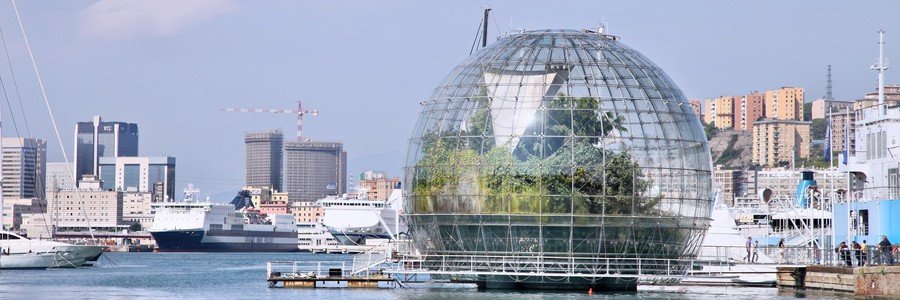
This large glass sphere sits right beside the water in the Old Port. Since it stands close to the main piers, it also makes an easy stop while exploring the waterfront.
Via Garibaldi (Strada Nuova):
A short 10-minute walk from the harbor leads to this famous UNESCO-listed street. Along the way, you will pass grand palaces, open courtyards, and elegant old buildings that feel very different from the narrow lanes nearby.
Cattedrale di San Lorenzo:
Follow the winding caruggi streets to reach this black-and-white striped cathedral in the heart of the Old Town. The walk itself adds to the experience because the surrounding streets are full of history and local charm.
Piazza De Ferrari:
A few minutes farther, the city’s main square opens around a large fountain at its center. From here, the historic streets blend into the newer parts of the city, creating a lively atmosphere throughout the day.
Spianata Castelletto:
For one of the best views in the area, take a short walk or lift ride to this scenic overlook. From the top, you can enjoy wide views across the rooftops, harbor, and coastline below.
Best Things to See Near Genoa Port
This city is full of contrasts, where a modern aquarium sits beside medieval buildings and narrow old streets. Exploring on foot makes it easy to move between different parts of the historic center while also finding quiet hidden corners along the way.
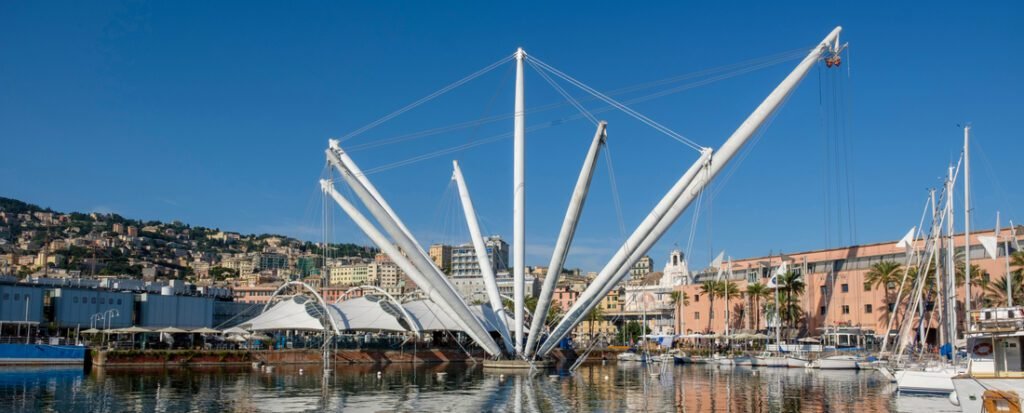
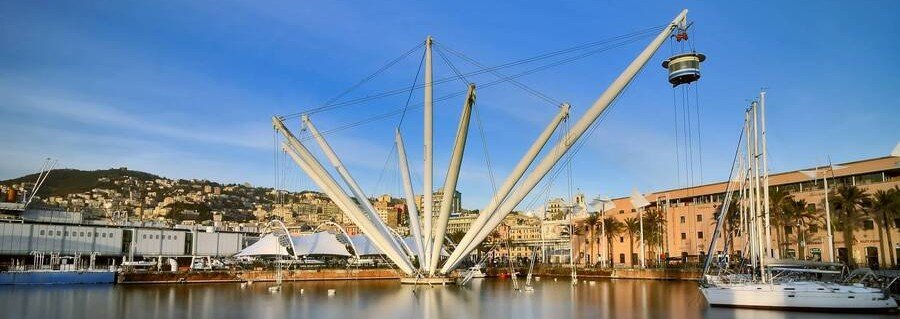
The Bigo Lift also offers one of the best panoramic views over the harbor and Old Town.
Visit the Aquarium
This is one of the largest aquariums in Europe and sits right in the port area. So, it’s a great choice if you want to stay close to the ship while still seeing something world-class.
Ride the Bigo Lift
Take a ride on this panoramic lift for a 360-degree view of the harbor and the surrounding hills. At the same time, it only takes a few minutes and gives you a better sense of the city’s layout.
Palazzi dei Rolli Tour
Walk along Via Garibaldi and step into the courtyards of these grand palaces. Many are now museums or public buildings, so you can explore them on your own for free or a small fee.
Historic Landmarks
Visit Cattedrale di San Lorenzo
Step inside this striking black-and-white cathedral to see detailed interiors and historic artwork. It’s a quick stop that offers a calm break from the busy streets outside.
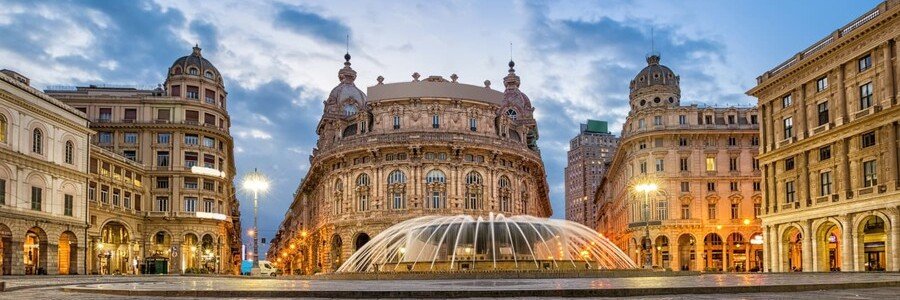
Stop at Piazza De Ferrari
This central square is the heart of the city and an easy place to pause during your day. The large fountain and surrounding buildings make it a natural meeting point between the Old Town and newer areas.
Local Experiences
Pesto and Focaccia Crawl
Spend time exploring the “caruggi” alleys in search of local favorites. In fact, following the spots with long lines of locals is one of the easiest ways to find the most authentic flavors.
Take in the View at Spianata Castelletto
Head up to this scenic overlook for one of the best views. The short lift ride adds to the experience, while the view stretches across rooftops and out to the harbor.
Travel Times & Transport Summary
This quick chart highlights the easiest ways to reach popular attractions, nearby districts, and the historic center from the port.
| Port & Destination | Mode of Transport | Estimated Time | Top Site To See |
|---|---|---|---|
| Porto Antico (Old Port) | Walking | 5–10 mins | Aquarium & Bigo Lift |
| Via Garibaldi (Palaces) | Walking | 15–20 mins | UNESCO Historic Palaces |
| Piazza De Ferrari | Walking | 15 mins | Central Square & Fountain |
| Genova Piazza Principe (Station) | Walking / Metro | 10 mins / 3 mins | Gateway to Riviera & Milan |
| Boccadasse (Fishing Village) | Taxi / Bus | 15 mins | Seaside Village & Gelato |
Because many attractions sit near the waterfront, the area is easy to explore on foot. Even so, allowing a little extra walking time is still helpful during busy hours.
Genoa Port: Scenic Views & Photo Ops
The city offers a mix of layered rooftops, historic streets, and sweeping harbor views. Rather than one single viewpoint, the best photo spots appear throughout the Old Town and the hills above. Because of this, it’s easy to capture a wide variety of scenes without traveling far.
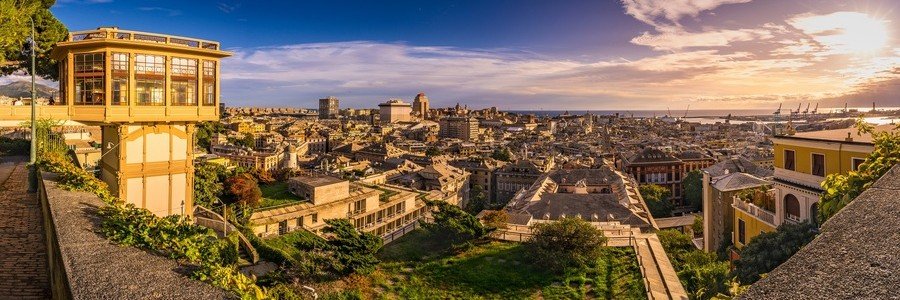
Spianata Castelletto
This is the most famous viewpoint, offering a wide look over the rooftops and out toward the harbor. It’s especially striking in the late afternoon, so the light softens across the buildings.
Porto Antico Waterfront
Walk along the Old Port to capture the mix of historic ships, modern structures, and harbor views. The contrast between old and new creates some of the most interesting photo opportunities, but it still feels easy to explore.
Via Garibaldi Courtyards
Step into the courtyards along this grand street to photograph ornate architecture, archways, and detailed facades. These quieter spaces offer a completely different feel from the busy streets outside, and they are also just steps away from the main route.
Piazza De Ferrari Fountain
This central square is one of the most recognizable sights. The large fountain, surrounded by historic buildings, also makes it an easy and striking photo stop.
Genoa Port: Best Beaches & Beach Clubs
The coastline combines urban energy with traditional seaside charm. Many locals travel a short distance from the port to enjoy cleaner water, scenic views, and a more relaxed atmosphere. Because of this, adding a beach stop to your day is surprisingly easy.
Boccadasse
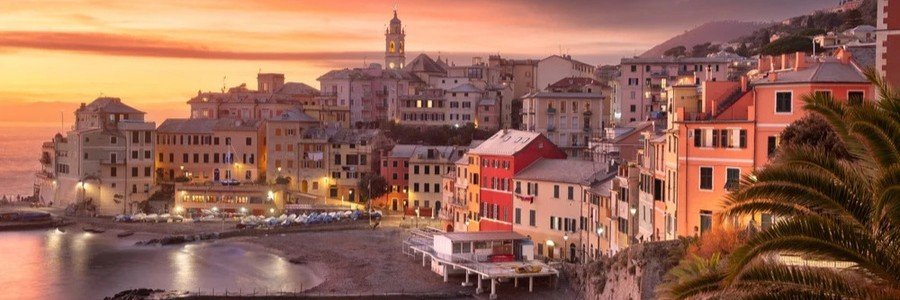
This small pebble beach sits beside a colorful fishing village that feels far removed from the busy waterfront. Pastel buildings, fishing boats, and waterfront cafés give the area a classic coastal feel. It’s a great place for a quick swim, although many visitors stay longer for the gelato shops and relaxed atmosphere.
Vernazzola
Located beside Boccadasse, this slightly larger beach feels more local and less crowded. Families gather here throughout the day, and the wider shoreline makes it easier to find a place to sit. The calm atmosphere and surrounding buildings give the area an authentic neighborhood feel.
Pegli Beach
For a different view of the coastline, take the Navebus ferry across the harbor to Pegli. The ride itself offers scenic views of the port before reaching a quieter stretch of waterfront. As a result, it’s a good option for visitors who want a more relaxed beach setting away from the historic center.
Best Beach Clubs
The coastline is known more for its waterfront atmosphere than large luxury beach clubs. Even so, several relaxing seaside spots sit just outside the main port area. Because of this, it’s easy to enjoy the water while still staying close to the city.
Bagni Santa Chiara:
This unique beach club is built directly into the rocks, with wooden platforms leading down to the sea. The relaxed setting and coastal views make it a popular place to spend a few quiet hours. It’s especially beautiful in the evening during sunset.
Bagni Nuovo Lido:
Located along the Corso Italia promenade, this is one of the largest and liveliest beach clubs in the area. It features pools, a restaurant, and spacious lounging areas, making it a good choice if you want more amenities.
Bagni Medusa:
This smaller club near Nervi has a quieter and more peaceful atmosphere. Comfortable seating areas and easy water access make it ideal for relaxing away from the busier waterfront sections.
Smart Tips: Shore Excursions vs Exploring on Your Own
Cruise lines offer many shore excursions, including aquarium visits and guided tours of the historic palaces. These tours include transportation, tickets, and guides, although they often cost more than exploring independently.
The historic center is very easy to explore on foot, which can help travelers save money. Once you leave the terminal, the main attractions sit just across the street. Public transportation and hillside lifts also make it easy to reach scenic viewpoints without much planning.
Trips outside the city require more preparation. For example, visiting Portofino can take time because of train schedules and coastal transportation. As a result, many travelers choose organized excursions to avoid transit stress and simplify the day.
Even so, walking tours and local food experiences booked through Viator or GetYourGuide can offer a more flexible and affordable option. These tours also tend to have smaller groups than cruise line excursions.
If you enjoy wandering through historic streets and trying local food, exploring independently is a great choice. However, organized excursions can feel more convenient if you prefer a structured schedule or want transportation included.
Genoa Port: Shore Excursions
You can choose between exploring the historic center or heading out along the Italian Riviera. Because of this, it’s easy to plan a day that matches your schedule, whether you stay near the port or travel farther along the coast.
Cultural & City Experiences
Running Tour 10km (GetYourGuide): This active tour combines sightseeing with a guided run through the historic center and waterfront. Along the way, you’ll pass medieval streets, busy markets, scenic parks, and many of the city’s best-known landmarks.
Must-See Attractions Walking Tour (GetYourGuide): Explore top attractions with a local guide while walking through the historic center. Highlights often include Christopher Columbus’ House, Piazza Banchi, the cathedral, and several important squares and landmarks.
Rickshaw Historical Tour (Viator): These small electric vehicles offer a fun and relaxing way to explore the Old Town. Because they can move through narrow streets easily, they reach areas larger vehicles cannot access.
Food & Wine Experience (GetYourGuide): This guided food tour introduces visitors to local Ligurian dishes, regional wines, and traditional cafés. Along the way, you’ll also explore the historic center and several scenic areas near the waterfront.
Land Based Riviera Excursions
Portofino Day Trip (GetYourGuide): This popular full-day tour combines bus and boat travel along the coast. Many excursions also stop in Camogli and Santa Margherita, making it easy to visit several Riviera towns in one day.
Cinque Terre Day Trip (Viator): These longer excursions travel to the Cinque Terre villages by train or boat. Because of this, visitors can explore several colorful towns while still returning to the ship on time.
Must-See Attractions Walking Tour (GetYourGuide): Explore the historic center with a local guide while visiting many of the city’s best-known landmarks. Highlights include Christopher Columbus’ House, Piazza Banchi, and the cathedral.
Water Based Excursions
Boat Tour to Portofino with Free Time to Explore (GetYourGuide): This scenic boat tour travels along the coast to one of the Riviera’s most famous harbor villages. Visitors have free time to explore the colorful waterfront, browse boutiques, and enjoy fresh seafood near the marina.
City Tour From the Sea (GetYourGuide): This small group boat excursion offers a different perspective of the coastline and harbor. Along the way, passengers can enjoy scenic waterfront views and quieter areas that are harder to reach on foot.
Private Guided Tour to Portofino (GetYourGuide): This private day trip combines coastal scenery, boat travel, and local food experiences in one excursion. Guests can explore the harbor village, enjoy a private boat ride, and sample traditional focaccia along the way.
Flavors of Genoa Port: The Soul of the Mediterranean
This area is known for simple, flavorful dishes that reflect its maritime history and coastal setting. Fresh ingredients, olive oil, and local traditions shape the cuisine, so even quick meals can feel authentic and memorable.

Must Try Foods
Focaccia Genovese
This local staple is thick, soft, and rich with olive oil and sea salt. It’s enjoyed throughout the day, and locals often eat it in the morning with coffee, which makes it a unique part of the city’s food culture.
Pansotti with Walnut Sauce
These triangular pasta pockets are filled with wild herbs and greens. The creamy walnut sauce is a rich alternative to tomato or pesto, so it stands out as one of the region’s most distinctive dishes.
Stoccafisso alla Genovese
A hearty dish made with slow-cooked dried cod, potatoes, and olives. It reflects the city’s maritime roots, but it also offers a deeper, more traditional flavor compared to lighter seafood options.
Trofie al Pesto
This is one of the most famous dishes from the region, made with twisted pasta and fresh basil pesto. Since the area is the birthplace of pesto, trying it here is a must.
Farinata
A thin, savory pancake made from chickpea flour and baked in a wood-fired oven. It’s a simple street food, but it’s full of flavor and easy to grab while exploring.
Must Try Drinks
Ligurian White Wine (Vermentino or Pigato)
These crisp wines pair perfectly with seafood and lighter dishes. They’re widely available, so they’re an easy way to experience local flavors.
Aperol or Campari Spritz
A classic Italian aperitivo made with prosecco and bitters. It’s refreshing and light, which makes it ideal for a break between sightseeing stops.
Italian Espresso
Coffee is part of daily life here, and a quick espresso at the bar is both affordable and authentic. It’s a simple way to experience local culture.
Limoncello
This citrus liqueur is served chilled and often enjoyed after a meal. It’s bright and refreshing, so it’s a great way to end your dining experience.
Local Craft Beer
There is a fast growing craft beer scene, with small breweries offering a range of styles. It’s a nice alternative if you want something different from wine.
Must Try Restaurants
Sa Pesta
Located in the historic center, this ancient “sciamadda” (fried food shop) is famous for its vegetable pies. It also offers a very authentic, no frills dining experience.
Trattoria Rosmarino
A stylish spot near the main square. It’s highly rated for its fresh take on Genovese classics like pesto lasagna.
Antica Friggitoria Carega
Situated right near the port, this shop has been frying fresh seafood for over a century. It’s perfect for grabbing a paper cone of calamari to eat while you walk.
Il Marin
Located inside Eataly in the Porto Antico, this restaurant offers stunning views of the harbor. It’s a great spot for high-quality, modern Italian cuisine.
Genoa Port: Best Shopping & Souvenirs
The city’s long history as a trading port still influences its shopping scene today. Visitors can explore grand shopping streets, historic stores, and local markets all within a short distance. So, it’s easy to browse both modern brands and traditional local goods in a single afternoon.
Where to Shop
Via XX Settembre
This is the city’s main shopping avenue, known for its grand architecture and sweeping stone arches. It’s lined with popular brands and department stores, so it’s a great place to browse while also enjoying the impressive setting.
Botteghe Storiche (Historic Shops)
Hidden within the “caruggi” are centuries-old shops that still operate today. These traditional stores are protected to preserve local crafts, so stepping inside feels like walking into a piece of area history.
Via Garibaldi Area
While the street itself is known for its palaces, the surrounding area features antique shops and small boutiques. It’s a good place to look for unique items, especially if you enjoy vintage finds.
Mercato Orientale
This covered market offers a more local shopping experience, with fresh produce, meats, and regional specialties. It’s a lively spot, and it also gives you a glimpse into everyday life in the city.
Corso Italia Promenade Shops
Along the waterfront, you’ll find smaller shops, cafés, and seasonal vendors. It’s a relaxed place to browse, especially if you want a break from the busier city streets.
Best Souvenirs to Buy
Artisanal Candied Fruits:
These colorful sweets are made by preserving fruit in sugar, and they’ve been a local specialty for centuries. They’re easy to pack, so they make a great edible souvenir.
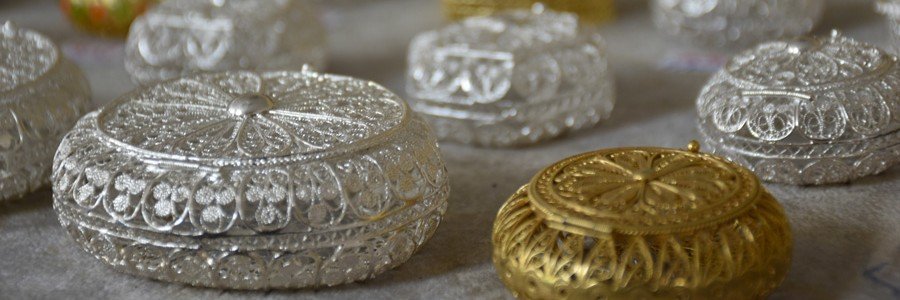
Silver Filigree Jewelry:
This delicate metalwork is crafted into intricate patterns that resemble lace. It’s both elegant and unique, making it a meaningful gift to bring home.
Genoese Fabric (Toile de Gênes):
This durable blue fabric is the original inspiration for denim. You can find it in bags, clothing, and accessories, so it’s a subtle way to connect with the city’s history.
Pesto and Olive Oil:
Since this is the birthplace of pesto, bringing home a jar of fresh sauce or local olive oil is a popular choice. Many shops offer sealed jars that are travel-friendly.
Handmade Paper or Maritime Prints:
Small art prints, old maps, and handmade paper goods reflect the area’s seafaring past. These lightweight items are easy to carry, but they also capture the spirit of the city.
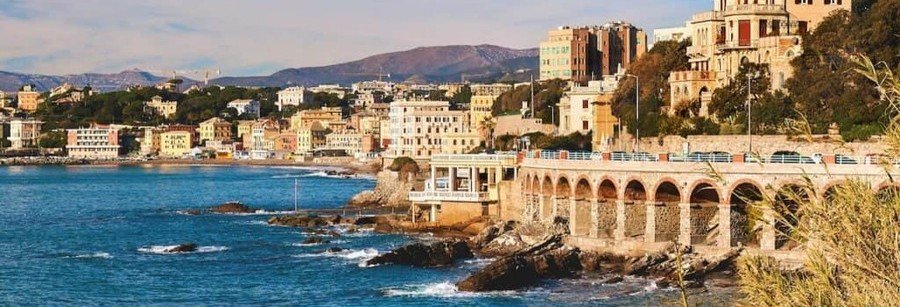
Perfect 1-Day Itinerary
Morning: Ancient Alleys and Modern Ports
Step Into the Porto Antico
To begin with, walk off the ship and head straight into the Porto Antico area. Here, you can take a few minutes to admire the massive Bigo lift before visiting the Aquarium, which is one of the largest in Europe.
Wander the Caruggi
Next, stroll across the street into the medieval old town. Afterward, walk through the narrow caruggi alleys. In addition to spotting hidden churches, be sure to find a local bakery to try fresh Genoese Focaccia, so you can eat like a local.
Historic Palaces
As you continue, walk toward Via Garibaldi to see the grand Palazzi dei Rolli. Since these palaces are UNESCO sites, it makes for a quick and easy historic stop that showcases the city’s golden age.
Afternoon: Panoramic Lifts and Cultural Icons
Lunch Like a Local
For lunch, find a traditional “sciamadda” (fried food shop) like Sa Pesta. These spots are famous for vegetable pies and fresh pasta with walnut sauce, so they are perfect for a relaxed and authentic meal.
Visit Spianata Castelletto
After that, take the public Art Nouveau lift from Piazza Portello up to Spianata Castelletto. Once you arrive, you can wander along the terrace and, at the same time, enjoy the best view of the red-tiled roofs. Because of its height, this is often the best photo spot in the city.
Early Evening: Fishing Villages and Salty Air
Boccadasse Village
Later in the day, take a short taxi or bus ride to the historic fishing village of Boccadasse. As you explore the pebble beach, you can admire the pastel-colored houses that sit right on the water’s edge.
Sunset Gelato by the Sea
Finally, end your day with a famous local gelato while sitting on the rocks at Boccadasse. Not only is it a relaxing way to unwind, but it also lets you soak in the peaceful coastal atmosphere before heading back to your ship.
Essential Tips & Safety
To make your day as smooth as possible, there are a few local tips and safety notes to keep in mind. This is a busy port city with a historic layout, so being prepared will help you move around with confidence. This way, you can relax and enjoy your time without unnecessary stress.
Top Safety Tips
Navigating the Alleys
The ancient “caruggi” alleys are beautiful but can feel narrow and dim in certain areas. It’s best to stick to the well-lit main paths later in the day, so you can explore comfortably while staying aware of your surroundings.
Crossing the Main Road
The road between the cruise terminal and the historic center is very busy. Always use marked pedestrian crossings or overhead walkways, since traffic can move quickly near the port.
Pickpocket Awareness
Like any major port city, it’s important to stay alert in crowded spots such as the aquarium, metro, or main squares. Keep your bag in front of you, but also avoid carrying large amounts of cash.
Essential Local Tips
Vertical Transport
The city is built on multiple levels, so public lifts and funiculars are part of everyday transport. Your metro ticket often works for these, which makes it easy to reach viewpoints without long climbs.
Focaccia Etiquette
Focaccia is usually sold by weight rather than by the slice. You can ask for a “pezzo” and point to the size you want, so ordering feels quick and easy.
Siesta Hours
Many smaller shops in the historic center close for a few hours in the afternoon. This usually happens between 1:00 PM and 4:00 PM, so it’s best to plan shopping for the morning or later in the day.
Watch Your Time Back to Port
If you’re exploring farther from the center or taking public transport, give yourself extra time to return. Traffic and delays can happen, so building in a buffer helps avoid stress before departure.
Carrying the Spirit of the Sea Home
A day spent here feels like a deep dive into the true soul of the Mediterranean. The city blends ancient alleys with grand palaces, so every turn reveals a different layer of its history. As you explore, you follow in the footsteps of famous explorers while also experiencing flavors that have been shaped over centuries.
Because the city is full of hidden corners and unexpected details, it often leaves a lasting impression long after you return to your ship. You may even find yourself thinking about a return visit before the day is over. In the end, it’s more than just a stop along your itinerary. It’s also a place that stays with you.
Explore More Italy Cruise Ports
Italy is a treasure trove of ancient history, world-class cuisine, and breathtaking coastlines. From the sun-drenched islands of Sicily to the grand ports of the mainland, each stop offers a unique slice of “La Dolce Vita.” Whether you are exploring Roman ruins, wandering through medieval alleyways, or relaxing by the Mediterranean sea, having a plan helps you make the most of every Italian port of call.
Explore more beautiful cruise ports across Italy:
Rome (Civitavecchia) • Naples • Venice • Palermo • Catania • Messina • Genoa • Portofino • Salerno • Sardinia (Cagliari) • Florence/Pisa (Livorno) • La Spezia (Cinque Terre) • Ravenna • Trieste
FAQs: Genoa Port
Where do cruise ships dock in Genoa?
Cruise ships dock near the Porto Antico area close to the city center. From there, visitors can walk to top sights, restaurants, and many old streets within minutes.
Is Genoa port walkable?
Yes, the area is easy to explore on foot. The aquarium, main squares, and many popular sights are all close to the cruise terminal.
What is Genoa best known for?
The city is known for its old streets, large palaces, sea history, and fresh pesto. It also has a lively waterfront and strong local culture.
What are the top things to do near Genoa port?
Popular things to do include walking through the old streets, visiting the Aquarium, touring the Palazzi dei Rolli, and enjoying views from Spianata Castelletto.
Can you visit Portofino or Cinque Terre from Genoa Port?
Yes, both places can be visited on a day trip. Portofino is about 1 to 1.5 hours away, while Cinque Terre takes about 1.5 to 2 hours by train. Because of the travel time, these trips work best on longer port days.
Should I stay in Genoa or take a day trip?
For short port stops, staying near the harbor is often the best choice since many sights are close by. Still, day trips work well if you have more time and want to see more of the coast.
What is the best way to get around Genoa?
Walking is the easiest way to explore the area near the harbor. For longer trips, visitors can also use buses, the metro, lifts, and funiculars.
What is the best time to visit Genoa?
Spring and early fall are the best times to visit because the weather stays mild and crowds are smaller. Summer feels lively but can also be hot and busy.
How much time do you need in Genoa Port?
Most cruise visitors spend about 6 to 8 hours here. That gives enough time to see the waterfront, enjoy local food, and visit several top sights at a relaxed pace.
Is Genoa Port good for first-time visitors?
Yes, it is a good port for first-time visitors because it is easy to explore and offers a mix of history, food, culture, and sea views.
Related Posts
 Uncover the Best Kept Secrets of Port Said Egypt
 Best Alexandria Port Guide For Hidden Finds You’ll Love
 The Best Antalya Port Guide For Secrets You’ll Love
 The Best Aegean Sights Near Bodrum Port You’ll Love
 Kuşadası Port: The Ultimate Gateway to the Ancient World
 Istanbul Port • A Beautiful Day On The Bosphorus
This looks like such an interesting port stop, especially with everything so close together. I love the idea of being able to just walk right into the old town. Do you feel like there’s enough time in one day to really see a lot without rushing?
Genoa is actually one of the easiest ports to explore in a single day because the historic center begins just steps from the cruise terminal. Most of the highlights, including the Old Town, Porto Antico, and Via Garibaldi, are all within walking distance. With a relaxed pace, it’s very possible to see a mix of history, waterfront views, and local food without feeling rushed. The layout makes it ideal for making the most of a shorter port stop.
Those narrow alleyways look so beautiful but also a little confusing. I feel like I would get lost pretty quickly wandering around there. Is it easy to find your way back, or do you need to follow a map the whole time?
The “caruggi” alleys can feel like a maze at first, but that’s part of the experience and charm of the city. Many of the main paths naturally lead back toward larger landmarks like the cathedral or the waterfront, which helps with navigation. It’s easy to wander and still stay within the central area without going too far off track. Having a map or offline navigation can be helpful, but most visitors find it manageable once they get a feel for the layout.
I didn’t realize there were beaches this close to the city. That little fishing village looks so pretty. Is it worth trying to fit that in during a cruise stop, or is it better to stay closer to the port?
The nearby fishing village of Boccadasse is definitely worth visiting if time allows, especially since it offers a completely different feel from the historic center. It’s only about 15 minutes from the port by taxi or bus, which makes it an easy addition to the day. That said, if you have a shorter port stop, staying closer to the Old Town and waterfront still provides plenty to see and do. It really depends on how much time you have and whether you want to include a quieter coastal stop.
All that food sounds amazing, especially the focaccia and pesto. I didn’t know Genoa was known for that. Are there easy places to grab something quick while walking around?
Genoa is one of the best places to try both focaccia and fresh pesto since they are local specialties. Small bakeries and takeaway spots are scattered throughout the Old Town, making it easy to grab something while exploring. Many places sell focaccia by weight, so you can pick up a quick piece and keep walking. It’s a simple and authentic way to experience the local food without needing a full sit-down meal.
The views from above the city look incredible. I’m not sure I’d want to walk all the way up though. Is there an easy way to get to those viewpoints?
One of the unique things about Genoa is how easy it is to reach those viewpoints without a long climb. The city has public lifts and funiculars that connect the lower areas near the port to the higher viewpoints. The lift to Spianata Castelletto is especially convenient and only takes a few minutes. It allows you to enjoy the panoramic views over the rooftops and harbor without the effort of walking uphill.