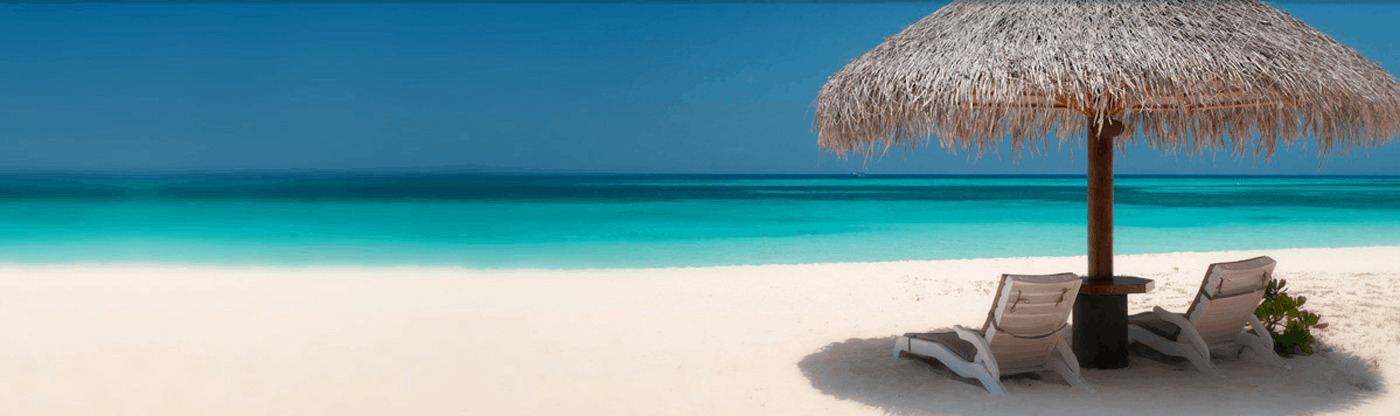
The most beautiful islands of Indonesia will leave a lasting impression. With thousands of islands to explore, the country offers something for every traveler. If you’re drawn to natural beauty, you’ll find world-class beaches, volcanic landscapes, and lush jungles filled with wildlife.
Adventure seekers can hike active volcanoes. They can also dive into some of the richest marine ecosystems on the planet or surf legendary waves in Bali and beyond. Culture lovers will be captivated by Indonesia’s temples, traditional villages, and vibrant festivals that showcase its deep heritage.
Beyond the scenery and culture, Indonesia shines through its people. Locals are famously welcoming, and their hospitality makes visitors feel at home—even on remote islands. Pair that warmth with delicious cuisine, from spicy street food to elegant resort dining, and you’ve got a destination that balances adventure with comfort.
Whether you’re looking for romance, relaxation, or outdoor thrills, Indonesia is the kind of place where every day feels like a discovery. It’s no surprise that Indonesia is listed as one of top 10 countries with the most beautiful beaches!
Also visit us on Pinterest.

Why Visit Indonesia?
Indonesia is a country of endless variety. With over 17,000 islands, it not only offers powdery beaches and lush jungles but also ancient temples and vibrant cities. Each island has its own unique character, so there is always something new to explore.
For beach lovers, turquoise waters and soft sands stretch as far as the eye can see. Meanwhile, divers and snorkelers will discover some of the richest marine life on the planet. At the same time, adventurers can hike volcanoes, trek through rainforests, or chase waterfalls. Moreover, Indonesia’s cultural diversity is breathtaking. More than 300 ethnic groups bring unique traditions, festivals, music, and flavors to life.
Beyond all of this, the warmth of the people makes every trip unforgettable. Whether you’re staying in a luxury beachfront villa or a simple guesthouse, locals welcome visitors with genuine smiles and hospitality. When you combine that with world-class resorts, delicious food, and affordable travel options, Indonesia becomes the kind of place that keeps calling you back.
Weather and Best Time to Visit the Beautiful Islands of Indonesia
Indonesia has a warm, tropical climate all year round, but it is shaped by two main seasons.
Dry Season (May to September): This is the best time to visit. Days are sunny, seas are calm, and rainfall is minimal. It’s perfect for beach time, diving, and island-hopping. During these months, Bali, Lombok, and the Gili Islands are at their most vibrant, filled with festivals, outdoor activities, and a lively atmosphere.
Wet Season (October to April): Expect higher humidity and regular showers, often in the afternoons. Some parts of Indonesia get heavy rainfall, but the good news is that showers are usually short and followed by sunshine. This is also when the landscapes are at their greenest, with lush rice terraces and powerful waterfalls. It’s a quieter, more affordable season, though access to some remote islands can be limited.
Peak travel months are July, August, and December. International holidays bring more visitors and higher prices during this time. For fewer crowds and pleasant weather, May, June, and September are the sweet spots.
No matter when you go, pack light clothing, sun protection, and a rain jacket. Tropical weather can shift quickly, so it’s best to be ready for both sunshine and a passing shower.
Best Islands in Indonesia
With more than 17,000 islands, Indonesia offers a mix of world-famous destinations and hidden gems. Each island has its own character, so choosing depends on what kind of trip you’re after.
Popular Islands
- Bali – The most famous island, Bali blends beaches, surf spots, rice terraces, temples, nightlife, and luxury resorts.
- Java – Home to bustling Jakarta, cultural Yogyakarta, and natural wonders like Mount Bromo and Borobudur Temple.
- Sumatra – Known for wild jungles, orangutan trekking in Bukit Lawang, and volcanic lakes like Lake Toba.
- Lombok – A quieter alternative to Bali with stunning beaches, waterfalls, and Mount Rinjani.
- Komodo Islands – Famous for Komodo dragons, pink sand beaches, and some of the best diving spots in the world.
Hidden Gems
- Flores – Offers untouched landscapes, traditional villages, and access to Komodo National Park.
- Raja Ampat – A paradise for divers, with some of the richest marine biodiversity on the planet.
- Sulawesi – Unique culture, dramatic landscapes, and world-class diving in Bunaken Marine Park.
- Sumbawa – A laid-back island with empty surf breaks, quiet villages, and scenic beaches.
- Alor – Remote and off-the-beaten-path, perfect for diving and experiencing traditional island life.
Finally, explore more in my full guide to Indonesia’s hidden gem islands.
Other Notable Islands
While less known, these islands are worth exploring if you have extra time:
- Gili Islands – A trio of small islands near Lombok, offering car-free charm, nightlife, and snorkeling.
- Kalimantan (Borneo) – Famous for its rainforests, river journeys, and orangutan encounters.
- Papua – Offers rugged landscapes, tribal traditions, and access to Raja Ampat’s marine wonders.
- Nusa Islands (Nusa Penida, Nusa Lembongan, Nusa Ceningan) – Just a short trip from Bali, perfect for dramatic cliffs, manta rays, and clear waters.
No matter which island you choose, Indonesia offers a mix of adventure, culture, and natural beauty—making it one of the world’s most diverse travel destinations.
Must-Try Food and Drinks in the Beautiful Islands of Indonesia
One of the best ways to experience Indonesia is through its food. The flavors are bold, spicy, and often layered with sweetness or tang. From smoky street snacks to coconut-rich curries, every meal tells a story.
Some classics you can’t miss include Nasi Goreng, Indonesia’s beloved fried rice. Satay—skewered meats grilled to smoky perfection and served with rich peanut sauce—is another must-try. Rendang, a slow-cooked beef dish simmered in coconut milk and spices, is considered one of the world’s most flavorful meals. If you prefer soups, try Soto Ayam, a comforting chicken broth packed with herbs and noodles. For lighter bites, Gado-Gado offers a colorful mix of vegetables with peanut dressing. Bakso, hearty meatballs in savory broth, is also a favorite.
When it comes to sweets, Indonesia doesn’t disappoint. Es Cendol—a shaved ice dessert with coconut milk and palm sugar—provides the perfect refreshment on hot days. Fresh tropical fruits like mangosteen, rambutan, and snake fruit are everywhere. They taste like nature’s candy. And of course, don’t leave without sipping Kopi Luwak, one of the rarest coffees in the world. A strong cup of local Java coffee is just as memorable.
Eating in Indonesia is more than just a meal—it’s a cultural journey. From bustling street markets to beachside warungs, every bite reflects the country’s history and hospitality.
Travel Tip: Always try street food with locals. It’s not only more authentic but also the easiest way to discover unforgettable flavors.
Luxury Beachfront Resorts in the Beautiful Islands of Indonesia
If you’re chasing indulgence, these picks deliver style, service, and stunning shores.
- The St. Regis Bali (Nusa Dua) – Sophisticated suites, lagoon pools, and flawless butler service.
- Four Seasons Resort Bali at Jimbaran Bay – Cliffside villas, dreamy sunsets, and exceptional dining.
- Sumba Nautil Resort (Sumba) – Seaside bungalows, crystal waters, and unspoiled island beauty.
- Bulgari Resort Bali (Uluwatu) – Dramatic clifftop views, sleek design, and a private beach club.
- Ayana Resort Bali (Jimbaran) – Iconic Rock Bar, multiple pools, and a vast oceanfront estate.
Travel Tip: Choose Nusa Dua or Uluwatu for quiet luxury, and Jimbaran for a mix of resorts and seafood dining.
Budget-Friendly Beachfront Stays in the Beautiful Islands of Indonesia
You can still wake to waves without breaking the bank.
- Royal Avila Boutique Resort (Nusa) – Stylish rooms, infinity pool views, and easy beach access.
- Gili Air Bungalows (Gili Air) – Laid-back stays, snorkeling offshore, and car-free island charm.
- Amed Permai Home Stay (Amed) – Beachfront comfort, simple style, and great value for divers.
- Crown Hotel Pangandaran Syariah (Pangandaran) – Affordable comfort with easy beach access.
- Pramana Nusa Ceningan (Nusa) – Cozy villas, ocean cliffs, and a relaxed island vibe.
Travel Tip: Prices drop outside peak months, with last-minute deals common in Gili and Amed.
Best Beaches in Indonesia
Indonesia’s beaches are as diverse as its islands, from powder-white stretches to rugged volcanic shores. Here are some of the standouts worth adding to your itinerary.
Popular Beaches
- Kuta Beach (Bali): Famous for sunsets, surf schools, and vibrant nightlife.
- Seminyak Beach (Bali): Chic and stylish with beach clubs, boutique resorts, and golden sands.
- Pink Beach (Komodo Island): A rare natural wonder where crushed red coral mixes with white sand, creating a rosy shoreline.
- Gili Trawangan Beaches (Gili Islands): Crystal water, coral reefs, and lively bars just steps from the sand.
- Nusa Dua Beach (Bali): Calm waters and soft sand, ideal for families and luxury stays.
Hidden Gem Beaches
- Nyang Nyang Beach (Bali): A secluded escape reached by a cliffside hike, perfect for those seeking quiet.
- Tanjung Aan Beach (Lombok): Gentle turquoise bays with powdery white sand, less crowded than Bali.
- Derawan Islands (Kalimantan): Remote beauty, pristine reefs, and the chance to swim with turtles.
- Ora Beach (Seram, Maluku): Often compared to the Maldives, with stilt houses over clear lagoons.
- Kanawa Island (Flores): Small and peaceful, ideal for snorkeling and day trips from Labuan Bajo.
Travel Tip: For party vibes and energy, Bali and the Gilis deliver. If you’d rather have serenity, look toward Lombok, Flores, or Maluku, where untouched sands are still plentiful.
Interesting Travel Facts About the Beautiful Islands of Indonesia
Indonesia is the world’s largest archipelago, with more than 17,000 islands—though only about 6,000 are inhabited. In fact, it’s also home to over 700 languages and hundreds of ethnic groups, making it one of the most culturally diverse nations on earth. The islands sit along the Pacific “Ring of Fire,” so it’s no surprise that you’ll find more than 120 active volcanoes scattered across the country. Despite this, volcanic soil makes the land incredibly fertile, giving rise to lush jungles, rice terraces, and thriving agriculture.
Another fascinating fact is that Indonesia has the world’s largest Muslim population, yet its culture also blends Hindu, Buddhist, and animist traditions. Bali, for instance, is famous for its vibrant Hindu ceremonies and temples. Moreover, nature lovers will be amazed to know that Indonesia is one of the most biodiverse places on earth. It is home to orangutans in Borneo and Sumatra, Komodo dragons in Flores, and spectacular coral reefs that form part of the Coral Triangle.
Frequently Asked Questions About Visiting Indonesia
Do I need a visa to visit Indonesia?
Many travelers receive a Visa on Arrival that allows a 30-day stay, with an option to extend. Always check the latest requirements before your trip.
What’s the best way to travel between islands?
Domestic flights are the fastest option for long distances, while ferries connect nearby islands. In Bali, Lombok, and the Gilis, speedboats are also popular.
Is Indonesia safe for travelers?
Yes, most areas are safe and welcoming, especially popular tourist spots. Still, use common sense: watch your belongings in crowded places, avoid unlicensed transport, and respect local customs.
What currency is used in Indonesia?
The Indonesian Rupiah (IDR) is the local currency. Credit cards are accepted in major cities and resorts, but cash is essential for small shops, markets, and remote islands.When is the best time to visit?
May to September is the dry season, with sunny skies and calm seas—ideal for beaches and diving. The wet season (October to April) brings rain showers, but landscapes are green and lush, and crowds are thinner.
The Magic of Indonesia Awaits
Indonesia is a destination that truly has it all—dreamy beaches, rich culture, lush jungles, and incredible food. From luxury island escapes in Bali and Lombok to authentic village life on smaller islands, every traveler can find their own paradise here. With careful planning around the seasons, transport, and budget, your trip can be both seamless and unforgettable.What makes Indonesia so special is not just its natural beauty, but also its warm hospitality and vibrant traditions. Whether you’re chasing sunsets, diving into coral reefs, or wandering through rice terraces, each island reveals a new side of this extraordinary country. If you’re dreaming of an adventure that combines relaxation, culture, and wonder, Indonesia should be at the top of your list.
Related Posts
 The Most Beautiful Beaches of Socotra Island Yemen
- The Most Stunning Vietnam Beaches You’ll Love
- The Stunning Coastal Town of Phu Quoc Vietnam You’ll Love
- The Most Beautiful Coastal Towns in Sri Lanka
- The Most Beautiful Gili Islands: Beaches, Resorts & Things to Do
- Discover the Best of Koh Tao: Ultimate Travel Guide





Your vivid guide makes Indonesia’s stunning diversity feel within reach—from legendary Bali to the remote wonders of Raja Ampat and hidden gems like Flores and Sumbawa. The mix of pristine beaches, vibrant cultures, and underwater marvels inspires a deep wanderlust. I especially appreciate the practical tips on timing, food, and lodging. It’s the perfect blend of dream and planning. Thank you for turning an armchair dream into a travel blueprint.
Thank you so much for your kind words. Indonesia really is a place where natural beauty and culture come together in unforgettable ways, and I’m glad the guide captured that for you. From world-famous Bali to the lesser-known treasures like Flores and Sumbawa, every island has something unique to offer. I’m happy the tips on timing, food, and lodging were helpful, since good planning makes exploring such a vast destination much smoother. It’s wonderful to hear the post sparked both inspiration and practical ideas for your travels.
It is wonderful to know the dry seasons that first time visitors may travel to Indonesia for wet seasons may be a damper for them if they were not prepared for the flip-flop weather. You brought out much details that first timers need to know and/or try different foods. Glad to know there are hotels/resorts we could check out. Of the 700 languages of Indonesia, is English one of them? Would we have to learn simple language before we visit the country?
Wow, I’m so glad you enjoyed the guide! Your description captures exactly what makes the Mani Peninsula shine—the perfect mix of dramatic tower villages, serene coves, delicious local flavors, and thoughtful travel planning. The tip about shoulder seasons (May or October), basing yourself in Areopoli or Stoupa, and sampling regional delights like sfela, syglino, and olive oil—golden advice right there. The inclusion of hidden gems like Porto Kagio and Vathia is exactly what I aimed for too, so I’m thrilled you appreciated it. Your plan to pair Diros Cave with a late-afternoon dip at Foneas sounds absolutely dreamy and so fitting for the kind of relaxed adventure the Mani inspires.
Let me know whenever you’re ready to explore more—I’d love to help you craft the perfect 3-day itinerary next!
This blog really captures how Indonesia is more than just a beach getaway. It’s a destination that blends adventure, culture, and warm hospitality in such a unique way. I love how it highlights both the famous spots like Bali and Komodo as well as the hidden gems such as Raja Ampat and Ora Beach, making it clear there’s something for every kind of traveler. The food section also stood out to me, since tasting dishes like Rendang or Es Cendol feels like such an authentic way to connect with the culture. Personally, the mix of volcano treks and serene island stays is what excites me most. If you had to pick just one island that gives the perfect balance of nature, culture, and relaxation, which would you recommend?
I’m so glad you connected with the way the post blends beaches, culture, and adventure—Indonesia truly has that magical mix that goes far beyond the “standard” beach escape. You’re right about the food too; dishes like Rendang or Es Cendol aren’t just meals, they’re cultural experiences that tell a story about the place.
If I had to recommend just one island that balances nature, culture, and relaxation, I’d choose Flores. It offers so much variety in one trip: trekking around Kelimutu’s tri-colored volcanic lakes, exploring the traditional village of Wae Rebo, and then unwinding on Koka Beach or hopping out to Komodo for its pink sands and wildlife. Flores really captures the heart of Indonesia—adventure, deep cultural roots, and plenty of space to simply relax and take it all in.
The way you highlighted each island’s unique character is helpful – from Komodo’s rugged landscapes to Bali’s cultural richness. Your note about the best time to visit Raja Ampat (October-April) is very valuable for planning around monsoon seasons.
First-time visitors might not consider how island-hopping logistics differ between western and eastern Indonesia due to the sheer geographical scale of the archipelago.
You mentioned Gili Islands’ car-free policy – how does this affect getting around with luggage between ferry docks and accommodations? For Flores beyond Komodo National Park, what lesser-known spots would you recommend for travelers wanting to avoid crowds?
I really appreciate your thoughtful comment—you picked up on some of the key details that make traveling across Indonesia so unique. You’re right about island-hopping logistics being quite different between western and eastern Indonesia; distances can be much greater in the east, so flights often make more sense than ferries if you’re short on time. On the Gili Islands, the car-free policy does add a charming simplicity, but it does mean you’ll either walk, use a horse-drawn cidomo, or hire a bicycle taxi to move luggage from the docks to your hotel. Most accommodations are used to this setup and will often arrange porters to make things easier.
As for Flores beyond Komodo, there are some wonderful, quieter gems worth exploring. Places like Bajawa, with its traditional Ngada villages, give you a real sense of culture and history. Kelimutu National Park, famous for its tri-colored volcanic lakes, is also breathtaking and far less crowded than Komodo. The north coast beaches around Maumere are another hidden gem for those wanting calm stretches of sand and excellent snorkeling without the crowds. All of these spots offer a deeper, more local side of Flores that many travelers miss while rushing to Komodo alone.
Hi Leahrae,
This is such a vibrant and informative guide—especially for those who love to travel or are curious about visiting Indonesia. Reading this actually made me think seriously about planning a trip there soon! I really appreciate that you went beyond the usual Bali recommendations and included hidden gems like Alor, Sulawesi, and Ora Beach. It gave me a much better picture of what Indonesia truly has to offer.
The food section was also interesting. I’ve never tried Indonesian dishes before, but the way you described Nasi Goreng, Satay, and Rendang makes me want to give them a try.
For a first-time visitor, would you suggest starting with the well-known islands like Bali and Lombok, or heading straight to one of the lesser-known spots for a more authentic experience?
Thanks again for putting this together—super helpful!
I’m so glad you found the Egadi Islands guide helpful! Biking to Cala Rossa really is one of the best ways to experience Favignana’s beauty at your own pace, so I’m happy that tip resonated with you. Yes, the seasonal ferries from Marsala do follow a similar schedule to Trapani’s, though they can be a bit more limited in frequency—especially outside of peak season—so it’s always smart to double-check closer to your travel dates. As for Levanzo’s cave paintings, arriving on the first morning tours gives you the best chance of avoiding large groups; while cruise excursions can sometimes overlap, being on those earliest slots usually means a quieter and more intimate visit. I think next spring will be a perfect time for your island-hopping adventure!