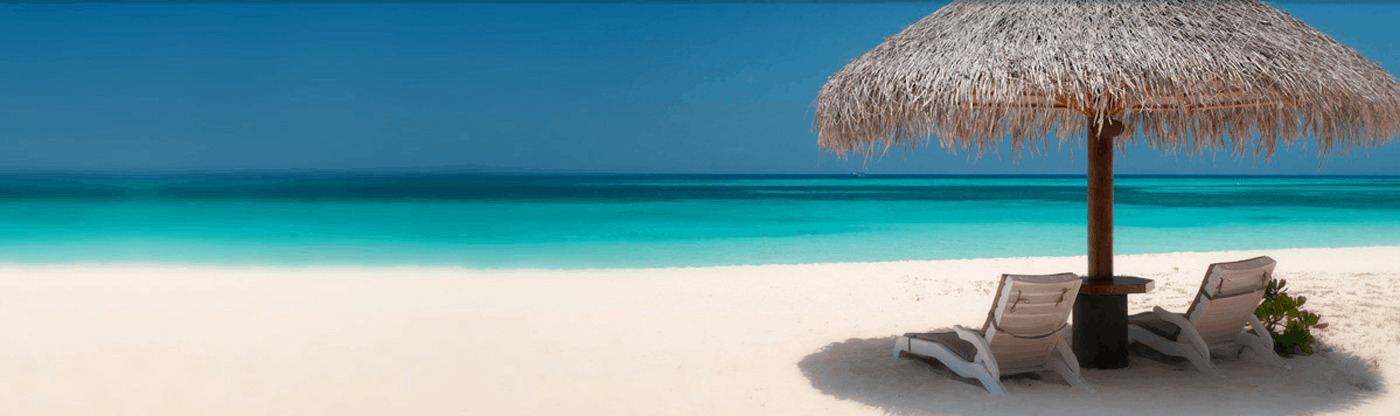

The Cook Islands offer some of the most stunning beaches in the South Pacific. These shores feature bright turquoise water, soft white sand, and a calm, peaceful atmosphere. Each island has its own charm, from quiet lagoons to long open beaches. As a result, the Cook Islands are a dream destination for beach lovers.
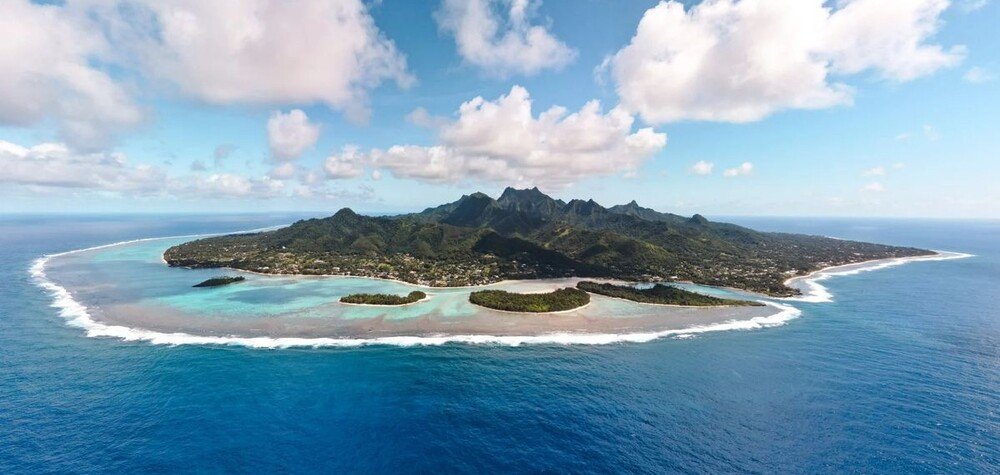
Welcome to the Cook Islands, a peaceful chain of 15 islands in the South Pacific. Calm lagoons, white-sand beaches, and lush green peaks create a landscape that feels open and untouched. The islands sit between Fiji and French Polynesia, so they are easy to reach while still feeling wonderfully remote.
Many travelers say the islands feel like “Hawaii 50 years ago,” since life moves slowly and small villages preserve their traditional charm. Buildings also cannot be taller than a coconut tree, a rule that helps protect the natural beauty of the landscape.
A visit here centers on the Polynesian spirit. Locals greet visitors with a warm “Kia Orana,” and the relaxed atmosphere makes each day feel unhurried. As a result, simple moments define the experience: clear water, soft breezes, and a culture that welcomes you in.
Visit all of the Most Luxurious Resorts in the Cook Islands here, or also visit us on Pinterest.
When to Go: Seasons and Weather of the Cook Islands
Warm sunshine and steady ocean breezes keep the climate pleasant all year. Temperatures usually stay between 75°F and 85°F (24°C–29°C). The ocean also stays warm enough for swimming in every season. Gentle trade winds help keep the air comfortable, even on warmer days.
The dry season, from May to October, is the most popular time to visit. Days are bright and humidity drops. The water stays clear for snorkeling and lagoon tours. Evenings also feel cooler, which many travelers enjoy.
The wet season, from November to April, brings warmer temperatures and short tropical showers. Rain often comes in quick bursts, so sunshine returns fast. The landscape also becomes greener, and crowds are smaller.
Because the climate stays pleasant year round, many travelers choose their dates based on flight deals, budget, or how quiet they want the islands to feel.
Reasons Travelers Love the Cook Islands
Clear Lagoons and Quiet Beaches
Some of the clearest water in the South Pacific surrounds these islands. Aitutaki Lagoon glows in bright shades of turquoise. Shallow sandbars create wide views that look almost unreal.
Muri Beach offers soft white sand and calm water. The shoreline also feels open and uncrowded. Because of this, beach days here feel relaxed and peaceful.
Wild Landscapes and Ocean Adventures
Green volcanic peaks rise sharply above the coastline. Rarotonga has several lush hiking trails through the interior hills. One of the most popular routes leads to Te Rua Manga, often called “The Needle.”
The outer islands add even more natural beauty. Coral atolls, sea caves, and colorful marine life sit just offshore. Snorkeling and diving are easy to arrange. From July to October, humpback whales also pass through these waters.
Local Culture and Easy Island Living
Authentic Polynesian Traditions
Traditional culture remains a big part of daily life. Visitors can watch lively island-night shows with drumming and dance. Local markets also offer crafts, fresh fruit, and homemade dishes. On Sundays, church services fill with powerful Polynesian harmonies. Because of this, the cultural experience feels genuine and welcoming.
A Slower Island Pace
Life moves at a relaxed rhythm here. There are no traffic lights and no fast-food chains. The speed limit also stays low on the main coastal road. As a result, visitors quickly settle into easy “island time.”
Simple and Easy to Explore
Travel feels smooth and straightforward. English is widely spoken, so communication is easy. The New Zealand Dollar is used, which keeps payments simple. The islands are also compact, making it easy to explore beaches, towns, and lagoons in a single day.
Exploring the Islands of the Cook Islands
Fifteen islands sit scattered across a wide area of the South Pacific. They form two main groups: the Southern group and the Northern group. The southern group hold most of the population and tourism.
The northern group are far more remote. These small coral atolls have quiet villages and simple local life. So, each island offers a different landscape and atmosphere.
Southern Islands of the Cook Islands
(Larger volcanic islands where most people live)
Rarotonga – The largest and most populated island. It is home to Avarua and the international airport. It also has lively markets and many beaches.
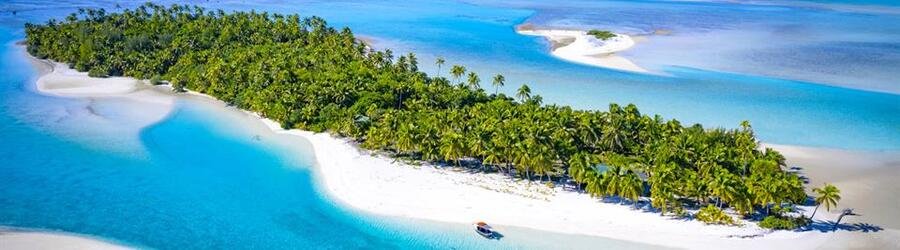
Aitutaki – Famous for its glowing turquoise lagoon. In addition, small sandy motus sit across the shallow water.
Mangaia – A dramatic raised coral island with rugged cliffs. Meanwhile, the unusual makatea landscape gives it a wild feel.
Atiu – A raised atoll with limestone caves and dense forests. Because of this, the island supports rich birdlife.
Mauke – A lush island filled with greenery. Meanwhile, quiet villages and walking paths create a peaceful setting.
Mitiaro – A raised coral island known for freshwater caves. In addition, the villages feel calm and traditional.
Palmerston – A remote coral atoll with a very small community. As a result, life here remains simple and isolated.
Manuae – An uninhabited atoll surrounded by coral reefs. Because of this, the water stays clear and bright.
Takutea – A protected nature sanctuary. As a result, large seabird colonies nest here each year.
Northern Islands of the Cook Islands
(Smaller coral atolls scattered across the northern region)
Penrhyn (Tongareva) – The northernmost atoll in the chain. It is also known for its black pearl farms and large lagoon.
Pukapuka – A very remote atoll with a strong cultural identity. As a result, local traditions remain an important part of daily life.
Manihiki – Often called the “Island of Pearls.” In addition, its deep lagoon supports a thriving pearl industry.
Rakahanga – A quiet neighboring atoll near Manihiki. Meanwhile, its small villages keep a peaceful rhythm of life.
Nassau – A tiny coral island with one small village. Because of its isolation, life here remains simple and traditional.
Suwarrow (Suvorov) – An uninhabited national park and marine reserve. As a result, the lagoon is known for pristine reefs and wildlife.
Rarotonga: The Heart of the Cook Islands
Rarotonga is the main hub and the first stop for most travelers. The island has the international airport, the capital town of Avarua, and many of the region’s cafés and markets.
Green volcanic peaks rise in the center of the island, while calm lagoons circle the coastline. As a result, beaches, viewpoints, and hiking trails all sit within a short drive of each other.
Visitors often explore the island by following the coastal road that loops around the shoreline. Along the way you’ll find lagoon swimming spots, local markets, and small cafés with ocean views.
Best Beaches in Rarotonga
There are several beautiful beaches here with calm lagoons and soft sand. Many of them sit inside protected reef areas. This helps keep the water clear and gentle for swimming.
Muri Beach is the island’s most famous shoreline. Its wide lagoon, soft sand, and small offshore motus creates a classic South Pacific scenery. The shallow water makes swimming easy, and many visitors kayak to the tiny islands nearby.
Titikaveka Beach is known for clear water and excellent snorkeling. Colorful fish gather around coral close to shore. Because the lagoon stays calm, the beach often feels quiet and peaceful.
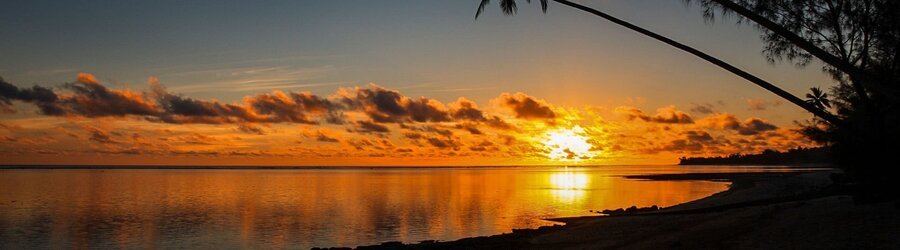
Aro’a Beach sits inside the Aroa Marine Reserve. The shallow lagoon is calm and ideal for beginner snorkelers. At sunset, the sky often turns warm shades of gold and orange.
Black Rock Beach is named for its dark volcanic stones along the shoreline. Bright blue water and reef views create dramatic scenery. Local legends say these rocks were once a departure point for ancient Polynesian voyagers.
Nikao Beach sits near the airport and has a lively local feel. Soft sand and clear water make it easy for swimming. Planes passing overhead add a fun twist to the calm shoreline.
Best Places to Stay on Rarotonga
Pacific Resort Rarotonga – ★★★★★ (9.4/10)
This elegant beachfront resort sits along the white sands of Muri Beach. Suites face the lagoon and open to tropical gardens filled with palms and flowers. Guests enjoy easy access to lagoon tours, cafés, and sunset walks along the shore.
Te Manava Luxury Villas & Spa – ★★★★★ (9.5/10)
These large villas come with private pools and modern island design. The quiet beachfront setting feels calm and private. So, many travelers choose this resort for its privacy and relaxed luxury.
Little Polynesian Resort – ★★★★★ (9.5/10)
This adults only resort sits on a calm stretch of lagoon shoreline. Beachfront bungalows sit directly on the sand with wide ocean views. The small size creates a quiet, romantic feel.
Muri Beach Club Hotel – ★★★★ (8.9/10)
This adults only resort sits on a calm stretch of lagoon shoreline. Beachfront bungalows open directly onto the sand with wide ocean views. The small size creates a quiet, romantic atmosphere.
The Rarotongan Beach Resort & Lagoonarium – ★★★☆ (8.5/10)
Families often choose this lively beachfront resort on the island’s western coast. The lagoon just offshore is one of the best places for snorkeling. Daily activities and cultural shows add energy to the stay.
For a full guide to luxury resorts, boutique hotels, and beachfront villas across the islands; see our guide to the best resorts in the Cook Islands.
Aitutaki: Lagoon Paradise
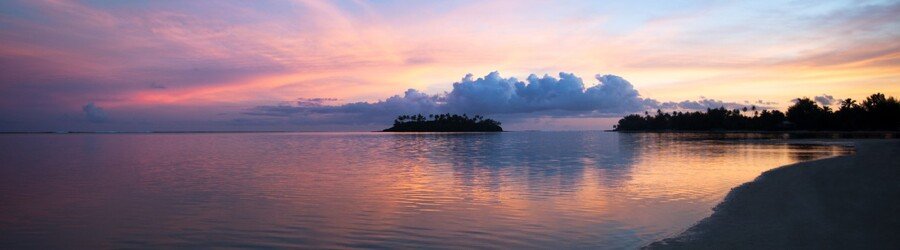
Aitutaki is known for one of the most beautiful lagoons in the world. The water shines in bright shades of turquoise, while small white-sand motus sit across the horizon.
Life moves slowly on this island. The calm lagoon, quiet villages, and wide ocean views create a peaceful and romantic setting. Because of this, many couples choose it for honeymoons and relaxed escapes.
Best Beaches on Aitutaki
Aitutaki is known for wide lagoons and bright sandbars. Many of these beaches sit on small motus scattered across the lagoon.
Ootu Beach
Ootu Beach has shallow, clear water and long sandbars that stretch into the lagoon. The calm water works well for swimming, paddleboarding, and quiet beach walks. Small cafés nearby also make it easy to stop for lunch.
One Foot Island (Tapuaetai)
This beach is famous for its bright sandbars and vivid lagoon colors. Many lagoon tours stop here for photos and a passport stamp. Because of this, it has become one of the most iconic spots in the islands.
Honeymoon Island
This island is a narrow strip of white sand surrounded by blue-green water. The calm lagoon makes it perfect for swimming and relaxing. Many visitors also stop here for romantic photos.
Akaiami Beach
The beach here feels calm and peaceful with soft sand and open lagoon views. Snorkeling is easy just offshore. Many lagoon tours also stop here during the day.
Papau Beach
It is quieter here, and less visited than many lagoon beaches. The calm water makes it easy to wade or float near shore. As a result, it is a good spot for a slow and peaceful beach day.
Best Places to Stay on Aitutaki
Pacific Resort Aitutaki – ★★★★★ (9.7/10)
This luxury resort sits on the edge of the lagoon. Villas face the water and open to quiet tropical gardens. Many guests come for the calm setting and wide lagoon views.
Aitutaki Lagoon Private Island Resort – ★★★★☆ (9.1/10)
This luxury resort sits on the edge of the lagoon. Villas face the water and open to quiet tropical gardens. Many guests come for the calm setting and wide lagoon views.
Etu Moana Boutique Beach Villas – ★★★★☆ (9.6/10)
These stylish villas sit along a quiet stretch of beach. The grounds feel lush and peaceful. Guests often praise the warm service and extra privacy.
Tamanu Beach Resort – ★★★★☆ (9.3/10)
Polynesian-style bungalows sit right on the sand. Cultural nights and a beachfront restaurant add local flavor. In addition, the setting feels relaxed and welcoming.
Aitutaki Village – ★★★★☆ (9.0/10)
Colorful bungalows line Ootu Beach. The lagoon sits just steps away. Friendly staff and a relaxed vibe make it an easy place to stay.
More Beautiful Beaches in the Cook Islands
Beyond the main islands, several quieter beaches offer wide views, soft sand, and calm water. Because of this, they feel peaceful and uncrowded. As a result, they are perfect for slow beach days.
Tengatangi Beach – Mangaia
This beach sits below tall coral cliffs on the island’s rugged coast. Meanwhile, bright sand meets deep blue water along the shoreline. Because the island is remote, the beach keeps a wild and natural feel.
Vaipeka Beach – Atiu
Vaipeka has small coves, clear water, and soft sand. Many visitors stop here after exploring the island’s caves, and as a result the beach feels like a quiet reward after a hike.
Oneroa Beach – Rarotonga
This long stretch of sand sits along the island’s western coast. In addition, the beach is known for calm water and colorful sunsets. Because of this, it is a great place for evening walks.
Amuri Beach – Aitutaki
Amuri Beach offers wide lagoon views and calm water near the main village. Meanwhile, boats and small motus dot the horizon. Because the lagoon stays shallow, the water is perfect for slow swims.

Things to Do in the Cook Islands
To find the best things to do in the Cook Islands, start with Rarotonga and Aitutaki. These two islands offer culture, lagoon tours, outdoor adventure, and plenty of time to relax.
In addition, the quieter island of Atiu offers a different kind of experience. Visitors can explore caves and spot rare birds. Because of this, it is a great choice for travelers who want a bit more adventure.
Cultural Experiences in Rarotonga
Rarotonga offers several ways to experience local traditions, music, and food. As a result, many visitors include at least one cultural activity during their stay.
Island Night Shows
Enjoy a traditional Island Night where cooks prepare an umu, or earth-oven feast. Meanwhile, dancers and drummers share stories through music and fire shows. Because of this, it is one of the best ways to experience local Māori culture. Te Vara Nui Village and Highland Paradise host two of the most popular shows.
Punanga Nui Market (Saturday)
This lively market fills the capital town of Avarua every Saturday morning. Visitors browse local fruit, crafts, black pearls, and fresh island food. In addition, the market offers a fun way to meet locals and enjoy the friendly atmosphere.
Progressive Dinner Tour
Spend an evening visiting three different family homes for a home-cooked meal. Each stop serves a different course. As a result, the experience feels warm, social, and very personal.
Sunday Church Service
Church plays an important role in local life. The singing is especially beautiful and often fills the church with strong harmonies. Because of this, attending a service can be a memorable cultural experience even for non-religious visitors.
Outdoor Adventures in Rarotonga
Hike the Cross-Island Track
This scenic hike crosses the island’s lush interior and leads to Te Rua Manga, also known as “The Needle.” The views are impressive along the route. In addition, guided walks with Pa’s Treks help keep the trail safe.
Snorkel with Turtles
Avaavaroa Passage is one of the best places to swim with sea turtles. Tours provide snorkel gear or sea scooters, which makes the experience easy for beginners. Because of this, many visitors join guided trips with Ocean Toa or Snorkel Cook Islands.
Kayak or SUP in Muri Lagoon
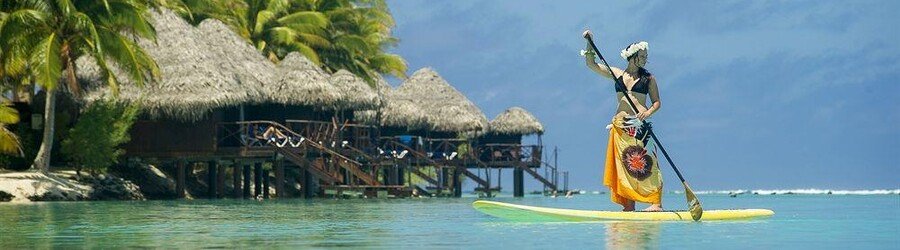
Muri Lagoon has calm, sheltered water that works well for kayaking and paddleboarding. Many visitors also enjoy swimming or paddling between the small motus. In addition, operators such as KiteSUP Watersports rent gear and offer lessons.
Whale Watching (July–October)
From July to October, humpback whales migrate through nearby waters. Visitors sometimes spot them from shore at places like Black Rock Beach. As a result, many travelers plan trips during whale season.
Off-Road Buggy Tour
Raro Buggy Tours runs muddy rides through jungle tracks and back roads. The route winds through the island’s green interior. Because of this, the tour feels adventurous and fast-paced.
Lagoon Activities in Aitutaki
Lagoon Cruise to One Foot Island
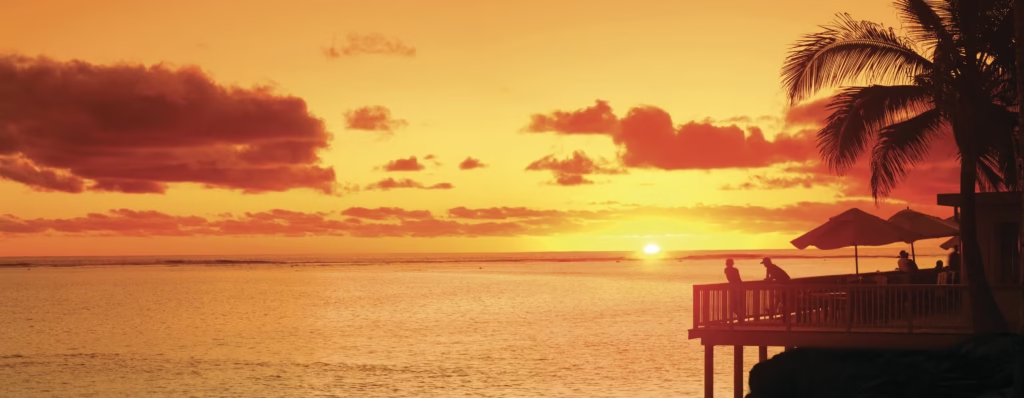
A lagoon cruise is the most popular activity on the island. Boats glide across bright turquoise water and stop for snorkeling, lunch, and a visit to One Foot Island. In addition, many tours stamp passports at the small post office on the island. Popular operators include Teking Lagoon Cruises and The Vaka Cruise.
Bonefishing
The lagoon is known as one of the best places in the world for bonefishing. Large bonefish swim in the shallow flats. Because of this, anglers often hire local guides such as Itu Davey from Bonefish E2’s Way.
Kite Surfing and Wing Foiling
The wide lagoon offers steady wind and shallow water. As a result, the area works well for both kite surfing and wing foiling. Lessons and gear rentals are available through Wet & Wild Aitutaki.
Nature and Culture on Atiu
I also smoothed a few sentences, simplified wording slightly for Flesch, and kept a few transition phrases Yoast usually counts.
Anatakitaki (Kopeka) Cave
This cave is one of the island’s highlights. Inside, large limestone chambers echo with the clicks of the rare Kopeka bird as it navigates in the dark. As a result, the tour feels both unusual and memorable.
Bird-Watching
The island’s forests shelter several unique bird species. Visitors may see the Kopeka and the colorful Rimatara lorikeet. In addition, guided walks help travelers spot birds that are hard to find on their own.
Coffee Plantation Visits
Small farms produce some of the region’s best coffee. Visitors can tour the plantations and learn how the beans are grown and roasted. Plus, many farms offer tastings of freshly brewed blends.
Swimming Caves and Makatea Forests
The raised coral landscape creates rugged trails and hidden caves. Some caves hold cool freshwater pools where visitors can swim. Because of this, the island mixes hiking with refreshing places to cool off.
Local Culture
Life here moves slowly and feels welcoming. Small cafés, local artists, and friendly residents create an easygoing atmosphere. Meanwhile, visitors can still explore the island’s nature and culture at their own pace.
Getting Around the Cook Islands
Getting around the Cook Islands is simple, especially on Rarotonga. Two main buses circle the island in opposite directions, and the routes are easy to follow. In addition, visitors can rent scooters or small cars for more freedom.
Many travelers enjoy driving the quiet coastal road because it offers scenic views around the island. Meanwhile, Aitutaki is even easier to explore since the island is smaller and calmer. As a result, biking becomes a fun and popular way to get around.
Culture and Traditions in the Cook Islands
Local culture plays an important role in daily life. The traditional greeting “Kia Orana” is heard everywhere, and it quickly makes visitors feel welcome.
Because of this strong sense of community, respect and kindness are highly valued. Sundays are especially meaningful, and many residents attend church services filled with beautiful singing.
Visitors should also dress modestly when visiting villages or churches. In addition, removing shoes before entering homes is a common sign of respect.
What to Pack for Your Cook Islands Vacation
Packing for the Cook Islands is simple because the weather stays warm all year. Light clothing, swimsuits, and reef-safe sunscreen are essential.
In addition, a hat and sunglasses help protect against the strong tropical sun. Water shoes are also useful when walking over coral areas, and a dry bag helps protect cameras or phones during lagoon trips.
Mosquito repellent can be helpful in the evenings. Because pharmacies are limited on some islands, visitors should also pack any medications they may need.
Entry Requirements for the Cook Islands
Entry is simple for most travelers. Many visitors receive visa-free entry for stays of up to 31 days, although rules may vary by nationality.
Your passport should be valid for at least six months beyond your arrival date. In addition, travelers may need to show proof of onward or return travel.
Airport procedures are usually relaxed, and lines often move quickly. Because of this, the arrival process tends to feel smooth and stress-free.
Traditional Foods of the Cook Islands
The islands’ cuisine blends fresh island ingredients with Polynesian tradition. Meals are simple, colorful, and full of local flavor. Because of this, food often becomes a memorable part of any trip.
Fresh Seafood
Seafood is a daily staple across the islands. Tuna, marlin, mahi-mahi, and octopus appear on many menus. In addition, local fishermen supply much of the catch, so the dishes taste especially fresh.
Ika Mata
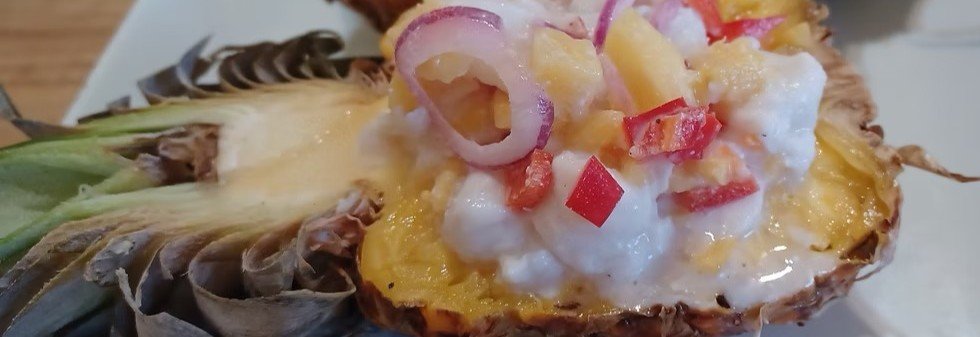
Ika mata is the signature dish of the islands. Fresh raw fish is marinated in lime juice and mixed with coconut cream. The flavor is light and refreshing, which makes it perfect for warm afternoons.
Umukai (Traditional Feast)
An umu, or earth oven, cooks meat, fish, and root vegetables slowly under heated stones. The slow cooking creates tender food with a smoky taste. As a result, umukai meals often feel more like cultural celebrations than simple dinners.
Tropical Produce
The islands grow papaya, mango, bananas, and breadfruit. Visitors often enjoy fruit plates for breakfast, while fresh juices appear on many menus. Coconut cream also adds richness to both savory dishes and desserts.
Local Desserts
Banana pudding, poke (a thick fruit pudding), and coconut sweets appear often at markets. These desserts use simple ingredients. Even so, they are comforting and full of flavor.
Island Drinks
Fresh fruit smoothies, local beer, and coconut water are easy to find. Some cafés also serve coffee grown on small local plantations. Because of this, relaxing with a drink becomes part of the island rhythm.
Final Thoughts on the Cook Islands
These islands offer a rare mix of natural beauty, culture, and relaxed island living. Bright beaches and calm lagoons create stunning scenery across the region. Because of this, even simple moments—like swimming, walking the shore, or watching the sunset—feel memorable.
The people add to the experience with warm greetings, local traditions, and a laid-back pace that helps visitors slow down. Whether you stay on lively Rarotonga, dreamy Aitutaki, or adventurous Atiu, each island brings something special. In addition, travel between islands is fairly easy, which makes exploring more than one a rewarding part of the trip.
Many travelers leave with memories of turquoise water, friendly conversations, and peaceful days by the sea. For this reason, the destination often becomes a place people return to again and again. If you are dreaming of a calm and beautiful escape in the South Pacific, this island chain offers exactly that.
When you’re ready to start planning, you can pair this beach guide with our handpicked list of the most luxurious resorts in the Cook Islands to find your perfect place to stay.
Frequently Asked Questions About the Cook Islands
What is the best time to visit the Cook Islands?
The best weather usually appears from May to October. Days stay sunny, humidity drops, and the lagoons remain clear. Because of this, many travelers choose these months.
Do I need a visa to enter?
Many visitors receive visa-free entry for stays of up to 31 days. Your passport should be valid for at least six months beyond your arrival date. In addition, travelers may need to show proof of onward travel.
Are the Cook Islands expensive?
Costs can be lower than in some other South Pacific destinations. Local cafés and markets help keep meals affordable. However, lagoon tours and luxury resorts can increase travel costs.
Is it easy to travel between islands?
Yes. Short flights connect Rarotonga with Aitutaki, Atiu, and several other islands. As a result, visiting more than one island is fairly simple.
Is the water safe to drink?
Tap water is treated in many areas, but bottled water is widely available. For this reason, many visitors prefer bottled or filtered water during their stay.
Related Posts
 The Most Stunning Cook Islands Resorts You’ll Love
- The Stunning Beaches of American Samoa You’ll Love
- Beautiful Viti Levu Fiji: Complete Guide to the Island
- Discover The Best of Taveuni Island: Beautiful & Breathtaking
- Discover the Best of Fiji: Your Ultimate Travel Guide
- 10 Breathtaking Countries With The World’s Most Beautiful Beaches




Pingback: Debra D
Thank you for sharing your thoughts! A week in the Cook Islands can go either way depending on your pace. Staying on one island gives you time to settle into the slower rhythm and explore without feeling rushed. But if you want a mix of scenery, pairing Rarotonga with Aitutaki works beautifully—the flight is short, and the contrast between the two islands is incredible. Atiu is best saved for a longer trip since it’s quieter and more immersive.