

Discover the Best of Luzon with this ultimate travel guide. From stunning beaches and hidden coves to luxury resorts and local flavors, Luzon offers the perfect mix of adventure, culture, and relaxation for every traveler.
The Best of Luzon begins with its size and diversity. It is the Philippines’ largest island, packed with tropical beauty, rich history, and vibrant culture. You’ll find sun-kissed beaches, clear waters, and lively towns full of charm. In addition, untouched natural wonders wait around every corner. Each visit feels like a new adventure.
So, you may want to relax on soft white sand. Or go island-hopping to hidden coves. You might even explore coastal villages along the shore. These beaches create a getaway for every type of traveler. Whether you love adventure, culture, or simply the sea, this travel guide will help you find your paradise.
Learn more about the beautiful Philippines here, or visit us on Pinterest.
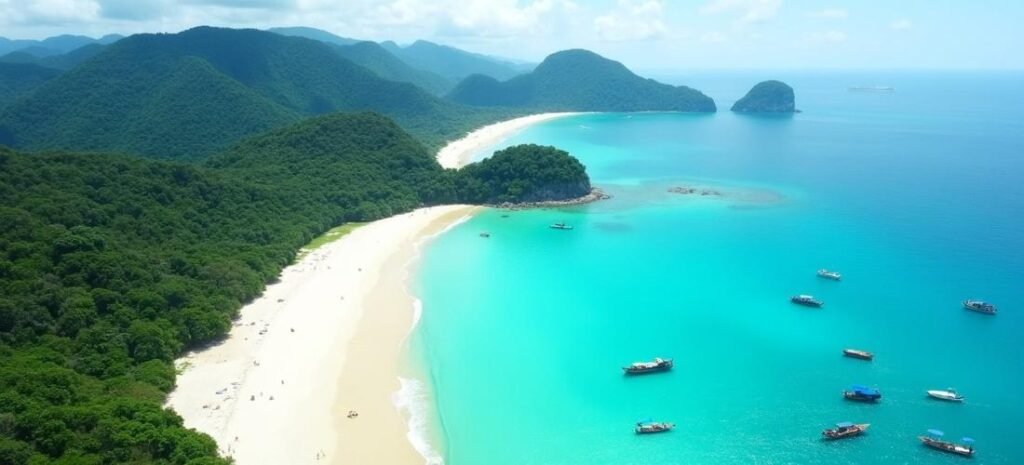
Tropical Weather and Best Time to Visit
This tropical region has two main seasons: dry and rainy. Each brings its own advantages.
Dry Season (November–May | 77–93°F / 25–34°C)
This is the most popular time to visit. Rain is rare, seas stay calm, and skies remain clear. In addition, the sunniest stretch usually falls between March and May. Pack sunscreen, hats, and light clothing for the hottest days. This season also includes Christmas, New Year, and Holy Week. As a result, many beach towns feel lively, festive, and sometimes crowded.
Rainy Season (June–October | 75–88°F / 24–31°C)
Afternoon showers and tropical storms become more common during these months. However, there are advantages. Beaches are quieter, prices often drop, and the scenery turns lush and green. At the same time, rough seas can make some remote islands harder to reach. Still, travelers who don’t mind occasional rain will enjoy a calmer atmosphere. Budget visitors may also appreciate the lower costs and vibrant landscapes.
Why This Island Is Worth Exploring
This island is the largest and most varied in the Philippines. It blends world-class surf, quiet coves, and striking volcanic scenery. Many coastal spots are also reachable by land from the capital. Because of this, travel here feels easy and simple. The long coastline offers something for every traveler. Some visitors choose luxury resorts, while others enjoy simple camps near the sea.
Key Reasons to Feature This Destination
Landscape Variety
The coastline shows great variety. Travelers can see volcanic black sand in Bicol. They can also visit the powdery white shores of Pangasinan and Ilocos Norte. In addition, Jomalig Island is known for its soft golden sand.
Surfing Culture
San Juan in La Union is known as the Surf Capital of the North. Consistent waves attract skilled surfers. At the same time, Sabang Beach in Baler offers gentle breaks that work well for beginners.
Easy Access from Manila
Several beach areas sit only a few hours from the capital. Batangas, including Laiya Beach, is popular for quick escapes. Zambales also attracts travelers who want a calm coastal trip.
Unusual Natural Settings
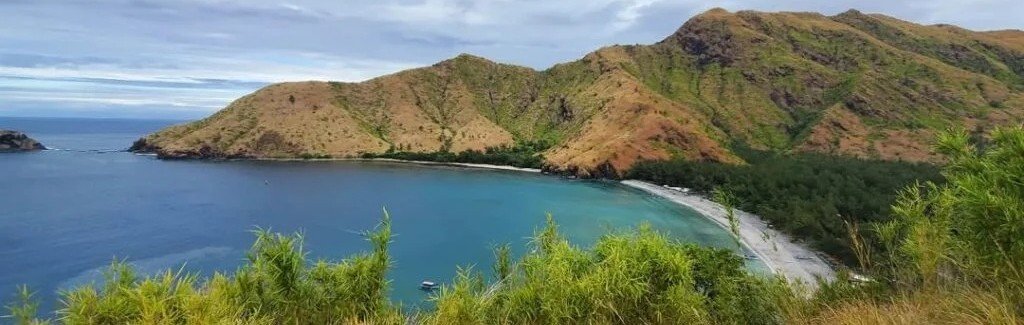
Anawangin Cove formed after ash from Mount Pinatubo reshaped the coast. As a result, the beach now has gray sand and tall Agoho trees. Today the setting feels quiet, remote, and special.
Island-Hopping Adventures
Hundred Islands National Park spreads across more than one hundred small islands. Visitors explore by boat or kayak. Short trails also lead to scenic viewpoints. Snorkeling is popular, and each island feels a little different.
Best Beaches in Luzon
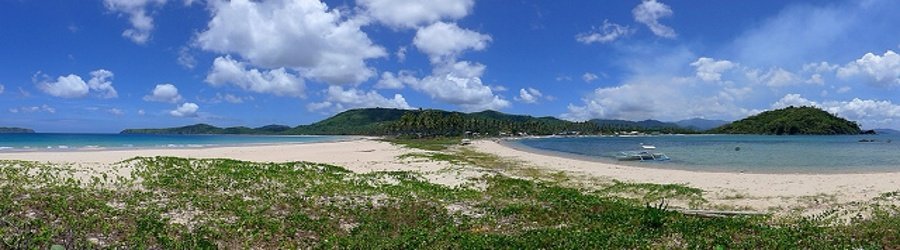
The coastline stretches for thousands of kilometers and offers beaches for every type of traveler. Some areas feature lively resorts and surf breaks that attract visitors from around the world. Others hide quiet coves and remote islands where nature still feels untouched.
This variety means every traveler can find a stretch of sand that fits their style. Whether you prefer vibrant beach towns or peaceful escapes, the following destinations showcase some of the most beautiful shores in the country.
Why These Beaches Stand Out
The coastline offers an impressive range of beach settings. Some shores feature black volcanic sand, while others stretch out with bright white or golden sand. In many areas, powerful surf attracts wave riders. At the same time, calmer coves create ideal spots for swimming and snorkeling. Because of this variety, travelers can easily find a beach that fits their style.
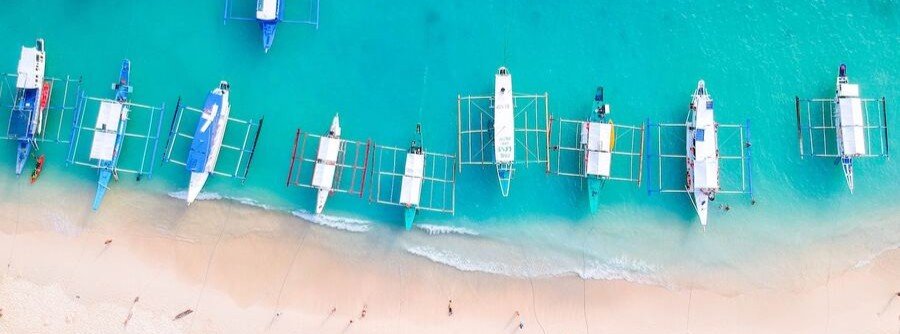
Hidden Beach Gems Worth Discovering
Calaguas – Mahabang Buhangin (Camarines Norte)
Turquoise water and bright white sand create a calm, unplugged atmosphere. The journey takes effort. However, the reward is pristine scenery and clear night skies filled with stars. The shoreline feels long, quiet, and untouched.
Best for travelers seeking postcard-perfect beaches.
Jomalig Island (Quezon)
Golden sand, palm-lined coves, and wide open skies give this island a remote feel. The boat ride takes time. As a result, the beaches remain quiet and peaceful. The setting stays simple and serene.
Perfect for photographers and travelers chasing solitude.
Anguib Beach (Santa Ana, Cagayan)
The water here is shallow and clear, and the sand feels soft underfoot. Its location near Cape Engaño Lighthouse also adds dramatic coastal views.
Great for couples and gentle adventure seekers.
Nagsasa Cove (Zambales)
Volcanic gray sand and tall Agoho trees create a dramatic coastal landscape. The cove is quieter than nearby beaches, which makes it popular for camping. At night, the stars appear bright and vivid.
Best for campers and stargazers who love remote escapes.
Potipot Island (Candelaria, Zambales)
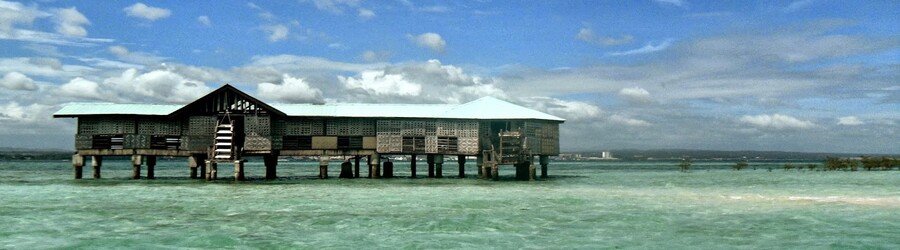
This tiny island is surrounded by calm water and simple beach huts. Day trips are easy to arrange. The charm lies in its simplicity and relaxed atmosphere.
Perfect for weekend travelers who enjoy back-to-basics island life.
Best Beach Resorts and Hotels
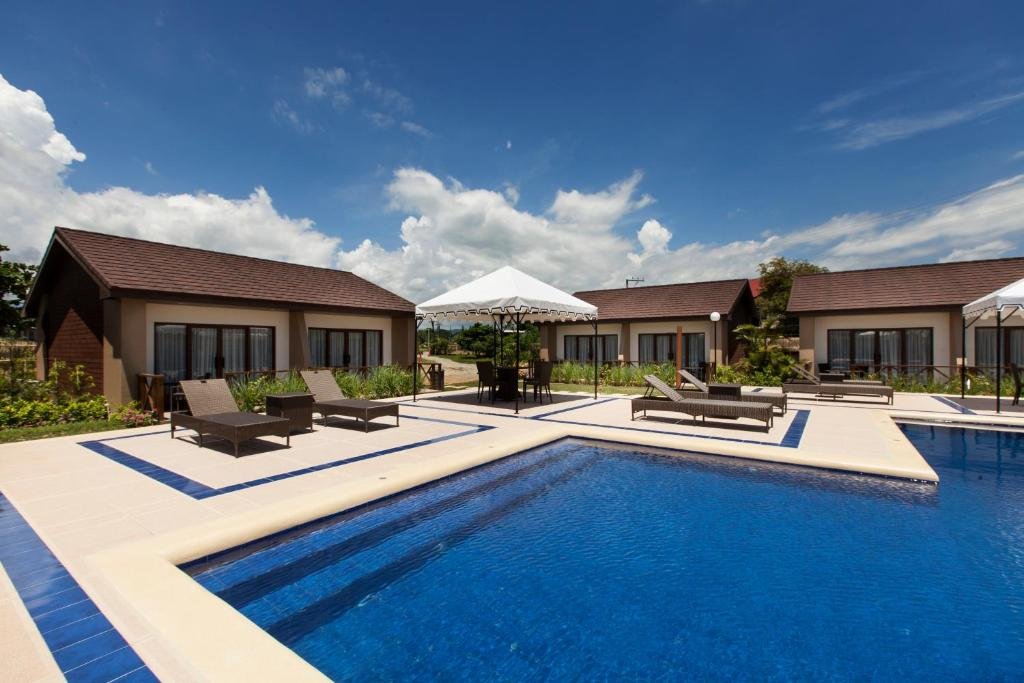
Travelers will find a wide range of places to stay across the island. Some resorts offer luxury suites, infinity pools, and fine dining near the coast. Others provide quiet seaside retreats with peaceful views and relaxed surroundings.
Couples looking for romance often choose private villas or small boutique stays near the beach. At the same time, larger resorts offer pools, spas, and easy access to local attractions. Whether you prefer luxury or seclusion, there is a stay that fits your travel style.
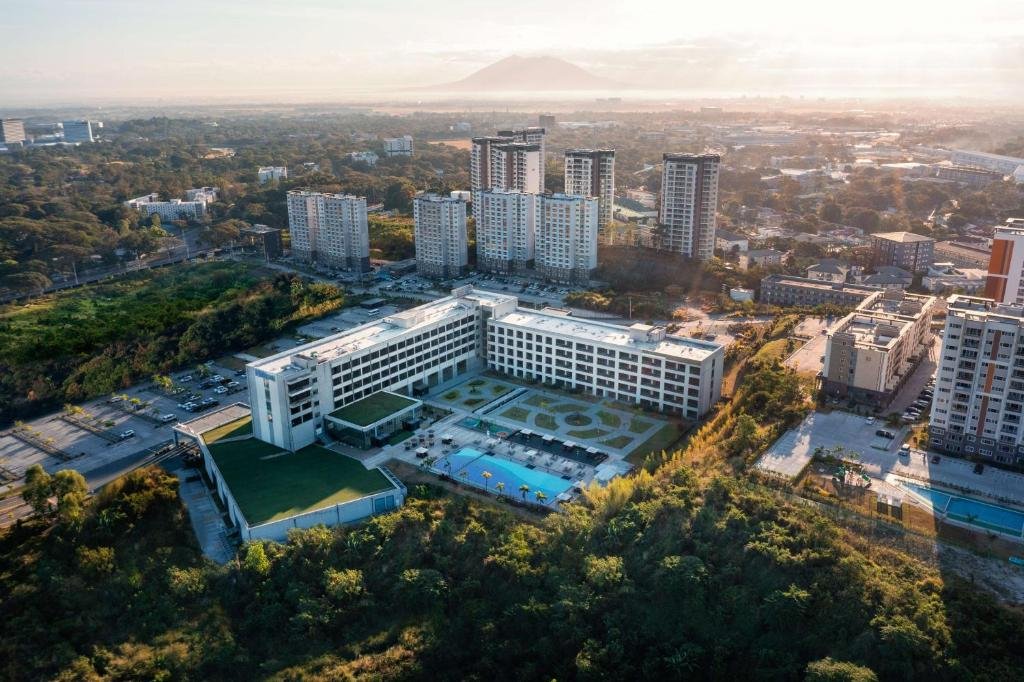
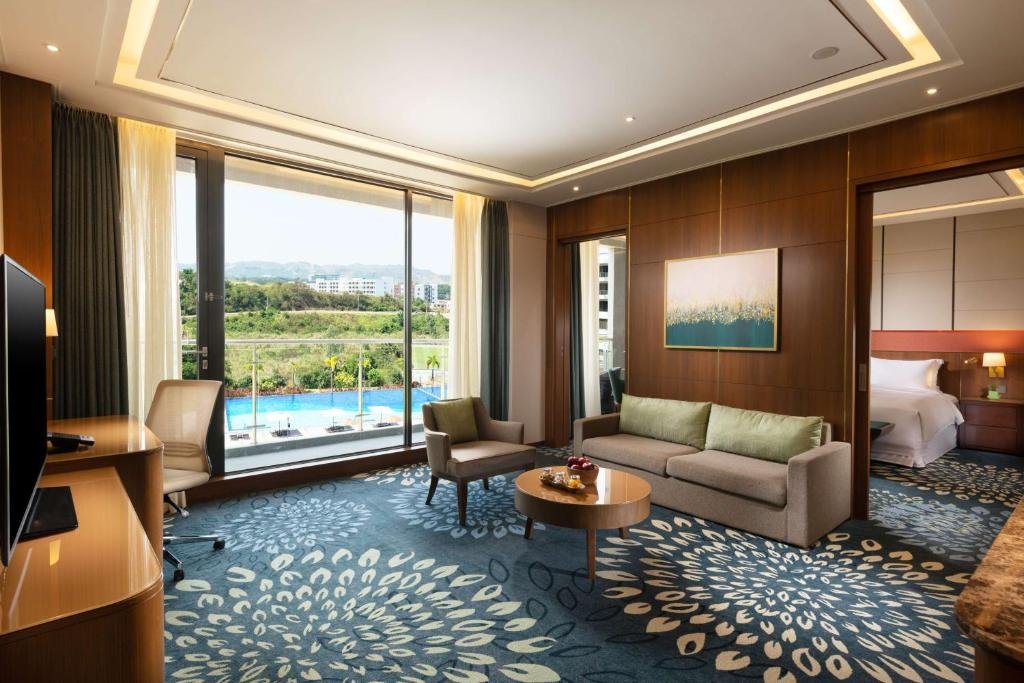
Hilton Clark Sun Valley Resort (Clark) — ⭐⭐⭐⭐⭐ | 9.0/10
This five-star resort blends upscale comfort with plenty of activities. Elegant rooms, large pools, and modern amenities create a polished stay. Guests also enjoy nearby golf courses, casinos, and outdoor adventures. Because of its size and facilities, it works well for both couples and families.

Discovery Primea (Makati) — ⭐⭐⭐⭐⭐ | 9.0/10
This refined hotel offers a quiet retreat in the heart of Makati. Spacious suites, excellent dining, and attentive service create a calm city escape. Its location also places visitors close to shopping areas and vibrant nightlife.
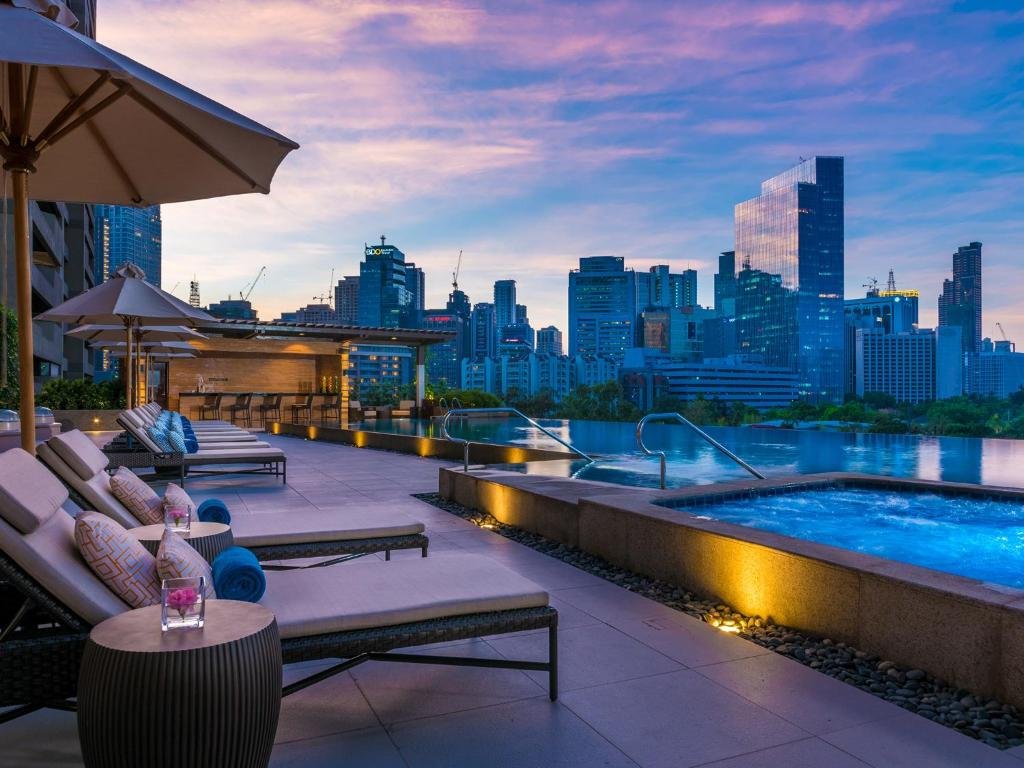


Club Punta Fuego (Batangas) — ⭐⭐⭐⭐ | 9.0/10
This seaside resort features direct beach access and sweeping ocean views. Guests relax on private balconies or walk along the quiet shore. The peaceful setting and coastal scenery make it a favorite for travelers seeking a calm escape.
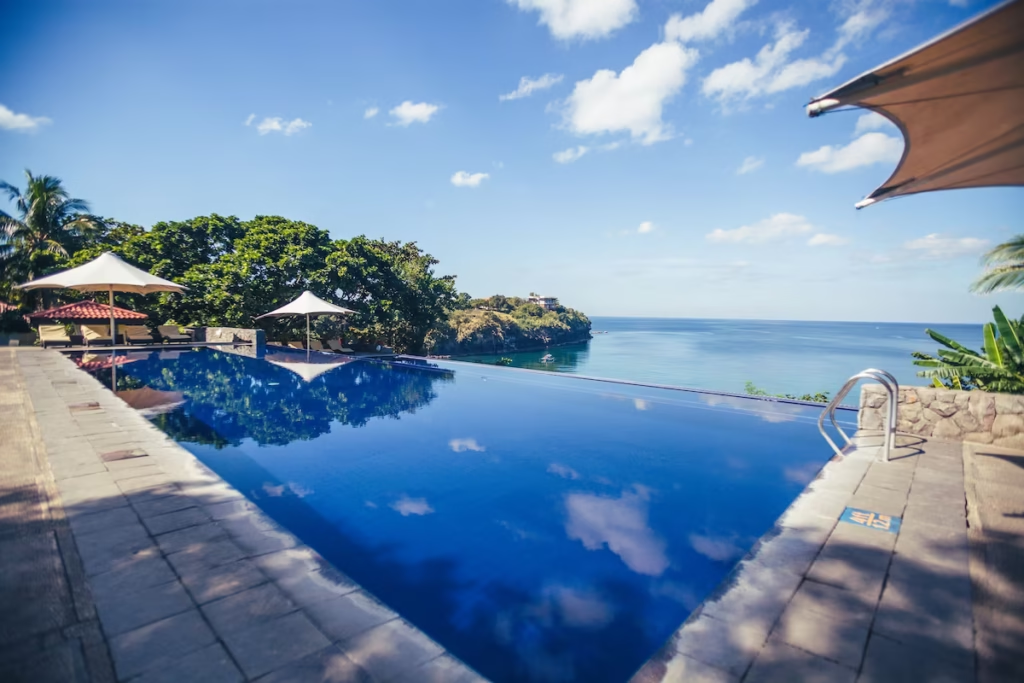
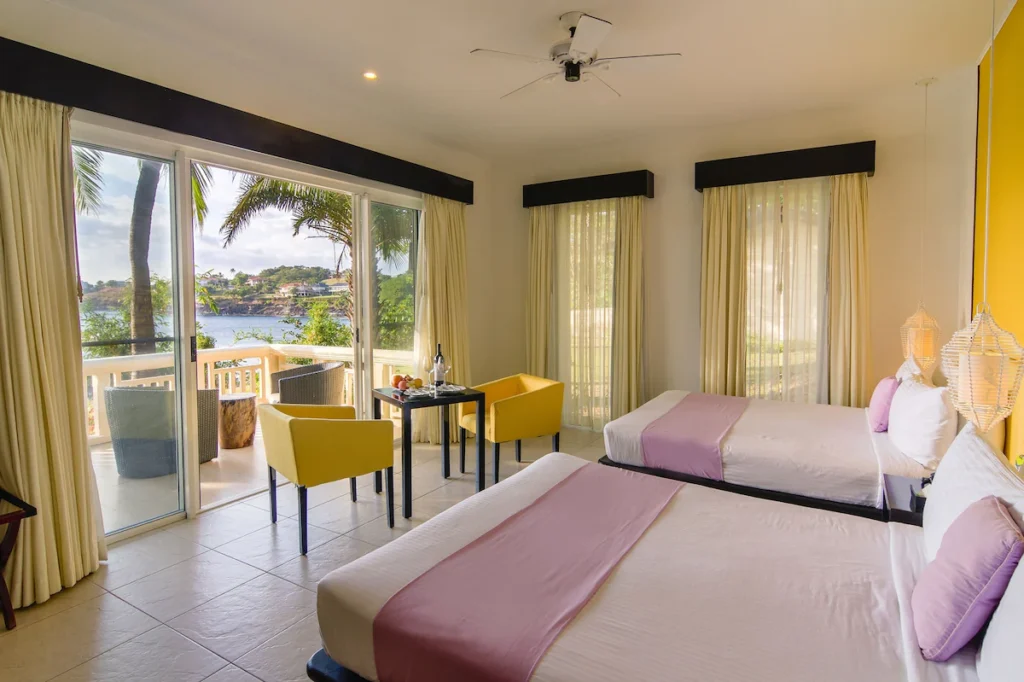
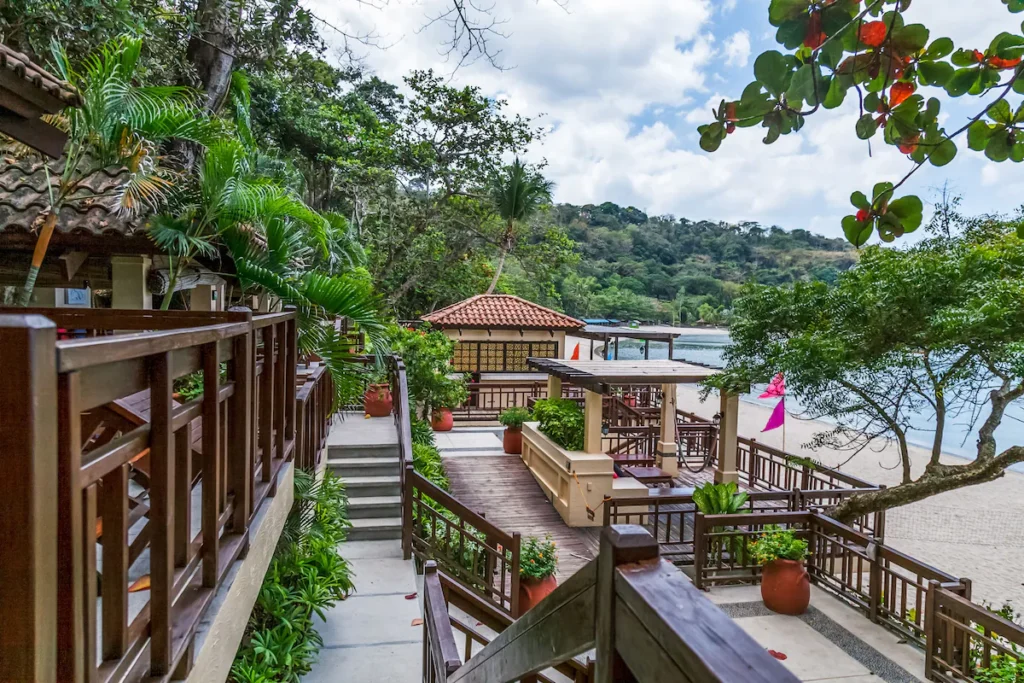
Chantal Beach House (San Fabian) — ⭐⭐⭐⭐ | 9.0/10
This boutique retreat combines comfort with beautiful views. Infinity pools overlook green hills, while quiet terraces create relaxing outdoor spaces. Because of its peaceful setting, the property appeals to travelers who enjoy privacy and nature.
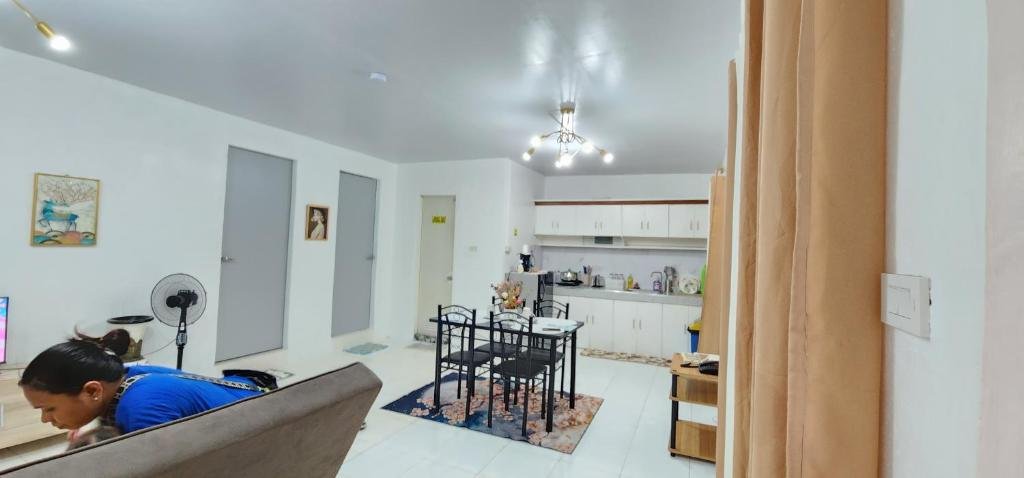
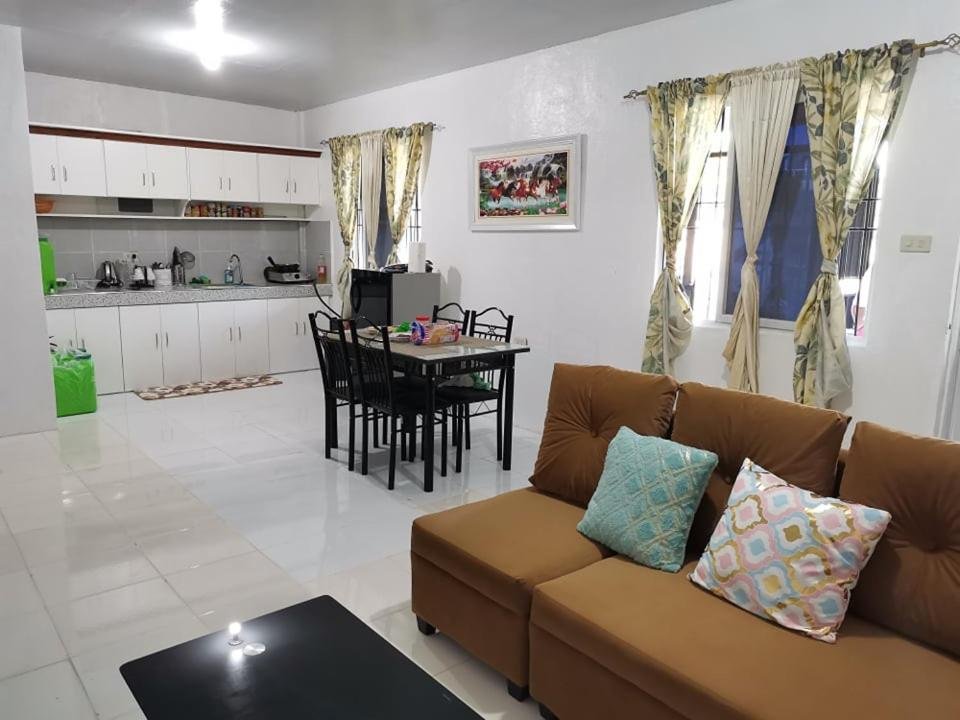
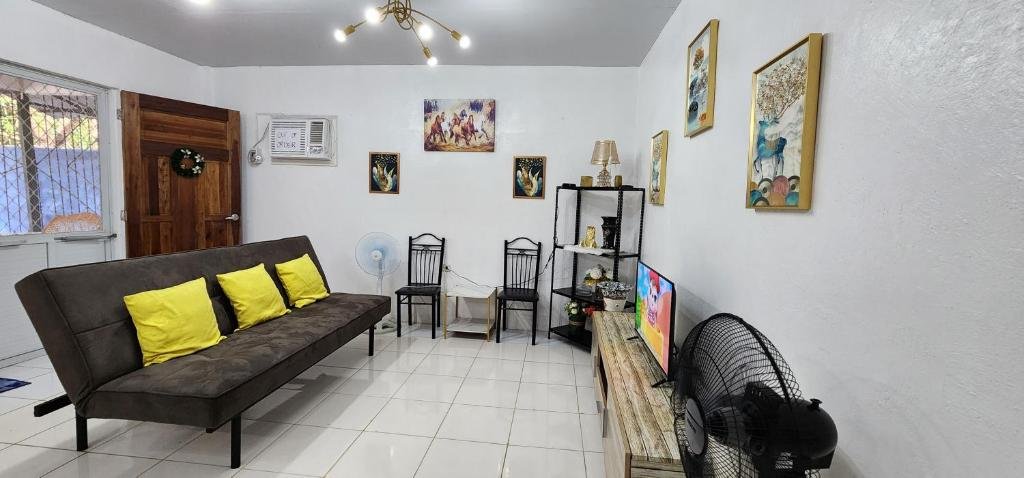
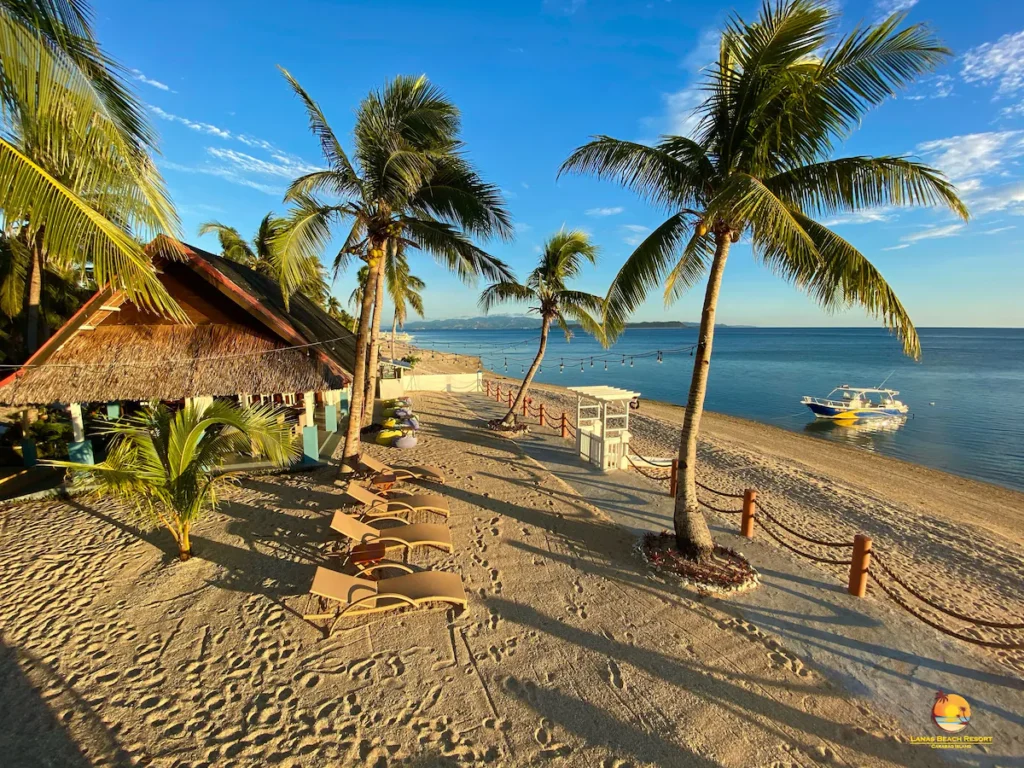
Lanas Beach Resort – Carabao Island (Romblon) — ⭐⭐⭐⭐ | 9.4/10
This beachfront resort offers direct access to soft sand and clear water. Guests relax on the sun terrace or stroll through lush tropical gardens. Outdoor seating areas and shaded picnic spots add to the relaxed island atmosphere.
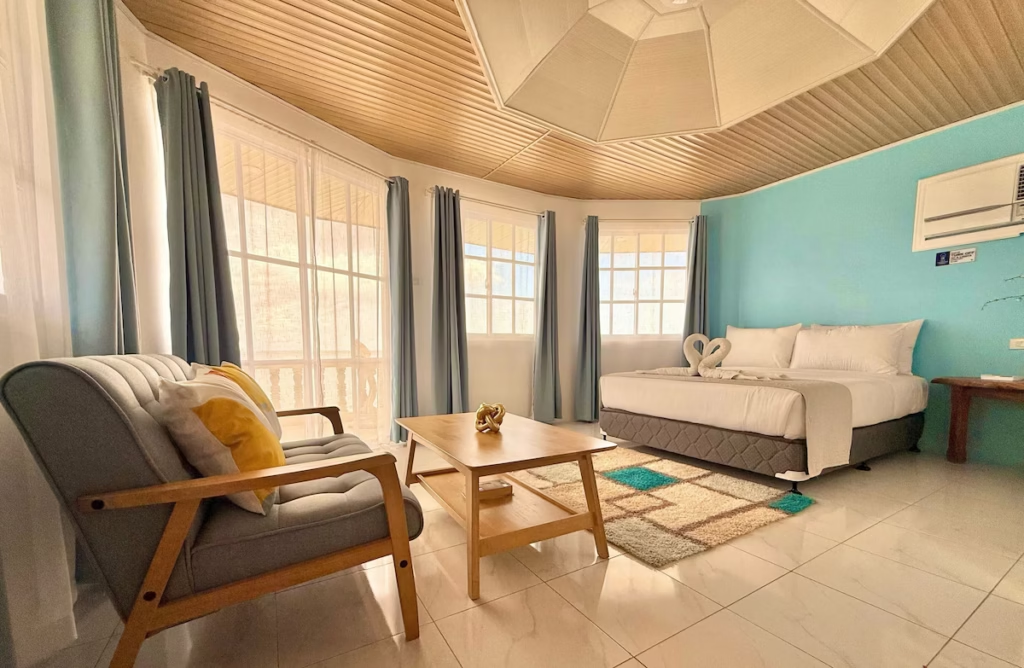
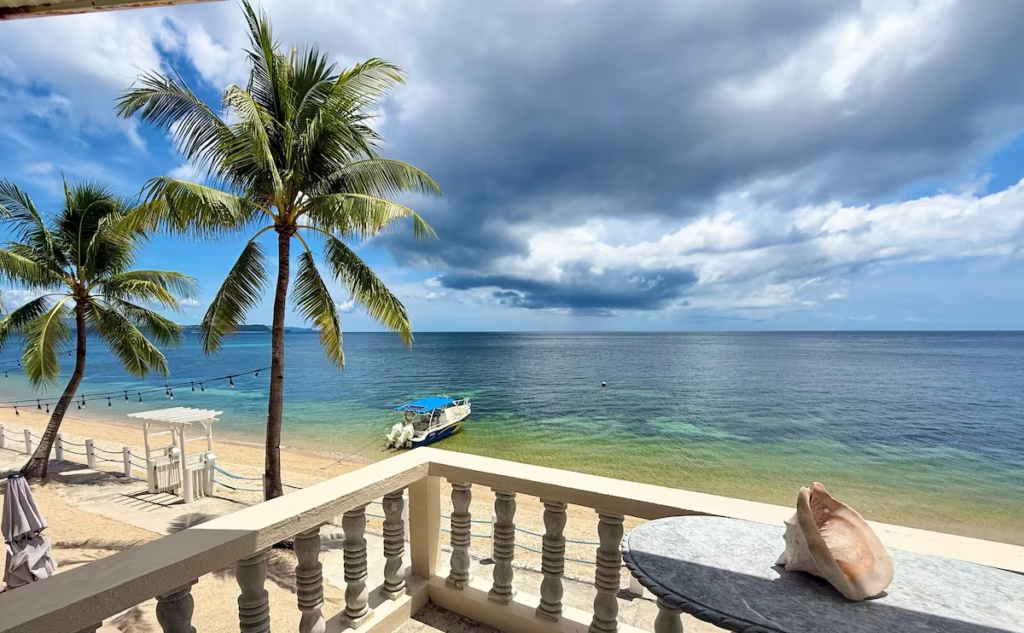
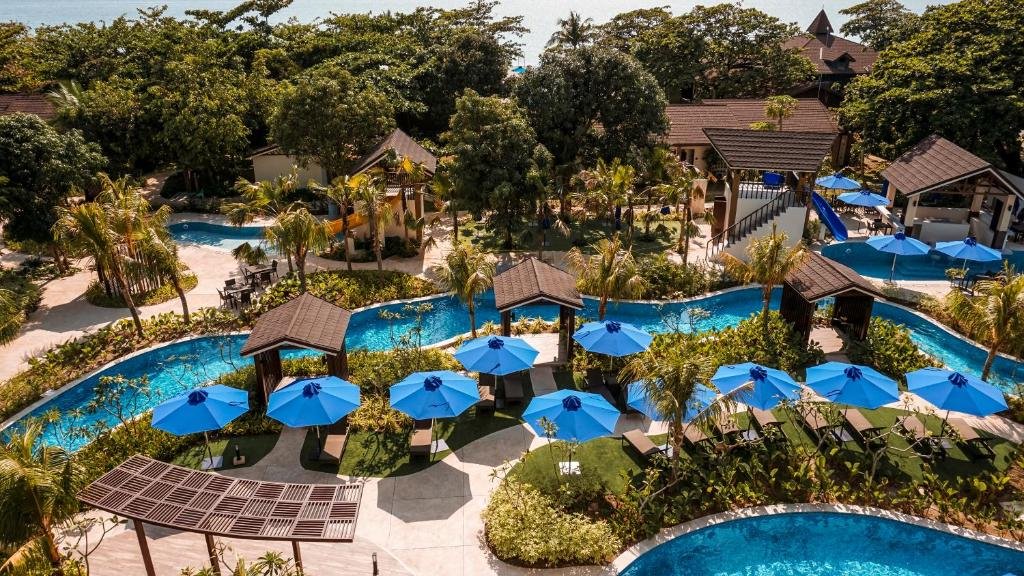
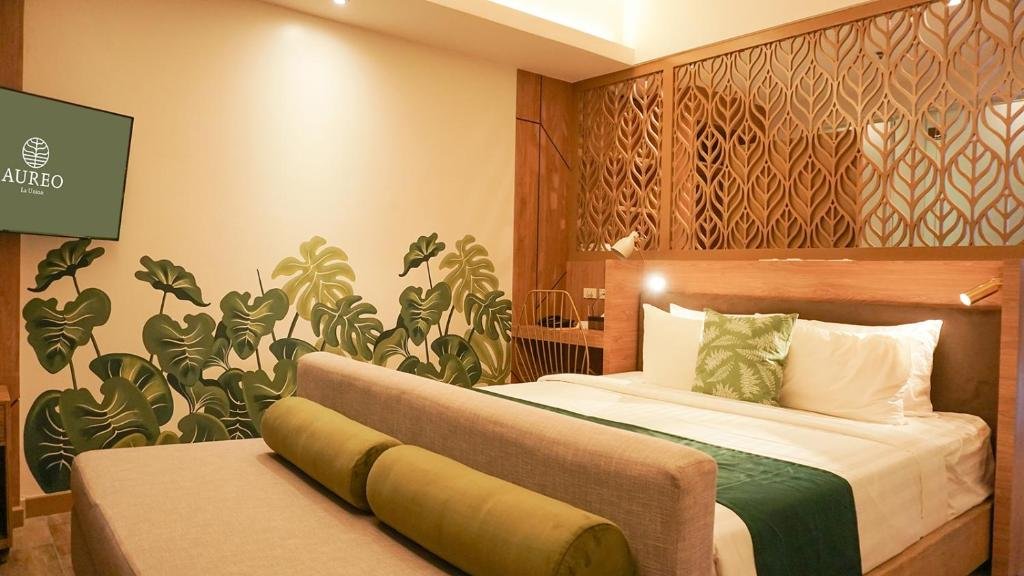
Aureo La Union (San Fernando) — ⭐⭐⭐⭐ | 9.7/10
This stylish resort blends modern design with natural surroundings. Infinity pools overlook the coast, while treetop villas create a unique place to stay. Because of its setting and peaceful vibe, it is especially popular with couples.
More Great Stays to Consider
Several other highly rated stays are also worth a look. These properties offer comfort, good locations, and relaxing settings near the coast or countryside.
Casa-Norte Guest House (San Jose) — ⭐⭐⭐⭐ | 9.7/10
A peaceful guest house with a garden, terrace, and outdoor pool. The calm setting makes it ideal for travelers who want a quiet and relaxed stay.
Pinlac Private Resort (Fabian) — ⭐⭐⭐⭐ | 10/10
This private villa offers a pool, terrace, and spacious garden. Guests enjoy privacy and plenty of space to unwind.
Rowena’s River Resort (Nalsian) — ⭐⭐⭐⭐ | 10/10
A large holiday home with several bedrooms and family areas. The riverside location also adds a calm atmosphere for group stays.
Balai Benedicere Bed & Breakfast (Bacnotan) — ⭐⭐⭐⭐ | 9.8/10
This small beachfront stay is known for sunset views and a relaxed vibe. Plus, surf lessons, spa treatments, and local dining add to the experience.
Coastal and Ocean Adventures
The coastline makes it easy to move from mountain scenery to clear tropical waters. Because of this variety, visitors can enjoy everything from high-energy water sports to quiet nature experiences along the shore.
Water Activities
Surfing & Skimboarding
San Juan, La Union: Known as the Surf Capital of the North, this beach has steady waves for beginners and skilled surfers. The relaxed beach town also has cafés, surf schools, and sunset views.
Sabang Beach, Baler: Gentle waves and a simple boardwalk make this a great place to learn. The surf scene here feels friendly and laid back.
Diving & Snorkeling
Anilao, Batangas: This area is famous for small marine life and clear reefs. Divers often come here to see rare sea creatures and coral gardens.
Hundred Islands National Park: Calm water surrounds more than one hundred small islands. Snorkelers can explore reefs, fish, and giant clams in the shallow bays.
River Adventures
Pagsanjan Falls: Visitors ride a small canoe through a narrow river canyon. The trip ends at a tall waterfall. A bamboo raft then carries guests close to the falling water.
White Water Rafting: Fast river runs on the Chico and Cagayan Rivers offer exciting rides through mountain valleys.
Relaxed Water Experiences
Kayaking and paddleboarding are popular in calm bays such as Subic Bay. Travelers can glide across quiet water and enjoy coastal views. Evening firefly tours are also popular. These boat rides pass through mangrove rivers filled with glowing lights.
Mountain, Culture, and Land Adventures
High peaks and wide mountain ranges offer fun options away from the beach. Because of this terrain, travelers can enjoy both outdoor adventure and local culture. As a result, many visitors explore the mountains as well as the coast.
Hiking and Mountain Treks
Mount Pinatubo
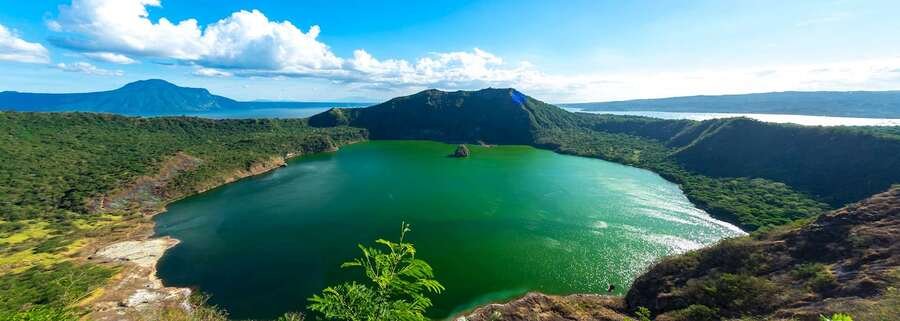
A 4×4 ride crosses wide ash fields before the hike begins. From there, a short walk leads to the bright blue crater lake formed after the 1991 eruption. Today the area offers one of the most striking views in the region. Explore Mount Pinatubo Tours
Mount Pulag
This peak is famous for its “sea of clouds.” Hikers often start before sunrise. When the sun rises, clouds spread below the summit and create an amazing view. Start your amazing journey to Mount Pulag.
Banaue and Batad Rice Terraces
These UNESCO sites show old farming traditions. The terraces were carved into the mountains by hand long ago. So, today visitors hike through small villages and enjoy wide valley views. Visit the Tour.
Off-Road Adventure
ATV Trails
ATV rides are popular near Manila and around Mount Mayon in the Bicol region. Riders follow forest paths and ash trails. Because of this terrain, the ride feels both fun and scenic. Mayon Volcano Adventure – Bicol Region
Sand Dunes 4×4
The Paoay and La Paz dunes in Ilocos Norte offer fast off-road rides. Visitors also try sandboarding on the rolling hills. The open land makes the ride feel even more exciting. More info for: Sunset Sandboarding at La Paz Dunes Tour

Cultural and Historic Exploration
Vigan City
This preserved Spanish colonial town is perfect for walking tours. Visitors stroll along cobblestone streets lined with old houses. Many also enjoy rides in horse-drawn kalesas. Do a 3-day tour with sand dunes.
Intramuros, Manila
This old walled city shares stories from the colonial past. Travelers often explore it on bamboo bikes called Bambikes. Along the way they pass forts, churches, and quiet courtyards. Best Intramuros Tickets & Tours.
Family and Wildlife Attractions
Enchanted Kingdom (Laguna)
This theme park offers roller coasters, rides, and family fun. Because it sits near Manila, it works well for an easy day trip. Enchanted Kingdom Packages
Zoobic Safari (Subic Bay)
This wildlife park lets visitors see animals up close during guided drives. Tigers, crocodiles, and other animals live in large protected areas. The tour is exciting and fun for families. Get Zoobic Safari Tickets here.
Local Food and Beachside Dining
Food here is known for fresh ingredients, bold flavors, and strong regional pride. Many travelers drive from Manila to the coast, so meals often happen during scenic stopovers or at small seaside eateries.
Iconic Beachside Eats
These dishes are common at beach huts and simple seaside cafés.
Kinilaw (Filipino Ceviche)
Fresh raw fish, often tuna or tanigue, is mixed with vinegar, calamansi, ginger, onions, and chili. The vinegar “cooks” the fish and creates a bright, refreshing flavor. It is a perfect snack after swimming or surfing.
Grilled Seafood (Dampa Style)
Many beach areas have small seafood markets. Visitors buy fresh prawns, squid, or fish, and nearby stalls grill the catch to order. The result is simple, smoky seafood served just steps from the water.
Kamayan / Boodle Fight
This traditional meal is served on banana leaves. Rice, grilled meats, salted eggs, vegetables, and mangoes are spread across the table. Everyone eats with their hands, which makes it a fun and social dining experience for groups.
Local Drinks and Sweet Treats
After a day at the beach, many travelers enjoy cool drinks and classic Filipino desserts. So, these favorites appear at beach cafés, roadside stands, and small local markets.
Halo-Halo
This famous Filipino dessert mixes shaved ice, evaporated milk, and a colorful blend of toppings. Ube jam, leche flan, sweet beans, jellies, and tropical fruit create a sweet and refreshing treat.
Fresh Buko (Coconut Water)
Nothing feels more tropical than drinking fresh coconut water straight from the shell. Vendors often chop open chilled coconuts right on the beach.
Barako Coffee
Visitors in Batangas often try this bold local coffee. It has a strong aroma and rich flavor, which makes it perfect for sunrise by the sea.
Lambanog
This strong coconut spirit comes from Quezon and Laguna. It is sometimes flavored with fruits such as calamansi or prune. Locals often share it during evening beach gatherings.
Pro Tip: Don’t miss fresh calamansi juice. This small citrus fruit, similar to a lime, is a favorite local drink. Its bright flavor is perfect after a long day of sun, salt, and sand.
Street Food to Try During a Beach Walk
Many beaches also have vendors walking along the sand with small snacks. These quick bites are popular with both locals and travelers.
Taho
A warm cup of soft tofu topped with brown sugar syrup and chewy sago pearls. It is usually sold in the morning and makes a simple, and also comforting snack.
Banana Cue
Saba bananas are deep-fried and coated in caramelized brown sugar. They are served on skewers and taste sweet and crisp.
Isaw
Grilled chicken or pork intestines cooked over charcoal. This classic street food is often enjoyed with vinegar dipping sauce and pairs well with cold drinks at sunset.

Important Travel Tips to Know Before You Go
Travel across the island often takes longer than many visitors expect. While major airports such as Manila (NAIA) and Clark (CRK) serve international flights, most beach destinations require travel by bus, van, or ferry.
Transportation Reality
Long road trips are common when visiting northern beach areas or mountain towns. Bus rides to places like Banaue or Pagudpud can take eight to twelve hours. In addition, buses often run strong air conditioning, so bringing a sweater or light jacket helps make the ride more comfortable.
Cash Is Still Important
Many small towns and beach areas do not widely accept credit cards. Travelers should carry enough local currency for restaurants, transportation, and small shops.
ATM Availability
ATMs exist in larger towns, but machines in remote beach areas sometimes run out of cash. Some also do not accept international cards. Because of this, it is wise to withdraw money before leaving major cities.
Smart Packing Tips for Beach Trips
A few small items can make beach travel easier and more comfortable. These simple essentials help protect your gear and keep day trips stress-free.
Dry Bags
These are very useful for island hopping. They protect phones, cameras, and other electronics from salt water and splashes.
Reef-Safe Sunscreen
Some marine areas discourage or ban regular sunscreen because it harms coral reefs. Reef-safe options help protect both your skin and the ocean.
Water Shoes (Aqua Shoes)
Some beaches have rocky or coral-covered entry points. Lightweight water shoes protect your feet while swimming or snorkeling.
Offline Maps
Cell service can be weak in remote coves or mountain areas. Download maps on Google Maps before leaving larger towns.
Local Customs and Travel Safety Tips
A few local customs and practical tips can make travel smoother and more enjoyable. So, understanding these small details helps visitors avoid common surprises.
Flexible Schedules (“Filipino Time”)
Transportation schedules can be flexible. Ferries and buses may leave later than planned. Because of this, it’s wise to allow extra time between transfers.
Environmental Responsibility
Many coastal areas protect their natural environment. Visitors should follow “Leave No Trace” practices. In some places, such as beaches in Pangasinan, taking shells or sand is not allowed.
Health and Drinking Water
Tap water is not usually recommended for visitors. Instead, drink bottled or filtered water during your trip.
A Surprising Beach Story
One of the most unusual coastal spots in the region is Anawangin Cove in Zambales. Unlike most beaches, which form slowly over time, this cove appeared very quickly. In 1991, the eruption of Mount Pinatubo sent volcanic ash down nearby slopes. As a result, the ash settled along the shore and created a new stretch of sand.
Then over time, tall Agoho trees began to grow across the gray shoreline. Because of this growth, the landscape now looks much older than it really is.
Today the cove is a favorite place for campers and photographers. In addition, the mix of ash sand, pine-like trees, and calm water creates a scene that feels almost otherworldly. So, for many visitors, the contrast is striking. In the end, it serves as a reminder of how quickly nature can reshape a coastline.
Popular Things to Do on Luzon Beaches
The classics—swimming, sunbathing, and building sandcastles—never go out of style. At the same time, the coast invites travelers to try new adventures. From surfing lessons to waterfall hikes, there is always something fun to add to a beach day.
Surfing and Skimboarding
Surf schools in Baler and La Union offer rentals and lessons for every level. In addition, the waves are gentle enough for beginners. At the same time, they remain exciting for experienced surfers.
Island Hopping
Hundred Islands, Caramoan, and Calaguas are well known for boat trips. Moreover, island hopping reveals hidden beaches and bright snorkeling spots. As a result, each island feels like a new discovery.
Snorkeling and Diving
Pundaquit in Zambales and reefs near Batangas feature colorful corals and schools of fish. In some areas, visitors may even spot sea turtles. Because of this marine life, bringing an underwater camera is a great idea.
Beach Camping
Several beaches allow tents right beside the water for a small fee. For example, Calaguas and Anawangin are popular spots for bonfires and stargazing. As a result, many travelers enjoy long evenings by the sea.
Kayaking and Paddleboarding
Many resorts offer gear rentals for calm mornings on the water. So, you can paddle to nearby coves or simply enjoy the shoreline from a different view.
Waterfall Side Trips
Some coastal regions also have waterfalls nearby. Pangasinan and Zambales both offer cascades within reach of the shore. After a long day at the beach, a cool waterfall swim feels refreshing. In the end, it’s a great way to finish a day by the sea.
Final Thoughts on Exploring These Shores
This island offers one of the most diverse coastal experiences in the Philippines. Travelers can relax on quiet white-sand beaches, surf rolling waves, or also explore hidden coves far from busy resorts. At the same time, mountain landscapes, island adventures, and vibrant local culture add even more to the journey.
Food, friendly communities, and also breathtaking scenery make every trip memorable. Whether you plan a quick weekend escape or a longer coastal road trip, the region offers endless places to explore.
Pack light, bring your sense of adventure, and take time to enjoy the slower rhythm of beach life. The perfect stretch of sand may be closer than you think.

FAQs: Luzon Travel Guide
What is Luzon best known for?
Luzon is best known for its beaches, mountains, and historic cities. In fact, it is also home to Manila, the country’s capital. Moreover, many of the Philippines’ most famous destinations are found here.
How many days should you spend in Luzon?
Most travelers stay between 5 and 10 days. This allows time for beaches, culture, and day trips. Also, longer visits give you the chance to explore hidden coves and mountain escapes.
Is Luzon expensive to visit?
Costs vary, but Luzon is not as expensive as many expect. You can find budget hostels, mid-range hotels, and luxury resorts. So there is an option for every style of traveler.
When is the best time to visit Luzon?
The dry season runs from November to May and is the best time to visit. During these months, the weather is sunny, the seas are calm, and the beaches look their best. On the other hand, the rainy season offers fewer crowds and lush scenery.
Can you swim at Luzon’s beaches?
Yes, swimming is popular and safe at many beaches. Still, always check local conditions, since surf spots can bring stronger waves.
Do you need a car in Luzon?
Not always. Buses, vans, and ferries connect most towns. Also, ride-hailing apps are common in larger cities. Finally, renting a car can be useful if you want to explore remote coves on your own.




Luzon sounds incredible because it seems to have a little bit of everything, from famous surf beaches to quiet hidden coves. I really liked the mention of places like Calaguas and Jomalig because those are not as commonly talked about as some of the bigger island destinations. If someone was visiting Luzon for the first time, would you suggest focusing on one beach region or trying to combine a few different areas in one trip?
For a first trip, I would usually recommend focusing on one main beach region and enjoying it well rather than trying to cover too many areas at once. Luzon is so large that travel between destinations can take more time than many visitors expect. Choosing one area, whether that is the surf coast of La Union and Baler or the quieter beach escapes in places like Zambales or Camarines Norte, makes the trip feel more relaxing and enjoyable. That slower approach also gives you more time to appreciate the beaches, local food, and atmosphere instead of constantly moving around.
Terrific, Leahrae! Your guide to Luzon’s top beach destinations highlights the region’s diverse coastal beauty. I’m curious, though how do you recommend balancing the need for daily content with the risk of burnout, especially for solo creators? Are there any tips or tools you suggest to streamline the content creation process while maintaining quality and engagement?
Thank you so much for your kind words! Luzon truly is one of the most beautiful places in the Philippines, with its mix of hidden coves, white-sand beaches, and vibrant coastal towns — so I wanted to capture that in the guide. As for your questions, balancing daily content creation with avoiding burnout can definitely be tricky, especially for solo creators. One strategy I’ve found helpful is batching content — setting aside time to write multiple posts, create social media pins, or edit photos in one sitting, so you’re not starting from scratch every day. Using scheduling tools like Tailwind for Pinterest or WordPress plugins also helps keep things running smoothly while freeing up time. And, most importantly, focusing on quality over quantity ensures your posts — whether about Luzon beaches or other travel spots — stay engaging and SEO-friendly without stretching yourself too thin. Do you usually prefer to plan content weeks in advance, or do you like to create more spontaneously depending on inspiration?
This guide is very helpful for people traveling with family. Kudos for explaining which beaches are calmer and safer. Pagudpud sounds like the best option for kids and parents. I can picture my children enjoying the beach and also seeing the big windmills. The food tips were also useful. Food is always a big part of any trip. With these ideas, it is easier to plan meals.
I’m so glad you enjoyed the guide! You’re absolutely right—Pagudpud is wonderful for families, and the windmills make it extra special for kids. I agree that food is such a big part of the travel experience, and Luzon really delivers with its fresh seafood and local dishes. I’m happy the meal tips helped make planning easier—having those details ahead of time really does make family trips smoother and more fun.
Even though I’ve never been to Luzon, your article really painted a vivid picture of its beaches and Filipino culture. I like how you highlighted both popular spots like Pagudpud and hidden gems like Calaguas Island—it’s great for travelers with different styles. I also appreciate that you mentioned activities for those who enjoy both adventure and relaxation, making it easy to see how Luzon can appeal to a wide range of visitors. I’m curious—if someone only had a week in Luzon, which beach destination would you recommend they prioritize?
I truly appreciate your kind words! I’m thrilled that the guide painted such a vivid picture of Luzon’s beauty and culture—capturing both well-known destinations like Pagudpud and less-traveled gems like Calaguas. Highlighting that balance and offering a mix of adventure and relaxation was very much the intention.
If someone has just one week in Luzon, my top recommendation would be to make Anawangin Cove your priority. Its volcanic ash-tinged sands, swaying Agoho trees, and otherworldly charm create one of the most magical beach escapes on the island. It’s accessible yet remote enough to feel like you’re tapping into something special—perfect for a memorable, off-the-grid experience after settling into Luzon’s pulse.
This guide really sells Luzon as more than just a beach destination—it feels like a full cultural and adventure experience wrapped in one. I like how you didn’t just list the beaches, but also layered in history (like the Mount Pinatubo volcanic ash shaping Anawangin Cove), practical travel tips, and food recommendations that make the reader want to plan an entire trip, not just a day by the shore.
The mix of well-known spots like Pagudpud and Baler with quieter gems like Calaguas gives travelers a clear choice between convenience and discovery. Plus, the “Popular Things to Do” section makes it obvious that Luzon is as much about activities and community as it is about scenery.
If I had to add anything, maybe a “perfect 3-day Luzon beach itinerary” would tie it all together for first-time visitors who want the highlights without the overwhelm.
When you explore Luzon, do you prefer staying in one area and diving deep into the local vibe, or hopping between different beaches and towns to get that mix of variety?
Thank you for such a thoughtful and encouraging comment! I’m so glad the guide came across as more than just a list of beaches—Luzon really does offer a rich blend of culture, history, adventure, and natural beauty. Including both well-known and more hidden gems was intentional, because I love giving travelers the chance to choose between easy access and off-the-beaten-path exploration.
To your question—I usually like to hop between a few beaches and towns rather than stay in one place the whole time. Luzon’s diversity is one of its greatest strengths, and moving around lets you experience everything from bustling surf towns to quiet, untouched coves. That said, for travelers who prefer a slower pace, basing yourself in one area and taking day trips can still give you a rich and memorable experience.
What an amazing and detailed guide to Luzon’s beaches! I love how you highlighted both the popular spots and hidden gems like Anawangin Cove and Calaguas Islands. The mix of activities from surfing to beach camping really shows how versatile Luzon is for all kinds of travelers. I’m curious, for someone visiting Luzon for the first time but wanting to avoid crowds, which beach or area would you recommend as the best peaceful retreat?
Thank you—so glad the mix of highlights and hidden coves resonated! For a first visit that stays peaceful, my top pick is Calaguas (Mahabang Buhangin) for powdery white sand, clear water, and minimal development—go on a weekday, stay overnight, and you’ll often have long, quiet stretches to yourself. If you’d like something easier from Manila, choose Nagsasa or Silanguin Cove in Zambales; they’re quieter than Anawangin, framed by agoho pines and mountains, with simple beach camps and calm sunsets. A third serene option is Cagbalete Island (Quezon) for wide sandflats, glassy shallows, and small rustic stays.
Crowd-dodging tips: travel Tuesday–Thursday, avoid holidays, book the first boat out, and linger after day-trippers leave. Best seasons vary—Calaguas shines March–May; Zambales is lovely November–May; Cagbalete is at its calmest February–May. Pack cash, reef-safe sunscreen, a dry bag, and expect limited signal. If you share your travel month and starting point, I can suggest the smoothest route and a low-key place to stay.