

Kitesurfing is one of the most exciting water sports in the world. This best kitesurfing guide covers everything you need, from essential gear to riding tips. In addition, you’ll find the best global spots where wind and waves combine for amazing fun on the water.
Start your journey with the best kitesurfing guide and learn why this sport is so addictive. Kitesurfing blends the power of the wind with the thrill of surfing. It delivers balance, freedom, and pure adrenaline. Most importantly, anyone can master it with the right gear and steady practice.
This guide gives beginners a clear path into the sport. In fact, you’ll discover how kitesurfing works, what gear to choose, and how to start safely. Moreover, you’ll pick up training tips, step-by-step practice advice, and key skills that speed up your progress. In addition, kitesurfing has evolved into a safe and welcoming activity for all ages.
👉 So, whether you dream of cruising turquoise lagoons or soaring high above the waves, kitesurfing can turn that dream into reality.
What Is Kitesurfing?
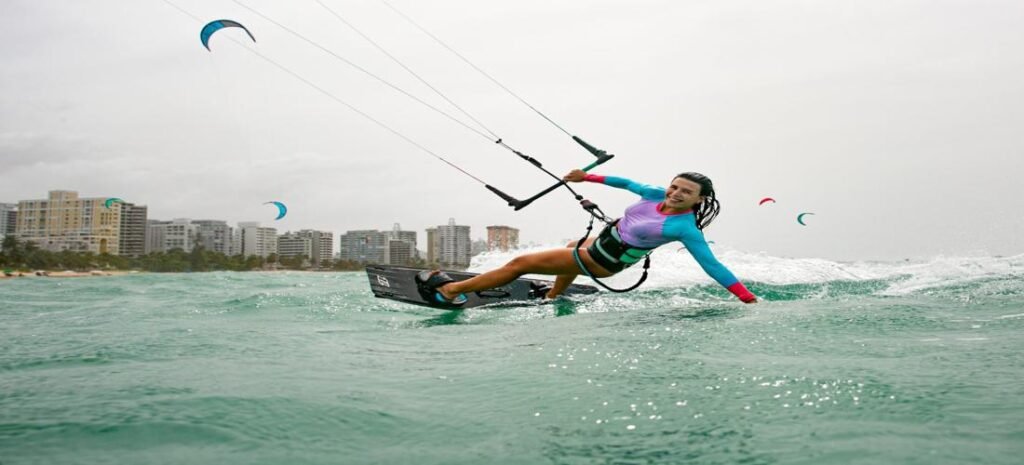
Kitesurfing is a water sport that uses a large kite to harness the wind and a board to glide across the water. Unlike surfing, you don’t rely on waves—you rely on wind power. This makes it possible to ride on calm seas, lagoons, or even big ocean swells.
In simple terms, kitesurfing combines elements of surfing, wakeboarding, and even paragliding. Riders use a kite to generate lift and speed, then steer with a control bar while balancing on the board. The result is a unique mix of adrenaline and freedom.
Moreover, kitesurfing is no longer just an extreme sport. Safer gear and better training methods have made it accessible to almost anyone who wants to learn. Whether you’re looking for fun on vacation or a lifelong sport, kitesurfing offers a challenge with endless rewards.
How Do You Learn to Kitesurf?
Learning to kitesurf may look intimidating, but it’s easier than most people think. With proper steps, safe gear, and some practice, you can be riding the waves in just a few days. Here’s a clear path to get started:
Step 1: Learn to Fly a Trainer Kite
A trainer kite is small, stable, and easy to control. It teaches you how the wind window and power zone work. Moreover, mastering this step on land will save you both time and money during lessons.
Step 2: Practice Other Board Sports
Sports like wakeboarding, snowboarding, or skateboarding help build balance and board control. As a result, you’ll focus on flying the kite instead of worrying about staying upright.
Step 3: Watch Instructional Videos
Online tutorials and training series are valuable tools. They break down techniques visually, so you understand what to expect before lessons. In addition, they can be used as refreshers after your first sessions.
Step 4: Take Lessons From a Qualified Instructor
Professional lessons are the fastest and safest way to progress. Typically, a three-day course will get most people riding with confidence. Plus, instructors teach safety drills you won’t learn on your own.
Step 5: Buy Gear for Your Level and Conditions
Start with second-hand or school gear until you know what suits you best. After lessons, ask your instructor about reliable equipment for your skill level. That way, you’ll save money and avoid costly mistakes.
Learning Stages of Kitesurfing
Once you’ve flown a trainer kite and taken lessons, it’s time to progress step by step on the water. Each stage builds confidence and skill while keeping you safe.
Introduction & Equipment Setup
You’ll begin by learning how to rig your kite, attach the control bar, and adjust your harness. Instructors emphasize safety checks, like keeping lines free of tangles and ensuring your harness fits correctly.
Beach Piloting and Safety Precautions
Before hitting the water, you’ll practice piloting your kite on the beach. This stage teaches you how to launch, land, and steer safely. Moreover, you’ll learn how to keep distance from others and recognize safe wind conditions.
Kite Control & Body Dragging
Once comfortable, you’ll move into shallow water. By flying the kite through the power zone, you’ll generate enough pull to drag yourself along. This step builds strength and confidence for board starts.
Water Relaunch & Self-Rescue
Falling happens often, so relaunching your kite is a critical skill. You’ll practice bringing it back into the air from the water. In addition, you’ll learn self-rescue techniques that use your kite as flotation and help you return to shore safely.
Water Start & First Board Ride
Now the real fun begins. With the kite overhead, you’ll place the board under your feet and attempt your first water starts. Even short rides feel thrilling, and progress comes quickly with repetition.
Riding & Staying Upwind
As you advance, you’ll learn to ride longer distances and maintain control. Riding upwind allows you to return to your starting point instead of drifting down the beach. Moreover, this skill opens the door to tricks, jumps, and exploring new spots.
Kitesurfing Gear Essentials
Before hitting the water, you’ll need the right equipment. The basics are simple, and each piece of gear plays an important role in safety and performance. Thus having the right setup makes learning faster and more enjoyable. As a result, beginners gain confidence more quickly and progress with ease. Here’s what every kitesurfer should have:
- Trainer Kite – Small and stable, perfect for learning wind control. Start here before taking full lessons. Try the Sling Shot Slingshot B3 Light Traction Trainer Kite
- Kite and Control Bar – The main setup that powers your ride. Modern kites are safer and easier to relaunch. Try the Prism Kite Technology Tantrum 220 Dual-line Parafoil Kite with Control Bar
- Kiteboard – A board designed for riding the water, available in twin-tip, surf, or foil styles. Visit the Kitty Hawk website to find the perfect kiteboard for you.
- Harness – Worn around your waist or hips, it connects you to the kite and reduces arm strain. Dakine Harnesses are a trusted choice for comfort and durability.
- Wetsuit – Keeps you warm, comfortable, and protected from the elements. Find a good men’s/women’s wetsuit here
- Helmet and Impact Vest – Essential for safety, offering head protection and extra flotation. (Get a great Helmet here, and an Impact Vest here
- Water Shoes – Provide grip and protect feet from sharp shells or reefs. Grab a pair of women’s or men’s Water Shoes here
- Safety Leash – Connects you to the kite so you don’t lose it in a wipeout. A must for all levels. Grab a safety leash here
👉 In addition, ask your school or instructor about second-hand gear. Finally, remember that quality equipment not only keeps you safe but also makes every session more enjoyable. For official rules, safety standards, and global updates, visit the International Kiteboarding Association.
Additional Must-Haves for the Perfect Beach Day
- Reef-Safe Sunscreen (SPF 30+) — Broad-spectrum, water-resistant, and safe for marine life. Shop reef-safe sunscreen
- Wide-Brim Hat + Sunglasses — Extra shade and UV protection for your eyes and face. See beach hats & polarized sunnies
- Quick-Dry, Sand-Free Towel — Packs small, dries fast, and shakes clean. Find sand-free towels
- Insulated Water Bottle / Soft Cooler — Stay hydrated and keep snacks cold. Browse coolers & bottles
- Waterproof Phone Pouch / Dry Bag — Protects your phone and valuables from splashes and sand. Get a waterproof phone pouch or dry bag
- UPF Rash Guard or Cover-Up — Lightweight sun protection you’ll actually wear. Explore UPF apparel
- Portable Shade (Umbrella or Sunshade) — Extra coverage when midday rays get intense. Compare beach umbrellas
- Collapsible Beach Wagon — Haul chairs, towels, and a cooler with ease. Check beach wagons
- Mini First-Aid Kit + SPF Lip Balm — Small add-ons that prevent big headaches. See compact first aid kits & SPF lip balm
- Power Bank — Keep phones and action cams charged all day. Shop power banks
Best Kitesurfing Destinations in the World
Kitesurfing has grown into a global sport, and some locations stand out for their wind, waves, and natural beauty. Whether you’re chasing calm lagoons or thrilling surf, these destinations promise unforgettable sessions.
Tarifa, Spain
Often called the “wind capital of Europe,” Tarifa offers strong, steady winds nearly year-round. In addition, its long beaches provide plenty of space for both beginners and advanced riders. 👉 Start planning your trip with the Best Tarifa Spain Guide
Maui, Hawaii, USA
Maui’s north shore is legendary for water sports. Spots like Kanaha Beach Park give beginners calm conditions, while Hookipa offers waves that challenge even experts. Moreover, the island’s tropical beauty makes every ride spectacular. 👉 Learn more in the Maui Travel Guide.
Cape Town, South Africa
Cape Town combines stunning scenery with powerful winds during its summer season. Beginners stick to Langebaan Lagoon, while advanced riders tackle the famous waves of Bloubergstrand. As a result, it’s one of the most versatile kite hubs in the world. 👉 Discover more in the Cape Town Travel Guide.
Cabarete, Dominican Republic
This Caribbean gem is perfect for kitesurfing, with warm water and steady trade winds. In addition, Cabarete’s lively beach town offers lessons, rentals, and a fun social scene after your sessions. 👉 Explore the Best Beaches in the Dominican Republic Guide.
Boracay, Philippines
Boracay is known for White Beach, but Bulabog Beach is the true kitesurfing hotspot. Its shallow lagoon and steady winds are ideal for beginners. Moreover, the island vibe makes it a top winter escape. 👉 Get inspired with the Boracay Travel Guide.
6. Red Sea, Egypt
Shallow lagoons, warm water, and reliable winds make the Red Sea a paradise for kitesurfers. Spots like El Gouna and Soma Bay offer wide sandy beaches and beginner-friendly conditions. In addition, the region is affordable, making it a budget-friendly choice. 👉 Read more in the Marsa Alam Egypt Travel Guide.
Conclusion: Ride the Wind, Embrace the Waves
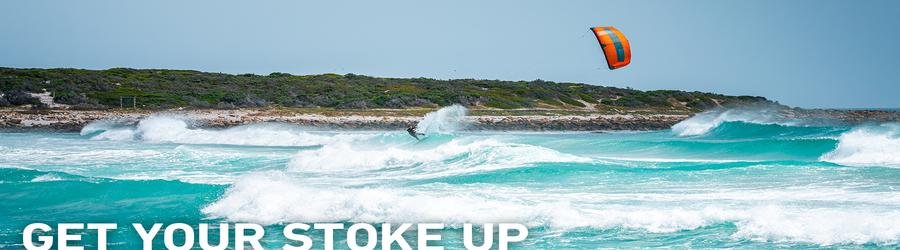
Kitesurfing is more than a sport—it’s a lifestyle. It combines wind, water, and skill into an adventure that feels both challenging and freeing. Moreover, it’s easier to learn today than ever before thanks to safer gear and better training.
In fact, with the right steps, most beginners can start riding within just a few days. As a result, kitesurfing has become one of the fastest-growing water sports in the world. Finally, whether you seek adrenaline or a new beach hobby, this sport guarantees fun, fitness, and unforgettable memories.
FAQs About Kitesurfing
Is kitesurfing safe for beginners?
Yes. Modern equipment includes safety systems that make learning much safer than it was in the past. Taking lessons from a qualified instructor is still the best way to learn proper techniques and safety procedures.
How long does it take to learn kitesurfing?
Most people can begin riding short distances after three to five days of lessons. Progress depends on wind conditions, practice time, and previous experience with board sports.
Do I need to be very strong to kitesurf?
No. The harness supports most of the kite’s pull, so balance and technique are more important than strength. People of many ages and fitness levels can learn the sport.
What are the best conditions for beginners?
Flat water, steady winds, and wide sandy beaches are ideal for learning. Many beginners start in shallow lagoons because the calmer conditions make practicing easier.
Can children learn to kitesurf?
Yes. Many schools offer lessons for younger riders, although minimum age requirements vary by location and instructor. Proper supervision and age-appropriate equipment are important.
Is kitesurfing harder than surfing?
Most beginners find kite control to be the biggest challenge at first. Once the basics are learned, many people progress more quickly than they expected.
What equipment do beginners need?
A kite, control bar, board, harness, helmet, and impact vest are the main pieces of equipment. Many new riders rent gear or use school equipment before purchasing their own setup.
Where are the best places to learn?
Locations with steady wind, shallow water, and sandy beaches are usually best. Popular beginner destinations include Tarifa, Cabarete, Boracay, and several spots along the Red Sea.
Related Posts
 Top 10 Best Snorkeling Spots in the World
 The Ultimate Guide to the Best Snorkeling Gear
 The Best Kayaks for Beach Adventures You’ll Absolutely Love
 The Best Jet Ski Water Sports for an Amazing Adventure
 Your Ultimate Guide to the Best Stand-Up Paddleboarding Adventures
 Flowrider Surfing – The Thrilling New Type of Wave Experience
I’ve always thought kitesurfing looked incredibly difficult, but this guide makes the learning process seem much more approachable. How many lessons do most beginners usually need before they can ride on their own? Also, is there a certain wind speed that is best for learning?
Most beginners can start riding short distances after about three to five days of lessons, although everyone progresses at a different pace. For learning, steady winds between 12 and 20 knots are usually ideal because they provide enough power without becoming overwhelming. Working with a qualified instructor also helps new riders build confidence much faster while learning important safety skills.
Wow, I had no idea kitesurfing could be learned so quickly! I always thought it was only for super athletic people. This guide really makes it sound fun and approachable. I love that you mentioned it’s safe for beginners too — that definitely boosts my confidence!
I’m so glad you found it encouraging! Kitesurfing looks intense, but once you learn the basics, it’s really about technique — not strength. Most people are surprised at how quickly they progress with the right instructor and gear. Plus, the feeling of gliding across turquoise water is pure freedom! If you ever decide to try it, start with a trainer kite first — it makes learning so much easier.