
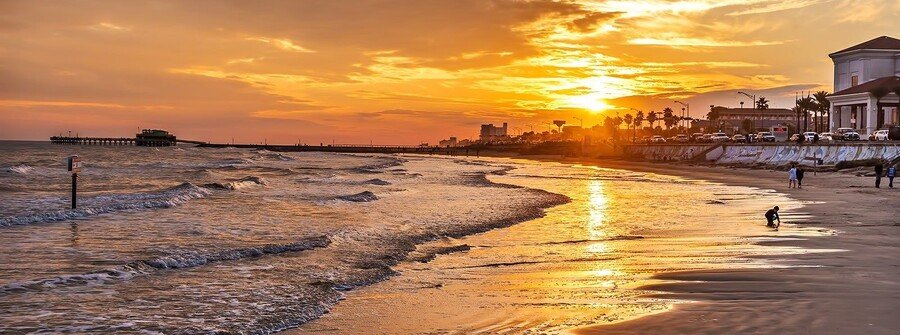
Texas beaches stretch along the Gulf Coast, offering everything from lively resort towns to quiet natural shorelines. From South Padre Island to Galveston, each beach community has its own vibe, scenery, and attractions. This guide covers the best Texas beaches to help you plan the perfect coastal getaway.
Are you ready for a vacation to explore the beautiful Texas beaches? Texas is a fantastic beach destination along the Gulf Coast. Here, the sand feels soft, the water stays warm, and beach activities never seem to slow down.
For example, you can visit South Padre Island, Port Aransas, Galveston Island, the Houston Bay area, or the coastal towns near Beaumont and Port Arthur. Each location offers a slightly different vibe. Some are lively resort spots, while others feel quiet and relaxed.
In addition, Texas beaches offer more than just sun and swimming. You can enjoy surfing, boating, kayaking, fishing, and birdwatching throughout the year. Because of this variety, the Texas Gulf Coast makes an easy and affordable beach getaway you will not want to miss.
Best of all, this coastal region delivers an affordable beach getaway you definitely won’t want to miss. Visit on Pinterest here.
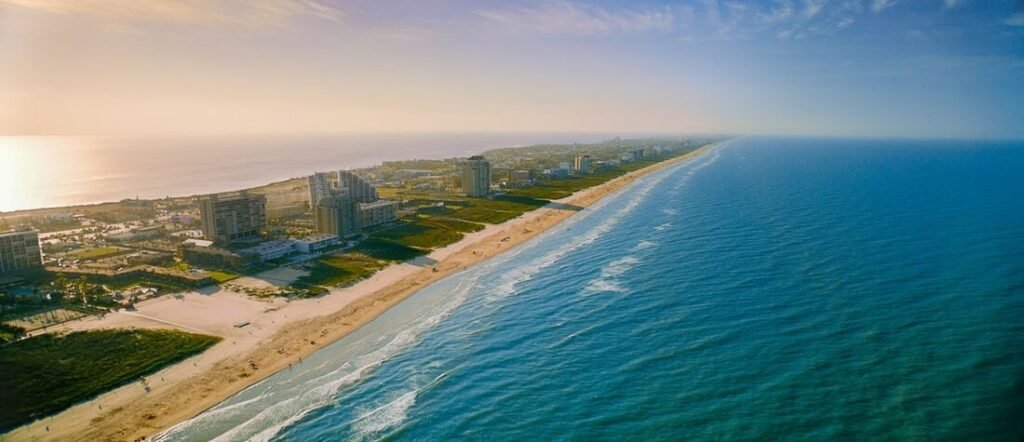
Weather and Best Time to Visit Texas Beaches
Texas beaches enjoy warm Gulf Coast weather most of the year. Because of this, beach trips are possible in every season. However, the best time to visit usually falls between March and May and again from October to early November. During these months, temperatures feel comfortable, crowds are lighter, and humidity stays more manageable.
Spring typically brings daytime highs between 75°F and 85°F (24–29°C). The water also begins warming up, which makes swimming and beach walks especially pleasant. Fall offers similar conditions, often with calmer winds and beautiful coastal sunsets.
Summer, on the other hand, gets hot and humid. Expect temperatures from 88°F to 95°F (31–35°C), sometimes higher. Even so, this is peak beach season thanks to warm Gulf water, lively events, and family vacations.
Winter stays surprisingly mild along the Texas coast. Highs usually range from 60°F to 70°F (16–21°C). While swimming can feel cool, this season works well for sightseeing, birdwatching, fishing, and quiet beach escapes.
Hurricane season runs from June through November, with the highest risk from August to October. Storms do not happen every year, but checking forecasts and travel insurance options is always wise during this period. Fortunately, coastal communities are well prepared, and most visits remain smooth and enjoyable.
Overall, Texas beaches offer year-round coastal charm. Choosing spring or fall simply gives you the sweet spot of great weather, fewer crowds, and comfortable beach conditions.
Why Visit Texas Beaches?
Texas beaches stretch along more than 350 miles of Gulf Coast shoreline, offering warm water, wide sandy beaches, and a relaxed coastal vibe. Because of this variety, visitors can choose lively resort areas or quiet natural escapes. Many travelers also appreciate that Texas beaches often cost less than Florida or Caribbean destinations.
In addition, the coastline supports diverse ecosystems. Some areas feature family-friendly shallow water, while others provide remote wildlife habitats. As a result, the Texas coast appeals to anglers, nature lovers, families, and beach vacation seekers alike.
Unique Coastal Activities
Beyond sunbathing, Texas beaches offer experiences that feel distinctly Gulf Coast.
World-Class Fishing
Fishing remains one of the biggest draws. You can fish year-round from piers, beaches, or charter boats. For example, the Fulton Fishing Pier and Port Aransas charters attract anglers chasing redfish, marlin, and other prized catches.
Wildlife Encounters
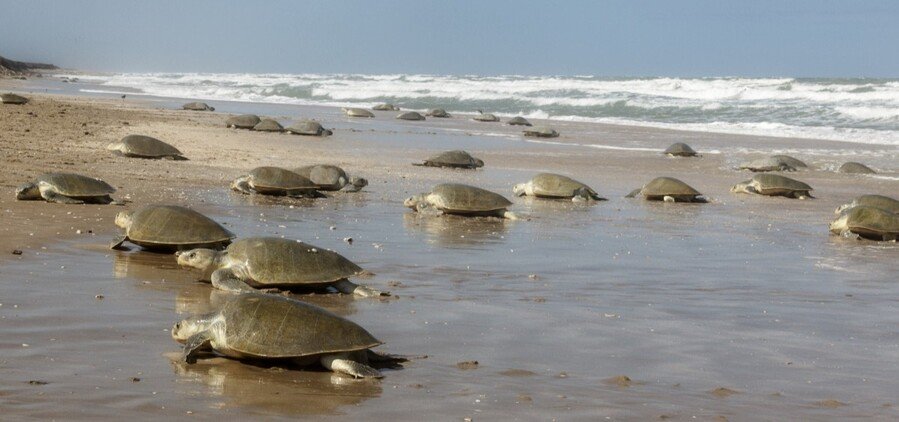
The coast also provides excellent wildlife viewing. During summer, visitors sometimes see sea turtle hatchling releases near Malaquite Beach. Meanwhile, spring and fall migrations bring hundreds of bird species, especially around Padre Island National Seashore.
Sandcastle Culture
Interestingly, Texas sand contains more clay than many other beach destinations. Because of this, it holds shape well and supports large sand sculptures. Events such as Texas SandFest in Port Aransas and Galveston sandcastle competitions highlight this tradition.
Outdoor Adventure
Finally, Texas beaches offer plenty of active options. Visitors can camp near the shore, paddle coastal wetlands, kayak calm bays, or explore nature trails. Mustang Island State Park remains a favorite for camping, paddling routes, and scenic coastal views.
Geographic Breakdown of Texas Beaches
Texas beaches stretch about 350 miles along the Gulf Coast. Because the shoreline is so long, each region offers a different beach experience. Some areas feel lively and social. Others focus more on nature, quiet views, and relaxed beach time.
Upper Coast (Galveston and Nearby Areas)
The Upper Coast sits closest to Houston, so it is easy to reach. Galveston Island anchors this region with historic charm, family attractions, and active beach parks. Nearby spots like the Kemah Boardwalk add dining, entertainment, and waterfront views. These beaches work well for families, quick weekend trips, and first-time Texas beach visitors.
Central Coast (Corpus Christi and Port Aransas)
Farther south, the Central Coast blends beach towns with outdoor adventure. Corpus Christi offers city amenities, museums, and coastal attractions. Port Aransas is widely known as the fishing capital of Texas. Calm water, wildlife viewing, and long sandy beaches make this region popular with both families and anglers.
Lower Coast (South Padre Island)
The Lower Coast feels more tropical. South Padre Island often earns the nickname “Caribbean of Texas” thanks to its warm water and relaxed island vibe. Beaches here are wide and scenic. Visitors come for water sports, dolphin tours, fishing, and laid-back coastal resorts.
South Padre Island
South Padre Island sits at the southern tip of the Texas Gulf Coast. It is one of the most popular Texas beaches. The shoreline is wide, the water stays warm, and the vibe feels lively but relaxed. Visitors come for water sports, dolphin tours, fishing, and beach dining. At the same time, quiet sunrise walks as well as peaceful beach views are easy to find.
Malaquite Beach (Padre Island National Seashore)
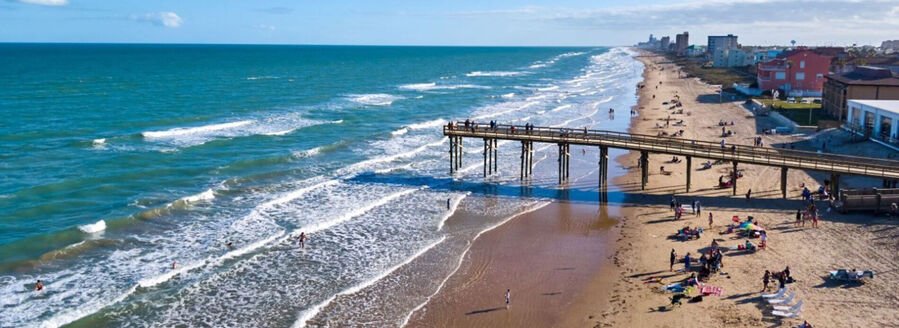
Malaquite Beach offers a quieter Texas beach experience. It sits inside Padre Island National Seashore and feels natural and uncrowded. Because cars are restricted in this area, the beach often stays peaceful. Wildlife viewing is excellent here. Birdwatching, kayaking, and long beach walks are also popular.
Corpus Christi Beaches
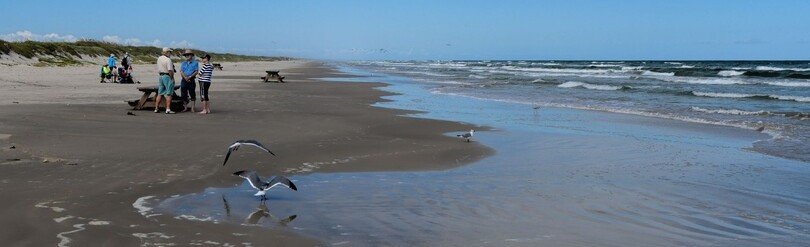
Corpus Christi blends city convenience with easy coastal access. Several Texas beaches sit close to town. Some have calm water that works well for families, while others attract surfers and anglers. Nearby attractions like the Texas State Aquarium and USS Lexington add variety. This makes Corpus Christi a great choice for travelers who want more than just beach time.
North Beach (Corpus Christi)
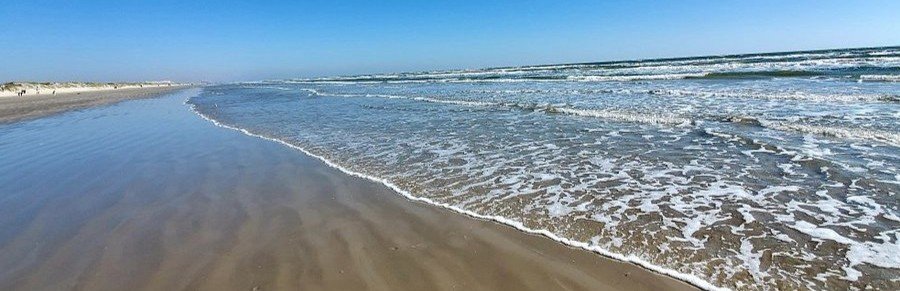
North Beach sits just across the harbor from downtown Corpus Christi. The water here stays calmer because it faces the bay. As a result, families often choose this beach. Restaurants, waterfront views, and nearby attractions add to the appeal. Overall, it offers an easy and relaxed beach stop.

Galveston East Beach
East Beach is one of the liveliest Texas beaches. It sits on the eastern end of Galveston Island. Festivals, concerts, and beach events happen here throughout the year. Because of this energy, it attracts social travelers. Still, the wide shoreline leaves space to relax.

Palm Beach at Moody Gardens
Palm Beach offers a resort-style beach setting. It is part of Moody Gardens in Galveston. Unlike natural Gulf beaches, this area features a lagoon shoreline, white sand, and tropical landscaping. Families often enjoy the splash zones and lounge areas. Nearby attractions make it an easy full-day stop.

Mustang Island
Mustang Island offers classic Texas Gulf Coast scenery. The beaches stretch for miles and feel more relaxed than big resort areas. Visitors can camp near the water, paddle coastal trails, or fish along the shore. Wildlife is common here too. Because of this balance, it works well for both families and outdoor lovers.
Sea Rim State Park
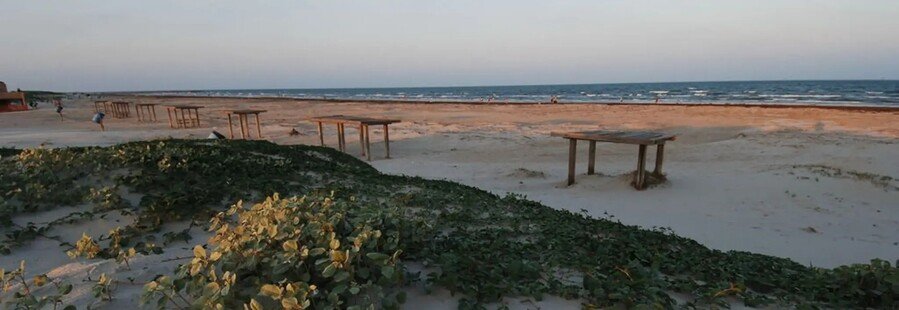
Sea Rim State Park sits in a quieter part of the Texas coast near Port Arthur. Marshlands meet the Gulf shoreline here. This creates excellent wildlife habitat. Birdwatching, kayaking, fishing, and beach walks are all popular. Overall, it’s a great choice for travelers seeking peaceful Texas beaches.
San José Island
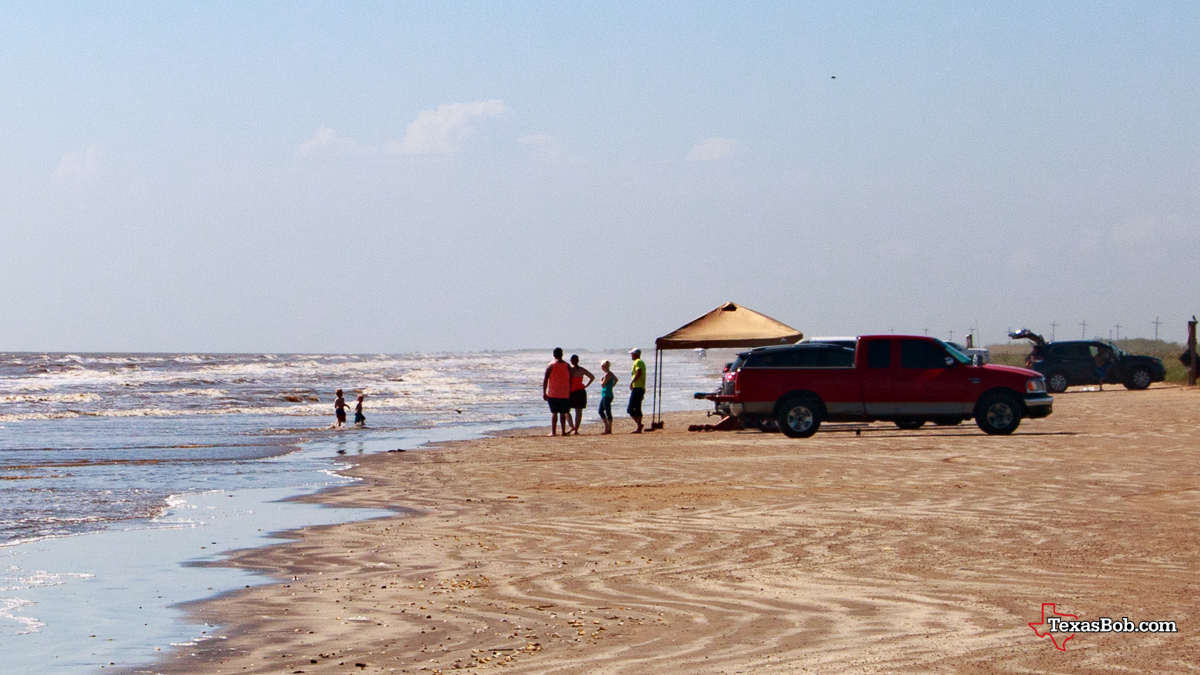
San José Island offers a more secluded beach escape. It sits just offshore from Port Aransas. Vehicle access is limited, so the shoreline stays mostly natural. Shelling, fishing, and wildlife spotting are common here. The short ferry ride also adds a sense of adventure.

Port Aransas Beach
Port Aransas, often called Port A, has a relaxed beach-town vibe. The beaches stretch for miles along the Gulf. Visitors enjoy swimming, surfing, fishing, and beach camping. Local restaurants and shops sit close by. Many travelers return each year for the laid-back vibe.
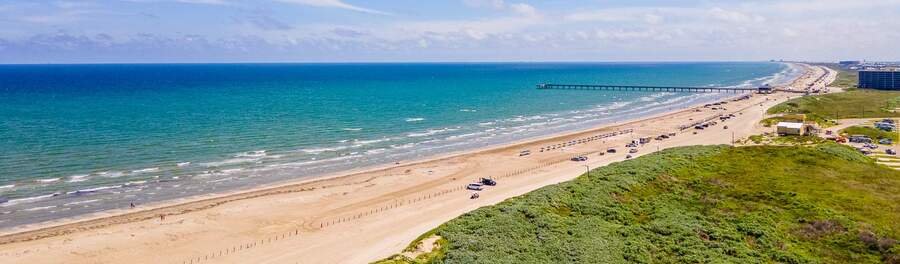
Rockport Beach
Rockport Beach is one of the most family-friendly Texas beaches. The water stays calm and shallow. This makes swimming easier for children. Clean facilities, picnic areas, and scenic views add comfort. Because of this, families often choose Rockport for easy beach days.
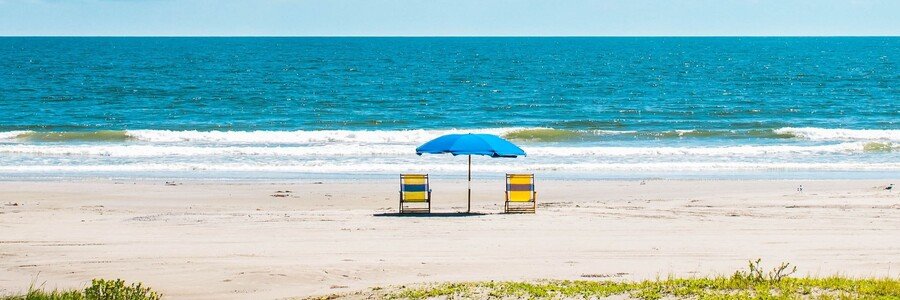
Stewart Beach (Galveston)
Stewart Beach focuses on family fun. It sits on Galveston Island near popular attractions. Lifeguards, rentals, concessions, and play areas make visits easy. The nearby boardwalk adds more to see and do. Because of this, it works especially well for visitors with kids.
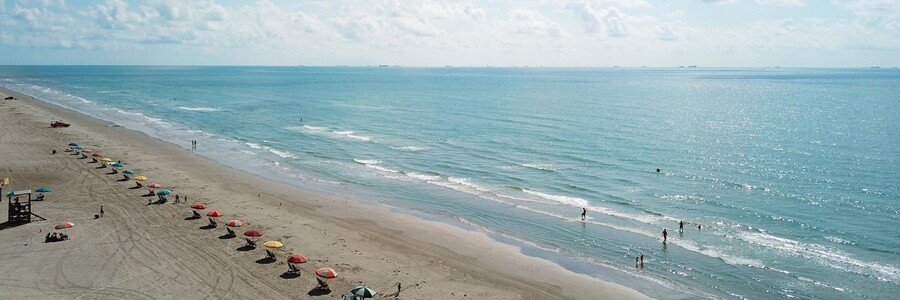
Best Texas Beaches by Interest
Best for Families: Rockport Beach, Texas’ first Blue Wave Beach, has calm and shallow water that works well for kids. Mustang Island State Park also offers space, easy access, and family friendly shoreline conditions.
Best for Nature & Wildlife: Padre Island National Seashore is known for sea turtle hatchling releases and protected coastal habitat. Matagorda Bay Nature Park is a top spot for birdwatching and quiet nature time.
Best for Adventure: Surfside Beach attracts surfers with steady Gulf waves. Laguna Madre is popular for kiteboarding and windsurfing thanks to strong winds and open water.
Best for Solitude: San José Island is privately owned and largely undeveloped. Access is by ferry only, which helps keep the beaches peaceful and uncrowded.
Essential Local Knowledge
Texas Open Beaches Act: Most Texas beaches stay public from the vegetation line down to the water. The Texas General Land Office provides details on access rules and public rights. This helps keep large stretches of coastline open for visitors.
Beach Driving and Parking: Many Texas beaches allow cars on the sand. Some areas require a permit, which you can often buy at nearby convenience stores or local shops. Whitecap Beach is a common example. Always check local signs before driving onto the beach.
Water Quality and Safety: Check Texas Beach Watch for current bacteria levels before swimming. Conditions can change with weather and tides. Seasonal hazards may include rip currents or Portuguese man o’ wars. Paying attention to updates helps keep your beach day safe.
Sand and Safety at Texas Beaches
Texas beaches are beautiful, and a little planning helps you enjoy them more. The Gulf Coast sun can be strong, so sunscreen is important. Choose broad-spectrum protection and reapply it often. A hat, sunglasses, and light cover-ups also help on long beach days.
Water conditions can change fast. Check local updates before swimming, especially for rip currents or bacteria levels. Texas Beach Watch provides current water quality reports.
Some Texas beaches allow driving on the sand. Always follow posted rules and watch for soft spots. Wildlife like jellyfish or Portuguese man o’ wars sometimes appear, so stay aware.
With a few simple precautions, Texas beaches stay safe, relaxing, and fun.
Flavors of Texas
Texas beach trips often come with great food. Fresh Gulf seafood is easy to find, from shrimp tacos to grilled fish plates. Tex-Mex favorites like queso, fajitas, and street tacos also show up on many coastal menus.
Of course, the margarita is part of the experience for many visitors. You will see classic lime versions as well as fruity blends at beach bars and waterfront restaurants. Just remember the Texas sun can be strong, so water between drinks helps.
Local cafés, seafood shacks, and casual beach grills give each coastal town its own flavor. Trying regional dishes often becomes one of the most memorable parts of a Texas beach trip.
Your Perfect Texas Beach Awaits
Texas beaches offer something for every type of traveler. Some feel lively and social, while others focus on nature, quiet views, and wide open shoreline. Families, outdoor lovers, and food fans can all find a spot that fits their style. Add fresh coastal flavors, warm Gulf water, and plenty of sunshine, and it is easy to see the appeal. With a little planning, your Texas beach getaway can be simple, fun, and memorable.
Texas Beaches FAQs
Are Texas beaches public?
Most Texas beaches are public from the vegetation line down to the water. This comes from the Texas Open Beaches Act. Access points and parking rules can vary, so checking local signs helps.
Which Texas beach is best for families?
Rockport Beach is often a top choice because the water stays calm and shallow. Stewart Beach in Galveston is another favorite thanks to lifeguards, rentals, and nearby attractions.
Can you drive on Texas beaches?
Many Texas beaches allow driving on the sand. Some areas require a permit, which you can often buy at local stores or beach offices. Always watch for posted rules and soft sand.
When is the best time to visit Texas beaches?
Spring and fall usually bring the most comfortable weather. Summer is popular but can be hot, while winter stays mild compared with many other U.S. coastlines.
Are Texas beaches safe for swimming?
Most are safe when conditions are good. Checking Texas Beach Watch for water quality and paying attention to rip current warnings helps keep your swim safe.
What should I bring to a Texas beach?
Sunscreen, water, shade, and comfortable footwear are smart basics. The Gulf sun can be strong, so hats and cover-ups help too.
Related Posts
 Discover the Most Beautiful Gulfport Beaches of Mississippi’s Coast
 The Most Beautiful Beaches of Hilton Head Island South Carolina
 Discover the Most Beautiful Gulf Shores Beaches & Towns
 Explore the Most Beautiful Del Norte County California
 Explore the Most Beautiful Humboldt County Beaches
 Discover the Most Beautiful Mendocino County Beaches
This is such a helpful guide to the Texas Gulf Coast beaches, especially with the mix of lively spots like South Padre Island and quieter places like Mustang Island and Sea Rim State Park. One quick heads-up though, several of the photos on the post look broken or aren’t loading properly on my end, so you may want to check the image links because the visuals would really elevate an already great beach roundup.
Thank you for letting me know about the broken images, I really appreciate the heads-up. I’ll review the media links and fix those photos so everything displays correctly, since the beach visuals definitely help bring the guide to life.
Texas beaches seem a lot more diverse than I expected. If someone is visiting for the first time, which beaches are best for a relaxed, family-friendly trip rather than a party scene? Also, are there good options for nature lovers who want quieter beaches and wildlife viewing?
Texas offers a wide range of beach experiences, so first-time visitors have plenty of choices. For families and relaxed trips, beaches like Rockport Beach, Port Aransas Beach, and North Beach in Corpus Christi are great options because they have calm waters, good facilities, and a laid-back atmosphere. Nature lovers often enjoy Malaquite Beach at Padre Island National Seashore, Sea Rim State Park, and Mustang Island, where wildlife viewing, beach combing, and peaceful surroundings are a big part of the experience. This variety makes the Texas Gulf Coast a flexible destination that works well for many travel styles.
Pingback: Bekka j
That’s such a great question — and you’re right, Texas really surprises people with how gorgeous its beaches are! For the best all-around experience, I’d suggest South Padre Island. It has everything — wide, soft beaches, fun beach bars, dolphin-watching tours, and plenty of water sports. Plus, the sunsets there are absolutely stunning. If you prefer something quieter, Mustang Island is perfect for a laid-back vibe with great beach walks and easy access to Port Aransas restaurants. Either way, you’ll find that Texas beaches have their own special charm!
Pingback: Arnold S
So glad you enjoyed the guide — a Texas beach road trip is such a great idea! For first-time visitors, it really depends on what kind of vibe you’re after. South Padre Island is perfect if you want wide beaches, clear water, and a more resort-style experience with tons of activities. But if you prefer something laid-back with great seafood and family-friendly parks, the Corpus Christi / Port Aransas area is hard to beat — especially Mustang Island for beach walks and dolphin spotting. Many travelers actually start around Corpus Christi and end in South Padre so they can experience both.
Pingback: Brad L
Thank you so much — I’m so glad you enjoyed it! A Texas beach road trip is such a great idea because the coastline offers so much variety. For a one-week trip, I’d suggest starting in Galveston, where you can enjoy lively beaches like Stewart Beach and East Beach, plus explore historic downtown and Moody Gardens. Then head south to Rockport Beach for a quieter, family-friendly stop with calm waters and great seafood. From there, make your way to Port Aransas and Mustang Island for a mix of relaxation, fishing, and fun beach town energy. Next, stop at Padre Island National Seashore to experience untouched nature and camping on Malaquite Beach. Finally, end your trip in South Padre Island for gorgeous sunsets, water sports, and beach bars to wrap it all up. This route gives you the perfect blend of beach vibes, nature, and coastal culture from start to finish.