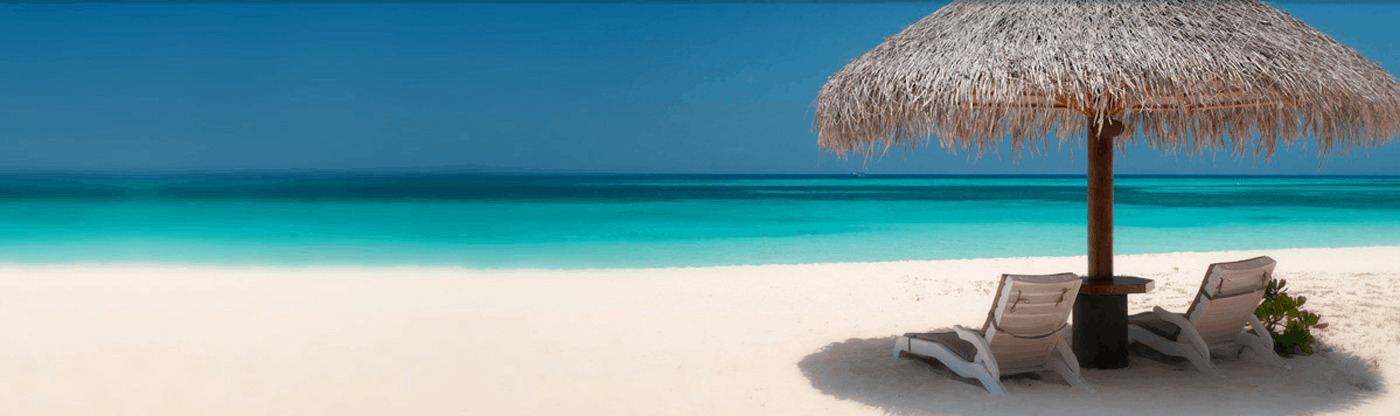

Malta’s beaches capture the island’s true beauty — golden sands, turquoise water, and endless sunshine. Whether you seek hidden coves or lively coastal escapes, this guide reveals the best beaches of Malta for relaxation, adventure, and breathtaking scenery.
The Beaches of Malta are a Mediterranean gem. Where golden beaches meet centuries-old harbors and sun-soaked coastal towns. From the lively waterfronts of Valletta to the tranquil bays of Gozo, this island offers a perfect blend of beauty, history, as well as seaside charm. Also, every corner of Malta’s coastline feels unique — whether you’re relaxing on sandy shores, exploring cliffside trails, or wandering through colorful fishing villages.
In addition, you’ll discover that Malta isn’t just about its beaches. It’s about the rhythm of coastal life — the smell of sea air, the taste of fresh seafood, as well as the warmth of its people. This guide highlights the best coastal areas and beach escapes in Malta, helping you plan the perfect island getaway.
Visit our Pinterest site, to see the beauty of Malta. Also visit Valletta, the capitol here.

Weather and When to Visit Malta
Malta enjoys sunshine most of the year. Summers are hot and dry, while winters feel mild and breezy. This balance makes the island a year-round destination for beach lovers.
Best time to visit:
The ideal months are May through October. During this time, the sea is warm and skies are clear. Average temperatures range from 24°C to 31°C (75°F to 88°F). These months are perfect for swimming, sailing, and relaxing on the sand.
If you prefer cooler weather and fewer crowds, visit from November to April. Expect temperatures between 15°C and 21°C (59°F to 70°F) with occasional rain. Moreover, prices drop during this season, and sightseeing feels more peaceful.
No matter when you visit, Malta’s beaches stay inviting. The clear water, calm breezes, and long daylight hours make every season worth exploring.
Why Visit Beautiful Malta
Malta blends ancient history with island charm. Golden cities, turquoise bays, and friendly locals make every day special. Moreover, it’s easy to explore thanks to its small size and excellent transport.
Culture and history
Walk through Valletta’s cobblestone streets or explore ancient temples older than the pyramids. In addition, colorful festivals and local markets keep Malta’s traditions alive.
Beaches and coves
From the Blue Lagoon to hidden rocky inlets, every shoreline feels different. You’ll find calm water for swimming and stunning views for sunset photos.
Adventure and nature
Dive into clear reefs, sail along rugged cliffs, or hike Gozo’s scenic trails. As a result, you can mix beach days with outdoor discovery.
Food and flavor
Taste local seafood, ftira bread, and Maltese wine by the sea. Finally, each meal tells a story of Mediterranean warmth and tradition.
The Best Coastal Areas to Visit in Malta
Malta’s coastline blends history, charm, and Mediterranean beauty at every turn. From fortified cities and fishing villages; to modern seaside resorts. Each coastal area also offers something unique. Also, whether you crave lively nightlife, quiet coves, or historic harbors; these destinations reveal the best of island life beyond the beaches.
For History and Ambiance Visit:
Valletta
Atmosphere: A UNESCO World Heritage site and the country’s capital. Valletta is a fortified city with 16th-century architecture and a cultured, lively feel. Built atop a ridge, it overlooks Malta’s harbors with stunning panoramic views.
What to do: Wander through its historic streets and grand palaces, visit museums, dine at elegant restaurants. Also, watch the noon cannon firing from the Upper Barrakka Gardens.
What to know: As a transport hub, Valletta is perfect for exploring the rest of the island. But, it can get crowded, and while it lacks sandy beaches, it’s a convenient base for day trips.
For Historic Charm and Waterfront Views Visit:
The Three Cities (Vittoriosa, Senglea, and Cospicua)
Atmosphere: Located just across the harbor from Valletta, these cities offer an authentic, old-world feel with quiet promenades and impressive fortifications. Moreover, they’re less crowded than the capital, which makes every walk along the waterfront peaceful and picturesque.
What to do: Explore historic sites such as Fort St. Angelo and the Gardjola Gardens. In addition, enjoy a relaxed dinner with wine along Birgu’s scenic harbor.
What to know: A short ferry ride connects the Three Cities to Valletta, so it’s an ideal base for couples or travelers who prefer a calm and romantic atmosphere.
For a Lively and Modern Stay Visit:
Sliema and St. Julian’s
Atmosphere: These neighboring coastal towns blend a cosmopolitan energy with coastal charm. Sliema offers upscale shopping and waterfront cafés, while St. Julian’s is famous for its lively nightlife and seaside resorts. Moreover, both areas showcase Malta’s modern side while staying close to historic Valletta.
What to do: Stroll the scenic seafront promenade, explore Tigné Point’s stylish shops, and unwind in the bars and clubs of St. Julian’s vibrant Paceville district.
What to know: These towns are among the island’s top resort areas, making them convenient bases for visitors. However, beaches here are mostly rocky, so swimming spots rely on ladders and platforms rather than sand.
For an Authentic, Quiet Escape Visit:
Marsaxlokk
Atmosphere: This charming fishing village is best known for its colorful luzzu boats bobbing in the harbor, creating one of Malta’s most photogenic scenes. Moreover, the pace here is slow and soothing, offering a glimpse of traditional island life.
What to do: Savor freshly caught seafood at the waterfront restaurants, and don’t miss the lively market held twice a week — it’s perfect for local crafts and delicacies.
What to know: Marsaxlokk is ideal for travelers seeking a peaceful, off-the-beaten-path experience. However, it’s less connected by public transport, so plan ahead if you’re not renting a car.
Gozo Island
Atmosphere: Take a short ferry to Malta’s peaceful sister island, Gozo, known for its rugged cliffs, quiet trails, and timeless villages. The slower pace and natural beauty make it the perfect escape from Malta’s busier resorts.
What to do: Explore seaside villages like Marsalforn and Xlendi, or find hidden coves and dive sites such as the Inland Sea and Mgarr ix-Xini. You can also hike coastal paths for stunning Mediterranean views.
What to know: Gozo is ideal for nature lovers and anyone seeking calm beaches and authentic island life — perfect for a restful day trip or overnight stay.
For Sandy Beaches Visit:
Mellieħa
Atmosphere: This hilltop resort town combines panoramic sea views with a calm, family-friendly vibe. Moreover, it’s one of Malta’s most scenic coastal areas, ideal for a laid-back holiday.
What to do: Spend the day at Mellieħa Bay (Għadira Bay) — the island’s largest sandy beach — where gentle waves and water sports await. In addition, nearby Golden Bay and Paradise Bay offer quieter escapes with the same golden sand.
What to know: With a relaxed pace and mild nightlife, Mellieħa is perfect for families or anyone looking for a peaceful coastal retreat.
For Unique Natural Swimming Spots Visit:
St. Peter’s Pool
What it is: A naturally formed limestone pool near Marsaxlokk, known for its dazzling white rocks and clear turquoise water. It’s one of Malta’s most photographed coastal gems.
What to do: Take the plunge from the cliffs, swim in the crystal-clear water, or sunbathe on the smooth rock ledges. Moreover, it’s a favorite spot for snorkeling and cliff diving.
What to know: While not a town, this natural pool is a must-see attraction. Arrive early to avoid crowds, especially in summer.
Flavors of Malta
Maltese food blends Mediterranean comfort with island flair. It draws from Italian, Arabic, and North African roots; creating dishes that are rich yet simple. And, most ingredients come fresh from the sea or also at local farms.
Pastizzi – These crisp pastries, filled with ricotta or mashed peas, make the perfect snack. You’ll find them at every café and corner shop.
Ftira – A Maltese-style sandwich made with crusty bread. Includes tuna, capers, or sun-dried tomatoes. It’s light, flavorful, and perfect for beach days.
Rabbit Stew (Fenkata) – A national favorite slow-cooked with wine, herbs, and garlic. In addition, it’s often shared during family meals or celebrations.
Lampuki Pie – This golden fish pie celebrates Malta’s autumn catch. The flaky crust hides vegetables, olives, and fresh lampuki.
Aljotta – A fragrant fish soup made with tomato, garlic, and lemon. Locals say it tastes best when eaten by the sea.
Ġbejna Cheese – Soft or dried goat’s cheese from Gozo. It adds a mild tang to salads and platters.
Maltese Wine & Cisk Beer – Local wines surprise many visitors with their smooth taste. And Cisk, Malta’s light lager, pairs perfectly with seaside sunsets.
Imqaret – Fried pastries filled with dates and served warm. So, their sweet aroma fills every festival.
Final Take: Why Malta Belongs on Your List
Malta shines with sunshine, history, as well as heart. Every beach and harbor tells a story, while every town feels alive with color. Also, the island is small enough to explore easily. Yet big enough to surprise you each day.
From quiet coves to lively cafés, Malta offers the best of the Mediterranean in one place. So, pack light, bring curiosity, and let the island’s warmth do the rest.

❓ FAQs About the Best Beaches of Malta
When is the best time to visit Malta?
The best time to visit is between April and June or September and October. These months bring warm sunshine, calm seas, and fewer crowds.
Are Malta’s beaches sandy or rocky?
Both! You’ll find golden sand at Mellieħa Bay and Golden Bay, while rocky ledges near Sliema and Valletta offer crystal-clear swimming.
Is Malta good for snorkeling and diving?
Yes — Malta has some of the clearest water in Europe. Moreover, reefs, caves, and shipwrecks make it ideal for snorkelers and divers.
What’s the easiest way to get around the island?
Buses connect most beaches and towns. However, renting a car or scooter gives you freedom to explore hidden coves.
Do you need a visa to visit Malta?
Visitors from the EU, US, UK, Canada, and Australia can enter visa-free for up to 90 days. Always check your country’s latest entry rules before traveling.
Related Posts
 The Most Beautiful St Peters Pool Malta Coastal Town
 The Most Beautiful Mellieħa Malta Coastal Town
 Discover the Best Beaches Of Gozo Island You’ll Love
 Discover the Stunning Beaches of Marsaxlokk You’ll Love
 Beautiful Sliema and St. Julian’s: Complete Guide to the Islands
 Discover The Best of Maltas Three Cities You’ll Love
Pingback: Laurie
Thank you! I’m thrilled you enjoyed the Malta guide — it truly is an island full of character and contrasts. For a first-time visit, I’d suggest spending 4–5 days on Malta and 1–2 days on Gozo. Staying near Valletta or Sliema makes a great base since you’ll have easy access to transport, restaurants, and ferry connections for day trips to places like Marsaxlokk, Mellieħa, and St. Peter’s Pool. Then, spending a night or two on Gozo lets you slow down, explore its countryside, and enjoy peaceful beaches like Xlendi Bay or Ramla Bay without rushing back. That way, you experience both the energy of Malta and the serenity of Gozo, which together show the true beauty of the islands.