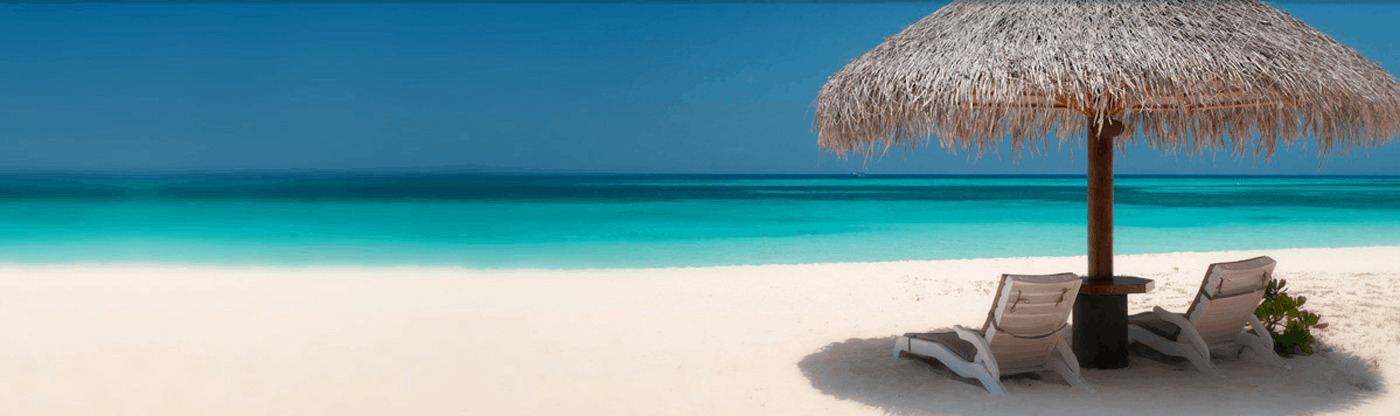
Island of Sumatra is one of the most beautiful and diverse islands in Indonesia. It offers a mix of wild rainforests, active volcanoes, and endless beaches. At the same time, it’s home to vibrant cultures that give every visit a deeper meaning.
From dense jungles filled with rare wildlife to quiet stretches of sand, Sumatra never fails to surprise. If you love nature, adventure, or food, this island deserves a spot on your travel list.
The landscapes are dramatic, the locals are welcoming, and the history is unique. As a result, every trip feels fresh and inspiring.
Whether you want to hike volcanoes, spot orangutans, or simply relax by the sea, Sumatra delivers. In fact, its variety of experiences makes it perfect for both adventure seekers and travelers who just want to unwind.
Learn more about Indonesia by visiting our Indonesia Guide here, or visit us on Pinteret.
Why Visit the Island of Sumatra?
Sumatra is far less crowded than Bali, which gives it a raw, authentic vibe. It’s the sixth-largest island in the world, meaning vast regions remain untouched. For anyone who loves off-the-beaten-path travel, this is a dream come true.
Wildlife lovers flock to Bukit Lawang and Gunung Leuser National Park. Here, you can watch orangutans in the wild and, with luck, catch a glimpse of the elusive Sumatran tiger.
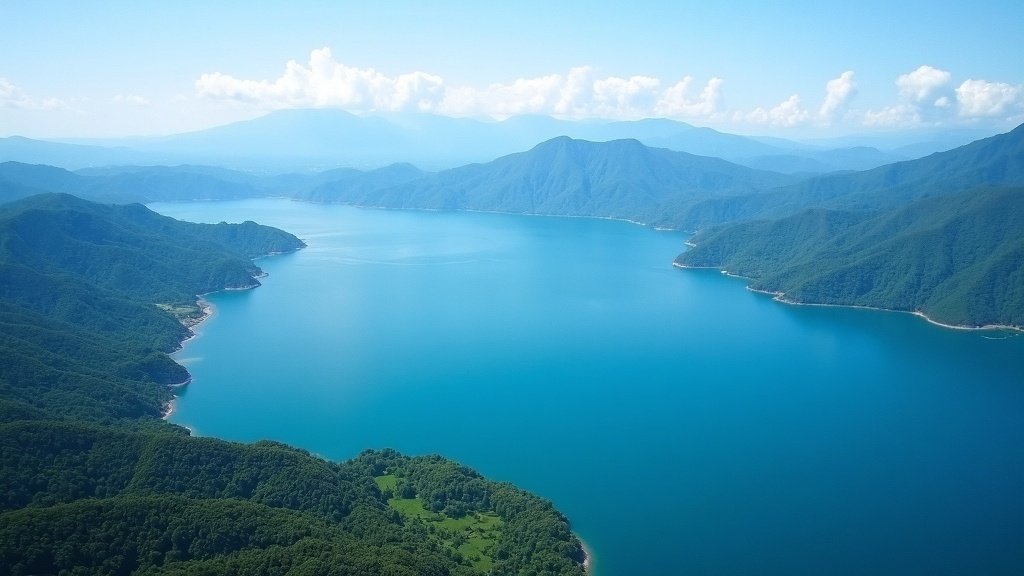
Hikers have plenty of options, from Mount Sibayak near Berastagi to Lake Toba, one of the most iconic volcanic lakes on earth. Meanwhile, coffee enthusiasts will recognize Sumatran beans for their bold, earthy flavor. Local markets and food stalls add even more spice to the journey.
With rainforests, waterfalls, beaches, and festivals like the Danau Toba Festival, Sumatra offers an unforgettable blend of nature and culture.
Weather and Best Time to Visit
Sumatra has a tropical climate—warm and humid year-round. Temperatures usually range between 23°C (73°F) and 31°C (88°F). Humidity is highest in the lowlands.
The dry season (May–September) is the best time for wildlife spotting, trekking, and beach trips. June to August is particularly comfortable, with less rain and clear skies.
The wet season (October–April) brings short but heavy showers. While trekking may be muddy, forests turn lush and waterfalls flow at their strongest.
Regional differences matter: coastal areas feel hotter, while highlands stay cool. Always check local forecasts before planning. If traveling during Ramadan or major Islamic holidays, expect shorter opening hours but richer cultural experiences.
Island of Sumatra: An Untamed Paradise
Island of Sumatra is one of the most beautiful and diverse islands in Indonesia. It’s a place of wild rainforests, active volcanoes, and endless beaches. At the same time, it’s home to vibrant cultures that make every trip feel meaningful.
From dense jungles filled with rare wildlife to quiet stretches of sand, Sumatra always surprises visitors. Nature lovers, adventure seekers, and food enthusiasts will all find reasons to fall in love with this island.
The landscapes are dramatic, the people are welcoming, and the traditions are rich. As a result, each journey feels fresh and inspiring. Whether you want to hike volcanoes, spot orangutans, or simply relax by the sea, Sumatra delivers.
Learn more about Indonesia in our full Indonesia Travel Guide or follow us on Pinterest for even more ideas.
Best Beaches on the Island of Sumatra
Sumatra’s beaches range from lively surf hubs to quiet coves where you may not see another traveler all day. Here are a few I always recommend:
Popular Beaches in Sumatra
- Lake Toba Beaches: Lake Toba’s volcanic shores are unique. Parapat is lively, while Samosir Island is quieter and more scenic. In addition, swimming and biking make the area even more enjoyable.
- Bungus Beach (Padang): Bungus is golden and family-friendly. Snorkeling is popular, and boat trips to Pagang or Sikuai are easy to arrange. Moreover, the water is crystal clear and inviting.
- Krui Beaches (West Lampung): Krui is well-known for its consistent surf. Nearby coves also offer soft sand and shady palms. As a result, it’s perfect for both surfers and sunset seekers.
- Pantai Iboih (Pulau Weh): Iboih is excellent for snorkeling and diving. Reefs shine with color, and turtles often swim past. Furthermore, the laid-back vibe makes it welcoming for every traveler.
- Gapang Beach (Pulau Weh): Gapang has soft sand and shady trees. Dive shops also sit right on the shore. Therefore, it’s ideal for mixing relaxation with adventure.
Hidden Gem Beaches in Sumatra
- Nilam Sari Beach (South Bengkulu): Nilam Sari feels quiet and uncrowded. Gentle waves add calm, while fishermen bring local life. Also, it’s perfect for slow, mindful walks.
- Lampuuk Beach (Banda Aceh): Lampuuk is long and scenic. Warungs serve fresh seafood right by the sea. And, cliffs and sunsets create a dramatic backdrop.
- Tanjung Setia Beach (Lampung): This beach is a surfer’s favorite. However, it remains remote and peaceful. Long rolling waves and soft sand also make it great for swimming.
- Pasir Putih Beach (Bangka Island): Pasir Putih means “white sand,” and it delivers. The turquoise water looks stunning in the sun. Most importantly, its quiet setting keeps it pristine.
- Teluk Dalam Beach (Nias Island): Teluk Dalam blends surf and culture. Traditional fishing villages add charm. In addition, its remote setting rewards travelers with a true escape.
Beachfront Resorts on the Island of Sumatra
Luxury Beachfront Resorts in Sumatra
Leebong Island Resort (Leebong Island Resort) – A private island escape with white-sand beaches, overwater villas, and peaceful tropical scenery.
Marianna Resort (Tuktuk Siadong) – A cozy lakeside retreat on Samosir Island with stunning views of Lake Toba, local charm, and easy access to cultural sites.
Ira Bungalows (Pulau Banyak) – Charming wooden bungalows by the sea, offering laid-back island living, snorkeling, and sunset views.
Casa Nemo Beach Resort & Spa (Sabang) – A relaxed eco-resort with beachfront rooms, a spa, and local dining just steps from the ocean.
Sheraton Belitung Resort (Tanjung Binga) – A relaxed eco-resort with beachfront rooms, a spa, and local dining just steps from the ocean.
Budget-Friendly Stays on the Island of Sumatra
Freddies Santai Sumurtiga (Sabang) – A beachfront favorite with ocean-view bungalows, laid-back dining, and stunning sunsets right from your terrace.
Cabana Surf and Stay (Biha) – A cozy surf lodge offering easy wave access, casual rooms, and a friendly community vibe for surfers and travelers alike.
La Cocoteraie Ecolodge (Pulau Weh) – Simple bungalows with hammocks and direct beach access. In addition, snorkeling reefs are just offshore.
TheJungleGuide – Lodges & Treks (Kabupaten Langkat) – Simple bungalows with hammocks and direct beach access. Snorkeling reefs just offshore make it a nature lover’s haven.
Ricky’s Beach House (Pasarsungai-nyala) – A rustic beachfront stay with simple rooms, friendly vibes, and direct access to quiet golden sands.
Travel Tips for Visiting the Island of Sumatra
Getting Around – Sumatra is huge, so transport takes planning. Buses and private drivers are common, while short flights save time on long routes. In smaller towns, scooters work well. For something different, ride a ferry to Samosir Island or hop in a becak (motorized rickshaw) at local markets.
Money Matters – Cards don’t always work outside big cities. Smaller towns and islands often lack ATMs. Therefore, I always carry cash for daily expenses and small bills for markets. Don’t forget to notify your bank before traveling.
Health & Safety – Mosquito repellent is essential near forests. I also stick to bottled or filtered water. In addition, I keep basic travel insurance and a first-aid kit handy. It’s wise to note your embassy’s contact details, just in case.
Respect Local Culture – Sumatra is diverse, and many areas are Muslim. Modest clothing is expected outside beach areas. Always ask before taking photos of people or ceremonies. Moreover, remember to use your right hand when eating or handing things to others.
Smart Packing – Light, breathable clothes are best for the humidity. During the wet season, rain gear is a must. For jungle treks, sturdy shoes make life easier. A dry bag or waterproof cover also helps during boat trips or sudden downpours.
Stay Connected – Mobile signal is strong in cities but weak in remote areas. A local SIM card keeps data affordable. Finally, I always download offline maps and translation apps before leaving the city.
Flavors of the Island of Sumatra
Sumatran food is much more than just spicy. Each region brings its own flavors, and I always look forward to trying them. The cuisine is rich with coconut milk, bold spices, and fresh seafood. Here are some dishes worth tasting:
Rendang – This slow-cooked beef dish comes from West Sumatra’s Minangkabau culture. Coconut milk and spices create a deep, hearty flavor. It’s one of Indonesia’s most famous meals and perfect after a day of exploring.
Sate Padang – Skewered beef or chicken served with a thick, spicy sauce. I often grab it from street vendors for a quick and tasty snack. If you enjoy street food, this is a must.
Nasi Goreng – Indonesia’s version of fried rice. In Sumatra, it’s usually served with sambal and crunchy anchovies. The heat and texture make every bite satisfying. Add chicken or eggs for extra protein.
Lontong Sayur – Rice cakes with vegetables in a curry-like sauce. It’s often sold at morning markets. Starting the day with this dish feels like eating breakfast the local way.
Kopi Aceh and Mandheling Coffee – Sumatra is famous for its coffee. These highland brews are earthy and full-bodied. Many cafes roast their own beans, making every cup a fresh experience.
And don’t forget dessert. Sticky rice sweets are common, as are tropical fruits like rambutan and salak (snake fruit). Street stalls also serve fresh juices and iced treats, perfect for cooling down in the humid air.
Interesting Facts About Sumatra
- Sumatra is home to many rare animals. Critically endangered species include the Sumatran orangutan, tiger, rhino, and elephant. For wildlife lovers, conservation centers provide a chance to learn about protection efforts.
- Lake Toba is another wonder. It’s the largest volcanic lake in the world, formed by a super-eruption about 74,000 years ago. That eruption shaped Earth’s climate and left behind today’s lake and Samosir Island at its center. Even now, warm springs surround the shores where visitors can relax.
- Coffee is also a big part of Sumatra’s identity. The island produces some of the world’s finest beans, including Mandheling and Aceh Gayo. Moreover, many farms welcome visitors with tours of the harvesting and roasting process.
- Language adds to the island’s diversity. With over 50 spoken languages, Sumatra reflects centuries of trade and culture. Meeting locals is one of the best ways to experience this rich mosaic.
- Nature holds surprises too. The giant Rafflesia arnoldii, the world’s largest flower, grows in its rainforests. If you’re lucky, you may see it bloom—though the smell is famously strong!
- Finally, Sumatra sits on the “Ring of Fire.” Active volcanoes and frequent earthquakes shape its dramatic landscapes. At the same time, volcanic soils enrich the forests, farmlands, and coffee plantations that make the island so unique.
Frequently Asked Questions About Visiting Sumatra
Is Sumatra safe for tourists?
Yes, most parts of Sumatra are safe. Use the same caution you would anywhere else. In addition, check local updates during the wet season or near volcanoes. Respecting customs also helps create positive experiences with local communities.
Do I need a visa to visit Sumatra?
Most visitors can enter Indonesia visa-free for up to 30 days. However, rules change, so always check before your trip. Also, be sure your passport has enough validity to avoid issues at immigration.
What is the best way to get around the island?
For short trips, taxis, rideshare apps, and scooters work well. For longer routes, buses or domestic flights are faster and more reliable. In some provinces, like North Sumatra, long-distance trains offer a relaxed way to see the countryside.
Can I use credit cards everywhere?
In larger cities, major hotels and some restaurants accept cards. However, in markets and smaller shops, cash is essential. Always keep cash handy, especially when traveling off the main tourist path.
Where can I see wildlife in Sumatra?
Gunung Leuser National Park is the top spot for orangutans, elephants, and even tigers if you’re lucky. Eco-tours and guides make visits safe and responsible. Always respect wildlife by keeping a distance and never feeding animals.
Island of Sumatra: A Journey Worth Taking
The Island of Sumatra is full of contrasts. Towering volcanoes meet calm beaches, while ancient traditions blend with everyday life. Every corner feels like a new discovery.
Whether you want to trek through dense rainforests, dive into turquoise waters, or sip fresh local coffee, Sumatra has something for you. Each experience adds a new layer to your journey.
Moreover, the island’s warm people make every visit feel personal. Their culture, food, and stories turn a simple trip into lasting memories.
In the end, Sumatra is not just a destination. It’s a place that stays with you, calling you back again and again.
Related Posts
 The Most Beautiful Beaches of Socotra Island Yemen
- The Most Stunning Vietnam Beaches You’ll Love
- The Stunning Coastal Town of Phu Quoc Vietnam You’ll Love
- The Most Beautiful Coastal Towns in Sri Lanka
- The Most Beautiful Gili Islands: Beaches, Resorts & Things to Do
- Discover the Best of Koh Tao: Ultimate Travel Guide





Sumatra sounds absolutely breathtaking! I love how you described its mix of wild rainforests, volcanoes, beaches, and vibrant cultures—it feels like every corner of the island holds a new adventure. The part that really caught my attention was Lake Toba; just imagining its size and volcanic history makes me want to experience it in person.
I also didn’t realize how rich Sumatra is in wildlife—spotting orangutans in the wild would be such a once-in-a-lifetime moment. And as a coffee lover, I’d definitely want to try Aceh and Mandheling brews right where they’re grown. This post really inspired me to add Sumatra to my travel list—it seems like the perfect balance of adventure, culture, and relaxation.
Thank you so much for your thoughtful words—I’m so glad the post captured Sumatra’s beauty and spirit for you. Lake Toba truly is as impressive as it sounds, and seeing it in person leaves a lasting impression. The wildlife is just as remarkable, and spotting orangutans in their natural habitat really is one of those moments you never forget.
As for the coffee, you’ll love it—tasting Aceh and Mandheling where they’re grown adds an extra depth and richness that makes every cup feel special. I’m delighted the post inspired you to add Sumatra to your travel list—it truly offers that perfect mix of adventure, culture, and relaxation.
The way you captured Sumatra’s raw, untamed beauty is very compelling—it comes through in the descriptions of places like Lake Toba’s vastness and the jungle treks in Bukit Lawang. The advice to allow plenty of time for overland travel between regions is something every visitor needs to hear.
Someone planning their first trip might not realize how the region’s sheer size makes choosing between north and south a bigger decision than just picking beaches.
You noted that the surf season on the western coast runs from June to September. For a beginner, are there any spots in that area that are a bit more forgiving? Also, for a wildlife-focused trip to Way Kambas, how far in advance do you usually need to arrange a guided tour?
Thank you so much for your thoughtful comment! I’m glad you connected with the way I described Sumatra’s wild beauty — it truly is one of Indonesia’s most unique destinations, from Lake Toba to the jungles of Bukit Lawang.
For beginner surfers, Krui on the western coast is a great place to start. The waves there are a bit more forgiving compared to some of the heavier surf breaks, and there are surf schools that help new visitors get comfortable in the water.
As for Way Kambas, it’s definitely best to arrange a guided wildlife tour at least a few weeks in advance, especially if you’re hoping to spot Sumatran elephants or rhinos. The park can limit visitor numbers to protect the animals, so advance planning makes the trip much smoother.
Sumatra is a big island, but with the right planning, you can combine adventure, culture, and relaxation in one unforgettable trip.
What a stunning guide to Sumatra! I love how you highlighted not just the natural beauty—like Lake Toba and Pulau Weh—but also the cultural depth, food, and practical travel tips. It really shows how diverse and rewarding the island is beyond just beaches.
I’m especially intrigued by the mix of adventure (like trekking Mount Sibayak) and relaxation (like unwinding at Bungus or Lampuuk Beach). One question though—if someone only has a week to spend in Sumatra, would you recommend focusing more on the wildlife and jungle treks, or splitting time between that and the beaches?
Thank you so much for your kind words! I’m glad you enjoyed the mix of lively beaches like Mahahual and the quieter gems such as Xcalak and Rio Indio. Costa Maya really does offer the best of both worlds, and food like fresh ceviche makes the experience even more memorable.
For a short cruise stop, many travelers choose a beach club in Mahahual since it’s convenient and offers everything in one place. However, if you’re looking for something more authentic and don’t mind the extra travel time, Xcalak is absolutely worth it. It gives you a quieter, more local feel and the untouched beauty that makes Costa Maya so special. Either option will be enjoyable—it just depends if you want convenience or that off-the-beaten-path experience.
This was such a captivating read! I really enjoyed how the article highlighted Sumatra’s balance of natural beauty, cultural richness, and adventure. It truly feels like an island that offers something for every kind of traveler. Personally, the part about Lake Toba and the chance to see orangutans in the wild really stood out to me since I love destinations that combine relaxation with meaningful wildlife encounters. The food descriptions also made me want to try Rendang and Sate Padang right away. Out of all these experiences, which would you say gives travelers the most authentic glimpse into local Sumatran culture?
I’m so happy you enjoyed the article and connected with Sumatra’s mix of beauty, culture, and adventure—it really is a destination that surprises travelers in the best ways. Lake Toba and the orangutan encounters are definitely special highlights, and I love that you’re drawn to the balance of relaxation and meaningful wildlife experiences.
If I had to choose one experience that gives travelers the most authentic glimpse into Sumatran culture, I’d say spending time around Lake Toba, especially in the traditional Batak villages. From the unique architecture of the Batak houses to the music, dance, and warm hospitality of the people, it’s such an immersive way to understand the island’s heart and traditions. Pairing that with local dishes like Rendang or Sate Padang makes it even more memorable. It’s that combination of nature, food, and community that really captures the true spirit of Sumatra.
The article does an excellent job of positioning Sumatra as an ideal destination for nature and adventure enthusiasts. Highlighting the wild rainforests, active volcanoes, and the opportunity to see orangutans sets it apart from more common destinations like Bali.
I like that the guide includes both popular spots like Bukit Lawang and Mount Sibayak, while also categorizing beaches into “Popular” and “Hidden Gem.” This caters to a wide range of travel preferences, from those seeking a well-trodden path to those looking for a more authentic experience.
Thank you so much for your thoughtful feedback! I’m really glad you felt the guide captured both Sumatra’s popular highlights and its hidden gems. What makes the island stand out is how it blends wild rainforests, active volcanoes, and cultural depth with some of the best beaches in Sumatra. For nature and adventure enthusiasts, exploring the jungles of Bukit Lawang to see orangutans or hiking Mount Sibayak and Mount Sinabung is unforgettable. At the same time, the quieter coastline offers hidden gems of Indonesia that feel peaceful and authentic, far from the crowds of Bali.
For travelers planning a trip, Sumatra is less developed than Java or Bali, which I think adds to its charm but also makes it important to plan ahead with transport and local guides. That said, the reward is an Indonesian island that still feels raw and untouched, with opportunities to dive, surf, trek, and connect with local communities in a way that larger tourist spots can’t always offer.