
Island of Java holds a special place in my heart as one of Southeast Asia’s most fascinating destinations. This Indonesian gem blends soaring volcanoes, lush rice fields, ancient temples, and lively cities. In addition, its beautiful beaches and vibrant culture create a mix that feels endlessly exciting.
Every visit brings something fresh—whether it’s hiking a crater rim, exploring hidden villages, or simply relaxing by the sea. Moreover, Java is as much about cultural depth as it is about natural wonder. From sunrise at Borobudur to street food in Yogyakarta, the island always offers new memories. Each trip leaves me eager to return, because there is always another story, another view, or another favorite place waiting to be discovered.
You can visit our Indonesia Guide for more information on Indonesia, or visit us on Pinterest.
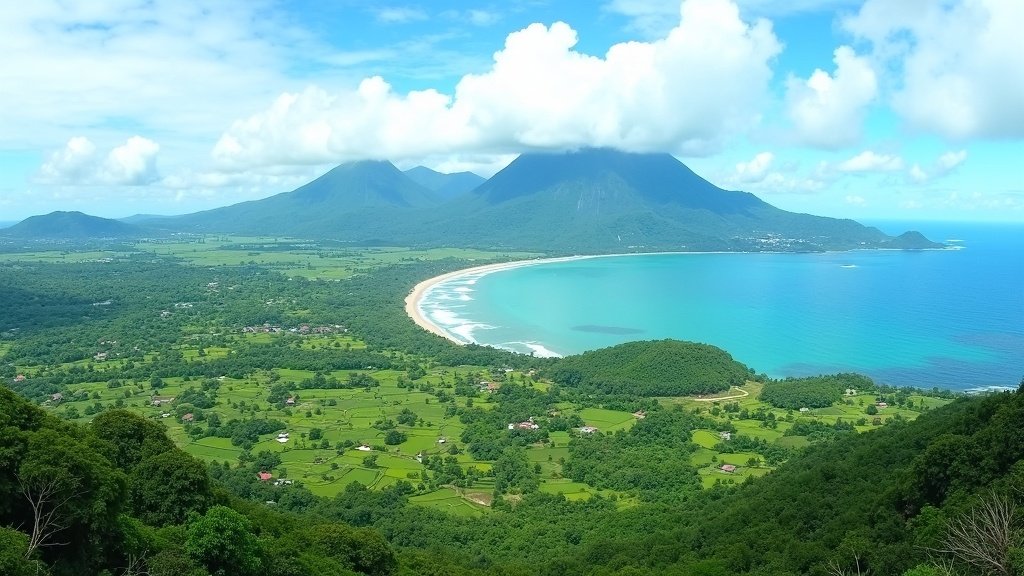
Why Visit Java
To start, Java stands out for its mix of cultural landmarks and natural beauty. The island is home to Jakarta, Indonesia’s lively capital. At the same time, it holds ancient treasures like Borobudur and Prambanan. These UNESCO World Heritage Sites are famous for their size and artistry.
Next, Yogyakarta offers a taste of tradition. Here, I’ve watched shadow puppet shows, admired local art, and shopped for batik textiles that feel truly unique. For adventure lovers, Mount Bromo and Ijen Crater are top highlights. Sunrise hikes and glowing crater views make them unforgettable. Beyond the cities, welcoming villages invite travelers to experience daily Javanese life. The warmth feels both genuine and memorable.
In addition, Java is a paradise for food and drink. Coffee plantations and wide tea fields draw in anyone who loves a good brew. The local dishes burst with spice, flavor, and personality. Every meal feels like part of the journey.
Finally, what makes Java most special are its people. Locals are friendly, quick to share stories, and always ready to help. Because each region feels distinct, traveling by train or bus turns into its own adventure. Along the way, you discover new traditions and surprises in every town.
Weather and Best Time to Visit Java
Java has a tropical climate, so it stays warm and humid almost year-round. Average temperatures hover between 25°C and 30°C (77°F–86°F). As a result, you can expect heat no matter when you go.
The rainy season runs from November through March. Afternoon showers can be heavy, but they rarely last all day. On the other hand, the dry season stretches from April to October. This is the best time for clear skies and smooth outdoor adventures.
I’ve visited during both seasons. The rainy months bring dramatic skies, which photographers will love. However, I strongly prefer the dry season. It makes getting around easier, and places like Borobudur or Prambanan are far more enjoyable without sudden downpours.
For beach trips or volcano hikes, aim for May to September. During these months, you’ll have the best chance of sunshine and the most comfortable conditions.
Java Beaches: Popular Spots and Hidden Gems
When people talk about Indonesian beaches, Bali usually takes the spotlight. However, Java also offers some stunning stretches of sand worth exploring.
Popular Beaches
On the western side, Anyer Beach is a favorite escape for Jakarta locals. Wide sandy shores and gentle waves make it perfect for a relaxed day. A bit further down the coast, Carita Beach is ideal for families. It has good facilities, safe waters, and plenty of fun activities on offer.
Heading east, Pangandaran Beach is one I revisit often. This unique spot faces both sunrise and sunset, so the views never disappoint. Fresh seafood stalls line the shore, and surf schools are ready to help you catch a wave. Plus, the nearby Green Canyon is a gorgeous river gorge where you can enjoy boat rides or even swim in crystal-clear waters.
Hidden Gems
For quieter escapes, Java has beaches that feel like secrets. Timang Beach in Gunungkidul is rugged and dramatic, with crashing waves and steep cliffs. One of the most exciting ways to arrive is by crossing the surf on a small gondola. Further south, Watu Karung Beach stays off most tourist maps. It’s loved by seasoned surfers for its strong waves and jaw-dropping scenery. Visit on a weekday, and you’ll likely have it almost to yourself.
Beachfront Resorts: Luxury and Budget Options
Java’s beachfront resorts range from upscale stays to cozy guesthouses.
Luxury Resorts
If you want to treat yourself, Java Lotus Villa in Jember is a standout. Oceanfront villas come with infinity pools, delicious food, and sunset views you won’t forget. Resorts such as the Villa Harmony in Anker, often offer private villas with direct beach access. The Somerset Queen in Semarang is also an excellent choice. These high-end stays usually include spa services, water sports, and sometimes cultural shows—so you can enjoy Java’s artistry without leaving your resort.
Budget-Friendly Stays
For travelers on a tighter budget, Java is welcoming and easy. Family-run guesthouses and small resorts like the Java Lagoon and Crown Hotel in Pangandaran, provide clean, simple rooms just steps from the beach. The charm is in the simplicity—falling asleep to crashing waves makes up for fewer frills. On remote shores in Alas Purwo National Park near Banyuwangi, camping under the stars is also possible. With a permit and planning, it’s an unforgettable way to connect with nature.
Extra Perks
Some resorts host cultural workshops where guests can try batik making, traditional dance, or cooking classes. Guesthouses often help arrange surf lessons, hiking trips, or visits to waterfalls. As a result, exploring Java’s coast becomes simple, safe, and memorable. Whether you want pampering or pure comfort, there’s a beachfront stay for every traveler.
Flavors of Java: Food & Drinks You Can’t Miss
Java’s food bursts with bold, layered flavors. In fact, eating here is just as exciting as sightseeing.
Signature Dishes
To begin, try Nasi Gudeg. This Yogyakarta classic uses young jackfruit simmered in coconut milk and spices. As a result, you get a sweet and savory mix that stands out. Next, don’t miss Soto Betawi. This creamy beef soup blends herbs and coconut for comfort in every spoonful.
Street Food Classics
Meanwhile, Bakso is everywhere. This beef meatball soup shows up at carts, cafes, and homes alike. Similarly, Satay is a staple. Skewers grilled over open flame and dipped in peanut sauce always hit the spot. Finally, Nasi Goreng, Java’s fried rice, remains a true must-try.
Drinks & Treats
For a caffeine fix, order Kopi Tubruk, Javanese coffee that’s strong, bold, and unfiltered. When the heat rises, cool off with Es Dawet, a refreshing mix of coconut milk, pandan jelly, and palm sugar syrup.
Every region adds its own twist, so tasting your way across the island is a journey in itself. Come hungry, and let Java’s flavors surprise you at every stop.
Smart Travel Tips for the Island of Java
Getting around Java takes planning. However, it’s completely doable and very rewarding.
I often choose the train. Routes link Jakarta, Bandung, Yogyakarta, and Surabaya. As a result, you get comfortable seats and scenic countryside views. Buses and shared minivans—called travel—are also common. On the downside, road trips can get long if traffic slows things down.
In bigger hotels and tourist areas, English is spoken. Yet in smaller towns, it helps to know a few Indonesian phrases. People truly appreciate the effort. In fact, a smile or even a local tip often comes your way.
Dress modestly, especially outside major cities. For temples or rural villages, wear clothes that cover shoulders and knees. Light shirts, pants, or long dresses keep you both respectful and comfortable.
When it comes to money, card payments work in cities and larger hotels. Even so, always keep some cash on hand. You’ll need it for markets, street food stalls, and rural shops.
Be mindful of timing. Crowds swell during school breaks, Eid (Lebaran), and Javanese New Year. Because of this, rooms book quickly. Plan ahead to avoid the stress.
Finally, remember the climate. Java is tropical, so mosquitoes appear year-round. Therefore, bring repellent and protect yourself while outdoors.
Frequently Asked Questions
Is Java safe for tourists?
I’ve always felt comfortable traveling across Java. Like elsewhere, staying sharp in crowded areas and using official taxis or ride apps is a smart move. Locals are hospitable, and I’ve found them quick to help with directions or advice if you get turned around.
How many days do I need to see Java?
To cover the island’s big highlights, plan for at least a week. That’s enough to explore Jakarta, tour Yogyakarta’s temples, watch a volcano sunrise, and chill out on a beach. Take two weeks if you want to see more off-the-beaten-path villages or hidden gems.
Do I need a visa to visit Java?
Travelers from many countries can get a visa on arrival or enter visa-free for short trips. Check immigration rules before flying—they shift from time to time. In most cases, a tourist visa grants 30 days in Indonesia.
Can I drink tap water in Java?
It’s not safe to drink straight from the tap. I always use bottled or filtered water instead. Hotels and restaurants offer safe drinking water, and bottled water is cheap and easy to get everywhere you go.
Interesting Facts About Java
- Java is the planet’s most populated island, with over 145 million residents—more people than in many countries.
- Borobudur, found in Central Java, is the world’s biggest Buddhist temple and especially mesmerizing at sunrise.
- Mount Semeru, tallest in Java, is an active volcano and a must-visit for hikers craving next-level cool scenery.
- Java’s ancient heritage blends Hindu and Buddhist temples, showing off Indonesia’s diverse spiritual past.
- The island produces some of Indonesia’s best coffee; regions like Temanggung and Java Ijen are famous for top-notch beans.
- Batik, Java’s signature fabric art, is so important that UNESCO calls it an Intangible Cultural Heritage.
- Java’s railway network is one of the best in Indonesia, making cross-island travel easier and more scenic for travelers.
Traveling across Java mixes adventure, exploration, delicious food, and warm, welcoming people. Every visit leads to new memories, stories, and reasons to return. No matter how much you see, there always seems to be more to track down on this diverse and beautiful island.
Final Thoughts on the Island of Java
The Island of Java is more than Indonesia’s most populated island. It is a place where history, culture, and nature collide. From sunrise at Borobudur to hikes on Mount Bromo, every stop feels unforgettable.
At the same time, Java offers lively cities, peaceful villages, and welcoming locals. Add in rich coffee, bold dishes, and beaches that rival Bali, and you get a destination worth every trip.
In the end, Java is not just about sightseeing. It is about traditions, flavors, and hidden gems that stay with you. Whether it’s your first visit or your fifth, the Island of Java always has more to discover.
Related Posts
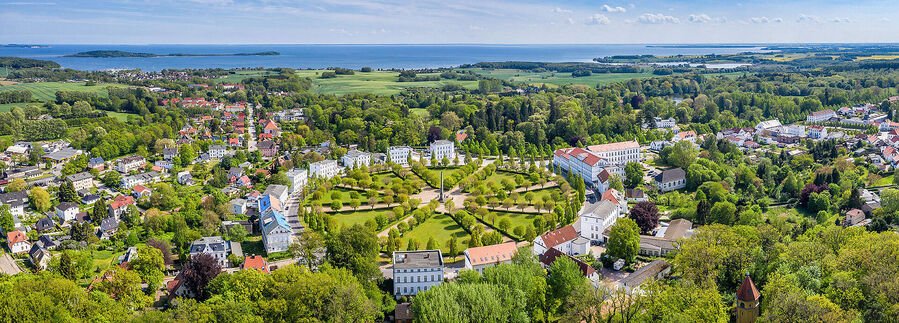
 Visit Beautiful Putbus on The Island of Rügen
- The Most Beautiful Beaches of Socotra Island Yemen
- The Most Stunning Vietnam Beaches You’ll Love
- The Stunning Coastal Town of Phu Quoc Vietnam You’ll Love
- The Most Beautiful Coastal Towns in Sri Lanka
- The Most Beautiful Gili Islands: Beaches, Resorts & Things to Do





I really loved reading this article about Java. Even though I’ve never been there, your description and pictures make it feel like a place full of energy and culture. It seems the island offers so much more than just beaches — from cultural etiquette and local food to hidden gems — and now I have a better picture of everything it has to offer. From what I read, there’s a lot to explore beyond its surf town image, and I believe it would be a great destination for tourists or first-time visitors.
Out of all the places you mentioned, which spot would you personally recommend visiting first for someone new to Java?
Thank you so much for reading and I’m thrilled the article made Java feel both vibrant and accessible to you. You’re spot-on—Java is so much more than a surf haven, rich with cultural depth, unique local flavors, and enchanting hidden corners.
If I were recommending just one place to visit first on Java for a newcomer, I’d suggest starting with Yogyakarta. It’s a place where history, culture, and daily life beautifully intertwine. There you can explore the majestic Borobudur and Prambanan temples, soak in the dynamic local arts scene, wander through traditional markets, and enjoy vibrant street food. It offers a wonderful introduction to Java’s heritage, hospitality, and creative spirit all in one place.
Whatever path you choose next, Java’s warmth and wonders are waiting to welcome you.
You did a wonderful job capturing Java’s incredible diversity, from the spiritual sites like Borobudur to the raw power of volcanoes like Mount Bromo. I found your tip about using a driver for the Bromo sunrise trip is really detailed, useful and practical —it’s one of those logistics that’s easy to underestimate when planning.
Travelers might not fully appreciate how the island’s scale makes choosing a base city so important, as the travel times between major highlights can be quite significant.
You mentioned that Yogyakarta is a great hub for culture. Beyond the palace and batik workshops, are there any lesser-known local experiences in the city you’d recommend? Also, for the train travel between cities, is it generally reliable to book tickets a day in advance, or is it smarter to secure them further ahead?
Thank you so much for your thoughtful feedback! Java truly is one of Indonesia’s most diverse islands, and I’m glad the details about Mount Bromo and the logistics around the sunrise trip were helpful. It’s definitely one of those experiences that’s unforgettable when planned well.
In Yogyakarta, beyond the Kraton (palace) and batik workshops, I’d recommend exploring the traditional markets like Beringharjo for authentic local foods and crafts. Joining a gamelan or shadow puppet (wayang kulit) workshop is another lesser-known cultural experience that gives you a deeper feel for Javanese traditions.
For train travel, it’s generally best to book your tickets at least a few days in advance, especially for popular routes like Yogyakarta to Surabaya or Jakarta. While sometimes you can find availability a day before, booking ahead online makes the journey smoother and ensures you’ll have the class and time slot you want.
Java’s size and variety make planning a little more complex, but that’s what makes the adventure so rewarding — every region has its own highlights and culture to experience.
What a wonderful guide to Java! I love how you captured both its cultural treasures—like Borobudur, Prambanan, and Yogyakarta—and its natural wonders, from volcano treks to hidden beaches. It’s amazing how the island blends history, adventure, and everyday village life into one journey.
Your food section really stood out too—Nasi Gudeg and Kopi Tubruk are such iconic flavors of Java. I also appreciate the travel tips, especially about trains and modest dress, since those details make a big difference for first-time visitors.
Quick question: if someone has limited time and can only choose between exploring Java’s cultural heart (like Yogyakarta and the temples) or going on a volcano adventure (Mount Bromo/Ijen), which would you say gives the most memorable first impression of the island?
Thank you so much for your thoughtful feedback! Java really is an island where culture and nature come together in such a unique way, and I’m glad you enjoyed how the guide highlighted both. The food truly is unforgettable too—Nasi Gudeg and Kopi Tubruk are must-tries for anyone wanting to experience authentic Javanese flavors.
If time is limited, I’d recommend focusing on Java’s cultural heart—Yogyakarta, Borobudur, and Prambanan—since this gives visitors a powerful first impression of the island’s deep history and living traditions. That said, a volcano trek at Mount Bromo or Ijen is equally breathtaking and can be unforgettable for adventure seekers. Both offer different sides of Java’s identity, but the temples and cultural atmosphere tend to leave the most lasting memory for first-time visitors.
Loved this Java guide. You blend volcano treks, temple time, and beach escapes into something that feels both epic and doable. The dry vs. wet season tips, train routes, and hidden gems like Timang/Watu Karung add a nice local edge. Personally, I’d pair sunrise at Bromo with a Gudeg crawl in Yogya, then decompress at Pangandaran. A sample 7-day route could be the cherry on top. If you had one week, which sequence would you pick—Jakarta → Yogyakarta → Bromo/Ijen → south coast, or the reverse to dodge crowds?
I’m so glad you enjoyed the guide! I love how you imagined pairing a sunrise at Bromo with a Gudeg crawl in Yogyakarta—that’s exactly the kind of balance between adventure, culture, and relaxation that makes Java so special. Pangandaran at the end sounds like the perfect way to slow down after the big highlights too.
If I only had a week, I’d actually recommend starting with Jakarta, then heading straight to Yogyakarta for the cultural heart—Borobudur, Prambanan, and all the food. From there, make your way east to Bromo and Ijen for the volcanic treks, and finish on the south coast for a laid-back ending. That sequence helps avoid backtracking, and by saving the coast for last, you get to end your trip on a calmer note after the more intense trekking days. Going in reverse is possible too, but starting with the cultural and ending with the beaches tends to feel more natural for first-timers.
The article does a great job of highlighting Java’s unique blend of cultural heritage and natural beauty. The mention of Borobudur and Prambanan alongside volcanoes like Mount Bromo really captures the island’s diverse appeal.”
Given the natural and cultural richness of Java, a discussion on sustainable tourism practices would be highly relevant. For example, how can visitors minimize their environmental impact when visiting volcanoes and beaches, or support local communities and preserve cultural sites?
That’s such an insightful point, thank you! Java really does offer a rare mix of cultural treasures like Borobudur and Prambanan alongside breathtaking natural wonders such as Mount Bromo and the island’s beaches. Sustainable tourism is so important here, especially with how much foot traffic these sites receive. Visitors can help by sticking to marked paths when hiking volcanoes, avoiding single-use plastics, and being mindful of waste near beaches. Supporting local guides, artisans, and family-run warungs not only keeps money in the community but also helps preserve Java’s cultural traditions. At heritage sites, respecting rules, dress codes, and photography guidelines ensures they remain protected for future generations. Small, conscious choices really do make a big difference in keeping Java’s beauty intact while also supporting the people who call the island home.