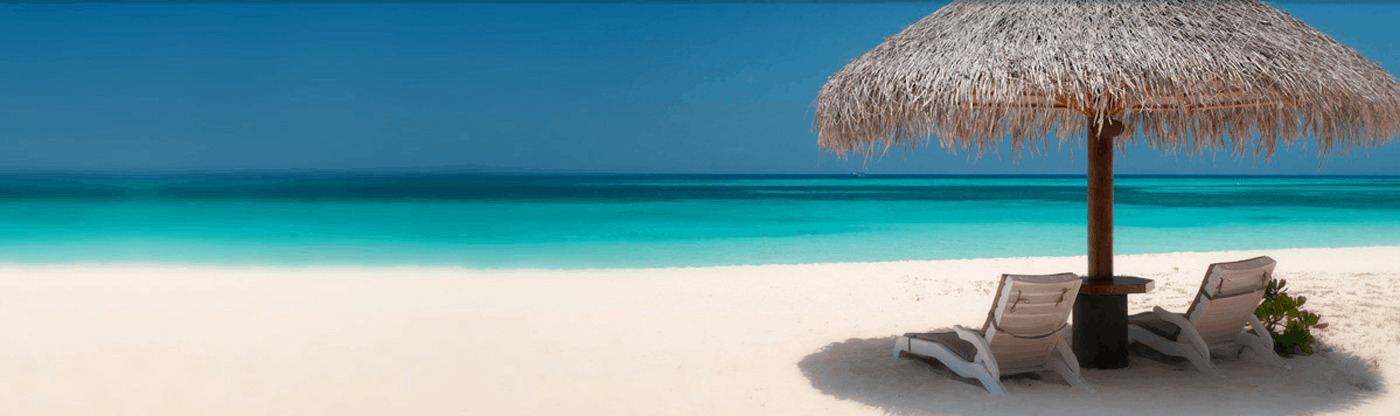
Blue Flag Beaches offer some of the cleanest and most beautiful coastal experiences you can find. These certified spots combine clear water, safety, and well-kept surroundings for a relaxing escape. Explore where to find the best ones and plan your next beach getaway.
Spain’s coastline is packed with beautiful beaches, from quiet coves to lively seaside towns. Many of the most popular spots are recognized as Blue Flag beaches, known for their clean water, safety, and well-maintained facilities. Some are peaceful and tucked away, while others are full of energy and lined with restaurants and shops.
Beyond the scenery, certain beaches stand out for more than just looks. The Blue Flag designation highlights spots known for clean water, strong safety standards, and well-kept facilities. So, it’s a simple way to spot beaches that are both beautiful and reliable.
Every summer, I travel with my family to explore different parts of the coast. Each stop feels a little different, which is part of the fun. Some places are perfect for relaxing, while others are better for exploring or trying something new.
Because of this, these recognized beaches make planning easier. You don’t have to guess if the water is clean or if the area is well maintained. That means less time researching and more time enjoying the trip.
If you’re planning a coastal getaway, this guide will help you find some of the best options. I’ve also included a few honorable mentions and tips on great places to stay right near the water.
For more information, visit our Spain Review here, or visit us on Pinterest.
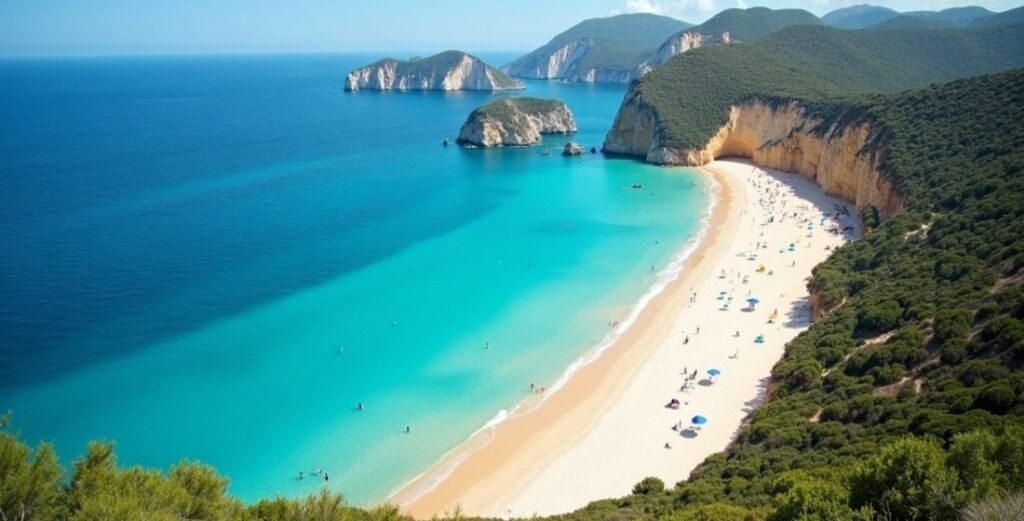
Weather and Best Time to Visit Spain’s Coast
Spain’s coastline enjoys a warm, sunny climate for most of the year. Summers are hot and dry, while spring and fall bring milder temperatures and fewer crowds. Even in early summer, the water starts to warm up, making beach days comfortable without the peak-season rush.
The busiest time to visit is from June through August. During these months, the weather is at its warmest, and the sea is perfect for swimming. Beaches feel lively, and many coastal towns are in full swing with restaurants, events, and nightlife. At the same time, this is when crowds are at their highest.
If you prefer a quieter experience, late spring and early fall are great options. May, September, and even early October offer warm days, pleasant water temperatures, and a more relaxed atmosphere. Because of this, it’s often easier to find space on the beach, and hotel prices can be a bit lower.
Weather can vary slightly depending on the region. The Mediterranean coast tends to be warmer and calmer, while northern areas along the Atlantic can feel cooler and more breezy. Even so, both offer beautiful beach conditions at the right time of year.
For the best balance of weather, fewer crowds, and overall experience, late May through June and September are often the sweet spots. You’ll still get plenty of sunshine, while enjoying a more laid-back vibe that makes it easier to experience the coast at your own pace.
Spain’s Blue Flag Beaches: What Makes Them Special?
Beaches with this designation earn recognition by meeting strict standards for cleanliness, safety, accessibility, and environmental care. So, many offer soft sand, clear water, and well-maintained facilities that make a full day by the sea easy and comfortable.
For me, spending time at one of these beaches feels stress-free. The water is tested regularly, and amenities like restrooms, showers, and boardwalks are clean and easy to use. Because of this, it takes the guesswork out of planning a beach day.
Spain ranks at the top worldwide for the number of these recognized beaches. Both the Mediterranean and Atlantic coasts are filled with options that work well for solo travelers, couples, and families alike.
With so many choices, narrowing them down isn’t easy. Still, after swimming, relaxing, and exploring across different regions, I’ve picked thirteen standout spots that each offer something a little different.
These beaches aren’t just about scenery. They also reflect strong local standards and a focus on protecting the coastline. In many cases, you’ll find beach cleanups, volunteer efforts, and small educational events that support the environment.
Because of that, your visit can be more than just a beach day. It can also be a chance to connect with the area and see how these coastal communities work to keep their shores clean and welcoming.
Top 13 Blue Flag Beaches in Spain and the Best Hotels Nearby
Spain’s coastline offers a wide mix of beach experiences, from calm bays to open stretches of sand. Some spots feel lively and social, while others are quiet and more natural.
This list brings together a selection of standout beaches known for their clean water, strong facilities, and beautiful settings. Each one has its own vibe, which makes it easier to find the right fit for your trip.
To help with planning, I’ve also included nearby hotels that make staying close to the water simple and convenient.
Playa de la Concha (San Sebastián, Basque Country)
La Concha captures that classic coastal feel with its wide bay, gentle surf, and views of Mount Urgull. The sand is soft, and the promenade is perfect for a slow walk.
Early mornings are my favorite here. Local swimmers head into the crisp water, and the city wakes up at an easy pace.
Playa de Alcudia (Mallorca, Balearic Islands)
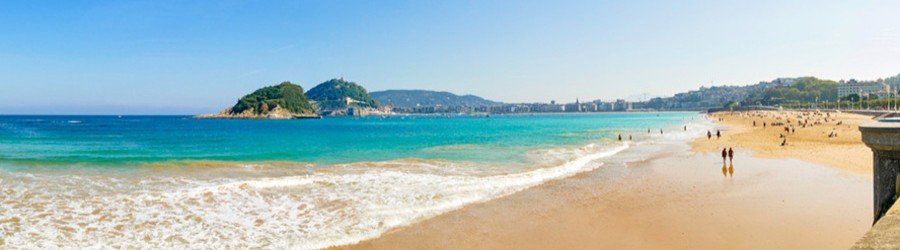
Alcudia stands out for its shallow, turquoise water and soft golden sand. The gentle slope makes it ideal for swimming, especially with kids.
The whole area feels relaxed and family-friendly. You’ll also find water sports, cafés, and plenty of space to spread out.
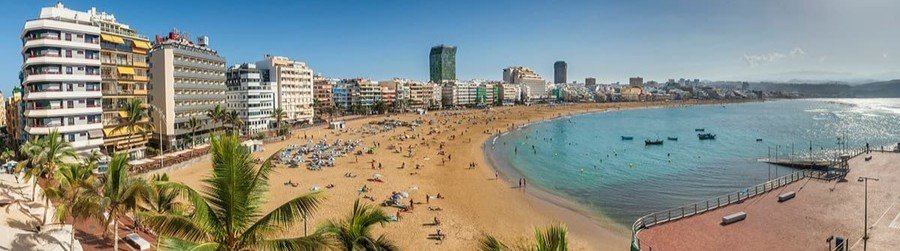
Playa de las Canteras (Las Palmas, Gran Canaria)
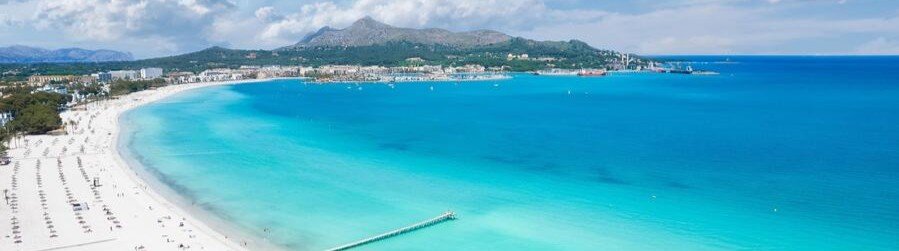
Las Canteras stretches for nearly three kilometers, so it’s easy to find your own space. A natural reef helps keep the water calm, which makes it great for snorkeling.
The boardwalk stays lively all day. By evening, the sky turns shades of orange and pink over the Atlantic.
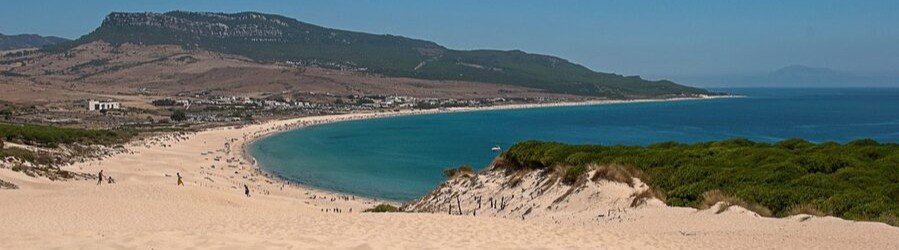
(Tarifa, Andalusia)
Bolonia feels wild and open, with large dunes and steady coastal winds. The ruins of Baelo Claudia sit nearby, adding a layer of history to the setting.
It’s a great place for a long walk at sunset. Kite surfers often bring a bit of energy to the shoreline.
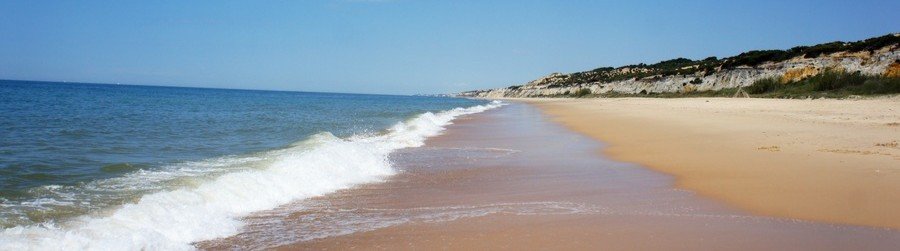
Playa de Mazagón (Huelva, Andalusia)
This beach is wide, quiet, and easy to enjoy at your own pace. Pine forests line the back of the sand, offering shaded paths after a swim.
It’s a great spot for a picnic or a slow afternoon by the water.
👉 Plan your visit to Playa de Mazagón
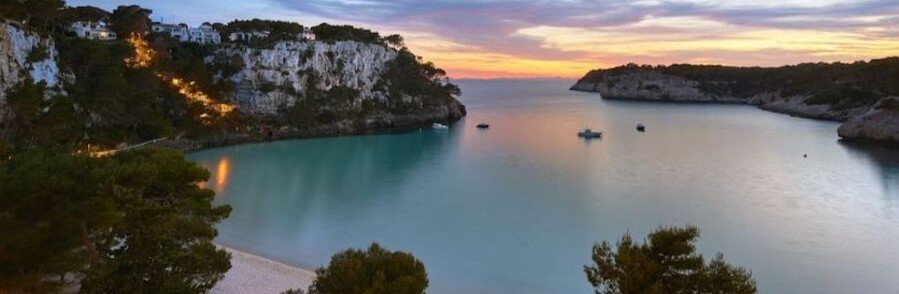
Cala Galdana (Menorca, Balearic Islands)
Cala Galdana curves into a beautiful crescent, framed by cliffs on both sides. The water stays calm, which makes it perfect for kayaking.
You can explore small caves nearby or relax and watch boats drift through the bay.
Playa de las Catedrales (Ribadeo, Galicia)
This beach is known for its dramatic rock arches and cliffs. At low tide, it feels almost unreal as you walk beneath the formations.
Timing matters here. Check the tide schedule and wear shoes for the rocky areas.
👉 Discover Playa de las Catedrales
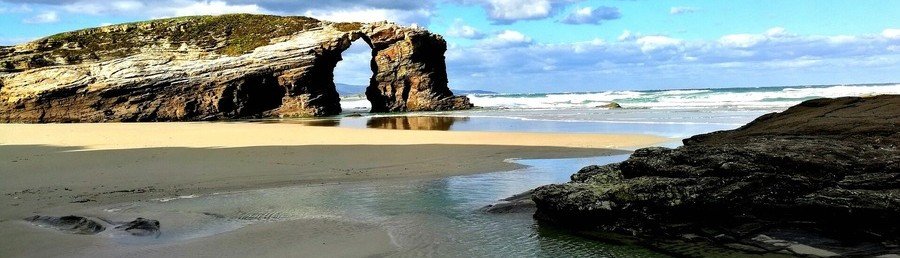
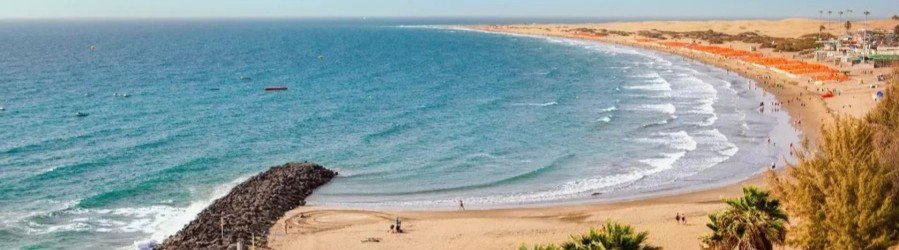
Playa del Inglés (Maspalomas, Gran Canaria)
This beach offers a long stretch of sand and a lively atmosphere. Mornings are calm, while evenings bring energy and nightlife.
The nearby dunes are worth exploring. Sunrise is especially beautiful when the sand glows in soft light.
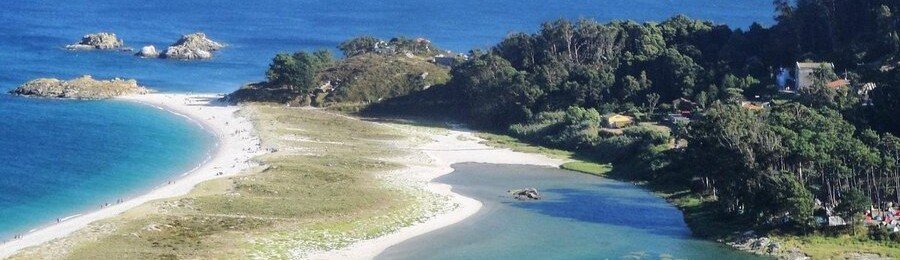
Playa de Rodas (Islas Cíes, Galicia)
Rodas feels like a hidden escape, with white sand and clear, lagoon-like water. Visitor numbers are limited, so it never feels too crowded.
There are few services, so plan ahead and bring what you need.
Playa de Levante (Benidorm, Costa Blanca)
Levante is lively and full of energy, with soft sand and plenty of activities. Water sports and a busy promenade keep things moving.
Early mornings are quieter if you want a more relaxed swim.
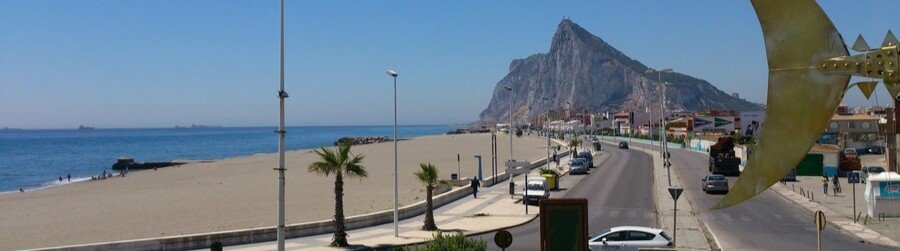
Playa de la Barrosa (Chiclana de la Frontera, Cádiz)
La Barrosa stretches for miles and rarely feels crowded. The shallow entry makes swimming easy for all levels.
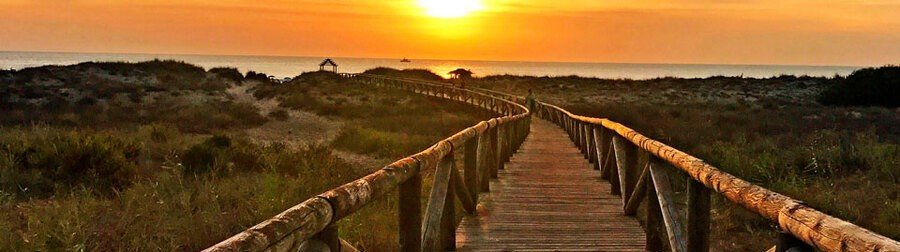
Sunsets here are a highlight, and cafés along the boardwalk make it easy to stay all day.
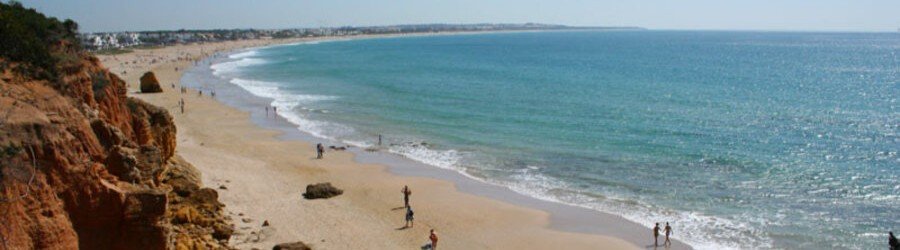
Playa de Torremolinos (Costa del Sol, Málaga)
This area offers a classic beach experience with wide sand, water sports, and plenty of dining options.
The promenade comes alive in the evening, with music, markets, and street performers.
👉 Explore Playa de Torremolinos
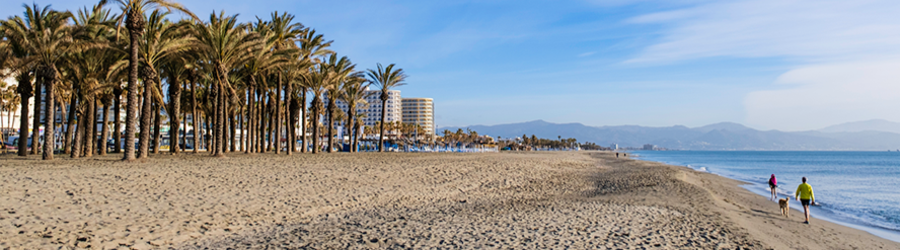
Playa de Zahara de los Atunes (Cádiz, Andalusia)
Zahara has a quieter, more local feel, with dunes and a laid-back fishing village vibe.
It’s a great place to slow down. Fresh seafood, especially tuna, is a highlight here.
👉 Plan your visit to Playa de Zahara de los Atunes
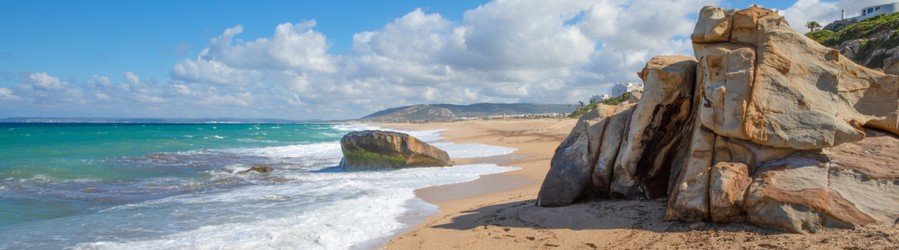
Honorable Mention Blue Flag Beaches
Some spots just miss the top list but are still worth a visit:
- Playa de San Juan (Alicante, Costa Blanca) – Known for its length and city convenience. The beach is ideal for walkers and cyclists, and plenty of playgrounds make it family friendly.
- Playa de Es Trenc (Mallorca) – Very natural, backed by dunes and salt flats. Birdwatchers love this area, particularly in spring and autumn when migrant species pass through.
- Playa de Poniente (Benidorm) – Calmer and quieter than nearby Levante but just as clean. Sunsets here are amazing, and the boardwalk provides easy access for those with limited mobility.
- Playa de Laredo (Cantabria) – Popular for windsurfing and long sandy walks. Great for active travelers, with lessons available for beginners.
- Cala Major (Palma de Mallorca) – Smaller, urban, yet lively and often awarded Blue Flag status. Surrounded by urban amenities and just a short bus ride from Palma’s historic center.
Find Your Perfect Beach by Travel Style
Not every beach fits every traveler, which is why it helps to narrow things down based on what you enjoy most. Whether you’re traveling with family, chasing nature, or want something close to the city, there’s an option that fits your style.
Best for Families
Beaches with calm water and easy access tend to work best for families. Playa de Alcudia in Mallorca stands out for its shallow shoreline and soft sand, while Playa de San Juan in Alicante offers plenty of space, playgrounds, and nearby amenities.
Best for Nature Lovers
If you’re drawn to wide-open landscapes and natural scenery, a few spots really stand out. Playa de Bolonia in Cádiz is known for its massive dunes and unspoiled setting, while Playa de Es Trenc in Mallorca attracts visitors with its dunes, salt flats, and seasonal birdlife.
Best for Urban Convenience
For those who like having restaurants, shops, and culture close by, city beaches are a great choice. Playa de la Concha in San Sebastián blends a scenic bay with easy access to town, and Platja de Ribes Roges near Barcelona offers a relaxed beach feel just minutes from the city.
Understanding Spanish Beach Flags
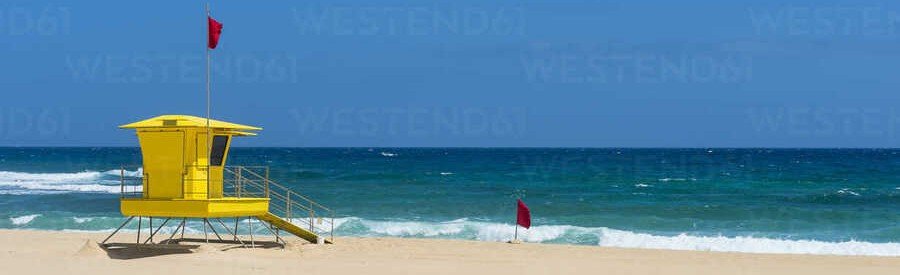
While the Blue Flag award reflects overall quality for the season, daily swimming conditions are shown with a separate flag system. These flags are updated throughout the day, depending on the water and weather.
A green flag means conditions are calm and swimming is considered safe. You’ll usually see this on clear, low-wave days.
A yellow flag signals moderate waves or currents, so it’s best to stay alert and swim with caution. This is common when the water looks inviting but has some movement.
A red flag means conditions are dangerous, often due to strong currents or heavy surf. When this flag is up, swimming is not allowed.
Before heading into the water, it’s always worth taking a quick look at the flag. It’s a simple step that can make a big difference in keeping your beach day safe and stress-free.
Why Choose a Blue Flag Beach for Your Trip?
When I travel with kids, I look for the Blue Flag symbol because it signals clean, safe, and well-equipped beaches. With regular water checks, lifeguards, and easy access, a day by the sea feels much more relaxed and predictable.
For travelers with mobility needs, many of these beaches include wheelchair-friendly paths and adapted restrooms. So, this makes it easier for more people to enjoy the coast with confidence. That level of accessibility can really change the experience, especially for families traveling together.
Choosing these locations also supports environmental awareness and responsible tourism. In addition, many host events focused on wildlife, recycling, and ocean health. Plus, letting kids take part in a cleanup or nature walk has always been a highlight for my family. It adds something meaningful to the trip without taking away from the fun.
In many areas, these beaches work with local schools to offer educational programs, creating a strong sense of community you can actually feel while visiting. So, whether you join in or simply take it in from the boardwalk, that connection adds another layer to the experience.
Know Before You Go: Beach Day Tips That Make a Difference
Planning ahead can make your beach day much more enjoyable, especially during the busy summer months. A few small details can help you avoid crowds, stay comfortable, and make the most of your time by the water.
Peak Season Strategy
During the height of summer, popular spots can fill up quickly. Beaches like Playa de Levante are especially busy in July and August, with crowds building by midday. If your schedule allows, June and September are often better choices, with warm weather, fewer people, and a more relaxed pace.
Accessibility Features
Many of these beaches are designed with accessibility in mind. You’ll often find ramps, boardwalks, and adapted restrooms, making it easier for visitors with reduced mobility to enjoy the shoreline. This added convenience can make a big difference for families and travelers who need extra support.
Beach Rules to Know
Local guidelines help keep these beaches clean and enjoyable for everyone. In many areas, smoking, loud music, and dogs are restricted to protect the environment and maintain a peaceful atmosphere. Rules can vary slightly, so it’s always a good idea to check posted signs when you arrive.
Taking a moment to plan ahead, while staying aware of local conditions and rules, can turn a good beach day into a great one.
Coastal Gastronomy: A Taste of the Sea
Spain’s coastline isn’t just about beaches. It’s also a place where regional flavors shine, with each area offering its own take on fresh seafood and traditional dishes. As you move from one region to another, the ingredients and cooking styles shift, giving each stretch of coast its own identity.
Mediterranean Coast (Andalusia & Valencia)
Along the Mediterranean, beachside dining feels relaxed and full of flavor. Here, meals often focus on simple ingredients prepared right by the water, which makes the experience just as memorable as the food itself.
In this region, a few dishes stand out and are easy to find near popular beaches:
Espetos de Sardinas
A must-try in Málaga, these fresh sardines are skewered on bamboo and roasted over open fires right on the beach.
Paella Valenciana
While served across the country, the most authentic version comes from Valencia, featuring local rice, saffron, and traditional meats like rabbit or chicken.
Pescaíto Frito
A staple in Andalusia, this dish includes small fish that are lightly battered and fried until crisp.

Atlantic & Cantabrian Coasts (Galicia & Cantabria)
As you head north, the coastline changes, and so does the food. The cooler waters here produce some of the best shellfish in Spain, which is why many dishes focus on freshness rather than heavy seasoning.
Because of this, meals tend to highlight natural flavors, with just a few simple ingredients:
Pulpo á Feira
Tender octopus served over sliced potatoes, finished with sea salt and smoky paprika.
Rabas
A favorite in Cantabria, these crispy fried squid strips are often enjoyed as a midday snack.
Mejillones & Berberechos
Mussels and small cockles, usually steamed to let their natural flavor stand out.
The Canary Islands
Further south, the islands bring a slightly different culinary style shaped by both local traditions and coastal life. As a result, dishes here often feel simple, hearty, and perfect after a long day at the beach.
One of the most popular options you’ll come across is:
Papas Arrugadas con Mojo
Small salt-boiled potatoes served with a bold mojo sauce, making it an easy and satisfying beachside snack.
Beachside Sips: What to Drink
After a day in the sun, something cold and refreshing always hits the spot. Across Spain’s coastal regions, drinks tend to be light, simple, and well suited for warm weather.
Depending on where you are, you’ll likely come across a few local favorites:
Tinto de Verano
A refreshing mix of red wine and lemon soda, and also often preferred over sangria by locals.
Cava
Spain’s sparkling wine, especially popular along the eastern coast.
Sidra (Cider)
Common in the north, this tart cider is poured from a height to enhance its flavor.
Vermut
An herb-infused drink served over ice, traditionally enjoyed before lunch.

Pro Travel Tip: Menu del Día
During the week, many coastal restaurants offer a Menu del Día. For a set price, usually around €13–€15, you’ll get a starter, main course, dessert, and a drink.
So, it’s one of the easiest ways to enjoy a full, high-quality meal without overspending, especially in popular beach areas.
Beyond the Beach: Blue Trails and Blue Centers
Spain’s coastline offers more than just beautiful places to swim. It also features a network of Blue Trails, which are scenic coastal paths, along with Blue Centers, such as visitor centers and small maritime museums.
Blue Trails
These marked paths follow the coastline and connect beaches, viewpoints, and natural areas. They’re perfect for a relaxed walk, a bike ride, or simply taking in the scenery at a slower pace. Along the way, you’ll often find signs that explain local plants, wildlife, and coastal features.
Blue Centers
These spaces focus on education and conservation. Many offer small exhibits, workshops, and guided activities that highlight marine life and environmental care. They’re a great stop if you want to learn more about the area beyond the shoreline.
Together, these experiences add another layer to your trip. You’re not just visiting the coast—you’re also getting a closer look at the ecosystems and communities that help protect it.
Eat Well, Travel Smart: Sustainable Seafood Tips
Enjoying fresh seafood is part of the coastal experience. At the same time, making a few thoughtful choices can help protect the waters you’re visiting.
Look for Trusted Labels
When browsing menus or markets, you may notice seafood with sustainability certifications. So, labels like the Marine Stewardship Council (MSC) indicate the fish was caught using methods that support healthy ocean ecosystems.
Support Local Fishers
In some regions, especially along the southern coast, locally caught seafood is carefully tracked. You might even see QR codes that show where and how the fish was caught, which adds a nice layer of transparency.
Choose Low-Impact Options
Some seafood choices are naturally more sustainable than others. Mussels, clams, and oysters are great options since they can actually help improve water quality. So, you can also try lesser-known local fish instead of more heavily fished species.
Be Mindful of Size and Season
Sustainable fishing practices focus on allowing fish to grow and reproduce. So, choosing restaurants that follow these guidelines helps support long-term ocean health.
Keep It Beach-Friendly
Simple habits make a difference here, too. Restaurants that avoid single-use plastics help reduce pollution along the coast, which keeps beaches cleaner for everyone.
Extra Tip
If you have time, stop by a local visitor center or coastal museum. Many share insights about marine life and the ecosystems that support the food you’re enjoying.
What to Pack for Spain Beaches for a Stress Free Day
Packing for Spain’s beaches is simple, but a few essentials can make your day much more comfortable. Because some beaches are fully serviced while others are more natural, it helps to be prepared.
- Lightweight beachwear and sandals
- Sunscreen, sunglasses, and a hat
- Beach towel or quick-dry towel
- Cash for small purchases
- Reusable water bottle
👉 See the full beach packing list here
Frequently Asked Questions About Blue Flag Beaches in Spain
Are Blue Flag beaches always crowded?
Some, like Playa de Levante or Playa del Inglés, are popular with tourists, especially in July and August. However, traveling in June or September usually means fewer crowds, and beaches on the islands or in Galicia can feel quieter even during peak season. If solitude is important, early mornings or less developed areas, such as western Galicia or rural parts of Andalusia, tend to be much calmer.
Do all Blue Flag beaches have lifeguards?
A Blue Flag designation typically means lifeguards are present during main swimming hours in season. Even so, it’s always worth checking posted signs for swimming zones and lifeguard schedules, especially at larger beaches. You can also ask locals or use posted QR codes to get up-to-date information on current conditions.
Can I find accessible facilities at these beaches?
Most beaches on this list include ramps and boardwalks, and many also offer beach wheelchairs. In places like Playa de la Concha and Playa de la Barrosa, these features are easy to spot and well maintained. For more detailed information, it helps to check local tourism sites or call ahead to confirm accessible parking, restrooms, and services.
Is it more expensive to stay near Blue Flag beaches?
Prices are often a bit higher due to demand, especially at prime beachfront hotels. I’ve found good deals by booking early or traveling outside the peak holiday weeks. Budget tips include staying a block or two from the sand, opting for smaller guesthouses, or booking apartments where you can cook your own meals.
Choosing the Right Blue Flag Beach for Your Plans
Spain’s Blue Flag beaches offer more than clean sand and clear waves. Each spot brings something unique, whether you prefer quiet, natural escapes like Bolonia or highenergy promenades at Benidorm’s beaches. I always suggest picking a beach that matches your personal style—somewhere you’ll feel comfortable, but also inspired to explore. Pairing your stay with the right hotel makes it easy to slip from breakfast to the water in just a few steps. With so many Blue Flag beaches awarded each year, there’s always a new shore to track down.
Whether you seek active adventures on the Mediterranean or peaceful days in Galician nature, Spain’s Blue Flag beaches offer a safe, clean, and exciting vacation with something for truly everyone. Jumpstart your own adventure soon; a perfect Spanish shore could be waiting just around the next bend.
Related Posts
 Visit Beautiful Lohme in the Jasmund Region on Rügen Island
- Visit Beautiful Lauterbach on The Island of Rügen
- Visit Beautiful Putbus on The Island of Rügen
- Discover the Most Beautiful Coastal Landscapes of Sassnitz Germany
- Rhine Gorge: The Most Stunning Hidden Castles You’ll Love
- The Most Beautiful Heidelberg Old Town and Stunning Castle Views You’ll Love


Pingback: Brittany Baldwin
I usually start with a region and then narrow it down to specific beaches once I know what kind of experience I want. The Blue Flag spots help a lot with that since they’re reliable and easy to plan around.
Pingback: Teresa Cahill
For a first visit, I’d usually suggest the Mediterranean coast since the weather is more predictable and the water tends to be warmer. The northern coast is incredible too, but it’s better if you’re specifically looking for nature and don’t mind more changeable weather.
Pingback: Anonymous
The island beaches do feel a bit different, especially with clearer water and more sheltered coves in places like the Balearics. That said, it really comes down to the specific location since both the islands and mainland have a wide mix of beach styles.
The Blue Flag criteria breakdown—especially the water quality testing frequency—really shows why these Spanish beaches consistently rank so highly. What you mentioned about Cala Macarelleta’s hidden cove being quieter than nearby Cala Mitjana is exactly the kind of insider knowledge travelers need.
The sustainable facilities at Playa de Muro (recycled boardwalks, solar-powered showers) set a benchmark other destinations should follow. For families, the lifeguard coverage details at Playa de Ses Illetes are reassuring—are there particular months when the supervision is most robust?
I’m so glad you highlighted the importance of the Blue Flag criteria, especially the rigorous water quality testing and its role in maintaining the high standard of these beaches. That constant monitoring truly explains why Spain’s shores repeatedly earn top marks and why the beaches listed in my post consistently shine.
Your note on Cala Macarelleta’s hidden cove versus the busier Cala Mitjana captures exactly what I aimed to convey — it’s those lesser-known gems where visitors find the kind of quiet, untouched beauty that transforms an ordinary beach day into something special.
And Playa de Muro’s sustainable facilities are genuinely inspiring. The use of recycled materials for boardwalks and solar-powered showers isn’t just practical—it sets a precedent for how beaches can offer comfort while honoring environmental consciousness.
To add to your helpful focus on safety: At Playa de Ses Illetes, lifeguard coverage runs seasonally—from early May to mid‑September—with longer hours in the peak months. Specifically, from June 16 to September 15, lifeguards are on duty daily from 11 a.m. to 7 p.m. Outside those dates (May 1–June 15 and September 16–October 31), coverage is still provided but scaled back to 11 a.m. to 5 p.m.
Thanks again for bringing attention to those key details — it’s always rewarding to hear from readers who value both sustainability and thoughtful travel.
This roundup really highlights why Spain is such a powerhouse when it comes to world-class beaches—and I like how you’ve gone beyond just naming them to actually explaining what makes each one special. The mix of practical tips, local flavor, and hotel suggestions makes it easy for readers to picture their trip from morning swim to sunset stroll.
I also appreciate the focus on the Blue Flag aspect—it’s not just a label, but a commitment to cleanliness, safety, and community involvement. The notes about environmental programs, accessibility features, and even beach cleanups make it clear that these destinations aren’t just beautiful—they’re responsibly managed.
If I could add anything, it might be a quick “perfect beach day” itinerary for one or two favorites, just to help travelers visualize the flow from breakfast to evening activities.
When you choose a beach to visit, do you lean more toward the high-energy promenades with lots to do, or the quieter, natural settings where the scenery takes center stage?
Jason, thank you for such a thoughtful comment and for picking up on the details that make these Blue Flag beaches truly stand out. I’m glad the post conveyed that these spots are not only stunning but also backed by a real commitment to quality, safety, and environmental care. The Blue Flag recognition is so much more than just a badge—it reflects a community’s dedication to preserving the beauty and accessibility of their coastline.
To your question—I tend to enjoy both, but if I had to choose, I’d probably lean toward the quieter, more natural settings where the scenery and atmosphere take the lead. There’s something so restorative about hearing nothing but the waves and feeling a bit removed from the bustle, even though I also appreciate the energy and variety of a lively promenade now and then.
Spain’s Blue Flag beaches truly set the standard for clean, safe, and eco-friendly coastal escapes. I love how this recognition isn’t just about beautiful scenery—it’s a promise of high-quality water, well-maintained facilities, and respect for the environment. From the golden sands of Playa de la Concha to the wild beauty of Bolonia, each destination offers its own magic, whether you’re after vibrant boardwalks, peaceful nature, or family-friendly shallows. The variety is incredible—calm Mediterranean bays, dramatic Atlantic cliffs, island coves, and lively resort towns. Knowing that lifeguards, accessibility, and environmental stewardship are part of the package makes planning stress-free. I also appreciate how many of these beaches host community cleanups and educational activities, letting visitors give back while enjoying the coast. For anyone seeking a Spanish getaway that blends relaxation, safety, and sustainability, Blue Flag beaches are an unbeatable choice for your next seaside adventure.
Thank you—beautifully said! Blue Flag (Bandera Azul) really is a helpful shorthand for clean water, safety, and well-managed beaches across Spain. As a quick planning tip, many Blue Flag beaches offer seasonal lifeguards, accessible boardwalks, ramps, adapted toilets, reserved parking, and often amphibious chairs in summer—check the local tourist office or lifeguard post on arrival for availability. Services are typically strongest from late spring through early autumn and can vary by municipality. For a smoother day, arrive early for parking, follow dune boardwalks to protect habitats, and keep an eye on the daily swim flags—winds or “medusas” (jellyfish) can change conditions. Whether you gravitate to lively promenades or quiet coves, Spain’s Blue Flag shores make it easy to relax sustainably and safely. Enjoy planning that seaside escape!
Thanks @Leahrae—another great post! I hadn’t come across the Blue Flag system before your site, so this was a peachy little discovery. I spent two weeks around Málaga during a British Army exchange, and the beaches were unforgettable—stunning coastline, warm evenings, and locals who made every moment feel like I was a local.
While we don’t use the Blue Flag program in Australia, we’ve got our own beach safety system with red and yellow flags marking patrolled zones. It’s more about real-time safety than eco-certification, but I would guess many Aussie beaches would easily meet the Blue Flag standards. Makes me wonder what a global beach benchmark might look like if we combined both systems.
I appreciate the guide—it’s brought back good memories and rethinking my next holiday plans.
MarkA
Thanks so much for your kind words, Mark! I’m really glad the post introduced you to the Blue Flag system—it’s such a helpful eco-certification that highlights both environmental quality and safety, which I think makes it pretty unique globally.
Your point about Australia’s beach safety flags is super interesting! Combining real-time safety measures with environmental standards could indeed create a fantastic global benchmark. It’d be amazing to see more countries adopt a system that balances visitor safety with sustainability.
Málaga sounds like an incredible place to have experienced that authentic local vibe—and I totally get how those warm evenings and welcoming locals make the memories unforgettable.
Out of curiosity, are there any Australian beaches you think should be on a future international Blue Flag list? I’d love to hear your recommendations!
Thanks again for sharing your experience!
This was such a comprehensive and inspiring guide to Spain’s Blue Flag beaches! I appreciate how you balanced stunning descriptions with practical tips like accessibility, hotel picks, and even eco-friendly initiatives. It makes choosing the right beach so much easier. I especially loved learning about lesser-known spots like Playa de Mazagón alongside famous names like La Concha. Do you think these beaches will keep their pristine standards as tourism grows, or will increased visitors pose a challenge?
Thank you so much for your wonderful feedback! I’m really glad the guide offered both inspiration and useful details to help you choose the perfect Blue Flag beach in Spain. It’s great to hear you appreciated the mix of popular favorites and hidden gems—each spot truly offers something unique.
Regarding your thoughtful question about whether these beaches will maintain their pristine standards as tourism grows, it’s definitely a challenge many coastal areas face. The Blue Flag program itself encourages strict environmental standards and sustainable practices, which helps protect these beaches from overdevelopment and pollution. However, increased visitors can put pressure on local ecosystems, infrastructure, and cleanliness if not managed carefully.
That said, many local communities and authorities are becoming more aware of this balance and are investing in measures like limiting access during peak times, improving waste management, and promoting eco-friendly tourism. The hope is that with continued commitment from both visitors and locals, these stunning beaches will remain beautiful and healthy for generations to come.
It’s always important for travelers to be mindful—respecting rules, minimizing waste, and supporting sustainable businesses—to help keep Spain’s Blue Flag beaches as breathtaking as they are today.