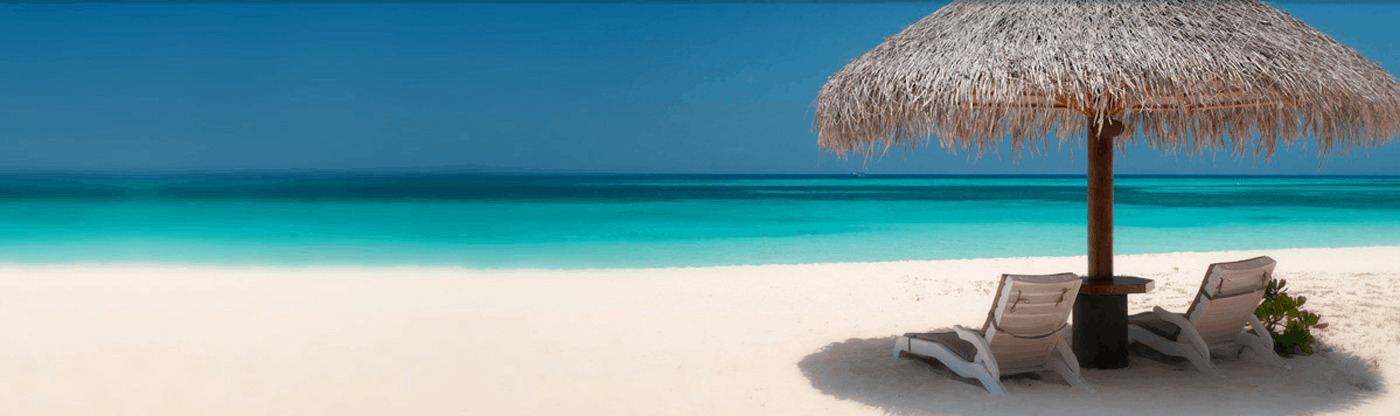
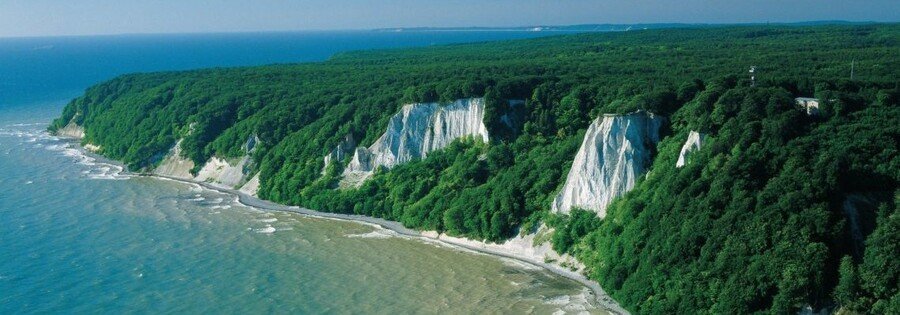
Rügen Island blends dramatic chalk cliffs, sandy Baltic beaches, and charming seaside towns. The island offers relaxed coastal scenery, fresh seafood, and scenic nature escapes. It’s a beautiful destination for travelers seeking calm coastal charm with plenty to explore.
Rügen Island is Germany’s largest island and one of the Baltic coast’s most beautiful escapes. It is known for white chalk cliffs, sandy beaches, and classic seaside resorts. As a result, many travelers visit for fresh sea air, scenic views, and relaxed coastal charm. The atmosphere feels calm, yet there is always something new to see along the shoreline.
In addition, the island offers cycling paths, historic piers, and protected national parks. You can enjoy fresh seafood, waterfront cafés, and small coastal villages. At the same time, the beaches provide space to relax or explore nature. Whether you want quiet scenery, beach time, or coastal culture, Rügen Island makes a refreshing Baltic getaway. Visit all of Germany on Pinterest.
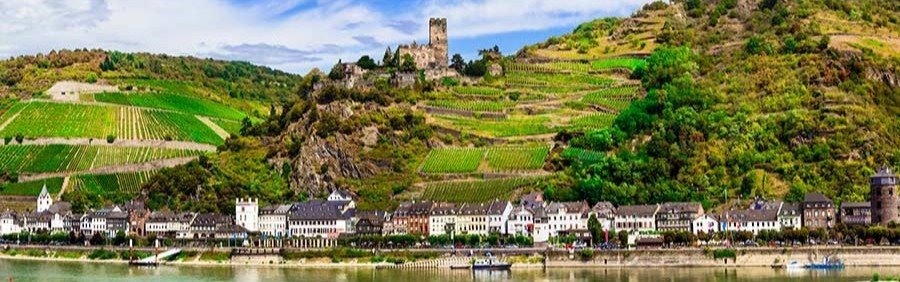
If you’re exploring more of Germany beyond the coast, you might also enjoy discovering the scenic charm of the Rhine River on one of these wonderful cruises.
Weather & Best Time to Visit Rügen Island for Beach Lovers
Right now, Rügen is wrapped in winter chill. Frost warnings and low temperatures make it more scarf-and-coffee weather than swimsuit season. The Baltic Sea can feel bracing even on mild days. So winter and early spring are better for quiet walks than beach lounging.
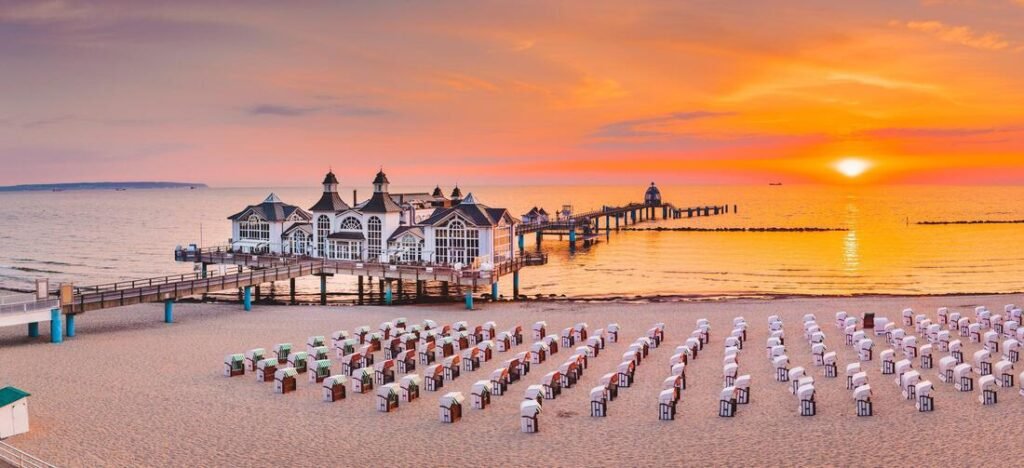
For beach people, late June through early September is the sweet spot. Summer brings the warmest air, longer days, and the best chance for sun. July and August are peak months. Temperatures usually feel comfortable rather than scorching, and the famous Strandkörbe line the sand like neat little beach thrones waiting for you.
If you prefer fewer crowds but still want decent beach weather, late June or early September works beautifully. The sea stays relatively warm, the light turns softer, and the island feels more relaxed. You still get swim days, yet the promenades are calmer.
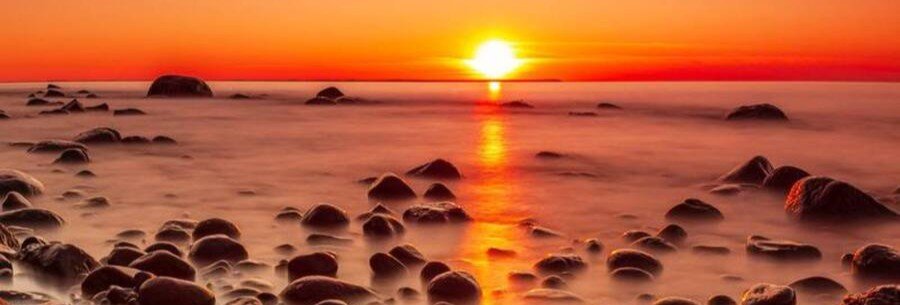
In short, aim for summer if swimming and sun are your priority. Choose early fall if you want beach walks, golden sunsets, and space to breathe.
Why Visit Rügen Island
Rügen Island is shaping up as a top beach destination for 2026. It blends dramatic coastal scenery with historic charm. As a result, it feels different from many Mediterranean beach spots. Instead of crowded resort strips, you get wide beaches, scenic cliffs, and relaxed seaside towns.
Why Visit Rügen for Beach Travel
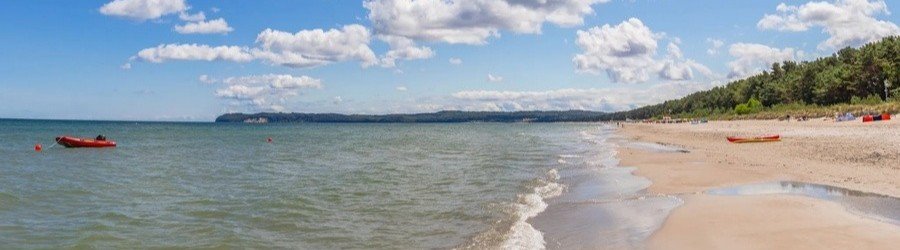
Diverse Coastline: Rügen offers more than 60 kilometers (37 miles) of sandy beaches. Some areas have lively resorts with full amenities. Others feel quiet and natural, which is perfect if you want space to unwind.
Iconic Landmarks: The island is famous for its white chalk cliffs in Jasmund National Park. These cliffs rise above the Baltic Sea and create stunning coastal views. They also make a beautiful backdrop for photos and scenic walks.
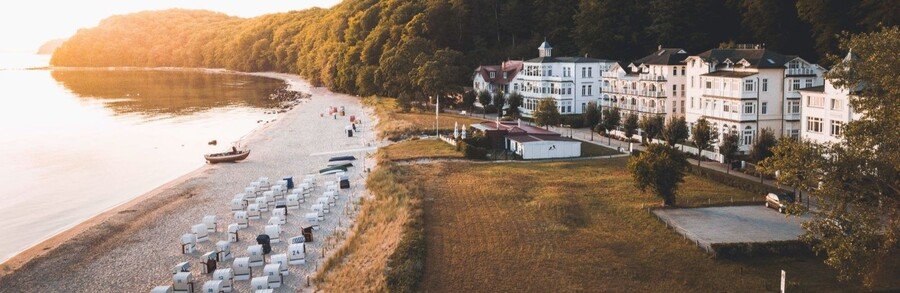
Resort Architecture: Coastal towns such as Binz and Sellin showcase classic seaside resort design. White villas, ornate balconies, and historic piers give the area a timeless coastal look.
Unique Amenities: A signature beach feature is the Strandkorb, or beach basket. These hooded wicker chairs protect you from wind while adding comfort and privacy on the sand.
Climate: Rügen is one of Germany’s sunniest regions. Therefore, June through September is ideal for beach days, swimming, and long coastal walks.
Top Beach Destinations on Rügen
Rügen Island is known for wide sandy shores and scenic Baltic views. Each beach has its own mood. Some feel lively and social. Others are calm and natural. Here are the top beach destinations to explore.
Binz Beach:
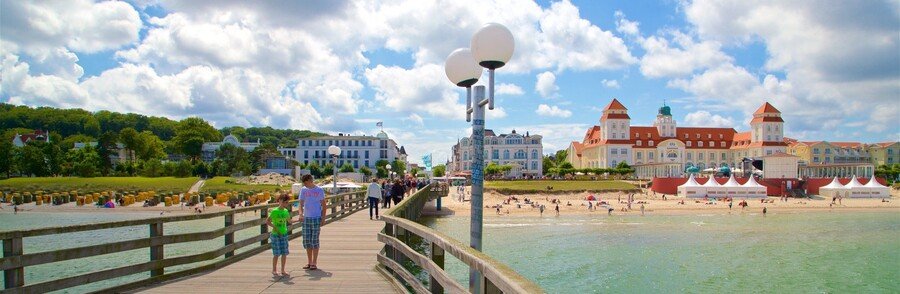
Binz Beach earns its reputation as the island’s crown jewel thanks to its 5-kilometer sandy beach, the longest on the island. Along the promenade, restored 19th-century white villas create a classic seaside feel. In addition, the 370-meter pier stretches into the Baltic Sea. Because of this, the waterfront feels lively yet elegant.
Sellin Beach:
Sellin Beach is famous for its historic pier, known as the Seebrücke. The beach sits below a 30-meter-high cliff. As a result, the setting feels dramatic and scenic. Swimmers and photographers both love the view.
Schaabe Sandbar:
The Schaabe is a 12-kilometer natural stretch of beach near Glowe. It connects the Jasmund and Wittow peninsulas. Because it is less developed, it feels peaceful and open. It is ideal for long walks, windsurfing, or quiet beach time.
Göhren (North and South Beaches):
Göhren offers two distinct beaches. The North Beach feels lively and active, with a pier and family-friendly areas. Meanwhile, the South Beach is quieter and more rugged. It works well if you want space to relax.
Thiessow Beach:
Thiessow Beach sits at the southern tip of the island. The setting feels peaceful, with open Baltic views and natural dunes. Windsurfers often gather here thanks to steady coastal breezes. Overall, it works well if you want a quieter beach escape.
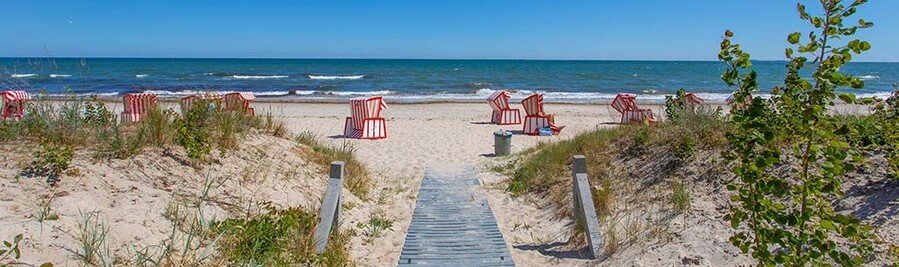
Cultural Icons: Piers, Lighthouses, and Beach Baskets
Beyond its beaches and forests, Rügen Island has a distinct coastal identity. In fact, several visual icons define the island’s charm. These landmarks appear again and again in photos, postcards, and travel memories.
Historic Piers
Rügen’s seaside piers are more than simple walkways. They stretch gracefully into the Baltic Sea and serve as gathering places for visitors. For example, Sellin’s pier stands out with its elegant pavilion and classic design. Meanwhile, Binz also features a long pier that adds to its refined promenade atmosphere. As a result, these structures have become symbols of the island’s resort culture.
Coastal Lighthouses
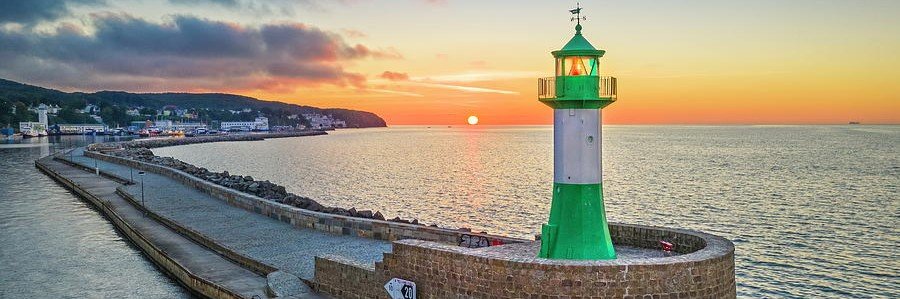
Lighthouses mark important points along the coastline. Cape Arkona, in particular, features twin historic lighthouses overlooking dramatic cliffs. Because of their elevated positions, they provide sweeping views across the Baltic Sea. In addition, they connect visitors to the island’s maritime history.
Strandkörbe (Beach Baskets)
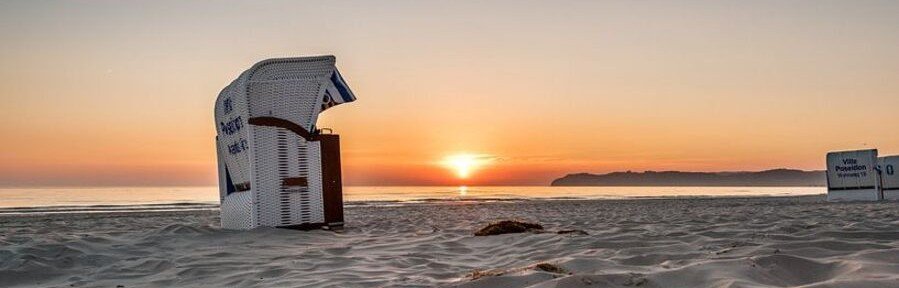
No visit feels complete without spotting rows of Strandkörbe along the sand. These hooded wicker chairs protect beachgoers from wind while adding a touch of tradition. Over time, they have become one of the most recognizable symbols of the German Baltic coast. Therefore, they are both practical and cultural icons.
Together, these features create the classic Rügen seaside look. Piers invite you to stroll. Lighthouses draw your eye to the horizon. Beach baskets line the shore in neat rows. Each one adds to the island’s timeless coastal atmosphere.
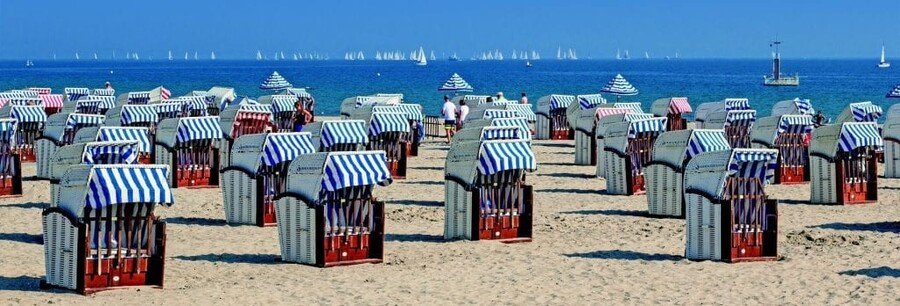
Best Coastal Communities on Rügen Island
Rügen Island offers a mix of lively resort towns, historic harbors, and quiet seaside villages. Some areas feel elegant and social. Others are peaceful and close to nature. Here are the best coastal communities to explore.
The Grand Resorts (East Coast)
These seaside towns form the heart of Rügen’s tourism scene. In fact, many visitors start here. The historic Rasender Roland steam train connects these towns. As a result, travel between them feels easy and scenic.
Binz
Binz earns its reputation as the island’s crown jewel thanks to its 5-kilometer sandy beach, the longest on the island. Along the promenade, restored 19th-century white villas create a classic seaside feel. In addition, the 370-meter pier stretches into the Baltic Sea. Because of this, the waterfront feels lively yet elegant.
Sellin
Sellin is famous for one of Germany’s most iconic piers, complete with a 1920s-style pavilion. From the Wilhelmstraße boulevard, visitors walk downhill toward the beach. Here, you will find a lively North Beach. Meanwhile, the South Beach offers a quieter setting.
Göhren
Göhren sits on the tip of the Mönchgut peninsula. Notably, it is Germany’s only seaside Kneipp hydrotherapy resort. Therefore, wellness plays a big role here. The town offers two distinct beaches. The North Beach feels active and family-friendly, while the South Beach provides a more rugged, peaceful atmosphere.
Baabe
Baabe feels smaller and more relaxed than nearby resorts. As a result, many families choose it for quieter stays. The town is clean, welcoming, and easy to explore. In addition, it serves as a gateway to the Mönchgut biosphere reserve. Consequently, nature lovers often base themselves here.
Nature and Harbor Hubs
These coastal communities focus more on nature, maritime history, and outdoor access. As a result, they offer a different experience from the main resort towns. Here, the pace feels slower, and the scenery often takes center stage.
Sassnitz
Sassnitz serves as a recognized resort town and the main gateway to Jasmund National Park. From here, visitors can easily explore the famous chalk cliffs. In addition, the harbor feels lively and authentic. Local boats often bring in fresh seafood, so waterfront dining feels especially memorable.
Prora
Just north of Binz, Prora features the massive Colossus of Prora complex. Developers transformed this once-abandoned structure into a modern coastal hub with holiday apartments. Meanwhile, the beach remains wide and peaceful. Because of this, it often feels less crowded than nearby resort areas.
Putbus and Lauterbach
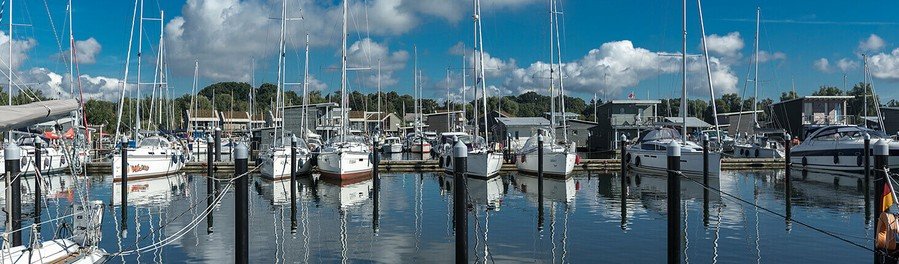
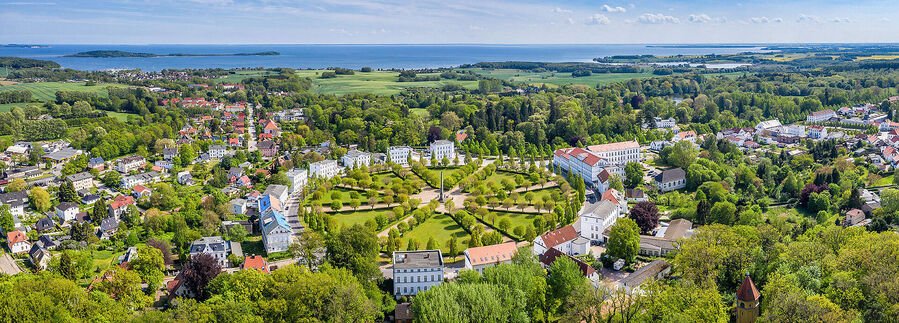
Putbus, known as the White City, began as a royal resort town. Its elegant architecture still reflects that history. Although the town center sits slightly inland, its coastal district of Lauterbach offers a marina and floating cottages. As a result, visitors enjoy a relaxed waterfront setting with easy coastal access.
Quiet Coastal Escapes
For travelers seeking calm scenery and fewer crowds, these villages offer a slower pace.
Lohme
Lohme is a small village perched on a cliff along the Jasmund peninsula. It offers dramatic Baltic Sea views and direct access to hiking trails through the UNESCO-listed beech forests.
Thiessow
Located at the southern tip of the island, Thiessow is surrounded by water on three sides. It is popular with windsurfers and visitors looking for secluded dune beaches.
Dranske
Dranske lies on the Wittow peninsula in the northwest. This area is known for rugged “Windland” scenery and open coastal views toward the neighboring island of Hiddensee.
The Strandkorb Culture
You cannot talk about German beaches without mentioning the Strandkorb, the hooded wicker beach chair seen all along the Baltic coast. These chairs protect visitors from wind and sun. As a result, they make beach days more comfortable even when the weather shifts.
The Strandkorb has become a true symbol of Baltic seaside life. In fact, many travelers see it as part of the classic German beach experience. Most beaches number these chairs, and visitors usually rent them from a Strandkorbwärter, or beach chair attendant. Expect to pay about €10 to €15 per day. Because they are popular in summer, booking early often helps secure the best spot.
The Kurtaxe (Spa Tax) Explained
Many international travelers overlook the Kurtaxe, or spa tax, when planning a trip to the island. However, most coastal communities charge this small daily visitor fee. The cost usually ranges from €2 to €3 per person, depending on the season and location.
In return, visitors receive a Kurkarte, or guest card. This card often includes free use of local buses, discounts on the historic Rasender Roland train, and access to certain beach facilities. As a result, the fee often pays for itself during your stay. Because each town sets its own rules, it helps to confirm the details with your accommodation before arrival.
Amber Hunting (The “Gold of the Baltic”)
The island is one of the best places in Europe to search for amber, often called the “Gold of the Baltic.” After strong winds stir up the sea, small pieces sometimes wash onto the shore. As a result, beachcombing here can feel like a quiet treasure hunt.
The best time to look for amber is after a storm, especially in autumn or winter. During these months, rough seas push natural debris, including amber, onto the sand. Therefore, early morning walks after windy weather often bring the best chances.
However, visitors should take care. Some pieces of white phosphorus can resemble amber and may be dangerous. To help tell the difference, locals suggest simple checks such as the saltwater test, since real amber floats in saltwater. Some also lightly touch a piece to a tooth, as amber feels slightly warm and less smooth than stone. If you are unsure, avoid handling it and leave it in place.

Essential Coastal Gastronomy
Beach days on the island often end with good food by the water. In fact, simple seaside snacks are part of the local experience. While sitting on a pier or promenade, a few regional favorites stand out.
Fischbrötchen
The classic coastal snack is the Fischbrötchen. Many visitors call it the German version of a taco. A crusty bread roll holds fresh fish such as pickled herring (Matjes), smoked sprats, or fried fillets. Because the fish comes straight from Baltic waters, the flavor feels especially fresh. You will find these sandwiches at harbors, beach stands, and local markets.
Sanddorn (Sea Buckthorn)
Another local specialty is Sanddorn, often called the “Lemon of the North.” This bright orange berry grows wild along the coastal dunes. Its tart taste makes it popular in juice, jam, desserts, and liqueur. In addition, many shops sell sea buckthorn skin creams because the berry is rich in vitamins. Even if you don’t usually try local drinks, it is worth tasting at least once.
Together, these simple foods reflect the island’s coastal lifestyle. Fresh seafood, local berries, and casual seaside dining all add to the relaxed Baltic charm.
Nature Beyond the Sand
Even the most dedicated beach lovers sometimes want a change of scenery. Fortunately, the island offers beautiful landscapes beyond the shoreline. As a result, it is easy to shift from beach time to nature without going far.
Jasmund National Park
Jasmund National Park is one of the island’s top natural highlights. It protects ancient beech forests that UNESCO recognizes as a World Heritage Site. In addition, the famous Königsstuhl, or King’s Chair lookout, rises above the Baltic Sea and offers sweeping coastal views. Many visitors combine cliff viewpoints with forest hiking trails for a well-rounded nature experience.
Cape Arkona
Cape Arkona marks the island’s northernmost point. Here, twin historic lighthouses overlook the rugged coastline. Nearby, you can explore the remains of a Slavic castle rampart, which adds historical interest to the scenery. Because the area feels open and windswept, it attracts photographers, hikers, and coastal explorers.
Granitz Forest
Granitz Forest provides a peaceful escape near the popular resort towns of Binz and Sellin. Shaded trails wind through dense woodland, which makes the area ideal for walking and cycling. In addition, the forest is home to the Granitz Hunting Lodge, a historic hilltop castle with panoramic island views. As a result, many visitors combine outdoor activity with a scenic lookout stop.
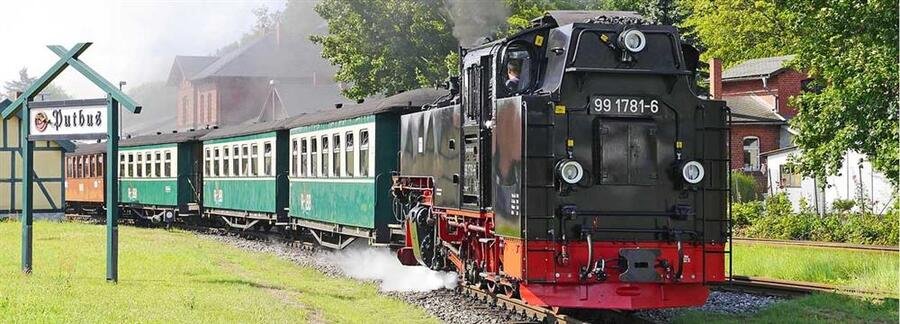
Transportation: The Rasender Roland
One of the most charming ways to explore the island is aboard the Rasender Roland. In fact, this historic train is a major reason many visitors choose the destination. It is not just transportation. Instead, it feels like stepping into the past.
The Rasender Roland is a steam-powered locomotive that first began operating in 1895. Today, it still connects key beach towns such as Putbus, Binz, Sellin, and Göhren. As a result, travelers can move easily between resorts without needing a car.
More importantly, the journey itself becomes part of the experience. The wooden carriages, slow pace, and billowing steam create a nostalgic atmosphere. For families, it feels like a moving museum. For photographers, it adds vintage charm to the coastal scenery. Therefore, even if you do not need the train for transport, it is worth riding at least once.
The Rügen Routine: A Sample 3-Day Stay
If you have a few days on the island, a simple plan helps you see the highlights without rushing. This three-day routine balances beaches, nature, and coastal towns. As a result, you get both relaxation and exploration.
Day 1: Classic Seaside Charm
Start in Binz, the island’s most popular resort town. Walk the promenade and enjoy the long sandy beach. Afterward, take the Rasender Roland steam train to Sellin. Here, you can see the famous pier and enjoy dinner by the water. In the evening, sunset along the Baltic coast often feels especially memorable.
Day 2: Nature and Scenic Views
Head to Jasmund National Park in the morning. The chalk cliffs and Königsstuhl lookout provide some of the island’s best views. Later, explore Sassnitz harbor for fresh seafood or a relaxed waterfront walk. If time allows, finish the day in Granitz Forest for an easy hike or a castle viewpoint.
Day 3: Quiet Coast and Local Flavor
Spend your final day on a quieter beach such as Schaabe or Thiessow. These areas feel less crowded yet still scenic. Afterwards, sample local specialties like a Fischbrötchen or sea buckthorn juice. Before leaving, take one last seaside stroll to soak in the Baltic atmosphere.
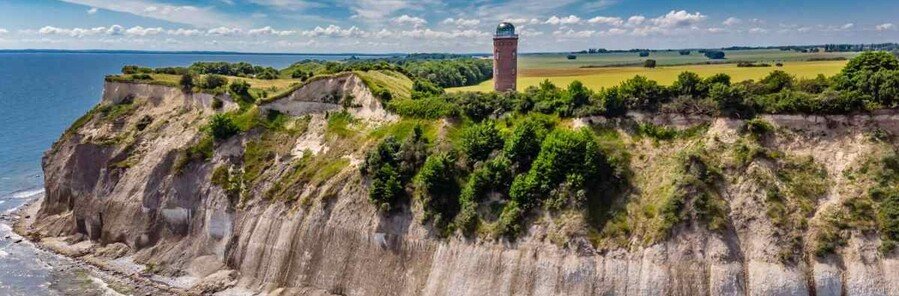
The Famous Chalk Cliffs of Rügen Island
The chalk cliffs are one of the island’s most iconic sights. Rising above the Baltic Sea, these white formations create dramatic coastal scenery that feels both wild and peaceful. As a result, they have become one of Germany’s most photographed natural landmarks.
Most visitors head to Jasmund National Park to see them. The Königsstuhl, or King’s Chair lookout, offers the best-known viewpoint. From here, you can see forest, sea, and cliffs all in one panorama. In addition, well-marked trails let hikers explore the coastline safely.
Because the cliffs are fragile, visitors should always stay on marked paths. This helps protect the landscape and keeps everyone safe. Even so, the views remain spectacular, especially in early morning or late afternoon light.
Final Thoughts on Rügen Island
Rügen blends sandy beaches, white chalk cliffs, and elegant seaside towns into one unforgettable Baltic escape. In addition, the island offers historic piers, steam trains, forest trails, and fresh coastal cuisine. As a result, it feels far more varied than many typical beach destinations.
Whether you spend your days relaxing in a Strandkorb, hiking above the cliffs, or riding the Rasender Roland between resort towns, the island delivers a balanced mix of nature and culture. It is calm without feeling quiet and scenic without feeling crowded. For travelers seeking a different kind of European beach experience, this destination stands out along Germany’s Baltic coast.
Frequently Asked Questions About Rügen Island
Is Rügen Island worth visiting?
Yes, Rügen Island is one of Germany’s most scenic coastal destinations. It offers sandy beaches, dramatic chalk cliffs, historic seaside towns, and peaceful nature areas. As a result, it appeals to both beach lovers and outdoor explorers.
What is the best time to visit Rügen Island?
The best time to visit Rügen Island is from June through September. During these months, the weather is warm enough for swimming and sunbathing. However, late spring and early autumn offer fewer crowds and pleasant coastal conditions.
How many days do you need on Rügen Island?
Three days allow you to see the highlights, including Binz, Sellin, and Jasmund National Park. If possible, stay four to five days to enjoy quieter beaches and explore the island at a slower pace.
Can you swim in the Baltic Sea at Rügen Island?
Yes, you can swim during summer when water temperatures are mild. Beaches such as Binz, Sellin, and Göhren provide easy access and family-friendly areas. In addition, many beaches offer lifeguard services during peak season.
Do you need a car on Rügen Island?
A car makes it easier to explore remote beaches and nature areas. However, the Rasender Roland train and local buses connect major resort towns. Therefore, it is possible to visit without driving.
What makes Rügen Island unique compared to other European beach destinations?
Rügen Island combines wide Baltic beaches with white chalk cliffs and classic spa architecture. Unlike Mediterranean resorts, it feels cooler, greener, and more relaxed. Consequently, it offers a distinct northern coastal experience.
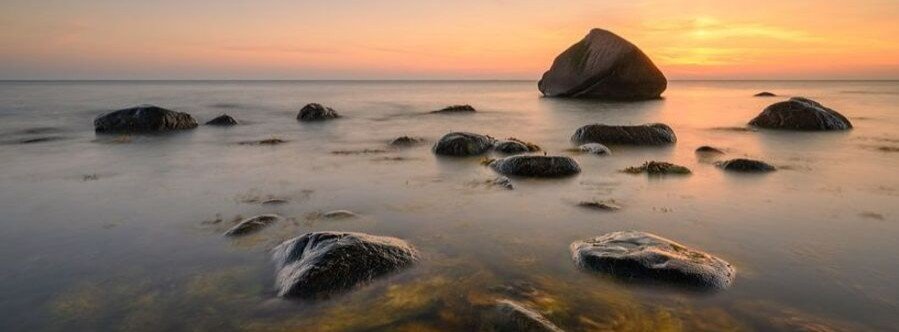
Explore More Places on Rügen Island
Rügen Island is filled with charming seaside towns, dramatic coastal cliffs, historic resorts, and peaceful fishing villages. Each destination has its own personality, from elegant spa towns to quiet Baltic beaches. If you are planning a longer stay or exploring the island by car, these nearby destinations are well worth adding to your itinerary.
Explore more beautiful places around the island:
Baabe • Binz • Glowe • Göhren • Lauterbach • Lohme • Prora • Putbus • Sassnitz • Sellin • Thiessow • Rügen Island
Related Posts
 Visit Beautiful Lohme in the Jasmund Region on Rügen Island
- Visit Beautiful Lauterbach on The Island of Rügen
- Visit Beautiful Putbus on The Island of Rügen
- Prora: The Most Beautiful Coastal Escape
- Discover the Most Beautiful Coastal Landscapes of Sassnitz Germany
- Rhine Gorge: The Most Stunning Hidden Castles You’ll Love


Pingback: Nadine G.
For a first visit, staying in one main town and taking short trips from there usually works very well. Places like Binz, Sellin, or even a quieter base such as Glowe make it easy to explore different parts of the island without constantly changing hotels. The island has enough variety that day trips feel rewarding, whether you want beaches, cliffs, or small villages. That way, you still get to see a lot while keeping the trip relaxed.
Pingback: Clarice Duarte
The cliffs are fairly easy to see, especially if you visit Jasmund National Park and head toward the main viewpoints like Königsstuhl. You can keep it simple with a shorter visit and still enjoy impressive views without turning it into a full hiking day. At the same time, longer trails are there if you want a deeper nature experience. That flexibility is part of what makes the island so appealing for different kinds of travelers.
Pingback: JJ Ross
They are usually easy to rent, but in the busiest summer weeks it helps to reserve ahead if possible. Strandkörbe are very popular because they make Baltic beach days much more comfortable when the wind picks up or the sun gets strong. Many visitors end up loving them because they add both comfort and that classic seaside atmosphere. They really do feel like part of the full Rügen beach experience.
Pingback: Javier Hunt
It is definitely both. Many visitors ride the Rasender Roland for the nostalgia and scenic charm, but it is also a practical way to travel between several of the island’s best-known resort towns. That makes it more than just a novelty. It gives you a relaxed way to move around while also enjoying one of Rügen’s most distinctive experiences.
Pingback: Lula N.
Yes, Rügen is especially good for a restful trip because the island naturally encourages a slower pace. Even when you visit popular places, the overall atmosphere feels more relaxed than rushed. There is plenty to see, but the best experiences often come from combining a little sightseeing with long walks, beach time, and quiet meals by the water. That balance is what makes the island feel so refreshing.
Pingback: Francine Estes
Yes, visitors can absolutely rent Strandkörbe during their beach days on Rügen Island, and they are one of the most enjoyable parts of the Baltic coast experience. Most beaches have a Strandkorbwärter, or beach chair attendant, who manages the rentals right on the sand. In general, the cost is around €10 to €15 per day depending on the location and season. During July and August they are very popular, so reserving one through your hotel or beach service can be helpful if you want a guaranteed spot near the water. These wicker beach baskets provide shade, wind protection, and a surprisingly comfortable place to relax while enjoying the Baltic Sea views. Many travelers say sitting in a Strandkorb becomes one of the most memorable parts of a Rügen beach day.
Pingback: Stacey B
Rügen really does feel like a “best of” Baltic escape, especially because it blends beach comfort with dramatic nature. Basing in Binz works beautifully for a short stay since the beach is long, the promenade is lively, and it’s easy to reach Sellin and Göhren. It also makes day trips to Jasmund National Park and the chalk cliffs very doable, so you can balance seaside time with the island’s most iconic landscapes. The overall pace still feels relaxed, and the resort setting adds that classic coastal charm that makes Rügen so memorable.
Pingback: Val V
With a short trip, the best “best of Rügen Island” plan is to combine one classic resort town, one big nature highlight, and one quieter beach day. Start with Binz or Sellin for that iconic Baltic Sea resort feel, including the historic pier, the promenade, and the rows of Strandkörbe beach baskets. Next, devote a half-day to Jasmund National Park to see the famous white chalk cliffs and the Königsstuhl viewpoint, since that cliff-and-forest scenery is one of the top reasons Rügen is so unique on Germany’s Baltic coast. Then finish with a calmer stretch like Schaabe Sandbar or Thiessow for wide sandy beaches and a more peaceful shoreline atmosphere. Using the Rasender Roland steam train between towns makes the travel feel easy and scenic, and it helps you cover highlights without needing a car. This mix delivers the classic seaside charm, the dramatic coastal landscapes, and the relaxed beach time that make Rügen Island worth visiting.
Pingback: Graciela Estes
Many travelers choose one central resort town like Binz or Sellin on Rügen Island and explore from there because public transport, the Rasender Roland train, and coastal cycling routes make day trips easy. Staying in one Baltic seaside town allows convenient access to beaches, chalk cliffs, harbor villages, and national park trails while keeping accommodation simple and relaxing.
Pingback: Mack Fuentes
Strandkorb beach baskets are widely available on popular Rügen Island beaches such as Binz, Sellin, and Göhren, where they provide wind protection and comfortable seating along the Baltic Sea shoreline. During the summer travel season they are in high demand, so early reservation through beach services or accommodations helps secure the best seaside location.
Pingback: Jere Davila
Amber hunting on Rügen Island remains a traditional Baltic coastal activity, especially after strong winds or autumn storms when rough seas wash natural debris onto the shore. Many visitors explore beaches like Schaabe or Thiessow during cooler months because storm conditions increase the chances of finding Baltic amber along the coastline.
Pingback: Clark Bryant
Extending a Rügen Island itinerary to four or five days allows more time to explore Baltic Sea beaches, chalk cliff viewpoints in Jasmund National Park, historic seaside towns like Binz and Sellin, and quieter villages such as Thiessow. A longer stay also makes it easier to enjoy cycling routes, coastal dining, and scenic train rides without feeling rushed.
Pingback: Wilbur Oneill
Rügen Island photography is especially popular thanks to Baltic Sea chalk cliffs, historic piers, coastal lighthouses, and wide sandy beaches that create strong natural scenery. Sunrise and sunset often provide the best lighting conditions along the Rügen coastline, especially near Jasmund National Park cliffs and seaside resort promenades.
I didn’t expect the gastronomy section to make me so hungry, but it definitely did. Fischbrötchen sounds like the perfect casual seaside snack, and I love trying local specialties when I travel. The sea buckthorn products sound unique too. It’s nice when food connects directly with the local landscape. Are these foods easy to find all around the island?
Fischbrötchen sandwiches and Sanddorn sea buckthorn products are widely available across Rügen Island, especially at Baltic Sea harbors, beach stands, local markets, and coastal cafés. These regional foods are considered classic German Baltic cuisine and are part of the everyday seaside dining experience.
Pingback: Garrett Black
The Rasender Roland steam train on Rügen Island operates as both practical transportation and a historic tourist attraction, connecting Baltic Sea resort towns like Putbus, Binz, Sellin, and Göhren. Many visitors use it for scenic travel between beaches, coastal villages, and sightseeing stops without needing a car.
Pingback: Willie Woodard
Historic piers, coastal lighthouses, and Strandkorb beach baskets remain active parts of everyday seaside life on Rügen Island, serving both practical tourism needs and preserving Baltic coastal traditions. These features continue to shape the classic German seaside resort atmosphere along the Baltic coastline.
Pingback: Clifford
Accommodation in quieter Rügen Island villages like Thiessow, Lohme, and Dranske typically includes small guesthouses, seaside apartments, and boutique Baltic coastal hotels. These areas attract travelers seeking nature, hiking trails, and peaceful beach environments away from the main resort crowds.
Pingback: Hiram Moran
Most Baltic Sea resort towns on Rügen Island charge the Kurtaxe spa tax, which supports beach maintenance, local transport services, and tourism facilities. The included Kurkarte guest card often provides bus access, discounts, and coastal amenities throughout the region.
Pingback: Lenora Calderon
Rügen Island remains especially popular with German travelers, though international tourism continues growing due to Baltic Sea beaches, chalk cliffs, historic seaside resorts, and accessible coastal nature experiences. The destination offers a distinct northern European beach atmosphere compared with Mediterranean resort regions.
Pingback: Tracey Ferguson
Binz is often considered the best base on Rügen Island because it offers a long sandy Baltic Sea beach, classic resort architecture, and easy access to restaurants, shops, and the Rasender Roland steam train. Sellin provides a slightly quieter Baltic seaside atmosphere with its famous historic pier, scenic coastal views, and relaxed beach setting, while summer months from June through August usually bring comfortable Baltic Sea swimming temperatures along the Rügen coastline.