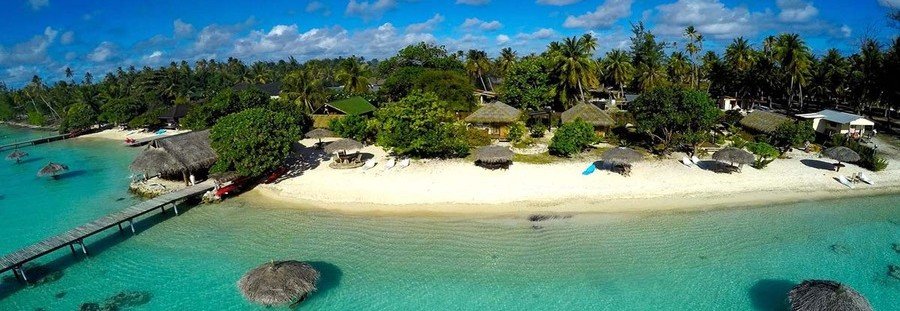
Fakarava is one of the most beautiful islands in French Polynesia, known for its clear lagoon, soft white sand, and peaceful atmosphere. This guide explores what makes it so special, from quiet beaches to unforgettable scenery.
Fakarava is a pristine UNESCO Biosphere Reserve in the Tuamotu Archipelago, offering a rare look at the untouched side of French Polynesia. The atoll ranks as the second largest in the region, along with two famous passes that shape the experience. Garuae Pass sits in the north, while Tumakohua Pass lies in the south. Divers come here to see “walls of sharks,” and also the bright coral gardens.
Life moves at a slower pace here, so small, family-run guesthouses line the shore near the village of Rotoava. You can cycle along coral paths to PK9 Beach or take a boat to the pink sand shores in the south, because of the easy access across the atoll. The island feels raw and peaceful, so nature stays at the center of every day.
In this guide: Beaches | Hotels | Food | Activities | Packing | FAQs
Ready for more island inspiration? Explore the best islands in French Polynesia, discover the most beautiful beaches, or get inspired on Pinterest.
Fakarava Weather Guide and Best Time to Visit
The island has a warm, tropical climate year-round, so it’s an easy choice for a peaceful island escape in any season. Two main seasons shape the overall experience.
The dry season runs from May to October. During this time, daytime temperatures range from the upper 70s to mid-80s °F (around 26–29°C), while evenings cool to the low 70s °F (about 21–23°C). With lower humidity, steady sunshine, and calm lagoon conditions, this is the most popular time to visit. It’s perfect for snorkeling, diving, and exploring the atoll’s quiet beaches and coral paths.
The wet season falls between November and April. Temperatures stay warm, usually ranging from the low to upper 80s °F (around 27–31°C), while nights remain in the mid-70s °F (about 24°C). Humidity rises, and short tropical showers become more common, but rain often passes quickly. This still leaves plenty of time to enjoy the lagoon, along with greener and more vibrant surroundings.
For fewer crowds and great weather, the shoulder months are a smart choice. May, June, September, and October offer sunny days and cooler evenings, so conditions stay comfortable for both relaxing and exploring. These months also feel quieter, which adds to the island’s calm and laid-back atmosphere.
Incredible Reasons to Visit Fakarava Paradise
This island appeals to travelers who want a raw, off-the-grid experience where nature leads the way. As a UNESCO Biosphere Reserve, it offers a level of preservation that feels rare, even within French Polynesia.
Top Reasons to Visit
World-Class Diving:
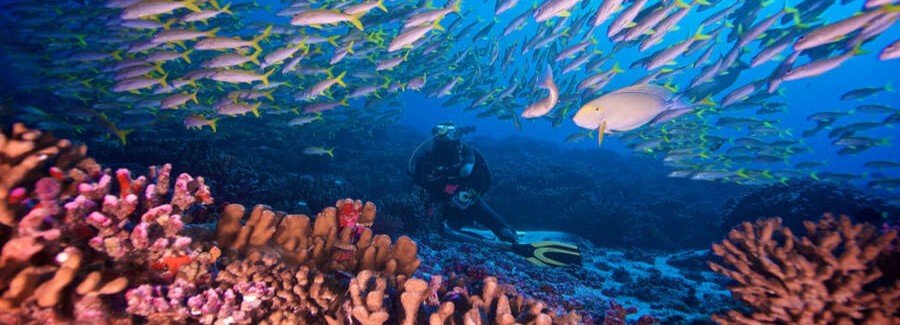
The area is known around the world for its two passes, Garuae in the north and Tumakohua in the south. These sites draw divers looking to see the famous “Wall of Sharks,” along with strong currents and rich marine life.
Pristine Landscapes:
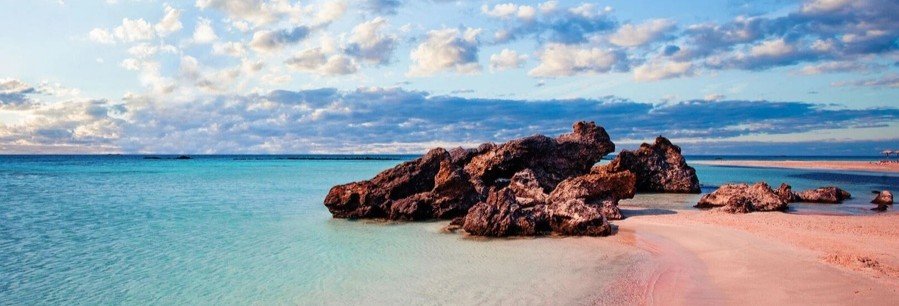
The atoll features pink sand beaches in the south, formed by crushed coral, along with quiet stretches like PK9 Beach. These areas feel remote and untouched, so they offer some of the most peaceful scenery in the region.
Slow-Paced Island Life:
There are no large luxury resorts here, so the island keeps a more authentic feel. Visitors stay in small guesthouses, where they can enjoy local hospitality along with fresh, lagoon-to-table meals.
Exceptional Snorkeling:
Even without diving, the lagoon offers clear and shallow water filled with marine life. Spots like the Green Lagoon provide easy access, along with calm conditions that make snorkeling simple and enjoyable.
Cultural Heritage:
There is also a rich history here, with sites like Tetamanu Church and Topaka Lighthouse. These landmarks offer a glimpse into the island’s past, along with unique views across the atoll.
Sustainable Souvenirs:
Pearl farming plays a key role here, and visitors can tour local farms to learn the process. In some cases, you can even take part in a pearl selection experience, which adds a fun and memorable touch.
Amazing Experiences in Fakarava You’ll Love
The island offers a raw and natural experience that you can explore both on land and in the water, especially around the north end of the atoll. Because of its simple layout, it’s easy to move between quiet beaches, lagoon spots, and village life.
Water Activities
Independent Snorkeling:
You can find great snorkeling in many areas, often just steps from the road, so it’s easy to explore at your own pace.
Havaiki Lodge Pier:
A popular spot sits near the Havaiki Lodge pier, where shallow coral patches attract colorful fish along with small reef sharks.
Near the Tender Pier:
If you arrive by ship, you’ll find coral reefs and vibrant fish close to the dock, which makes this a quick and easy snorkeling option.
Kayaking and Canoeing:
Many guesthouses provide kayaks or canoes, so you can explore the calm lagoon edges at your own pace.
Swimming:
The lagoon stays warm year-round, usually between 77°F and 87°F, and the water remains clear, so almost any beach works for a quiet swim.
Land Activities
Cycling the “Chirac Road”:
Renting a bike is one of the best ways to explore the island, since the main 15 km paved road is flat and easy to follow.
Visit PK9 Beach:
This well-known beach sits about 9 km north of Rotoava. You can reach it by bike in about 45 minutes, and the short jungle path leads to a quiet stretch of white sand.
Explore Rotoava Village:
Take a slow walk or bike ride through the village, where you’ll see a historic church along with flower-lined streets.
Topaka Lighthouse:
This pyramid-shaped lighthouse stands near the airport and offers a unique photo spot, even though it is no longer in use.
Pearl Farm Demonstrations:
Some farms, including Havaiki Lodge, offer free demonstrations on select mornings, so you can learn how pearls are grown without booking a formal tour.
Tetamanu Village (South):
If you visit the south, you can explore Tetamanu Church along with the remains of the atoll’s former capital.
Stunning Beaches in Fakarava to Explore
North Fakarava: Accessible & Iconic
The north is where most visitors stay, since it sits close to the airport and the village of Rotoava.
PK9 Beach (Plage du PK9):
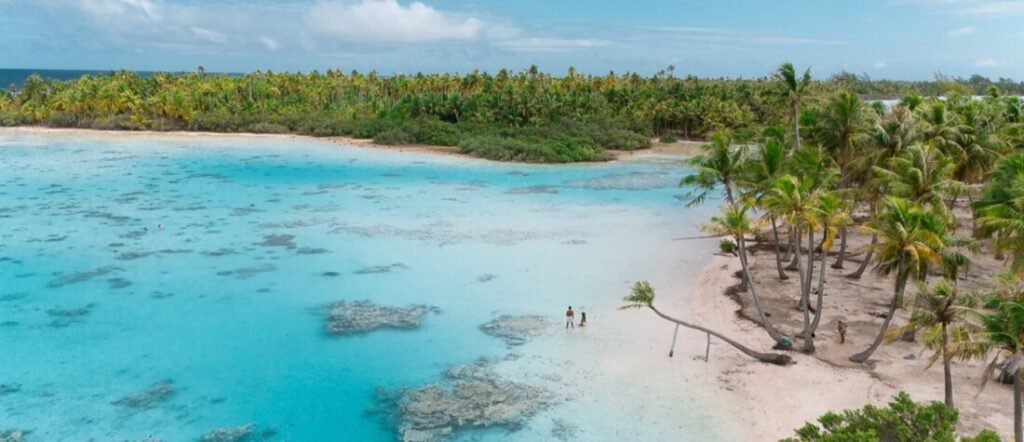
Often called one of the most beautiful beaches in French Polynesia, PK9 features soft coral sand and leaning palms. It sits about 9 km from Rotoava, so you can reach it by bike in about 45 minutes. There are no facilities, so bring water and snacks.
Havaiki Lodge Beach:
This is one of the easiest beaches to access in the north, and it’s known for calm, clear water. You can often spot nurse sharks near the shore, along with small fish in the shallow lagoon.
Village Beaches:
The village has only a few sandy areas, but you can still find quiet swimming spots nearby. Many of these sit just a short walk or bike ride away, so they are easy to reach.
South Fakarava: Remote & Surreal
The south feels much more remote, because it sits about 1.5 hours away by boat. As a result, these beaches are quieter and more untouched.
Pink Sand Beaches (Les Sables Roses):
These sandbars sit near the South Pass and get their soft pink color from crushed coral. Most visitors reach them by boat, while others stay nearby in small pensions.
Hirifa Beach:
This quiet stretch sits on the southeast edge of the atoll and stays protected from strong winds. The water remains shallow and calm, so it’s a great spot for a peaceful swim.
Beach Tips
Low Tide is Best:
Beaches like PK9 have more sand and calmer water at low tide, so timing your visit makes a big difference.
Watch for Coconuts:
Many beaches sit under tall palms, so it’s best to stay aware on windy days.
Water Shoes:
Some areas have coral or rocky entry points, so water shoes help protect your feet.
Where to Stay: Pensions and Boutique Lodges
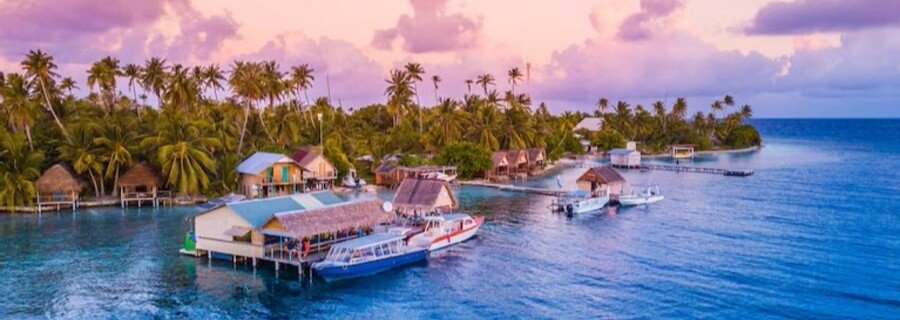
The island offers a different kind of stay, because there are no large resorts or chain hotels on the atoll. Instead, the experience centers around family-run pensions that range from simple beach huts to small boutique lodges. This creates a more personal and relaxed atmosphere, so each stay feels connected to the island.
North Fakarava (Rotoava Area)
Best for: Easy access to the airport, restaurants, bike rentals, and village life
Havaiki Lodge
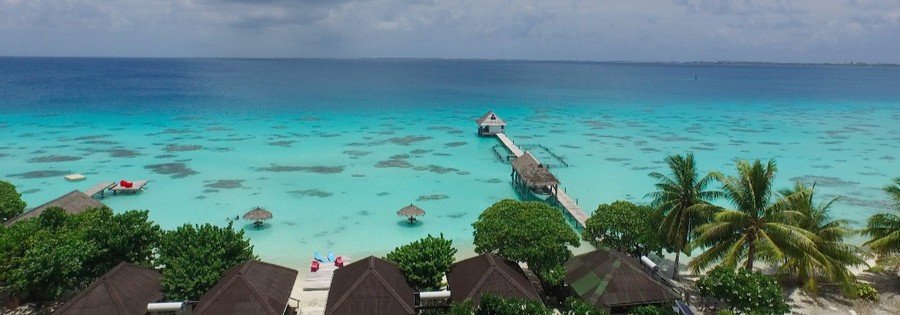
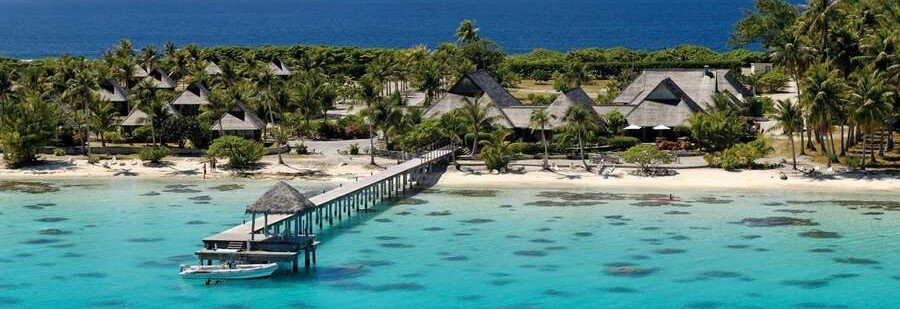
A standout choice in the north, known for its beautiful beachfront and relaxed setting. The on-site pearl farm and restaurant add convenience, so it’s a great pick for travelers who want comfort without losing the island feel.
Pension Veke Veke
Set right on the lagoon, this mid-range option offers a friendly and easygoing stay. It’s especially popular with divers, while its location keeps you close to the village.
Relais Marama
A budget-friendly stay with a more social and laid-back vibe. The central location makes it easy to explore Rotoava, so it works well for travelers who want something simple and convenient.
South Fakarava (Tetamanu Area)
Best for: Seclusion, diving, and access to the South Pass
Tetamanu Village
Located right on the edge of the South Pass, this stay feels remote and immersive. You can snorkel straight from the property, so it’s ideal for those who want a truly unique experience.
Pension Raimiti
A true off-grid escape set between the north and south. There is no electricity in the bungalows, which creates a quiet and unplugged atmosphere under the stars.
Motu Aito Paradise
An eco-friendly lodge built from local materials near the South Pass. The setting feels authentic and peaceful, while the design reflects traditional Polynesian style.
Before You Book
Half-Board is Standard:
Most pensions include breakfast and dinner, because independent restaurants are limited.
Water and Electricity:
Many lodges rely on solar power and collected rainwater, so conservation plays an important role during your stay.
Book Early:
The island is small and highly sought after by divers, so the best stays often fill up months in advance.
Top Tours and Experiences in Fakarava
Everything is simple here, so you won’t find a long list of packaged tours like other islands. Instead, a few well-chosen experiences let you explore both the lagoon and the interior at your own pace.
Water and Adventure Tours
Jet Ski Lagoon Tours
Private jet ski tours are one of the fastest ways to explore the atoll. You can ride across clear lagoon water, reach remote motus, and stop at quiet snorkeling spots along the way.
Quad and ATV Excursions
Guided quad tours take you through the north end of the atoll, where coral roads and hidden paths reveal a different side of the island. These tours often include stops at beaches, local landmarks, and scenic viewpoints.
Jet Ski and Quad Adventure Combos
Some operators offer combo packages that include both jet skiing and quad biking over one or two days. This gives you a chance to explore the lagoon along with the island’s interior, so you can experience both sides of Fakarava in one trip.
Scuba Diving Experiences
Because this is a world-class dive destination, local dive centers offer the best way to experience the famous “Wall of Sharks.” These guided dives take you through the north and south passes, where strong currents bring in large schools of reef sharks, along with rays and other marine life.
💡 Quick Tip
Most tours here are small and locally run, so availability can be limited. Because of this, it’s best to book in advance or ask your guesthouse to arrange activities during your stay.
Fakarava Flavors: Fresh Seafood and Island Classics
Fakarava’s food scene is simple, fresh, and shaped by island life. Because the atoll is remote, most ingredients come straight from the lagoon or arrive by supply boat. As a result, fresh fish and coconut sit at the center of nearly every meal.
Must-Try Food and Drink
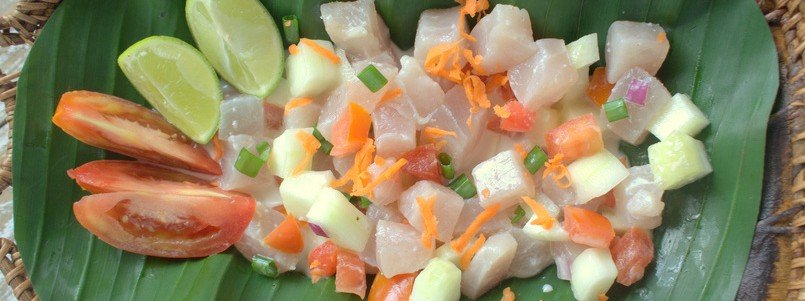
Poisson Cru au Lait de Coco
The most iconic dish in French Polynesia, made with raw tuna marinated in lime juice and mixed with fresh coconut milk.
Firi Firi
Traditional Polynesian donuts shaped like a figure-eight, often served warm for breakfast.
Taro-Based Specialties
Taro appears in many forms, including breads and even ice cream, so it’s worth trying at least once.
Po’e
A soft, baked dessert made from fruit like banana or papaya, topped with rich coconut cream.
Where to Eat in Fakarava
Most restaurants sit in the north near Rotoava, so options remain casual and easygoing. These small “snacks” focus on fresh, lagoon-to-table meals.
Snack Elda
A local favorite known for fresh seafood and a relaxed setting by the water. It’s especially popular for sashimi and raw fish dishes.
Hirinaki Lounge
A more upscale lagoon-side spot with tuna carpaccio, poke bowls, and a lively atmosphere. It often features live music, which adds to the experience.
Snack du Requin Dormeur
Known for its unique in-water tables, where fish and small sharks swim nearby. It also serves fresh seafood along with its well-known taro ice cream.
Rotoava Grill
A waterfront favorite with a mix of comfort food and local flavors, including fresh fish and classic burgers.
Snack Kori Kori
An overwater snack bar with generous portions of sandwiches, salads, and cold drinks, so it’s a great casual stop.
Food Tips for Fakarava
Reserve Your Bread
Baguettes often sell out, so it’s best to order ahead at the local bakery.
Sunday Specialties
Sunday is the best time to try Ma’a Tahiti, along with fresh firi firi.
Limited Dining in the South
Most restaurants are in the north, so if you stay in the south, meals are usually provided by your guesthouse.
Getting Around Fakarava
Getting around Fakarava is simple, but options are limited because there is no public transportation or official taxi service on the atoll. Most travel depends on your guesthouse, along with a mix of bikes, boats, and small rentals.
Arrival and Transfers
Airport Pickups
Fakarava Airport sits about 4 km from the village of Rotoava, so you’ll need to arrange a transfer in advance. Guesthouses typically provide pickups, and hosts often greet visitors in colorful open-sided trucks.
North to South Transfers
If you stay in the south near Tetamanu, your host will arrange a boat transfer from the northern quay. The journey takes about 90 minutes to 2 hours, so planning ahead is important.
Daily Exploration (North Fakarava)
The northern part of the atoll is flat and easy to navigate, since a single paved road runs south from Rotoava.
Bicycles
This is the most popular way to explore, because the terrain is flat and distances are short. Many guesthouses offer bikes for free, while rentals in the village cost around 1,000–2,000 XPF per day.
Scooters and E-Bikes
These are great for reaching places like PK9 Beach, so they work well if you want to cover more ground. Rental shops offer scooters starting around 5,000 XPF for a half-day.
Car Rentals
Cars are available but not always necessary, since most key spots sit within a short distance. Daily rates usually start around 10,000 XPF.
Water Transport
Boat Excursions
To reach the South Pass, pink sand beaches, or remote motus, you’ll need to book a boat tour or water transfer. These trips are essential if you want to explore beyond the north.
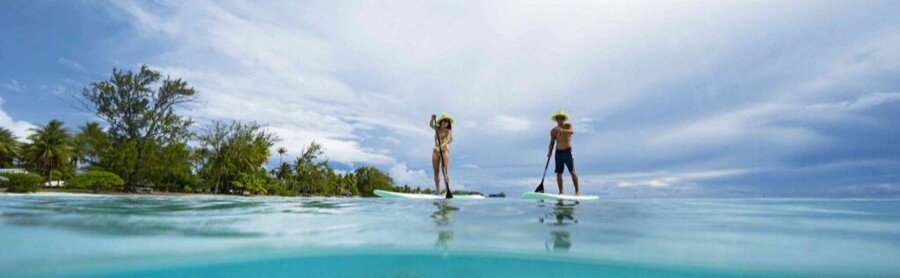
Kayaks and Paddleboards
Many pensions offer kayaks or paddleboards, so you can explore the lagoon at your own pace. This works best for short distances along calm, shallow water.
Fakarava Weather at a Glance (2026)
Fakarava sits in the Tuamotu Archipelago, which is one of the sunniest areas in French Polynesia. The climate stays warm year-round, but two main seasons shape the overall experience.
Dry Season (May to October)
This is the best time to visit, because conditions stay cooler, less humid, and mostly sunny. Steady trade winds help keep the air comfortable, so it’s ideal for long days outdoors.
Conditions: Cooler, drier, and sunny with steady trade winds
Water: Excellent visibility for diving and snorkeling
Temperature: Air ranges from 77°F to 86°F, while water stays around 79°F to 82°F
Wet Season (November to April)
This season brings more heat and humidity, along with short tropical showers. Rain tends to pass quickly, so you can still enjoy time outside.
Conditions: Warm and humid with brief downpours, especially in December and January
Pros: Fewer crowds and greener landscapes
Temperature: Air can reach around 88°F, while water warms to about 84°F
Seasonal Highlights for 2026
Best for Diving:
June to August marks peak diving season, because large grouper spawning events attract massive schools of sharks in the South Pass.
Best for Calm Seas:
September and October offer warm water and calmer conditions, so lagoon activities feel especially easy and relaxed.
Best for Wildlife:
September is a great time for whale sightings, as they pass through Polynesian waters during migration.
💡 Quick Tip
Fakarava is a flat coral atoll with no mountains, so clouds don’t linger for long. Because of this, it often stays sunny even when nearby islands see more rain.
What to Do Before You Go to Fakarava
Bring Cash (CFP Francs)
While some pensions accept cards, many local “snacks” and small shops only take cash. So, it’s best to use the ATM at the airport or in Rotoava soon after you arrive.
Pack Quality Water Shoes
Fakarava is a coral atoll, not a soft-sand island, so many entry points include coral or rocks. Because of this, sturdy water shoes help protect your feet when swimming or exploring beaches like PK9.
Book Your Stay Early
Accommodations are limited, and the best pensions often fill up months in advance. So, it’s smart to reserve your stay early, especially during peak diving season.
Plan Strong Sun Protection
The equatorial sun feels intense, even on cloudy days, and long hours near the water increase exposure. So, pack reef-safe sunscreen, a hat, and a rash guard.
Confirm Your Airport Transfer
There are no taxis on the atoll, so your guesthouse must arrange your transfer. Be sure to send your flight details ahead of time so your host can meet you on arrival.
The Perfect 7-Day Fakarava Itinerary for a Relaxing Escape
Fakarava is best experienced at a slower pace, where each day blends simple island life with unforgettable lagoon adventures. Because distances are short and activities are limited, this itinerary balances exploration with plenty of time to relax. It also moves from the north to the remote south, so you can experience both sides of the atoll.
Day 1: Arrival and Village Vibes
Morning: Arrive at Fakarava Airport and take your guesthouse transfer to Rotoava.
Afternoon: Rent a bike and explore the village. Visit Topaka Lighthouse along with the local coral church.
Evening: Dinner at Hirinaki Lounge for fresh tuna carpaccio by the lagoon.
Day 2: The Iconic PK9 Beach
Morning: Pack lunch and water, then bike 9 km north to PK9 Beach.
Afternoon: Swim in clear water and relax under the leaning palms.
Evening: Stop at Snack Elda on your way back for local favorites.
Day 3: The Green Lagoon (Lagon Vert)
Morning: Take a boat trip to the Green Lagoon, a shallow natural pool within the main lagoon.
Afternoon: Snorkel with colorful fish and small reef sharks, then enjoy a beachside BBQ.
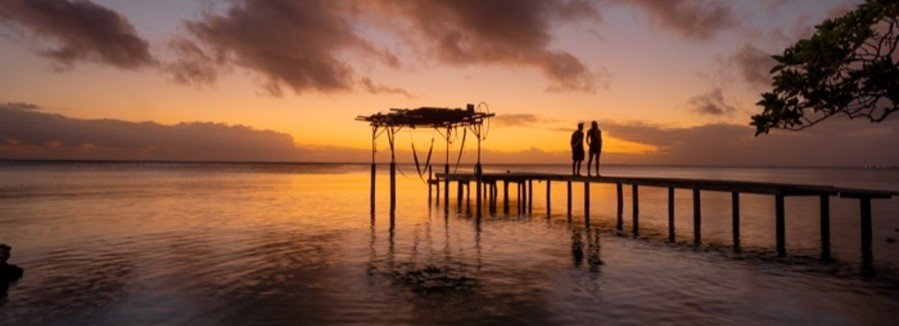
Evening: Return to your pension and watch the sunset over the water.
Day 4: Journey to the South Pass
Morning: Take a boat transfer to Tetamanu in the south.
Afternoon: Check into a remote lodge and explore the old village, along with the coral church.
Evening: Enjoy a quiet dinner under the stars, which shine brightly due to low light.
Day 5: Sharks and Pink Sand Beaches
Morning: Snorkel or dive the South Pass to see large schools of reef sharks.
Afternoon: Visit the pink sand beaches for a relaxed picnic by the lagoon.
Evening: Try night snorkeling near your lodge, where marine life becomes more active.
Day 6: Drift Snorkeling and Return North
Morning: Enjoy a final drift snorkel through the pass, where currents carry you over coral.
Afternoon: Return to the north and explore local shops, including pearl boutiques.
Evening: Dinner at Snack du Requin Dormeur with your feet in the water.
Day 7: Farewell Fakarava
Morning: Take one last swim and enjoy a relaxed breakfast by the lagoon.
Afternoon: Transfer to the airport for your flight back to Tahiti.
Conclusion: The Soul of the Tuamotus
Fakarava is far more than just a pin on a map; it is a profound encounter with a world that remains largely unchanged by time. Whether you are drifting through the legendary Wall of Sharks in the south or cycling the sun-drenched “Chirac Road” to the white sands of PK9, the atoll rewards those who seek a slower, more intentional way of traveling. Here, the “luxury” isn’t found in five-star resorts, but in the brilliant clarity of the lagoon and the genuine warmth of a Tahitian guesthouse welcome.
As a UNESCO Biosphere Reserve, Fakarava serves as a powerful reminder of the ocean’s raw beauty and fragile balance. You will leave the atoll with salt in your hair, sand in your shoes, and a deep appreciation for one of the last truly wild corners of the Pacific. If you are looking for a destination that feeds the soul as much as it thrills the senses, Fakarava is waiting.
Fakarava FAQs You Should Know
Is Fakarava worth visiting?
Yes, Fakarava is worth visiting if you want a quieter and more natural island experience. It offers clear lagoons, remote beaches, and fewer crowds than more developed destinations.
How many days do you need in Fakarava?
Most travelers spend 4 to 7 days here. This gives you time to explore the north, visit the south, and enjoy the lagoon at a relaxed pace.
What is Fakarava best known for?
Fakarava is best known for its world-class diving, especially the “Wall of Sharks” in the South Pass. It is also known for pink sand beaches and its UNESCO Biosphere Reserve status.
When is the best time to visit Fakarava?
The best time to visit is from May to October, because the weather is drier and the water is clearer for diving and snorkeling.
Can you visit Fakarava without diving?
Yes, you can enjoy Fakarava without diving. You can snorkel, bike to beaches, visit villages, and relax by the lagoon.
Is Fakarava expensive?
Fakarava can be moderately expensive, especially for transfers and boat trips. However, staying in pensions and eating locally can help reduce costs.
How do you get to Fakarava?
You can reach Fakarava by flying from Tahiti. Flights are short and run regularly, so access is fairly easy.
Do you need a car in Fakarava?
No, you usually don’t need a car. The island is flat and small, so bikes and boats are the main ways to get around.
Is Fakarava better than Rangiroa?
Fakarava feels quieter and more remote, while Rangiroa offers more options and slightly easier access. The best choice depends on whether you prefer seclusion or convenience.