
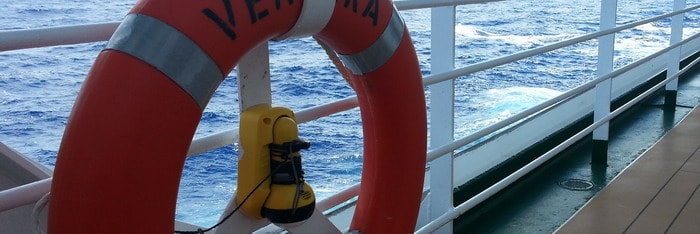
Cruise safety is an important part of planning a smooth and stress-free trip at sea. From onboard precautions to smart choices in port, knowing what to expect helps travelers feel confident and prepared. These cruise safety tips cover the basics every cruiser should know before sailing.
Cruise safety is an important part of planning a smooth and stress-free trip at sea. Modern cruise ships do have strong safety standards. So, knowing what to expect helps travelers feel more confident from the start. So, from onboard procedures to smart habits in port; understanding cruise safety basics makes it easier to relax and enjoy the journey.
Visit here for The Best Cruise Vacation Tips, or visit us on Pinterest
Essential Onboard Safety Tips
Pay Attention to the Muster Drill
Before your vacation begins, attending the muster drill is required. This is where you learn your muster station, how to wear a life jacket, as well as what ship alarms mean. Even experienced cruisers should pay attention. Since procedures can change by ship. Treat it as an important part of your cruise, not an inconvenience.
Keep Calm in an Emergency
If something happens, stay calm and follow instructions. Put on your life jacket and head directly to your muster station. Do not stop to collect belongings.
Drink Responsibly
Alcohol plays a role in many cruise safety incidents. With drinks easily available onboard, it’s important to know your limits and pace yourself.
Personal Safety and Awareness
Buddy Up
If you are cruising alone, make a friend early in the trip. Traveling with someone reduces risk and provides an extra layer of awareness. Also, avoid advertising that you are alone, especially late at night.
Get to Know Your Cabin Steward
Introduce yourself on the first day and learn your steward’s name. Cabin stewards quickly notice unusual activity and can help spot anything out of place.
Don’t Accept Invitations to Crew Quarters
Crew areas are off-limits to passengers. Accepting such an invitation can lead to serious consequences for both you and the crew member.
Cabin and Balcony Safety
Practice In-Cabin Safety
Not all cabin doors close automatically. Always pull the door when leaving and firmly push shut when inside. Use the deadbolt if available. Or request a door stopper from your steward.
Be Safe on Your Balcony
Lock the balcony door at night and check the area before going to sleep. Do not leave balcony doors open when you are away. Especially while in port.
Use Your Cabin Safe
Store valuables such as electronics, jewelry, as well as documents in the cabin safe. While most crew members are trustworthy, removing temptation is the safest option.

Money, Documents, and Health
Don’t Carry Large Amounts of Cash
Onboard purchases are charged to your room key. So carry only what you need during shore excursions.
Bring Your Medications
Always pack necessary medications and supplies. Keep an emergency kit ready with prescriptions, glasses, your phone, room key, as well as a copy of your passport.
Wash Your Hands Often
Hand hygiene is one of the best ways to avoid shipboard illnesses. So wash frequently and use sanitizing stations around the ship.
Shore Excursion Safety
Be Careful on Shore Excursions
Cruise-line excursions offer added security and coordination. So if you explore on your own, agree on prices upfront. Also confirm return times to avoid issues.
Smart Additions (Modern, Short, High-Value)
These are easy wins that make the post feel complete and current:
- Know the Ship Layout
Take time on day one to locate exits, stairwells, as well as medical facilities. - Watch for Wet Decks
Pool areas and open decks can be slippery, especially in rough seas. - Keep Your Room Key Secure
Your key is also your onboard charge card. So treat it like a credit card. - Trust Your Instincts
If a situation feels uncomfortable, remove yourself and seek help.
Extra Cruise Safety Tips Worth Knowing
Watch the Railings
Avoid sitting, standing, or leaning on railings, especially after drinking. Railings are designed for safety, not for climbing or posing.
Be Aware of Rough Seas
When seas are rough, decks and stairways can become slippery. Hold handrails, wear shoes with good grip, and move carefully around the ship.
Know Where Medical Services Are
Every cruise ship has a medical center, though hours may vary. Knowing its location early can save time if you need assistance later.
Keep Your Phone Charged
A charged phone helps with ship apps, emergency alerts, and staying in touch with travel companions. Carry a small power bank during port days.
Watch the Time in Port
Always return to the ship before the final boarding time. Cruise ships will leave without late passengers.
Trust Ship Announcements
If crew members give instructions, follow them promptly. They are trained to handle safety situations and know the ship best.

More Helpful Cruise Guides
If you’re still planning your trip or want to dive deeper into cruise travel, these guides can help you feel even more prepared. Each one focuses on a different part of the cruise experience, from choosing the right ship to packing smart and getting the best value.
- The Best Cruise Guide: How to Find Your Perfect Cruise
A helpful overview for choosing the right cruise based on destination, ship style, and travel preferences. - The Best Cruise Essentials: Pack Light and Cruise Better
A practical packing guide that covers what you really need for a smooth and comfortable cruise. - Book a Cruise Easily and Get the Best Value
Tips for finding deals, understanding pricing, and booking with confidence. - The Best First-Time Cruise Advice You Need
A must-read guide for new cruisers, covering what to expect before you sail. - Cruise Tips to Make Your Vacation Easy and Enjoyable
Simple tips that help reduce stress, avoid common mistakes, as well as make the most of your time onboard. - Is a Cruise Right for You?
A helpful guide that walks through the pros, cons, and key factors to consider when deciding if cruising fits your travel style.
Final Thoughts on Cruise Safety
Cruise safety is about awareness, preparation, and making smart choices while onboard and in port. Modern cruise ships are well equipped and staffed by trained crews, which helps create a secure environment for travelers. By paying attention during safety briefings, following onboard guidelines, and staying mindful of your surroundings, you can enjoy your cruise with greater confidence.
Most cruises are safe, relaxing, and well organized. Taking a few simple precautions allows you to focus less on worry and more on enjoying your time at sea. With the right mindset and a little preparation, cruising can be an easy and enjoyable way to travel.

Frequently Asked Questions About Cruise Safety
Is cruising generally safe?
Yes, cruising is considered a safe way to travel. Modern cruise ships follow strict safety standards and are staffed with trained crews who handle emergencies and daily operations.
Do you have to attend the muster drill on a cruise?
Yes, all passengers are required to attend the muster drill before sailing. This briefing explains emergency procedures, alarm signals, and where to go if an emergency occurs.
What should you do in a cruise emergency?
Stay calm, put on your life jacket, and go directly to your assigned muster station. Follow crew instructions and do not return to your cabin for belongings.
Is alcohol a safety concern on cruises?
Alcohol can play a role in many onboard incidents. Drinking responsibly and knowing your limits helps reduce the risk of accidents and injuries.
Is it safe to leave the ship during port stops?
Yes, but travelers should stay aware of their surroundings and watch the time carefully. Always return to the ship before the final boarding time, as ships do not wait for late passengers.
Do cruise ships have medical facilities?
Yes, cruise ships have onboard medical centers for basic care and emergencies. Services may be limited, so travel insurance is recommended.






Thank you for putting together such a helpful cruise safety guide, Leahrae! My husband and I are taking our first Caribbean cruise next spring, and while we’re really excited, I’ve been a little nervous about being on such a large ship. I hadn’t thought about some of the smaller precautions you mentioned, like keeping our room key secure, learning the ship’s layout, or being careful on slippery decks. Your reminder about getting back to the ship on time during port stops was especially helpful because we’re hoping to explore a couple of islands independently rather than booking every excursion through the cruise line. Is there a good rule of thumb for how early we should return to the ship? Also, would you recommend carrying our passports ashore or leaving them secured in our cabin?
Hi Vanessa! Congratulations on your first Caribbean cruise! I completely understand feeling a little nervous before your first sailing, but once you get familiar with the ship and its routines, you’ll probably find cruising much easier than you expected.
For independent shore excursions, I recommend planning to be back near the ship at least an hour before the official all-aboard time, preferably earlier if you’re traveling a considerable distance from the port. Remember that ship time and local time aren’t always the same, so double-check the time listed in your daily cruise information.
As for passports, requirements vary by destination and cruise line. In many Caribbean ports, passengers can leave their passports secured onboard and carry their ship card and a government-issued photo ID, but always follow your cruise line’s specific instructions. I also recommend keeping a digital or paper copy of your passport information separately.
Most importantly, attend your muster briefing, familiarize yourself with the ship, and then enjoy every minute of your vacation. You’re going to have a wonderful time! 🚢🌴
This is a really helpful reminder that cruise safety is about the little things as much as the big emergencies. I hadn’t thought about checking the ship layout or keeping my room key as secure as a credit card, but those are great tips. I also like the advice about returning to the ship well before the final boarding time during port days. Do you usually book the cruise line’s shore excursions or explore on your own?
I usually do a mix depending on the destination. If it’s a place I’m unfamiliar with or a port that’s farther from the ship, I’ll often book through the cruise line for the added peace of mind. One extra tip is to carry a photo ID and a copy of your cruise information with you whenever you go ashore, just in case you need it.