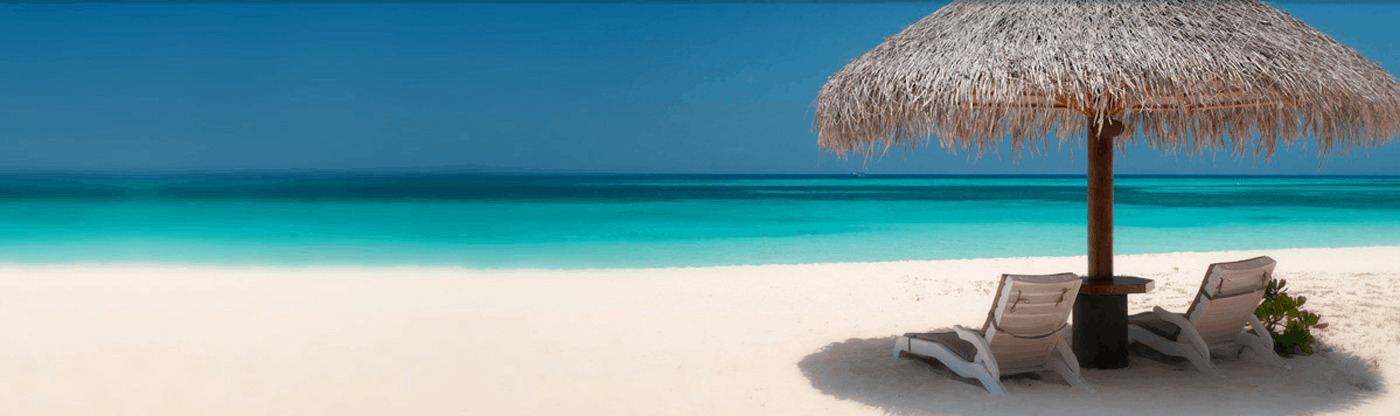

Best of Asturias! Asturias, nestled on Spain’s northern coast, is a region where rugged mountain scenery meets green valleys and a dramatic Atlantic shoreline. Many call this place one of Spain’s best-kept secrets, and after spending time there myself, I understand why. Unlike the bustling resorts further south, Asturias offers calm fishing villages, wild natural parks, and food that’s all about bold flavors and the freshest ingredients. In this guide, I’ll walk you through what I consider the best that Asturias brings together: its beaches, the best times to visit, standout places to eat and drink, and what you can expect from the region’s weather. Visit here for more information on Spain, or visit us on Pinterest.
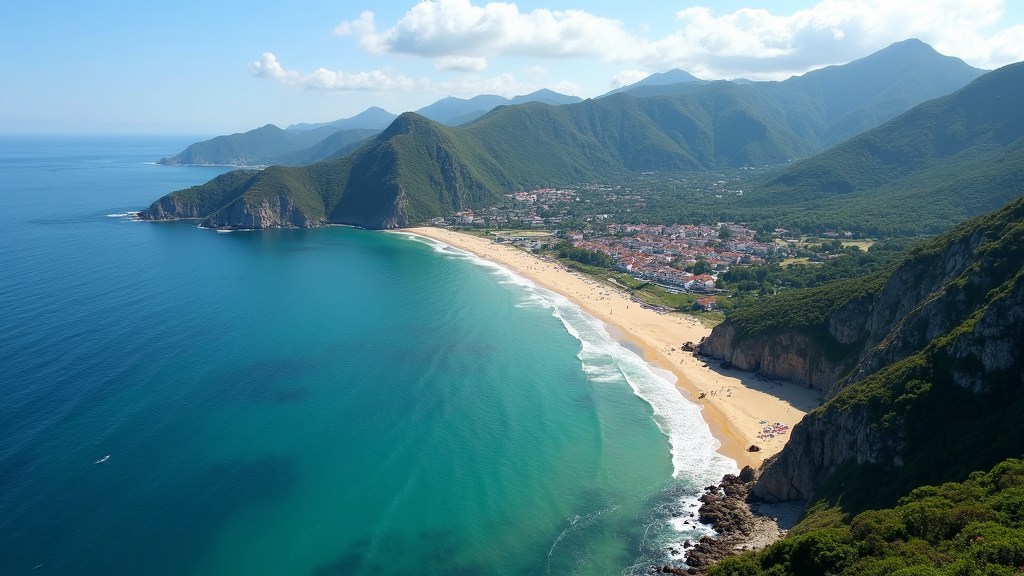
Best Beaches in Asturias
Asturias features a jagged coastline lined with some of the most picturesque beaches you’ll find in Spain. Unlike the popular Spanish hotspots, these beaches are wilder and more untouched. I found everything from wave-heavy surf spots to hidden sandy coves.
- Playa de Torimbia. This one stays in my mind for its wide crescent of pale sand and turquoise water. It’s tucked down a track and surrounded by cliffs, so it feels like a secret spot. Many locals love its relaxed atmosphere and stunning scenery. The beach caters to both families and naturists, which is something worth knowing before you go.
- Playa del Silencio. The name means “Beach of Silence,” and it truly delivers tranquility. As I made my way down the path, only the wind and distant waves broke the silence. The unique rock formations and deep blue water make it a photographer’s dream. Since there are no facilities, bringing snacks and water is always a good idea.
- Playa de Gulpiyuri. This tiny inland beach deserves a spot on everyone’s bucket list. It sits in the middle of a green field, with saltwater filling a shallow pool through underground sea tunnels. Though it’s small, it attracts curious visitors and always feels magical. Catch it at high tide for the full effect.
- Playa de Rodiles. Surfers will want to track down Rodiles. There’s a long stretch of golden sand backed by forest, and the local surf scene is always lively. Surfers I met told me the waves here are among the best in Northern Spain, so even if you’re just watching, it’s a vibrant place to spend an afternoon.
With over 200 beaches along this coast, there are still plenty of lesser-known gems. When I want to skip the crowds, I ask locals for recommendations, and I’m never disappointed. Enjoy the Best of Asturias!
Best Time to Visit Asturias
Asturias enjoys a milder, wetter climate than much of the rest of Spain. When planning a trip, the timing can truly affect your adventure. My own travel experiences have shown me that both the weather and the vibe of the towns change with the seasons.
Late spring (May and June) and early fall (September) are fantastic times to get a real feel for Asturias. The countryside is lush, wildflowers are everywhere, and skies are often clear. There are fewer tourists around, yet everything is open and buzzing. Temperatures typically sit between 16°C to 23°C (60°F to 73°F), making it perfect weather for hiking, sightseeing, and even swimming if you’re feeling adventurous.
July and August bring more visitors, especially Spanish families escaping the southern heat. While the beaches and towns buzz with activity, it never reaches the crowded levels you find on the Mediterranean. If you enjoy a lively scene and don’t mind slightly higher accommodation prices, summer still offers plenty. Just expect some rain—even July isn’t immune to the odd shower.
Winter brings wilder weather along the coast, but if you’re after peaceful landscapes and cozy fireside meals, it’s a rewarding season. I’ve returned in winter just to enjoy hearty local dishes in rustic inns after a blustery walk on the beach. Enjoy the Best of Asturias!
Best Restaurants and Bars in Asturias
Asturian cuisine shines with simple, full-flavored dishes that use what the land and sea provide. Cider is woven into daily life, and every stop at a restaurant is a chance to sample something new.
- Casa Gerardo (Prendes). A Michelin-starred family-run favorite, this spot serves classic Asturian recipes like fabada (dense bean stew) and creamy rice pudding. Every time I’ve visited, locals fill the dining room, which is always a great sign.
- El Cuchareru (Llanes). I enjoy the friendly atmosphere and top-notch seafood like grilled prawns and octopus. Their “arroz caldoso,” a delicious soupy rice, can come with lobster or clams—it’s always satisfying.
- La Taberna del Zurdo (Oviedo). This place is known for creative local cooking. Traditional dishes get modern touches, and small tapas plates let you try a range of flavors. For me, it’s the ideal way to taste a bit of everything.
- El Molín de Mingo (near Arriondas). Set in the rolling hills, this old mill is now a restaurant where roast lamb and rustic stews are the specialties. Booking in advance is smart, especially for weekend lunches, which are a local tradition.
- Sidrerías (cider bars in Gijón, Oviedo, or Villaviciosa). Asturian cider is a must-try, and the act of pouring it from a height gives it a little fizz and sharpness. I pair it with cabrales blue cheese or chorizo braised in cider. My favorite nightlife is found along Calle Gascona in Oviedo, where cozy sidrerías are packed shoulder-to-shoulder for an authentic local experience.
Village bars often serve excellent pinchos (mini snacks), sometimes given free with your drink. Fresh seafood is everywhere along the coast, and dessert fans will stumble upon cheesecake or creamy rice pudding that are truly special.
Asturias Weather: What to Expect
Asturias’ rolling green hills and thick forests tell you straight away: you’ll need to be ready for rain no matter when you visit. I learned the importance of layers and waterproofs because the weather here is famously unpredictable—even in summer, sunshine can give way to mist and drizzle in minutes.
- Spring (March to May): Early mornings are cool but get warmer as the season progresses. Wildflowers take off and rain drops off a little. Spring is the time when rural Asturias is at its busiest and most colorful.
- Summer (June to August): Daytime highs average 22°C (71°F), but can edge higher. Cool sea winds keep it comfortable. Thunderstorms do roll in now and then, but hardly ever last long. The mountains are cooler, so I always travel with a light jacket, even in peak summer.
- Autumn (September to November): September brings dry days and beautiful autumn leaves. By November, rainfall increases and mornings get mistier. This is a prime time for wine and cider festivals and for hiking before winter sets in.
- Winter (December to February): Coastal towns grow quiet, and mountain snow isn’t unusual. Coastal temperatures range between 7°C and 13°C (44°F to 55°F)—never freezing, but it’s the windiest, dampest time of year. Even so, the stormy landscapes have their own charm.
Weather changes can catch you off guard, so layers, waterproof shoes, and a compact raincoat are must-haves. Some of my favorite memories include foggy forest walks that clear up into sunny beach afternoons, with the crisp mountain air and salty sea breeze everywhere I go.
Essential Tips for Travelling in Asturias
- Getting Around: Renting a car is best for flexibility, as many scenic and food stops are found off the main roads. However, trains connect the key cities of Oviedo, Gijón, and Avilés, and are smooth and efficient.
- Language: Spanish is standard, with some locals speaking Asturian. Knowing a few words goes a long way in smaller towns, but in my experience, most people are willing to help however they can.
- Festivals: Asturias bursts into life during festivals. From cider-pouring contests in Colunga to seafood fairs in Llanes, these celebrations combine music, dancing, and plenty of great food. I try to check in with locals to see if anything’s going on during my visit.
- Nature: This is a paradise for hikers, with the Picos de Europa National Park and a network of trails through forests, cliffs, and ridges. I always travel with a map and check up on weather at high elevations.
Frequently Asked Questions
Question: What’s special about Asturias for nature lovers?
Answer: Mountains, valleys, rivers, and protected parks are everywhere. Birdwatching, hiking, kayaking, and caving are all huge here. I often spot wild deer or grazing horses during countryside walks. The Picos de Europa mountains in particular are a big draw for outdoor enthusiasts and people who love wild scenery.
Question: Is Asturias easy to reach from other parts of Spain?
Answer: I usually fly into Asturias Airport from Madrid or Barcelona. Trains and buses connect the major Spanish cities, and riding along the northern coast is particularly scenic. Renting a car at the airport gives you an easy way to get to out-of-the-way villages and secluded coves.
Question: Do people in Asturias speak English?
Answer: In bigger towns or tourist-related places, English is usually spoken. In rural areas, it’s less common, but honestly, a friendly approach and a mix of simple Spanish and gestures have always helped me get by.
Asturias is a region that shines for its wild scenery, peaceful towns, and consistently fantastic food. Every visit leaves me already planning the adventure to come back.
Best Asturias Beach Resorts
Related Posts
 Rhine River Gorge: The Most Stunning Hidden Castles You’ll Love
- The Most Beautiful Heidelberg Old Town and Stunning Castle Views You’ll Love
- The Most Stunning Baabe Rügen Island Beaches and Hidden Coastal Gems You’ll Love
- Why Travelers Love the Stunning Seaside Resort of Thiessow Germany
- Explore Göhren Rügen Germany: The Most Beautiful Baltic Coast Escape
- Your Complete Guide to Beautiful Glowe on Rügen Island



Pingback: Sean
Thank you so much! Asturias is such a gem for travelers who love nature, great food, and peaceful scenery. For a well-rounded stay, I’d recommend basing yourself near Llanes — it’s close to gorgeous beaches like Torimbia and Gulpiyuri, but also within easy reach of the Picos de Europa mountains for hiking. Plus, the town has amazing restaurants and that laid-back coastal charm. If you’re more into cider bars and culture, Oviedo makes a great inland option too.
Wow, Asturias looks really dreamy! Especially the Picos de Europa photos, they have me wanting to pack my bags already. Quick Question—if I wanted to avoid tourist crowds but still score decent weather, when’s the sweet spot to visit? Also, any hole-in-the-wall sidrerías you’d swear by? Great guide—definitely saving this for my Spain trip!
Asturias really does look dreamy, and your guide captures it so well! The sweet spot for avoiding crowds while still enjoying good weather is June or September—both months have sunshine without the summer rush. If you’re looking for hole-in-the-wall sidrerías, Casa Poli and Sidrería La Caldera around Cangas de Onís are favorites for their authentic charm. In Gijón, Sidrería Trabanco is a classic for experiencing the traditional cider pour. Your post makes me want to pack my bags and explore Asturias right away!
Hi Leahrae, your guide to the Best of Asturias is very detailed and informative. I like how you highlighted both well-known beaches like Playa de Torimbia and Playa del Silencio, along with others that make the region unique for tourism. The details about the weather are also very helpful for travelers choosing the best time to visit. I especially enjoyed the section on local food—it adds another great reason to experience Asturias beyond its landscapes.
One question: for first-time visitors, would you recommend basing in Oviedo or Gijón for convenience, or splitting time between the coast and inland villages to experience both sides of Asturias?
You captured exactly what I hoped to share: a mix of dreamy beach escapes, indulgent foodie experiences, and a touch of cultural immersion. The Brando really is something extraordinary, almost like stepping into another world where you can completely disconnect. I’m so glad you also noticed the balance between romantic resorts and family-friendly options—that was an important part of making the list practical for different types of travelers.
If I could only visit one resort, it would be The Brando. Nestled on its own private atoll in French Polynesia, it offers a rare combination of sustainability and luxury. With just a handful of private villas hidden among lush foliage, each with its own pool, it feels incredibly exclusive while still in harmony with nature. From serene mornings on the beach to snorkeling in pristine waters, it’s the kind of escape that embodies peace, beauty, and absolute indulgence.
Hi Leahrae,
I absolutely loved your article on Asturias — what a stunning part of Spain! Your descriptions of the beaches, especially Playa de Gulpiyuri, really helped me to visualise the area. It sounds like a true hidden gem.
I’ve visited Southern Spain a few times (Málaga, Marbella, Seville), mainly because I have friends who originate from the south, and while I adore the Mediterranean vibes, your guide has made me want to explore the more scenic northern coast.
The mix of wild scenery and tranquil beaches sounds like the perfect escape and far quieter, away from the typical tourist crowds.
Your tips on when to visit were also really helpful — I can imagine how magical Asturias must look in spring and early autumn (fall). I’d love to hear more about your favourite local dishes and where you’d recommend trying them, as food is such a big part of the travel experience for me!
Thank you for sharing such a well-rounded and insightful guide to the region.
I’m definitely adding Asturias to my list!
Best,
Cherie
I’m so glad you enjoyed the guide! Asturias really does offer such a different side of Spain compared to the south, and it’s one that surprises many travelers with its untouched beauty. Playa de Gulpiyuri is such a unique spot, and the surrounding coastline is just as breathtaking, with so many hidden coves to discover. For local dishes, I’d recommend trying fabada asturiana, a hearty bean stew that’s perfect after a day exploring, and sidra natural, the region’s famous cider, which is best enjoyed in a traditional sidrería where they pour it from high above the glass. Many coastal towns like Llanes and Cudillero have wonderful small restaurants where you can savor fresh seafood while overlooking the water—truly an unforgettable part of the experience.
What an amazing article! After reading this, I can’t help but wonder—if you had only one day in Asturias and had to choose between a hike in the Picos de Europa, a lazy afternoon on Playa del Silencio, or an evening cider crawl in Oviedo, which would win your heart?
Love this question—and the way you framed the choices! If I had just one day, I’d pick a hike in the Picos de Europa. Nowhere else delivers Asturias’ essence so quickly: limestone peaks, ringing cowbells, and wide-open views that stop you in your tracks.
Quick one-day plan: start early in Cangas de Onís, visit the Covadonga sanctuary, then take the shuttle to the Lakes of Covadonga. Do an easy–moderate loop around Enol and Ercina (allow 2–3 hours with photo stops). Pack layers—mountain weather flips fast—and bring water and snacks. After the hike, swing back through Cangas for a late sidra and a few bites (cabrales, chorizo a la sidra, tortilla). If skies are socked in, pivot to Oviedo’s cider crawl on Calle Gascona and explore the old town; if you crave the coast, Playa del Silencio is stunning at low tide—just expect a steep path, pebbles, limited services, and pair it with colorful Cudillero.
Whichever you choose, you’ll still taste that Asturian mix of nature, tradition, and slow moments—and that’s the magic you’re after.
I have always wanted to travel to Spain!! Asturias sounds absolutely breathtaking, like a hidden gem for travelers who crave natural beauty and authenticity. The variety of beaches you highlighted, especially Playa del Silencio and Gulpiyuri, really makes me want to experience that unspoiled vibe firsthand. I appreciate the seasonal tips too, super helpful for planning the perfect trip. Definitely moving Asturias to the top of my Spain travel list!
Thanks so much for your kind words, Wayne! I’m really glad the post gave you a good feel for Asturias—it truly is a special place for those who love natural beauty and authentic experiences. If you have any questions as you plan your trip or want recommendations on must-see spots, just let me know. I’m happy to help you make your Asturias adventure unforgettable!
Asturias truly sounds like a hidden gem on Spain’s northern coast! I love how this post highlights its wild, untouched beaches like Playa de Torimbia and Playa del Silencio, which seem perfect for those seeking tranquility away from crowded tourist spots. The combination of rugged coastline, lush green landscapes, and fresh, bold-flavored cuisine makes Asturias sound incredibly inviting. I especially appreciate the seasonal tips—late spring and early fall sound ideal for avoiding crowds while enjoying the beautiful nature and local culture. Also, the emphasis on cider bars and authentic dining experiences like Casa Gerardo adds so much charm. This guide definitely inspires me to explore Asturias beyond the usual Spanish destinations and experience its unique vibe firsthand. Thanks for sharing such a detailed and vivid portrayal!
Thanks so much for your kind words! Asturias really is one of Spain’s best-kept secrets, and I’m so glad the post inspired you. The mix of wild beaches, green hills, and amazing food (with plenty of cider!) makes it such a special place. Hope you get to experience its magic soon!