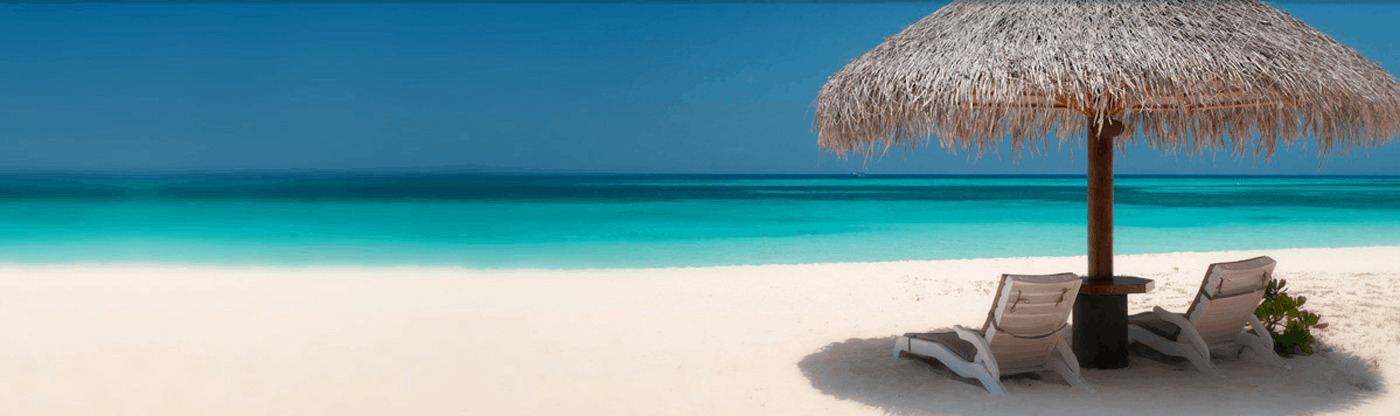

The Best of Costa Brava in Catalonia, Spain, has quickly become one of my favorite places to travel in Europe. This region stretches along the northeastern coast of Spain, hugging the Mediterranean and offering a treasure trove of natural scenery, rich history, and a laid-back lifestyle. If you’re considering a trip to Costa Brava, let me share my experiences to help you track down what makes this area so appealing for just about any kind of traveler. For more information on Spain, visit here.
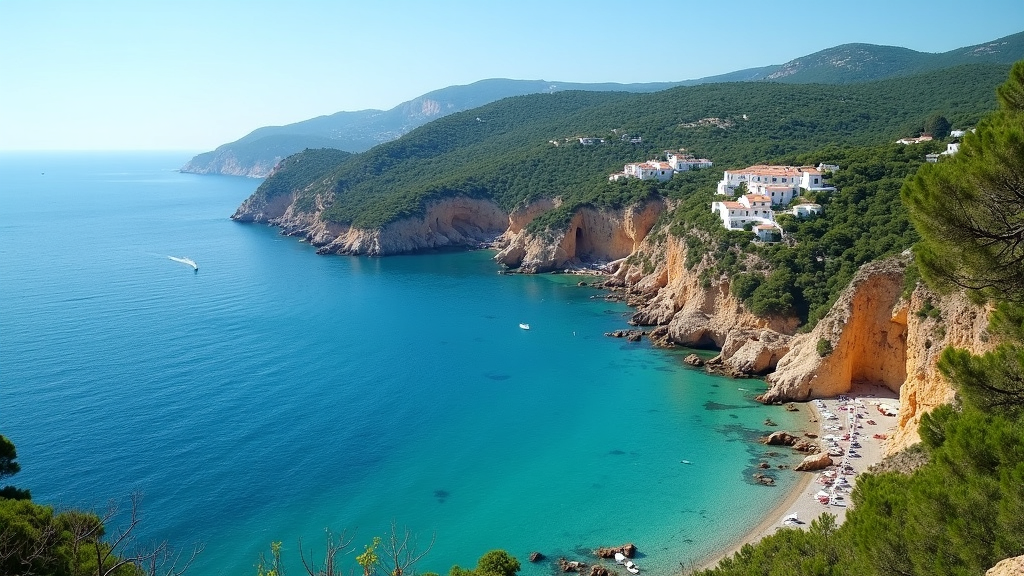
Why Costa Brava Stands Out
Costa Brava translates to “rugged coast,” a name that really matches what I personally love about it. The shoreline is wild in places, filled with dramatic cliffs, secret coves, and endless stretches of pine forest. I always notice that the seaside villages are packed with traditional whitewashed houses and narrow, winding streets. The region mixes lively coastal towns with peaceful natural escapes, so I can always find something that matches my mood, whether I want to take it slow or get out and explore.
History runs deep here, with evidence of Greek, Roman, and medieval footsteps everywhere. I spot this in places like the old town of Tossa de Mar or the fascinating ruins in Empúries. When I walk through these spots, I get a feel for the relaxed pace of life, where locals enjoy slow coffees or long seaside lunches.
Best Costa Brava Beaches
Beaches top my list of reasons for returning again and again to Costa Brava. The coast shows off everything, from easy-to-reach sandy bays to off-the-beaten-path pebble coves. My current favorite always depends on the day—sometimes I want a busy beach club, other times a quiet hideaway for some reading and swimming.
- Platja de Castell grabs me with its wild, natural vibe. This beach hasn’t been taken over by big development, so the day is spent surrounded by tall pines and unbelievably clear water. Ideal for swimming and a laid-back picnic.
- Sa Tuna in Begur has that tiny fishing village charm. I love strolling around its snug cove, where boats rest on the pebbles and the turquoise water glistens. The place is often peaceful, especially if you visit early.
- Cala Pola near Tossa de Mar needs a short hike to get to, which only makes it better. The water is super clear, perfect for snorkeling. The view from above is next-level cool, with forested rocks jutting out into the sea. Bring a camera for this one.
- Platja de Tamariu is more lively and very familyfriendly, with gentle waters and a lovely promenade. I’ve enjoyed so many meals at beachside cafes here. It’s a solid choice for an all-day beach hangout with lots of energy.
- Cala del Pi feels tucked away and is rarely crowded. Surrounded by rocks and greenery, it might require water shoes for the rocky entry, but the swim is worth it for the solitude and setting.
Every beach along Costa Brava has its own identity and scene. I’ve learned to pack a snorkel mask, a towel, and snacks, since some of the best coves and beaches don’t have restaurants or stores nearby. If you enjoy kayaking or paddleboarding, many of these beaches offer rentals onsite, too.
Costa Brava Weather and the Best Time To Visit
Deciding when to get to Costa Brava can shape your whole experience, especially if you want to hit the beaches, hike the coastal trails, or enjoy outdoor dining. I always keep an eye on the forecast before booking my trips.
The region boasts a Mediterranean climate, bringing warm summers and mild winters. July and August are the hottest months—temperatures average 27°C (80°F)—and these are the times when beaches are usually packed. The sea is at its warmest then, which is perfect for swimming and water sports. My favorite time to visit is usually late spring (May to June) or early fall (September to October). These months have thinner crowds, better hotel rates, and still plenty of sunny days, with daily highs in the pleasant 22–25°C (71–77°F) range. These shoulder seasons are also ideal for hiking and cycling when it’s a bit cooler.
Even in winter, the temperature rarely drops below 10°C (50°F), so you can enjoy coastal towns and scenic day trips inland. Many eateries stay open year-round in bigger towns such as Girona or Cadaqués, ensuring you don’t miss out on good food.
If you’re eager to avoid summer crowds but still want to swim in pleasant water, aim for late May through June or mid-September through October. You’ll usually stumble upon stretches of empty sand, and the whole coast feels calm and relaxed.
Exploring Costa Brava’s Historic Towns and Villages
I’ve come across so many memorable villages and towns throughout Costa Brava, and each is unique, with its own culture, festivals, and landmarks.
- Cadaqués stands out for its white buildings and the deep blue sea, not to mention being loved by Salvador Dalí. Along the waterfront, it feels almost dreamlike. Backstreets hide tiny galleries and cozy cafes, and the nearby Cap de Creus Natural Park is spectacular for hikes.
- Besalú draws me back for its famous medieval bridge and ancient Jewish quarter. If you enjoy photography and leisurely walks through history, this is your spot.
- Tossa de Mar has an old walled section perched right by the sea. Climbing the fortifications gives you unbeatable panoramic views, and you can take a swim just beside castle walls.
- Pals looks like it leapt out of a storybook with its cobblestone streets and flowerfilled balconies. It’s small enough to wander in a morning and works as a base for heading out to rice fields and nearby beaches.
Each village offers a new angle on the region, from art and architecture to food and market days. I like to time my visit with local festivals or stop in at bakeries for fresh pastries. Finding hidden cafes or chatting with artists adds soul to every stop.
Best Costa Brava Restaurants & Bars
Eating in Costa Brava is automatically a treat, with Catalan classics and top-notch Mediterranean seafood on nearly every menu. Most dishes feature locally caught fish, plump tomatoes, olive oil, and standout rice from the nearby plains.
- Compartir in Cadaqués is perfect for social meals thanks to its small-plate approach. The seafood dishes are always fresh, and the fun way of sharing plates with friends brings the meal to life.
- La Xicra in Palafrugell puts a spotlight on local traditions. Their seasonal menu shows off seafood stews and comforting home-style cooking, served in a cozy setting.
- El Celler de Can Roca near Girona has gained world-famous status thanks to the Roca brothers. If you can grab a reservation, the creative tasting menus are unforgettable. My experience here was hands-down memorable.
- La Taverna del Mar in S’Agaró pairs beautiful sea views with straightforward, fresh meals. Rice with seafood and platters of grilled prawns are always winners for me.
- In Begur, Bar Sa Riera is my pick for a late afternoon cocktail or a cold beer post-beach. The easy-going vibe and sunset views cap off the perfect day.
Villages often have their own unique dishes and familyrun restaurants, which means you can always find something distinct and delicious. I recommend asking local folks for their favorite eateries; those unexpected places end up creating the most unforgettable memories.
How to Make the Most of Your Costa Brava Trip
A few lessons have made my Costa Brava visits smoother. Bringing comfortable shoes is key for all the walking and hiking. Renting a car gives total freedom to find quiet coves and hilltop villages, although public buses can get you between the bigger towns and popular beach spots if you choose not to drive.
Booking where you stay in advance, especially during summer, is important because rooms fill up quickly. I like to stay at familyrun pensions or small inns for an authentic touch and better connection with the community. Try spreading your nights across different areas of Costa Brava—this is the best way to find your personal favorites, whether it’s Cap de Creus’ dramatic headlands, vibrant stretches near Platja d’Aro, or the chill coves lining Calella de Palafrugell.
Make time for at least one scenic hike, such as clifftop sections of the Camino de Ronda, a coastal path that links beaches and villages. You’ll stumble upon amazing views and hidden corners you’d never find by car alone.
Frequently Asked Questions
Here are some questions I often hear from people considering a Costa Brava trip:
Question: Is Costa Brava good for families?
Answer: Absolutely. Many beaches have gentle water and soft sand, and the towns offer playgrounds, familyfriendly hotels, and relaxed restaurants. Water parks and bike trails add even more options for kids and teens.
Question: Can I visit Costa Brava without a car?
Answer: Yes, you can. Having a car makes it quicker to reach quieter spots, but public transport connects the main towns and beaches. Some hidden gems are trickier to get to without driving, but bigger locations are accessible by bus.
Question: Are English and other languages spoken in Costa Brava?
Answer: In tourist hot spots, staff at hotels and restaurants usually speak English or French. Catalan and Spanish are the main local languages, but knowing a few simple words in either goes a long way and helps you blend in.
Exploring Costa Brava always offers me something new: a shared meal, a peaceful swim, or a wander through village lanes. Every trip is inspiring, relaxed, and by the end, I’m already planning the next adventure.
Best Costa Brava Beach Resorts
Related Posts
 Discover the Most Beautiful Coastal Landscapes of Sassnitz Germany
- Rhine Gorge: The Most Stunning Hidden Castles You’ll Love
- The Most Beautiful Heidelberg Old Town and Stunning Castle Views You’ll Love
- The Most Stunning Baabe Rügen Island Beaches and Hidden Coastal Gems You’ll Love
- Why Travelers Love the Stunning Seaside Resort of Thiessow Germany
- Explore Göhren Rügen Germany: The Most Beautiful Baltic Coast Escape



Pingback: Ron
I’m so glad the post sparked that feeling — Costa Brava really is one of those places that surprises you over and over again. Sa Tuna is just as peaceful as it looks, and those tucked-away coves make the entire coastline feel like a treasure hunt. A road trip is the perfect way to experience it since you can explore both the dramatic cliffs and the charming inland villages at your own pace. If you end up planning a trip and want help choosing beaches or bases, feel free to ask — I’m always happy to share favorites!
This was such a beautiful read! I really like how you captured not only the beaches but also the villages, food, and overall vibe of Costa Brava—it feels like more than just a travel guide, almost like a personal journey. The mix of hidden coves with lively family-friendly spots makes it sound perfect for any kind of traveler.
Quick thought: If someone only had 3–4 days to explore Costa Brava, which beaches or towns would you say are absolute must-sees to really capture the essence of the region?
Thank you so much for your kind words! I’m glad the mix of beaches, villages, and food came through—it’s exactly what makes Costa Brava so special. If you only have 3–4 days, I’d suggest prioritizing Tossa de Mar for its medieval charm and beautiful beach, Cadaqués for its artistic vibe and whitewashed streets, and Platja de Castell for that unspoiled, natural feel. You could also fit in Calella de Palafrugell, since it blends village life with stunning coves. Visiting these will give you a true taste of Costa Brava’s essence in just a short trip.
I have never been to Costa Brava, but after reading your article and seeing the image you shared, I can imagine how beautiful the scenery and atmosphere must be. I like how you included both lively beaches and quieter coves—it makes planning a trip feel less overwhelming. Your tips on the best months to visit are helpful, and I like that you highlighted both nature and historic towns, which can really attract new travelers. I’m curious, which beach would you recommend for someone visiting for the first time who wants both great swimming and nearby local food?
Hi Mohamed—thank you so much for your thoughtful message! I’m delighted that the blend of lively beaches, quiet coves, and historic towns in the Costa Brava guide came through in a way that feels vivid and approachable. It was exactly what the guide aimed to offer.
For a first-time visitor wanting both great swimming and access to nearby local food, Sa Tuna in Begur stands out as the perfect choice. This tiny, fishing-village-charm cove delivers crystal-clear water ideal for a refreshing swim, and its peaceful atmosphere makes it a truly relaxing spot. Plus, just steps away from the water, you’ll find charming seafood cafés and tapas bars—great places to linger and enjoy the regional flavors after a swim.
Platja de Castell is another fantastic option if you’re into natural beauty and a laid-back vibe. Surrounded by tall pines and featuring unbelievably clear water, it’s fantastic both for swimming and for enjoying a relaxed picnic in nature. The rustic surroundings make it feel private, without losing the charm of being close to eateries in the nearby villages.
I hope that helps!
Costa Brava sounds absolutely magical! The combination of its natural landscapes with rich history and vibrant culture, sounds just so enticing.
It seems like the mix of peaceful hideaways and lively coastal spots would make it a versatile destination that can suit multiple travel styles.
My husband and I are big foodies. Do you know of any secret favorite dining spots that locals might rave about? What about a specific dish that is a specialty of the area?
I’m so glad the post captured the magic of Costa Brava for you—it truly is a destination that can adapt to so many different travel styles. For food lovers like you and your husband, one local favorite is Can Rafa in Cadaqués, known for its fresh seafood and traditional Catalan recipes with a cozy, authentic atmosphere. As for a must-try dish, “suquet de peix” is a regional standout—a rich Catalan fish stew made with the catch of the day, potatoes, and a savory saffron-infused broth. It’s a wonderful way to taste the essence of the Costa Brava in one unforgettable meal.
This was such an engaging read! I love how you captured Costa Brava’s mix of rugged natural beauty, charming villages, and mouthwatering food your descriptions really make it feel like a place where every day could be a new adventure. The balance between well-known spots and hidden gems is refreshing, and I appreciate the practical travel tips, too. It makes me curious, if you had to choose just one town or beach to revisit every year, which would it be and why?
Thank you so much—that feedback truly means a lot ????! I’m thrilled that the post conveyed Costa Brava’s beautiful contrasts—from rugged cliffs to charming villages and mouthwatering food. Creating that “friend-like” tone was absolutely my goal.
If I had to pick just one town or beach to return to every year, it would be Cadaqués. This enchanting coastal village—once home to Salvador Dalí—is a sublime blend of seaside charm, artistic heritage, and Mediterranean magic. It’s intimate, steeped in surrealist history, and tucked into a rugged bay that always feels refreshingly exclusive.
More than that, Cadaqués captures Costa Brava’s soul: wild beauty, creative spirit, and timeless tranquility. It’s the kind of place where you can let the cobbled streets, whitewashed facades, and salty sea breeze set your pace—year after year.
Out of curiosity—what draws you most? Is it the serene coastal beauty, the village character, or a mix of both?
A fantastic, inspiring guide to Costa Brava – packed with personal tips and hidden gems. The beach recommendations, local restaurant picks, and charming village highlights made me want to plan a trip immediately. I especially loved the mix of cultural insights and practical advice. A great read for anyone considering Catalonia!
Thank you so much for your wonderful feedback! I’m thrilled the guide sparked your wanderlust for Costa Brava. It’s a region where golden beaches meet dramatic cliffs, and every village has its own irresistible charm. I’m glad the blend of cultural insights and practical tips resonated—Costa Brava is magical when you combine its history, cuisine, and jaw-dropping scenery. If you’re planning a trip, I can share a few lesser-known coves and family-run restaurants that deliver unforgettable flavors and views. Would you like me to send you those hidden gems?
I have always wanted to see Spain! Costa Brava sounds like a dream, your description captures everything I love about coastal travel: a mix of history, hidden beaches, and that relaxed Mediterranean vibe. The balance between lively towns and peaceful nature is so appealing. Definitely adding Tossa de Mar and those secret coves to my travel list. Thanks for sharing such a vivid and personal guide!
Thank you so much for your kind words and for taking the time to read the post. Asturias truly is one of Spain’s best-kept secrets, and I’m thrilled it resonated with you. The natural beauty there feels untouched and authentic, just like you described. I’m glad the seasonal tips were helpful—timing really can make all the difference. I hope you get the chance to explore it soon; it’s an unforgettable experience.
Costa Brava truly sounds like a Mediterranean dream come to life. Your detailed reflection captures the unique balance this region offers—between dramatic natural beauty, rich history, and welcoming local culture. The variety of beaches you highlighted, from serene coves like Cala del Pi to lively family spots like Platja de Tamariu, shows how versatile Costa Brava can be for all kinds of travelers. I especially appreciated the tips on visiting during shoulder seasons and exploring towns like Cadaqués and Tossa de Mar, which add so much depth beyond the coast. Your food recommendations are mouthwatering—especially El Celler de Can Roca! This post is more than just a travel guide; it reads like a love letter to one of Europe’s most underrated gems. Anyone planning a visit will find real, actionable value here. Thanks for sharing your experience so vividly!
Thank you so much for your thoughtful comment—and for visiting my site! I’m so glad the post resonated with you. Costa Brava really is a special mix of beauty, history, and flavor, and it’s wonderful to hear that came through. I hope you get to experience it all firsthand soon!