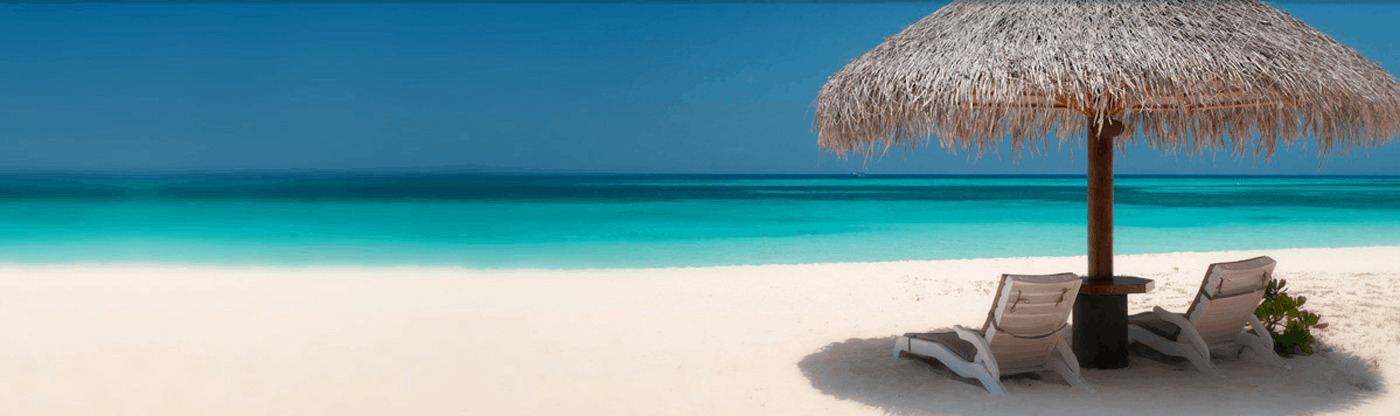

Socotra Island is home to some of the most extraordinary beaches in the world, where turquoise waters meet towering dunes and untouched shoreline. This guide explores the island’s most beautiful coastal gems, from remote coves to wide stretches of white sand. Get ready to discover the magical beaches that make Socotra Island one of Yemen’s most breathtaking destinations.
Socotra Island Yemen is one of the most remote and unusual places on Earth. Bright turquoise water meets wide beaches, while strange dragon blood trees and white sand dunes shape the landscape. In addition, the island feels wild and untouched because few travelers ever reach it.
The scenery changes quickly as you explore the coast. Some beaches sit beside towering cliffs, while others stretch along quiet lagoons and empty coves. As a result, every stop feels different and surprisingly peaceful.
Whether you want clear water, dramatic views, or quiet places to relax, this island offers a rare escape. A visit here feels less like a typical beach trip and more like stepping into another world.
Visit The Best Beach Destinations in the World You’ll Love and read more about Socotra Island, or visit us on Pinterest.
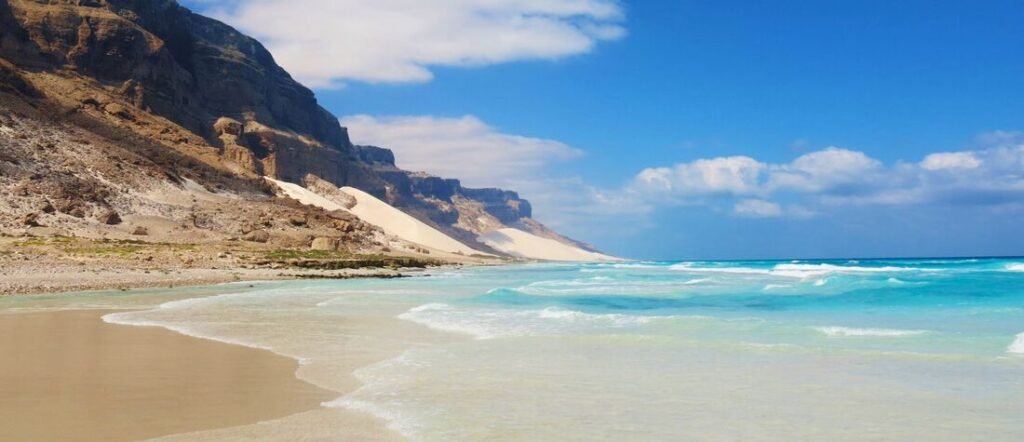
Best Time to Visit Socotra Island Yemen
This remote island has a warm, dry climate for most of the year. Temperatures usually range from 77°F to 95°F (25°C to 35°C), and sunshine is common. Because the seasons shift with the winds, it helps to plan your visit carefully.
The best time to travel is October through May. During these months, the sea stays calmer and the air feels more comfortable. In addition, lighter winds make boat trips and snorkeling easier. The landscape also looks greener after the brief summer rains, which makes the scenery even more striking.
From June to September, strong winds sweep across the island. Rough seas can make boat travel difficult, and some beaches become harder to reach. However, the skies often look dramatic and the nights feel cooler.
For most travelers, the October to May season offers the easiest conditions. Calm water, clear skies, and comfortable temperatures make it the ideal time to explore the coast and unique landscapes.
What Makes Socotra Island Yemen So Unique
Socotra Island Yemen is one of the most unusual places on Earth. Strange dragon blood trees, bright sand dunes, and quiet beaches create a landscape that feels almost unreal. In addition, the island remains remote and largely untouched, which gives it a peaceful atmosphere.
Travelers come here for nature, adventure, and scenery that looks unlike anywhere else. Because of the island’s isolation, the coast feels calm and uncrowded. As a result, exploring this remarkable place often feels like stepping into another world.
Rare Nature and Wildlife on Socotra Island Yemen
Socotra Island Yemen is famous for its unusual plants and animals. Many species live here and nowhere else on Earth. The most well-known examples include the dragon blood tree, the unique bottle tree, and several rare reptiles and snails. Because of this remarkable biodiversity, the island is listed as a UNESCO World Heritage Site.
Dramatic Landscapes and Natural Wonders
The island also offers a wide range of striking natural scenery.
Beaches
Wide white-sand beaches meet clear blue water in many areas. Quiet places such as Shoab Beach and Arher Beach offer peaceful views and calm swimming spots.
Sand Dunes
The tall Zahek Sand Dunes rise above the shoreline and create one of the island’s most dramatic scenes. Here, golden sand slopes down toward the sea.
Caves and Canyons
Travelers can explore deep caves such as Hoq Cave or hike through scenic valleys like Wadi Dirhur and Ayhaft Canyon. These areas reveal another side of the island’s wild landscape.
Marine Life
The waters around Dihamri Marine Protected Area hold colorful coral reefs and abundant fish. As a result, snorkeling and diving are popular activities.
With rare wildlife, dramatic scenery, and simple outdoor adventures, the island offers a travel experience unlike almost anywhere else.
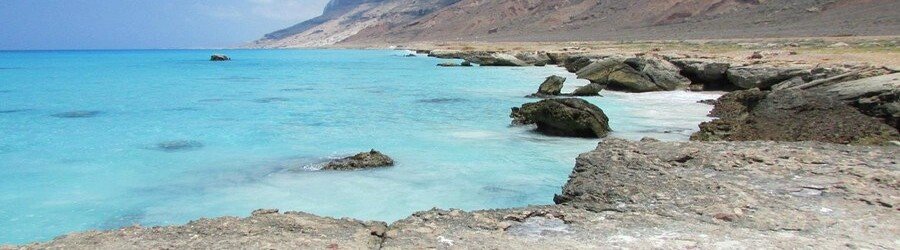
Best Things to Do on Socotra Island Yemen
Visitors will find many ways to explore the island’s wild land and clear coastal water. Some activities feel calm, while others bring a sense of adventure. In addition, the strange scenery and rich wildlife make every stop feel special.
Outdoor Adventure
The island is great for hiking and trekking. Travelers can walk through valleys, climb rocky hills, or try sandboarding on the tall dunes. As a result, outdoor lovers always find something new to explore.
Snorkeling and Diving
Clear water around the island makes snorkeling and diving popular. Coral reefs hold colorful fish, rays, and other sea life. In addition, steady winds in some areas make kitesurfing possible.
Wildlife Watching
Nature lovers can watch birds, dolphins, and manta rays. Sea turtles also appear near several beaches. Because of this, every trip near the water can bring a new sight.
Local Culture
Small villages offer a chance to meet local people and see daily life. Visitors may share tea, see traditional homes, and taste simple island meals. In addition, these visits help travelers learn more about the island.
Relax by the Sea
The island is also a quiet place to rest. Wide beaches, soft waves, and clear night skies create a calm setting. As a result, many visitors enjoy sunset walks or stargazing at night.
Best Beaches on Socotra Island Yemen
The island has many beautiful beaches. Each one offers soft sand, clear water, and quiet views. In addition, the remote setting keeps most shores peaceful and uncrowded.
Qalansiyah Beach and Detwah Lagoon
This area is one of the most photographed places on the island. The lagoon shines with bright blue water and gentle waves. As a result, it is perfect for swimming and relaxing beside the cliffs.
Shoab Beach
Visitors reach this beach only by boat. Because of this, the trip feels like a small adventure. Dolphins also appear near the shore, which makes the visit even more memorable.
Arher Beach
Arher is famous for its huge white sand dunes. These tall dunes rise beside the turquoise sea and create striking scenery. In addition, fresh water flows from nearby cliffs.
Aomak Beach
Aomak stretches for miles along the coast. Because of its wide shoreline, it is ideal for walking, swimming, and watching the sunset.
Delisha Beach
This beach is easy to reach and great for a relaxed day by the water. Soft sand and calm waves make it family friendly. In addition, nearby dunes create a beautiful backdrop.

Hidden Beaches on Socotra Island Yemen
Some beaches on the island stay quiet and rarely visited. Because of this, they offer even more privacy and untouched scenery.
Ras Erissel Coast
This area marks the point where the Arabian Sea meets the Indian Ocean. As a result, the waves feel stronger and the views look dramatic. The rugged shoreline is also a favorite for photography.
Qadama Beach
Qadama is calm and often empty. Soft sand and tall cliffs create a sheltered setting. In addition, the peaceful atmosphere makes it perfect for travelers who want quiet time by the sea.
Small Coves near Shoab Beach
Tiny inlets sit between the cliffs near Shoab. The water stays clear and the sand remains soft. Because of this, visitors often enjoy these quiet coves almost to themselves.
Remote Aomak Shoreline
Farther down the coast, Aomak becomes even more peaceful. Gentle waves roll across the wide sand, and the beach seems to stretch forever. As a result, it is ideal for long, relaxing walks.
Dihamri Coastline
This rocky coast is known for rich marine life. Clear water makes snorkeling easy and rewarding. In addition, coral reefs, colorful fish, and sea turtles often appear nearby.
How to Book Accommodation on Socotra Island
Where to Stay on Socotra Island Yemen
Accommodation on Socotra works very differently from most destinations. The island has almost no traditional hotels, and rooms cannot be reserved online. Because of this, all lodging must be arranged through a licensed local tour operator.
First, travelers book a tour operator approved to work on the island. These companies organize flights, permits, transportation, meals, and the full itinerary. In addition, they arrange where you will stay each night.
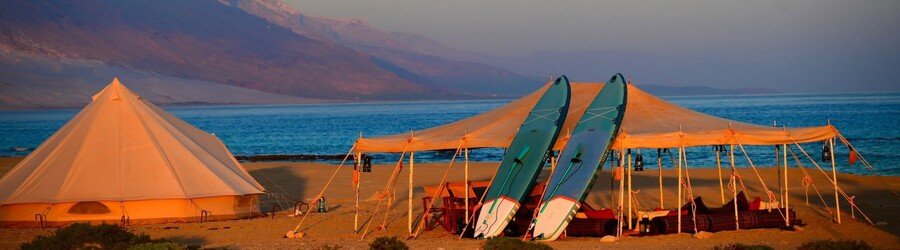
Most tours include a mix of eco-lodges and small camps. Travelers may stay near Hadibo, camp beside the dunes at Arher, or sleep near the lagoons at Detwah. Some routes also include simple community camps in villages or mountain areas.
Visitors cannot reserve these places directly. Camps and guesthouses do not accept online bookings, so accommodations are included as part of a guided travel package.
Tour packages usually cover airport pickup, transportation, meals, camping gear, and guides. As a result, there is no separate hotel booking step when planning the trip.
Socotra also limits visitor numbers to protect its environment. Because of this, it is best to book several months in advance. Early planning helps secure flights and your preferred travel dates.
Local Food and Flavors on Socotra Island Yemen
Food on the island is simple and fresh. Many meals use fish, bread, rice, and local honey. In addition, most ingredients come from the sea or nearby farms. As a result, the dishes feel natural and full of flavor.
Fresh Seafood
Fish is a daily staple and is often grilled over open coals. Meals may include tuna, grouper, or lobster from the day’s catch. Because of this, the flavor stays fresh and lightly seasoned.
Local Bread
Socotri bread is soft and warm and cooks on flat griddles. It pairs well with many meals. In addition, simple flatbread sometimes appears with honey or tea.
Goat and Lamb Dishes
Goat and lamb are common in village cooking. The meat cooks slowly with mild spices. As a result, the dishes taste rich but still simple.
Rice and Light Spices
Rice appears in many meals and often cooks with gentle spices. Fresh vegetables may also appear when available. Because of this, meals stay balanced and easy to enjoy.
Island Honey
Honey is one of the island’s well-known products. Local plants give it a deep and slightly wild flavor. In addition, people often serve it with bread or tea.
Tea Time
Tea is served throughout the day and is part of daily life. Sharing a cup with locals or guides is a common and welcoming moment. As a result, it often becomes a highlight of the visit.
Getting Around Socotra Island Yemen
Travel on the island works very differently from most places. There is no public transit, and many roads are rough or unpaved. Because of this, visitors travel with guides and 4×4 vehicles to reach beaches, villages, and natural sites.
4×4 Vehicles with Drivers
Most tours include a 4×4 and an experienced local driver. These drivers know how to cross sand, rocky tracks, and remote areas safely. As a result, this is the most common way to explore the island.
Guided Transport Only
Visitors cannot rent cars or drive on their own. Because of this rule, travel happens through licensed tour guides. The system also helps protect the island’s fragile environment.
Boat Trips
Some beaches, such as Shoab Beach, are reachable only by boat. Local fishermen often provide these trips for tour groups. In addition, the ride sometimes includes dolphin sightings along the coast.
Walking and Light Hiking
Many attractions require short walks. Sand dunes, caves, and viewpoints often involve easy hikes. Because of this, comfortable walking shoes are helpful.
No Public Transit or Taxis
There are no buses, taxis, or rideshare services on the island. As a result, transportation must be arranged through your tour operator.
Travel Tip
The island remains remote and largely undeveloped. For this reason, guided tours are the easiest and safest way to explore. Booking early also helps secure a reliable driver and vehicle.

Must-See Highlights on Socotra Island Yemen
1. Dragon’s Blood Tree Forest (Dixam Plateau)
This famous forest is one of the island’s most striking sights. The umbrella-shaped dragon blood trees create a landscape that feels almost unreal. In addition, sunrise and sunset give the plateau a soft golden glow.
2. Hoq Cave
Hoq Cave is one of the largest caves in the region. The hike up is scenic and fairly easy. Inside, wide chambers and ancient rock formations create a cool and quiet setting.
3. Detwah Lagoon
Detwah Lagoon features calm blue water and bright sand. Visitors often see stingrays and small sharks near the shore. As a result, it is one of the most beautiful coastal spots on the island.
4. Shoab Beach
Visitors reach this beach only by boat. Because of this, the trip feels like a small adventure. Dolphins often appear along the ride, and the beach itself stays peaceful and remote.
5. Arher Sand Dunes
Huge white dunes rise beside the turquoise sea. Freshwater springs flow from nearby cliffs, which creates a rare mix of desert and ocean scenery. As a result, this area is perfect for photos and short hikes.
Travel Requirements for Socotra Island Yemen
Visiting Socotra is an unforgettable experience, although it requires some planning. The island is remote and travel rules are strict. Because of this, most visitors arrange their trip through a licensed tour operator.
Entry Requirements
All visitors need a Yemeni visa to enter the island. Travelers usually apply through a licensed Socotra tour operator, who handles the visa process. You cannot receive a visa on arrival, and independent applications are not accepted.
Flights
There are no regular direct international flights to the island. Most travelers fly from Abu Dhabi on limited weekly routes. As a result, seats often fill quickly, so booking several months ahead is recommended.
Tour Operator Requirement
Independent travel is not allowed. Visitors must book a guided tour that includes transportation, lodging, and local permits. This system helps protect both travelers and the island’s environment.
Permits
Your tour operator will arrange the permits required to visit protected areas. In addition, some regions have extra conservation rules, so access must be approved in advance.
Practical Travel Tips for Socotra Island Yemen
Services on the island are very limited, so it helps to prepare before you arrive. Bringing the right items will also make your trip easier and more comfortable.
Health and Safety
Medical facilities are basic, and there are no large hospitals on the island. Because of this, travelers should bring personal medication and a small first-aid kit. In addition, travel insurance with emergency coverage is strongly recommended.
Money
There are no ATMs and no card payment systems. As a result, visitors must bring enough cash for the entire trip. U.S. dollars are widely accepted, and your tour operator can advise how much to carry.
Connectivity
Internet service is very limited, and many areas have no phone signal. Because of this, visitors should expect to stay mostly offline during their visit.
Packing Basics
Light clothing, sunscreen, a hat, and sturdy walking shoes are important. A reusable water bottle and small flashlight also come in handy. In addition, a dry bag can help protect phones and cameras during boat trips.
Respect the Environment
The island is one of the most fragile ecosystems on Earth. For this reason, visitors should stay on marked trails, avoid disturbing wildlife, and carry out any waste.
Why Socotra Island Yemen Should Be on Your Bucket List
Socotra Island Yemen feels unlike almost anywhere else on Earth. Bright beaches, tall dunes, rugged cliffs, and rare dragon blood trees create a landscape that looks both wild and unusual. In addition, the island’s slow pace and remote setting make each moment feel calm and memorable.
Visitors come for quiet beaches, scenic hikes, and the chance to see nature that exists nowhere else. Because of this, exploring the island often feels like discovering a different world. For travelers seeking beauty, adventure, and true escape, this remarkable place easily earns a spot on any bucket list.
Socotra Island Yemen FAQs
How do you get to Socotra Island Yemen?
Most visitors reach the island by flying from Abu Dhabi on limited weekly flights. Because seats are limited, travelers usually book early through a licensed tour operator.
Do you need a visa to visit Socotra Island Yemen?
Yes. All visitors need a Yemeni visa before arriving. In addition, the visa must be arranged through a licensed tour operator.
Can you travel independently on Socotra?
No. Independent travel is not allowed on the island. Because of this rule, visitors must join an organized tour that includes guides, transport, and permits.
Are there hotels on Socotra Island Yemen?
Large hotels and resorts do not exist on the island. Instead, travelers stay in eco-lodges, beach camps, or simple guesthouses. These stays are usually arranged as part of the tour package.
Is Socotra safe for visitors?
Yes. The island is generally considered safe for travelers. However, medical facilities are limited, so visitors should bring basic supplies and travel insurance.
When is the best time to visit Socotra Island Yemen?
The best time to visit is October through May. During these months the sea is calmer and travel conditions are easier. As a result, more beaches and natural sites are accessible.
Related Posts
 The Most Stunning Vietnam Beaches You’ll Love
- The Stunning Coastal Town of Phu Quoc Vietnam You’ll Love
- The Most Beautiful Coastal Towns in Sri Lanka
- The Most Beautiful Gili Islands: Beaches, Resorts & Things to Do
- Discover the Best of Koh Tao: Ultimate Travel Guide
- Discover the Best of Koh Samui: Ultimate Travel Guide





I’m really interested in Socotra, but not just for the beaches. I’m more of a history and culture traveler — do you think the island offers enough beyond the coastline to keep me busy for a full two weeks? I’d love to explore the landscapes but also understand the traditions and stories behind the island. Is there enough variety, or would it feel repetitive after a while?
Absolutely — two weeks on Socotra can stay full and fascinating, especially if you’re drawn to history, culture, and unique landscapes. While the beaches are stunning, the island’s real depth comes from its ancient traditions, rare ecosystems, and the Socotri way of life. You can explore centuries-old cave inscriptions, wander through traditional villages, learn about the island’s Bedouin heritage, and hike through places like the Dixam Plateau and Hoq Cave, where the scenery tells its own story.
Because Socotra is untouched by mass tourism, every day feels different — one day you’re walking among Dragon’s Blood Trees, the next you’re exploring canyons, freshwater springs, desert dunes, or remote coastal settlements. Many travelers say the cultural immersion alone could fill a week.
If you enjoy nature, anthropology, and slow travel, two weeks is the perfect amount of time. What part of the island’s culture or history interests you most?
As stunning as Socotra looks, I get nervous when I read that it’s part of Yemen, because news about the region is usually tied to conflict and instability. I’m not sure how safe it actually is to travel there, even with a tour operator. Is Socotra really a destination you’d recommend right now, or is it one of those places where you need to be very cautious and maybe wait?
That’s a very valid concern, and it’s important to take it seriously. Socotra is part of Yemen, and the broader country has experienced conflict and instability, which is why most governments issue strong travel advisories for the region as a whole. Travel to Socotra is tightly controlled through licensed local operators, and they organize flights, permits, and movement on the island, but that doesn’t remove the need for caution. I always suggest checking the latest travel advisories from your own government, speaking directly with reputable Socotra tour companies about current conditions, and making an honest assessment of your personal risk comfort before you commit. Socotra is an incredible place, but it’s not a simple “fly in and wing it” beach trip like the Caribbean or Mediterranean. It’s best suited to experienced travelers who are prepared to do extra research and plan carefully around safety and logistics.
I’ve been fascinated by Socotra for a while, but every time I look into it, the prices seem really high compared to more typical beach destinations. Since you have to book through a tour operator and include flights, guides, and camps, it feels like the total cost adds up fast. For someone who isn’t a luxury traveler but loves nature and unique places, do you think Socotra is really worth the expense?
You’re right that Socotra is not a budget destination in the traditional sense. Because it’s remote and regulated, everything is bundled into a tour package that includes flights, permits, guides, 4x4s, camps, and food, which makes the upfront cost look higher than booking a simple beach vacation somewhere else. What you’re really paying for, though, is access to a place that still feels wild, quiet, and almost completely untouched by mass tourism. If you’re the kind of traveler who values rare landscapes, empty beaches, and once-in-a-lifetime experiences more than resorts and nightlife, Socotra can absolutely be worth the splurge. It’s not the right fit for every budget, but many people think of it as a “bucket list” trip they plan and save for rather than a quick, casual getaway.
This place looks unreal, almost like another planet. Do most people visit Socotra Island as part of a guided tour, and how hard is it to actually get there?
Yes, nearly all travelers visit with a guided tour because Socotra Island requires permits, a Yemeni visa, and arranged transport, and there are no independent travel options. Flights are limited, usually through Abu Dhabi or Cairo, so planning ahead makes the trip much easier. A tour also handles accommodation, 4×4 vehicles, and access to beaches like Qalansiyah Beach, Arher Sand Dunes, and the Dihamri Marine Protected Area. If you want, I can suggest the best time to go for calm seas, snorkeling, and clear turquoise water.
The beaches look so untouched and peaceful. Are there places to snorkel without needing advanced experience, or are most spots on Socotra Island better for strong swimmers?
Yes, there are beginner-friendly snorkeling spots on Socotra Island, especially around Detwah Lagoon and the calm areas of the Dihamri Marine Protected Area. The water there is clear, shallow, and great for seeing coral and colorful fish without needing strong swimming skills. More adventurous spots, like Shoab Beach and Arher Beach, work better when the sea is calm and you’re with a guide. If you tell me when you plan to visit, I can suggest the safest beaches and the best time for snorkeling conditions with turquoise water and light winds.